Road Bikes
Cervélo R5 2022 Review: A Lighter Climber's Race Bike
Cervélo's fourth-generation R5 drops weight, adds front-end compliance, and widens tire clearance for modern road riding.
Introduction
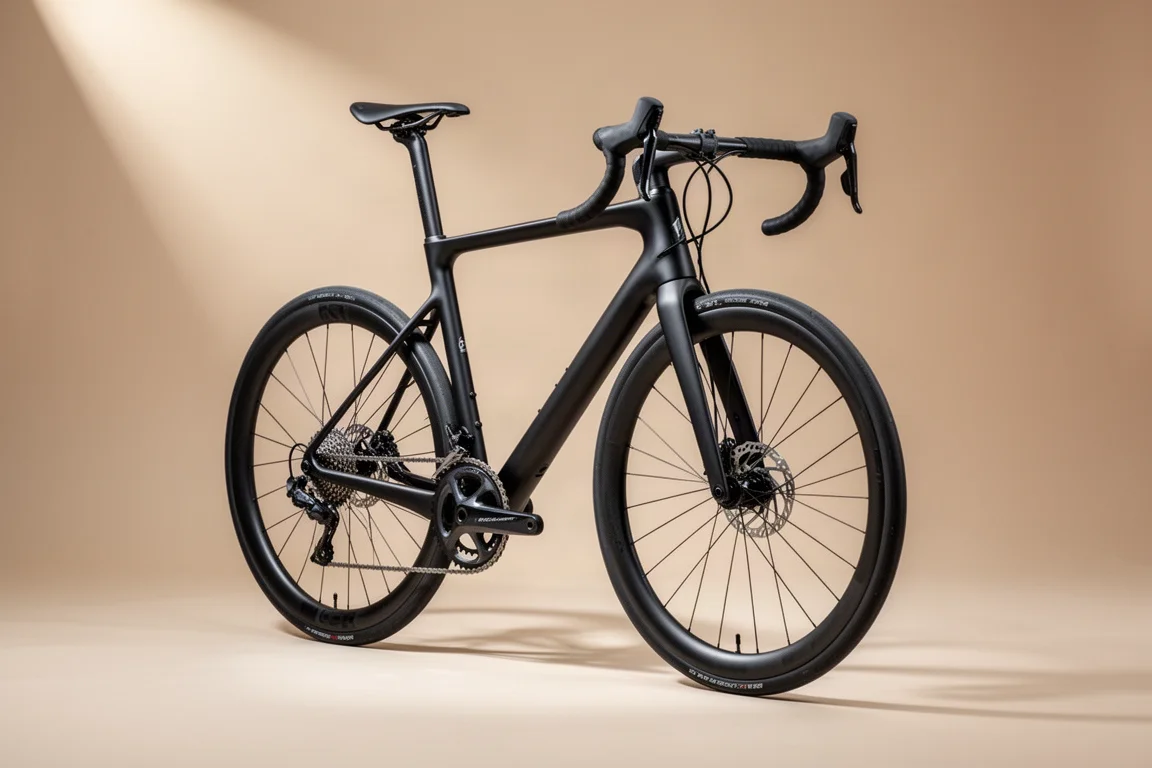
Cervélo has announced the fourth generation of its R5 road bike, a model positioned as the brand’s lightweight racing all-rounder. The new R5 was developed with feedback from professional riders, and the changes focus on three areas: lower weight, improved front-end compliance, and wider tire clearance. The frame is 130 grams lighter than the previous version, while the new fork is said to bring more compliance to the front end and weighs 329 grams. Aero refinements, including fully internal cable routing, contribute to a claimed 25-gram drag saving. A 56 cm frame weighs 703 grams, bringing a complete frame and fork to just over a kilogram.

The R5 keeps its original name and its racing focus, but the updates make it more adaptable to modern road riding. Tire clearance now reaches 34 millimeters, which is generous for a race bike and points to a broader range of use than pure climbing alone.
Who this product is for
This bike is aimed at road cyclists who want a light, fast, and handling-focused machine for climbing, descending, and long days in the saddle. It suits riders who value a race-ready platform but also want the option of wider tires for rougher tarmac or mixed road surfaces. Because the R5 is disc brake only, it is not intended for riders who still prefer rim brakes. The geometry remains close to the previous generation, with a half-millimeter fork trail adjustment to account for larger tires. That suggests Cervélo wanted to preserve the handling that made the earlier R5 popular while making the bike more comfortable over longer distances.
Main strengths
The most obvious strength is weight. Cervélo reworked the carbon schedule, layup materials, and tube shapes to remove 130 grams from the frame. A 56 cm painted frame now weighs 703 grams, and the fork adds just 329 grams. Cervélo also trimmed weight from the cockpit and seatpost: the HP13 handlebar saves 12 grams, the ST31 stem saves 12 grams, and the SP24 aerodynamic carbon seatpost saves 20 grams. Together, those parts account for another 48 grams of savings.
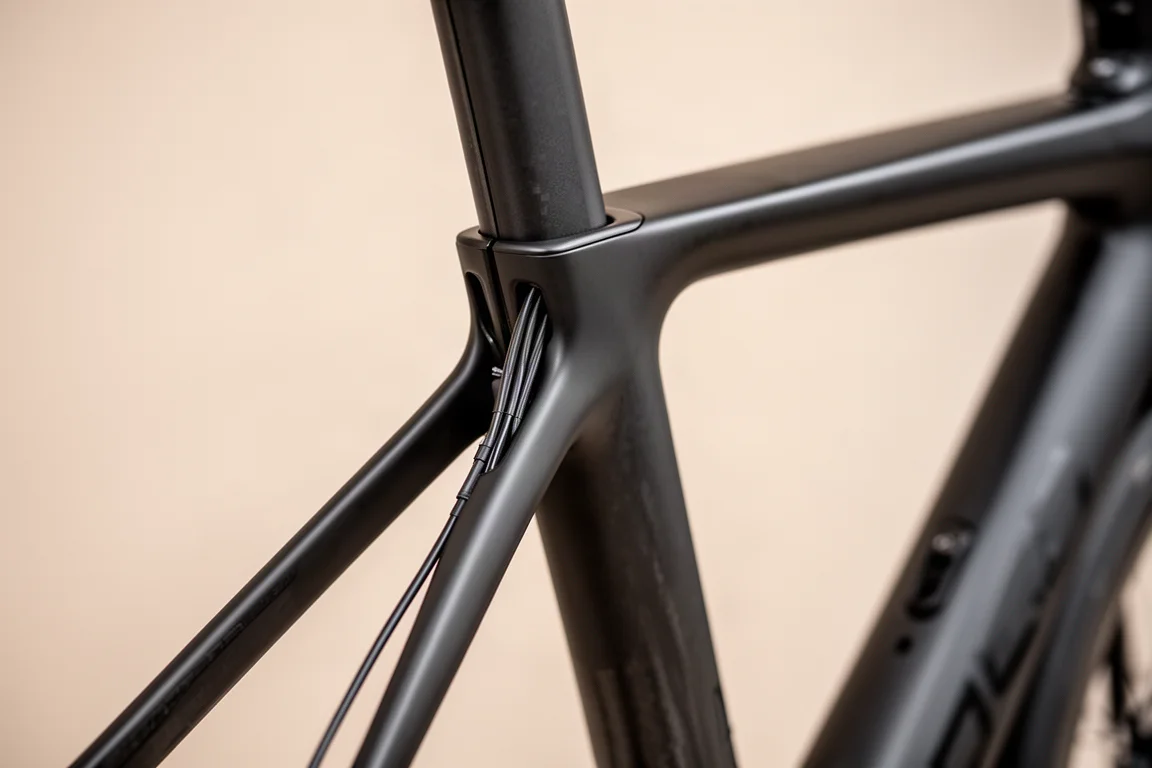
Compliance is the second major theme. The new fork maintains lateral stiffness for confident handling but reduces longitudinal stiffness to soften the front end. The seat tube junction has been dropped by around 15 millimeters, which lowers standover height and adds compliance at the rear. Cervélo’s engineers targeted a specific stiffness ratio between the head tube and bottom bracket, with the head tube at 45 percent of the bottom bracket’s overall stiffness. The result is a bike that should feel more comfortable over long rides without losing the responsive handling associated with the R5.
Aerodynamics also receive attention. The down tube is slimmer than before, and the fully internal cable routing helps reduce drag. Cervélo claims a 25-gram drag saving from these changes. The complete package is designed to make the R5 easier to build into a race-ready bike that can approach the UCI weight limit of 6.8 kilograms, a target the previous generation struggled to meet once bottle cages, bottles, computer mounts, and power meters were added.
Things to consider before buying
The R5 is a stock, disc-brake-only model, so riders hoping for a rim brake version will need to look elsewhere. Cervélo has hinted that a special lightweight version may be in development, but the company has not confirmed it. The previous generation’s most celebrated lightweight frames, such as the R5ca and RCA, were rim brake only, produced in very limited numbers, and extremely expensive, with framesets around ten thousand dollars. The new R5 takes a different approach as a regular production bike.
Tire clearance and ride feel
Tire clearance has grown to 34 millimeters, up from a maximum of around 30 millimeters on the previous disc model. That is a significant change for a climbing-focused race bike, and it opens the door to wider tires for comfort and grip. The test build came with 25c tires, but for everyday riding, stepping up to 28 mm is a practical choice for many riders.
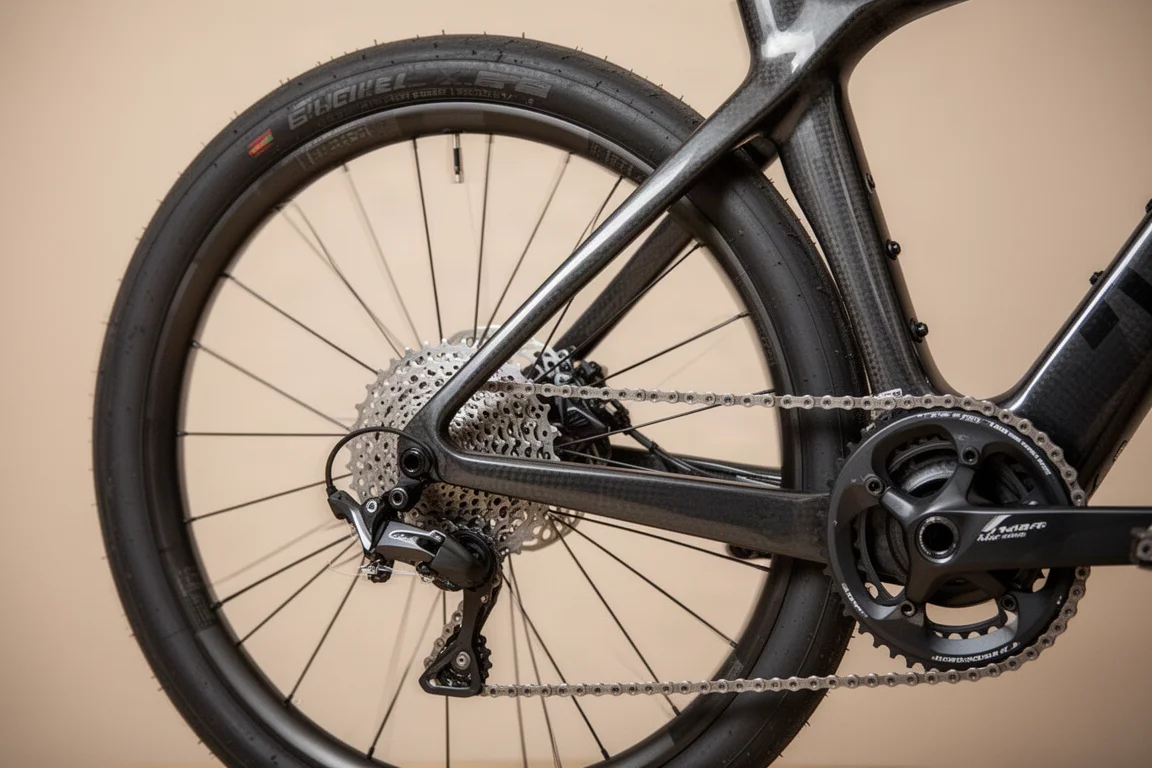
The compliance changes are worth considering if you prefer an extremely stiff front end. Cervélo deliberately reduced longitudinal stiffness in the fork to improve comfort, while keeping lateral stiffness for handling. Riders who want the stiffest possible feel may notice the difference, but the goal is to make the bike more comfortable over the course of a long event. The dropped seat tube junction also changes the look and feel of the rear end, adding compliance without turning the R5 into an endurance bike.
Buying advice
When considering the R5, think about how you will build it and where you will ride it. The frame and fork are exceptionally light for a production road bike, but the complete bike weight depends on components. A 58 cm test build weighed 7.54 kilograms, which is competitive for a disc-equipped race bike but not necessarily under the UCI limit. If weight is a priority, pay attention to wheels, cranks, and finishing kit.
Build weight and component choices
The R5 comes with Reserve 37 wheels, which use a 34-millimeter-deep front rim and a 37-millimeter-deep rear rim. On this particular build, the wheels are paired with DT Swiss 370 hubs, while more expensive models move to DT Swiss 240s. The wheels are tubeless ready, and the bike comes with Vittoria Corsa TLR G 2.0 tires set up tubeless. That is a modern, race-oriented setup, but tire choice remains a personal decision based on road conditions and comfort preferences.
Sizing and setup
Because the R5 is a race bike with a focus on handling, getting the fit right matters. The geometry is based on the previous generation, with a small fork trail adjustment for bigger tires. Riders who liked the earlier R5’s handling should find the new model familiar, but the added compliance may make longer rides more comfortable. A professional bike fit can help you get the most from the geometry, especially if you plan to use wider tires or spend long hours climbing.
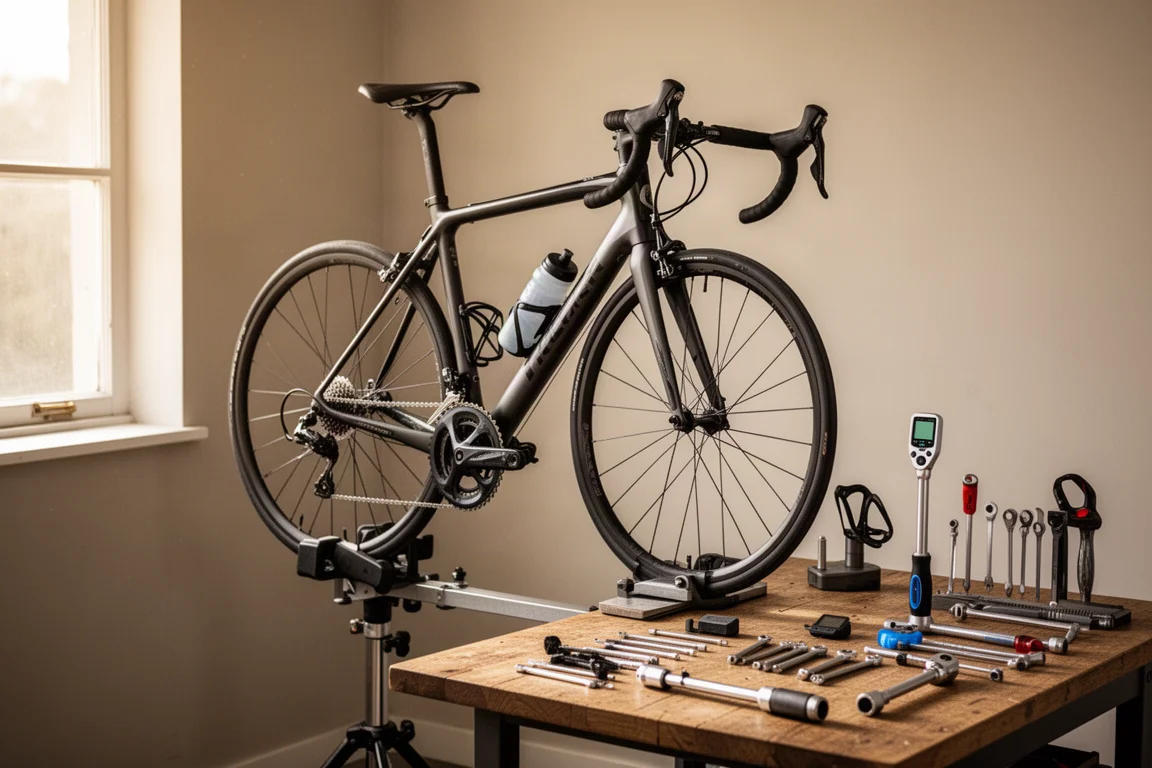
If you ride rough roads or want a bike that can handle more than smooth tarmac, the 34-millimeter tire clearance is a meaningful advantage. It makes the R5 more versatile than a pure climbing bike, even though Cervélo is careful not to call it a cyclocross bike. The R5 remains a road racing platform first, with the flexibility to run wider rubber when conditions call for it.
Conclusion
The fourth-generation Cervélo R5 is a focused update to a well-known racing platform. It saves 130 grams from the frame, adds front-end compliance through a redesigned fork, trims drag with aero tweaks and internal cable routing, and expands tire clearance to 34 millimeters. The result is a lighter, more comfortable, and more versatile race bike that still prioritizes handling and climbing performance. Riders who want a disc-brake road bike with modern tire clearance and a competitive weight should find the R5 worth a close look.
Product link
View more details for Cervélo R5
This product is mentioned in the review. Check the specifications, options, and compatibility before buying.
View more details for Cervélo R5Further reading
Related Reviews

Road Bikes
10 New Road Bikes Worth Watching: Aero, Titanium, Steel and Endurance Standouts
A practical roundup of 10 new road bikes, from aero flagships chasing single-watt gains to titanium, steel and endurance platforms built for real roads.
Road Bikes
2026 Tour de France Road Bikes: Six Race Machines Worth a Closer Look
Six race bikes from the 2026 Tour de France grid, reviewed for paint, silhouette, wheels and the specification details that matter to buyers.
Road Bikes
3T Strada Italia Review: A Radical Aero Road Bike That Rides Smooth
A made in Italy carbon aero road bike with a deep head tube, wide tire clearance and a genuinely comfortable ride. Here is what to know before buying.