Endurance Road Bikes
Cervélo Caledonia 5 vs Áspero 5: Two Endurance Platforms Compared
A practical look at the Cervélo Caledonia 5 for long-distance road riding, how the Áspero 5 differs as a gravel platform, and which one fits your riding.
Introduction
Long-distance riding rarely rewards the most aggressive bike in a range. What it rewards is stability under load, a gear range that lets you keep turning over comfortably on a climb, and enough mounting freedom to carry only what you genuinely need. The Cervélo Caledonia 5 was designed around that brief, and the Cervélo Áspero 5 takes a different route to a similar goal.
This guide covers what the Caledonia 5 is built for, the setup details that matter over a multi-day route, and how the Áspero 5 differs as a gravel-focused platform, so you can work out which one belongs in your garage.
What to Look For in a Long-Distance Road Bike
Three things separate a bike that copes with a multi-day route from one that merely survives it: geometry, gearing, and how it carries luggage.
Geometry matters most when the bike is loaded. A longer wheelbase and a slightly lower bottom bracket calm the steering and make the bike feel planted on descents and loose surfaces. A more relaxed position also keeps you comfortable deep into a long day, which is where endurance-focused frames earn their keep.
Gearing decides how much you enjoy the climbs. A semi-compact chainset paired with a wide cassette gives a low enough gear to spin up a long ascent with bags fitted, without sacrificing the top end on flatter roads.
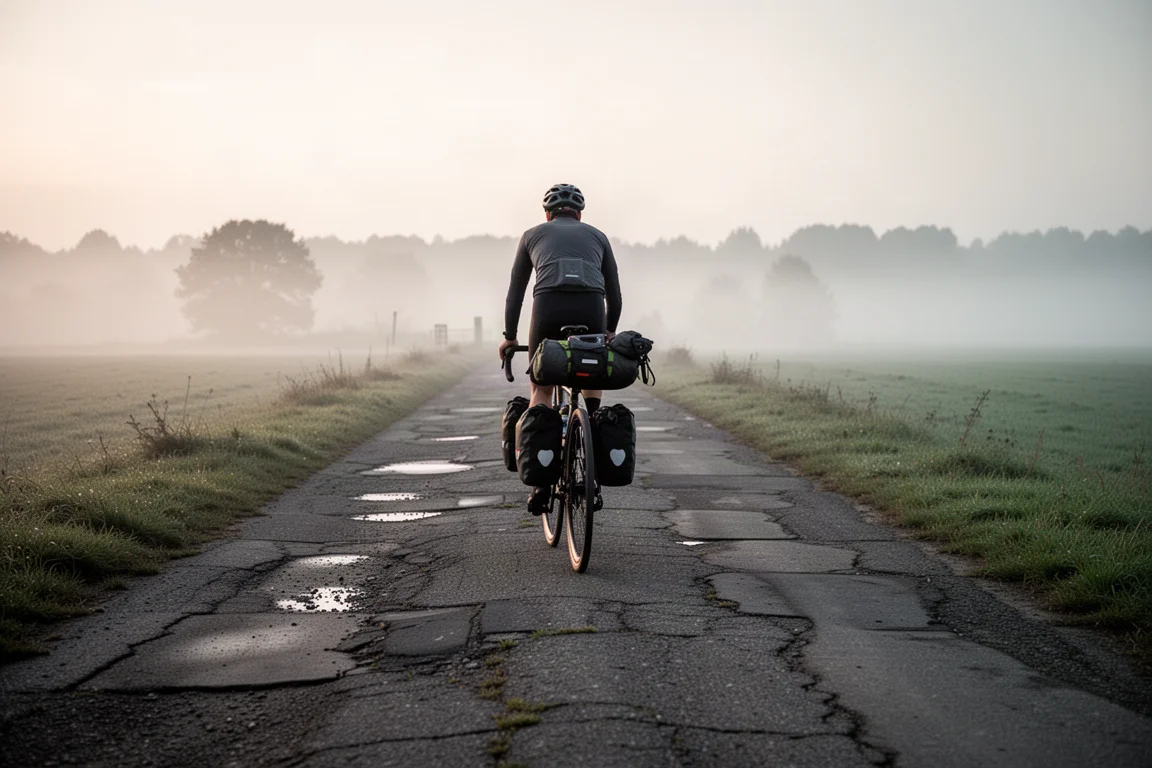
Luggage is the third variable, and it is the one riders underestimate. Bags that clamp to the seatpost and saddle rails tend to sway when they are heavily loaded, which becomes tiring over hours in the saddle. A rack that anchors through the thru-axle keeps weight stable and predictable, and tyre clearance determines how much volume you can run for comfort on rougher surfaces.
Cervélo Caledonia 5: Geometry and Ride Character
The Caledonia name comes from Caledonia Road in California, where the brand’s office was once located, and the bike was shaped by the rough surfaces riders dealt with around there. The design brief also reached into the cobbled classics, where stability and control matter more than outright sharpness.
That shows in the numbers. The Caledonia 5 runs a slightly longer wheelbase and a slightly lower bottom bracket than a pure race bike, which makes it a more stable, endurance-focused machine. Comfort comes from the carbon layup and the dropped rear stays rather than from a soft, vague ride.
Cervélo builds the platform in two tiers. The Caledonia 5 is the top-end version, and the Caledonia is the more price-conscious option. Because the geometry is more relaxed than a race frame, the Caledonia 5 is the kind of bike that suits a broad spread of riders rather than only those chasing a low, long position.
Cervélo Caledonia 5: Build, Gearing, and Contact Points
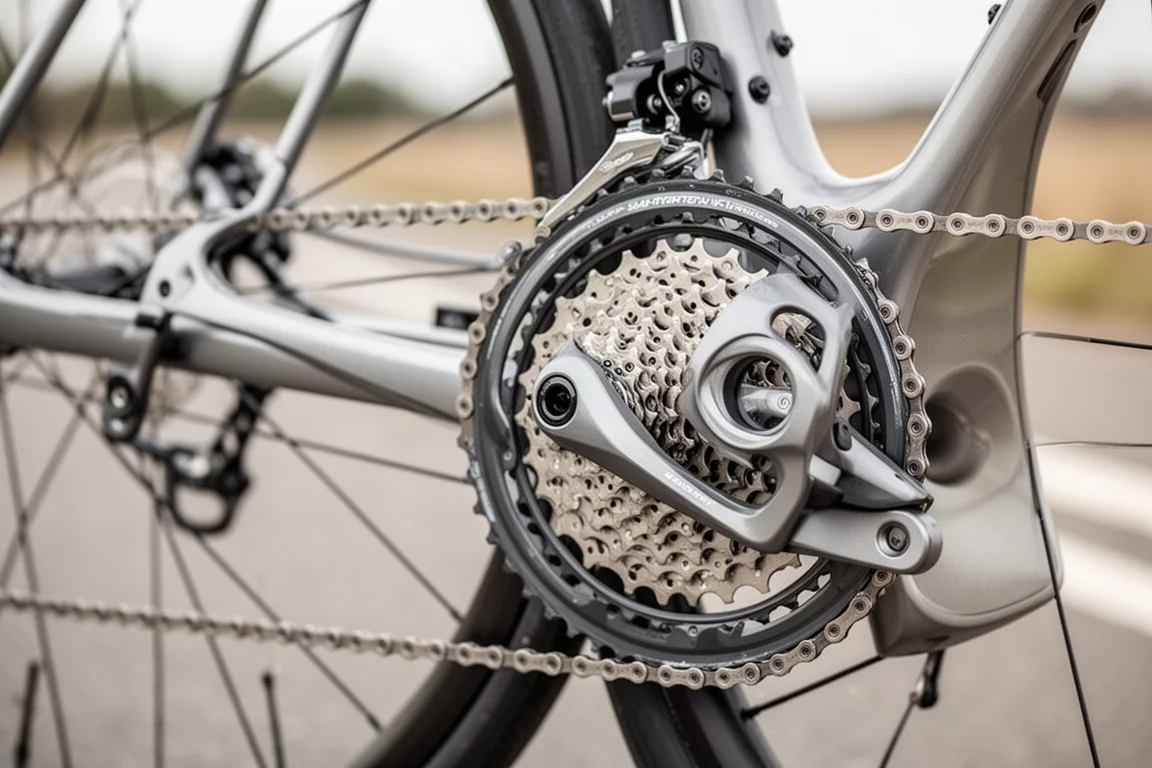
A representative long-distance build pairs Ultegra Di2 11-speed with a Dura-Ace power meter. Up front there is a semi-compact chainset, and at the back an 11-34 cassette, which gives plenty of room to spin up a climb with a loaded bike while still covering flatter terrain comfortably. It is a range that works on road and off it.
Wheels come from Parcours, built here on the brand’s wider gravel rim. With 28mm tyres fitted, that wider rim pushes the measured width closer to 30 or 32mm, adding volume and comfort without changing the nominal tyre size. The front wheel is also built with a dynamo hub. It is not wired up on this setup, but connecting it later is straightforward.
The cockpit is deliberately long and narrow: a 130mm stem with 38cm handlebars, a combination chosen for riders with long limbs and a shorter torso. Cervélo’s integrated spacer top cap keeps the front end looking tidy and aerodynamic even with spacers fitted. Cabling runs internally, but the handlebars use a channel rather than fully internal routing, so cables sit in that channel and remain easy to service. From there they pass through the stem and down a D-shaped steerer tube. The saddle is a Pro Stealth off-road model, picked for its deeper padding, with the pressure relief channel closed over so road spray does not come through it.
On the bars sits a Garmin 1030 Plus, chosen for its large screen and long battery life, and it can be topped up from an external battery on multi-day rides. The mount is Cervélo’s own system with a GoPro-style interface and a light mounted underneath.
At the rear, a Tailfin Aero Pack sits on a rack that passes through the thru-axle. That mounting approach is the reason it stays sturdy and does not sway the way many saddlebags do. This is the lightest Tailfin version, a carbon rack without pannier fittings on the sides, and a small side bag can be added for extra capacity. Inside a custom frame bag there is room for food, gels, drink powder, a passport, a lock and tools.
Cervélo Áspero 5: The Gravel Alternative
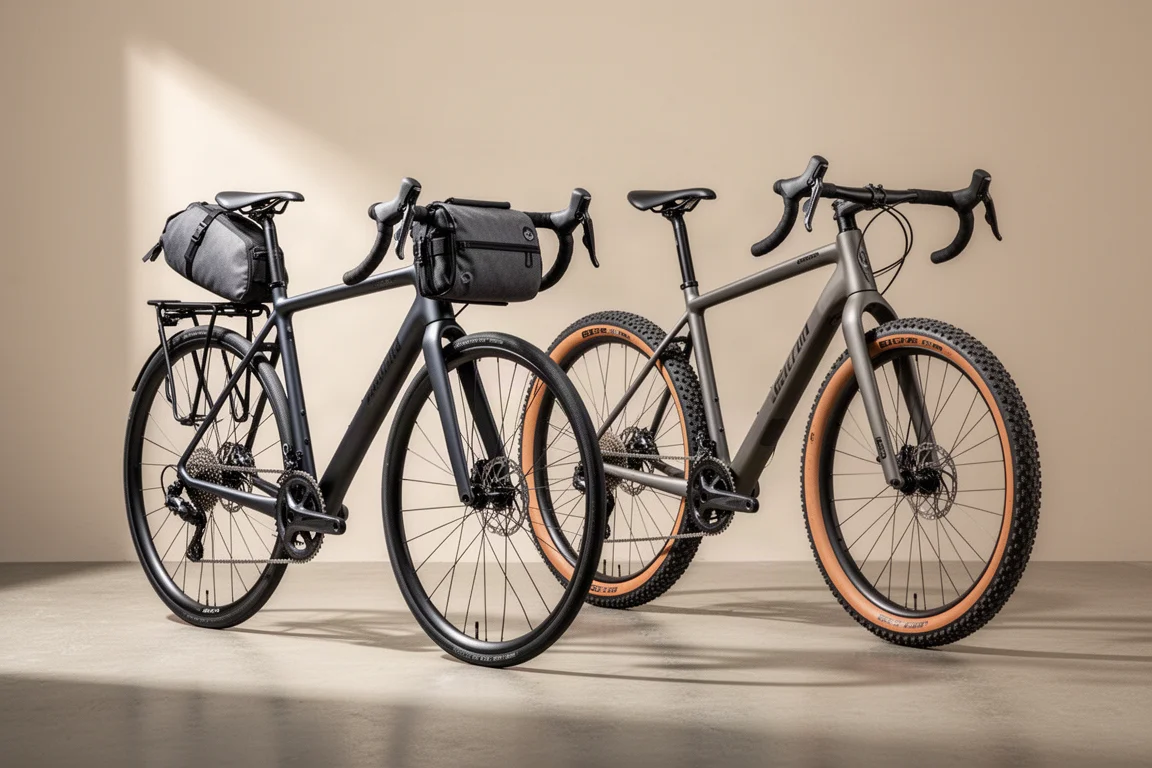
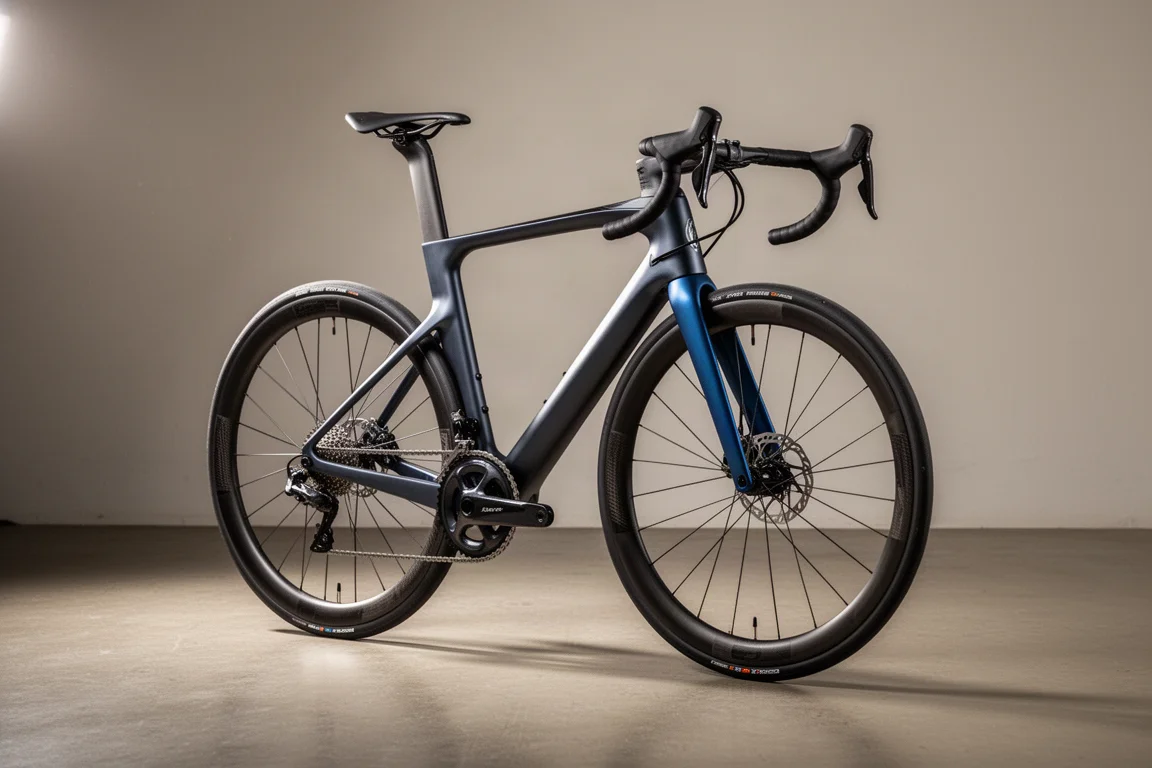
The Cervélo Áspero 5 is the gravel side of the range, and it approaches the same terrain from a more aggressive angle. Its geometry is longer in the top tube, so riders often balance the fit with a shorter stem than they would run on the Caledonia 5. The fundamental difference between the two platforms comes down to tyre clearance, with the Áspero 5 able to take noticeably more tyre volume.
The Caledonia 5 was the bike chosen for a multi-day trip rather than the Áspero 5, precisely because it was designed for that kind of riding: long days, mixed surfaces and luggage. The Áspero 5 remains the better match for riders who want a racier position and the freedom to run wider gravel rubber.
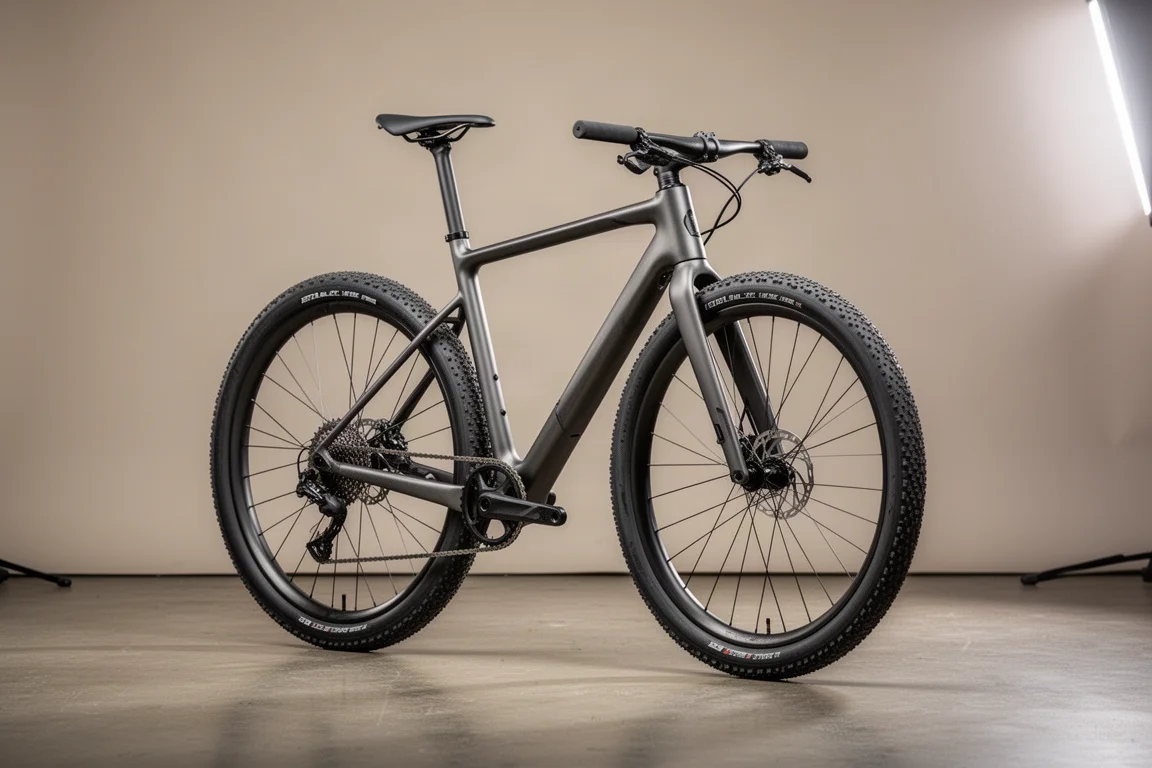
How the Caledonia 5 and the Áspero 5 Compare
The two bikes share a family resemblance but serve different priorities. The Caledonia 5 is the more relaxed of the pair, with a longer wheelbase, a lower bottom bracket and a more stable, comfortable character built on its carbon layup and dropped rear stays. It is the platform that suits the widest range of riders and the one designed with multi-day riding in mind.
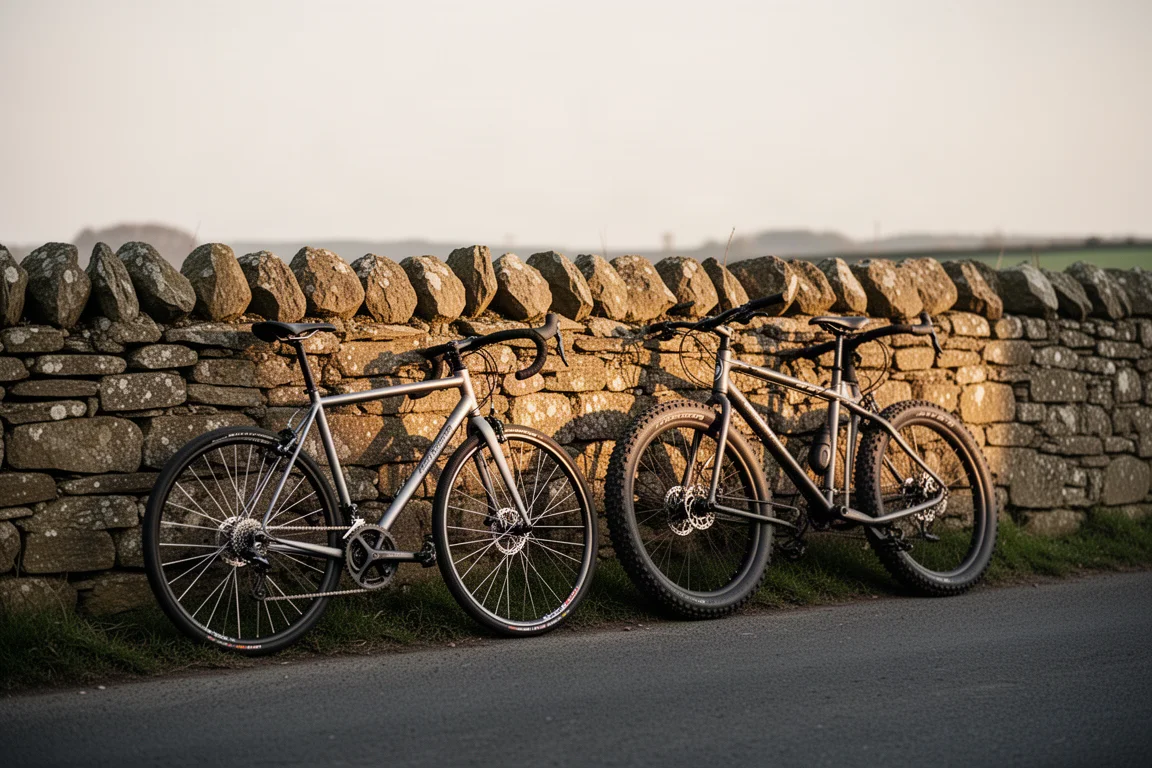
The Áspero 5 trades some of that composure for aggression. A longer top tube and a more forward-leaning position make it feel sharper, and its greater tyre clearance is the clearest practical advantage if your riding regularly leaves the tarmac. Neither approach is better in isolation. The choice comes down to how much of your riding is rough-surface road versus genuine gravel.
Packing Light and Protecting the Frame
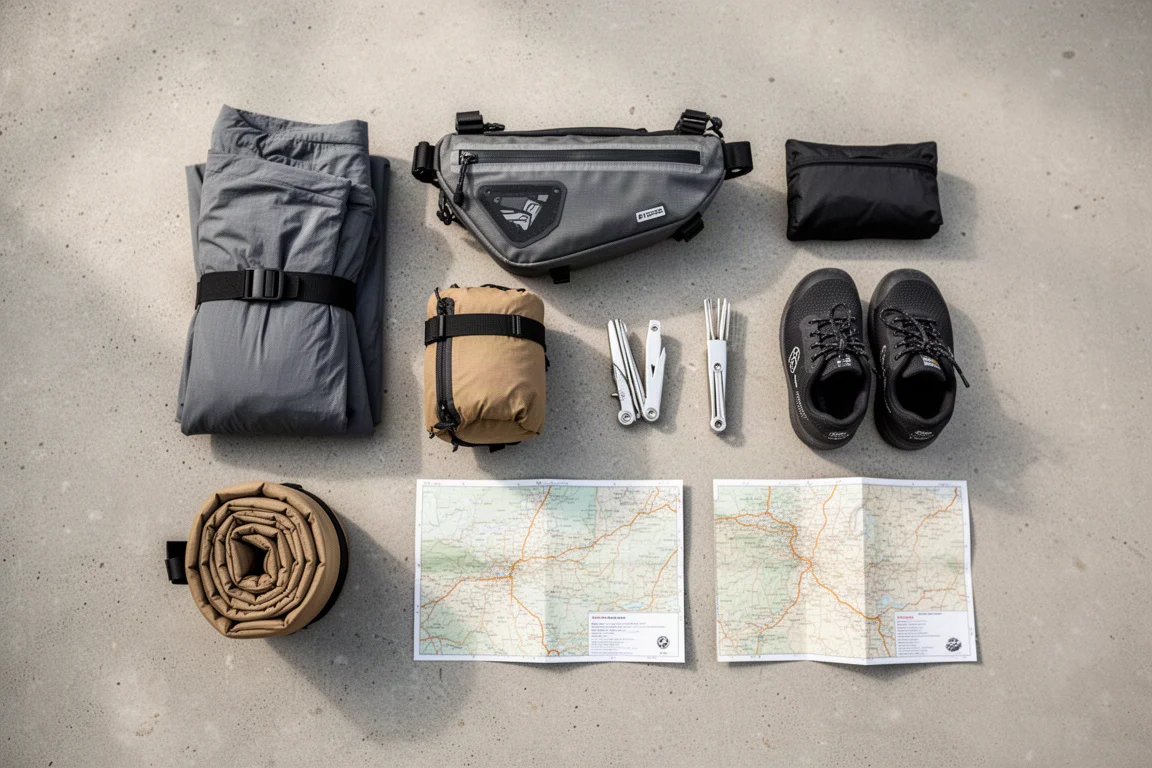
Long trips do not require as much luggage as most riders assume. A workable kit list for roughly ten days includes two pairs of boxers, one pair of shorts, two t-shirts, a down jacket, a rain jacket, leg warmers, overshoes, charging gear, toiletries and an electric toothbrush. One set of riding kit can be washed and dried overnight, which keeps the load small.
Small details make the setup more usable. A pair of packable wading or rock pool shoes rolls down to a compact tube, so you are not walking around in cycling shoes at the end of the day. A lightweight musette bag strapped above the rear stays gives you somewhere to put food when you stop. Pedals here are road SPD-SL, and on a trip with gravel sections off-road shoes and pedals would normally be the better call, since they let you walk without damaging cleats. Foot issues and a preference for the lightest possible shoes are the reasons road pedals stayed on this build.
Frame protection is worth planning before you leave. Clear single-sided tape applied at every strap contact point keeps bags from rubbing through the paint. De-tacking the tape slightly against clothing first makes it easier to remove at the end of the trip, and because it is clear, it is barely visible unless you are standing right next to the bike.
Buying Advice: Which Cervélo Platform Suits Your Riding
Choose the Cervélo Caledonia 5 if your riding is mostly road and rough tarmac, if you want a stable bike that stays predictable with luggage fitted, and if you value a wide gear range and a comfortable endurance position over a low, aggressive front end. Its longer wheelbase and lower bottom bracket make it the calmer of the two when conditions deteriorate.
Choose the Cervélo Áspero 5 if tyre clearance and a sharper, more aggressive position matter more to you than outright stability, and if a meaningful share of your riding happens on gravel. Expect to run a shorter stem to balance its longer top tube.
If you are buying one bike for multi-day trips with a mix of surfaces, the Caledonia 5 is the safer starting point. If you already know you want wider tyres and a racier stance, the Áspero 5 is the more direct route.
Conclusion
The Cervélo Caledonia 5 and the Cervélo Áspero 5 are two answers to the same question about riding beyond smooth tarmac. The Caledonia 5 leans toward stability, comfort and long days with luggage, while the Áspero 5 leans toward tyre clearance and a more aggressive gravel position. Match the platform to the surfaces you actually ride most, and either bike will give you a coherent, well-considered setup.
Further reading
Related Reviews
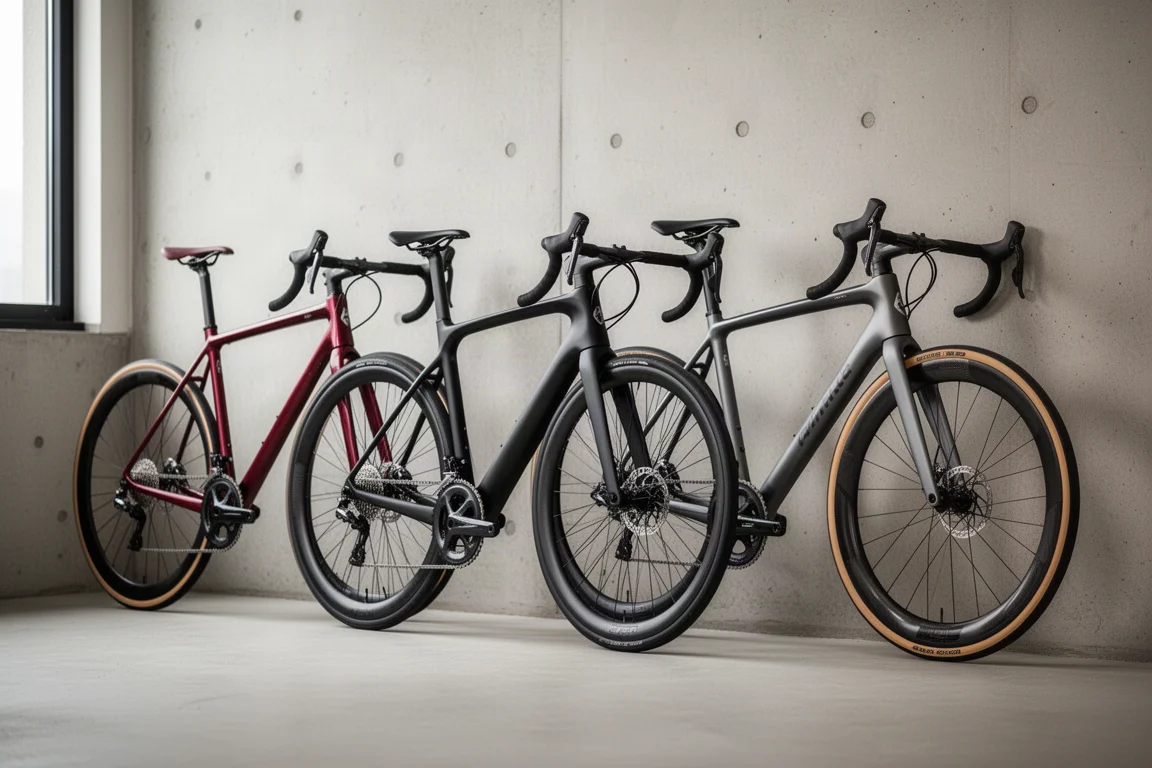
Endurance Road Bikes
Best Endurance Bikes Compared: Merida Scultura Endurance, Cervélo Caledonia and Vitus Venon Evo RS Aero
Three endurance road bikes tested on long, wet road loops: relaxed classic comfort, sporty road pace, and an all-road machine with genuine gravel room.
Endurance Road Bikes
Best Endurance Road Bikes: Eight Comfort-Focused Picks for Speed and Stability
Eight endurance road bikes compared on fit, comfort features, tire clearance, storage and value, from the smoothest carbon options to steel and titanium alternatives.
Endurance Road Bikes
BMC Roadmachine Review: An Endurance Road Bike Built Around 40mm Tires
A closer look at the updated BMC Roadmachine, from its 40mm tire clearance and down tube storage to the trade-offs of its integrated rear light.