Cycling
Cervélo Áspero vs Giant Defy: Gravel Bike or Endurance Road Bike?
A practical comparison of the Cervélo Áspero gravel bike and the Giant Defy endurance road bike, covering tire clearance, geometry, weight, mounts and the riding ratios that decide which one fits you.
Introduction
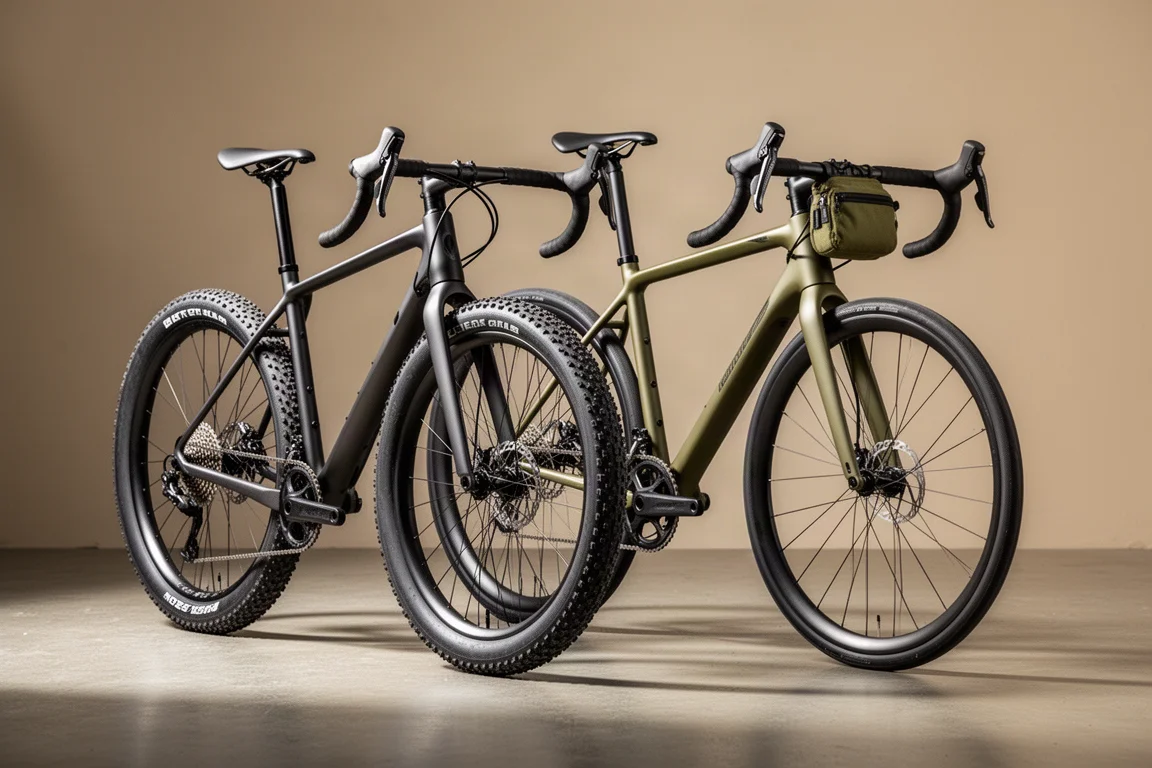
Drop-bar bikes have converged over the past few years. Endurance road bikes now take far wider tires than they used to, while gravel bikes have become faster and more versatile than ever. That overlap is exactly why the choice between a gravel bike such as the Cervélo Áspero and an endurance road bike such as the Giant Defy is less obvious than it looks.
On the surface the two bikes are remarkably similar. Both are drop-bar machines with wide tire capacity, long-distance mounts and a geometry that sits somewhere between a race bike and a tourer. The differences live in the details: tire clearance, reach, stack, wheelbase, fork trail and the small frame features that shape how each bike feels on the road and off it.
This comparison walks through those details and then maps them onto the only question that really matters, which is how much of your riding happens on tarmac and how much happens on dirt.
Tire Clearance: The Biggest Practical Difference
The clearest dividing line between the two categories is how much rubber each frame accepts. Road race bikes have moved to tires up to 32mm. Endurance bikes like the Defy go up to 40mm. Gravel bikes run to 45mm and beyond.
The Defy takes up to 40mm with a 1x drivetrain, or 38mm if you run 2x, where the front derailleur sets the limit. The Áspero accepts around 45mm, depending on how much clearance you want to leave between the tire and the frame and fork.
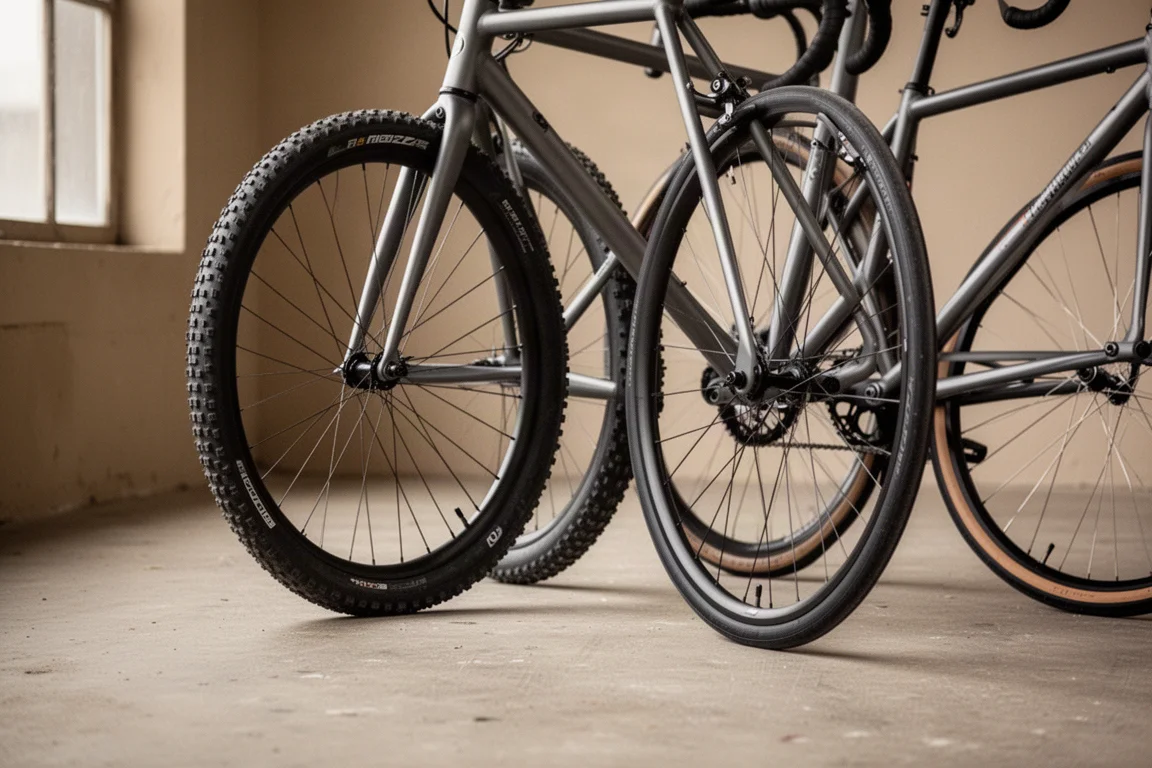
It is worth remembering that endurance road bike clearance today is wider than early generation gravel bikes and wider than cyclocross bikes, which shows how far the category has moved. A 38mm or 40mm tire on a frame like the Defy handles dry dirt roads and cobbles convincingly, so the practical question is not whether an endurance bike can leave the tarmac, but how rough the surface gets once it does. Loose, chunky, technical gravel rewards the extra volume and mud clearance of a dedicated gravel frame, while smooth and dusty dirt roads sit comfortably within the endurance bike’s range.
Cervélo Áspero: Longer Reach, Lower Stack, More Stability
The Áspero is built around a noticeably longer reach and a shorter stem. That combination speeds up steering response, which is useful when the surface under the front wheel is loose and unpredictable. The saddle-to-hood fit still lands in a familiar place, but the frame reaches it a different way.
Its front end sits lower than the Defy and is quite racy, though nowhere near as low as a dedicated road race bike. The wheelbase and chainstays are longer than the Defy’s, and the fork trail in the stock setup is slightly longer, which makes the Áspero feel more planted and stable at higher speeds. The fork trail can also be adjusted to suit two different wheel sizes and tire volumes.
Frame features include a top tube mount for a bento box and a third bottle cage mount on the down tube. There are no fender or mudguard mounts, which is worth noting if you ride through wet winters. The angles themselves are fairly conservative for a gravel bike, leaning toward the racier end of the spectrum rather than the longest, slackest end, and that makes it a natural candidate as an all-road machine.
Giant Defy: Shorter Wheelbase, Quicker Handling
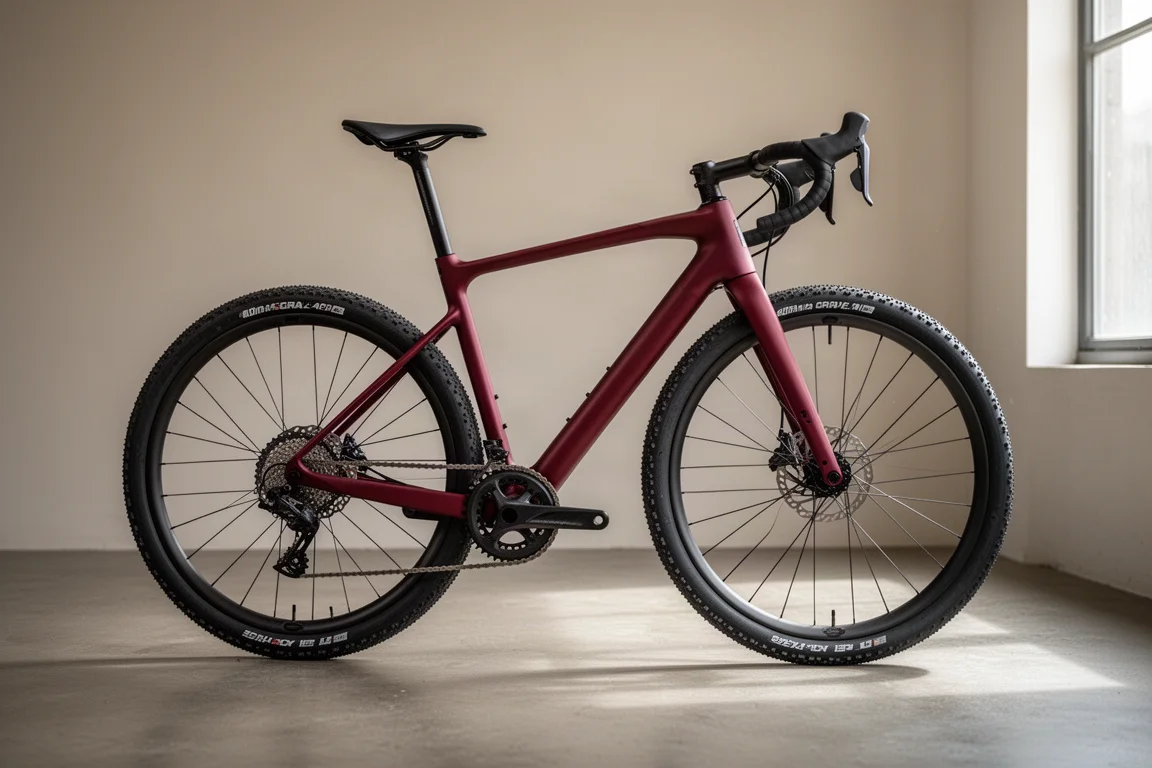
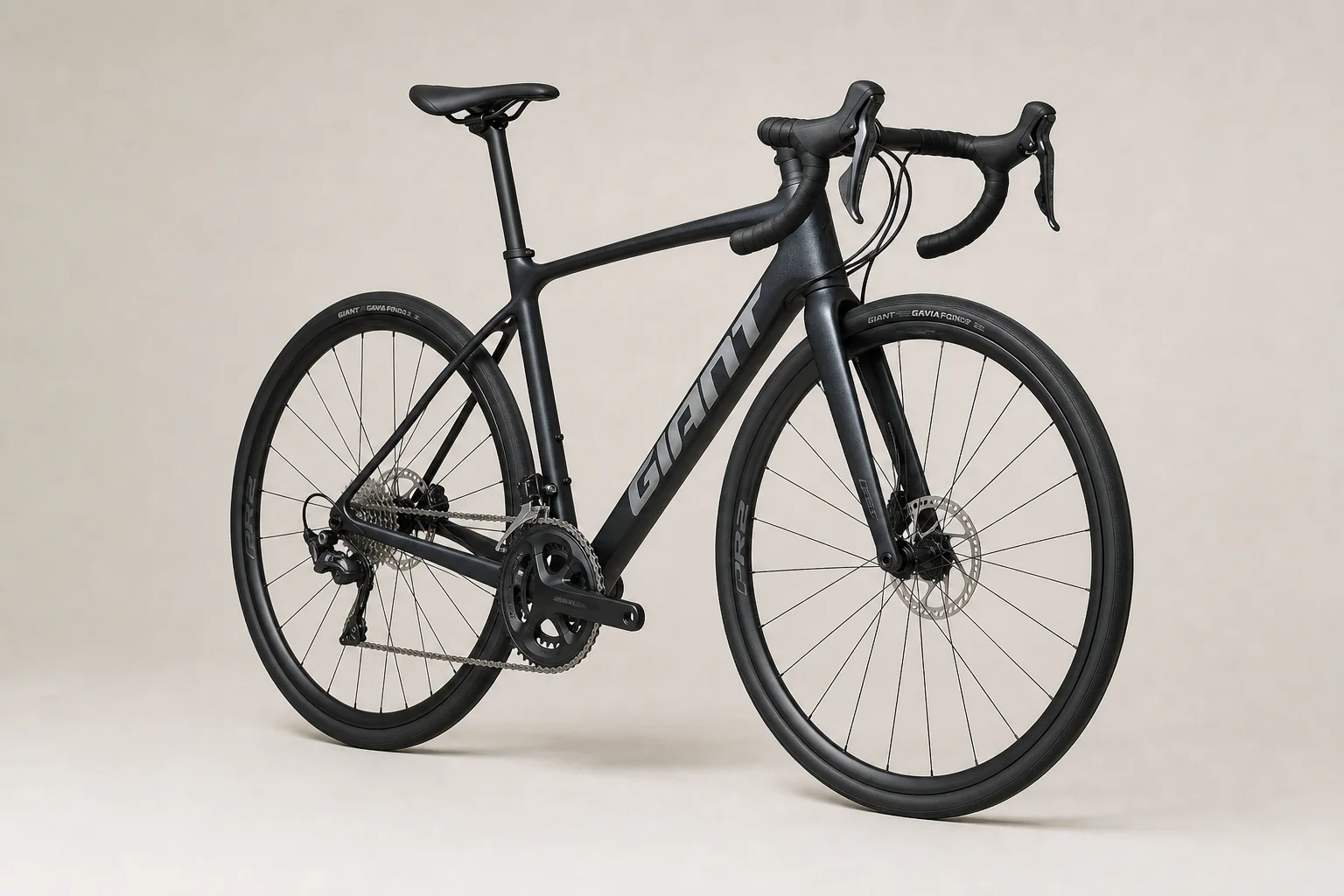
The Defy takes the opposite approach. Its reach is shorter and it is designed around the longer stem typically used on a road bike, which produces a similar distance from saddle to hoods but a different steering feel. The stack is higher, so the riding position is more upright and less aggressive than the Áspero’s.
A shorter wheelbase and shorter chainstays, paired with a shorter fork trail, give the Defy nimble and agile handling. It responds quickly to steering input and feels lively in a way that suits fast group rides and twisting tarmac.
The Defy also brings practical features the Áspero does not have: fender or mudguard mounts for year-round riding, and down tube storage that keeps tools and essentials inside the frame, out of the weather and out of your jersey pockets. Both bikes share the top tube bento box mount and the third bottle cage mount on the down tube.
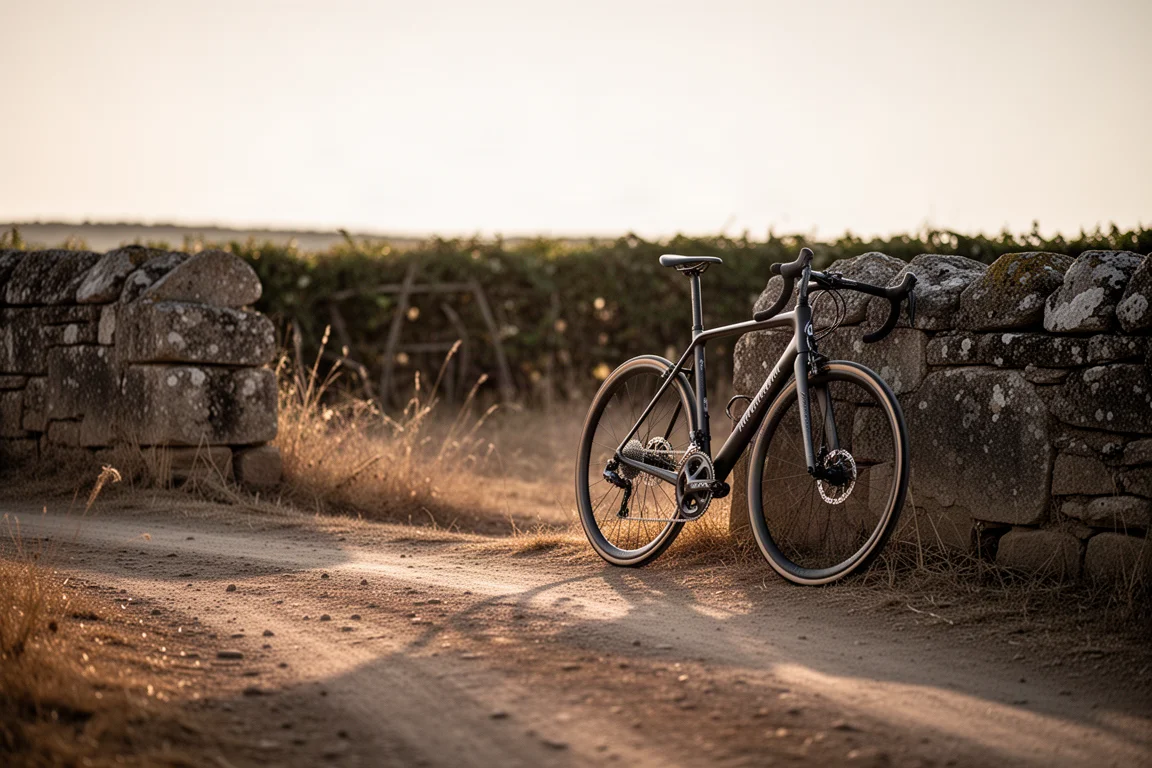
That down tube storage is a genuine long-distance benefit rather than a gimmick. Keeping a multi-tool, spare tube and small essentials sealed inside the frame means no saddle bag collecting mud and grit, and more room in your pockets for food and layers on a long day out.
Weight, Mounts, and Everyday Practicality
On the scales, with the same frame size and no pedals, the Áspero came in at 8.52kg and the Defy at 7.98kg. That is roughly half a kilogram apart, and most of it comes from the groupsets and the tires rather than the frames themselves.
Half a kilogram is not a lot between friends. It is unlikely to hold you back on the road, the trails or a climb, though it is a real difference if you are weight-conscious and chasing a build number.
The mounts tell a more useful story. Both bikes offer a top tube mount for a bento box and a third bottle cage mount on the down tube, so both are set up for long rides. The Defy adds fender mounts and down tube storage, which makes it the more versatile frame for commuting, winter miles and carrying essentials cleanly.
Using the Áspero as a Road Bike
The most interesting part of this comparison is what happens when you put road wheels on the gravel bike. The Áspero was switched to a set of Zipp 303s wheels with 28mm tires, and the swap was straightforward because the hubs matched and the cassette and rotor sizes lined up. No brake adjustment and no gear indexing were needed.
Riding at normal power and speed, it felt like a regular road bike. There was no sense of being held back or disadvantaged, and it was quick. The geometry changes that come with smaller tires, including a lower bottom bracket and altered fork trail, did not ruin the handling.
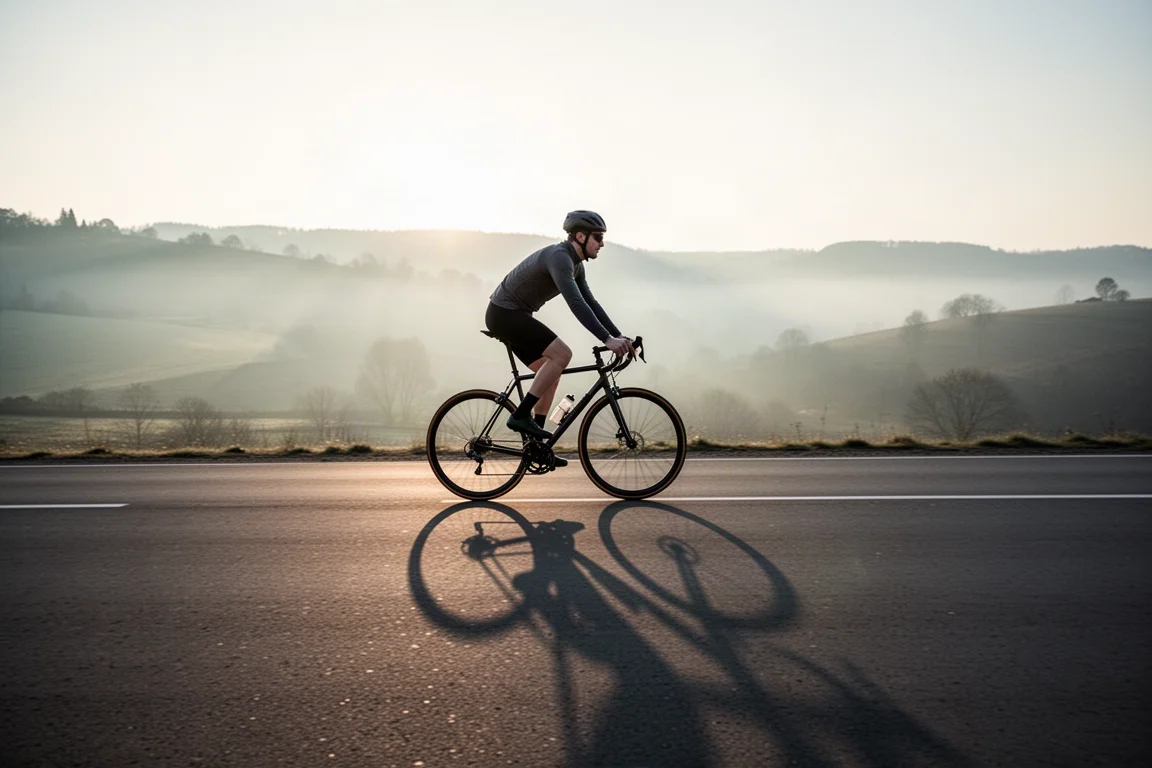
The skinny tires do look a little lost inside the generous frame clearance, and without fender mounts the setup is less appealing as a dedicated winter bike than it could have been. Even so, for a rider who is not racing, who rides for fun and wants one bike with two sets of wheels, this configuration is more than adequate. It is also worth being clear that the Áspero is not the most progressive gravel bike on the market. Its angles lean toward the racier end of gravel, which is exactly why it works so well with slick tires.
Price and Value: What Each Build Costs
The Áspero compared here, with a SRAM Rival AXS groupset, sits at around £5,200. The Defy build referenced here is priced at around £5,500. These are not like-for-like specifications, so the numbers are a rough guide rather than a direct verdict on value.
The more useful way to think about value is to count the bikes you would otherwise buy. A gravel bike that takes a second set of road wheels can cover both jobs, which is where the case for one bike instead of two becomes strongest.
Which Bike Suits Which Rider
The Defy is the better road bike of the two. It feels more lively, more engaging and sportier on tarmac, helped by its tires and by the geometry differences. Fit a 38mm or 40mm tire and it will handle dry, dusty dirt roads perfectly well.
The Áspero is the better gravel bike, which sounds obvious but is worth spelling out. Bigger tires, more mud clearance around them, longer reach, a shorter stem and the rest of the geometry differences add up to better handling on real gravel and real off-road trails.
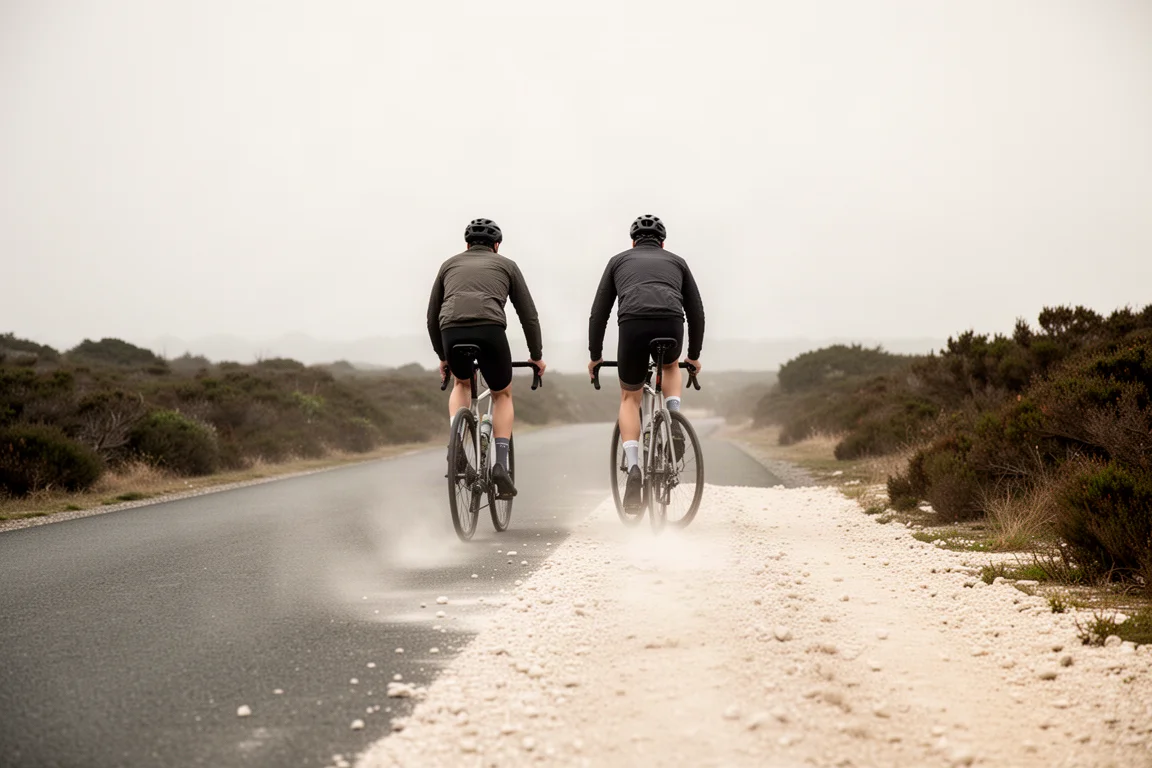
The deciding factor is your ratio of road to off-road riding. If you ride 90 percent on tarmac and 10 percent on dry, dusty dirt, the Defy is the stronger choice because it is simply the better road bike. If your split is closer to 50/50 or 70/30 in favour of off-road, and you want to tackle chunkier trails with room for bigger tires, the Áspero is the more natural pick, and it will not slow you down on the road with slicks fitted. For riders who genuinely want one bike to cover everything without feeling compromised in either setting, a gravel bike like the Áspero is the better value proposition.
Conclusion
These are two very similar bikes on the surface, and the differences that separate them live in the measurements and the mounts rather than in the overall silhouette. The Áspero trades some road sharpness for off-road stability, tire volume and mud clearance. The Defy trades some off-road capability for a lighter, livelier and more practical road machine with fender mounts and internal storage.
Choose the Defy if the road is where you spend most of your time and your off-road riding is occasional and dry. Choose the Áspero if dirt features heavily in your plans and you want the option of a second wheelset for fast road days. Both are excellent examples of how close endurance all-road bikes and gravel bikes have become, and for many riders that overlap is a genuinely good problem to have.
Further reading
Related Reviews
Cycling
2026 Bike of the Year and the Cycling Gear Worth Watching
A drop bar roundup for 2026 covering the Ridley Kanzo Fast 2.0, Shimano Dura-Ace Di2 R9300, Trek Checkpoint ALR Gen 3, Specialized Tarmac SL9, Garmin Fenix 9 and Insta360 X6.
Cycling
Best All-Road Bikes 2026: Six Versatile Endurance Road Bikes Worth Considering
A practical look at six all-road and endurance road bikes, from lightweight carbon speed machines to steel all-rounders and comfort-focused mile eaters.
Cycling
Best All-Road Bikes 2026: 8 Endurance Bikes for Road and Light Gravel
Eight all-road bikes that blur the line between endurance road and light gravel, compared on tire clearance, ride character, practicality, and value.