Cycling
Gravel Bike vs Endurance Road Bike: Cervélo Áspero and Caledonia 5 Compared
Two Cervélo platforms ridden back to back on gravel and road routes, covering tire clearance, gearing, geometry, and which one suits the riding you actually do.
Introduction
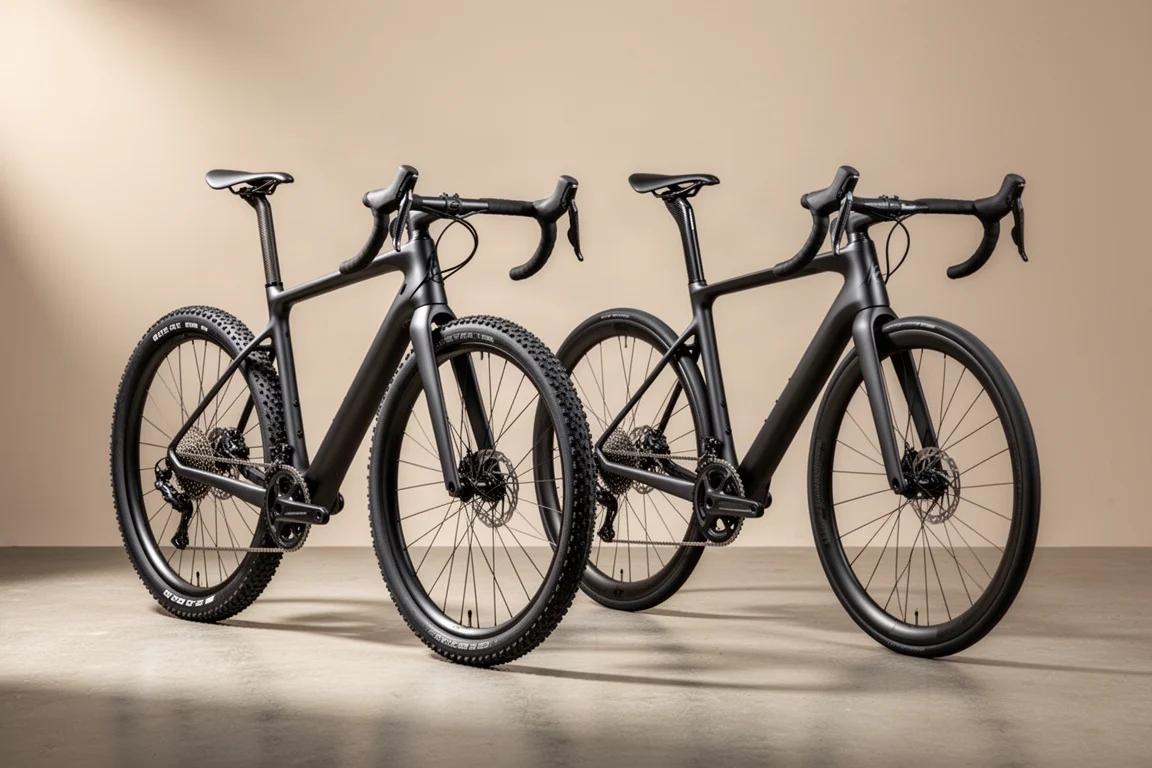
There is a question that comes up constantly in cycling right now: has the gravel bike killed the endurance road bike? The most useful way to answer it is to ride one of each back to back on the same roads and trails. The Cervélo Áspero is the brand’s gravel platform, and the Cervélo Caledonia 5 is its endurance road bike. They share a brand, a design language, and a surprising amount of geometry, but they are built around different priorities.
Two days of riding, one on a gravel route and one on a road route, makes the differences between the two platforms much clearer. Both bikes perform well. The interesting part is where that performance is aimed, and what that means when you are choosing one bike to cover the riding you actually do.
How These Two Bikes Compare
Both models use very similar aero tube profiles and the same dropped rear stays, a design claimed to add vertical compliance and therefore comfort over long distances. On the Caledonia 5 the down tube is shaped to produce a very stiff frameset for hard riding and sprinting.
The geometry is closer than most riders would expect. Head angle, seat angle, and stack height are identical across the two bikes. The Áspero’s reach is 10 mm longer, but that is offset by a shorter stem than the one fitted to the Caledonia 5. Where they genuinely diverge is in wheelbase, bottom bracket height, fork trail, tire clearance, and gearing.
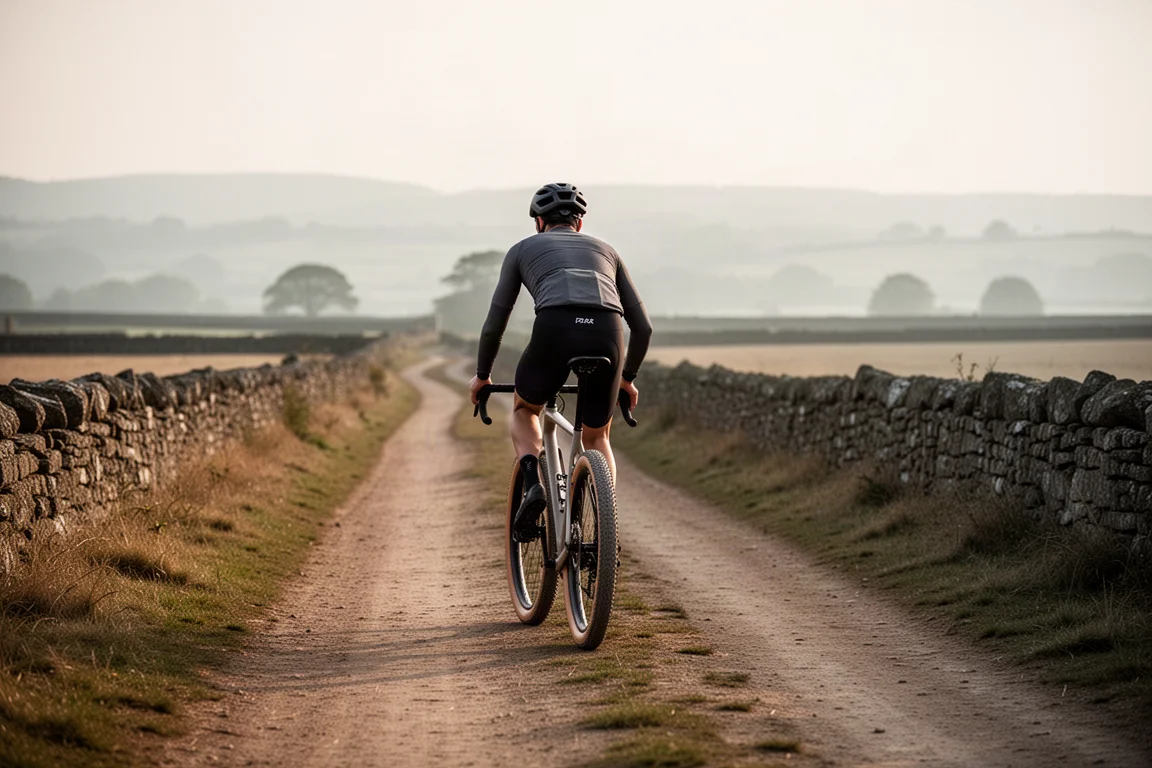
The comparison here was run with both bikes exactly as they are sold, without swapping wheels or components between them, on a mix of tarmac, farm tracks, and rougher gravel. That keeps the focus on the platform differences rather than on individual parts.
Cervélo Áspero: The Gravel Platform
The Áspero is an update of Cervélo’s first gravel bike, originally launched in 2019. It accepts tires up to 45 mm wide and uses a threaded bottom bracket, a UDH dropout, semi-internal routing, and a two-piece carbon fiber handlebar. The wheelbase is longer, the bottom bracket sits lower, and fork trail measures 62 mm. Flip chips and a fork dropout allow a degree of adjustment to the handling.
On the road it feels quick, without the slow, draggy sensation that heavier gravel bikes can have. On gravel it holds that speed well, helped by tires with an emphasis on low rolling resistance. The geometry is laidback, and the steering is not fast, but it never feels lazy either. It is planted and predictable rather than twitchy.
A 40 mm tire suited the mostly smooth gravel on the route very well and kept the bike feeling fast on the connecting road sections. On rougher trails, a 45 mm tire would be the preference. The one-by gearing offers a genuinely low range, which matters on steep gravel climbs.
Cervélo Caledonia 5: The Endurance Road Bike
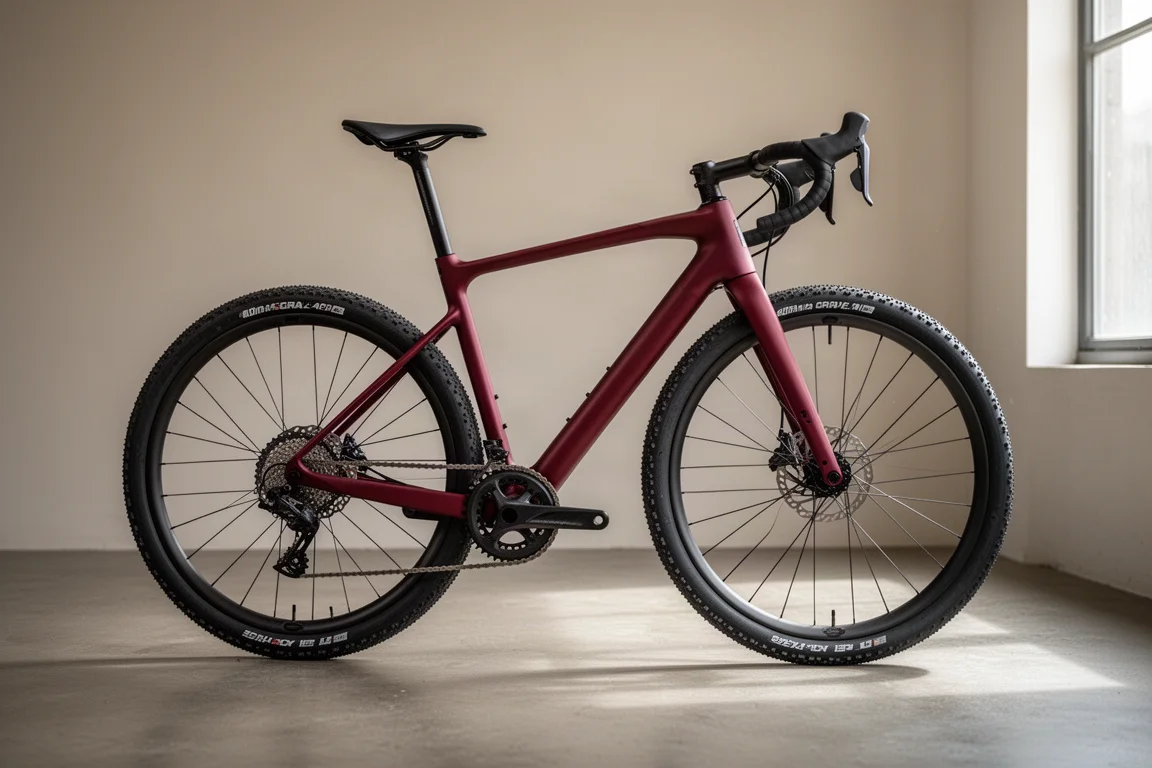
The Caledonia 5 arrived in 2020 and takes tires up to 36 mm. It includes down tube storage and full internal routing through a carbon fiber aero handlebar and stem, and it does not use UDH dropouts.
Straight away, the steering feels a little livelier and lighter than the Áspero’s. On 30 mm tires it is quick along the road, while keeping the relaxed, laidback geometry that makes it stable at high speed and genuinely strong on descents. It is not a super responsive race bike, and in many ways it feels close to the Áspero, which is no surprise given the shared frame design and geometry.
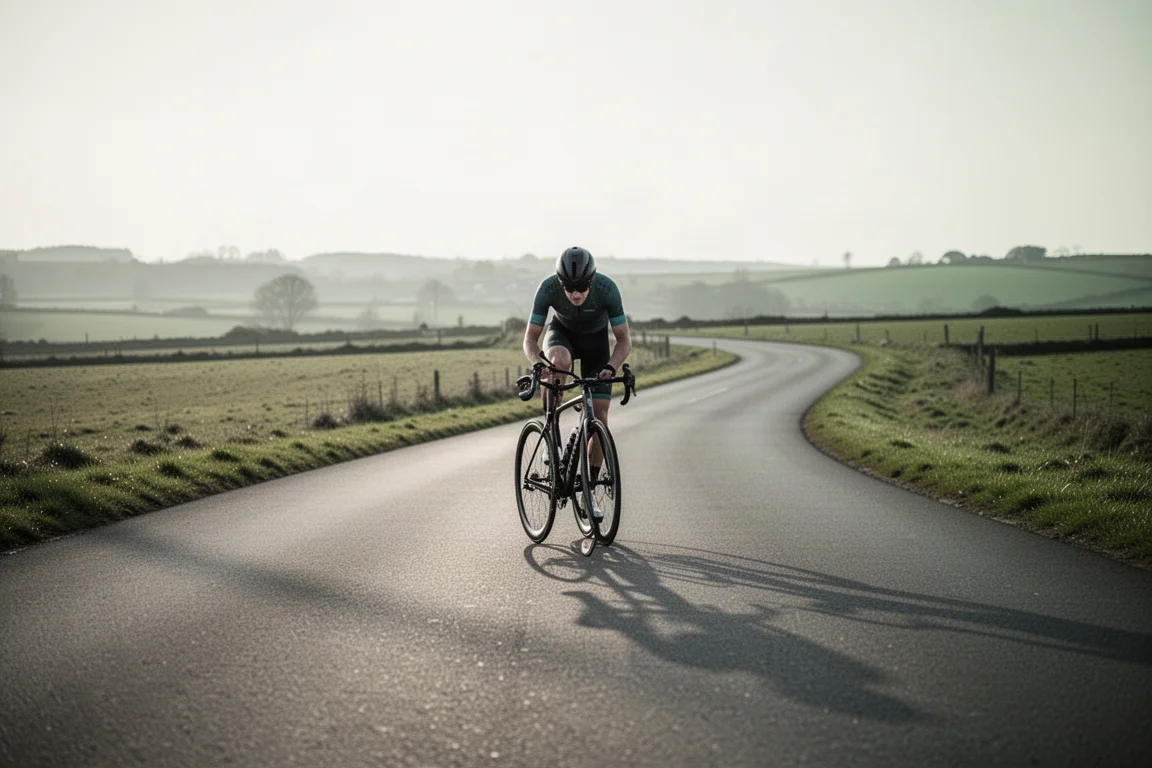
Over longer distances the comfort is very good, particularly through the saddle, and the ride is balanced from front to rear without feeling jarring on rougher surfaces. On a short stretch of gravel it coped fine, but chunky gravel on 30 mm tires felt nervous, and the road-focused two-by gearing with a 48/35 chainset was far too high for a steep climb. The drivetrain is built around road speed and a high top end rather than low climbing gears.
Tire Clearance and Tire Choice
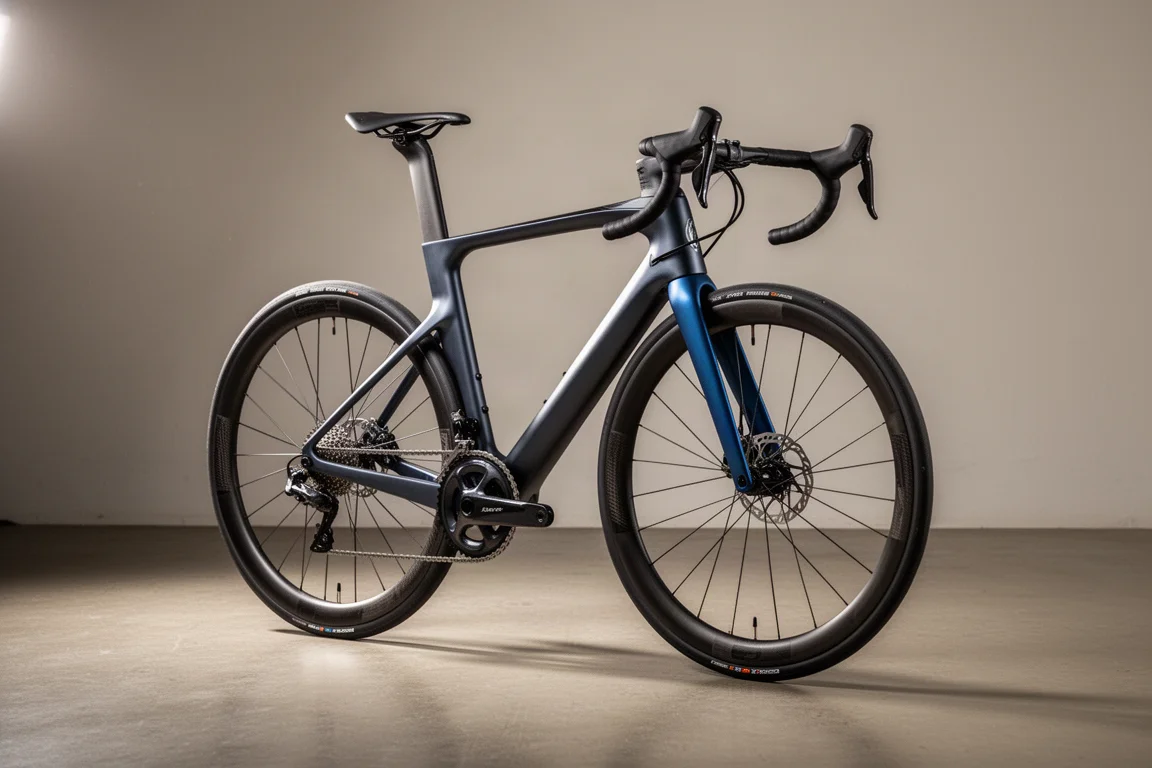
The gap in official clearance is the clearest difference between the two platforms: 45 mm on the Áspero against 36 mm on the Caledonia 5. What the riding showed is that tire size is really about matching a tire to the terrain and to the ratio of road to off-road in your riding.
Wider is not automatically better. It is better when the terrain justifies it. The Caledonia 5 handled light gravel on 30 mm tires without complaint, and it stayed fast on tarmac. The Áspero on 40 mm tires felt quick on the road and confident off it, and on rougher trails a 45 mm tire would be the sensible default. The frame matters, but on a given day the tires often shape the ride more.
Gearing and Climbing Differences
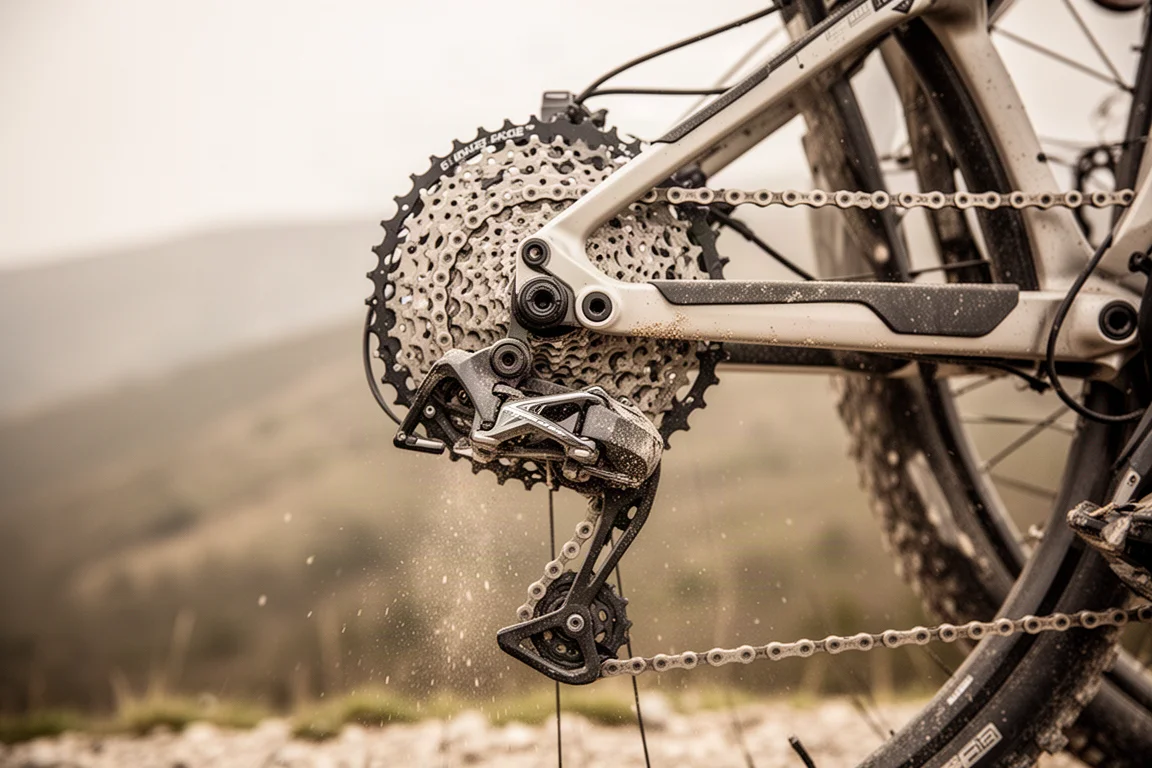
Gearing turned out to be one of the most practical differences between the two bikes. The Áspero runs a one-by setup with a low range that makes steep gravel climbs manageable. The Caledonia 5 uses a two-by, road-focused arrangement with a 48/35 chainset, which delivers a much higher top end but leaves you overgeared when a climb turns steep and loose.
Gravel climbs tend to be steeper, harder, and slower than road climbs of similar length, which is exactly where a lower range earns its place. If your riding regularly includes steep unpaved gradients, this single difference can matter more than frame material or tube shaping.
Geometry, Handling, and Stability
The two frames sit very close on paper. Identical head and seat angles, identical stack, and a 10 mm reach difference that is cancelled out by stem length. The real distinctions are a longer wheelbase, a lower bottom bracket, and a longer fork trail on the Áspero, 62 mm against 58 mm on the Caledonia 5.
Longer trail slows the steering, and that is generally considered a benefit on a gravel bike because it adds stability, especially at speed on loose surfaces. Flip chips and a fork dropout on the Áspero allow some tuning of that behaviour. The Caledonia 5 keeps a lighter, more immediate steering feel, which suits road riding and still feels secure on fast descents.
Ridden side by side, the two bikes feel far more similar than different, and it is reasonable to expect that the Áspero would ride very well with the narrower slick tires from the Caledonia 5 fitted.
Buying Advice: Which Bike Suits Your Riding
The decision comes down to the balance of your riding. If 95 percent of your time is on the road and you are happy with tires no wider than 34 or 36 mm, the Caledonia 5 is the natural choice. If that ratio tips further toward gravel and you want the option of much wider tires, the Áspero is clearly the better platform.
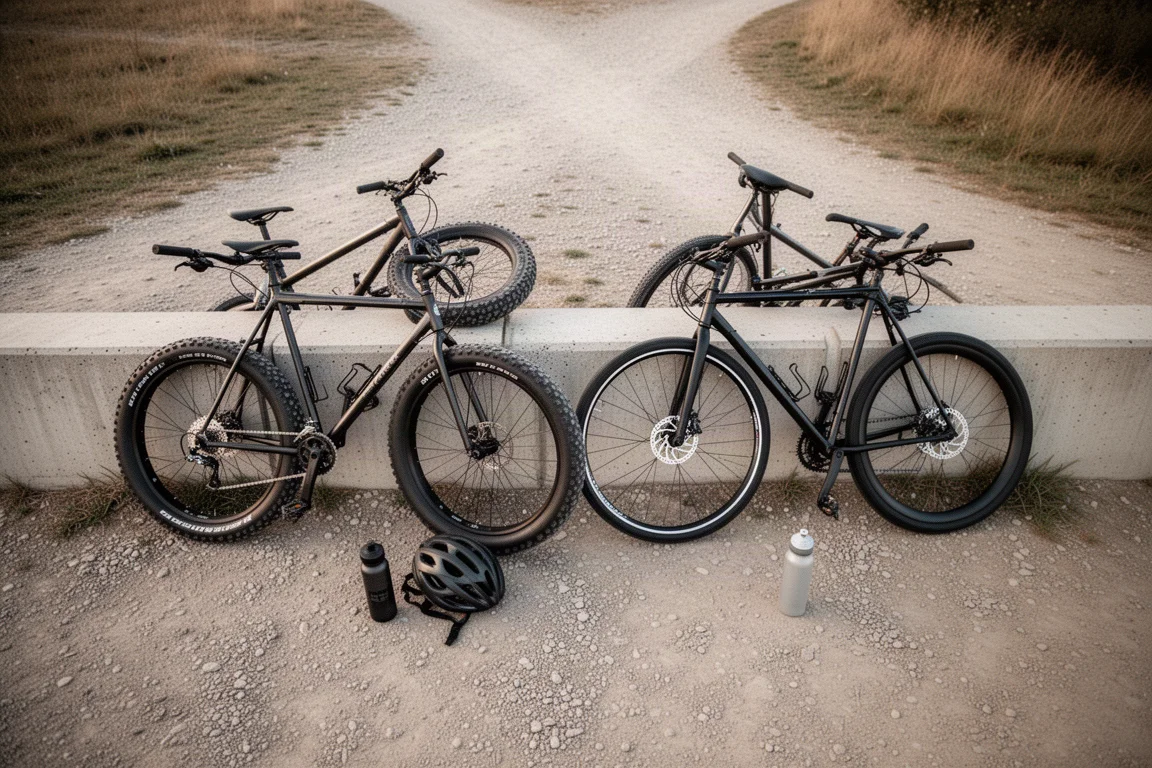
It is easier to turn the Áspero into a road bike than to turn the Caledonia 5 into a gravel bike. Fitting narrower tires to the Áspero should bring similar speed and performance to the Caledonia 5, with the caveat that the lower gearing limits top-end potential. That asymmetry is the clearest practical argument in this comparison.
It is also worth noting that neither bike is the most progressive in its class. Some endurance road bikes offer considerably more tire clearance, and some gravel bikes are longer, slacker, and accept bigger tires for very rough trails. Comparisons between other brands may therefore produce a different outcome, so it is worth checking clearance and gearing figures against your own riding before deciding.
Conclusion
So has the gravel bike killed the endurance road bike? Unless you ride almost exclusively on the road with only the occasional dirt path, the greater flexibility, bigger tire clearance, and lower gears of a gravel bike make it the more useful single bike. Both of these Cervélo models ride very well, and the choice between them is about identifying the riding you do and want to do, then picking the platform and the tires that match it.
Further reading
Related Reviews
Cycling
2026 Bike of the Year and the Cycling Gear Worth Watching
A drop bar roundup for 2026 covering the Ridley Kanzo Fast 2.0, Shimano Dura-Ace Di2 R9300, Trek Checkpoint ALR Gen 3, Specialized Tarmac SL9, Garmin Fenix 9 and Insta360 X6.
Cycling
Best All-Road Bikes 2026: Six Versatile Endurance Road Bikes Worth Considering
A practical look at six all-road and endurance road bikes, from lightweight carbon speed machines to steel all-rounders and comfort-focused mile eaters.
Cycling
Best All-Road Bikes 2026: 8 Endurance Bikes for Road and Light Gravel
Eight all-road bikes that blur the line between endurance road and light gravel, compared on tire clearance, ride character, practicality, and value.