Cycling
Cervélo Áspero vs BMC Roadmachine: Gravel Bike or Endurance Road Bike?
A practical comparison of a gravel bike and an endurance road bike, covering tire clearance, geometry, mounts, weight and which one suits your riding mix.
Introduction
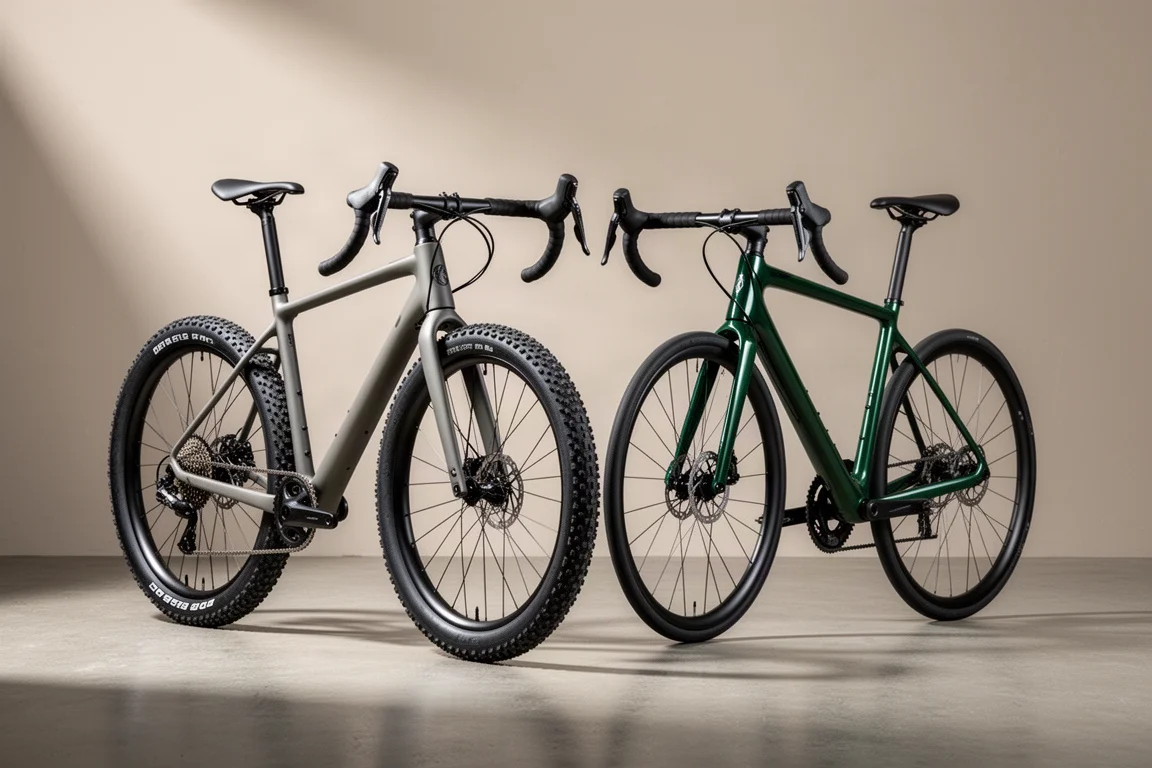
On the surface, a gravel bike and an endurance road bike can look almost identical. Two drop-bar machines, disc brakes, reasonably wide tires and mounts for long days out. The real differences live in the numbers and the details, and those differences decide which bike feels right for the riding you actually do.
This comparison puts two representative machines side by side: the Cervélo Áspero, a gravel bike, and the BMC Roadmachine, an endurance road bike. Both are capable, well-rounded bikes. The question is which one better matches your mix of tarmac and dirt.
What Sets These Two Bikes Apart
Drop-bar categories have converged over the past few years. Endurance road bikes now accept far wider tires than they once did, while gravel bikes have become faster and more versatile. That overlap makes the idea of one bike that covers everything more realistic than it used to be, but it also makes the decision harder.
The single biggest difference is tire clearance. The BMC Roadmachine accepts up to 40 mm tires with a 1x drivetrain, or 38 mm with a 2x setup where the front derailleur limits the space. The Cervélo Áspero takes roughly 45 mm, depending on how much clearance you want between the frame and fork.
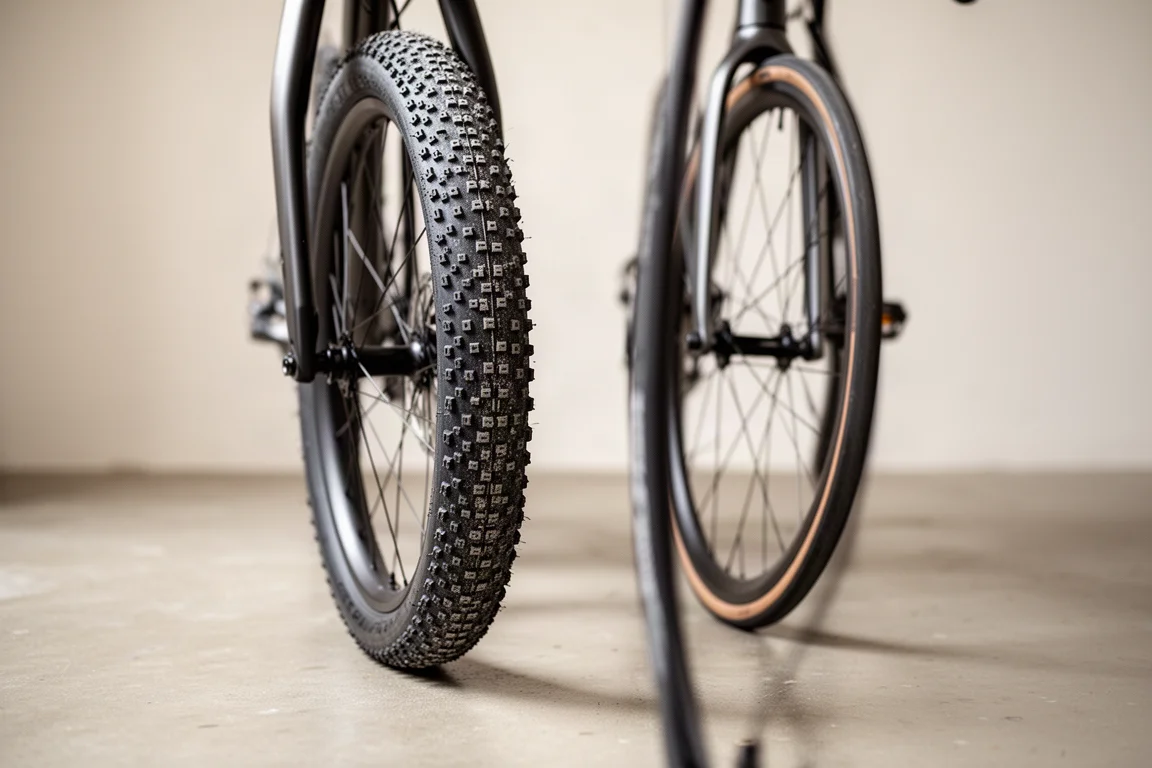
That gap matters less than it first appears. Endurance road bikes now offer more tire clearance than early generation gravel bikes, and more than cyclocross bikes as well, which shows how far the category has evolved. A machine like the Roadmachine can handle a surprising amount of unpaved surface.
Tire Clearance: How Wide Do You Actually Need?
How wide a tire you need comes down to the terrain you ride and your ratio of road to off-road. If most of your riding is on tarmac with some gravel and cobbles mixed in, the clearance on the Roadmachine is likely to be enough, and an endurance road bike with a gravel tire fitted can handle off-road surfaces well.
If you want more room, or you ride chunkier and looser surfaces where mud clearance around the tire matters, the gravel bike wins this part of the comparison clearly.
Geometry and Handling Differences
Both bikes are good examples of their categories, but geometry is where the character differences really appear. The most obvious one is reach. The Áspero uses a noticeably longer reach paired with a shorter stem, which sharpens steering response for off-road riding. The Roadmachine takes the opposite approach, with a shorter reach paired with the longer stem typical of a road bike. The saddle-to-hood fit ends up very similar, but the way each bike gets there is not.
Stack is the next difference. The Áspero’s front end sits lower than the Roadmachine’s, giving a racier position without going as low as a dedicated race bike. If you want a lower, sportier front end, the Áspero offers more of it. Endurance bikes vary here too, so not every road-oriented frame is taller than every gravel frame.
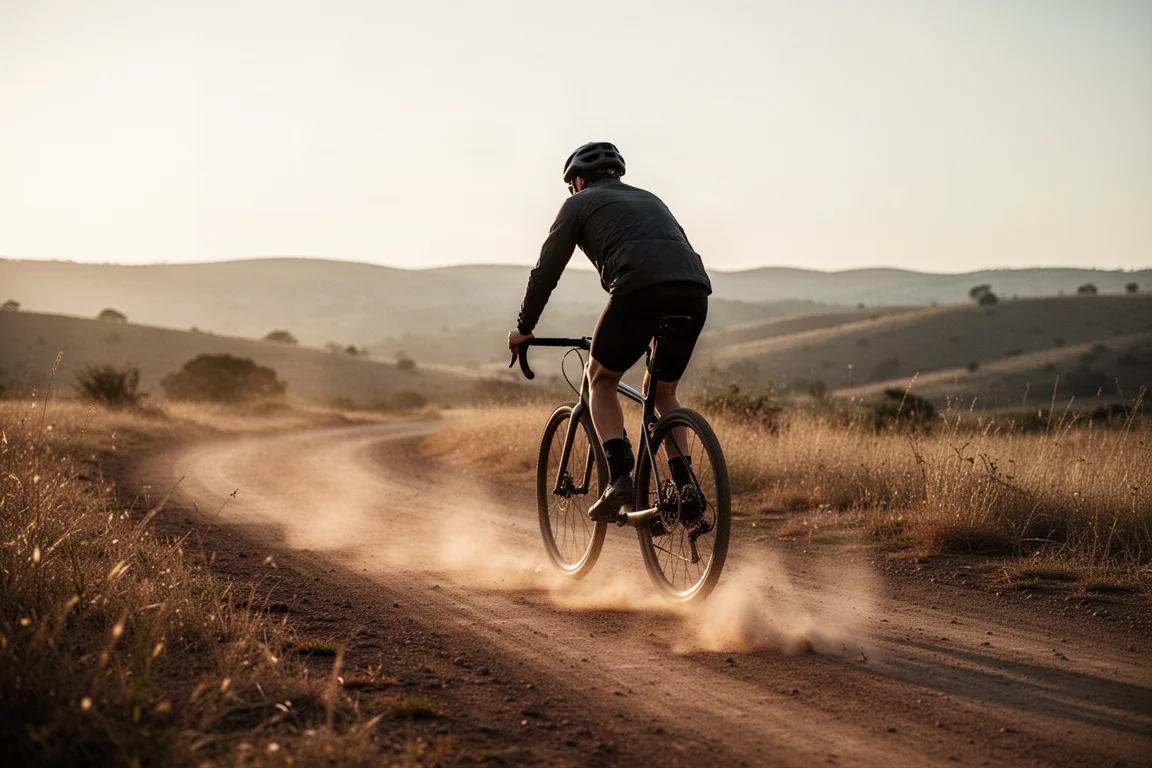
Wheelbase, chainstay length and fork trail complete the picture. The Roadmachine has a shorter wheelbase, shorter chainstays and a shorter fork trail, which makes it nimbler, more agile and more responsive. The Áspero feels more planted and stable at higher speeds. Its fork trail can also be adjusted to suit the two different wheel sizes and tires it can run, while the Roadmachine has no such adjustment. In their stock settings, the Áspero runs slightly more trail than the Roadmachine.
Both bikes use a fairly low 76 mm bottom bracket drop, which gives the planted feeling of sitting in the bike rather than on top of it.
Practical Details: Mounts, Storage and Weight
Both frames include top tube mounts for a bento box and a third bottle cage mount on the downtube, so long-distance riders can carry more food and water without reaching into a jersey pocket. The Roadmachine adds fender or mudguard mounts and downtube storage, which keeps essentials packed inside the frame and out of the elements, and leaves jersey pockets free for food and clothing.
Weight is worth checking, because plenty of riders assume gravel bikes are heavy and slow next to road bikes. Measured with no pedals on same-size bikes, the Áspero came in at 8.52 kg and the Roadmachine at 7.98 kg in its Ultegra Di2 build. That is roughly half a kilogram, and it is not a like-for-like comparison because the groupsets and tires differ. Still, it shows a modern gravel bike is not dramatically heavier, and half a kilogram is unlikely to hold you back on the road, the trails or a climb.
Cervélo Áspero: Built Around Gravel
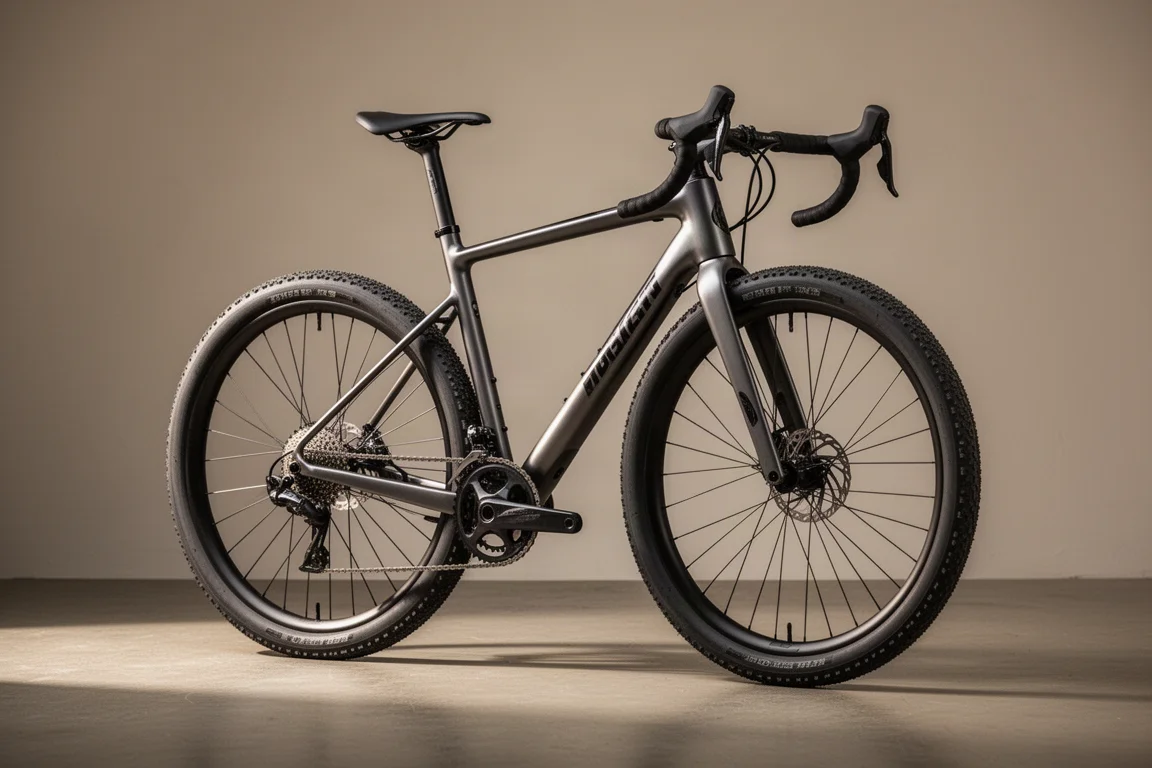
The Áspero is a gravel bike that leans toward the all-road end of the spectrum. Its geometry is relatively conservative compared with longer, slacker and lower gravel bikes, which makes it a strong candidate for riders who split their time between tarmac and smooth gravel rather than technical, gnarly trails.
On actual gravel and off-road trails, the bigger tires, the mud clearance around them, the longer reach and the shorter stem make it the better handling bike of the two. It is not the most progressive gravel bike out there, but for smooth gravel and mixed-surface riding it is a coherent, appealing package. In the SRAM Rival AXS build it is priced at around £5,200.
BMC Roadmachine: The Endurance Road Choice
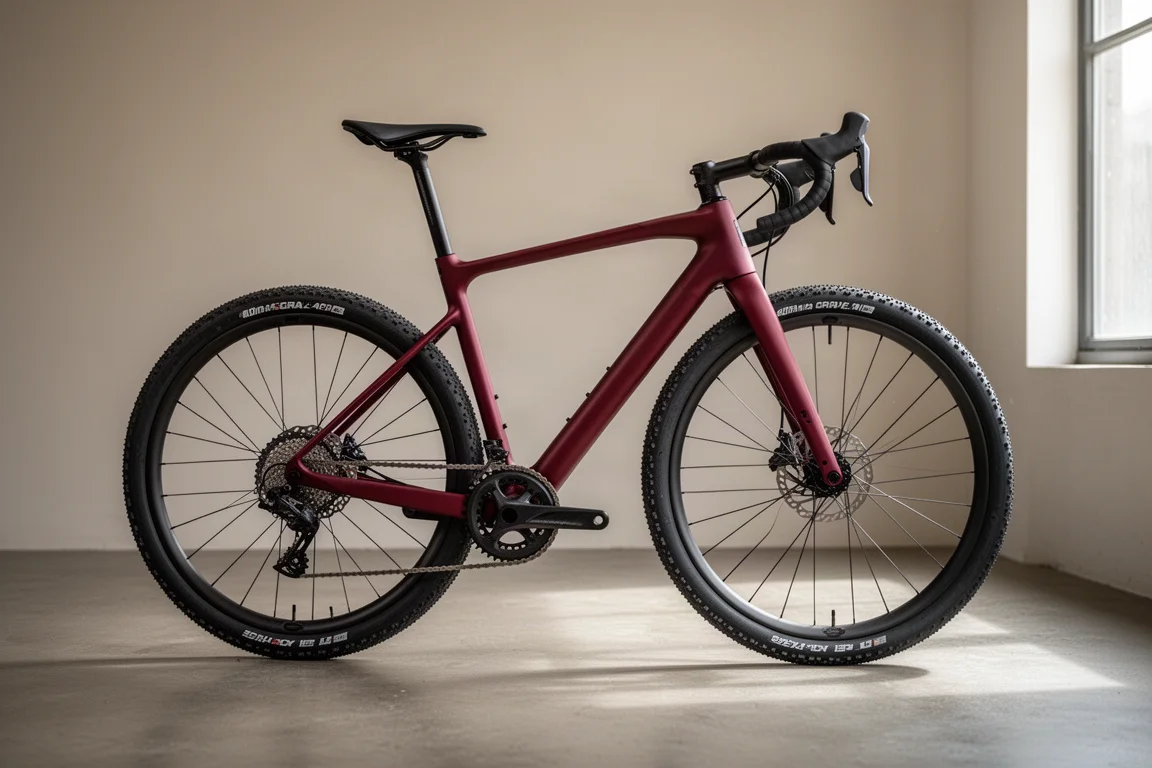
The Roadmachine is the sharper road bike of the two. It feels livelier, more engaging and sportier on tarmac, and while its tires contribute to that, the geometry differences matter just as much. The higher stack does not stop it from being a quick and genuinely enjoyable machine to ride hard.
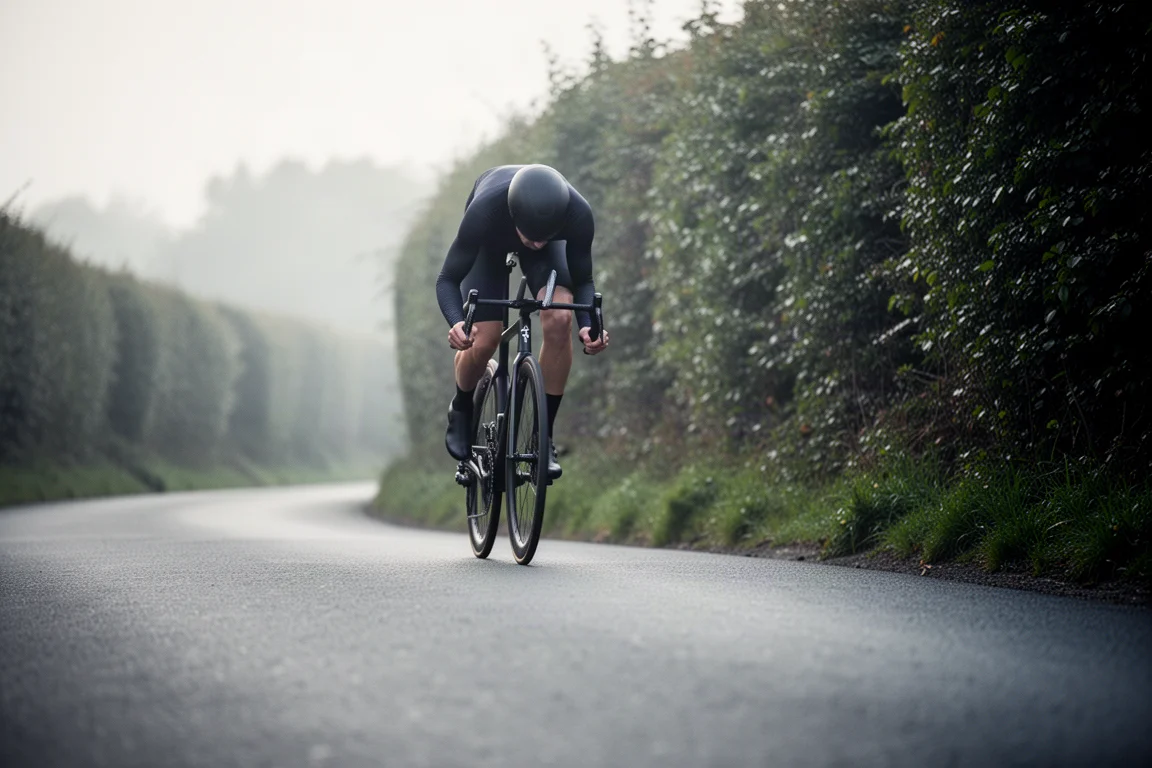
Clearance is the main limit. With a 38 or 40 mm gravel tire fitted, the Roadmachine should handle dry, dusty dirt roads without complaint, but beyond that it runs out of room. For reference, the frame, fork, handlebar, stem and seat post are priced at around £5,500 as a frameset.
Can the Áspero Work as a Road Bike?
Yes, and better than its category might suggest. Fitting 28 mm slick tires and a set of road wheels turns the Áspero into something that behaves like a normal road bike. It does not feel slower or held back, and it is genuinely quick. The low stack gives a sporty fit, and despite the short stem there is good reach to the hoods thanks to the longer frame reach.
Small changes come with the narrower tires, including a lower bottom bracket and altered fork trail, but the handling does not feel ruined. It simply feels like a regular endurance road bike. There is a lot of visible clearance around narrow tires, which is not especially aerodynamic, and the absence of fender mounts limits its appeal as a dedicated winter bike. Even so, for riders who are not racing and want one bike with two sets of wheels, this setup is more than adequate.
Which Bike Is Right for You?
The answer comes down to your ratio of road to off-road riding. If roughly 90 percent of your riding is on tarmac and the remaining 10 percent is dry, dusty dirt road, the Roadmachine is the better bike. It is the stronger road machine of the two, and 38 to 40 mm of clearance is enough for many riders.
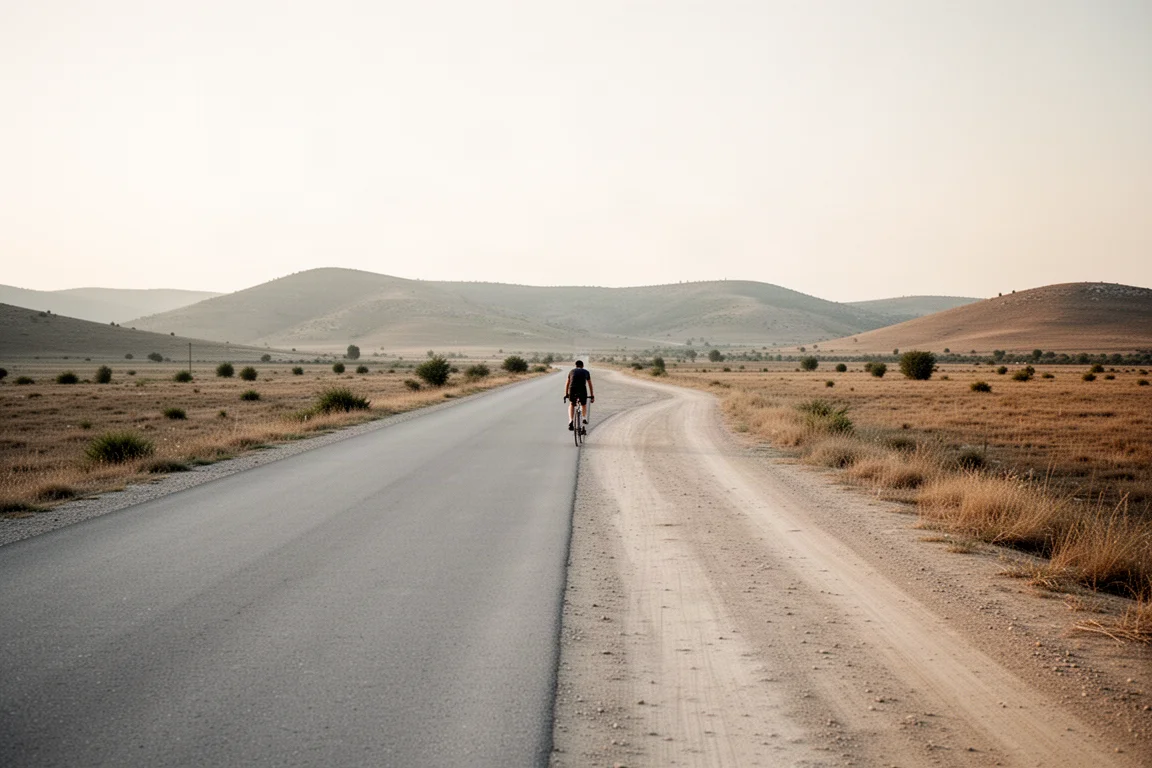
If your split is closer to 50/50, or 70/30 in favour of off-road, and you want to ride chunkier trails with room for bigger tires, the Áspero is the more natural choice. It handles real gravel and off-road trails better, and with slick tires fitted it will not slow you down on the road.
For riders who genuinely want one bike to cover road and off-road without being held back in either setting, a gravel bike like the Áspero is the better value proposition. If the road is where you spend nearly all of your time, the Roadmachine remains the better choice, and its tire clearance is likely to be enough.
Conclusion
These two bikes look very similar and share a lot of DNA, but the details separate them. Endurance all-road bikes have moved toward gravel, and gravel bikes have become as racy as road bikes. That is good news for buyers, and also more choice than some riders want.
If your focus is the road, choose the endurance bike. If your focus includes real off-road riding and you want one machine that covers both, choose the gravel bike. Matching the bike to your actual riding mix is the whole decision.
Further reading
Related Reviews
Cycling
2026 Bike of the Year and the Cycling Gear Worth Watching
A drop bar roundup for 2026 covering the Ridley Kanzo Fast 2.0, Shimano Dura-Ace Di2 R9300, Trek Checkpoint ALR Gen 3, Specialized Tarmac SL9, Garmin Fenix 9 and Insta360 X6.
Cycling
Best All-Road Bikes 2026: Six Versatile Endurance Road Bikes Worth Considering
A practical look at six all-road and endurance road bikes, from lightweight carbon speed machines to steel all-rounders and comfort-focused mile eaters.
Cycling
Best All-Road Bikes 2026: 8 Endurance Bikes for Road and Light Gravel
Eight all-road bikes that blur the line between endurance road and light gravel, compared on tire clearance, ride character, practicality, and value.