Ski Resort Reviews
Cerro Catedral Review: Is Argentina's Biggest Ski Resort Worth the Hype?
A full look at Cerro Catedral near Bariloche, covering terrain, snow reliability, lifts, crowds, access, and how it ranks among South American ski resorts.
Introduction
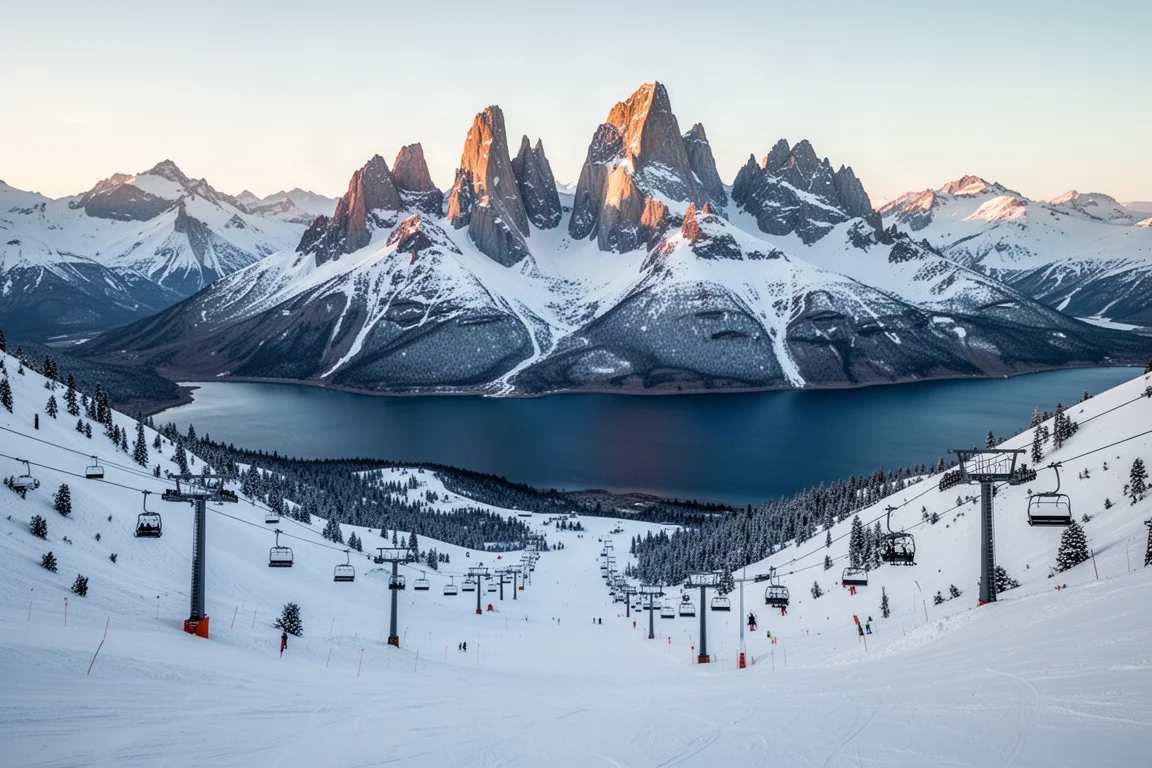
If a southern hemisphere ski trip is on your mind, Cerro Catedral near Bariloche is probably the first Argentine resort that comes up. Set in the heart of Patagonia, it presents itself as one of the country’s biggest and best ski destinations, and after a close look at the mountain experience, it largely earns that reputation, with a few important caveats worth understanding before you book.
Mountain Experience and Scenery
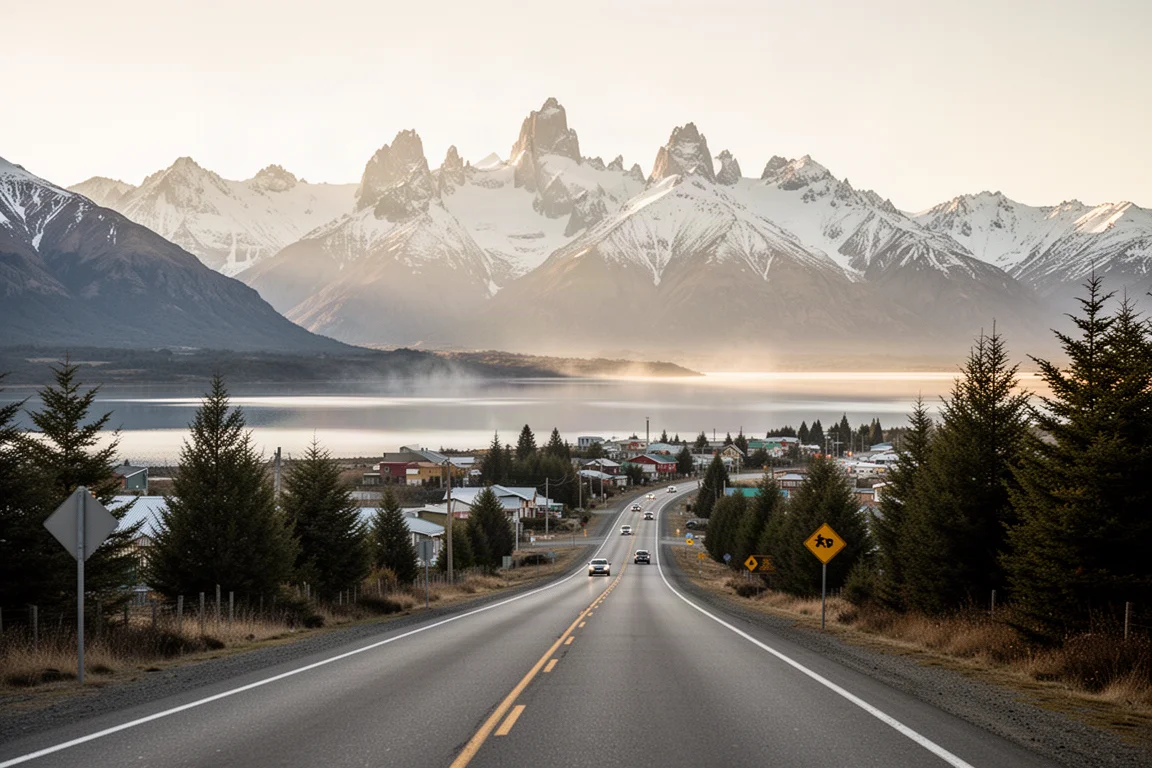
The first thing to know about Cerro Catedral is just how stunning it is. On clear days, the views are breathtaking: sweeping vistas of jagged Patagonian rock formations that look like something from a film. The resort is also surrounded by massive lakes visible from the higher elevations, creating panoramas that stretch for miles. The contrast between blue water and snow-covered peaks is hard to find anywhere else, let alone at a functioning ski resort.
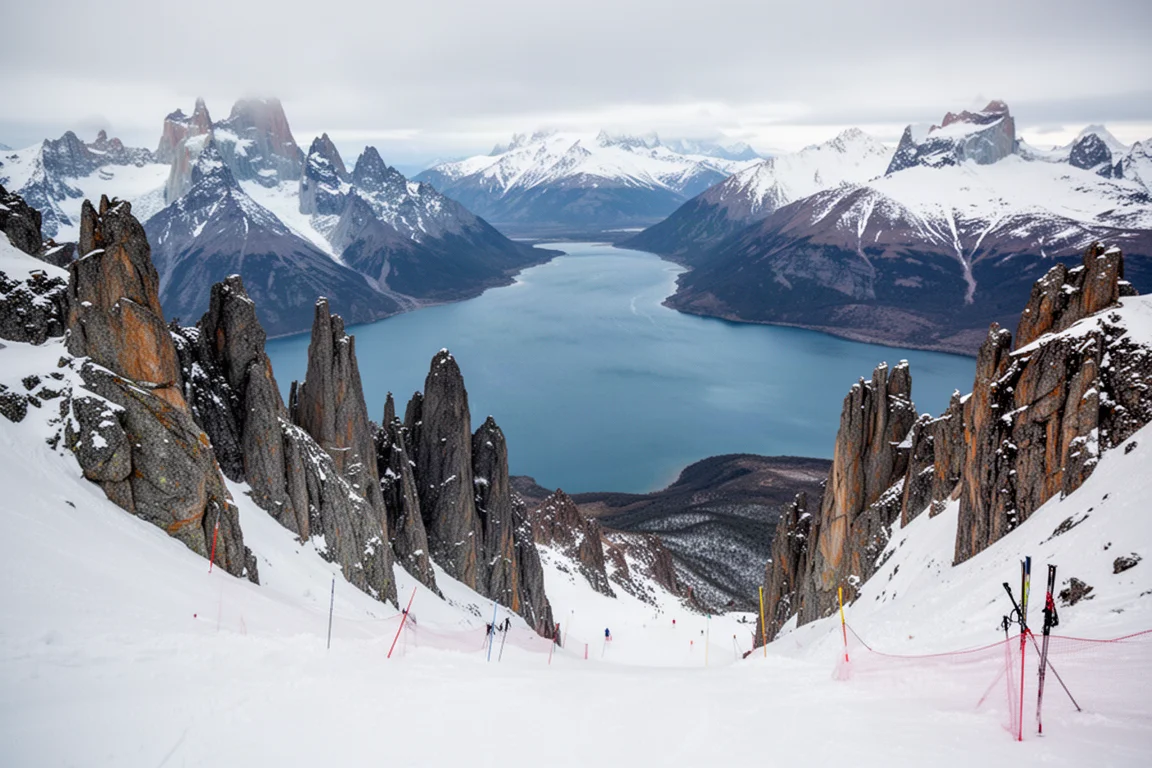
Other details add to the visual experience, including ice crystallization on trees in the high alpine zones and tree species that feel genuinely exotic compared to typical North American resorts.
With roughly 1,693 skiable acres by our measurement, it is one of the largest South American ski resorts, though smaller than its claimed 2,965 acres and modest by North American or European standards. Terrain diversity is a real strength: there is below-treeline, high alpine, and lightly bladed terrain across ability levels, with a vertical drop over 3,300 feet, the longest of any Patagonian resort. The lower mountain is generally mellow with some off-piste tree skiing, while the upper mountain holds snow better and offers a wider difficulty range, though its denser trail network can create congestion near the bottom at day’s end.
Terrain by Ability Level
Cerro Catedral is not the best resort for less experienced skiers and riders. All official green runs are concentrated at the base as a bunny hill complex, served by magic carpets and a double chairlift, which is actually more accessible than at many South American resorts that rely only on platter or T-bar lifts. Once past those learning zones, however, all terrain is intermediate or harder, and progression can feel intimidating.
Intermediates get a lot out of the mountain. Blue-rated trails span multiple elevations, and the must-hit runs sit on the upper mountain with those famous lake and peak views. On days with good visibility, these are among the most scenic trails in South America. Stipulations apply: lower mountain conditions can be highly variable and occasionally close trails, sometimes forcing intermediates to download lifts back to the base. Avoid the Catedral-adjacent Cascada trail if you can, as it combines beginner appeal with the only snowmaking on a mid to lower mountain trail, producing heavy congestion almost every day.
The resort also offers a decent terrain park with a dedicated upper mountain lift, featuring the usual boxes, rails, and jumps, mostly small to medium in size.
Advanced riders should know that everything above blue is rated red here, following South American convention. Reds span most of the mountain, most are groomed, and a handful stay ungroomed all season. The Panoramica trail from the top of the Nubis lift is a must-hit, with perhaps the best lake views at the resort. Reds generally ski easier than North American blacks, closer to advanced-intermediate territory.
Blacks are few and short, mostly ungroomed, but the real expert draw lies outside the official trails. Everything beyond the marked posts is considered out of bounds, and the best lift-accessed expert terrain sits off the Nubis chair: narrow rock-lined chutes steep enough that a fall can be hard to stop, with real consequence from rock outcroppings and cliff exposure. Other unofficial routes exist, some holding powder for days after a storm. True backcountry chutes, bowls, and cliff bands can be found in the adjacent Zona La Laguna and on the back side of the resort.
Lower mountain glades exist too, but they are less widely spaced than at competitors like Chapelco, and cover can be sketchy. Closed trails are technically backcountry here: the resort will not stop you from ducking a rope, but bare dirt and rocks requiring scrambling are common in lower mountain closures. Critically, out-of-bounds terrain is not avalanche controlled, so bring a beacon, shovel, and probe and know how to use them. Local guide services are available and highly recommended if you are unfamiliar with the area.
Snow Quality and Reliability
Snow quality is fairly strong for a South American resort, with over 200 inches falling from May to September. Snowfall days are more consistent than at resorts further north, but the base elevation sits below 4,000 feet, several thousand feet lower than those northern competitors, leaving the mountain exposed to fickle Patagonian weather. Cerro Catedral largely faces east, so freeze-thaw cycles are a constant and can change snow quality dramatically day to day. The lower mountain can suffer badly in warm periods, sometimes getting rain or rapid melting, while the upper mountain holds snow better but faces wind and storm closures and tough visibility when it snows.
Lifts typically start closing at 4 p.m., standard for North America but earlier than many South American resorts closer to the equator.
Getting around is mostly straightforward. Signage is good by South American standards, with clear trail, lift, and restaurant markings and color-coded boundary sticks along each marked run. Under flat light, upper mountain navigation gets difficult, and boundary sticks do not distinguish left from right, making it easy to drift just outside a trail. Some runs to the base require frustrating flat catwalking. One quirk: accessing the base-express lift from the base area involves walking through a mini mall and food court, up an escalator, and back outside before putting your skis on. There is a cutoff if you are already on the mountain, but it is easy to miss.
Lifts and Infrastructure
Cerro Catedral arguably has the best lift system in South America. Multiple high-speed chairs and a gondola represent a significant step up from most competing Argentine mountains, many of which lack even a single high-speed lift. Very few platter or T-bar lifts remain, and no terrain requires a surface lift to reach. The gondola is on the older side but provides comfortable, weather-protected transport, particularly valuable in storms or high winds. Some upper mountain and remote areas remain held back by slow fixed-grip chairs, and the resort has its share of oddities, including what may be the first combination double-quad chairlift, with half the chairs seating two and half seating four. The aerial tram is for sightseers only, and the resort will not let you bring skis or a snowboard aboard.
Crowds and Lift Operations
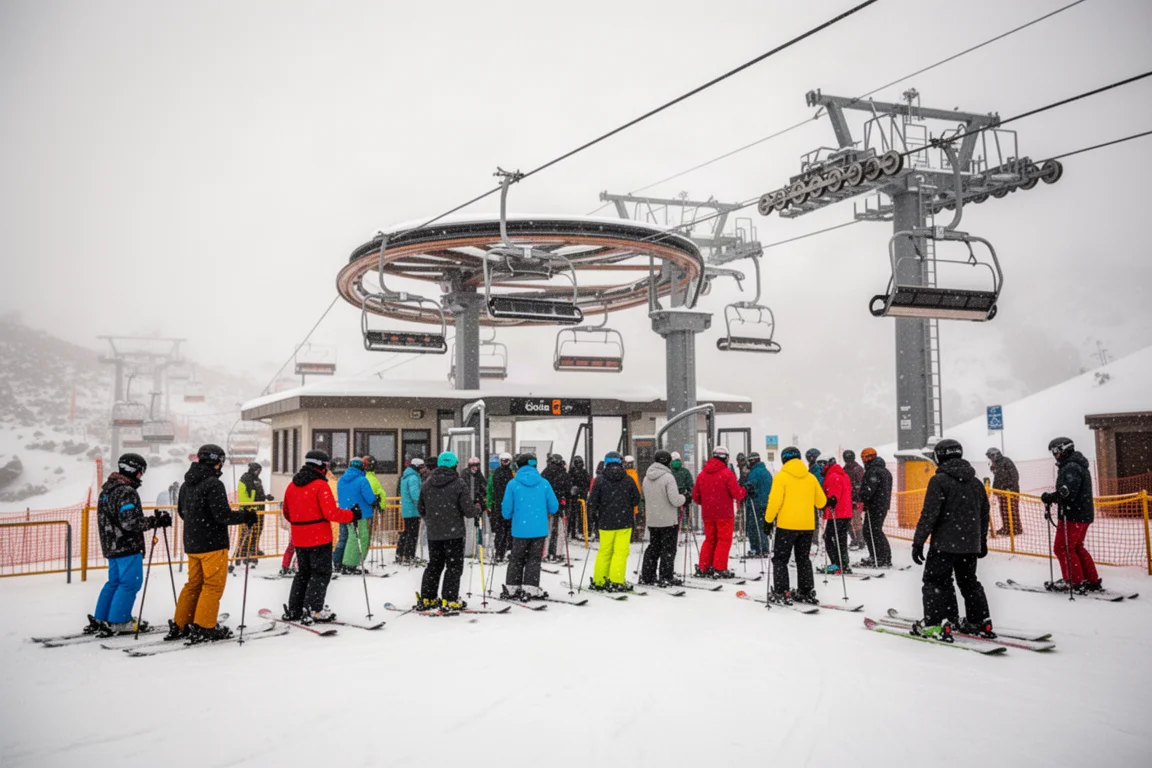
Crowding is a significant issue, especially during peak Argentine periods of July and early August. The high-speed Nubis chair is the worst choke point, providing the only access to some of the best expert terrain and the only high-speed service to the upper mountain. Expect long waits there on all but the emptiest dates. Slower lifts usually fare better, but if a main lift goes down on wind holds, those get jam-packed too. Loading is often chaotic, with people stepping on equipment and no clearly defined queueing areas. A paid preferential fast-track system exists, but it costs quite a bit extra.
Facilities, Dining, and Tickets
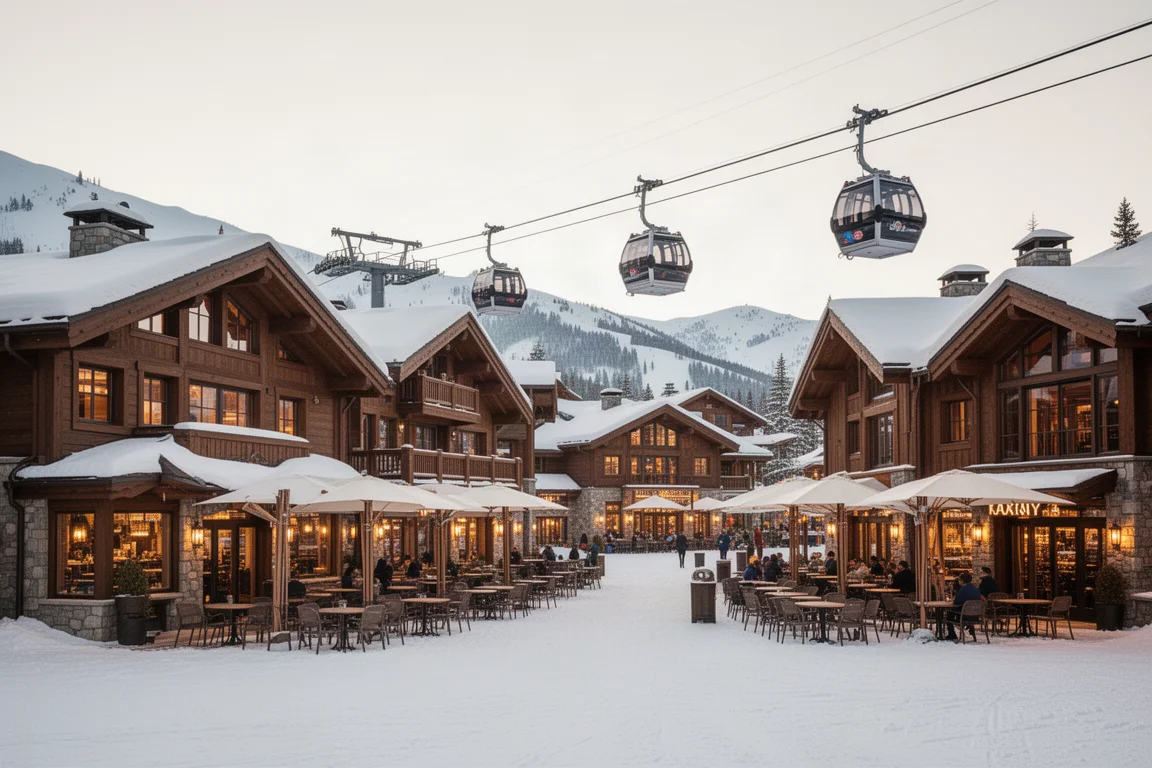
On-mountain facilities are well developed by South American standards, with multiple dining and rest options throughout the mountain. The base area feels more like a traditional ski village than most Argentine resorts, with restaurants, cafes, and services across budgets, from casual grab-and-go areas to more upscale dining with indoor and outdoor seating. Food quality is generally good; prices are expensive compared to Bariloche proper, though not as exploitative as some competing mountains.
One significant drawback is the lift ticket situation. Daily tickets are quite expensive by South American standards, and you cannot buy them online ahead of time. That system creates long ticket-window lines and complicates planning. You can pick up tickets at certain retail outlets in Bariloche, Buenos Aires, and other major Argentine cities, but since the resort is not on any major mega pass, full-price daily tickets are probably your only option short of a season pass. The resort operates independently on lift tickets and passes, unlike some Chilean resorts with Icon, Mountain Collective, or Indy partnerships.
Access, Parking, and Lodging
Access is where Cerro Catedral is a clear continental standout. The resort sits roughly 12 miles from Bariloche, reached by a short, straightforward drive that any car can usually manage. Ubers and taxis run from town, and public buses exist, though service could be more frequent. Plan for traffic returning to Bariloche at day’s end, when day visitors and overnight guests leave simultaneously.
For drivers, free overflow parking is served by shuttles roughly every 20 minutes, while paid parking costs 20,000 pesos, approximately $17 as of May 2025. Arrive early during peak periods either way; both lots fill quickly in good conditions.
Slopeside lodging exists at the base, including some true ski-in ski-out options, plus condos and hotels within a short walk or drive. Most visitors stay in the much bigger town of Bariloche, which ranges from budget hostels to ultra-luxury hotels and home rentals. Après ski at the resort itself is decent, with base-area bars and mid-mountain restaurants, but the real standout is Bariloche’s nightlife and restaurant scene: wine bars, craft breweries, high-end seafood and steakhouses, and exceptional chocolate shops, including dark chocolate ice cream well worth seeking out. Food and drink are pricey by Argentine standards yet reasonable compared to many North American ski towns, and dance clubs stay open well into the early hours.
South American Rankings Breakdown
Cerro Catedral scores a six for snow, reflecting solid accumulation that is not quite as light and dry as some competitors. Resiliency scores a four: the upper mountain is reasonably reliable, but limited snowmaking leaves the lower mountain prone to inconsistent openings. Size earns a six, with our measured 1,693 skiable acres versus the claimed 2,965.
Terrain diversity earns an impressive eight for its well-rounded footprint, and challenge also scores an eight, thanks to technical lift-accessed lines with serious pucker factor, even if the hardest terrain is concentrated in just a few zones. Lifts score a seven, with most areas served by high-speed lifts despite a few slow fixed-grip holdouts. Crowd flow gets a three: heavy packing on busy dates, bad choke points, and poor line management, partially offset by some lift redundancy. Facilities score a seven for plentiful, accessible on-mountain restaurants. Navigation earns a six despite a few flat sections, and mountain aesthetic takes our highest score of 10 for the one-of-a-kind rock formations and surrounding lakes.
These categories add up to an overall score of 65, placing Cerro Catedral second in South America as of June 2025.
Conclusion
On paper, Cerro Catedral can look like the clear best resort on the continent, with modern amenities, stunning scenery, and terrain variety that suits low intermediates and better. In practice, lower mountain reliability and severe crowding feel more like a busy regional city mountain than a true destination resort. Still, as an overall package for a southern hemisphere ski trip, it is hard to beat: no other resort on the continent combines this terrain diversity, lift infrastructure, and raw aesthetic. It is also one of the most expensive resorts in South America, so go in aware of the caveats and it should deliver a memorable trip.
Product link
View more details for Cerro Catedral
This product is mentioned in the review. Check the specifications, options, and compatibility before buying.
View more details for Cerro CatedralFurther reading
Related Reviews
Ski Resort Reviews
Cardrona Ski Resort Review: New Zealand's Most Well-Rounded Ski Field?
A detailed look at Cardrona's terrain, snow reliability, lift congestion, and logistics to help you decide if it deserves a spot on your next New Zealand ski trip.
Ski Resort Reviews
June Mountain Ski Resort Review: California's Quirkiest Off-the-Beaten-Path Resort
A modest 925 skiable acres, stunning Eastern Sierra views, a 60-year-old double chair that everyone must ride, and free tickets for kids under 13. Here's what June Mountain really offers.
Ski Resort Reviews
Steamboat Ski Resort Review: Is It Now Competitive in Colorado?
A detailed look at Steamboat's terrain, lift setup, snow quality, and overall experience after its recent wave of investments.