Sports Watches
Casio GBD-H2000 Review: A Lighter, Smarter G-Shock Move
The second-generation G-Shock Move gets smaller, lighter, and adds Polar health algorithms. Strong sleep tracking and GPS, but some gaps remain.
Introduction
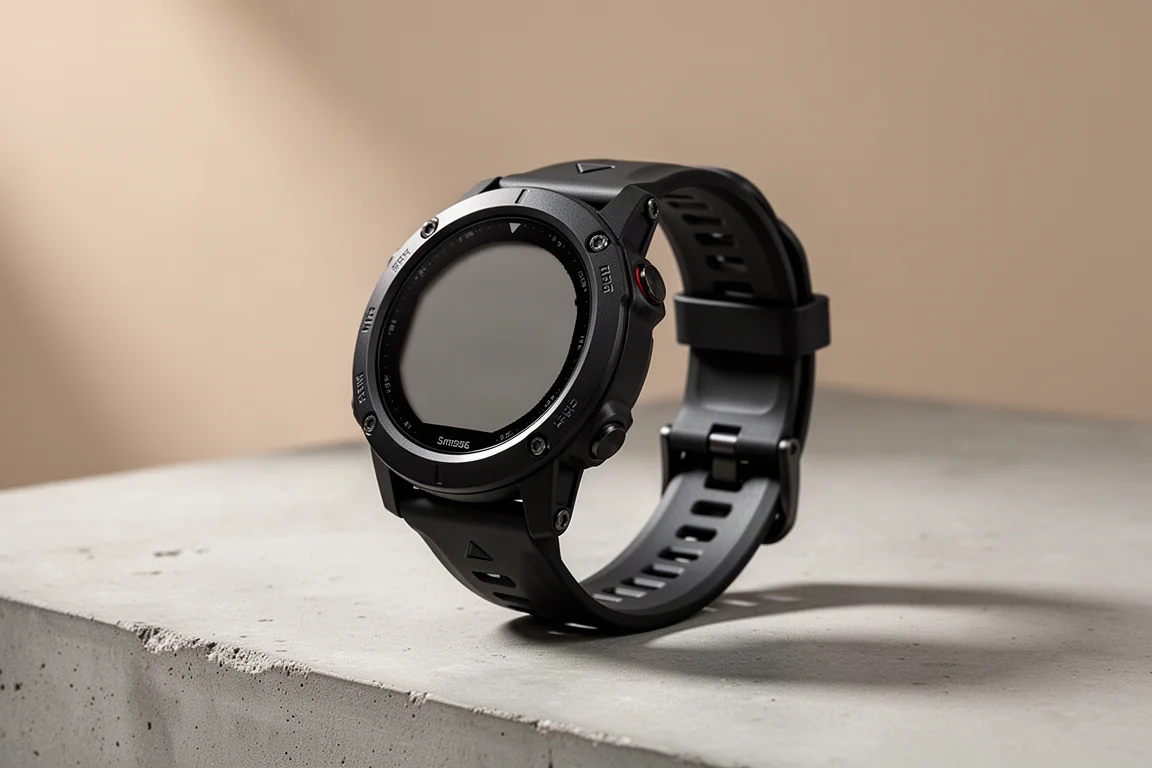
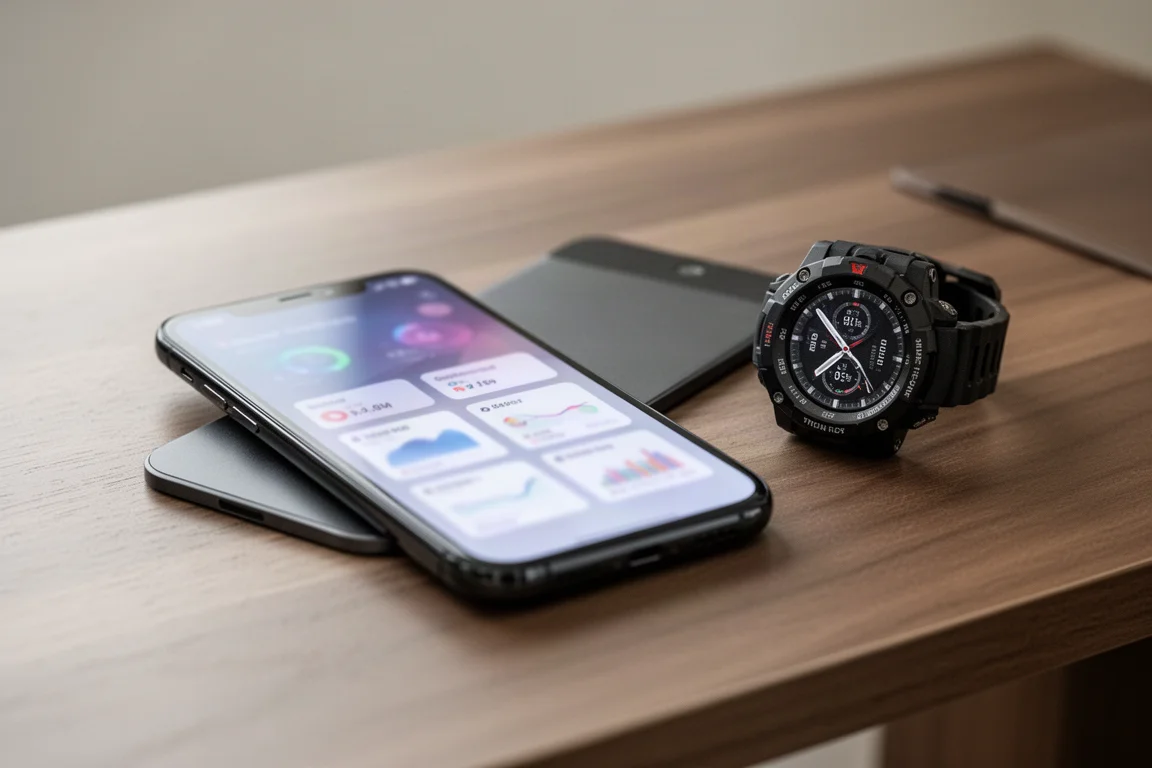
The Casio GBD-H2000 is the second generation of the G-Shock Move line, and it changes the formula in ways that matter for anyone who actually trains with a G-Shock. Casio made it lighter and smaller, added far more sport profiles, and partnered with Polar to license health and fitness algorithms, including training load, training status, and a nightly recharge sleep feature. It keeps the rugged G-Shock identity, but the question is whether the sports experience now matches the look. After extensive use across mountain biking, trail running, and hiking, the answer is mostly yes, with a few caveats worth knowing before buying.
Design, Size, and Comfort
Visually, this is still a G-Shock through and through. The protective lugs around the outside help shield the display, and the water resistance rating is a full 20 bar (20 ATM). Durability does not disappoint: after more than two months of mountain biking, trail running, and hiking, the watch still essentially looked new.
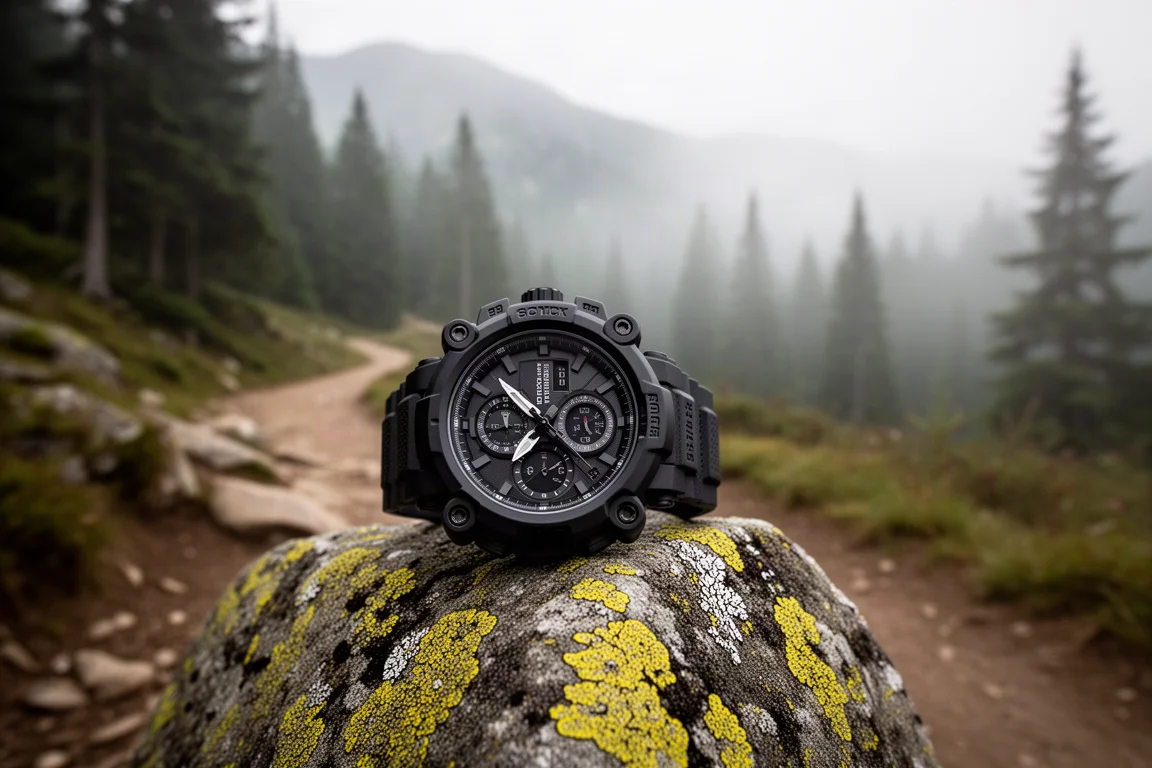
The big improvement is the size and weight. The GBD-H2000 weighs 63 grams versus over 100 grams on the original GBD-H1000, achieved through a nearly all-resin construction. The case measures 52.5mm left to right (versus about 55mm), roughly 48.5mm diagonally (versus about 51mm), and about 1.5mm thinner. That smaller, lighter build is not just about comfort: optical heart rate sensors dislike watch movement, so a lighter case that bounces less on the wrist should also support better heart rate accuracy. It is also far more comfortable for sleep tracking, which matters because nightly recharge depends on actually wearing the watch overnight. The original GBD-H1000 and GSW-H1000 were among the biggest watches ever tested and simply were not pleasant to sleep in; the H2000 caused no such issues.
The strap is more flexible and more comfortable, and the new attachment point lets it rotate, another welcome change. The small wedges carried over from the previous generation still help the watch conform to the wrist and stay secure. The five-button layout remains: upper right activates the backlight, lower right acts as a back key, the left-side buttons handle up and down navigation, and the middle left button opens the sport profiles. Button feedback is slightly less positive than on the original, but they work without issue.
Display and Battery Life
The monochrome display may sound like a weakness, but it is arguably one of the best things about this watch. The contrast is exceptional. Outdoors in bright sunlight, readability is outstanding, and indoors it stays legible even at off angles. It may not be full color or pixel-dense, but from a pure functionality standpoint it is hard to beat.
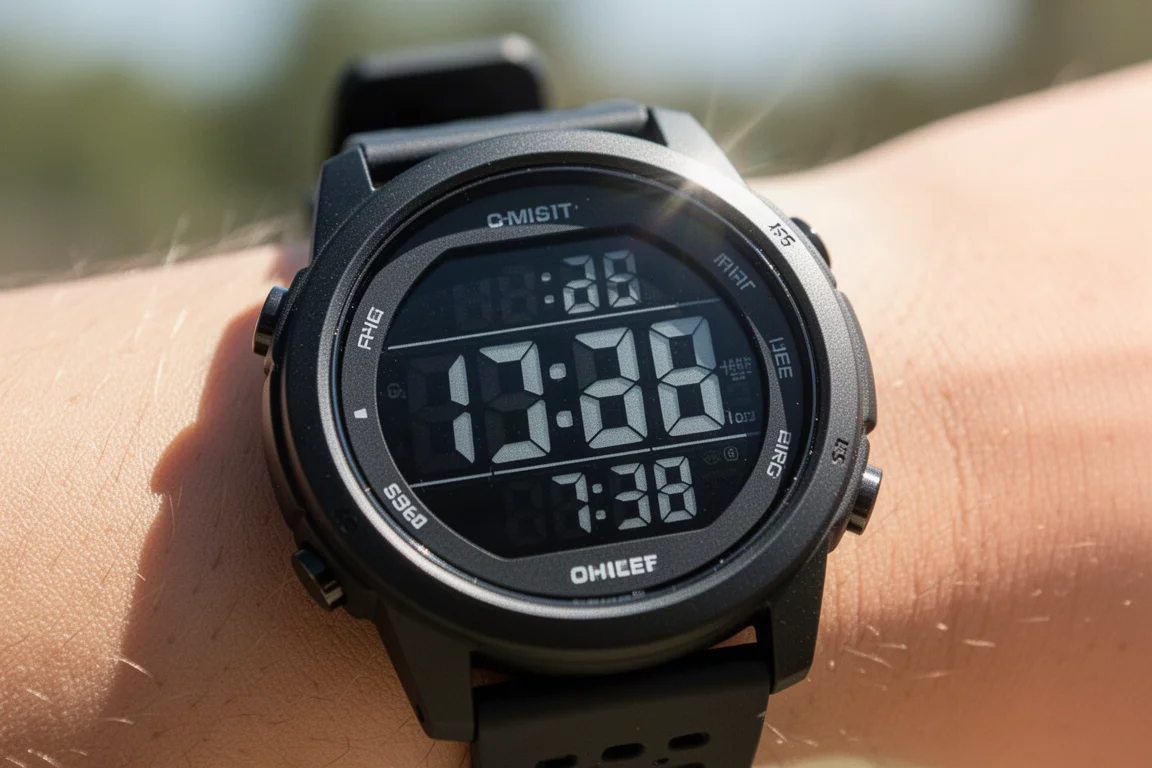
Solar charging surrounds the display and helps extend battery life. Expect roughly seven days with everything enabled: 24-hour heart rate, plenty of workouts, and sleep tracking. With heart rate limited to activities and sleep only, up to two weeks is possible, and with the heart rate sensor off entirely, around two months. For GPS activities, a full charge covers roughly 14 to 19 hours of continuous outdoor recording depending on settings. That is less than the previous generation, which was one of the H1000’s highlights. When the battery runs low, the watch drops into a low-power mode showing the time, sustained by solar charging.
On the smartwatch side, notifications work on both iPhone and Android, but there is no reply functionality on either platform.
Health and Sleep Tracking
Daily health tracking covers steps, 24-hour heart rate, blood oxygen saturation (which performed well), calories, and active time. The sleep tracking with Polar’s nightly recharge feature is a genuine highlight. Results matched other devices closely, and the feedback aligned with how each day actually felt: poor nights were reflected accurately, and strong mornings showed up too. Interruptions during the night were tracked well. Note that nightly recharge needs about three days of data to establish a baseline before it appears.
The watch shows nightly recharge stats on the wrist, but sleep details including sleep stages require the app, which is a small frustration for anyone who wants full insight without pulling out a phone.
Sports Tracking and Training Feedback
Sport tracking is a massive upgrade over the original, which effectively offered a single running-focused profile. The H2000 adds road running, trail running, cycling, gym workouts, an interval timer for HIIT-style sessions, walking, pool swimming, and open water swimming. Data pages and fields are editable in the app, with three data fields per page. It still trails dedicated sports watches in profile depth, but it is a big step forward.
GPS and Altimeter Accuracy
The new satellite chipset supports more satellite systems and adds dual-band (multi-band) positioning, the same technology major sports watch makers have adopted in recent years to improve accuracy around tall rock faces, canyon walls, dense tree cover, and tall buildings.
In practice, total distance accuracy was very good across dozens of tests, matching other dual-band devices. GPS tracks were generally strong with no signal drops, though a few tests showed slight wandering, such as cutting corners and overshooting on a ride through a narrow canyon. Not quite the best in class, but solid.
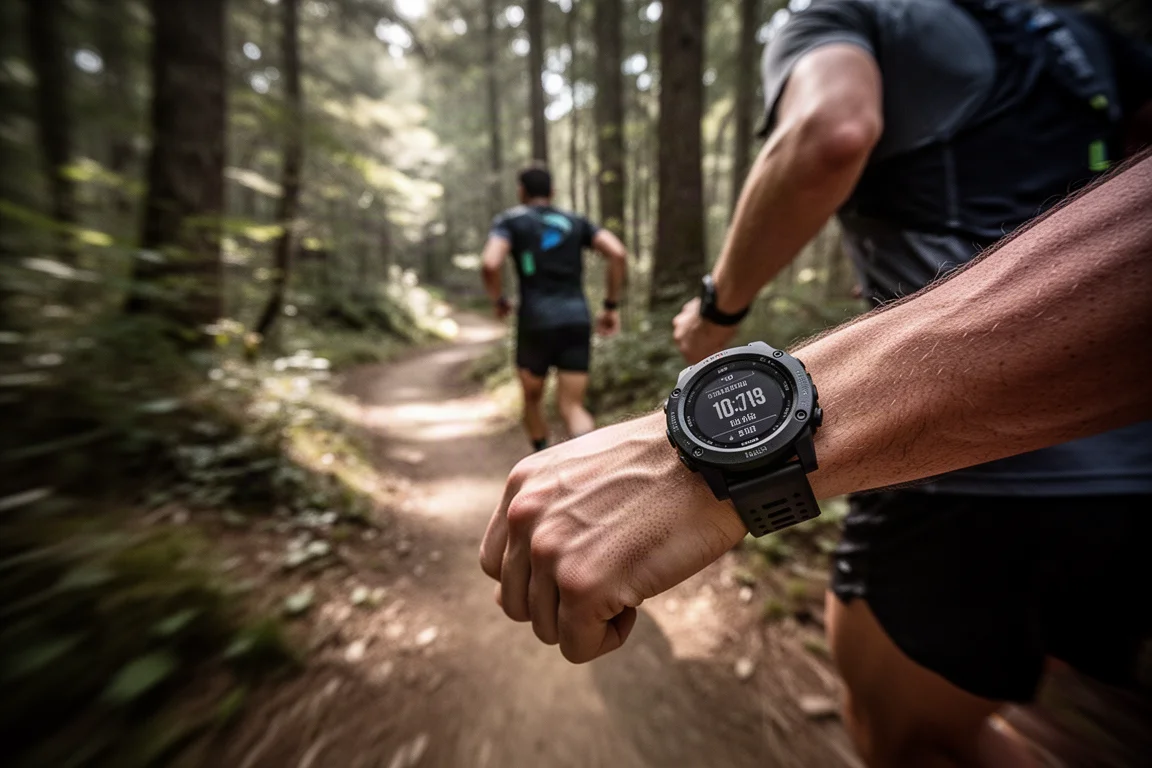
Altimeter results were mixed: elevation gain was spot-on at times and overstated on others.
Heart Rate Accuracy
Heart rate data cannot currently be exported from the app for deep analysis, but side-by-side comparisons against a chest strap tell a clear story. On steady indoor rides, average and maximum heart rates matched the strap closely, and the graphs tracked well. Interval sessions also went well, with only the typical slight lag behind rapid heart rate changes. Running results were similarly strong and consistent.
Outdoor road riding was the problem area. On those rides the watch produced a lower average heart rate and implausibly high maximums, with readings like 93 bpm against a strap’s 138 bpm, or 188 bpm when the actual rate was 136. Weight training showed some deviations but no wild spikes. In short, the optical sensor handled nearly everything well except riding outside.
Training Feedback via Polar Algorithms
Metrics like energy sources, cardio load, and cardio load status depend on accurate heart rate data. For indoor workouts and running, they deliver. In an indoor cycling session, average and max heart rate, cardio load, and energy sources lined up well against a Polar Pacer Pro with a chest strap, with calories about five percent lower but still meaningful. Running showed extremely similar calories, training load, and energy sources, and the running index (essentially VO2 max) was identical to Polar’s figure and in a realistic ballpark compared with other platforms.
Road riding exposed the weakness. Higher-than-reality heart rates inflated cardio load, yet the watch paradoxically produced much lower calorie estimates on those rides. Since cardio load feeds into cardio load status, the value of the feedback depends on the activities you do. One fix would be pairing an external heart rate strap, which the H2000 unfortunately does not support.
The Casio Watches App
The H2000 moves to the new Casio Watches app, replacing the older G-Shock Move app. Health and fitness data is presented better, with a timeline categorizing your life log: steps, calories, activity level, cardio load status, and sleep metrics, plus cards for nightly recharge and individual workouts showing distance, time, calories, speed, elevation gain, heart rate, cardio load, and energy used. Tabs provide chart views and lap information.
The biggest complaint: the app opens on a brand-focused landing page rather than your data. For a health-tracking watch, the “my page” tab should be the first thing you see. The priority feels backwards.
Overall Buying Advice
Compared with the previous generation, the GBD-H2000 is a big improvement in many ways. The smaller, lighter form factor makes it far more usable and comfortable, the new health features and excellent sleep tracking are welcome, sport profiles are greatly expanded, and GPS accuracy is solid for everything except road riding heart rate.
However, against other sports watches at this price, it comes up short: no music support, no external sensor support, a sport profile list that could still grow, and an app that needs work, with Strava integration being a notable missing piece. The encouraging part is that the app, Strava support, and additional activity profiles could all arrive via software updates. Casio is clearly headed in the right direction, and this is a much more capable watch than before.
Conclusion
The Casio GBD-H2000 proves G-Shock can build a genuine sports watch without sacrificing its rugged identity. Lighter, smaller, and smarter than its predecessor, it delivers excellent sleep tracking, strong GPS, and reliable heart rate for most activities. Buy it if you want a durable daily watch with credible Polar-powered training feedback. Look elsewhere first if road cycling heart rate accuracy, music, external sensors, or Strava sync are must-haves, unless you are willing to bet on future software updates.
Product link
View more details for Casio GBD-H2000
This product is mentioned in the review. Check the specifications, options, and compatibility before buying.
View more details for Casio GBD-H2000Further reading
Related Reviews
Sports Watches
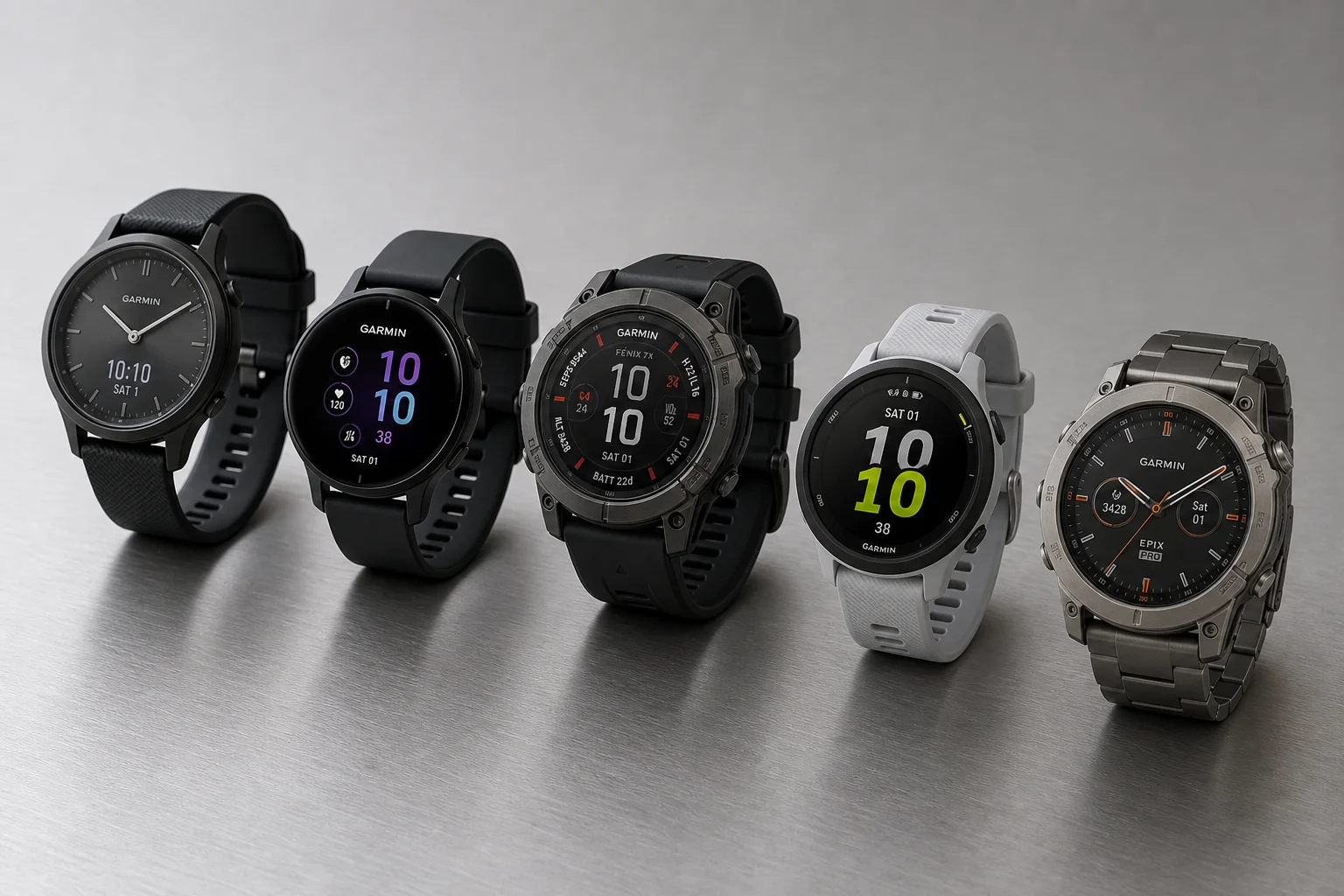
Garmin Sports Watch Guide: Finding the Right Model for Your Fitness Level
A comprehensive overview of Garmin's sports watch lineup, from casual fitness trackers to advanced multisport devices, helping you choose the right model for your needs and budget.
Sports Watches
Coros Pace Pro Review: A Complete Overhaul That Finally Feels Premium
Coros rebuilt the Pace Pro from the ground up with an AMOLED display, onboard maps, and a new heart rate sensor. Here is how it all holds up in real use.
Sports Watches
Polar Vantage M3 Review: The Sweet Spot in Polar's New Watch Lineup
A closer look at the Polar Vantage M3, which brings an AMOLED display, dual-frequency GPS, offline maps and the same software platform as Polar's flagship watches at a friendlier price.