Sports Watches
Casio G-Shock GBD-H2000 Review: A Serious Sports Watch in a Familiar Shell
The GBD-H2000 is smaller and lighter than its predecessor, with Polar-powered training insights, but its heart rate accuracy and dated software hold it back.
Introduction
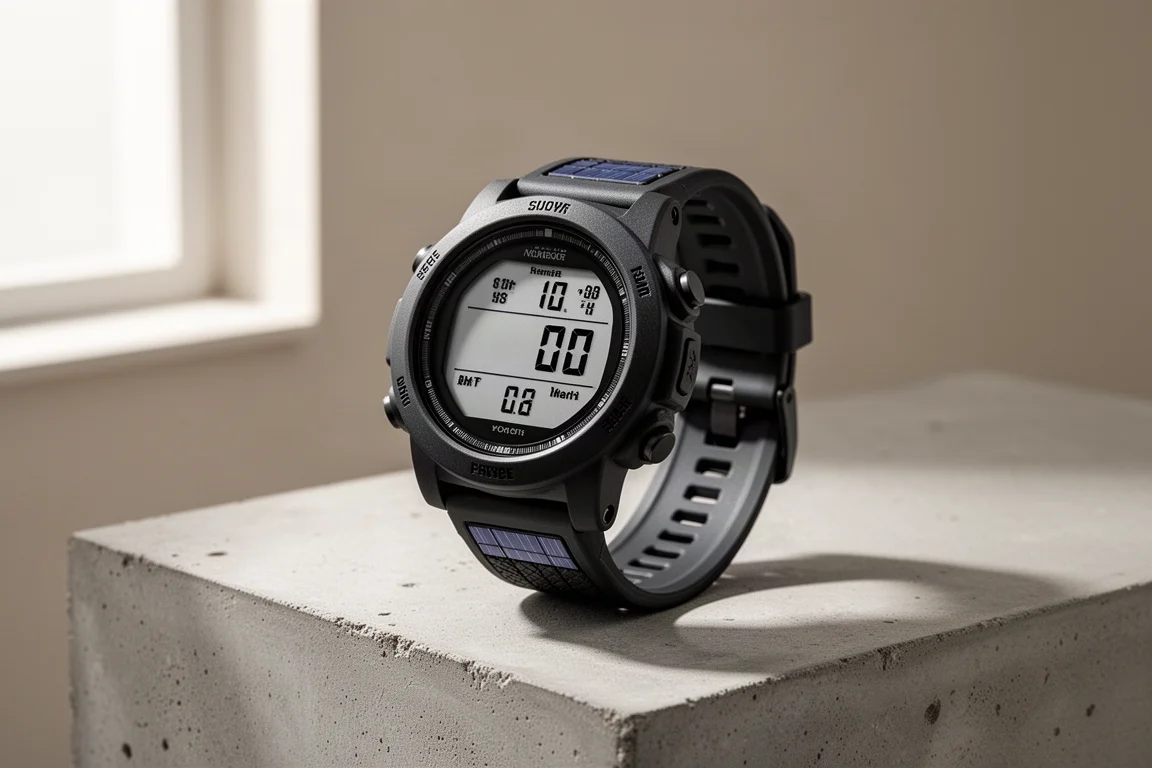
The Casio G-Shock GBD-H2000 is a new sports watch in the G-Shock range, replacing the GBD-H1000 and improving on it in several meaningful ways. It is smaller, lighter, and packed with more sports modes, and it borrows features from Polar to improve sleep tracking and training analysis. Casio is clearly aiming to make this a more serious sports watch, one that can go up against the likes of Garmin and Polar. It costs £379 in the UK and $399 in the US.
After two weeks of testing, covering around 12 runs plus everyday activity and sleep tracking, the picture is clear: this is a much better sports watch than before, but it remains a fairly basic one. Whether it makes sense for you comes down largely to how much you love the G-Shock look.
Design and On-the-Wrist Feel
Compared to the GBD-H1000, the H2000 is smaller all round in height, width, and depth, but it is still a big watch that sticks out around 20mm from the wrist. The biggest change is weight: it now comes in at 63 grams with the strap, versus over 100 grams for the previous version. That makes a real difference when running, where it feels like a nimble sports watch rather than a clunky one.
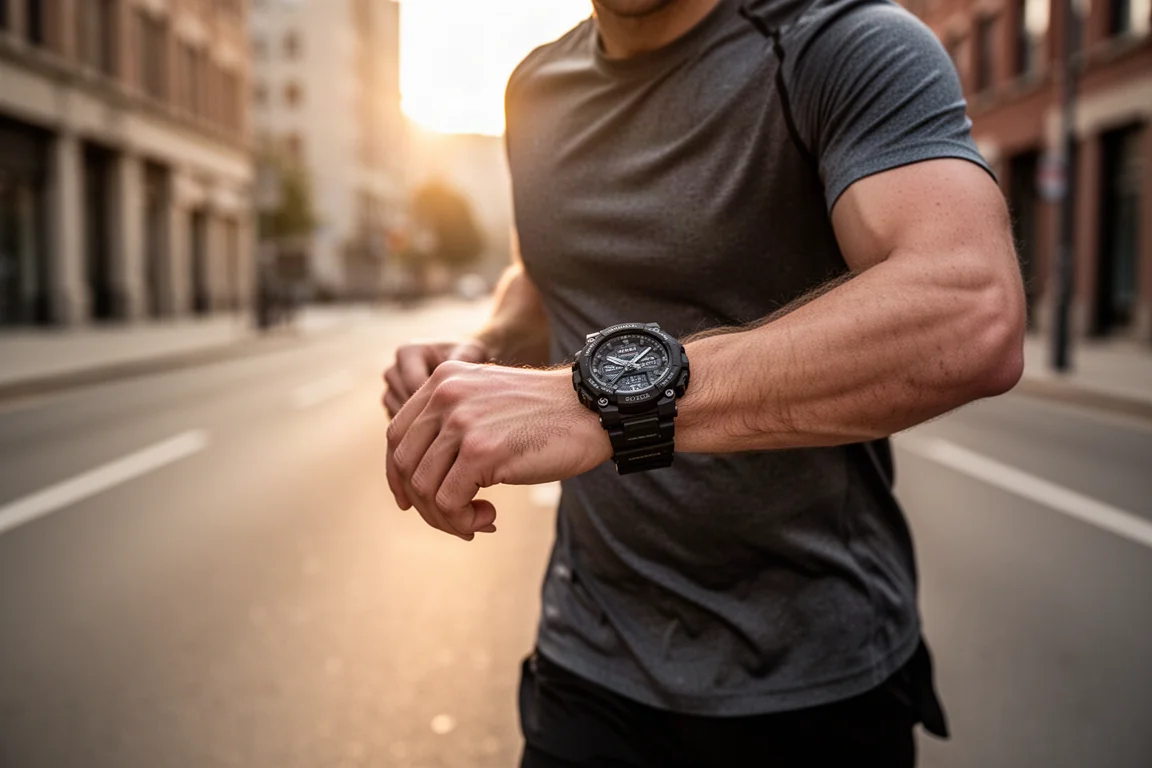
The case and strap are made from resin and biomass plastic, with the distinctive G-Shock styling, shock resistance, and 200-meter water resistance. It comes in four colors. The display is a monochrome memory-in-pixel screen surrounded by solar panels, which sounds understated but works well: it is bright and easy to read in all conditions, whether cloudy or sunny, though you only get three stats per page during a run.
Outside of running, the size is the main drawback. It can catch on jackets, and at night it can be uncomfortable for side sleepers, which meant taking it off for some nights of sleep tracking. If you like the G-Shock look, it is now lighter and sportier; if you do not, that design is the main thing standing between you and better alternatives.
Sports Modes and Training Features
There are eight sports modes in total, including trail running, biking, open water swimming, and pool swimming, plus a generic intervals mode for following workouts. There is no triathlon mode, and indoor workouts are lumped together under a single gym workouts banner covering things like treadmill and cycling.
The training analysis is where Polar’s involvement shows. Nightly Recharge looks at your recovery overnight using heart rate variability. After workouts, you get a cardio load assessment and an overall cardio status that tells you whether your training is productive, whether you are overdoing it, or whether you are underdoing it. Polar Running Index, equivalent to a running VO2 max, pops up after each workout, and the Polar FuelWise energy-used feature shows whether you burned mostly carbs or fats based on your heart rate zones.
These features are all somewhat simplified compared to what you get on actual Polar watches, where you can dive much deeper in the Polar Flow app. On the Casio you see a simple snapshot: a little wheel showing your load and whether you are overdoing it. It is a nice one-stop shop, but the analysis here is solid rather than extensive, and closer to the level of watches that cost considerably less.
GPS Accuracy and Battery Life
GPS performance in the highest accuracy mode was genuinely impressive during testing. Compared against a Garmin Forerunner 265 in dual-band mode, the tracks were very similar most of the time, pacing was consistent enough to use for hard workouts, and the distance readings were close, with the watch even picking the right side of the road on the track overlay.
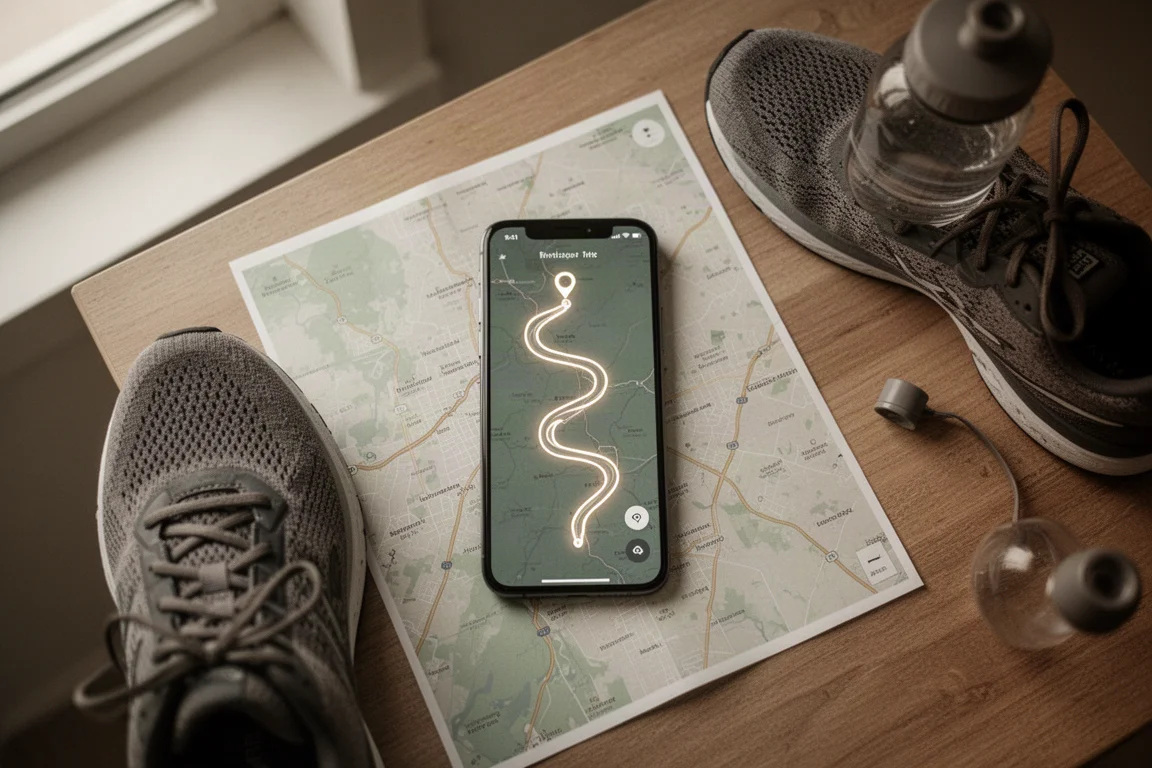
The main GPS complaint is lock-on time. Early on it took two to three minutes to acquire a signal, which has improved but still sits around a minute, noticeably slower than most watches that lock on in 15 to 30 seconds. A few small track errors appeared right at the start of runs, particularly when heading off immediately after lock-on.
Battery life is a strength outside of activity. With heavy use, including 12 runs in 14 days, always-on heart rate, notifications, and GPS at the highest accuracy setting, the watch needed just one charge in two weeks and still had roughly 30 to 40 percent left. With heart rate off and lighter use, expect a couple of months, and with power saving mode in sunny conditions it can last effectively indefinitely. During activity, though, the numbers are less generous: 14 hours of GPS tracking in high accuracy mode or 19 hours in normal mode, a small difference that does not justify dropping accuracy.
Heart Rate Accuracy
Optical heart rate accuracy has been the biggest disappointment. Measured against a chest strap throughout testing, it was wrong about as often as it was right. In one easy 45-minute run spent entirely in zones one and two on the chest strap, the watch reported the maximum heart rate zone for 43 of those minutes. That kind of error skews the cardio status and the energy-used readings significantly.

There is no support for external sensors either, which is a real omission at this price. Most sports watches, and even smartwatches, let you pair a chest strap or armband, and given that optical monitors are generally mediocre, that flexibility matters. If heart rate is central to how you judge your training, a chest strap is essential, and it is worth noting that the watch’s larger case may also contribute to weaker wrist-based readings.
Everyday Tracking and Sleep
Daily activity stats like steps, calories burned, and active time are stored in the Lifelog app on the watch, where you can set your own step and calorie targets. It is all fairly standard, and step counts tracked roughly in line with other watches tested in the same period.
Sleep tracking is upgraded by Polar’s Nightly Recharge feature. You get a good breakdown of sleep stages each night plus a recovery assessment based on heart rate variability and sleep time. It works well, though it is less detailed than what Polar’s own watches offer in their app. The downsides are practical: sleep tracking is battery intensive, and as mentioned earlier, the watch is not the most comfortable thing to wear overnight for side sleepers. If you can live with the size, you are getting a pretty good sleep tracker here.
Software, Display, and App Experience
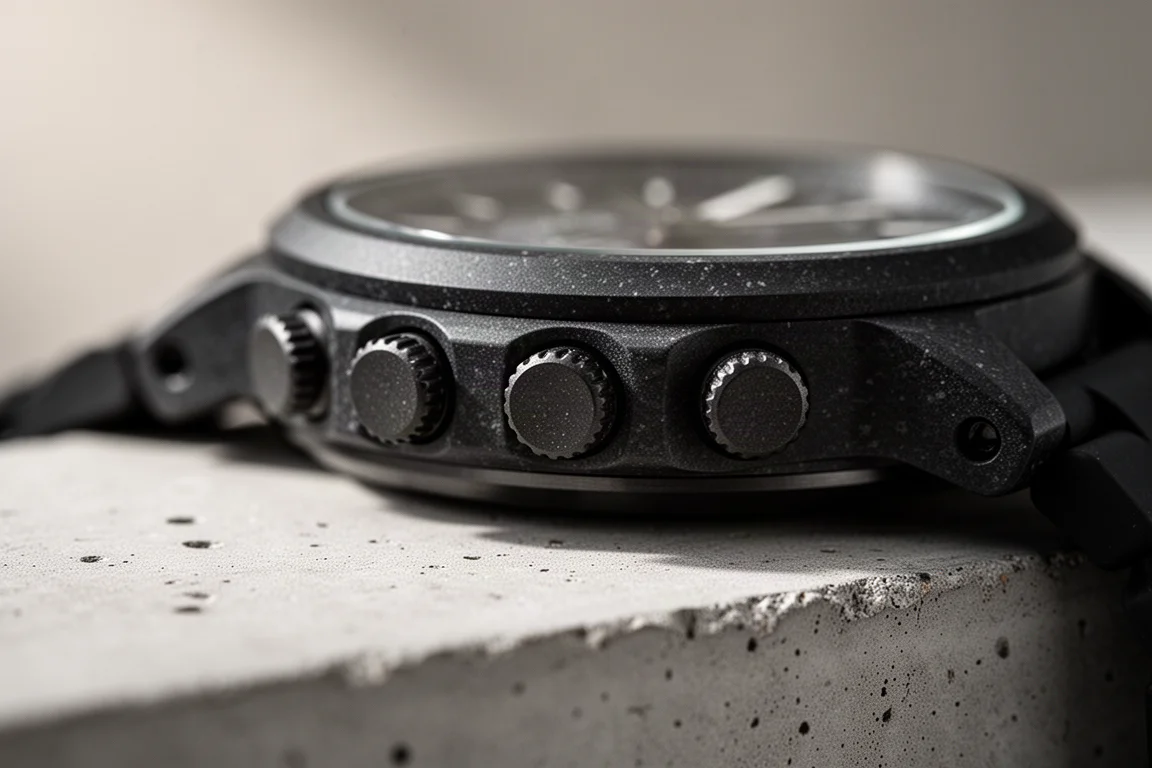
The monochrome memory-in-pixel display is paired with five buttons that are not always the most responsive. The menus are simply laid out and easy to navigate, but there is occasional lag, and occasionally a button press does not register. The whole experience feels a bit dated, though there is some charm in the simplicity. Watch faces are limited and cannot be previewed before switching.
The companion app is messy and does not connect to third-party services, so there is no way to export workouts to Strava. A software update took five or six attempts through the app, which was frustrating. There are also no navigation features, not even a back-to-start function, and no smarts beyond phone notifications. Compared to sports watches in this price bracket, the software and user interface feel a couple of years behind.
Buying Advice
The GBD-H2000 is best seen as a watch for committed G-Shock fans who want a capable sports watch in this design. It is a step in the right direction from Casio in both design and features, and bringing in Polar’s training and recovery insights was a smart move. If you love the look, you now have a genuinely decent option.
If the design does not appeal, there are stronger alternatives for less money. The Garmin Instinct Solar has a plastic build, a much more developed user interface, better sports tracking, and better analysis. The Garmin Forerunner 255 offers a slimmer watch with far more features as a full multisport option, and the Polar Pacer Pro is considerably cheaper with more developed versions of the same Polar features found here. The design is really the only thing that sets the G-Shock apart.
Conclusion
The Casio G-Shock GBD-H2000 is okay, and more than okay if you are a big G-Shock fan hoping for a solid sports watch in this style. It is lighter, more versatile, and better equipped than its predecessor, with genuinely good GPS and everyday battery life. Just go in knowing the optical heart rate is unreliable, the software feels dated, and rivals offer more for less.
Product link
View more details for Casio G-Shock GBD-H2000
This product is mentioned in the review. Check the specifications, options, and compatibility before buying.
View more details for Casio G-Shock GBD-H2000Further reading
Related Reviews
Sports Watches
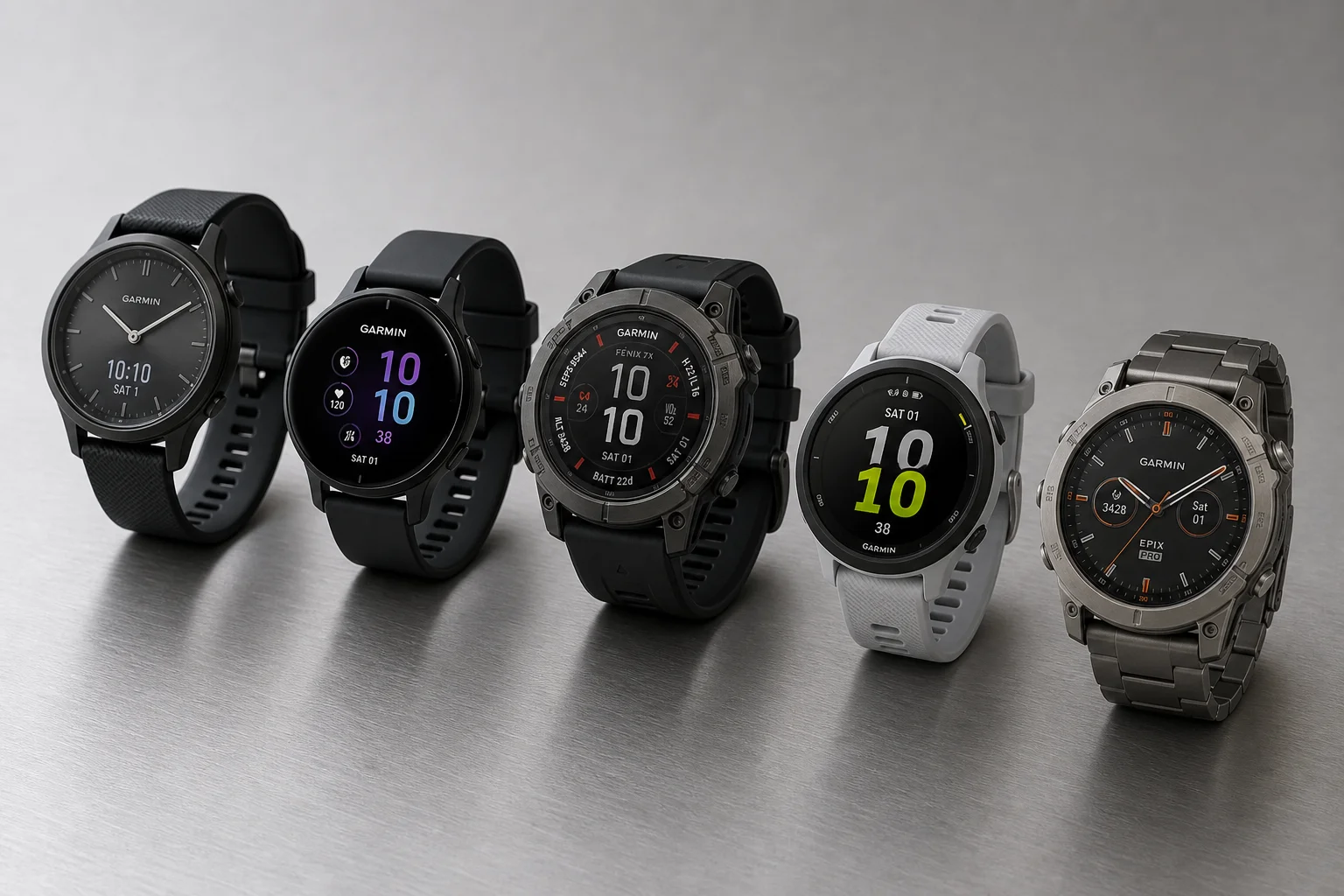
Garmin Sports Watch Guide: Finding the Right Model for Your Fitness Level
A comprehensive overview of Garmin's sports watch lineup, from casual fitness trackers to advanced multisport devices, helping you choose the right model for your needs and budget.
Sports Watches
Coros Pace Pro Review: A Complete Overhaul That Finally Feels Premium
Coros rebuilt the Pace Pro from the ground up with an AMOLED display, onboard maps, and a new heart rate sensor. Here is how it all holds up in real use.
Sports Watches
Polar Vantage M3 Review: The Sweet Spot in Polar's New Watch Lineup
A closer look at the Polar Vantage M3, which brings an AMOLED display, dual-frequency GPS, offline maps and the same software platform as Polar's flagship watches at a friendlier price.