Aquarium Equipment
Carbon Doser Electronic CO2 Regulator Review: One Unit, Fewer CO2 Headaches
A closer look at the Carbon Doser Electronic CO2 Regulator, an American-made unit that folds a solenoid, needle valve, and bubble counter into one precise package for calcium reactor setups.
Introduction
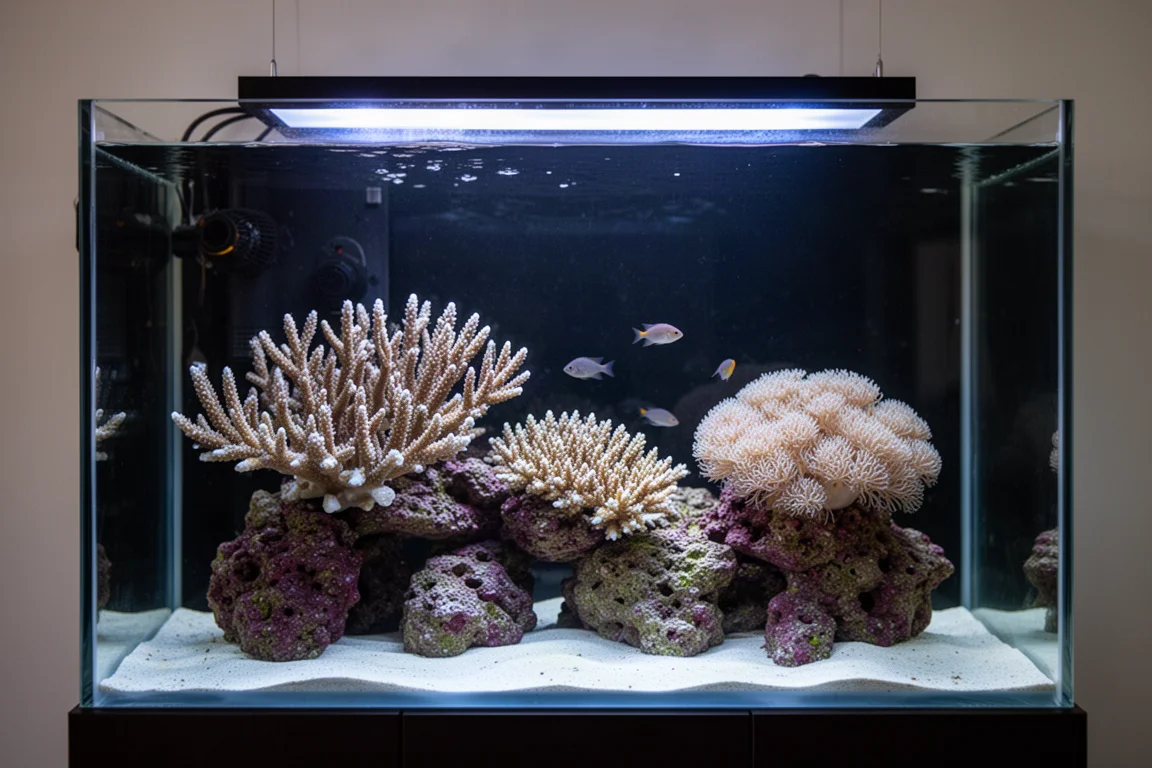
Calcium reactors promise something genuinely appealing: steady, hands-free dosing of calcium, alkalinity, magnesium, and other elements instead of constant manual testing and dosing. What holds many aquarists back is the CO2 side of the equation, where a traditional regulator has to be dialled in carefully and usually needs several extra parts before it behaves.
The Carbon Doser Electronic CO2 Regulator is an American-made electronic regulator built to remove that friction. Rather than asking you to assemble a conventional regulator plus a collection of peripherals, it folds the whole CO2 control job into a single unit with a wider and more precise range of adjustment.
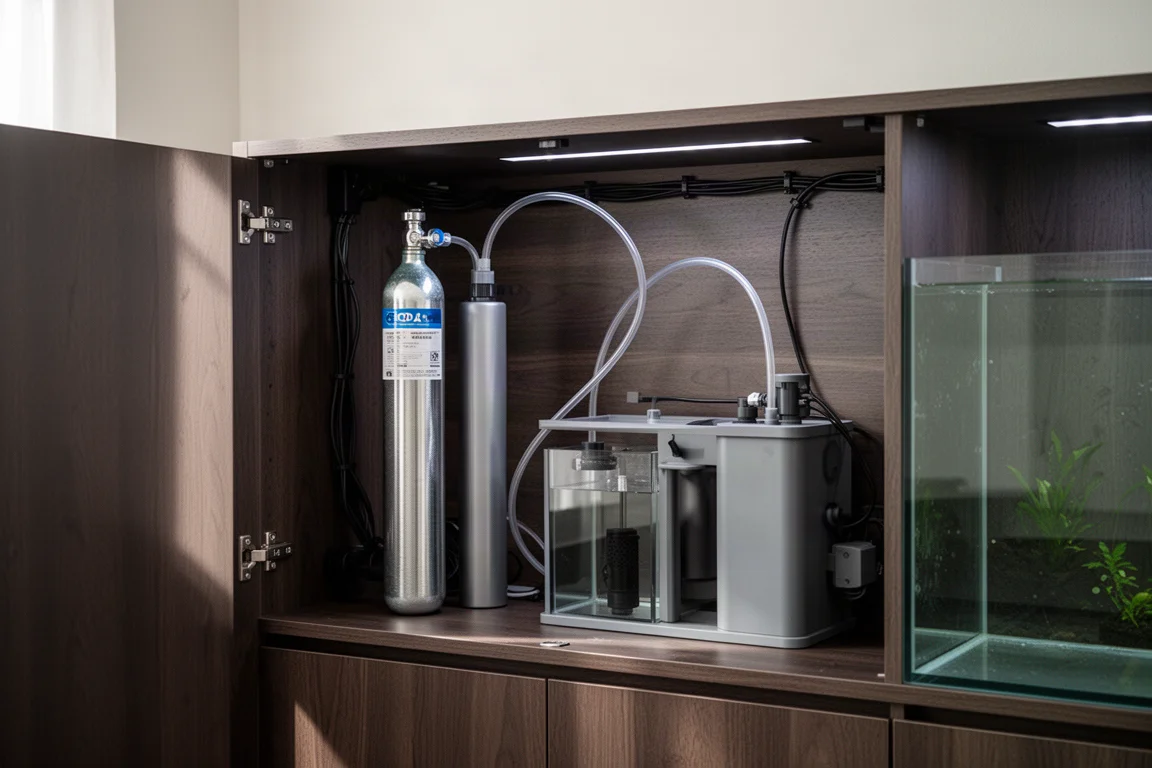
In the box you get the regulator itself, a specialised check valve, CO2-rated quarter-inch tubing, a power supply, and instructions. The regulator uses standard CO2 bottle threading, so it can be paired with a small five pound bottle that fits inside a stand or a large twenty pound bottle that keeps running for months at a time.
Who This Regulator Is For
This is a piece of equipment aimed at aquarists who already run, or plan to run, a calcium reactor, and at planted aquarium owners who inject CO2 and want tighter control over how much enters the system. The appeal is strongest for anyone who has found traditional regulators finicky to dial in, or who is tired of sourcing and stacking up separate components before the reactor can be tuned properly.
It is less relevant if you are already perfectly happy with an existing regulator and the peripherals around it, or if you are not using pressurised CO2 at all. This is a purposeful upgrade, not a general-purpose accessory.
Main Strengths
Two things define the Carbon Doser: it consolidates hardware, and it changes how the adjustment itself is measured.
A Single Unit That Replaces Three Extra Components
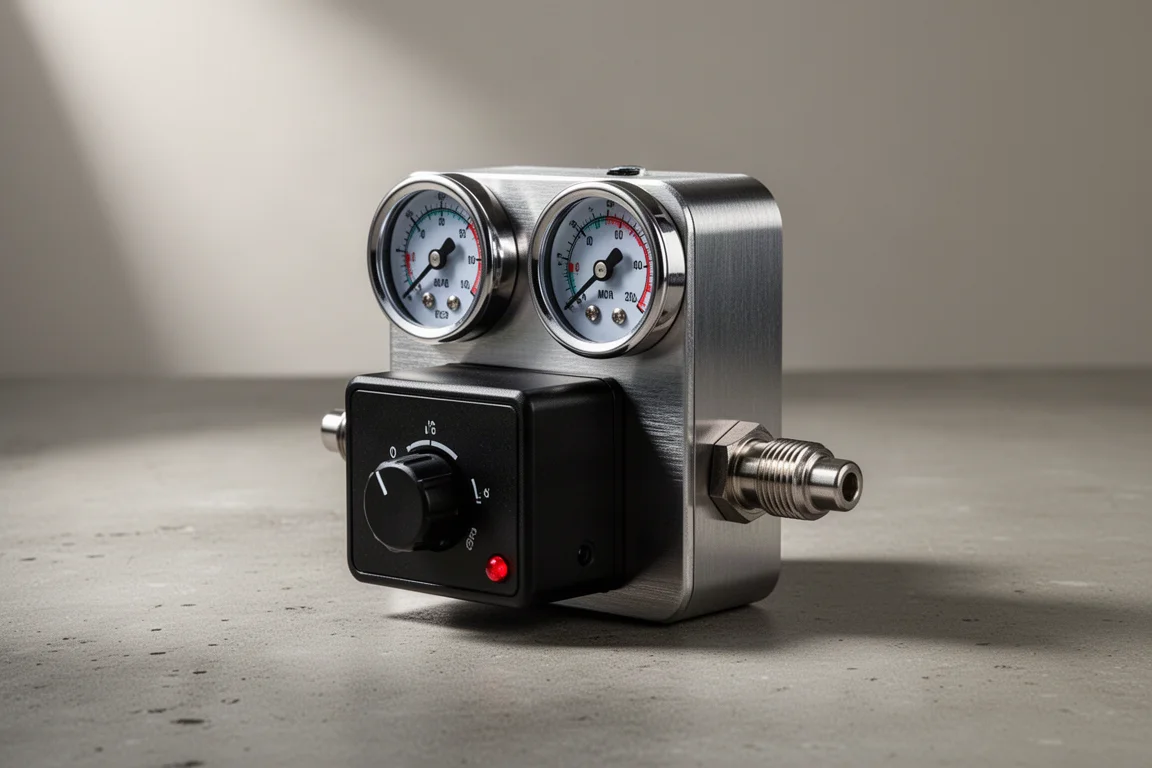
The electric solenoid valve, the needle valve, and the bubble counter are all absorbed into one housing. The black box on the regulator contains an electronic valve that opens and closes in about 1/4000th of a second, which is the precision behind the whole design. The knob on the front of that box works as a far more exact replacement for a needle valve, and the red LED indicator below it blinks each time a bubble, or portion of CO2, is released, taking over the counting role.
Because the power supply can be plugged into a pH controller or an aquarium controller, CO2 flow can still be shut off on command in the same way a standard electric solenoid allows. If your controller already handles safety cut-offs, that routine carries over unchanged.
A Wider and More Precise Control Range
Adjustment is expressed in seconds per bubble rather than bubbles per second, which provides a broader and more accurate scale to work with. The usable range runs from roughly five bubbles per second down to a very slow ten seconds per bubble.
In practice, you set the bubble size with the main valve and then the bubble frequency with the knob on the black box. That split gives you a wider range of control than a traditional regulator offers, and it makes finding the right flow of CO2 into the reactor considerably less of a guessing game.
Two Gauges for Bottle Pressure and Reactor Pressure
The regulator carries two gauges. One reads bottle pressure, which tells you when the cylinder is nearing empty and ready to be swapped out. The other reads the pressure being sent to the reactor, which helps you keep track of the bubble size you have set.
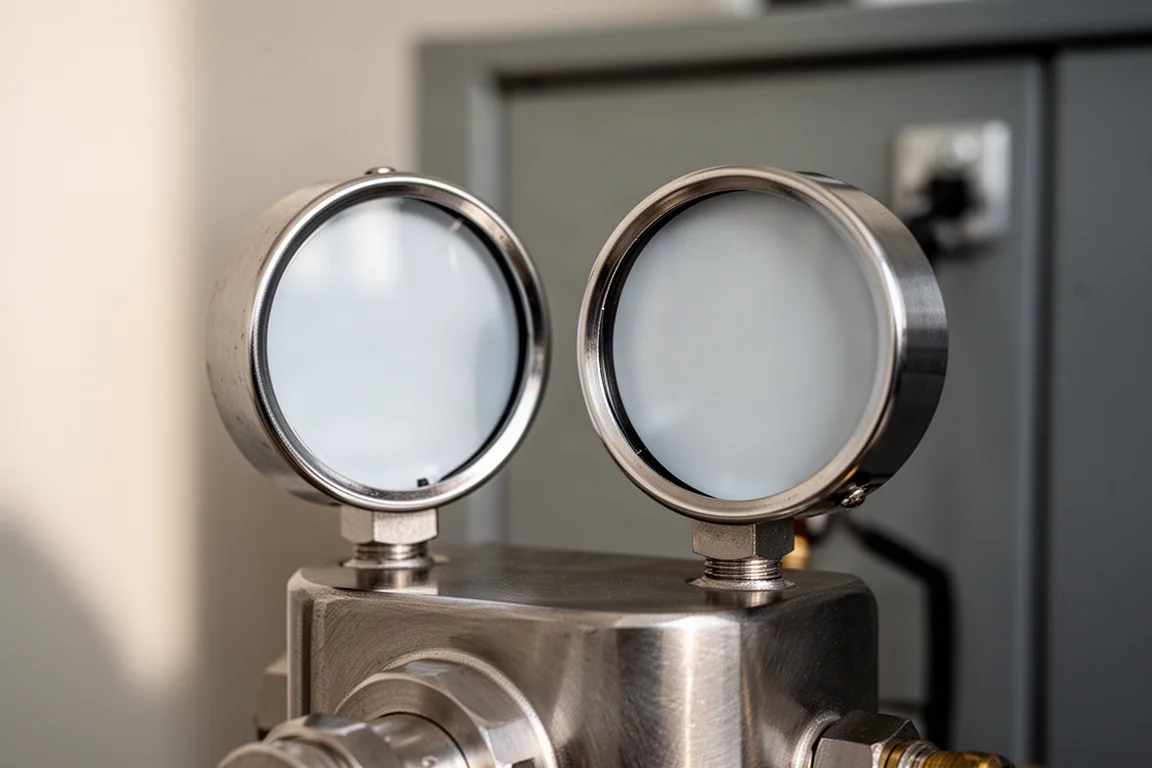
Together they turn routine monitoring into a quick glance. You can see the state of the supply and the state of the output without dismantling anything or second-guessing your last adjustment.
Things to Consider Before Buying
Any CO2 regulator deserves respect, and this one is no exception. Highly pressurised gas is involved, so reading the instructions before you start is not optional. The key step is making sure the valve is completely closed before you install the regulator on the CO2 bottle and before you open the bottle’s valve to start the flow. The procedure itself is straightforward and quick, but skipping it can cost you the result you were after.
It is also worth being honest about what you already own. If you have a working regulator plus a solenoid, needle valve, and bubble counter that you are satisfied with, this unit is a replacement rather than an addition. For anyone starting fresh, though, it removes the need to buy and coordinate those separate parts at all.
Buying Advice
The decision comes down to how much you value a clean setup. If you are building a calcium reactor system from scratch, or rebuilding one that has always been awkward to tune, the Carbon Doser answers the most common complaint in one purchase: it covers the regulator, the valve control, and the bubble counting without extra hardware.
Matching it to your bottle is simple, since it fits standard threading across a wide range of cylinder sizes, and it slots into a pH or aquarium controller workflow the way you would expect. Buy it if you want the CO2 side of reactor dosing to be predictable and easy to live with. If your current arrangement already works and you enjoy the process, there is no urgent reason to change.
One practical habit makes the whole experience smoother: keep the instructions nearby for the first setup, work through the closing and opening sequence in order, and confirm each gauge reading as you go. Once the flow is dialled in, the routine becomes a quick visual check rather than a tuning session.
Conclusion
The Carbon Doser Electronic CO2 Regulator targets the part of calcium reactor ownership that aquarists complain about most. By replacing a traditional regulator plus its solenoid, needle valve, and bubble counter with a single precise electronic unit, it makes CO2 delivery easier to set, easier to read, and easier to trust. For reefers and planted aquarium owners who want stable dosing without the usual fiddle, it is a well-considered piece of kit.
Product link
View more details for Carbon Doser Electronic CO2 Regulator
This product is mentioned in the review. Check the specifications, options, and compatibility before buying.
View more details for Carbon Doser Electronic CO2 RegulatorFurther reading
Related Reviews
Aquarium Equipment
Abyzz Professional DC Pumps: A100, A200, and A400 Reviewed
A closer look at three German-made DC return pumps built for large reef systems, with titanium internals, fine flow control, and a 10-year warranty.
Aquarium Equipment
AdaptiveReef Controller Accessories: Three Tactile Upgrades for Your Reef Controller
A practical look at three AdaptiveReef add-ons that put physical switches, at-a-glance status lights, and a loud alarm within arm's reach of your reef tank.
Aquarium Equipment
Adaptive Reef Controller Boards: Basic vs Deluxe for Cleaner Aquarium Gear
A practical look at the Adaptive Reef Basic and Deluxe controller boards, what each one includes, and how to choose the right size for your tank gear.