Road Bikes
Canyon Ultimate Review: A Balanced Fifth-Generation Road Race Bike
Canyon's fifth-generation Ultimate keeps the classic silhouette while rebuilding the layup, cockpit and priorities around balance, durability and disc brakes.
Introduction
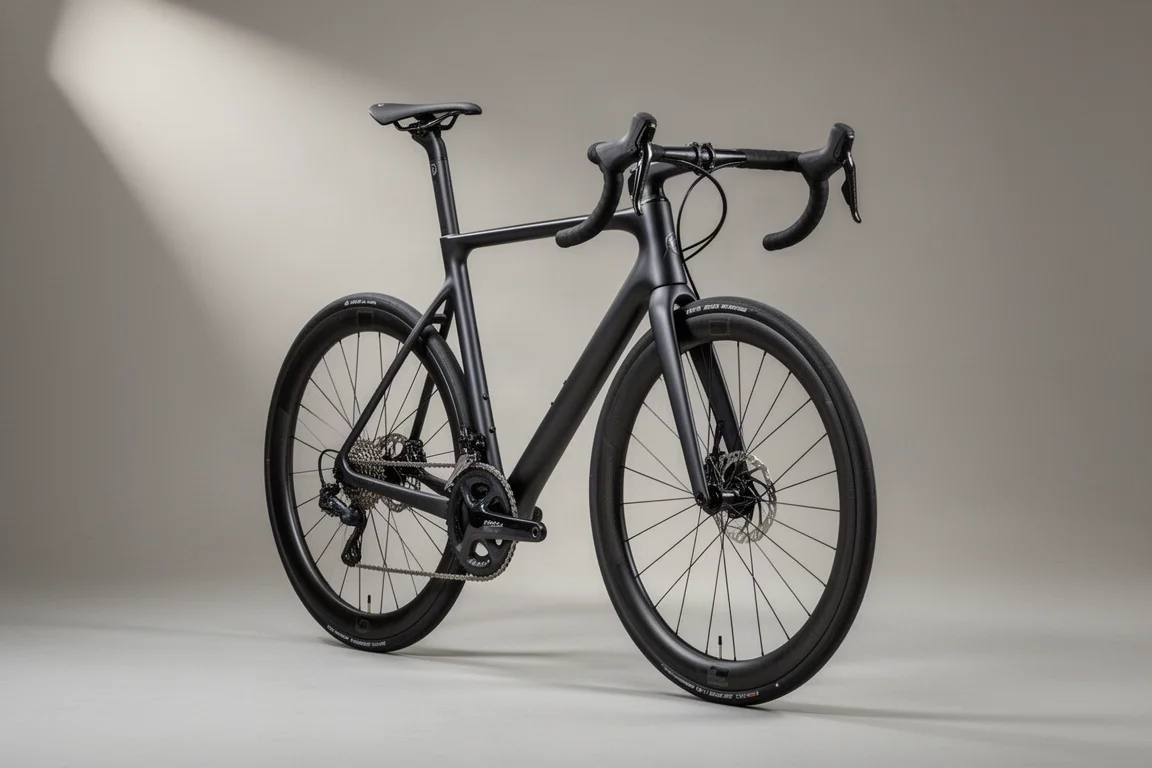
The Canyon Ultimate has been part of the brand’s road lineup for two decades, and the latest version arrives as the fifth generation of the platform. Canyon’s stated goal this time was not to chase a single headline number but to balance four qualities that usually pull against one another: comfort, weight, stiffness and aerodynamics. The frame looks close to the previous version, and that continuity was a deliberate choice, with a new cockpit and a new seat post doing much of the visual work. It is also a disc brake only bike, which says plenty about where Canyon sees the future of this platform.
What Changed on the New Canyon Ultimate
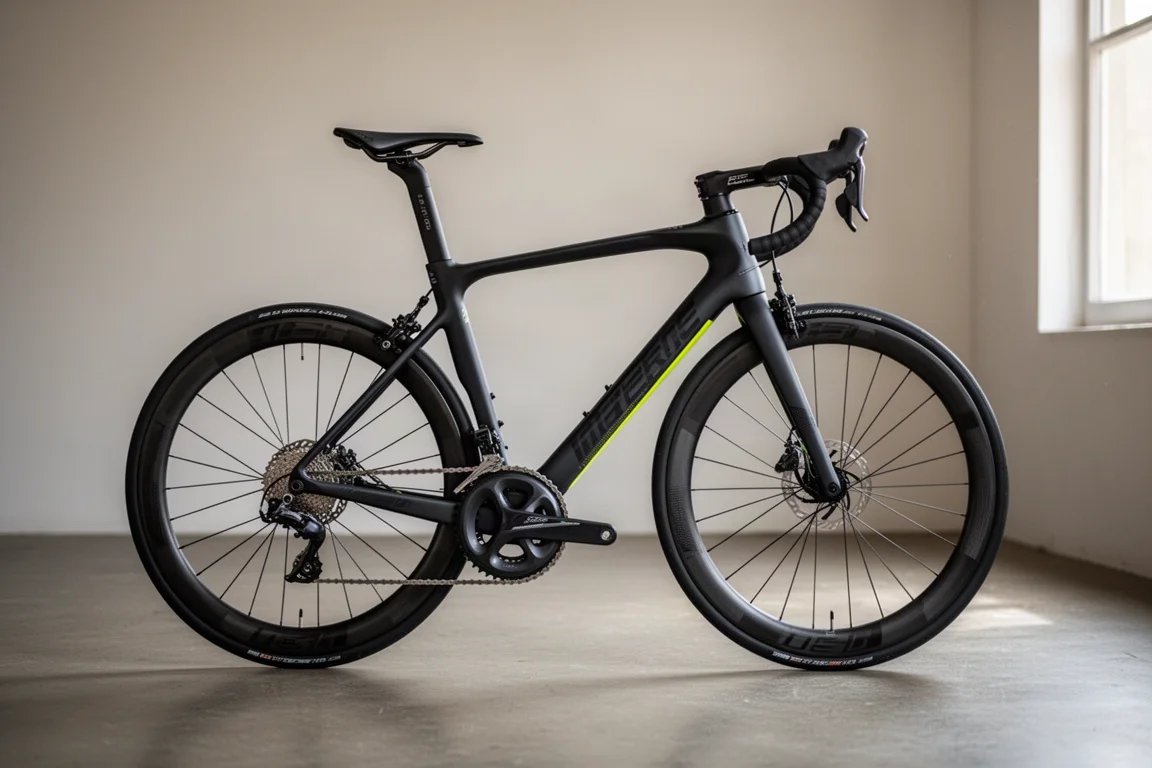
Canyon describes the update as a full reworking of the frame rather than a cosmetic refresh. The carbon fibre layup was rebuilt, and the weight savings come largely from that layup work. The CFR material sits at the top of what Canyon can source and manufacture, and the brand points to the people and the processes at its production site as part of why that material performs the way it does.

The look, meanwhile, was intentionally preserved. Canyon wanted the new bike to read as an evolution of a platform with a strong legacy rather than a break from it, so the classic road bike silhouette stays while the refreshed cockpit and seat post give it a newer feel.
One detail worth knowing before you buy: Canyon added a small amount of weight on purpose. The reasoning is durability, so the frame holds up better to the knocks that happen in normal ownership, including a bike tipping over at a coffee stop. Canyon’s position is that it could have gone lighter, but not without giving up the robustness it wanted.
Canyon Ultimate: Comfort, Stiffness, and Weight
Canyon frames the Ultimate as a balance of factors rather than a win in any single category. Comfort, weight, stiffness and aerodynamics were developed together so that improving one did not undermine another. That is what makes the Ultimate a bike meant to feel quick without being punishing.
Aerodynamics were developed together with an external partner, and Canyon credits that collaboration for the bike’s speed. Handling is described as a direct result of how stiffness and weight were balanced against each other rather than as an isolated tuning choice. Riders who want a bike they can enjoy on long days as well as fast ones are the target here, and Canyon expects most owners to come back from a first ride smiling.
Cockpit and Layup: The Durability Rework
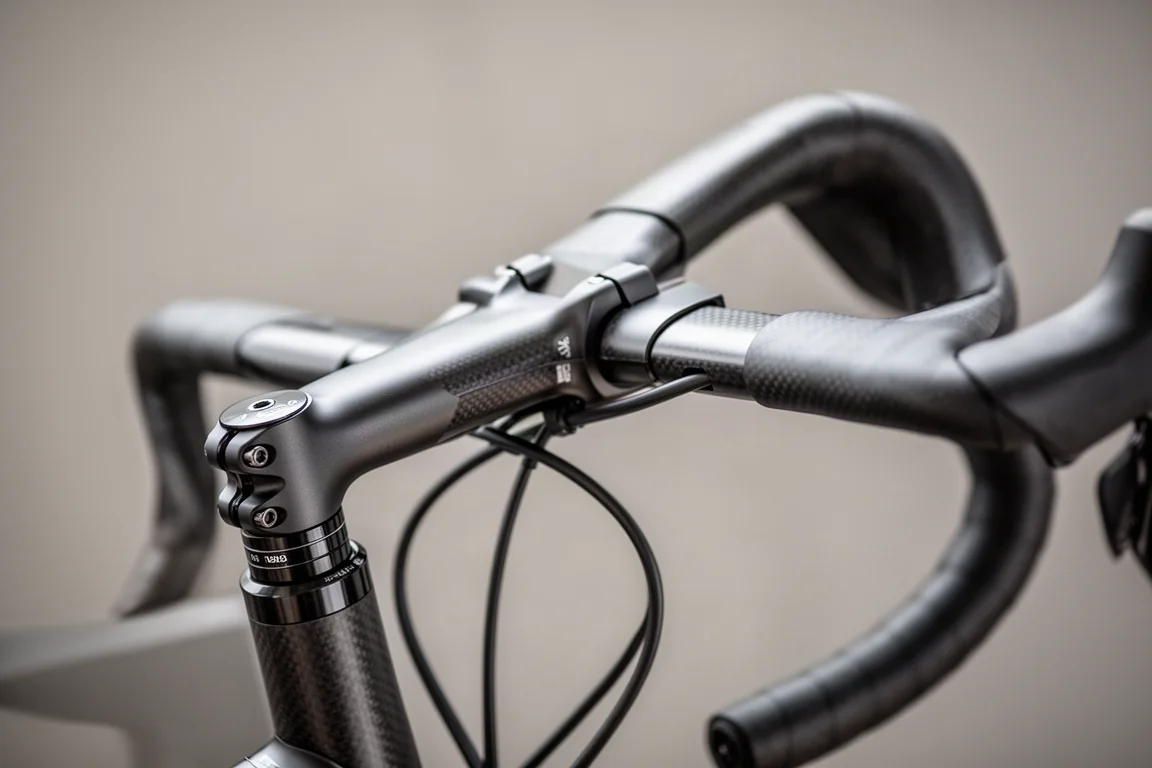
Canyon went back through the cockpit layup process repeatedly after issues that surfaced during its road development programme, and the company now describes the result as the most tested Canyon cockpit to date. That work was paired with frame testing and a reworked layup, with durability rather than minimum weight set as the priority.
Canyon also offers a second seat post option: a zero setback version that is lighter than the standard post. It was originally requested by the brand’s professional riders, who wanted to sit a little further over the bottom bracket area, and it is now specified on all CFR builds.
Canyon Aeroad: The Faster Alternative
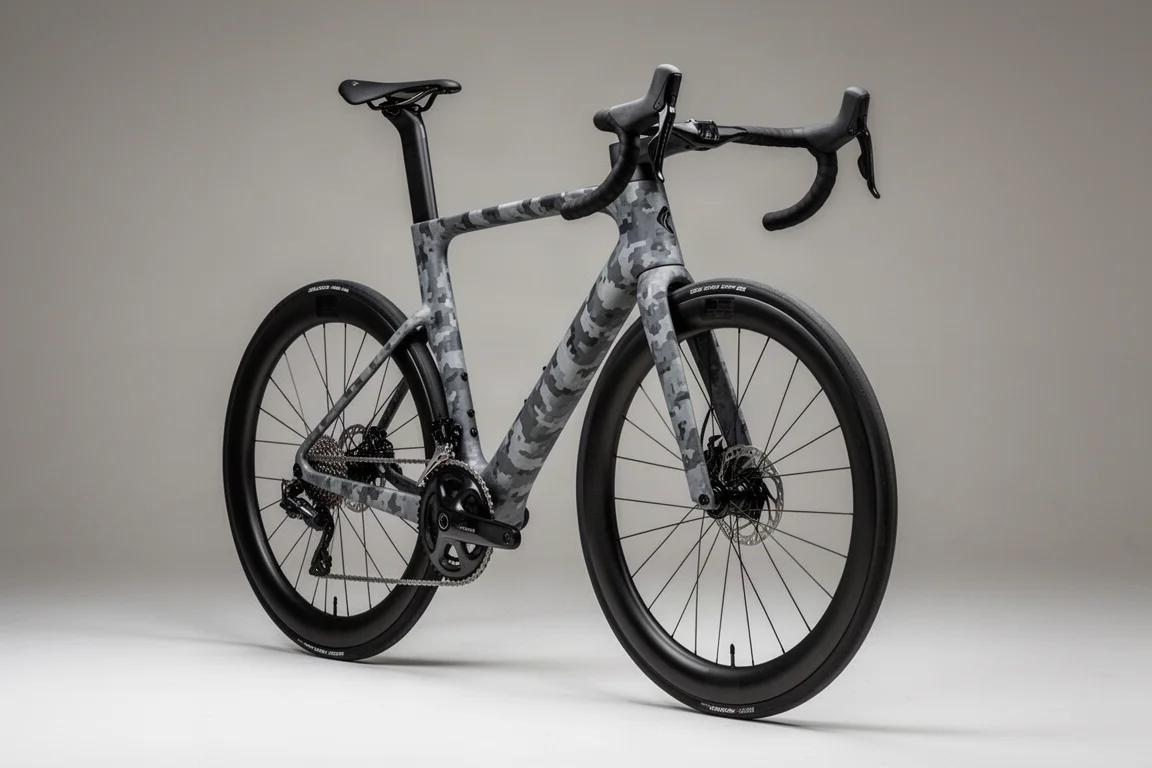
The Aeroad sits alongside the Ultimate in Canyon’s road range and is the more aerodynamic of the two. That speed comes with trade-offs, specifically some compromise in comfort and stiffness.
What makes the pairing notable is that Canyon uses the exact same geometry across both bikes. The idea is that riders, including professionals, can move between the two without changing their position, taking the faster bike for flat stages and the more balanced one for a mountaintop finish.
Canyon Ultimate vs Canyon Aeroad: Which One Fits Your Riding
The simplest way to think about these two bikes is by what you value most. If outright aerodynamic speed is the priority and you accept some compromise in comfort and stiffness, the Aeroad is the obvious pick. If you ride mainly for enjoyment, spend a lot of time climbing, or simply want a bike that feels balanced across a wide range of conditions, the Ultimate is the more natural fit.
Canyon’s own framing is that the Ultimate is the more versatile of the pair, which is why it keeps the classic silhouette while the Aeroad goes all in on aerodynamics. Neither is positioned as an upgrade over the other, and because the geometry is shared, the decision comes down to the kind of riding you actually do rather than to how either bike fits.
Rim Brakes, Tire Clearance, and Brake Design
The most common question about the new Ultimate is why it remains disc brake only. Canyon’s answer is straightforward: disc brakes open up possibilities that rim brakes cannot match. Wider tyre clearance is the headline benefit, and Canyon credits that clearance with adding a meaningful amount of comfort to the bike. Handling is also described as noticeably better than with rim brakes.
Canyon acknowledges that rim brakes still have a role, mainly by allowing lower price points, but that approach now lives in the Endurace range rather than the Ultimate. The expectation is that demand for rim brakes on a race platform will keep fading.
Buying Advice
If you are shopping in the road race category, the Ultimate makes the most sense for riders who want one bike to cover fast group rides, long climbs and everyday training without feeling overly specialised. Disc brakes and the wider tyre clearance they allow are a large part of that everyday usability, and the durability-first approach to the frame should appeal to riders who plan to keep the bike for a long time.
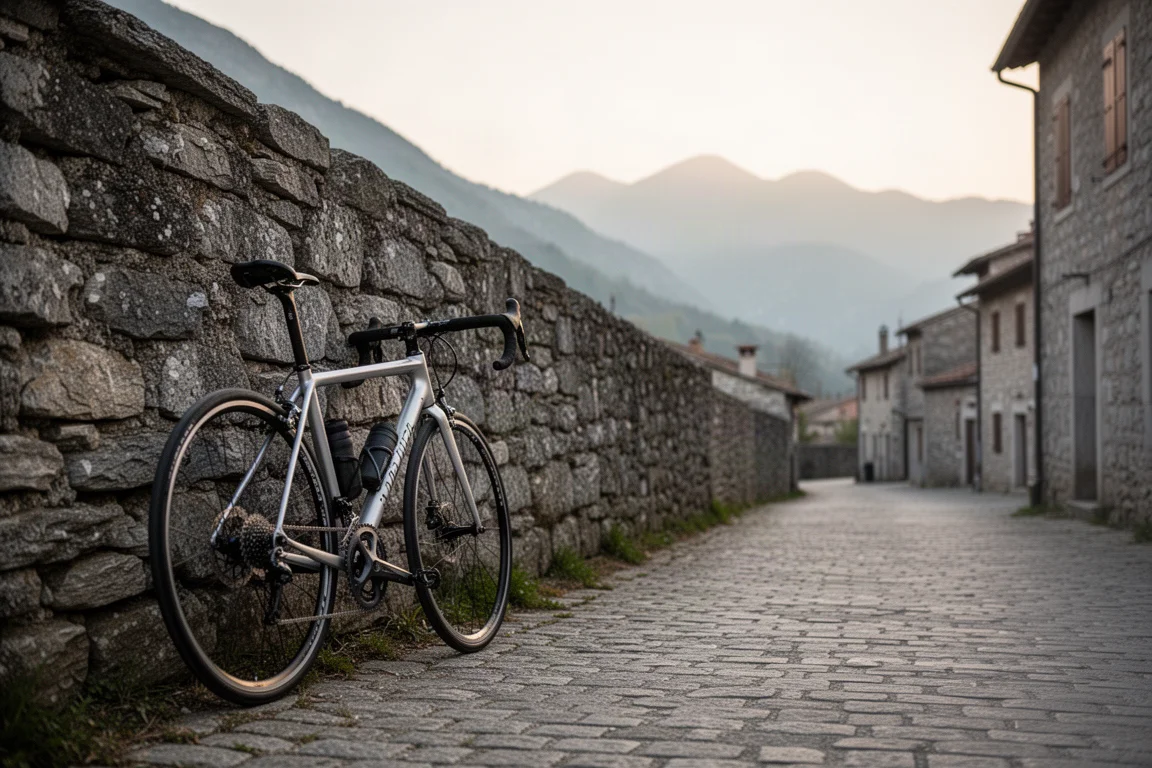
Riders who race on flat terrain, or who simply want the fastest feeling bike in the range, should look at the Aeroad instead, provided the compromises in comfort and stiffness suit them. Because the geometry is identical across both platforms, it is worth settling on your riding priorities first and then choosing the frame that matches them, rather than treating either bike as a compromise. If you go for a CFR build, the lighter zero setback seat post comes as standard.
Conclusion
The fifth generation Ultimate is a deliberate update rather than a dramatic one. Canyon kept the silhouette, rebuilt the layup, reworked the cockpit, prioritised durability over the lowest possible frame weight, and kept the platform disc brake only. What you get is a bike positioned as balanced rather than extreme, and for a lot of riders that is exactly what makes it easy to live with. If pure aerodynamic speed matters more to you than comfort and stiffness, the Aeroad remains the faster option in the range.
Further reading
Related Reviews

Road Bikes
10 New Road Bikes Worth Watching: Aero, Titanium, Steel and Endurance Standouts
A practical roundup of 10 new road bikes, from aero flagships chasing single-watt gains to titanium, steel and endurance platforms built for real roads.
Road Bikes
2026 Tour de France Road Bikes: Six Race Machines Worth a Closer Look
Six race bikes from the 2026 Tour de France grid, reviewed for paint, silhouette, wheels and the specification details that matter to buyers.
Road Bikes
3T Strada Italia Review: A Radical Aero Road Bike That Rides Smooth
A made in Italy carbon aero road bike with a deep head tube, wide tire clearance and a genuinely comfortable ride. Here is what to know before buying.