Road Bikes
Canyon Ultimate Gen 5 Review: A Careful Evolution of a Lightweight Road Bike
The fifth generation Canyon Ultimate refines an accomplished lightweight road platform with a stronger frame, an adjustable cockpit, and modest aero gains.
Introduction
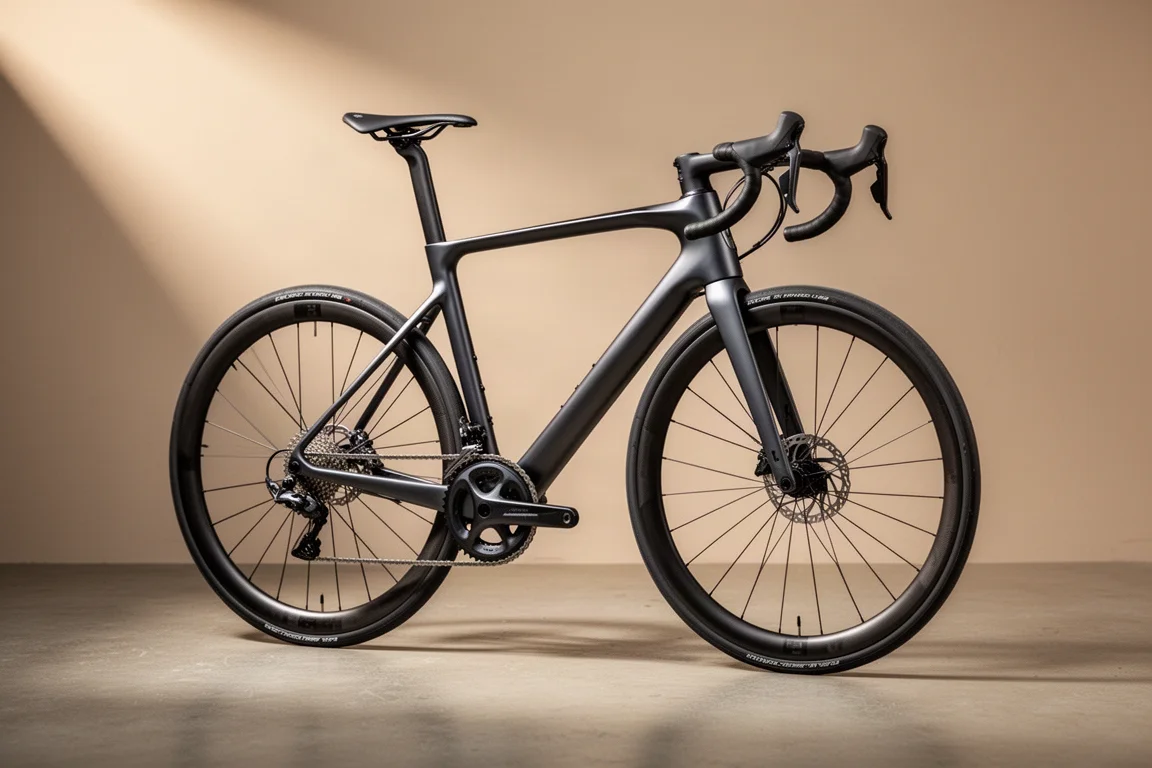
The Canyon Ultimate has long been the brand’s lightweight road platform, and the fifth generation arrives five years after the model it replaces. The headline is not a dramatic redesign. Canyon has instead refined the frame, the cockpit, and the details around them, which makes this a considered update rather than a clean-sheet rethink.
The frame gains 30 grams of carbon in key areas to make it more resilient, while weight is clawed back through proprietary components such as the CP-18 cockpit and a new D-shaped seat post. Add tyre clearance up to 32 mm, a very broad size range, and a set of small but thoughtful details, and the Ultimate remains a bike aimed at riders who want to go uphill quickly and come down with confidence.
Who the Canyon Ultimate Gen 5 Is For
The Ultimate range is split into three tiers. The SL is the most accessible route into the lineup, the SLX targets keen enthusiasts, and the CFR, short for Canyon Factory Racing, sits at the top for professional and highly dedicated riders. Across those three platforms there are 11 models, so most riders should be able to find a build that matches their budget and priorities.
Sizing is unusually broad, running from 3XS all the way to 2XL. Canyon does not offer women’s specific geometry here, and the reasoning is that the platform’s adjustability already covers a wide range of body shapes. Smaller riders should note the wheel setup in particular: the SL uses 650b wheels on 3XS and 2XS, the SLX uses 650b on 3XS only, and every CFR build rolls on 700c.
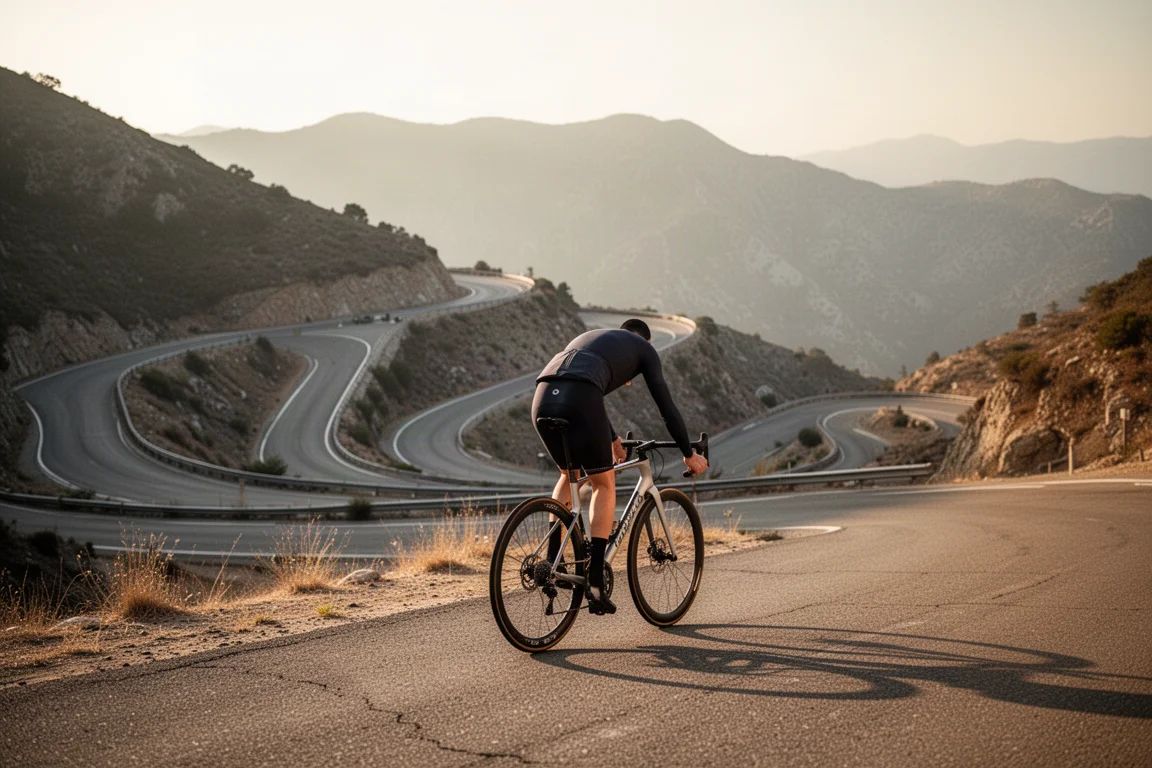
That mix makes the Ultimate a strong fit for riders who want a race-oriented climbing bike but also value fit flexibility rather than a single prescribed geometry. It is equally relevant to someone stepping into the platform for the first time and to a rider who has owned an Ultimate before and wants the latest version of a familiar ride.
Main Strengths: Lively Climbing and Composed Descending
On the road, the Ultimate’s character comes through clearly. On climbs it feels playful and urges you to keep pushing, which is exactly what you would expect from a race-focused climbing frame. The low overall weight and the direct pedalling feel make longer ascents feel rewarding rather than draining.
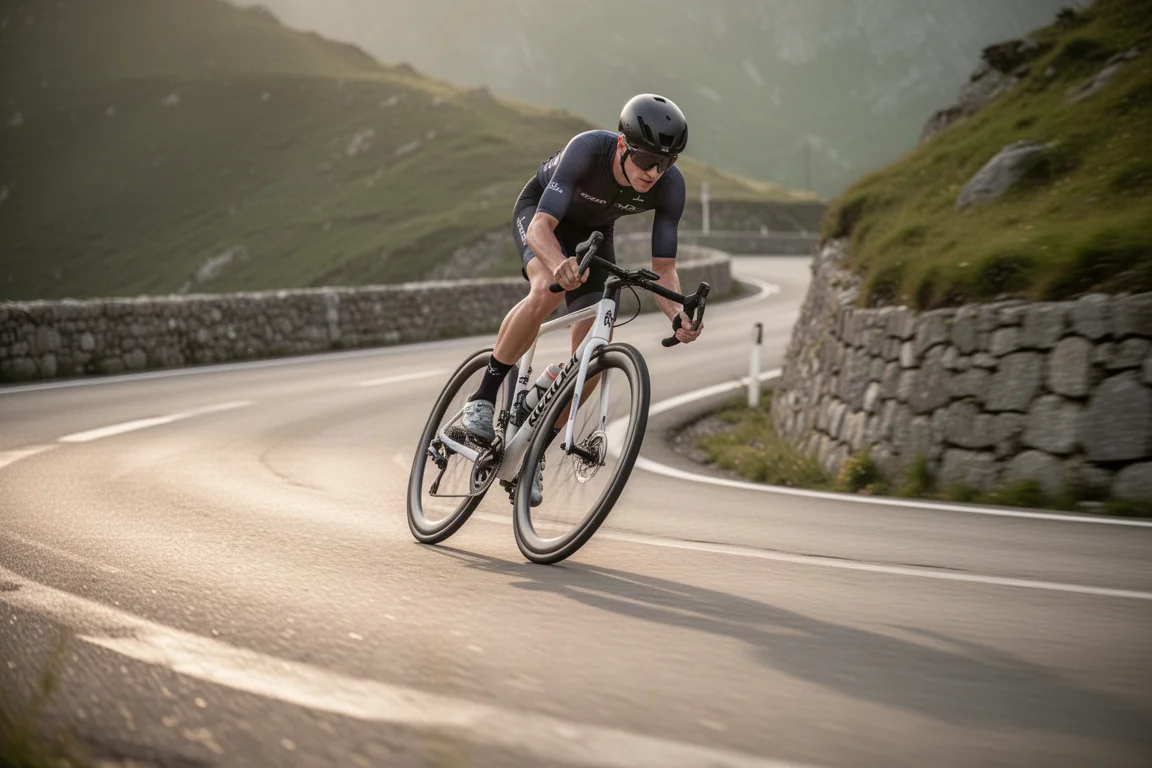
On descents it feels rock solid. Despite a fairly direct, pointy front end, the bike stays stable through corners, and shifting your weight further back lets it flow downhill smoothly. The aero-influenced geometry could easily have made the ride feel too aggressive, but in practice it stays composed and easy to live with.
Canyon also claims the new frame is 5 percent stiffer. Stiffness figures are always difficult to quantify from the saddle, and the brand’s own compliance work in the rear of the frame suggests it has been careful not to chase stiffness at the expense of comfort.
Frame, Weight, and Aero Changes
The fifth generation Ultimate adds 30 grams of carbon fibre to strengthen the frame in specific areas, making it more resilient than before. Overall weight is still marginally lower, but the larger savings come from the parts bolted to the frame rather than the frame itself. That is where the CP-18 cockpit and the D-shaped seat post do their work.
Aero gains are modest and arrived in two ways. The CP-18 cockpit carries over from the Aeroad, and the fork shoulders have been reshaped to find a little more speed. Canyon states the frameset alone is 10 watts faster than the previous version, and 5 watts faster with a rider aboard. That is a subtle improvement rather than a transformation, and it is worth treating the numbers in those terms.
Tyre clearance now reaches 32 mm, although stock builds ship with a 25 mm tyre up front for the aero advantage and a 28 mm tyre at the rear for a little more comfort. It is a sensible pairing, and the wider clearance leaves room to change that setup later.
Cockpit, Tyres, and Sizing Details
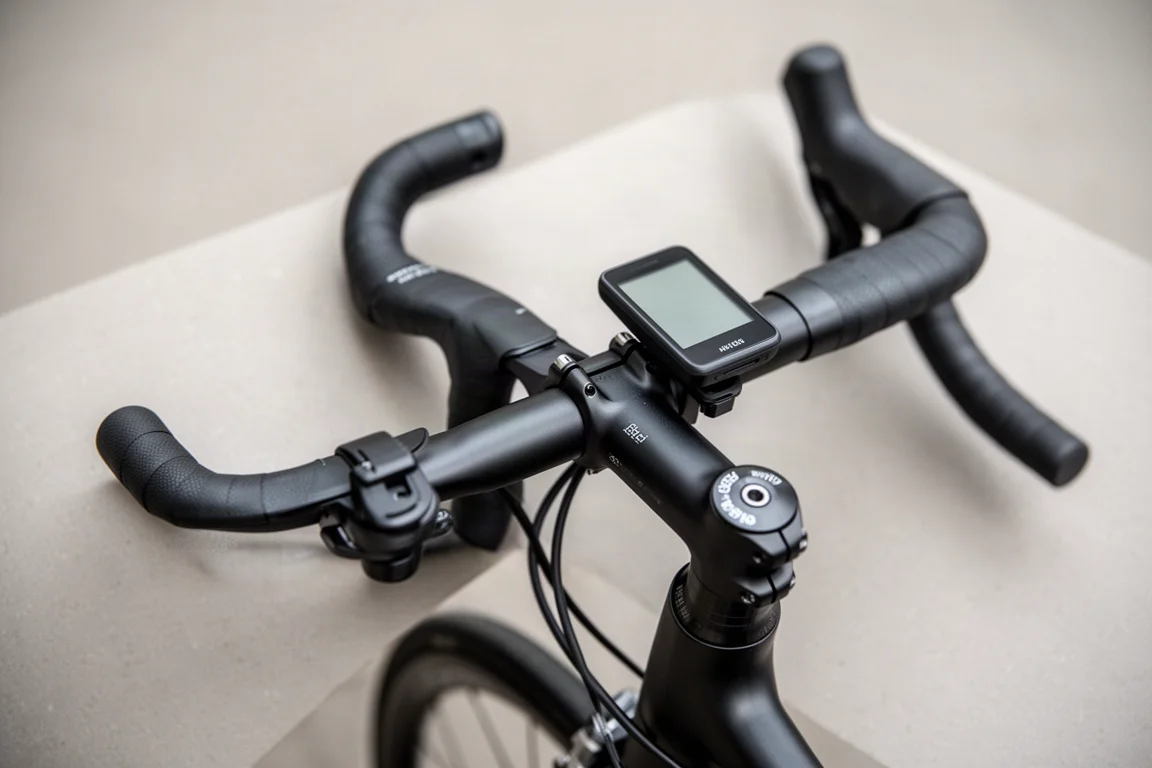
The CP-18 cockpit is width adjustable, which matters more than it might sound. Changing handlebar width normally means buying a whole new bar, but here you slide the sections in or out and bolt them up. That single detail makes the bike easier to fit across a wide range of riders, and it is one of the more genuinely useful features in this generation.
Comfort has clearly been considered alongside the aero work. The D-shaped seat post is stiff and aerodynamically shaped, which on its own would not be ideal for ride comfort, so Canyon changed the carbon layup in the seat stays and in the frame to build compliance back into the bike.
Small details round out the package. A 3D printed computer mount weighing just 17 grams bolts directly into the cockpit and comes in either a Garmin or a Wahoo mounting option. On the back of the seat post there is also a threaded bolt hole, which exists because Canyon will offer a rear light that threads straight into the post and is held in place with magnets so it stays put on rough roads.
Things to Consider Before Buying
The most important thing to understand is how incremental this update is. If you recently bought a fourth generation Ultimate, there is little here that should leave you feeling short-changed. The previous generation won a bike-of-the-year title two years running, and the fundamentals of the platform carry over largely intact.
Pricing spans a very wide range. Models start at 699 and the range tops out at 10,899 in British pounds, with worldwide pricing varying by region. The tier you choose will shape the experience far more than the generation you choose, so it is worth deciding early whether you are shopping for the SL, the SLX, or the CFR.
It is also worth being realistic about the seat post. Canyon itself acknowledges that the D-shaped design is unlikely to be the most comfortable option available, and the compliance built into the frame and seat stays is there to compensate for it.
Buying Advice
Start with the tier rather than the generation. If you want the lightest and most race-focused build and the budget allows it, the CFR is the clear flagship of the range. Enthusiasts who want most of that experience without flagship pricing should look at the SLX, and the SL is the sensible entry point for riders joining the platform for the first time.

Riders at the smaller end of the size range should check wheel sizing carefully before ordering, since 650b appears on some SL and SLX builds but never on the CFR. Anyone planning to race or ride fast group rides will also appreciate the 32 mm tyre clearance, which leaves room to move away from the stock 25 mm front and 28 mm rear combination if comfort becomes the priority.
The accessory direction is worth watching as well. Canyon has designed its own kit from the ground up and has signalled more accessories ahead, including that magnet-mounted rear light that threads into the seat post. If you like a tidy, integrated setup, that ecosystem is a point in the Ultimate’s favour.
Conclusion
The fifth generation Canyon Ultimate is a careful evolution of a platform that already had a strong track record. The frame is stronger and slightly lighter overall, the cockpit is far more adjustable, the aero gains are real but modest, and the ride still feels playful on climbs and planted on descents. It has already taken stage wins at the Vuelta, which suggests the performance is there when it counts.
If you are shopping for a lightweight road bike and the fit works for you, this is a confident and well-rounded choice. If you already own the previous generation, there is no urgent reason to change.
Product link
View more details for Canyon Ultimate
This product is mentioned in the review. Check the specifications, options, and compatibility before buying.
View more details for Canyon UltimateFurther reading
Related Reviews
Road Bikes
10 New Road Bikes Worth Watching: Aero, Titanium, Steel and Endurance Standouts
A practical roundup of 10 new road bikes, from aero flagships chasing single-watt gains to titanium, steel and endurance platforms built for real roads.
Road Bikes
2026 Tour de France Road Bikes: Six Race Machines Worth a Closer Look
Six race bikes from the 2026 Tour de France grid, reviewed for paint, silhouette, wheels and the specification details that matter to buyers.
Road Bikes
3T Strada Italia Review: A Radical Aero Road Bike That Rides Smooth
A made in Italy carbon aero road bike with a deep head tube, wide tire clearance and a genuinely comfortable ride. Here is what to know before buying.