Road Bikes
Canyon Ultimate CF SLX vs Giant TCR Advanced Pro Disc: Which Road Race Bike Comes Out Ahead?
A head-to-head comparison of the fifth-generation Canyon Ultimate CF SLX and the Giant TCR Advanced Pro Disc, covering measured drag, ride quality, handling and value.
Introduction
Lightweight road race bikes have quietly become the most versatile machines in the sport. They are light enough to climb well, stiff enough to sprint on, and now carry enough aerodynamic shaping to hold speed on flat roads without demanding the compromises of a dedicated aero platform.
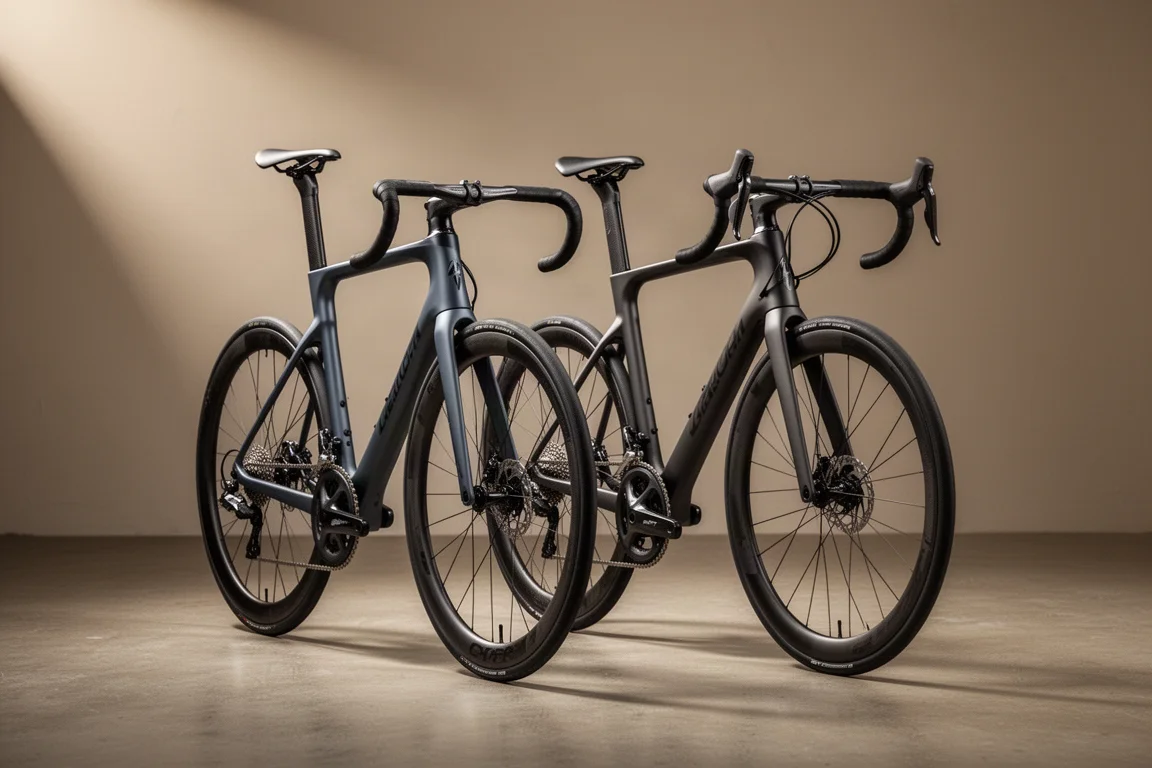
The fifth-generation Canyon Ultimate CF SLX and the Giant TCR Advanced Pro Disc sit in exactly that space. Both are mid-range carbon framesets built around racing, both are lightweight, stiff and responsive, and both carry a modest aerodynamic advantage over the bikes they replaced. They also differ in ways that matter once you are actually riding them: cockpit design, cable routing, fit adjustability, ride feel and price.
This comparison looks at what each bike does well, where the trade-offs sit, and which one makes more sense depending on how and where you ride.
How These Two Bikes Were Compared
Both bikes were measured in a wind tunnel at two speeds, 30 km/h and 40 km/h, and at three yaw angles of 0, 5 and 10 degrees. The rider held the same position on the hoods throughout, wore the same clothing, helmet, socks and shoes, and both bikes were fitted with the same wheels and tyres to remove that variable from the results. A wireframe outline on the tunnel floor helped hold helmet angle, shoulder position and posture consistent between runs.
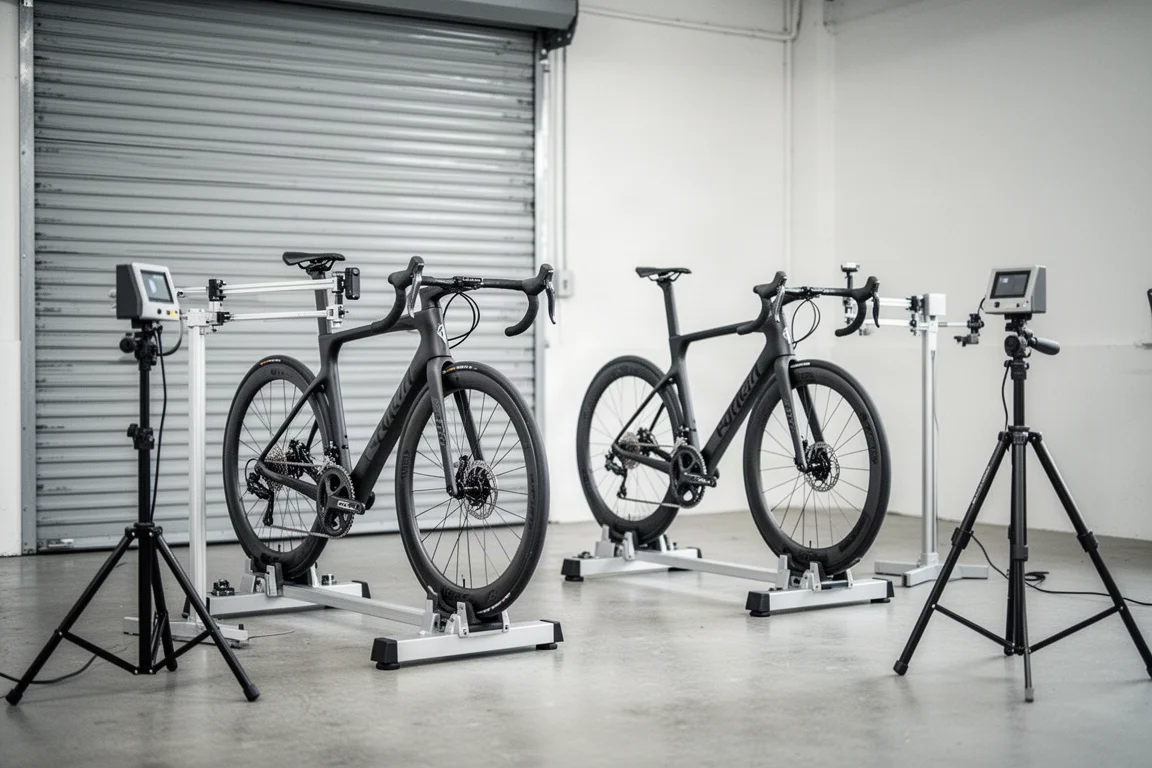
There are geometry differences worth noting. The Canyon was tested in size medium and the Giant in M/L, yet the effective handlebar height, measured from the ground to the top of the hoods, came out the same on both bikes. The Giant has a 10mm longer reach and a longer stem, while the Canyon runs a shorter head tube with more spacers below the stem.
The comparison was not a perfect like-for-like build. Both bikes use different groupsets and components, although both sit on the same mid-range carbon framesets, the CF SLX from Canyon and the Advanced Pro Disc from Giant. Judgements on ride quality, handling and comfort come from several weeks of riding on regular roads, again with the same wheels and tyres fitted to each bike.
Canyon Ultimate CF SLX
The new Ultimate CF SLX is a genuine step forward from the previous generation. The old bike felt a little soft in places, and this one feels sharper, more focused and noticeably more responsive when you are powering out of the saddle over the crest of a hill, driving up a long climb, or simply putting the power down. It comes across as more race ready, more engaged and more lively than before.
The gains come from a stiffer head tube, which makes the bike more agile and confident in corners, plus a set of aerodynamic refinements: a one-piece carbon handlebar and stem, fully internal cables and hoses, a D-shaped seatpost, a new fork crown and lightly reworked tube shapes. The frame weight is broadly unchanged from the outgoing model, with the savings coming from the headset, handlebar and stem, seatpost and seat clamp.

That sharper character has not come at the cost of the geometry or the ride. It remains a remarkably smooth bike on rough roads and comfortable when seated. The geometry has been brought into line with the Aeroad, so it is longer and lower and more aggressive than before, which suits a race bike. The head tube is short, and riders who need a longer stem on a medium frame may find that harder to arrange because of the one-piece cockpit. On rougher surfaces the Canyon relays more feedback through the contact points than the Giant does.
The build quality is hard to fault, with no obvious compromises from the tyres through to the wheels and the SRAM Force eTap AXS groupset on the tested build. Canyon also sticks with established component brands such as DT Swiss and Schwalbe rather than in-house parts, which many riders will see as a plus.
Giant TCR Advanced Pro Disc
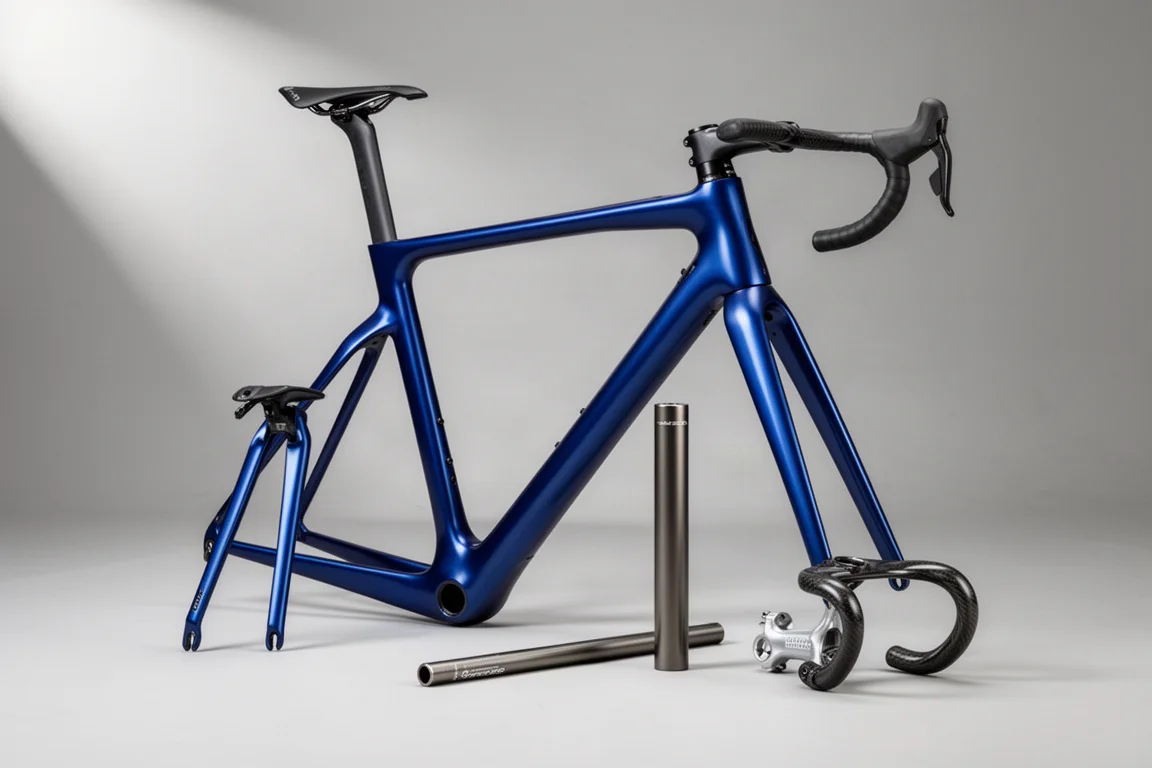
The TCR Advanced Pro Disc is now a two-year-old design, but it still delivers exactly what the category asks for: a lightweight, stiff and responsive road race bike with a small aerodynamic advantage. Its external cables and round handlebar mark it out as the more traditional of the two.
The Giant runs a 10mm longer reach and a longer stem than the Canyon, and its taller head tube means more spacers are available, so a more upright or more relaxed setup is easier to reach. The round handlebar is also comfortable, particularly when climbing, where wrapping your fingers around it comes more naturally. Riders who prefer to keep fit options open will appreciate how easily the front end can be adjusted.
On rough roads the Giant feels more supple and refined. It smothers gravel, potholes and choppy surfaces more effectively than the Canyon, even on identical wheels and tyres, and it gives away less feedback through the contact points on long rides.
Wind Tunnel Drag Results
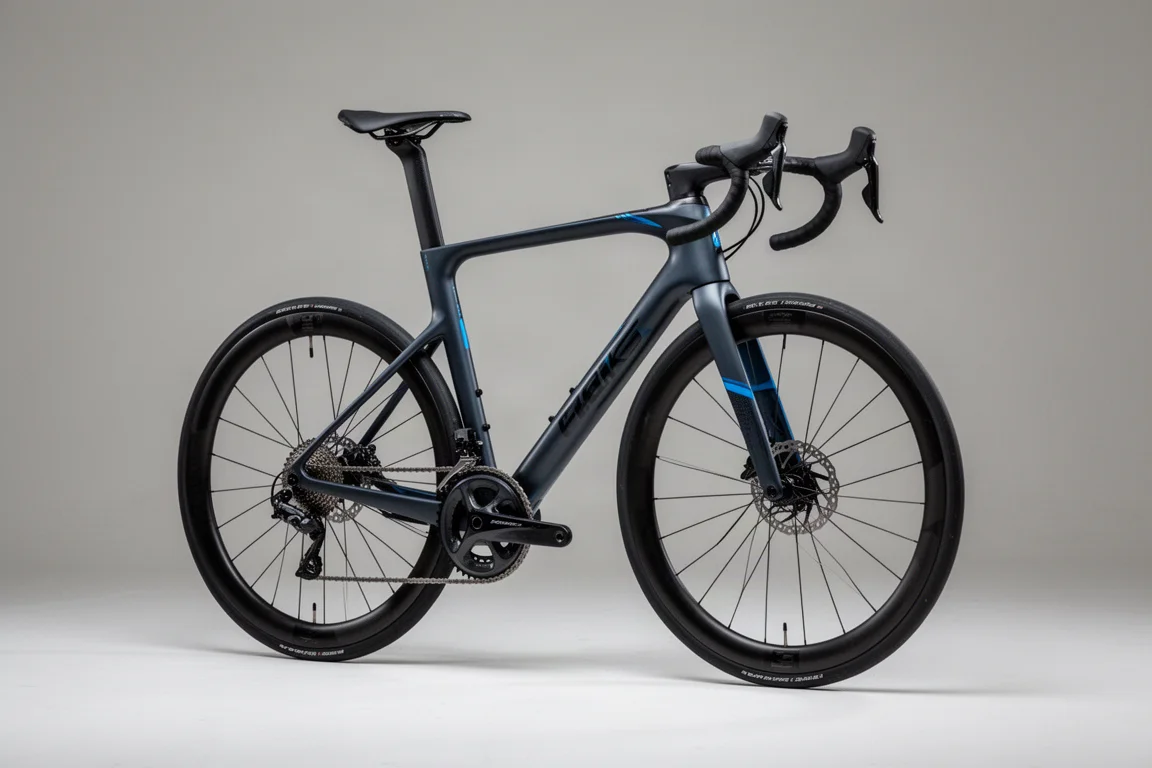
The drag figures were the surprise of this comparison. The expectation was that the newer Canyon, with its one-piece handlebar and stem and fully internal cable routing, would post lower drag than the two-year-old Giant. The opposite happened.
The Giant produced lower drag in every situation tested, at both speeds and all three yaw angles, and by as much as 10 watts in one scenario. External cabling, in this case, did not translate into a measurable penalty at the speeds and wind angles measured.

It is worth treating that result with the usual caution. The two bikes were not identical builds, and different groupsets and components can influence drag. Even so, the pattern was consistent across every test condition rather than appearing in a single outlier run, which makes it a meaningful result for riders deciding between these two frames.
Ride Quality, Handling and Everyday Usability
The two bikes post very similar geometry numbers and feel remarkably alike out on the road. Both are predictable and responsive when you throw them into a bend or work them through a twisting descent, and both use a short wheelbase that makes them feel snappy and nimble. When you get on the power, both snap forward with the urgency you want from a road race bike.
The differences are in character rather than capability. The Canyon feels the more alert and exciting of the two, and winding the speed up on it is genuinely engaging. The Giant feels the more composed and supple machine, particularly once the road surface deteriorates. The longer reach and longer stem of the Giant also make it the more comfortable of the pair over long distances for riders who fit that position.
What stands out about both is how usable they are away from racing. Pin a number on and they will serve you well in a road race, but on local club runs, long weekend rides or solo outings they are equally at home. They are light enough for climbing, aero enough for fast flat riding, and comfortable enough for all but the roughest roads. As dedicated aero bikes become lighter and more comfortable, bikes like these still make sense because their ride quality and handling remain the strongest argument in their favour.
Buying Advice
Value is where the Giant pulls clearly ahead. Canyon has long been strong on value, but that advantage has narrowed, and a comparably specified TCR Advanced Pro Disc with the same SRAM Force groupset on an equivalent mid-range frame costs meaningfully less than the Canyon. Combine that with the lower measured drag and the more supple ride, and the Giant becomes the easier recommendation on pure performance-per-money grounds.

The Canyon still has a strong case. It is the newer design, it looks more contemporary, and its ride is the sharper and more engaging of the two. Riders who want the latest frame, prefer fully internal cable routing and a one-piece cockpit, and prioritise a quick, alert feel over outright value will find plenty to like. It is worth planning around the cockpit limitation, though, since changing stem length on a one-piece bar and stem is not straightforward.
Choose the Giant if you want the lower drag figure, the more forgiving ride over rough tarmac, easier fit adjustment through a conventional handlebar and stem, and the better price for a comparable build. Choose the Canyon if the newest frame, the cleaner front end and the more race-focused ride character matter more to you than the last few watts and the difference in cost.
Conclusion
Both bikes are excellent, and neither will hold a rider back. They share the same core strengths: light weight, stiffness, responsiveness and enough aerodynamic shaping to make fast riding feel easier.
On the evidence of the drag data and the price, the Giant TCR Advanced Pro Disc takes the win in this comparison. It recorded lower drag at every speed and wind angle tested, it rides more comfortably over rough roads, and it costs less for a comparable specification. The Canyon Ultimate CF SLX remains a superb, sharper-feeling bike and a legitimate choice for riders who value the newest design and the most engaging ride of the two.
Further reading
Related Reviews

Road Bikes
10 New Road Bikes Worth Watching: Aero, Titanium, Steel and Endurance Standouts
A practical roundup of 10 new road bikes, from aero flagships chasing single-watt gains to titanium, steel and endurance platforms built for real roads.
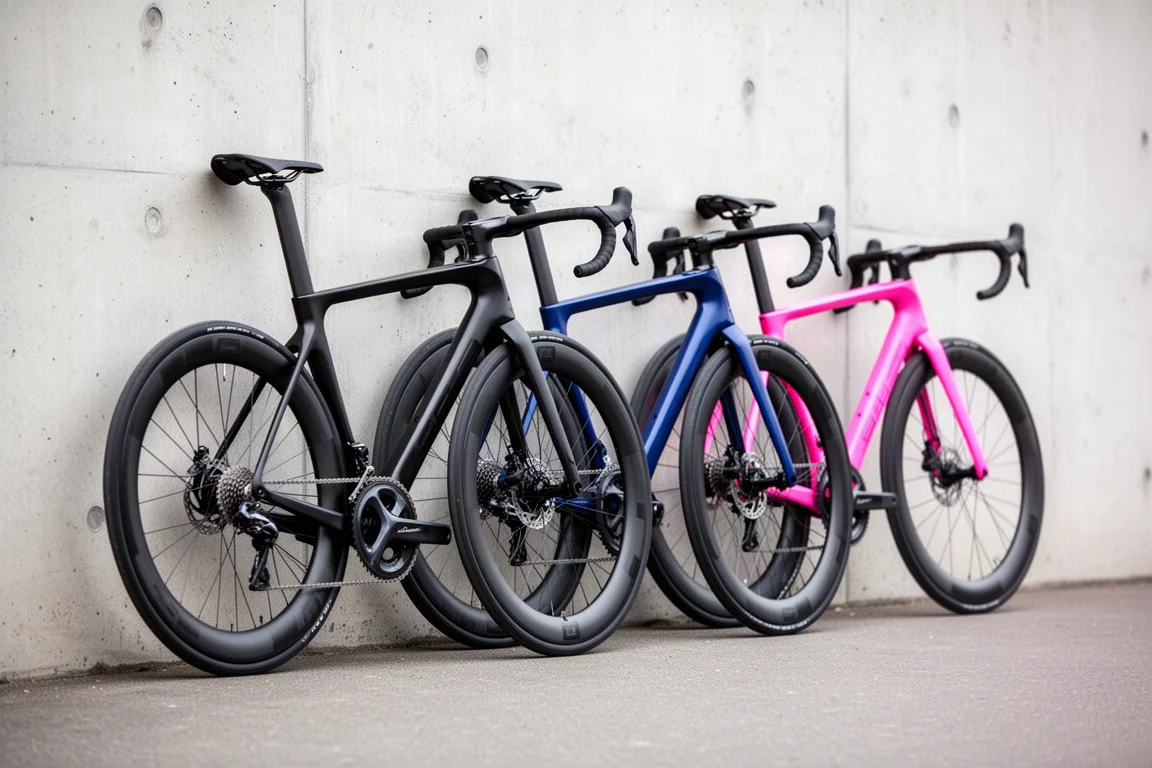
Road Bikes
2026 Tour de France Road Bikes: Six Race Machines Worth a Closer Look
Six race bikes from the 2026 Tour de France grid, reviewed for paint, silhouette, wheels and the specification details that matter to buyers.
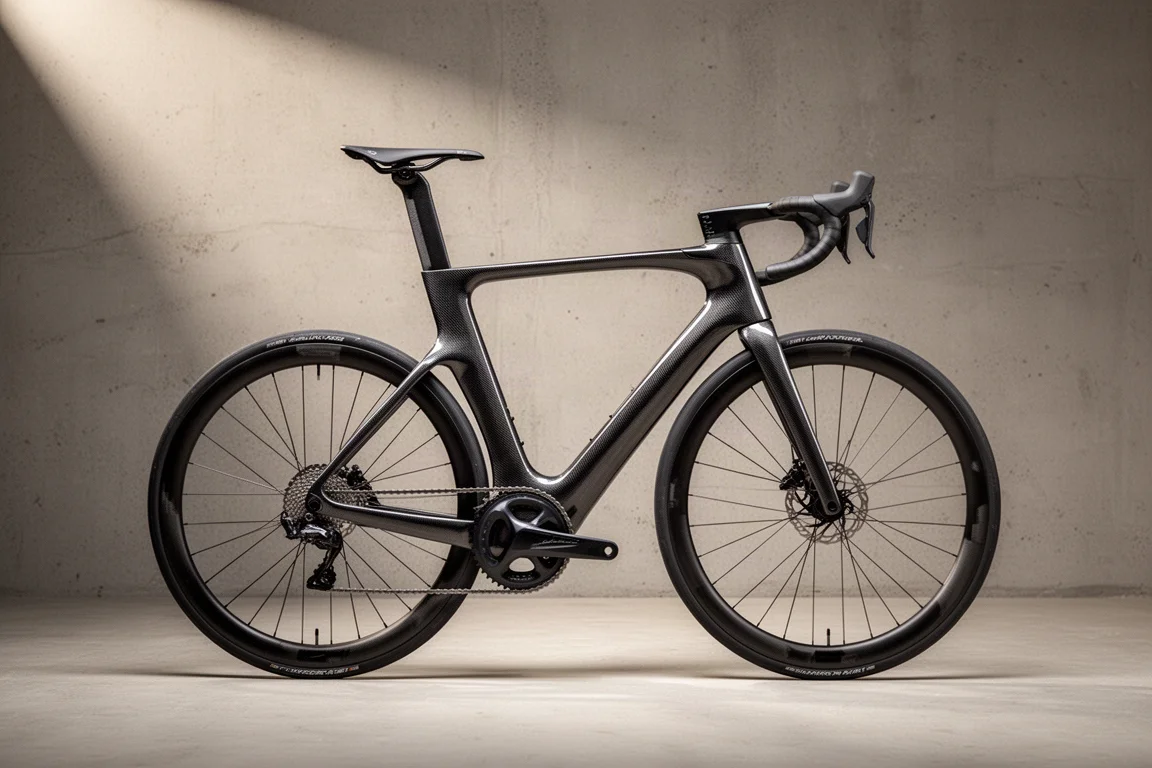
Road Bikes
3T Strada Italia Review: A Radical Aero Road Bike That Rides Smooth
A made in Italy carbon aero road bike with a deep head tube, wide tire clearance and a genuinely comfortable ride. Here is what to know before buying.