Road Bikes
Canyon Ultimate CF SLX 8 eTap Review: A Balanced Modern Race Bike
A closer look at the fifth generation Canyon Ultimate, its aero integration, 32 mm tire clearance, and whether the CF SLX 8 eTap build suits fast road riders.
Introduction
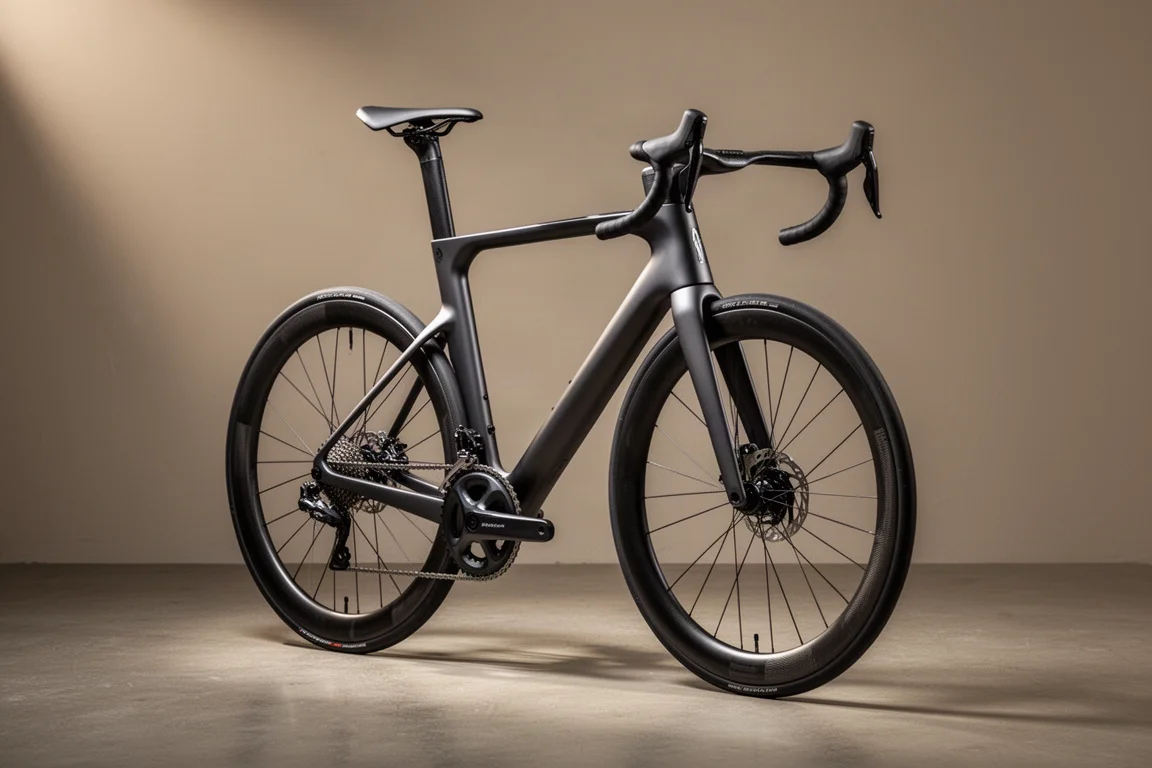
The fifth generation Canyon Ultimate looks almost identical to the model it replaces. That resemblance is deliberate, because most of the work happened underneath the paint rather than in the silhouette. Canyon collaborated with aero specialist Swiss Side on the new frame, and the result is a bike that measures 10 watts less drag on its own and 5 watts less drag with a rider aboard.
Those are modest numbers by modern standards, and Canyon is open about that. The point was not to chase one headline metric but to keep the Ultimate a well-rounded race bike. It is lighter, stiffer and more aero than before, and it retains the easy, poised handling that made the previous version so widely recommended.
This review focuses on the Canyon Ultimate CF SLX 8 eTap, one of eleven bikes in the range that runs from CF SL through CF SLX and up to the top-tier CFR variations.
Who the Canyon Ultimate CF SLX 8 eTap Is For
The Ultimate is a race bike at its core, and this build suits riders who want that intent without stepping into the most expensive tier. It works for fast group rides, sportives, long challenge days and criterium-style efforts, and it stays composed on fast descents rather than feeling nervous at speed.
If you race, the geometry makes sense. If you simply ride fast with friends and want a bike that does not fight you on a four-hour day, it makes equal sense. The CF SLX 8 eTap sits in the middle of the range, which is often where the most sensible value lives.

It is also a reasonable choice for riders who are unsure about committing to an all-out aero platform. The Ultimate balances its three key traits rather than leaning hard into one of them.
Main Strengths: Aero, Integration, and Tire Clearance
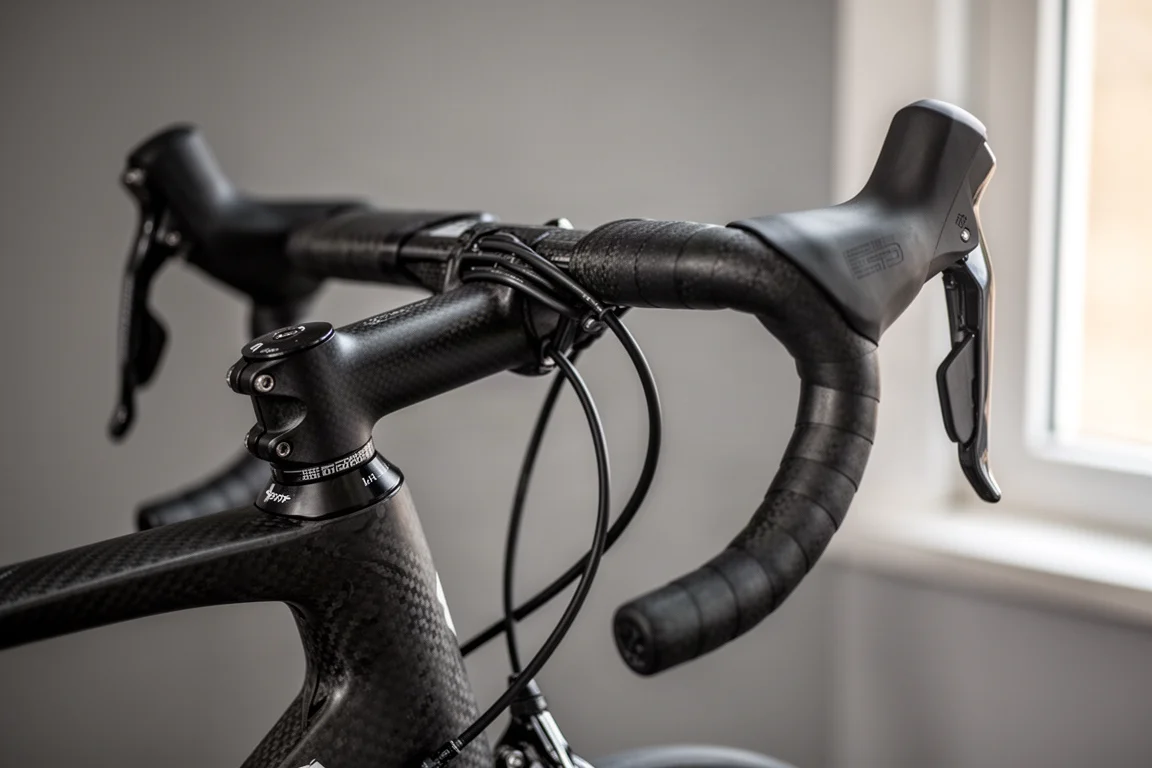
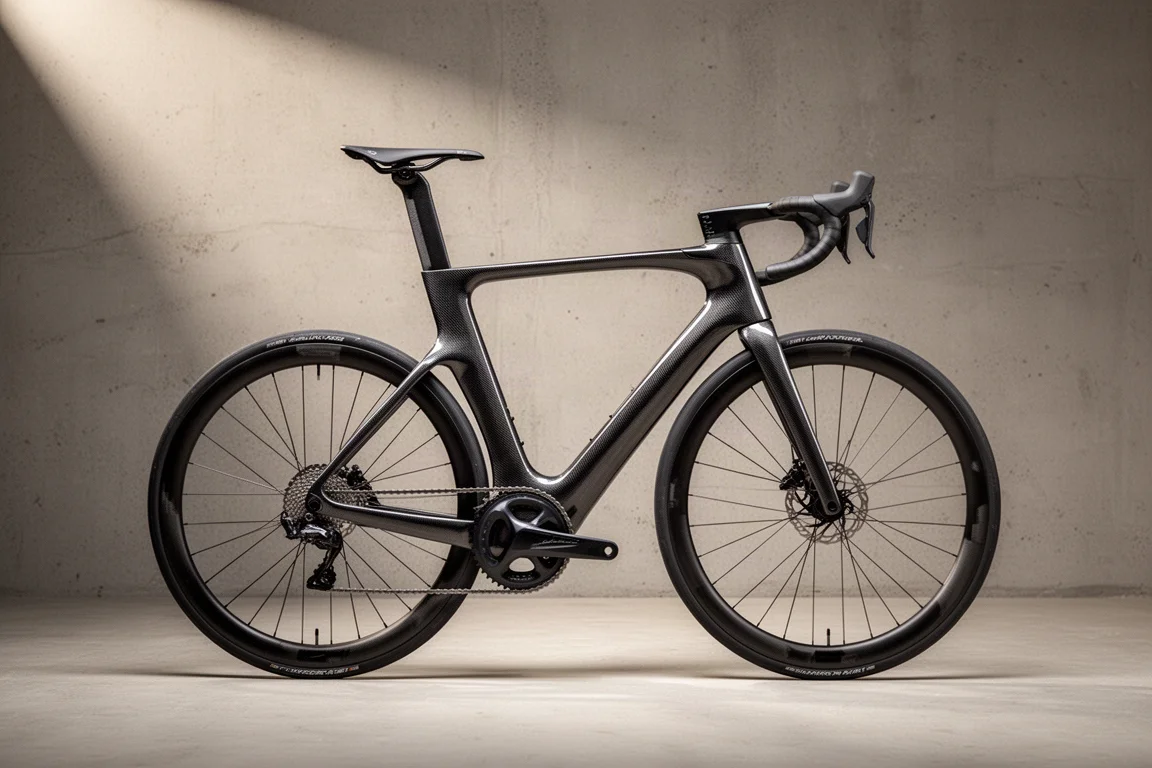
Most of the aerodynamic gain comes from the front of the bike, where frontal surface area matters most. Canyon borrowed the handlebar and stem design from the Aeroad, so brake hoses and any cables route inside the bar and straight into the frame. There is nothing left out front to catch the wind, and the result looks clean and modern.
The handlebar offers width adjustment, and you can alter stack without cutting the steerer tube. That is a genuinely practical detail, because it means fit changes do not require a hacksaw and a fresh commitment. Tube profiles have been reshaped in key areas, and the new fork carries a distinctive shoulder, all in service of managing airflow over the frame.
At the rear, a D-shape seatpost replaces the previous design, and the seat clamp now sits inside the frame rather than at the back of it. That keeps road spray from the rear wheel away from the bolt, which is a smart piece of housekeeping for anyone who rides in wet conditions.
A Balanced Ride Quality
On the road, the Ultimate delivers a ride that feels balanced and composed. None of the individual improvements is dramatic on its own, but the combination produces a bike that is easy to ride quickly and reassuring when you push toward your limits on a descent. It climbs well, and on flatter terrain the deep-section wheels and aero cockpit help it hold speed.
The differences between this bike and the previous Ultimate are incremental rather than night and day. You can feel them, particularly in the sharper front end, but they are unlikely to feel transformative to anyone stepping off the older model. What does come through clearly is that the new bike is fast, and that it remains straightforward to live with.
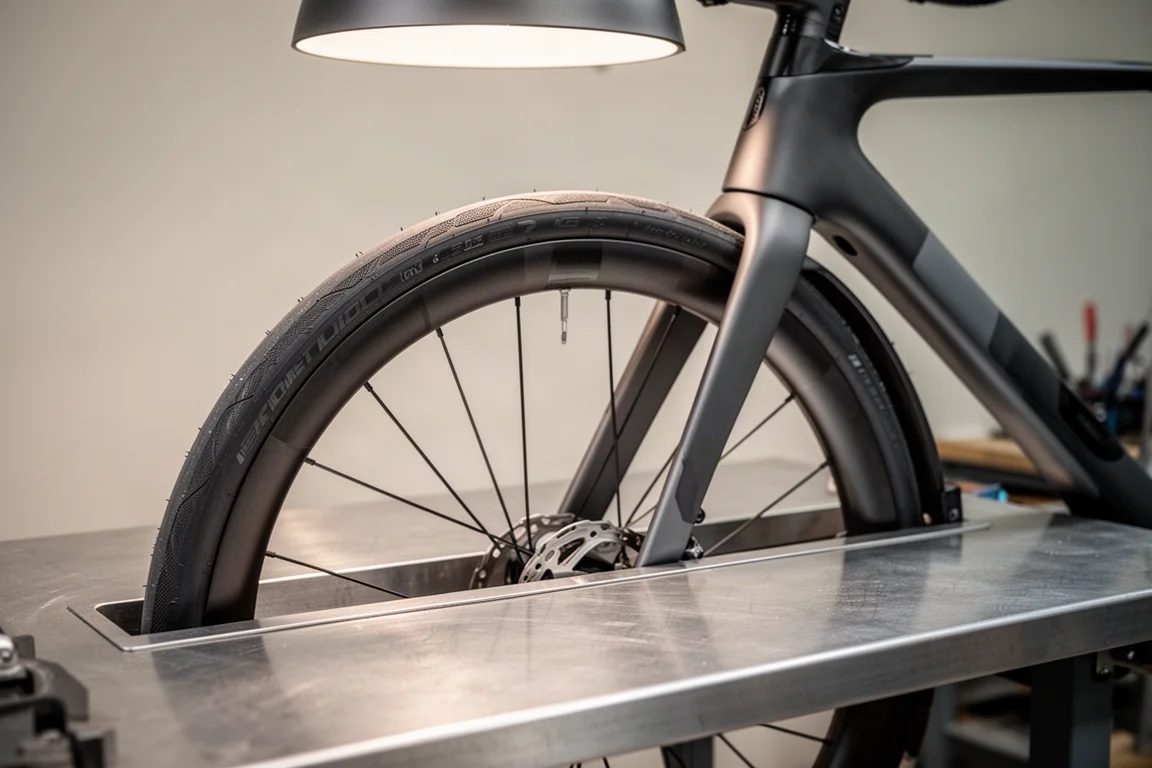
Comfort is more than acceptable for a race bike, helped by tire clearance that now accepts up to 32 mm. Many riders will still run 28 mm front and rear, or a 25 mm front with a 28 mm rear, but having the wider option available changes how versatile the bike feels over rough tarmac.
Things to Consider Before Buying
The most consequential change is the geometry, which now matches the Aeroad exactly in stack and reach. That makes the new Ultimate slightly more aggressive than the outgoing model. If you are upgrading and were happy with the old fit, this is worth checking carefully before you commit, because the position is lower and longer than before.
The upside is that Canyon now has a clean split between the Ultimate as a proper race bike and the Endurace as an endurance option, and riders who move between the Ultimate and Aeroad can swap without changing their setup.
Fit is worth thinking about in practical terms too. On a size medium, a rider around 5 ft 11 may want a longer stem, perhaps an extra centimeter or two, to get more reach in the hoods and the drops. That is a small and inexpensive change, but it is easier to plan for it upfront.
The bottom bracket remains press-fit, specifically PF86. That specification has a strong reliability record in practice and is a sensible choice for a bike at this level.
Build, Weight, and Positioning in the Range
This CF SLX 8 eTap build pairs a SRAM Force wireless groupset with DT Swiss wheels, Schwalbe Pro One tires, a one-piece carbon handlebar and stem, and a Selle Italia SLR saddle. In size medium, without pedals, a computer mount or bottle cages, it weighed 7.4 kg.
Canyon’s pricing is no longer as aggressive as it once was, but the company still positions the range competitively against the major alternatives. There are eleven bikes in total, so there is a reasonable spread of specifications and budgets to choose from.
Buying Advice
If you already own the current Ultimate and you are happy with it, the case for upgrading is genuinely debatable. The gains are real but small, and the geometry change alone may be reason enough to stay where you are.
If you are buying into the Ultimate for the first time, the picture is much simpler. This is a fast, well-balanced, easy-to-recommend race bike that handles racing, fast club riding and long challenge days without complaint. The wider tire clearance makes it more usable than its race-bike label suggests, and the integrated cockpit keeps the front end tidy and adjustable.

The CF SLX 8 eTap specifically sits at a sensible point in the range. It carries the wireless groupset, carbon cockpit and quality wheels that make the platform feel complete, without climbing into the most expensive CFR tier. If you want the Ultimate experience with a well-judged specification, this is a logical place to land.
Before ordering, confirm your size against the new geometry rather than the old numbers, and budget for a stem change if you prefer a longer reach.
Conclusion
The fifth generation Ultimate is not the lightest, the stiffest or the most aero bike in its class. It is, however, meaningfully improved in all three areas at once, and that balance is exactly what makes it work out on the road. It remains a no-nonsense, do-everything race bike, and the CF SLX 8 eTap build makes a strong case as the version most riders should be looking at.
Product link
View more details for Canyon Ultimate CF SLX 8 eTap
This product is mentioned in the review. Check the specifications, options, and compatibility before buying.
View more details for Canyon Ultimate CF SLX 8 eTapFurther reading
Related Reviews

Road Bikes
10 New Road Bikes Worth Watching: Aero, Titanium, Steel and Endurance Standouts
A practical roundup of 10 new road bikes, from aero flagships chasing single-watt gains to titanium, steel and endurance platforms built for real roads.
Road Bikes
2026 Tour de France Road Bikes: Six Race Machines Worth a Closer Look
Six race bikes from the 2026 Tour de France grid, reviewed for paint, silhouette, wheels and the specification details that matter to buyers.
Road Bikes
3T Strada Italia Review: A Radical Aero Road Bike That Rides Smooth
A made in Italy carbon aero road bike with a deep head tube, wide tire clearance and a genuinely comfortable ride. Here is what to know before buying.