Cycling
Canyon Speedmax SLX vs Canyon Ultimate CFR: Choosing a Bike for a Hilly Course
A data-led comparison of a time trial bike and a lightweight road bike on a mixed terrain course, with practical buying advice for hilly triathlon and cycling events.
Introduction
For hilly triathlon and cycling courses, the choice between a time trial bike and a lightweight road bike is rarely straightforward. Aerodynamic bikes promise free speed on flat and rolling terrain, while lighter road bikes feel sharper when the road pitches upward.
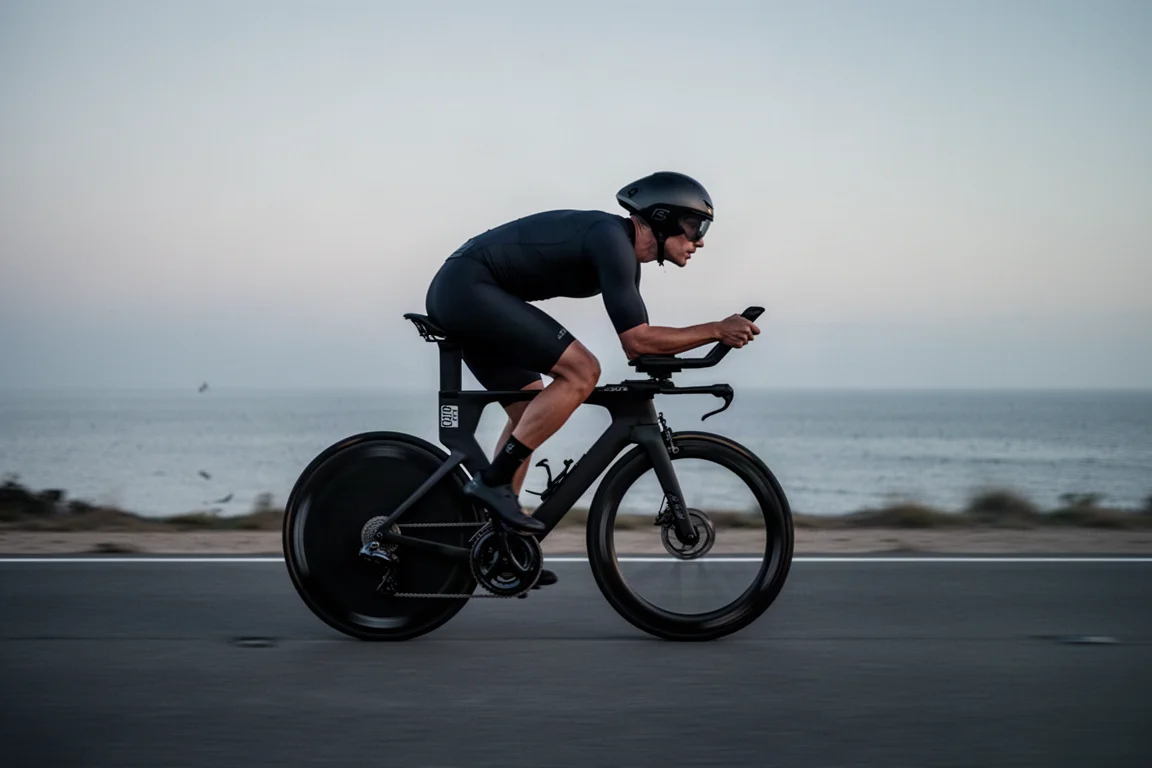
In this comparison, two riders of similar height and weight (within roughly 500 g with kit) tested a Canyon Speedmax SLX and a Canyon Ultimate CFR on a full 70.3 World Championship course. They held the same power targets: 180 W on flatter sections and 200 W whenever the gradient rose above 5%. The goal was to see how the two bike types performed across very different parts of the course.
How the Two Bikes Were Compared
The test course was divided into six sectors: an initial flat section, an undulating stretch, a main climb, a short plateau, a long technical descent, and a final flat run to the finish. Some flat sections had to be neutralized because they used a bike path with a 20 km/h speed limit and required caution around other path users.
The riders regrouped after each sector and compared ride data. Power was matched as closely as possible, and the analysis focused on how each bike behaved on flats, climbs, and descents rather than on outright race conditions.
Course Profile and Test Conditions
A hilly course is not a single challenge. The test course included roughly 10 km of flat at the start, a 16 km undulating section, a significant climb, a short plateau, a long technical descent, and another 17 km of flat to finish. That mix meant both bikes had opportunities to show their strengths.
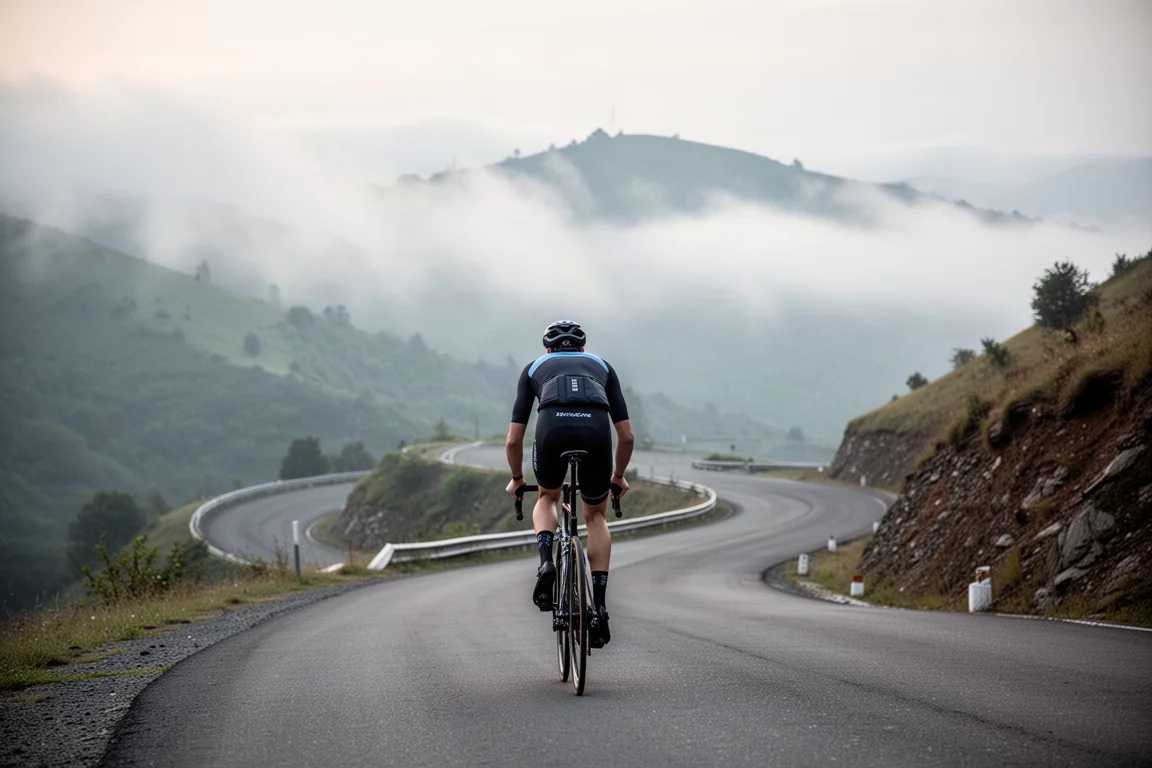
Conditions were mixed, with rain making some corners cautious and a headwind on parts of the course. The riders also had to manage real-world interruptions, including traffic lights and navigation checks. Those factors added noise to the data, but the broad patterns were still clear enough to draw useful conclusions for anyone choosing between these bike types.
Canyon Speedmax SLX: The Time Trial Option
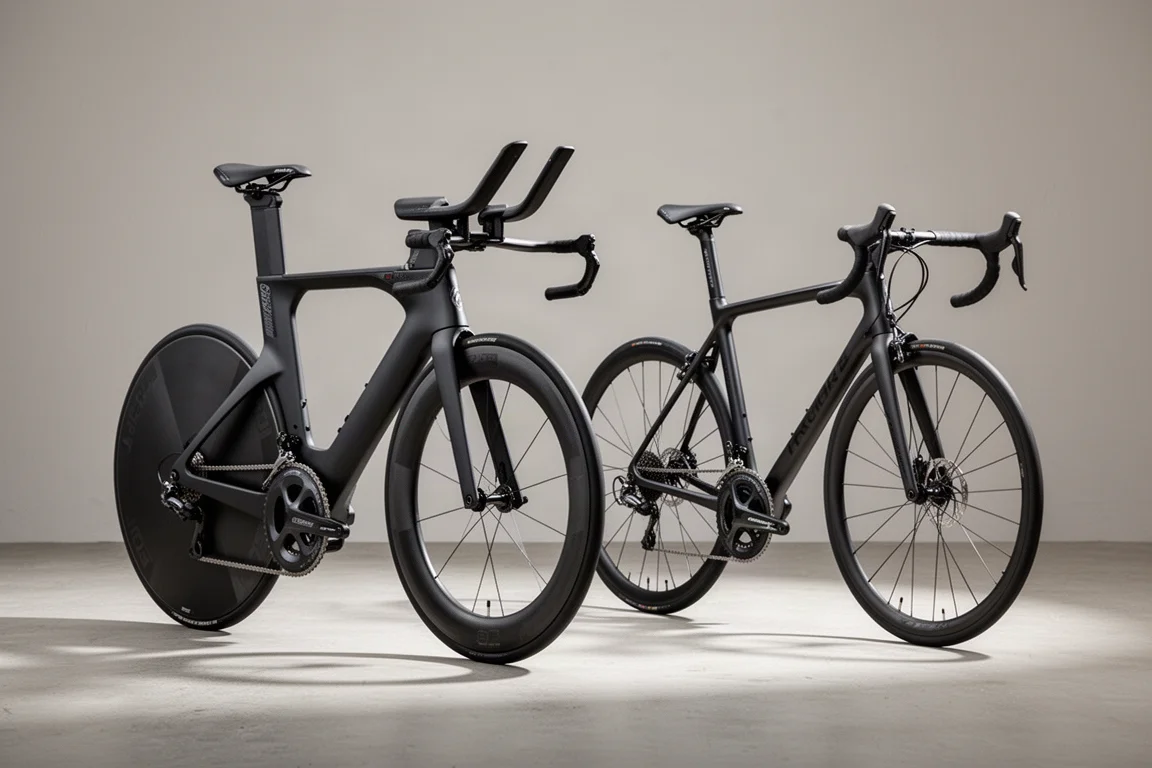
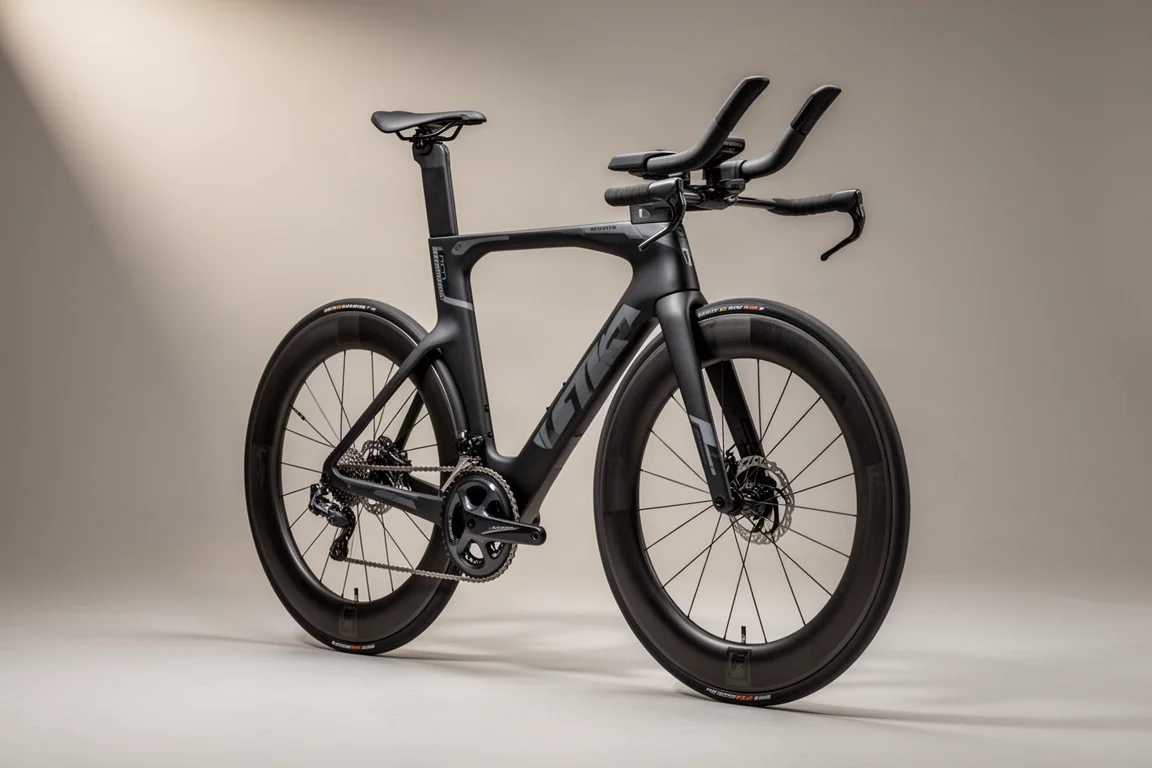
The Canyon Speedmax SLX is a time trial and triathlon bike built around aerodynamic efficiency. In this test, it was the faster choice on flat and rolling sections when the rider could stay in an aerodynamic position. Across the combined flat sections, which totalled around 27 km, it was about 2 minutes faster.
The advantage depended heavily on position. Whenever the rider sat up or broke the aero position, even briefly, the gap began to close. Modern time trial bikes can still climb reasonably well, but at slow climbing speeds the aero position can feel uncomfortable, and the bike is not the lightest option for steep gradients.
Canyon Ultimate CFR: The Lightweight Road Option
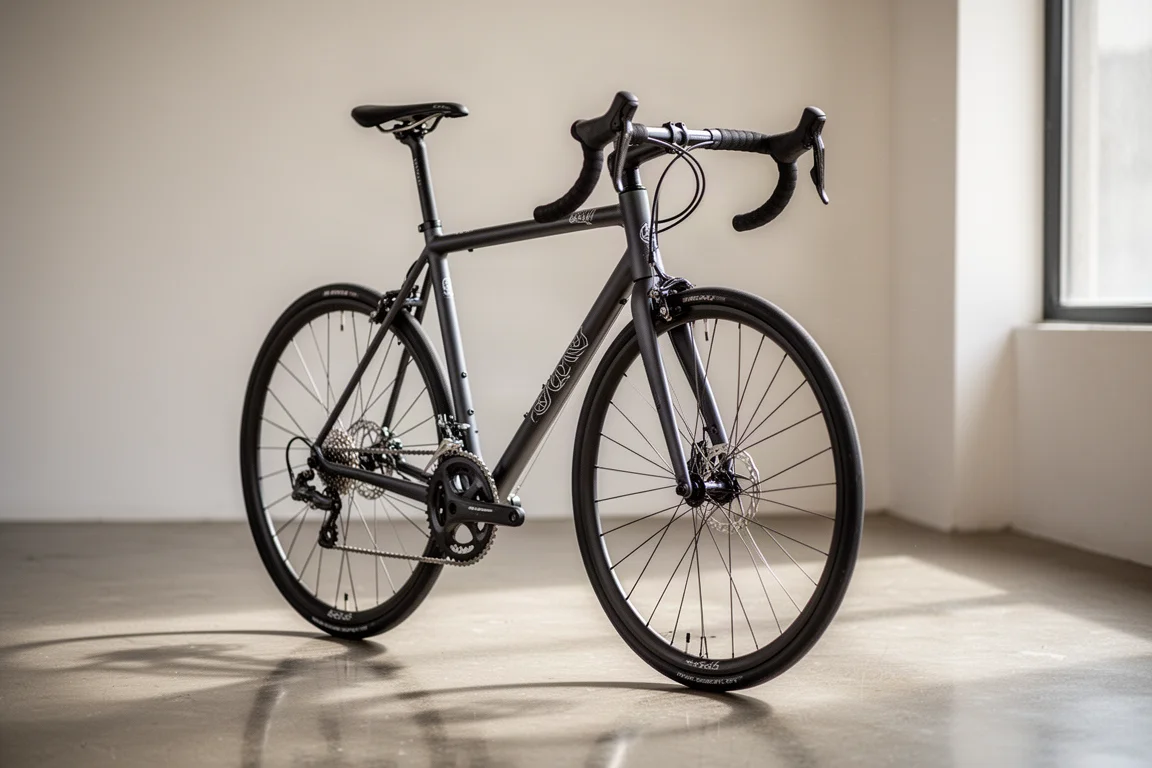
The Canyon Ultimate CFR is a lightweight road bike, and in this comparison it was around 3 kg lighter than the time trial setup. That difference showed most clearly on the main climb, where it gained 4 minutes and 27 seconds. The riders held nearly identical power on that climb, so the gain came from the bike and the rider’s ability to climb in a road position.
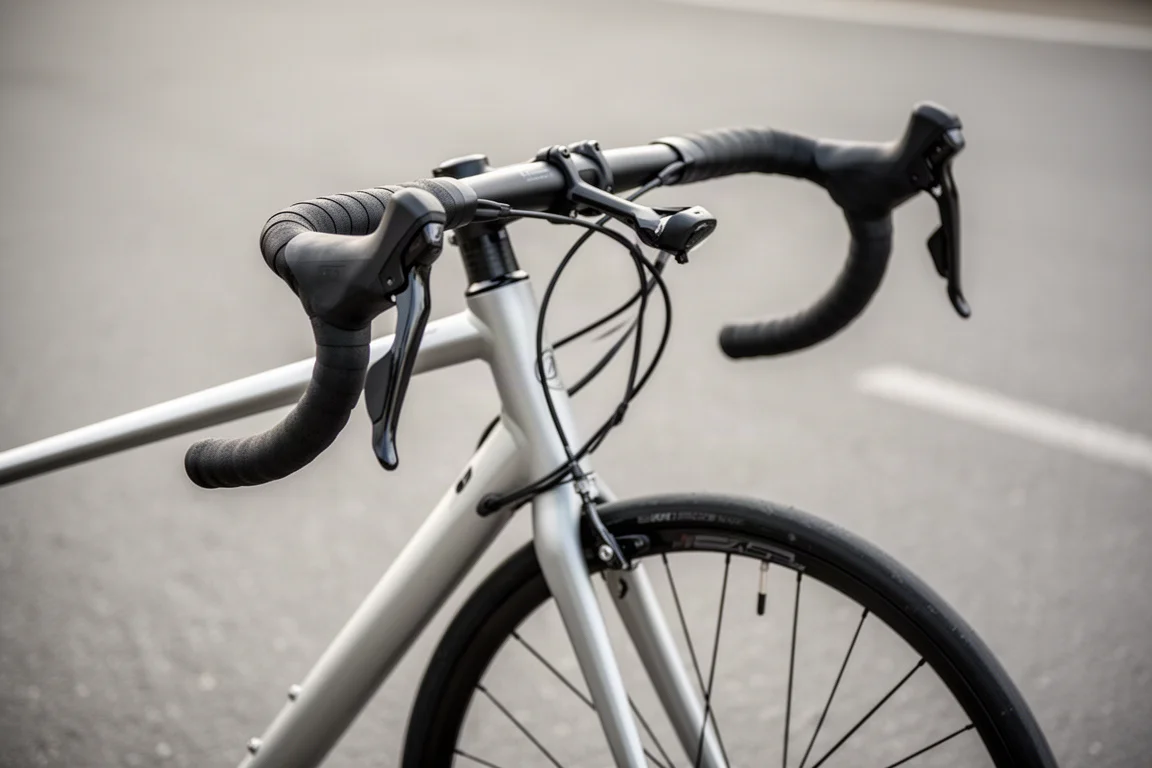
On flatter terrain the road bike gave away time to the time trial bike, but it remained competitive on rolling roads and descents. It also offered more flexibility for riders who prefer a traditional road position, and it can be made more aerodynamic with changes such as clip-on bars, although those were not tested here.
What the Test Data Suggests
The data showed that the time trial bike was faster on flat sections, but the road bike clawed back more time on the main climb and the plateau. The descent was dominated by rider skill and course knowledge rather than bike choice. One rider was able to pull away on the descent, and the time gap there was much larger than the flat-section difference.
The results also highlighted how much body position matters. The main source of aerodynamic drag is the rider, not just the frame. A time trial bike only delivers its full advantage when the rider can hold an aerodynamic position for long periods. On a steep, slow climb, that position becomes harder to maintain, and a lightweight road bike can feel faster and more natural.
Buying Advice for Hilly Courses
For a course with a significant climb, a lightweight road bike like the Canyon Ultimate CFR can be the better choice, especially if the climbs are steep or the rider cannot spend much time in an aerodynamic position. It is also easier to handle on technical descents and more forgiving when the road tilts upward.
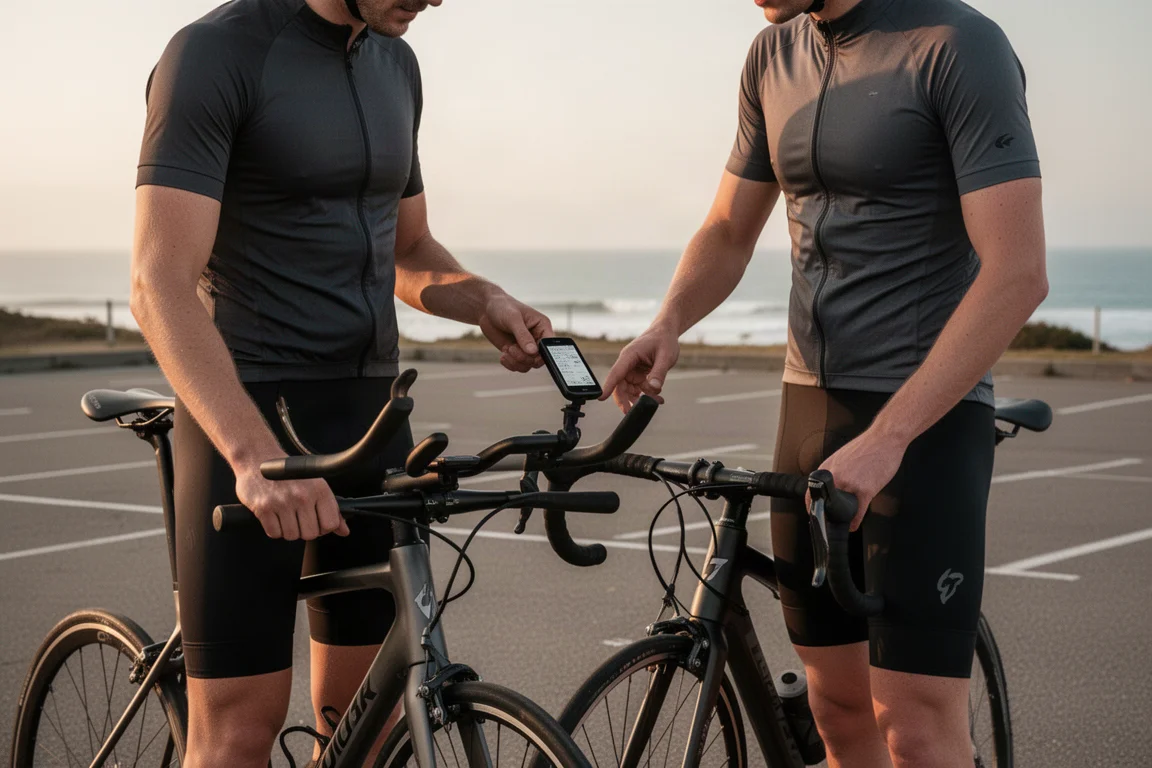
For flatter or rolling courses, the Canyon Speedmax SLX can provide a real speed advantage, particularly over longer flat sections. Riders who are comfortable in an aerodynamic position and willing to optimize their setup will get the most from it. For very hilly courses, the decision often comes down to how much time is spent climbing versus how much time can be spent in an aero tuck.
Conclusion
There is no universal answer for every rider. On this mixed course, the lightweight road bike gained more time on the climb than the time trial bike gained on the flats, but that result depended on the course profile and the riders’ strengths. The Canyon Speedmax SLX remains a fast option for flat and rolling terrain, while the Canyon Ultimate CFR shines when the road goes uphill. Matching the bike to the course and to your own position and handling skills is more important than simply choosing the most aerodynamic option.
Further reading
Related Reviews
Cycling
2026 Bike of the Year and the Cycling Gear Worth Watching
A drop bar roundup for 2026 covering the Ridley Kanzo Fast 2.0, Shimano Dura-Ace Di2 R9300, Trek Checkpoint ALR Gen 3, Specialized Tarmac SL9, Garmin Fenix 9 and Insta360 X6.
Cycling
Best All-Road Bikes 2026: Six Versatile Endurance Road Bikes Worth Considering
A practical look at six all-road and endurance road bikes, from lightweight carbon speed machines to steel all-rounders and comfort-focused mile eaters.
Cycling
Best All-Road Bikes 2026: 8 Endurance Bikes for Road and Light Gravel
Eight all-road bikes that blur the line between endurance road and light gravel, compared on tire clearance, ride character, practicality, and value.