Cycling
Canyon Lux Trail vs Canyon Grizl: Mountain Bike and Gravel Bike Compared
A back-to-back comparison of a Canyon Lux Trail mountain bike and a Canyon Grizl gravel bike on the same blue graded trail loop, with lap times, climbing speed, and descending limits.
Introduction
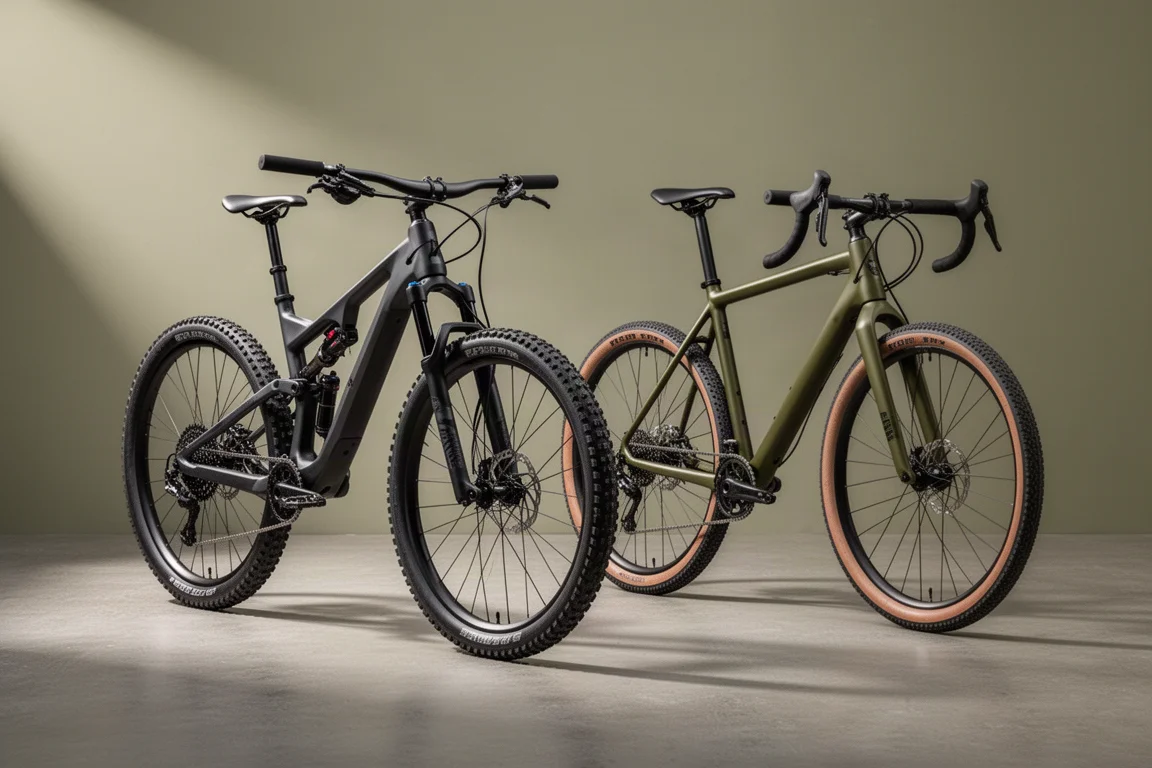
Gravel bikes have become genuinely capable machines, and the obvious question is how close one can get to a mountain bike once you add wider tires and a suspension fork. The clearest way to answer that is to ride the same loop on both and compare where each bike gains and loses time.
That is exactly what happened on a course built in the Forest of Dean, ridden back to back on a Canyon Lux Trail mountain bike and a Canyon Grizl gravel bike. The route stuck mainly to blue graded mountain bike trails to avoid gaps and drops, since the Grizl’s suspension is not designed for that kind of riding. It still included plenty of rough, rooty ground, a flowing section for testing tire grip, and several climbs where the gravel bike might be expected to pull ahead. Laps were kept short so fatigue would not distort the results.
How These Bikes Were Tested
Each bike was ridden at full speed around the same loop, with lap times recorded on a Garmin and logged to Strava. The mountain bike completed the lap in 16 minutes 43 seconds. The gravel bike stopped the clock at 16 minutes 23 seconds, roughly 30 seconds quicker.
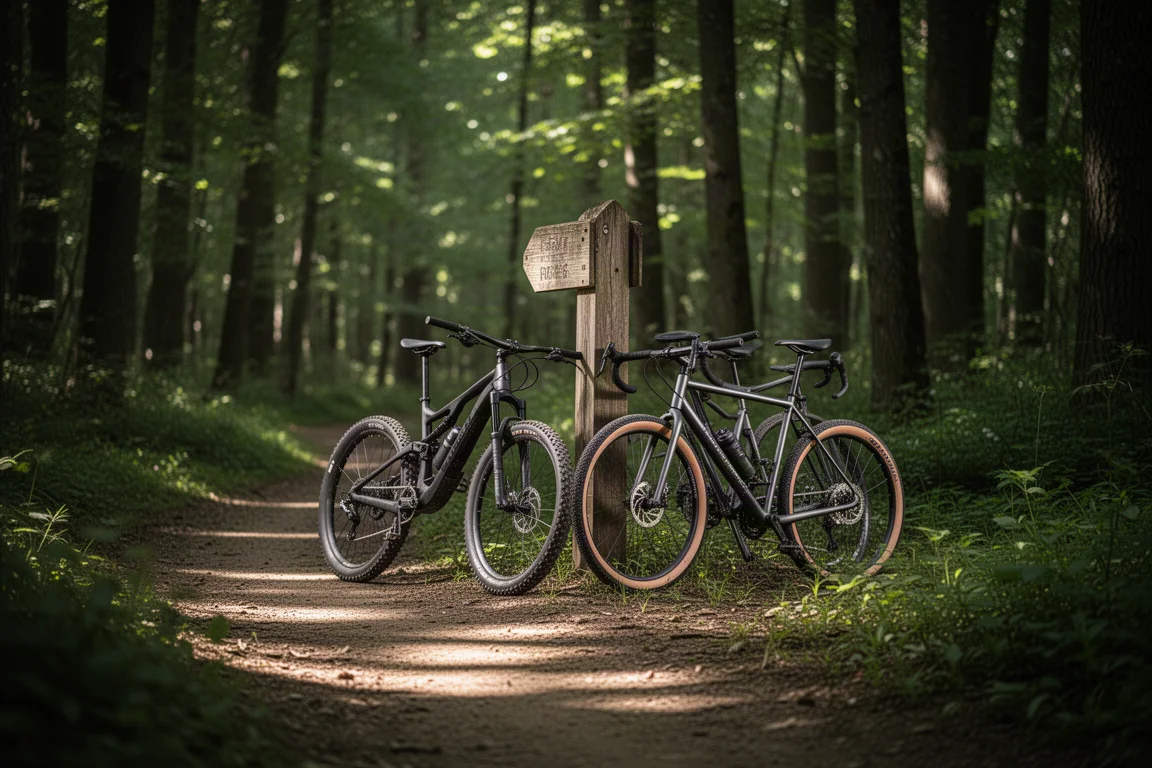
The limits of the test are worth stating plainly. No power meter was used, only one lap was completed on each bike, and daylight hours were short. Effort was kept as consistent as possible, but the second run may have benefited from a warmed-up rider. The times are a useful guide rather than a laboratory result, and the more revealing comparison is where each bike gained or lost ground around the course.
Canyon Lux Trail: The Mountain Bike Option
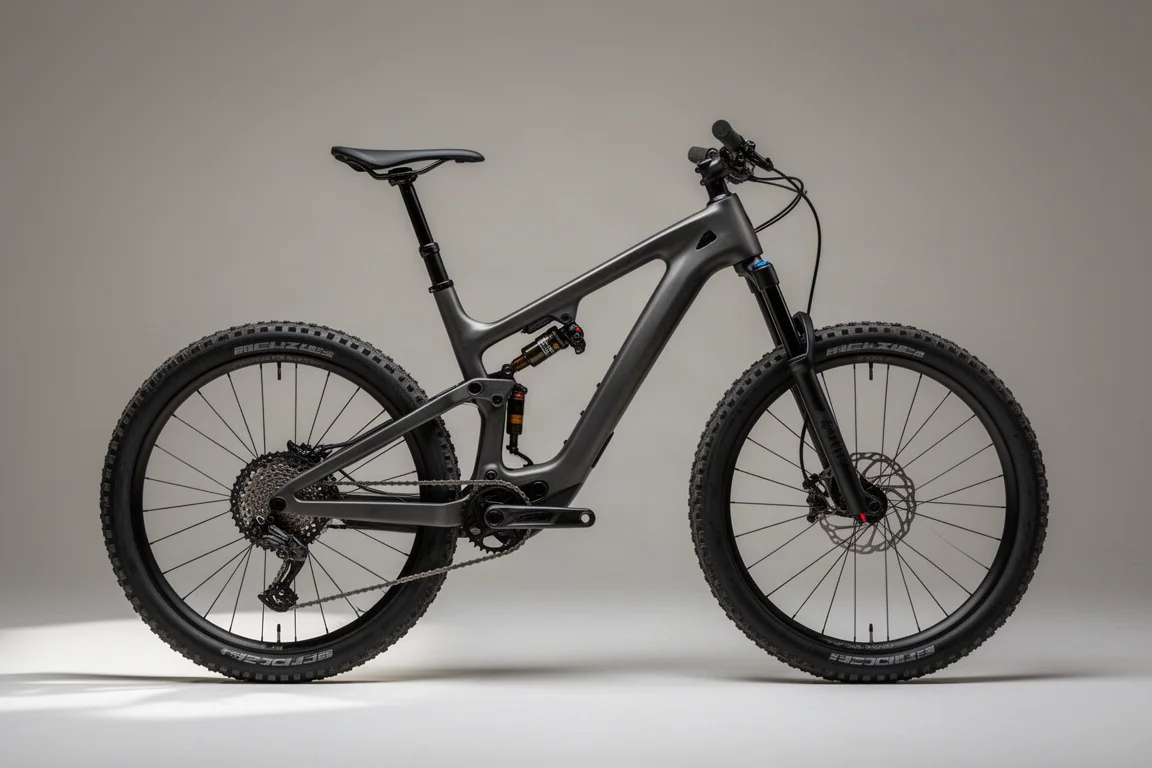
The Canyon Lux Trail is built as a cross-country and trail machine, with 110mm of travel at the rear and a component set aimed at carrying speed over rough terrain. Under power it did not bob noticeably even with the lockout left untouched, so the climbs still felt efficient and the suspension did not waste effort on smoother ground.
Wide 760mm bars and wide Maxxis tires added confidence through choppy, icy corners, where the limits of grip were found more than once. The combination of travel front and rear, plus a more stable ride position, made the roughest parts of the loop far easier to attack rather than simply survive.
Canyon Grizl: The Gravel Bike Option
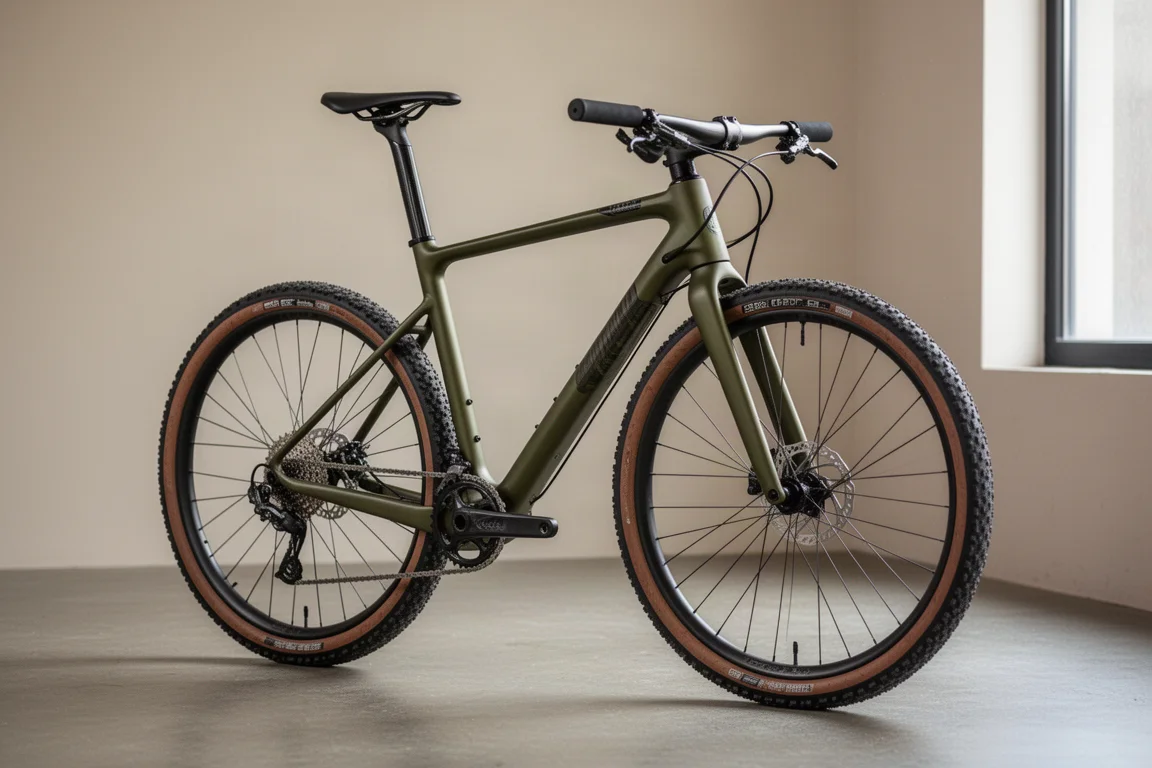
The Canyon Grizl arrived with slimmer tires, no rear suspension and a short-travel suspension fork, yet it handled rough terrain far better than that specification suggests. On the rougher climbs and the mellower, flatter parts of the loop, the handling was genuinely impressive.
Rolling speed is where it stands apart. Power transferred easily to the rear wheel, and after stuttery, repetitive rock sections that stifled progress, the bike returned to speed very quickly. The aero ride position and lighter feel contributed to that sense of pace.
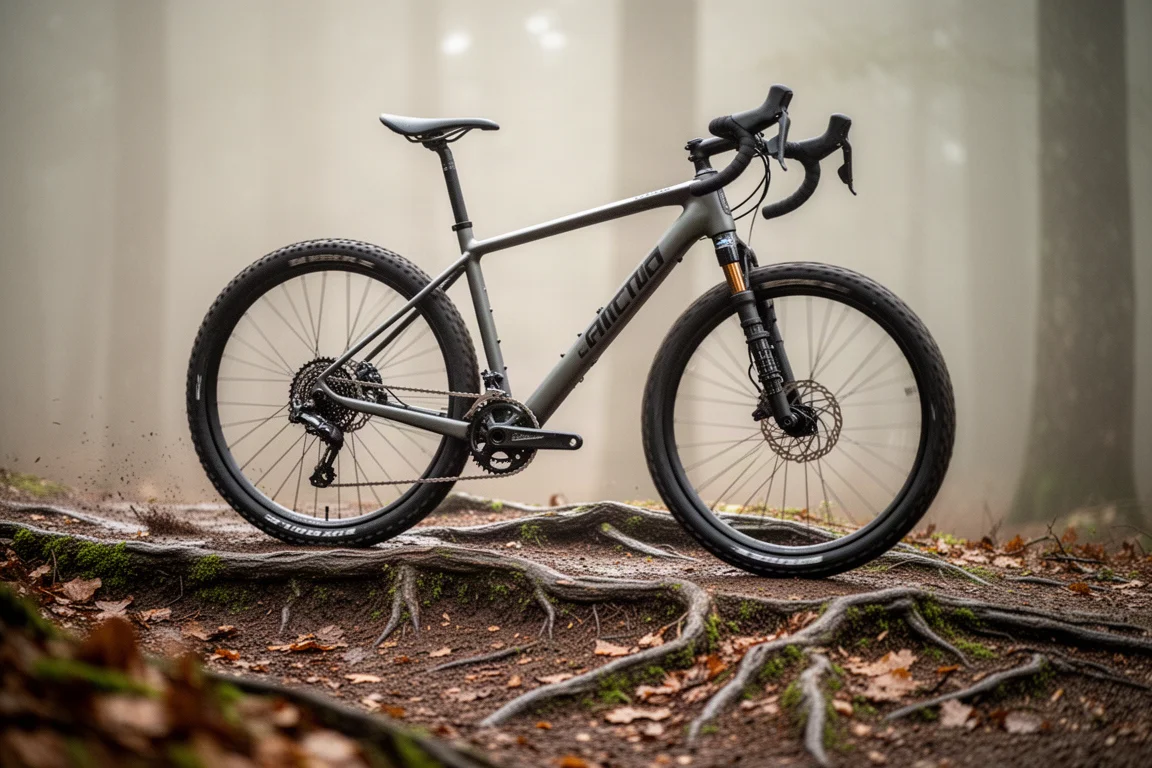
The 75mm dropper post was appreciated on the steeper, looser sections. The front suspension, meanwhile, was clearly using all of its travel over roots that demanded full concentration, which is a fair indication of where the limits of this setup sit on proper mountain bike trails.
Climbing and Rolling Speed Compared
Climbing produced one of the clearest differences between the two bikes. The mountain bike felt more forgiving over chunky rocks and roots, while the gravel bike felt more eager to defy gravity. What is interesting is that although the gravel bike felt quicker and easier uphill, the timed difference was only marginal, so the sensation of speed on a climb does not always translate into a large gap.
On smooth, flat ground the gravel bike felt more efficient throughout. It accelerated more quickly, which comes down to a slightly lower weight, a more aero ride position, and above all the faster rolling of the tires. Once up to speed it was easier to hold that speed with less perceived effort. The mountain bike rolled more slowly and put the rider in a less aggressive position, which costs time over long, fast and flat stretches.
Technical Terrain and Descending
The technical sections of the loop were a clear win for the Lux Trail, which is what a bike with more travel and a more confident ride position should deliver. On the most demanding downhill part of the course, roughly 30 seconds long, the mountain bike was far easier to ride fast and with control, and Strava showed it six seconds quicker than the gravel bike.
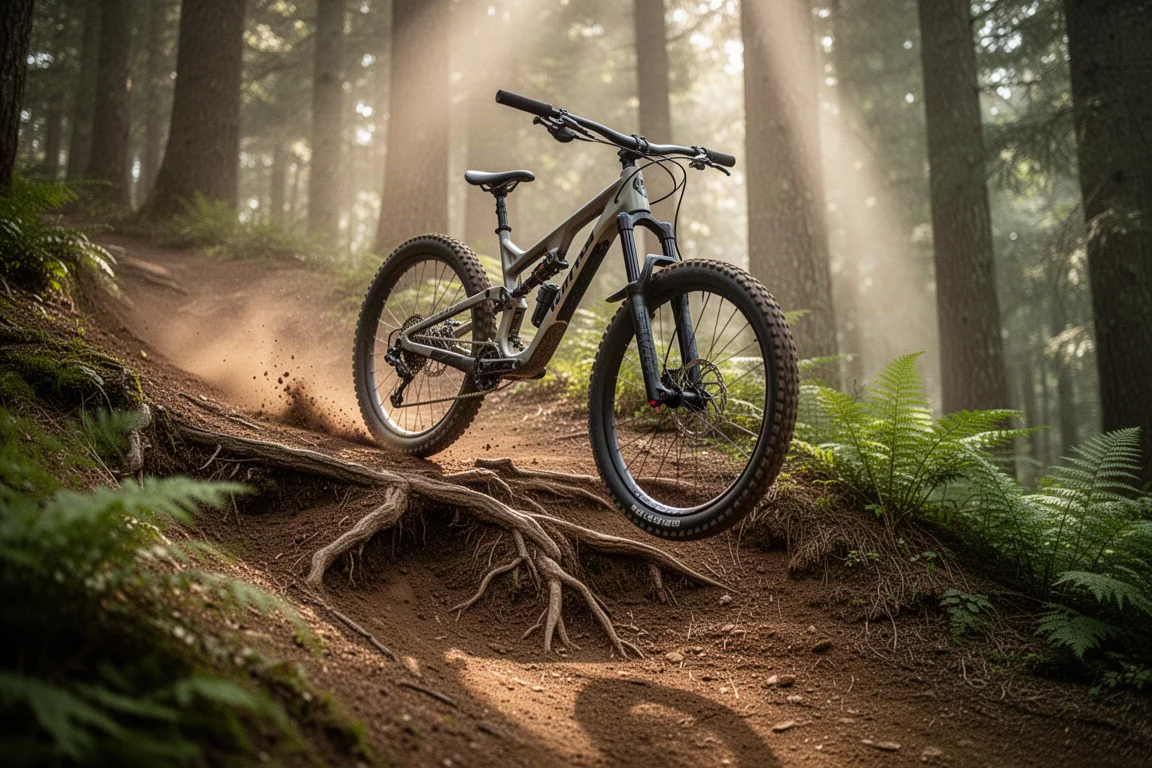
Even so, the gravel bike more than held its own on proper blue graded mountain bike trails, and it remained impressively capable while riding closer to its limits. Line choice matters enormously on rooty ground, because the bike rewards precision rather than absorbing mistakes. More speed could be carried in and out of technical descents on the mountain bike, and those descents could be ridden with more confidence.
What the Lap Times Actually Show
The gravel bike was faster overall on this course, which says a great deal about how versatile this style of bike has become. The mountain bike is still the quicker and more reassuring option once the trail tips downhill and turns rough, but the gap over a short blue graded loop was smaller than the traditional split between the two categories would suggest.
The other factor is where a bike can be ridden. The gravel bike could comfortably be ridden from home to the trail centre and back again, which means the fun it offers is not tied to a single location. The mountain bike is fast and a great deal of fun on technical trails, but it is more closely tied to the terrain it was designed for.
Buying Advice: Which Bike Suits Which Rider
Choose the Canyon Lux Trail if technical descents, roots and rocky sections are the priority and you want a bike that stays composed when the trail turns demanding. The 110mm of rear travel and the more planted ride position make rough ground far more manageable, and the bike carries speed well without the suspension feeling wasteful.
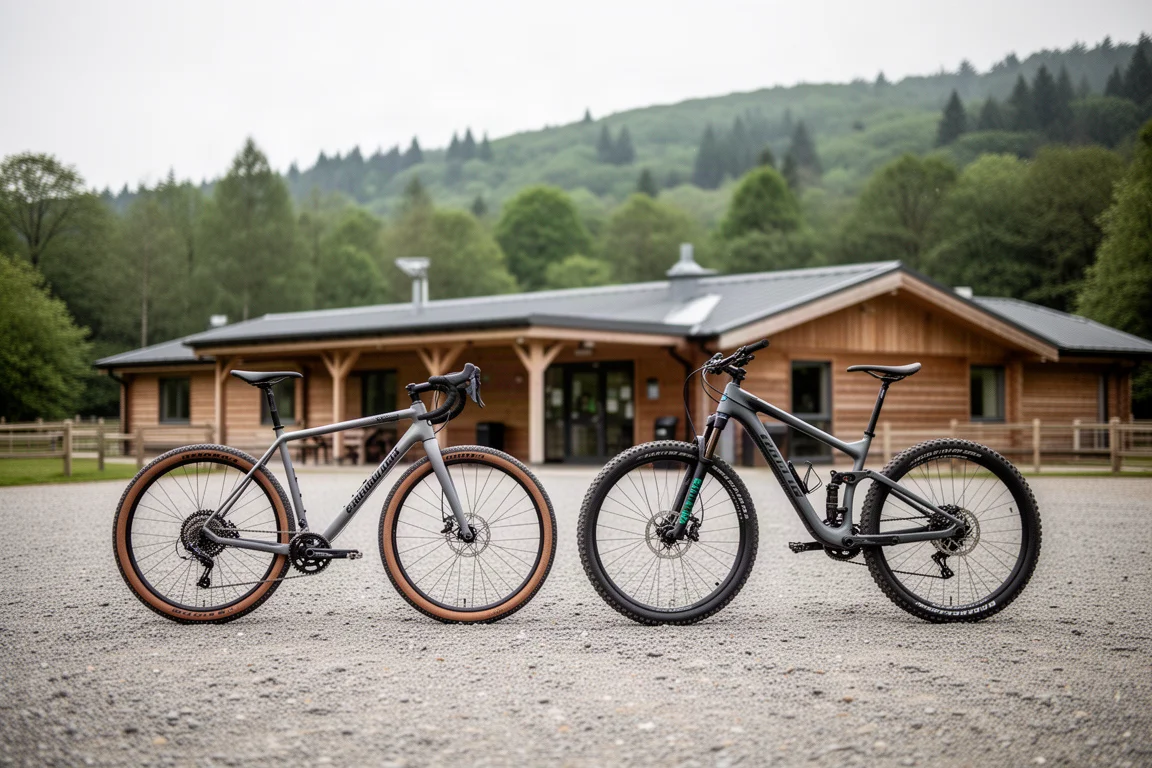
Choose the Canyon Grizl if you want one bike that rolls fast on smooth and flat surfaces, climbs eagerly, and can still handle blue graded mountain bike trails without falling apart. It suits riders who link roads, gravel and moderate trails in a single ride, and who value efficiency and speed over maximum descending comfort.
Both bikes are more capable than their categories imply, and on this loop they finished around 30 seconds apart. The right choice comes down to which parts of a ride matter most: descending control on rough trails, or all-round speed and the freedom to ride from the doorstep to the trailhead.
Conclusion
A gravel bike with wider tires and a suspension fork can get surprisingly close to a mountain bike on mixed terrain, and on this short blue graded loop it was actually quicker over the full lap. The mountain bike still wins where it counts most for technical riding, with extra travel and a more stable position making demanding descents easier to ride fast and with control.
If the terrain you ride is rough and technical, the Canyon Lux Trail is the more confident tool. If you want speed, efficiency and the ability to ride almost anywhere from your front door, the Canyon Grizl makes a strong case for itself as a single versatile bike.
Further reading
Related Reviews
Cycling
2026 Bike of the Year and the Cycling Gear Worth Watching
A drop bar roundup for 2026 covering the Ridley Kanzo Fast 2.0, Shimano Dura-Ace Di2 R9300, Trek Checkpoint ALR Gen 3, Specialized Tarmac SL9, Garmin Fenix 9 and Insta360 X6.
Cycling
Best All-Road Bikes 2026: Six Versatile Endurance Road Bikes Worth Considering
A practical look at six all-road and endurance road bikes, from lightweight carbon speed machines to steel all-rounders and comfort-focused mile eaters.
Cycling
Best All-Road Bikes 2026: 8 Endurance Bikes for Road and Light Gravel
Eight all-road bikes that blur the line between endurance road and light gravel, compared on tire clearance, ride character, practicality, and value.