Cycling
Canyon Grizl vs Canyon Grand Canyon: Flat-Bar Gravel Bike and Drop-Bar Mountain Bike Compared
A comparison of two unconventional builds: a flat-bar Canyon Grizl gravel bike and a drop-bar Canyon Grand Canyon mountain bike, with notes on fun, speed, and handling.
Introduction
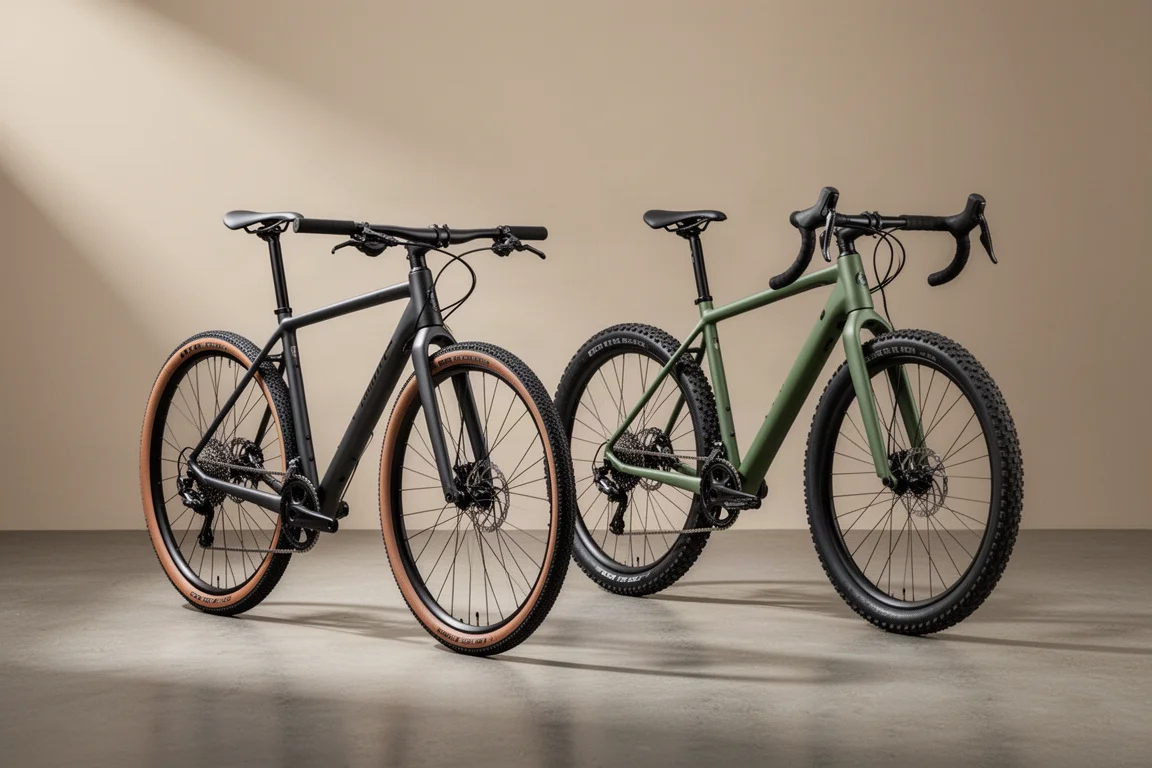
Gravel bikes usually come with drop handlebars, but a flat-bar setup can change the ride in meaningful ways. This comparison looks at two unusual builds: a Canyon Grizl gravel bike converted to flat bars, and a Canyon Grand Canyon mountain bike converted to drop bars. The goal is to see whether a flat-bar gravel bike makes sense for riders who want comfort and fun, and whether a drop-bar mountain bike delivers any real advantage.
Canyon Grizl: Flat-Bar Gravel Bike
The Canyon Grizl started as a gravel bike and was converted to a flat handlebar using a mix of Shimano GRX gravel components and XT mountain bike parts. The build includes electronic Di2 shifting paired with XT mountain bike shifters, and the drivetrain uses 48/31 chainrings with an 11-34 cassette. A longer stem was needed to compensate for the more upright position after moving the controls from the drops to a flat bar. On gravel roads and fire roads, the flat-bar Grizl felt comfortable, upright, and relaxed. It was fun and agile, though it could feel nervous when pushed hard. It was not as aerodynamic or as fast as a standard drop-bar gravel bike, but it remained a usable and enjoyable bike for town, woodland, and mixed-surface riding.
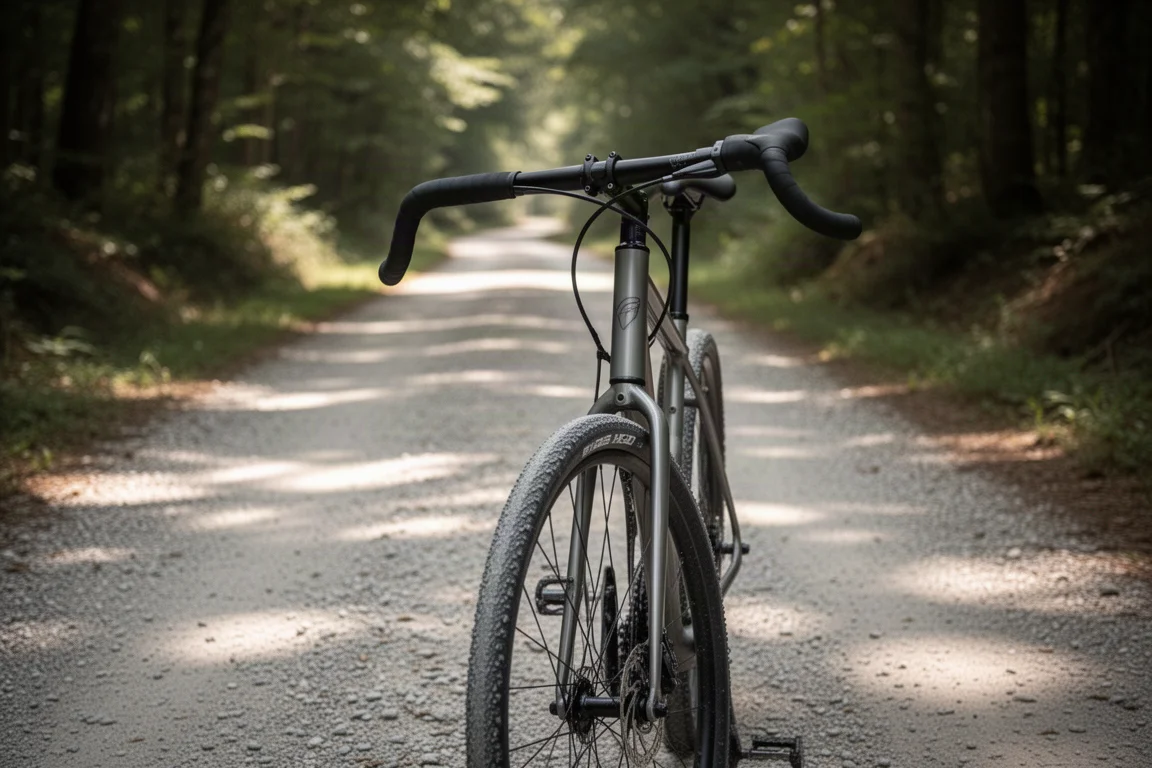
The flat-bar Grizl is best understood as a fun, versatile machine rather than a speed-focused gravel racer. Its shorter, more upright position is more relaxed than a drop-bar equivalent, and the bike handles gravel tracks and smooth trails with a lively character.
Why Flat Bars on a Gravel Bike?
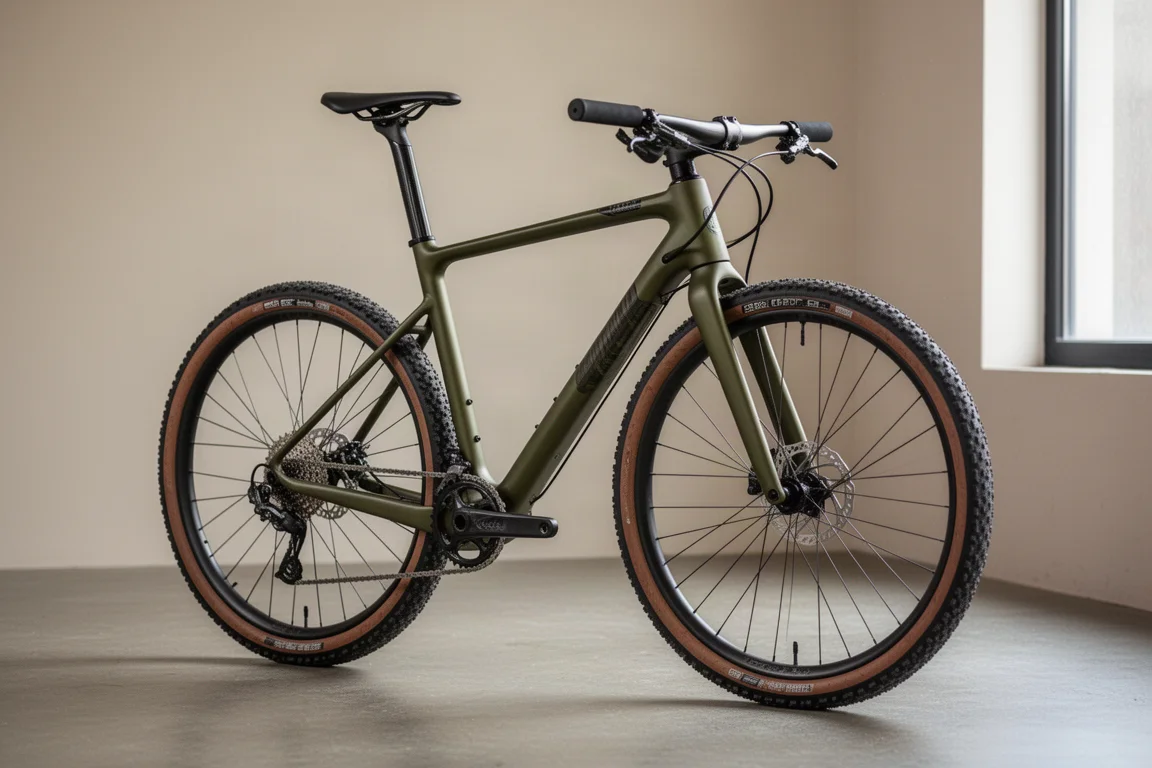
Flat handlebars change the rider’s position and the bike’s steering feel. On a drop-bar bike, the brake and gear levers are fixed vertically; on a flat bar, they are fixed horizontally, so both the shifters and brake levers need to be changed. With Shimano GRX, there are several compatible options: electronic Di2 can use XT mountain bike shifters, while mechanical setups can use Tiagra or 105 flat-bar shifters. Brake compatibility depends on mounting standards: road and gravel bikes often use flat mount calipers, while mountain bikes tend to use post mount. Some XT trekking brake levers can work with flat-mount GRX calipers, or a mountain bike brake setup can be used with an adapter. A longer stem is also important because moving the controls to a flat bar shortens the reach.
Canyon Grand Canyon: Drop-Bar Mountain Bike
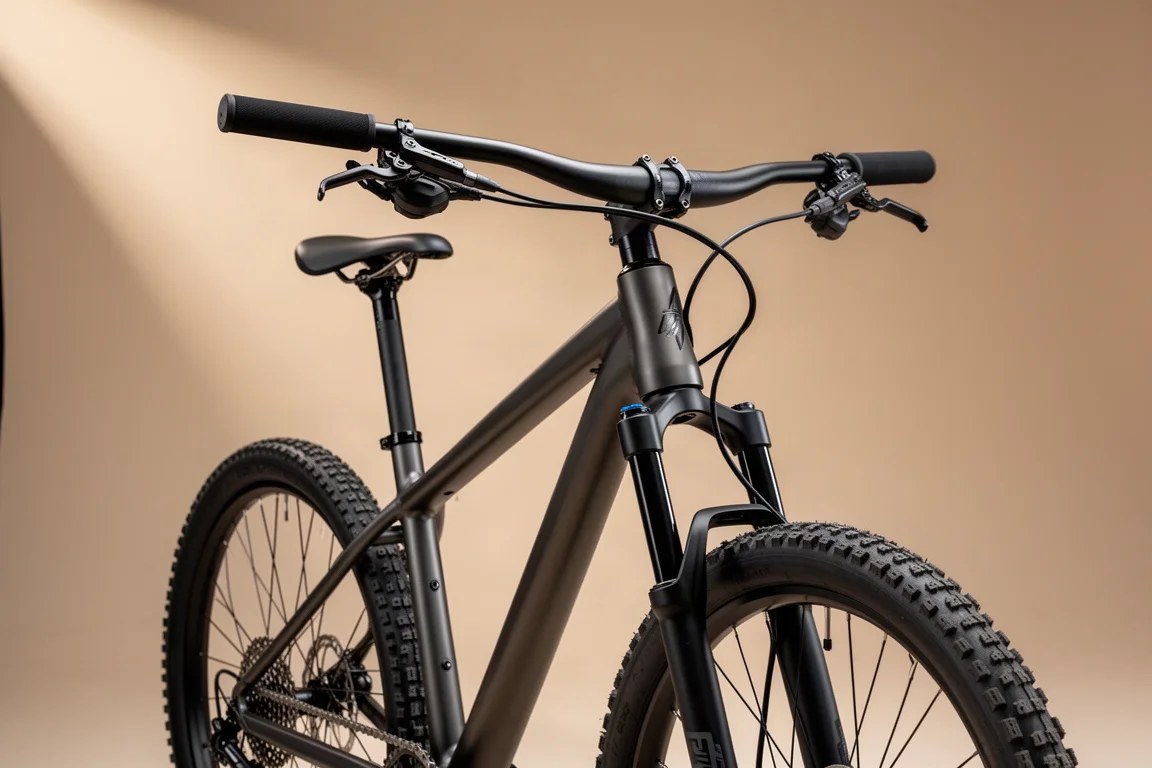
The Canyon Grand Canyon is a mountain bike that was converted to drop bars using a Shimano GRX transmission and an XT crank. A left-hand GRX brake lever operates a dropper post, and the brakes use post-mount calipers. Because the frame was originally a size XL, a shorter 35 mm stem replaced the standard 70 mm stem to bring the handlebar into a roughly correct position. The handlebar is 500 mm wide. In a straight line on gravel, the drop-bar Grand Canyon felt stable and comfortable, like a steamroller, and the drop-bar position felt familiar. However, on singletrack it became nervous and understeered, making corners feel uncertain. It was slower than the flat-bar gravel bike and, in places, genuinely terrifying.
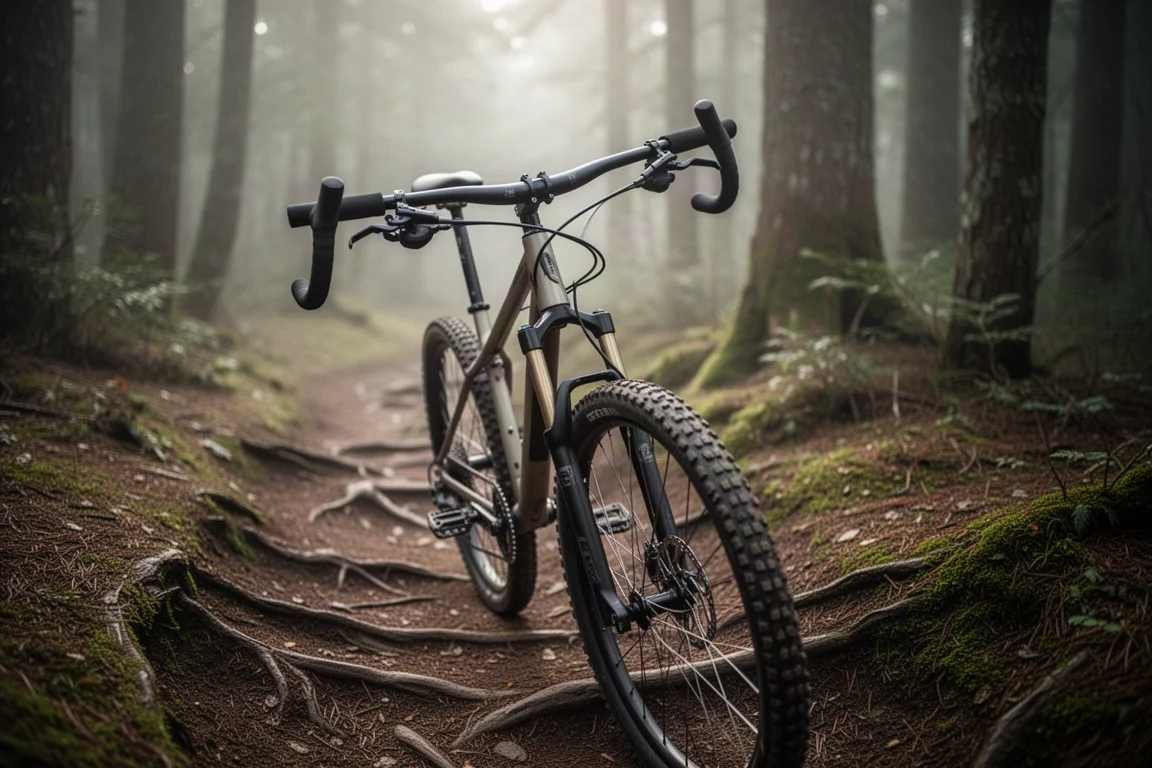
The drop-bar mountain bike retains a retro mountain bike feel with a low front end and agile, nervous steering. It can be fun in a straight line, but it does not corner with confidence and is not a faster option on technical trails.
How the Drop-Bar Mountain Bike Build Was Set Up
The Grand Canyon conversion required several changes to make the drop-bar setup work. The GRX transmission and XT crank were paired with post-mount calipers that matched the GRX color. The 35 mm stem was a significant change from the standard 70 mm stem, helping to shorten the reach after removing the flat bar. The 500 mm handlebar is much wider than a typical drop bar, and a mountain bike fork at the front adds to the retro look. This build is less about modern mountain bike performance and more about creating a drop-bar machine with retro character.
Fun and Speed: What the Comparison Showed
In the speed comparison, the flat-bar gravel bike was about 9 seconds faster overall, with 8 seconds gained on the gravel drag and 1 second on the singletrack. The gap was small, but both riders felt the flat-bar gravel bike was much faster and more fun. It was agile and responsive, while the drop-bar mountain bike felt slower and was described as terrifying in places. The drop-bar mountain bike also understeered through corners, making it hard to hold a line on tight trails.
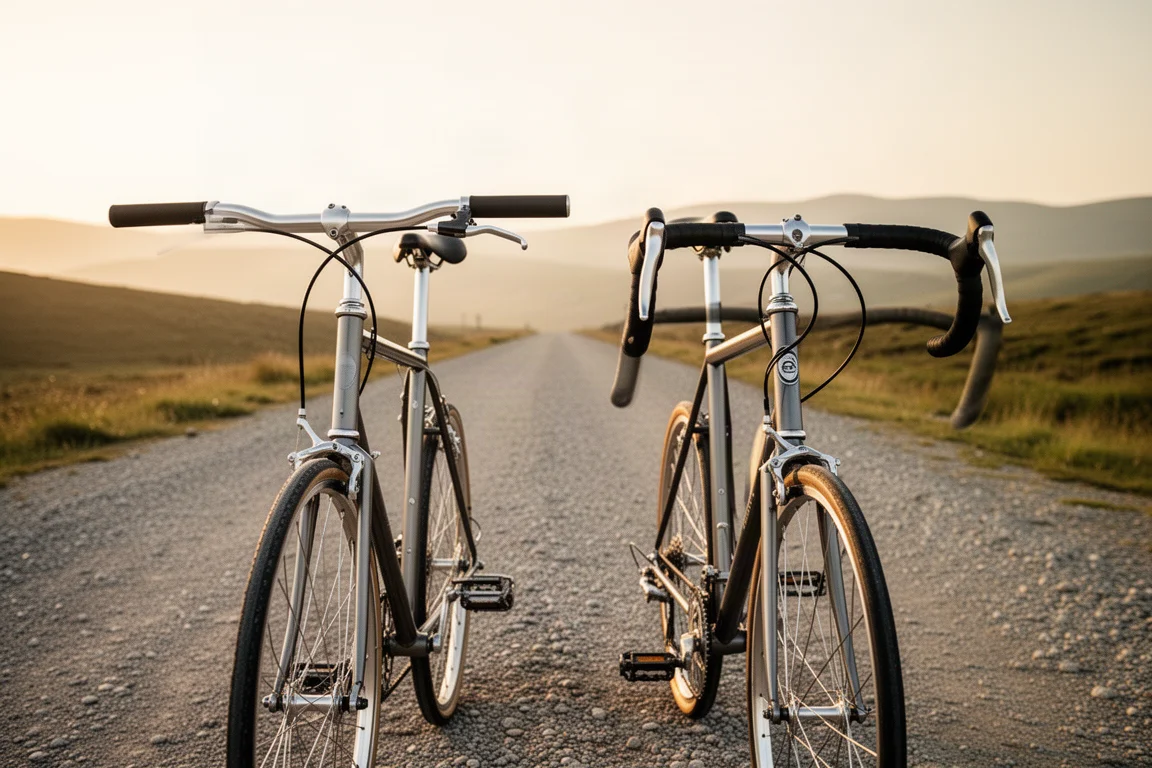
The fun factor followed the same pattern. The flat-bar gravel bike encouraged a playful, confident ride, while the drop-bar mountain bike demanded more concentration and offered less reward on technical terrain. For riders who value smiles over stopwatch times, the flat-bar gravel bike was the clear winner.
Who Each Build Suits
The flat-bar Grizl suits riders who want a versatile, comfortable bike for town, woodland, and mixed-surface rides. It works as a modern hybrid-style bike that can handle gravel tracks and smooth trails without the aggressive position of a drop-bar gravel bike. The drop-bar Grand Canyon is a niche build for riders curious about retro mountain bike setups. It can be enjoyable in a straight line on gravel or fire roads, but it is not recommended for technical singletrack or for anyone seeking a faster off-road bike.
Buying Advice
If you are considering a flat-bar gravel bike, the Canyon Grizl conversion shows that it can be a fun and practical choice for mixed terrain. It will be slower and less aerodynamic than a drop-bar gravel bike, but it offers a more upright position and a playful character that many riders will appreciate. If you are considering a drop-bar mountain bike, the Canyon Grand Canyon conversion demonstrates that the setup can be stable in a straight line but nervous and understeering on singletrack. For most riders, the flat-bar gravel bike has a clearer use case as a versatile mixed-surface bike, while the drop-bar mountain bike is harder to recommend.
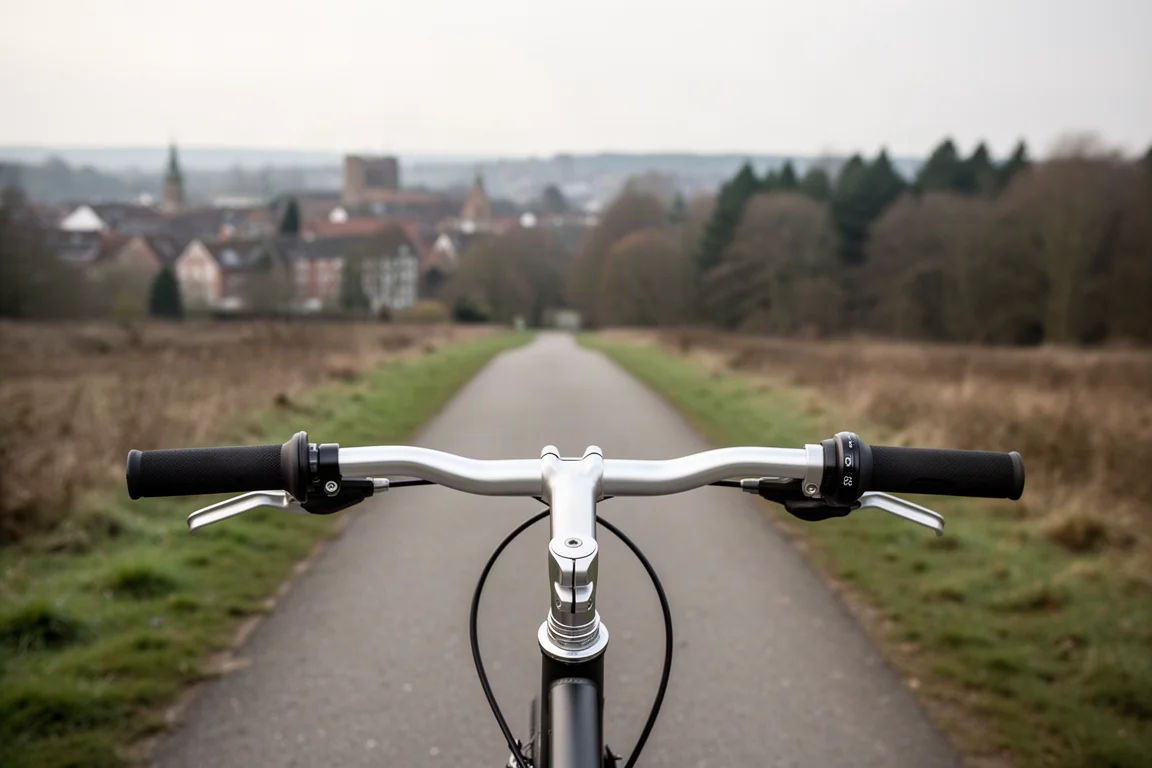
When deciding between these two approaches, think about where you ride most often. If your rides mix pavement, gravel, and easy trails, the flat-bar gravel bike is the more sensible and enjoyable option. If you mainly ride straight-line gravel and want a retro-inspired project, the drop-bar mountain bike can be a fun experiment, but it is not a performance upgrade. The flat-bar gravel bike is the more successful concept overall, and the drop-bar mountain bike remains a curiosity.
Conclusion
Flat-bar gravel bikes are not just a novelty. The Canyon Grizl conversion proved that a flat-bar setup can be fun, comfortable, and usable across town, woodland, and gravel roads. Drop-bar mountain bikes, by contrast, are harder to recommend. The Canyon Grand Canyon conversion was stable in a straight line but nervous, understeering, and slower on singletrack. For most riders, the flat-bar gravel bike is the better choice, while the drop-bar mountain bike is best left as a retro-inspired experiment.
Further reading
Related Reviews
Cycling
2026 Bike of the Year and the Cycling Gear Worth Watching
A drop bar roundup for 2026 covering the Ridley Kanzo Fast 2.0, Shimano Dura-Ace Di2 R9300, Trek Checkpoint ALR Gen 3, Specialized Tarmac SL9, Garmin Fenix 9 and Insta360 X6.
Cycling
Best All-Road Bikes 2026: Six Versatile Endurance Road Bikes Worth Considering
A practical look at six all-road and endurance road bikes, from lightweight carbon speed machines to steel all-rounders and comfort-focused mile eaters.
Cycling
Best All-Road Bikes 2026: 8 Endurance Bikes for Road and Light Gravel
Eight all-road bikes that blur the line between endurance road and light gravel, compared on tire clearance, ride character, practicality, and value.