E-Gravel Bikes
Canyon Grizl:ON: A Lightweight Carbon E-Gravel Bike Explained
Canyon's second-generation e-gravel bike pairs a carbon frame with the Bosch SX motor, integrated Lupine lights and up to 50 mm of tire clearance. Here is what to know before buying.
Introduction
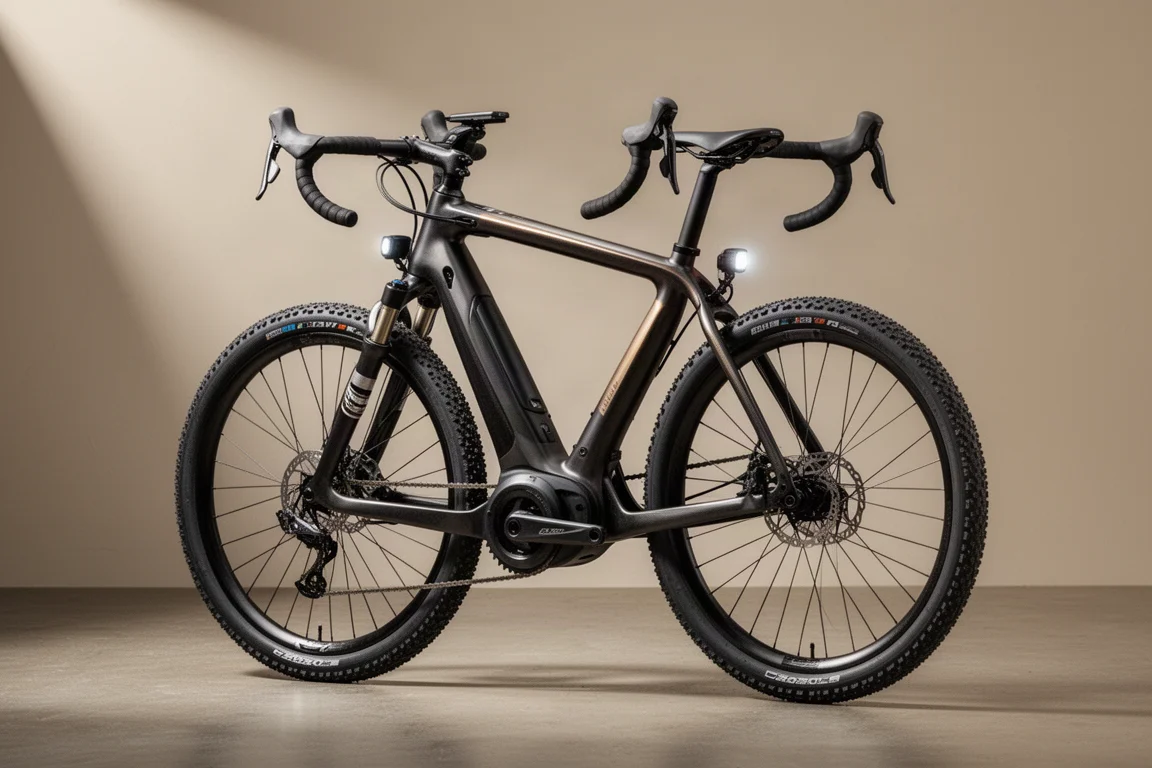
The Canyon Grizl:ON is Canyon’s second-generation e-gravel bike. The first was the Grail:ON, launched in 2020 with a hover handlebar. This new model takes a more conventional route, built around a regular drop bar and sharing its name and much of its frame thinking with the non-assisted Grizl, along with the Grail that relaunched last year.
The brief behind the Grizl:ON was to keep weight as low as possible. Canyon does that with a carbon fibre frame and the Bosch SX motor, one of a growing group of lightweight, lower-powered drive units that trade outright output for a more natural ride feel and longer range from a battery housed in the down tube. Specialized follows a similar philosophy with the Turbo Creo 2 SL.
What follows covers what the bike is, who it suits, and the trade-offs worth weighing before you buy.
Who the Canyon Grizl:ON Is For
The Grizl:ON is designed for riders who want to explore, go adventuring and reach new ground, and it carries a strong practical side as well. Many people buy gravel bikes less for gravel riding and more for commuting, touring, and simply dealing with the rough roads most of us ride every day. An assisted drop-bar bike fits that brief neatly.
Category context matters here. In the UK and Europe, pedal assistance cuts out at 25 km/h, which makes a drop-bar e-gravel bike a sensible proposition for a wide range of riders. In the US the assistance limit is much higher and the picture looks rather different.
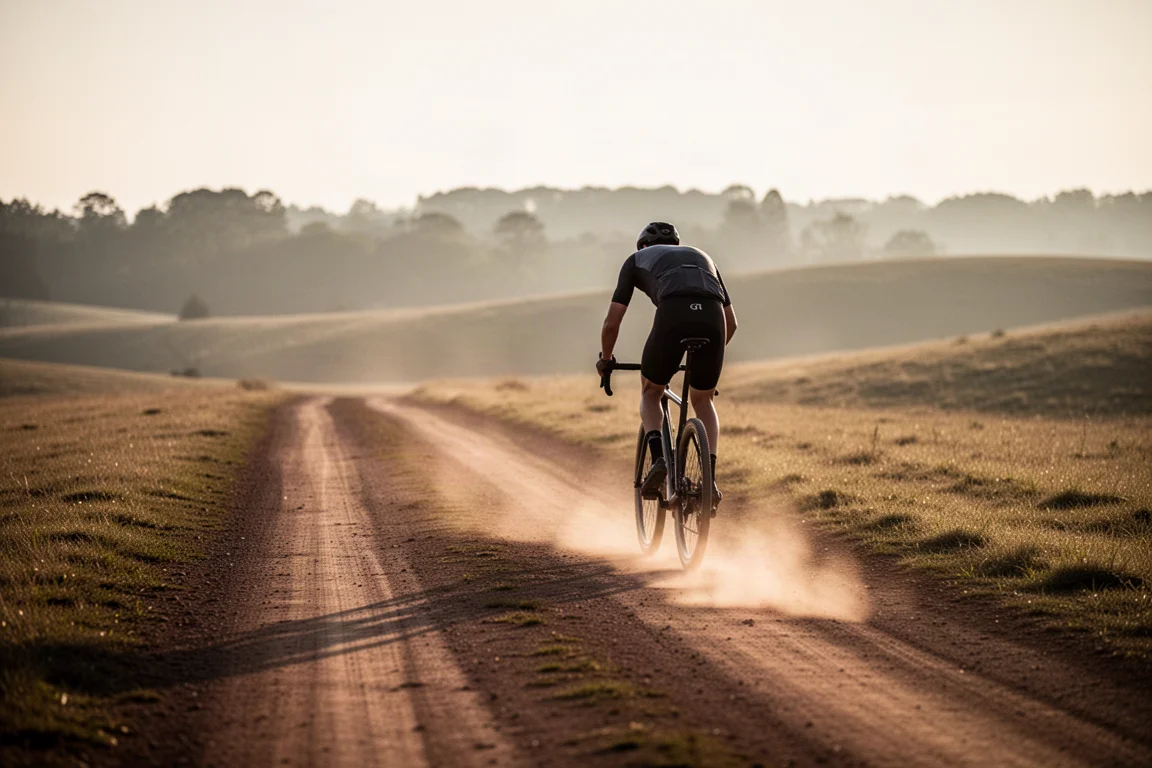
The clearest fit is for riders who need a hand on hilly terrain, who want to remove the fitness barrier that a regular bike can impose, or who simply want to explore further and faster. The current generation of lightweight motors is central to that, because the low weight and low torque keep the ride feeling natural rather than cumbersome.
Bosch SX Motor, Battery, and Range
The motor sits low in the belly of the frame, the battery lives in the down tube, and a control unit on the top tube handles power and assist levels. That layout keeps the weight centred and the silhouette close to a standard gravel bike.
Range lands at around 100 km depending on terrain and rider fitness, and an optional range extender is available at extra cost for longer days out. Because the motor is light and low in torque, the assistance feels more like a helping hand than a shove, which is the whole point of this category.
Lightweight Carbon Frame and Geometry
Canyon quotes a weight of just over 15 kg, roughly 15.3 kg, which is light for an e-bike when many sit at 20 kg or more. Against a regular carbon gravel bike the difference is still significant: the Grizl:ON is about twice the weight, and a Canyon Grail CFR comes in at around 8 kg.
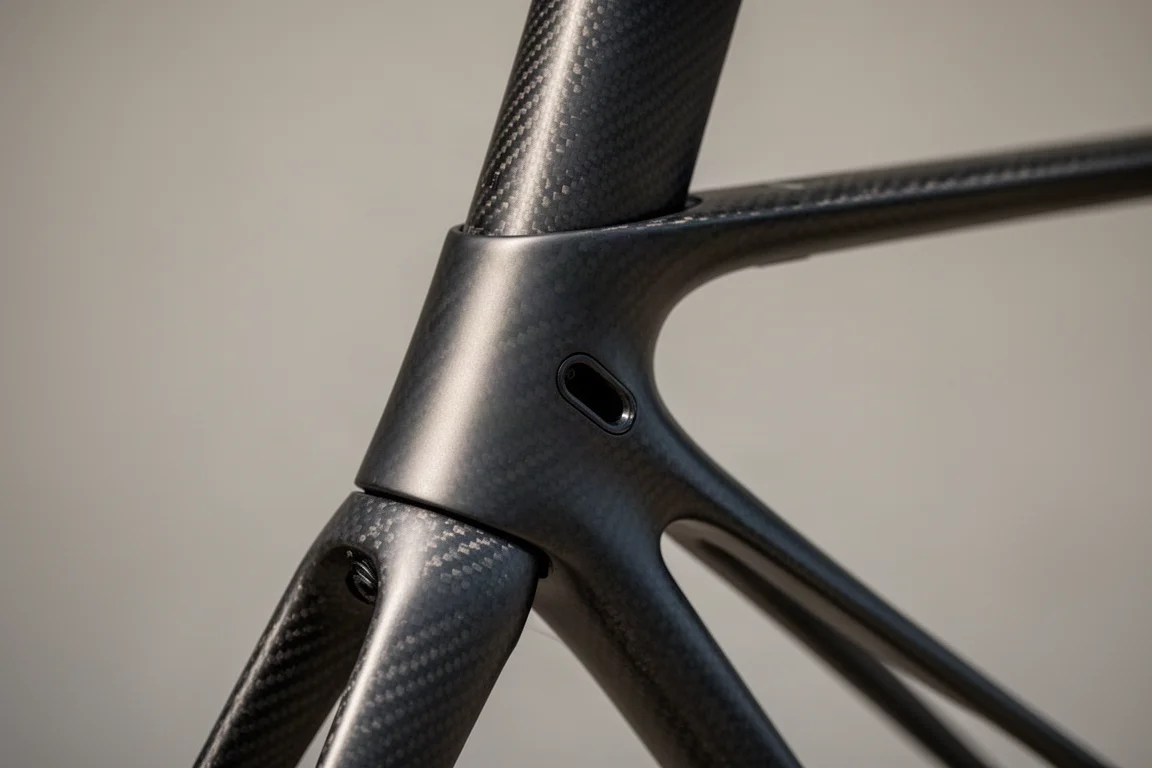
The geometry is the slackest drop-bar setup Canyon has produced, with a 69.5-degree head angle that is slacker than both the Grizl and the Grail. The remaining angles are tuned for a stable, planted feel, which pays off given the extra weight and the higher speeds the motor makes possible. Canyon pairs a short stem with a wide flared handlebar and uses a two-piece bar and stem rather than a one-piece unit, which leaves more room to change those parts later. Some cables and brake hoses run internally to keep the front end clean.
Suspension Fork, Wheels, and Tire Clearance
Up front is a RockShox Rudy suspension fork with 40 mm of travel. On a bike carrying more weight and more speed than a standard gravel bike, that added smoothness makes sense when you are hitting rocks and roots harder than usual. Canyon also offers a suspension fork on the non-motorised Grizl.
Tire clearance reaches 50 mm, which is more than the Grail that launched last year, and bikes in the range ship with 45 mm tires. There are mudguard mounts as well.
This second-from-top build uses a carbon frame, DT Swiss carbon wheels, a SRAM Force AXS groupset for most of the drivetrain, hydraulic disc brakes, a carbon FSA crank set and an aluminium handlebar and stem. The rear derailleur is wired into the main frame instead of running its own battery, which keeps the arrangement tidy. A VCLS split seatpost adds comfort in the saddle and uses a conventional external seat bolt, and a dropper post can be fitted if you prefer one, as it is on the top model.
Integrated Lights and Everyday Practicality
Lighting is built into the bike front and rear and comes from Lupine, a German company known for high-quality units. Every light is replaceable. There are rear lights on both sides of the frame at the back and a small headlight on the handlebar.
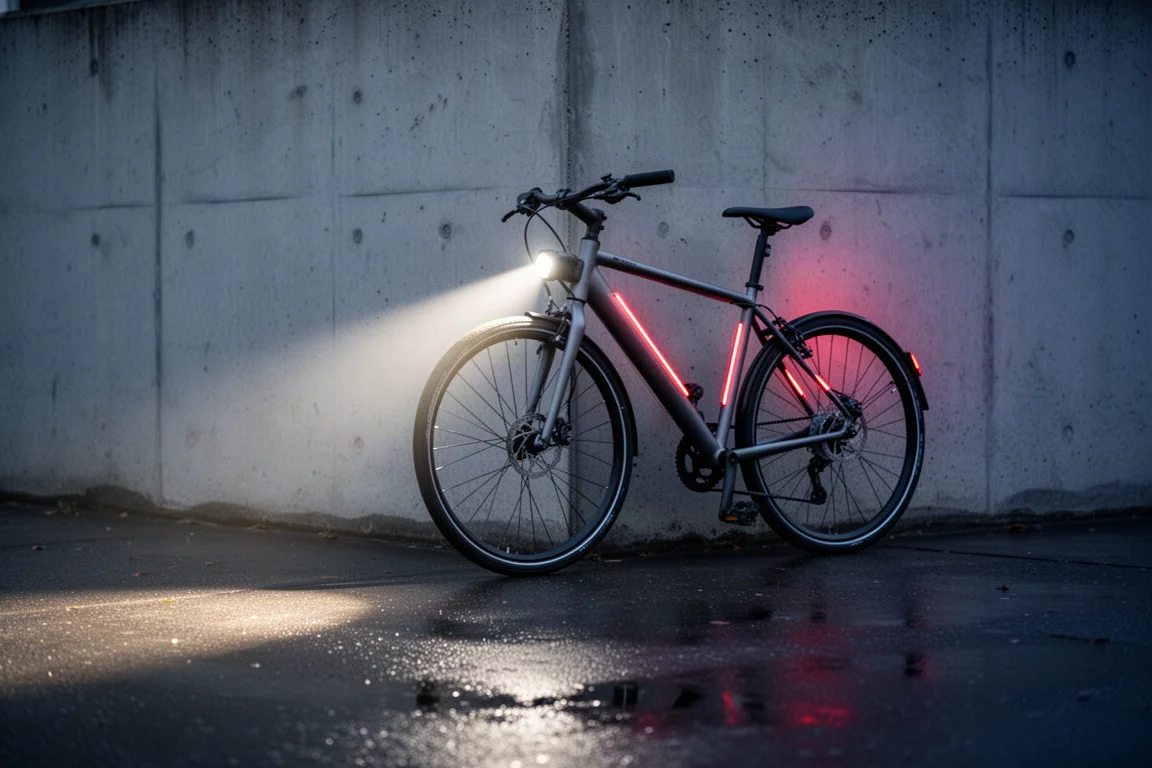
The rear lights stay on as soon as the bike is powered up. The front light can be switched off and cycled through different modes. All of them draw very little from the main battery, and if that battery runs flat the lights still offer around two hours of run time to get you home.
Practicality extends further. A Fidlock quick-release frame storage bag, carried over from the Grail, holds food, clothing and tools. Canyon also offers a model in the range with mudguards and its own rear rack, which makes the Grizl:ON a genuinely useful option for commuting and everyday transport.
Things to Consider Before Buying
Weight is the obvious trade-off. For the same money you can have a Canyon Grail CFR with GRX Di2 that weighs half as much, so the real question is whether you want the lightest possible gravel bike or a heavier one with a motor.
Pricing sits at the premium end. The European range has four models spanning €5,000 to €8,000, and this second-from-top build is €7,000. UK and US pricing differs by market.
For comparison, the Specialized Turbo Creo 2 Expert uses a carbon frame and carbon wheels and costs €8,500 despite a lower-end SRAM Rival specification, though it weighs about a kilogram less at just under 14 kg. The suspension fork accounts for a large part of that difference, so the extra weight here is a deliberate trade rather than an oversight.
Seatpost choice is worth a thought too. The split seatpost prioritises comfort, while a dropper post, fitted to the top model, gives more freedom of movement at the cost of some of that comfort.
Buying Advice
If your priority is the lightest possible gravel bike for the money, the Grail CFR is half the weight at the same price. If you want assistance for hilly terrain, longer routes, or to remove the fitness barrier altogether, the Grizl:ON is the more capable choice.
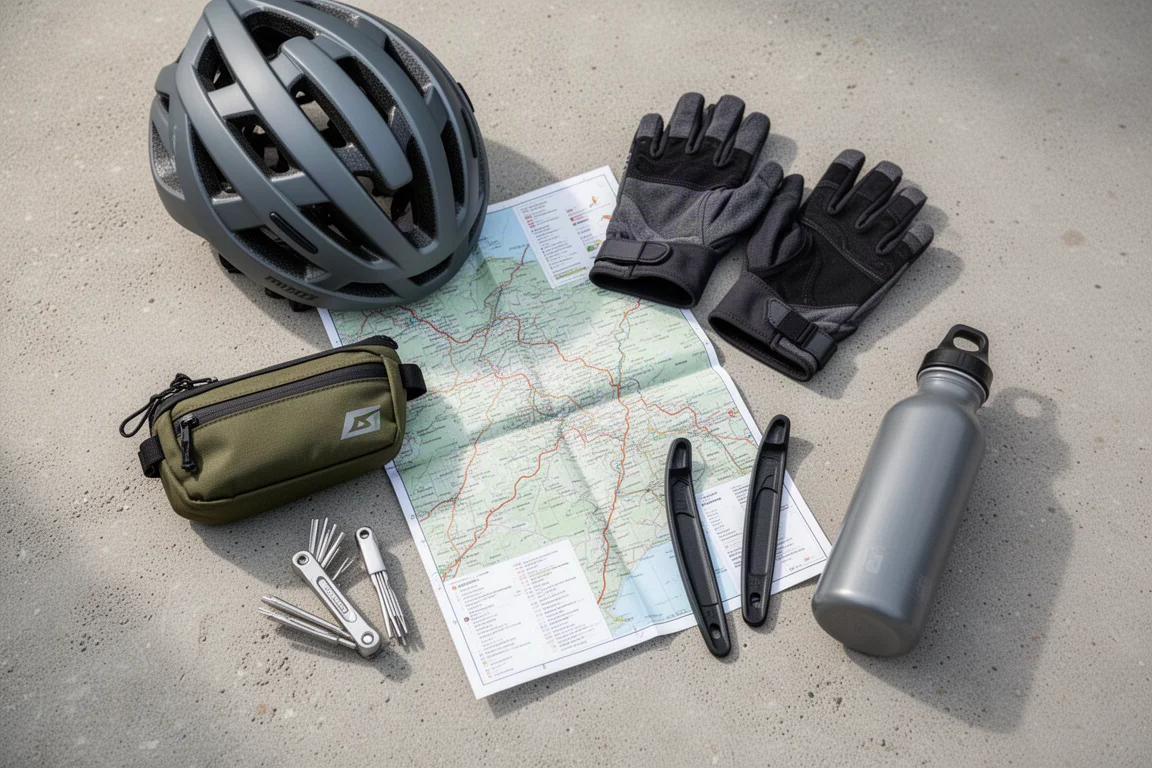
Riders who plan to commute or use the bike for transport should look at the model with mudguards and the rear rack. Fast-rolling 45 mm tires, integrated lights that run off the main battery and frame storage all support that kind of everyday use.
With four models spanning €5,000 to €8,000, there is room to pick a build that matches your budget and the terrain you actually ride.
Conclusion
The Grizl:ON will not suit everyone. What it represents is another option, for riders who have been cycling for years and for those new to the sport who like the idea of a bit of assistance for the riding they do. More ways to explore cycling, and more people riding bikes, is something worth encouraging.
A carbon frame at just over 15 kg, the Bosch SX motor with around 100 km of range, integrated Lupine lighting and up to 50 mm of tire clearance add up to a bike with a clear identity: light enough to feel natural, assisted enough to open up longer and hillier routes, and practical enough for the daily commute.
Product link
View more details for Canyon Grizl:ON
This product is mentioned in the review. Check the specifications, options, and compatibility before buying.
View more details for Canyon Grizl:ONFurther reading
Related Reviews
E-Gravel Bikes
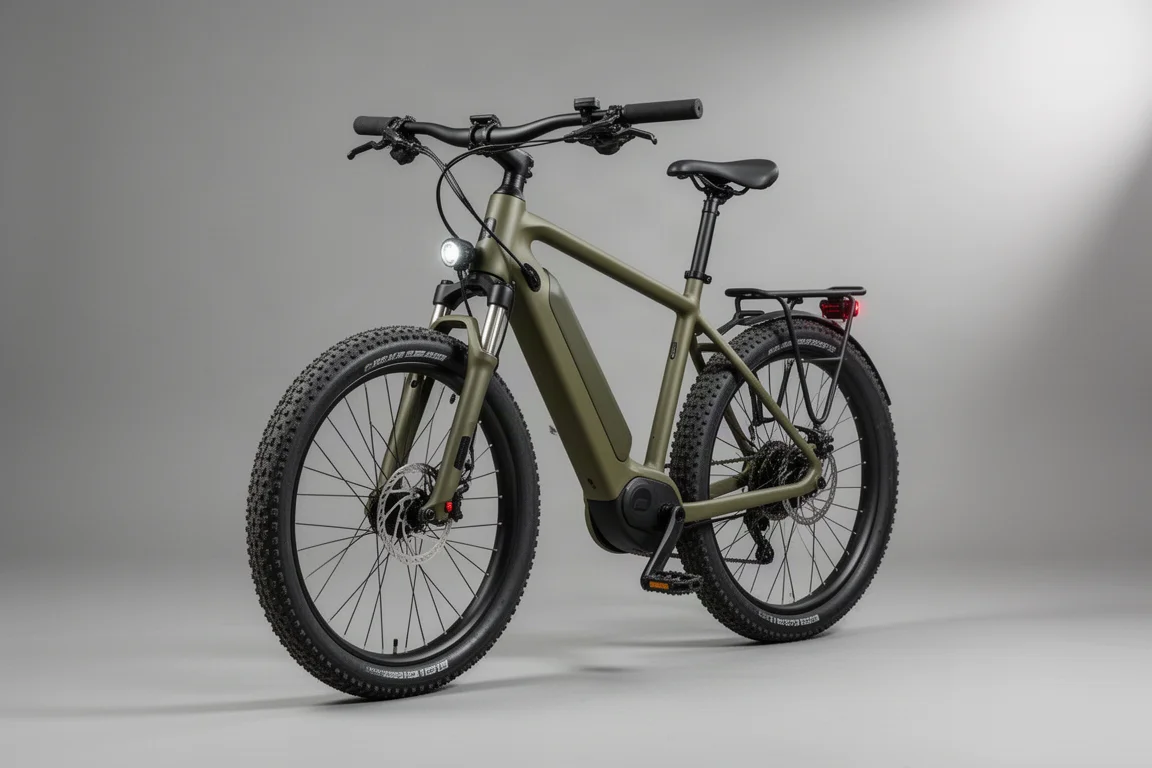
Canyon Grizl:ON: A Lightweight Carbon E-Gravel Bike With Range and Integrated Lights
Canyon's second-generation e-gravel bike pairs a carbon frame and a Bosch SX motor with a 15.3 kg build, roughly 100 km of range and integrated Lupine lights.

Backpacking Gear
Building a 10 lb Base Weight: An Ultralight Backpacking Gear List
A practical walkthrough of the ultralight pieces behind a 10 lb base weight, from a 765 g pack and a roomy one-person tent to a full camp chair and a dependable water filter.
Road Bikes
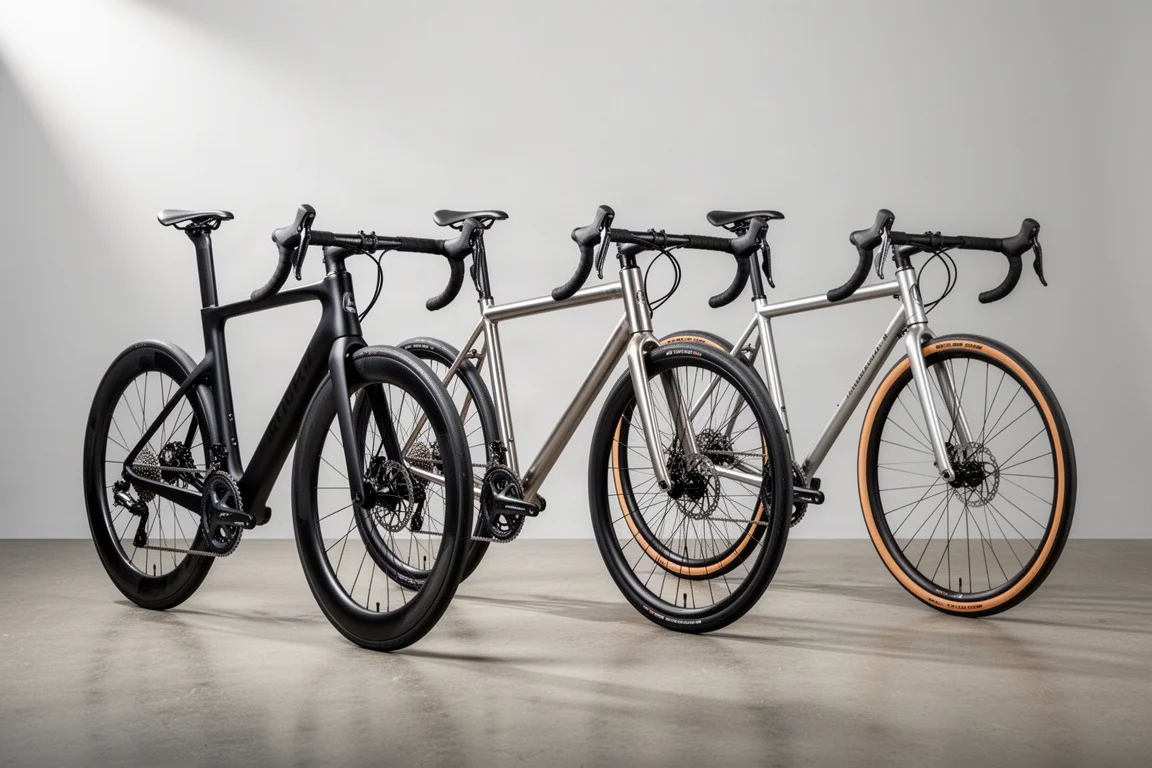
10 New Road Bikes Worth Watching: Aero, Titanium, Steel and Endurance Standouts
A practical roundup of 10 new road bikes, from aero flagships chasing single-watt gains to titanium, steel and endurance platforms built for real roads.