Cycling Gear
Canyon Grail, Shimano SPD-SLR and More: Six Cycling Launches Worth Knowing
A practical look at the Canyon Grail, Shimano SPD-SLR pedals, the S-Works Diverge, wide tires from Continental and Vittoria, and the POC Tempor time trial helmet.
Introduction
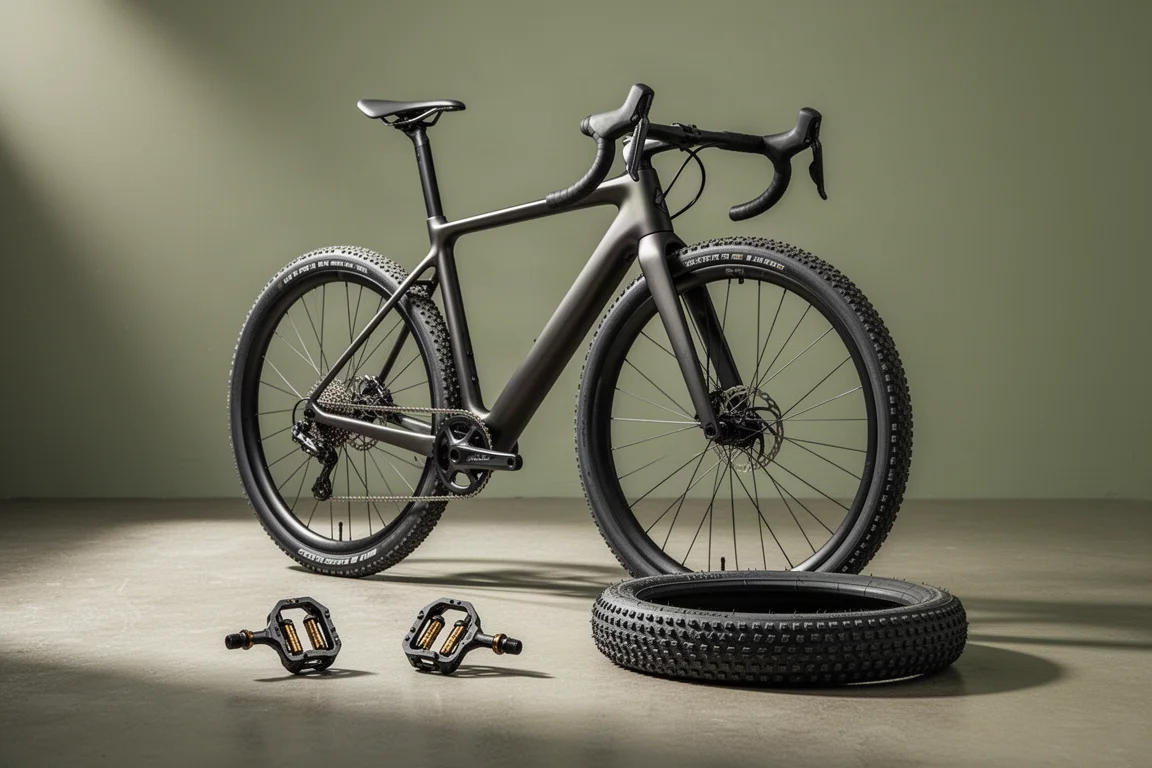
Canyon’s new Grail gravel race bike has finally been made official, and it arrives with a pricing strategy that stands out against the premium race bikes around it. In the same window, Shimano has introduced its first new clipless road pedal system in 23 years, Specialized has added an S-Works build to the Diverge line, and wider tire options keep arriving from Continental and Vittoria. POC has also updated its Tempor time trial helmet with a shape that is hard to miss.
Each of these launches solves a different problem, and each comes with a trade-off worth understanding before you spend money. This roundup walks through what stands out, what to watch for, and who each product is really for.
Canyon Grail: A Race Gravel Bike With Genuine Value
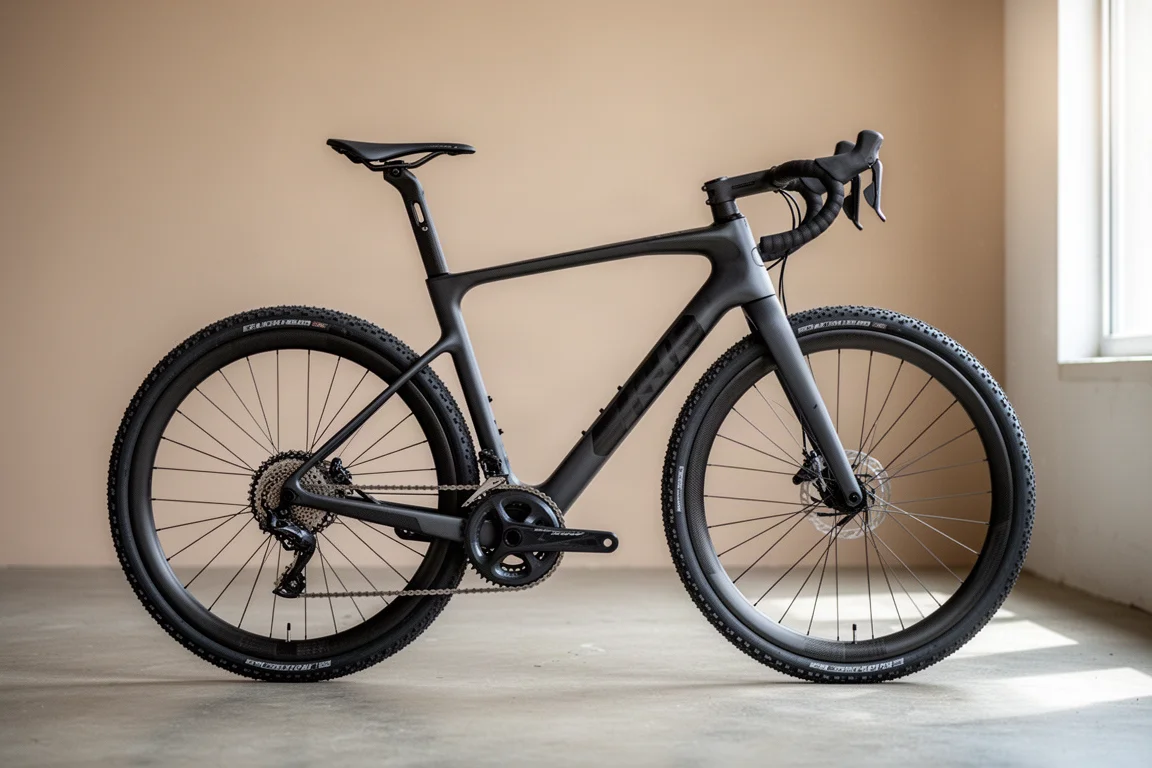
Canyon has split the new Grail into three models. The CFR is the race build, lightest and stiffest, with no down tube storage in favour of a more minimal frame. Below it sits the SLX, and at the entry point there is the CF. All three follow the same aerodynamic, gravel-race brief.
The SLX build used for testing runs Shimano GRX Di2, specifically the second-tier 715 groupset that sits at a 105-equivalent level, paired with Canyon’s new CF50 gravel wheels. Those wheels use a 50 mm deep, 27 mm internal hookless profile and feel well matched to the bike’s purpose.

The detail work is thorough. The frame accepts fenders, clears 57 mm tires, and uses a new VCLS comfort aero seatpost plus a new cockpit with a gravel-shaped outer section, 20 mm of width adjustment and stack height adjustment. Canyon also offers a quick-release frame bag developed with Cyclite that mounts to studs on the frame, and the three-litre bag weighs roughly 160 grams.
Canyon’s aerodynamic figures are quoted at 35 km/h, a more realistic speed for gravel racing than the numbers usually published. The company says the new Grail is comparable to a Cervélo Aspero 5 on 45 mm tires with control wheels and a moving leg mannequin, and around five watts more efficient than the previous Grail on 40 mm tires. Fitted with a 55 mm tire, it is still roughly three watts quicker than the old model on 40 mm rubber.
Pricing is where the Grail makes its strongest argument. The SLX GRX Di2 build tested here retails at £3,899, while the range starts at around £2,500 and runs to roughly £9,000 for a SRAM Red AXS build. For context, an S-Works Crux with Red AXS is priced at £12,000.
Out on the road, a slacker head angle and revised trail give the Grail a fast, composed feel on wide open gravel while keeping it willing on tight, technical singletrack. It ships with 45 mm tires, and a set of 2.2 inch tires supplied for testing transforms it on rougher terrain. A stock tire choice at the point of purchase would be a genuinely useful addition, because tire selection matters so much depending on where you ride.
Shimano SPD-SLR: A Small Step With a Compatibility Question
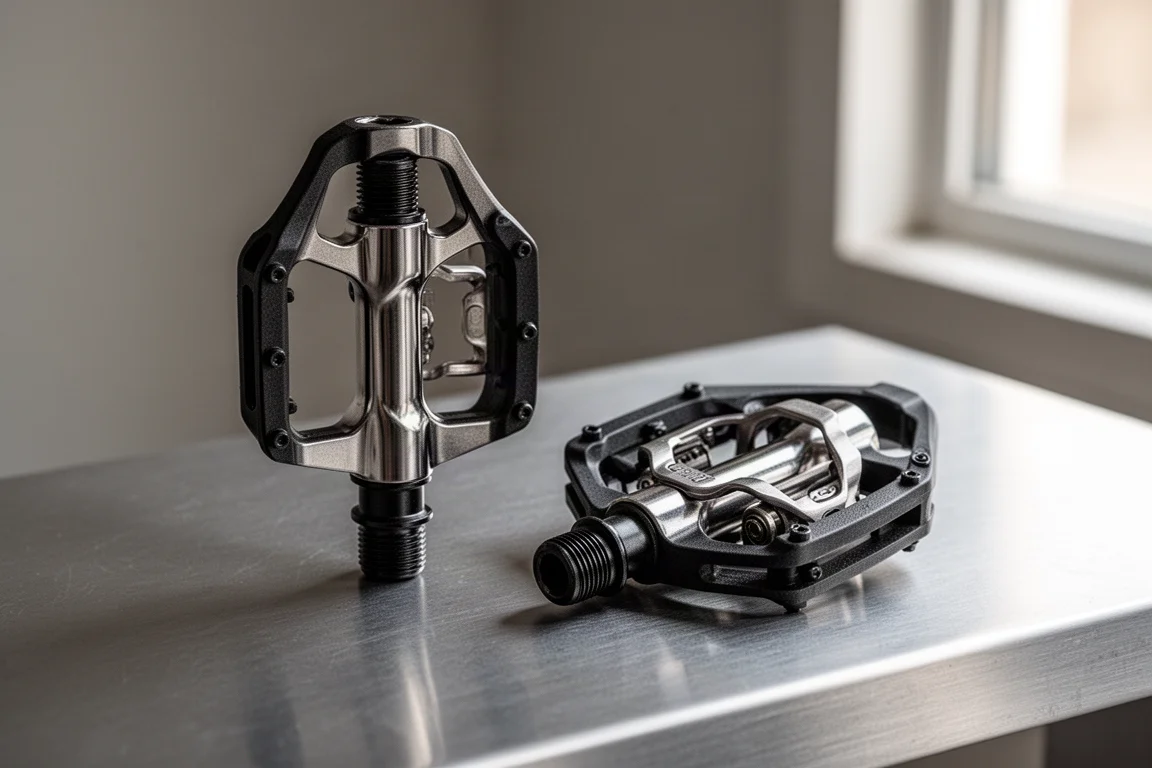
Shimano’s SPD-SLR is the first new clipless road pedal system from the brand in 23 years, and it arrives as an evolution of the SPD-SL platform rather than a reinvention. The headline changes are modest: 2.3 mm less stack height and roughly 16 grams saved, with the reduction coming largely from the new cleats.
Shimano does not quote a performance gain, which is a fair position. What the pedals do deliver is a more direct feel, because the gap that previously allowed a small amount of movement on the pedal is gone, and the foot sits marginally closer to the spindle. Larger bearings stiffen the pedal body, although that outboard bearing arrangement already appeared on the Dura-Ace R9100 pedals.
The practical complication is cleat adjustment. To achieve the lower stack height while retaining some adjustability, the new cleats need a wider range of shoe adjustment. Shimano has released new shoes with an expanded range to compensate, but shoes with fixed cleat bolt holes, or designs that rely on rotating hardware and expect the cleat to cover the final positioning, may not let the cleat sit where you want it. Shimano’s position is that most high-end shoes offer enough adjustment and that its fitting data shows most riders do not use the full range, and it has not indicated that it coordinated with other shoe brands ahead of launch.
There is a grey cleat in the range that offers three degrees of float and a wider adjustment range, but it gives up the stack height benefit. Third-party SPD-SL pedals are now widely available, and compatible non-Shimano cleats are inexpensive, which makes staying on the existing standard a reasonable choice for many riders. Shimano’s reputation for pedal longevity remains a strong point either way.
Specialized S-Works Diverge: Who Is It Actually For
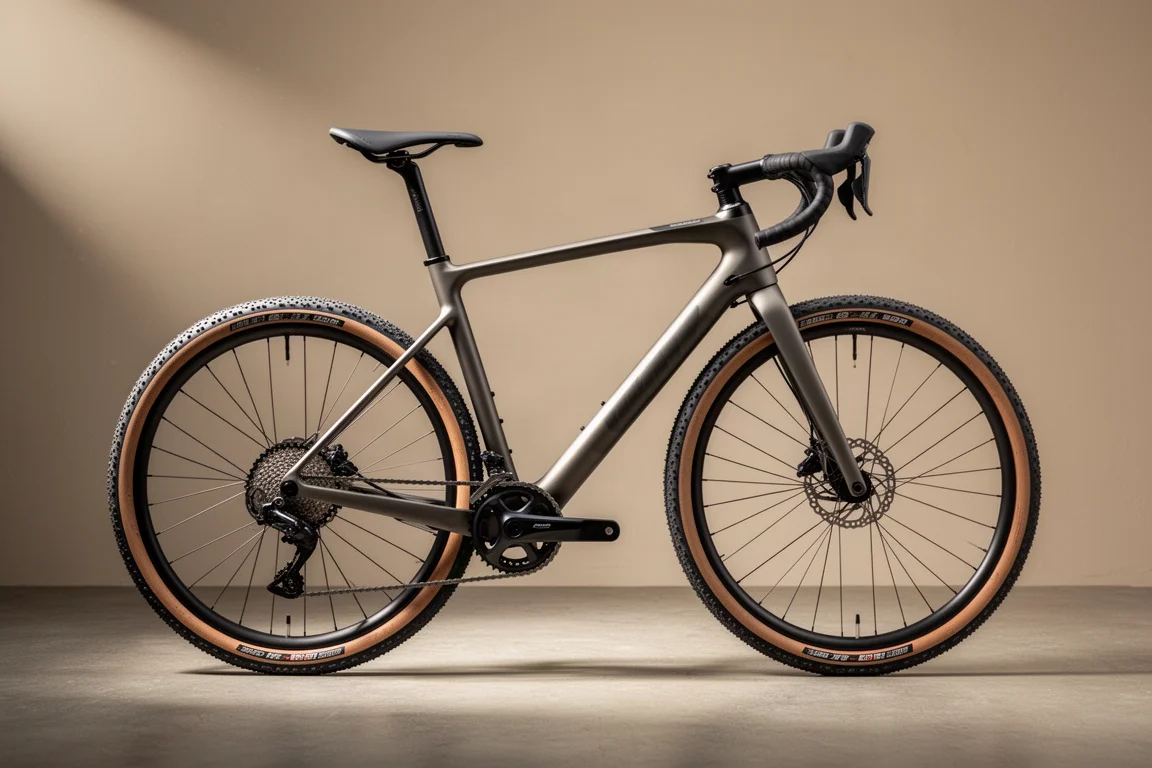
The S-Works Diverge adds a premium build to a model that has felt somewhat overshadowed since the Crux moved into chunky tire territory. The S-Works treatment brings a lighter carbon layup and routes the cables through the headset, which tidies the front end but makes maintenance more involved.

The Diverge has an unusual recent history. An earlier version used a dialled-in rear suspension design that worked well on the trail but never developed further, and it now appears quietly shelved. The S-Works build seems aimed at a different audience: riders taking on long-distance events where comfort and carrying capacity matter as much as outright speed.
Price is the obvious consideration. The S-Works Diverge sits at around $11,999, with regional pricing differences, which places it well above the Canyon Grail for a similar gravel-racing remit. That does not make it a poor bike, but it does mean the case for it has to rest on the specific events and riding you have in mind.
Continental Grand Prix in 32 mm: An Underrated All-Rounder
Continental has added a 32 mm option to the Grand Prix line. It is an easy tire to overlook, partly because it turns up as original equipment on mid-range bikes, but the compound is very close to the brand’s premium 5000-series rubber, with production handled elsewhere.
That combination makes it fast, pleasant in feel and inexpensive, which is an unusual mix in the tire market. A 35 mm version would broaden its appeal further, particularly for riders who want a little more volume on rougher surfaces without moving to a full gravel tire.
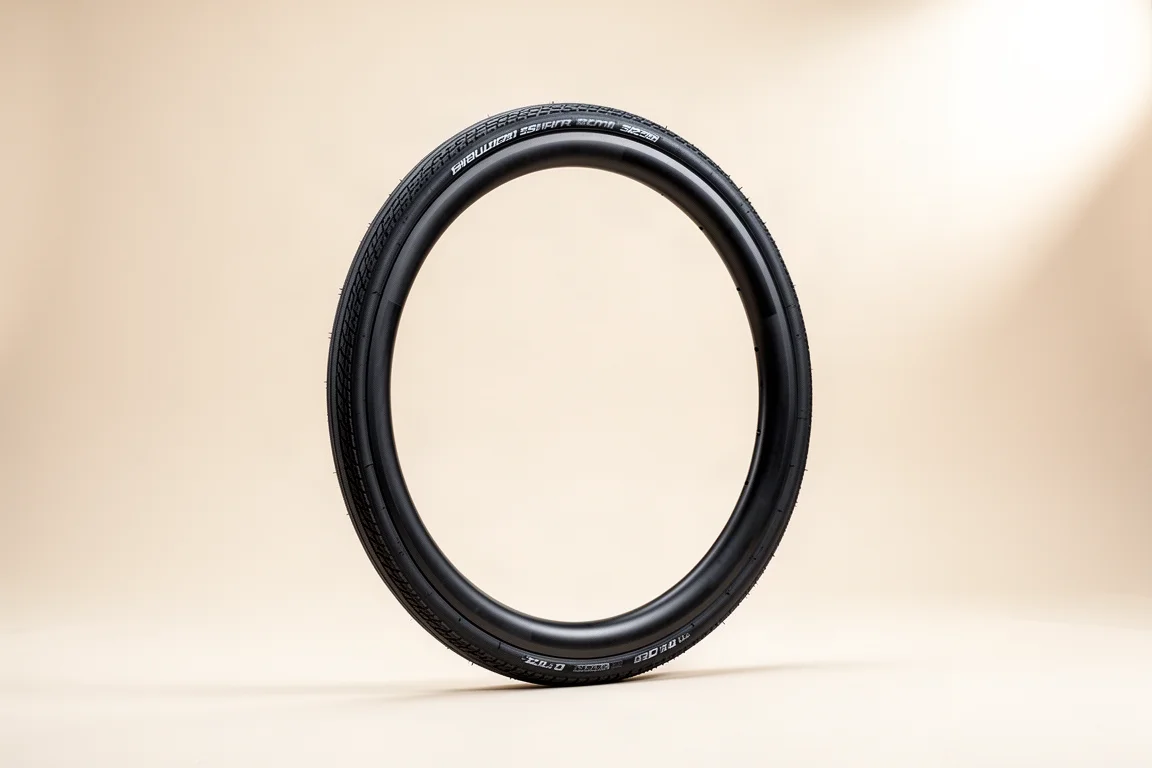
Vittoria RideArmor in 42 mm: Wide Rubber for Rough Surfaces
Vittoria has extended the RideArmor range with a 42 mm size. On paper it reads as a durable touring option for riders who spend long days on mixed surfaces, provided their frame and fork have the clearance to take it.
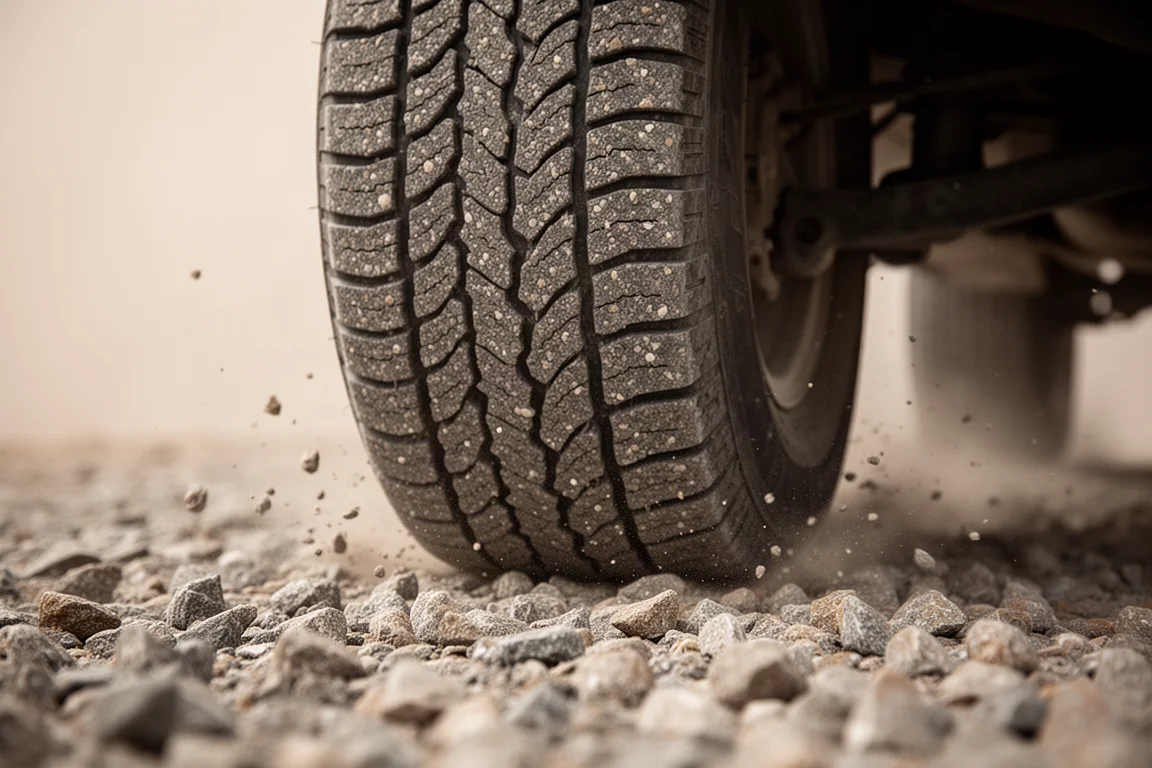
Wide tires remain one of the most cost-effective upgrades in cycling, and every new size broadens the number of bikes that can benefit. The main thing to check is clearance, since 42 mm tires need meaningfully more room than the 35 to 38 mm rubber many frames are designed around.
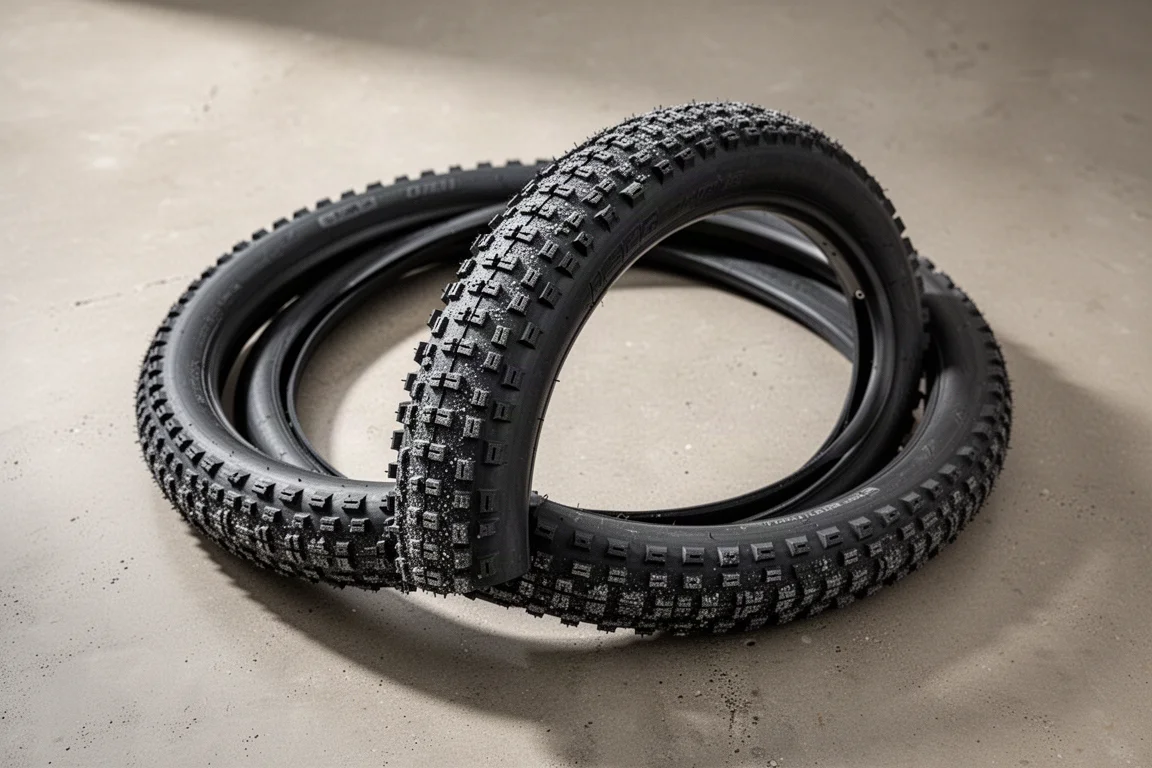
POC Tempor: A Time Trial Helmet Built Around the Shoulders
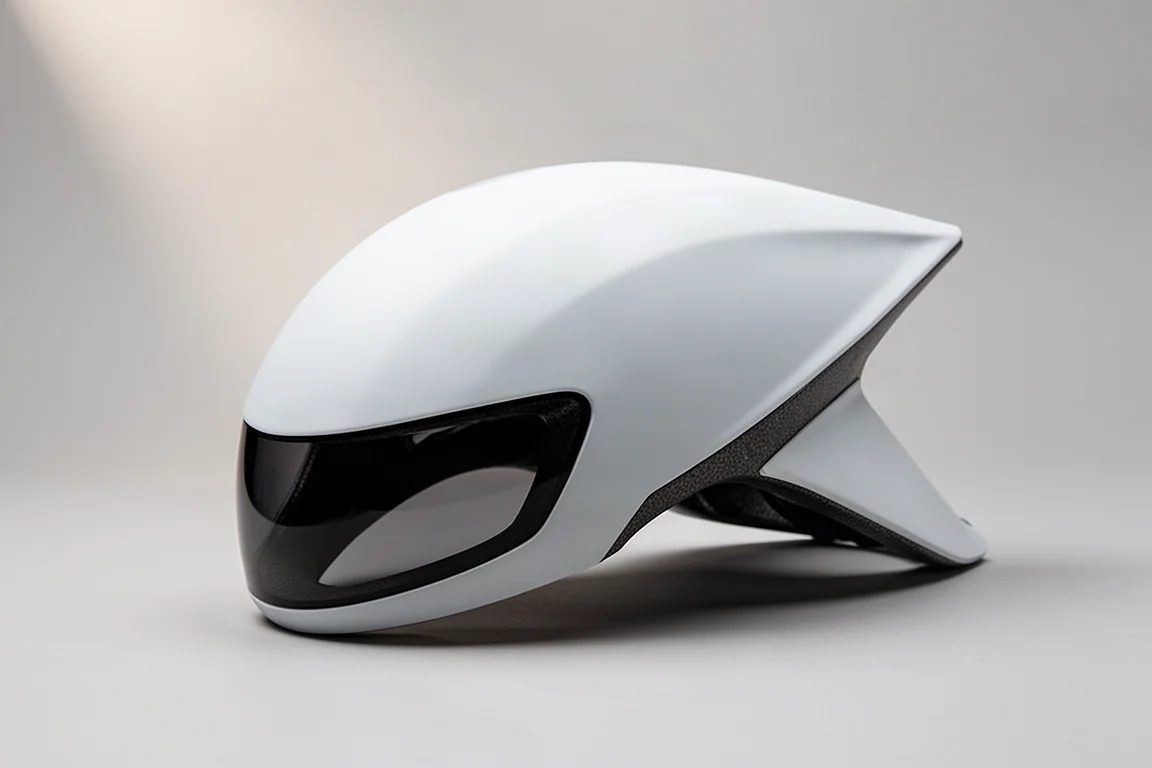
The updated POC Tempor takes a distinctive approach to time trial aerodynamics. Its profile is closer to a speed skiing helmet, shaped to integrate with the rider’s shoulders so airflow is guided around the body rather than stalling in the gap between helmet and back.
POC offers the helmet in two sizes, a narrow and a wide option, so riders can match it to their shoulder width. That sizing logic is what makes the design coherent rather than merely unusual, since the whole point is a smooth transition from helmet to shoulders.
Whether regulators will be comfortable with the shape is an open question. Time trial helmet design has drawn attention before, and the current regulatory climate has been notably cautious about banning equipment outright. Either way, it is a reminder that aerodynamic development in time trialling is still moving quickly.
Buying Advice: Matching the Upgrade to the Riding You Actually Do
The Canyon Grail is the most straightforward recommendation in this group. It combines race geometry, 57 mm tire clearance, fender mounts and a genuinely competitive price, and it handles technical terrain with more confidence than its fast-road manners suggest. Riders who mostly race on smooth, wide gravel will get the most from it.
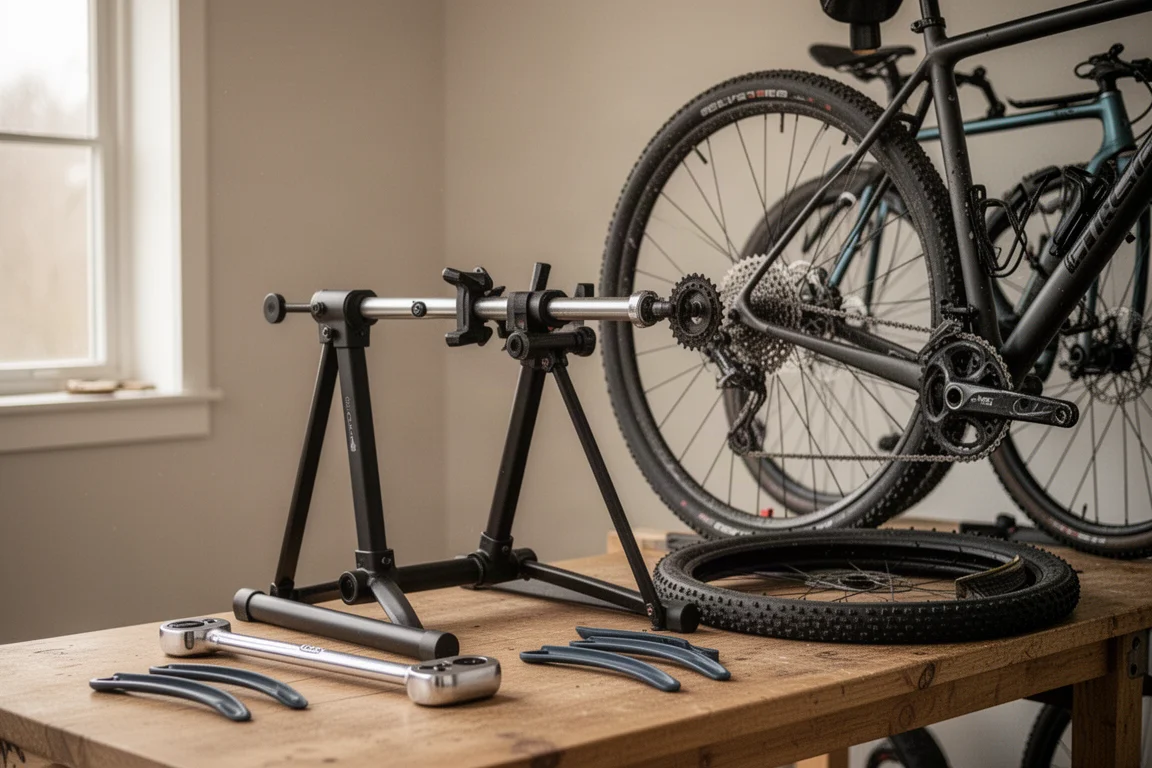
On pedals, the decision comes down to your shoes. Shimano SPD-SLR delivers a slightly more direct feel and a marginally lower stack height, but it only makes sense if your shoes offer enough cleat adjustment range to position the cleat correctly. If they do not, the existing SPD-SL ecosystem remains excellent, widely available and inexpensive to maintain.
Tires are the easiest place to improve a bike, and both the 32 mm Continental Grand Prix and the 42 mm Vittoria RideArmor widen the options. Check frame clearance first, then decide whether you are chasing speed, durability or volume.
The S-Works Diverge and the POC Tempor are specialist choices. The Diverge suits long-distance events where comfort and capacity matter, while the Tempor is aimed squarely at time trial riders chasing aerodynamic detail. Neither is an impulse purchase, and both make most sense when they match a specific goal.
Conclusion
Six launches, six different answers to the question of what a rider actually needs. The Canyon Grail stands out for value, the Shimano SPD-SLR is a modest refinement with a shoe-compatibility caveat, and the wider tire options from Continental and Vittoria are the simplest upgrades to justify. The S-Works Diverge and POC Tempor reward riders who already know exactly what they are training for.
Further reading
Related Reviews
Cycling Gear
8 Cycling Products Riders Keep Coming Back To
Eight cycling components and accessories with clear strengths, honest trade-offs and long-standing reputations among riders and mechanics.
Cycling Gear
Aero Helmets and Bottle Setups Tested: Six Options Ranked by Measured Watt Savings
Wind tunnel data on six aero helmets and bottle setups, with real watt savings, practical trade-offs, and guidance on what is worth buying first.
Cycling Gear
Aero Road Bikes and Fast Tires Worth Watching in 2026
Four aero road bikes and one fast road tire, with the real strengths, the open questions, and what to check before you buy.