Road Bikes
Canyon Endurace Review: An Entry-Level Road Bike That Kept Up
A £1,000 all-road bike with Shimano CUES, hydraulic disc brakes, and a few smart setup changes. Here is what it does well, where the entry-level spec shows, and who should buy it.
Introduction
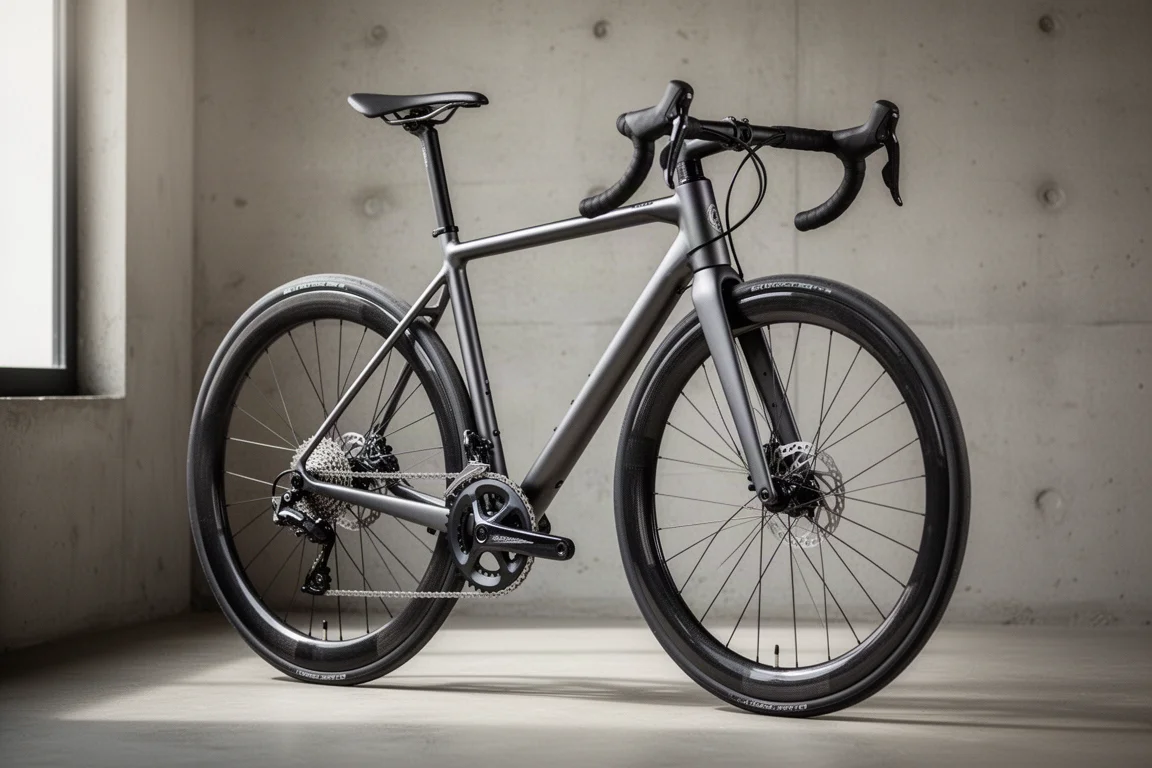
The Canyon Endurace is an entry-level road platform built around Shimano’s CUES groupset, hydraulic disc brakes, and a frame that is equally at home on tarmac, light gravel, or a daily commute. The CUES U6030 build reviewed here sits at around £1,000, the price point where most riders buy their first proper road bike.
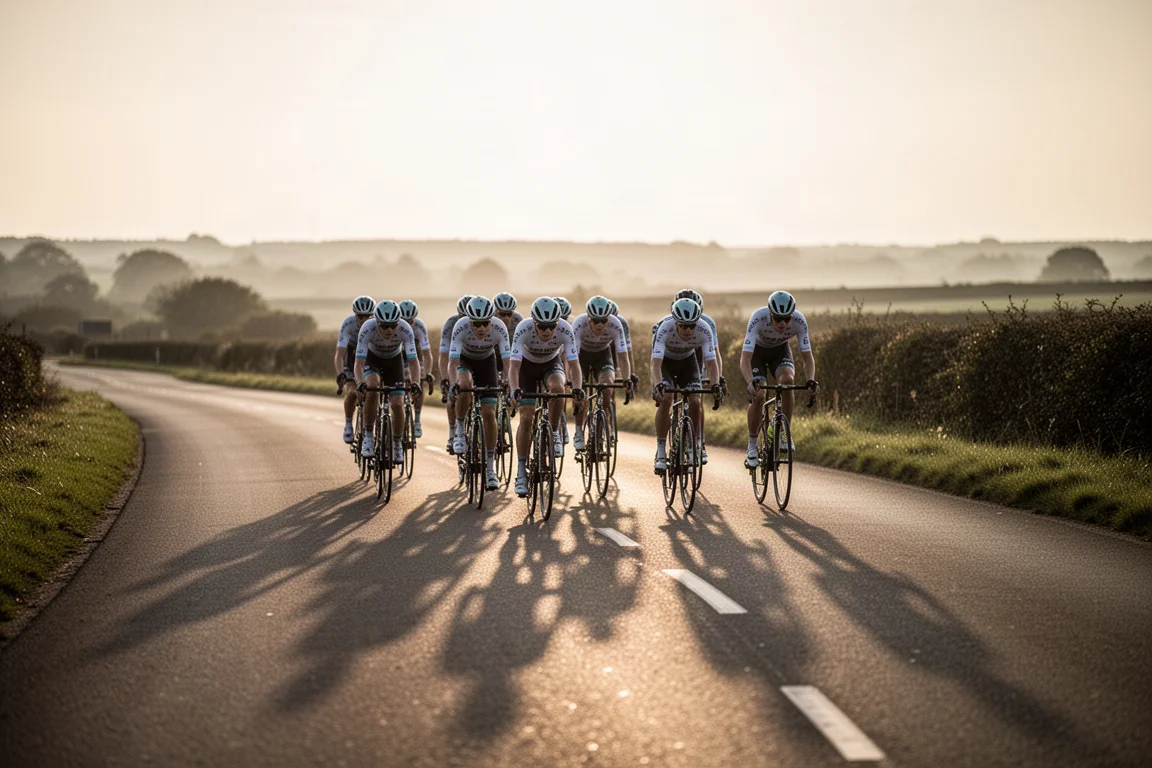
The obvious question is whether a bike at this price can survive a genuinely fast group ride, the kind where the front group averages close to 45 km/h (28 mph) on a good day. Over a 60 km route with just over 500 m of climbing, this one did more than survive. It finished second in a field riding far more expensive machinery.
That result is worth unpacking. This review covers what the Endurace does well, where the entry-level specification becomes visible, and which setup changes made the biggest difference to speed.
Who the Canyon Endurace Is For
The Endurace suits riders who want one machine to cover most of what they do. It is built to handle road riding, light off-road sections, bike packing, commuting, and long alpine climbs, and nothing in the specification argues against any of that.
It is a strong choice for a first road bike buyer who wants hydraulic disc brakes, a dependable mechanical drivetrain, and a frame that will not look out of place on a club run. It also works for riders who already own a faster bike but want something reliable for winter miles, mixed surfaces, or loaded trips.
It is a weaker fit for riders chasing the last few percent of performance. Weight and gear ratio spacing are where the entry-level specification shows most clearly, and riders who care about those details will notice them on steep climbs and long, fast sections.
Main Strengths of the Canyon Endurace
The fundamentals are right. The frame takes tires wide enough for mixed surfaces, braking is confident, and the drivetrain covers a broad range of gearing without asking much in return.
Versatility Across Road, Gravel, and Commuting
The platform is designed to work on road and off it. The same bike that holds a wheel in a fast group can be loaded for bike packing, used for a commute, or pointed at an alpine climb. That flexibility is the strongest argument for choosing it over a dedicated race bike.
For riders who split their time between tarmac and rougher surfaces, that range is worth more than a small gain in sharpness.
Hydraulic Disc Brakes and a Broad Groupset Range
The build reviewed here uses the Shimano CUES U6030 groupset: two chainrings at the front, ten speeds at the back, hydraulic disc brakes, and mechanical shifting. The brakes proved rock solid in use, with strong and predictable stopping power and no drama on fast descents.
CUES is a family of components rather than a single specification. Across the range it covers 9, 10, or 11 speeds, mechanical or hydraulic disc brakes, and a wide choice of gear ratios. It consolidates several older Shimano lines, including Sora, Tiagra, Claris, Altus, Alivio, Acera, and some Deore mountain bike components, which is a large part of why it now appears on so many bikes at this price.
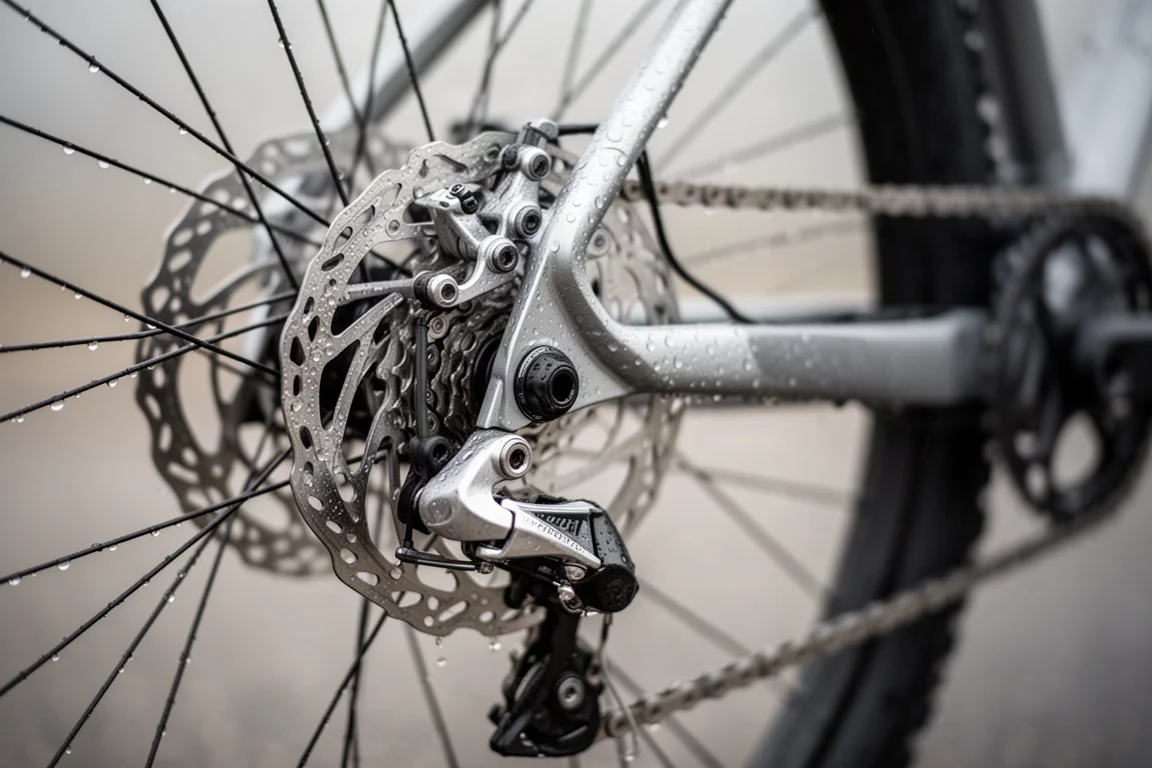
The build reviewed here was set up for speed within the limits of the platform: Shimano RS710 carbon wheels at 46 mm depth, drawing on design cues from Shimano’s higher-tier wheelsets; Pirelli P Zero Race RS tires; a longer 140 mm stem; a narrow alloy handlebar measuring 36 cm across the hoods with a slight flare in the drops; and a Selle Italia SLR saddle. None of these changes alters what the bike is, but together they make it noticeably quicker over a long, hard ride.
How It Performed on a Fast 60 km Group Route
The test was a weekly fast group ride: 60 km with just over 500 m of elevation, opening with 5 km of climbing, then three short ramps around the halfway point and two more close to the finish. The front group averages close to 45 km/h (28 mph) on a good day, and the field included riders on much more expensive bikes.
Inside the first 20 minutes the group had already split. The Endurace stayed near the front and finished second. Ride data from the evening showed an average of around 300 W over roughly an hour and 23 minutes, with 26 minutes spent above 380 W and 15 minutes above 430 W.
The bike was not the reason any wheel was lost. On the hardest sections, the limit was the rider, not the equipment.
Where the Entry-Level Spec Shows Its Limits
Gear ratios are the first thing a fast rider notices. The ten-speed cassette covers a wide range, and the step from the 11-tooth sprocket to the next one, a 13 rather than a 12, leaves a gap that feels awkward at speed. The choice often comes down to a gear that is slightly too hard or one that is slightly too easy.
Weight is the second limitation, although it matters less in practice than the groupset’s position in the range might suggest. Shifting is mechanical and uses LinkGlide technology rather than the Hyperglide or Hyperglide+ systems found on higher-tier groupsets. It works, and it held up under load, but it is not as fast or as crisp as electronic shifting, or even as Shimano 105 mechanical.
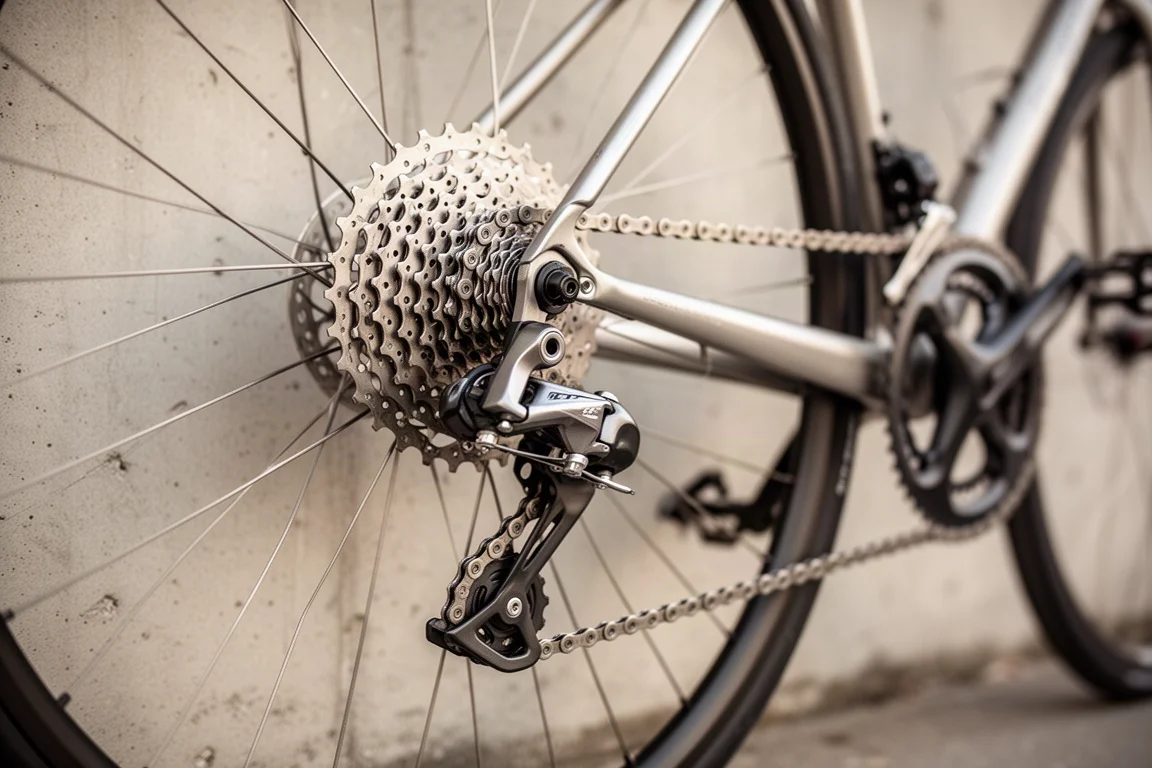
Braking gave nothing away. The hydraulic disc brakes stayed strong and predictable throughout, and they were the part of the specification that felt least compromised by the price.
What the Ride Says About Entry-Level Bikes
The result is a useful data point for anyone who assumes a bike has to cost several thousand pounds to be fast. With a strong rider aboard, an entry-level platform with entry-level components held its own over 60 km at a high average speed.
That does not turn the Endurace into a superbike. It does suggest the gap between entry-level and high-end is smaller in real riding than the price difference implies, and that the rider remains the largest single variable.
For this build, the changes that returned the most speed for the money were bike fit and fast tires, with wheels a close third. The stock wheels would likely have been adequate for most of the ride.
Buying Advice for Entry-Level Road Bike Shoppers
At around £1,000, the Endurace is a sensible first road bike. It brings hydraulic disc brakes, gearing wide enough for climbing and commuting, and a frame that works on more than one surface, which together cover the needs of most new riders.
If speed matters more than versatility, plan the spending order carefully. Bike fit comes first, tires second, and wheels third. A longer stem and a narrower handlebar change the position for very little money, and fast tires deliver a noticeable gain for the cost.
If you race or ride in fast groups every week, gear spacing will be the first thing you notice. A bike with a closer-ratio cassette, or one with electronic shifting, will suit that kind of riding better.
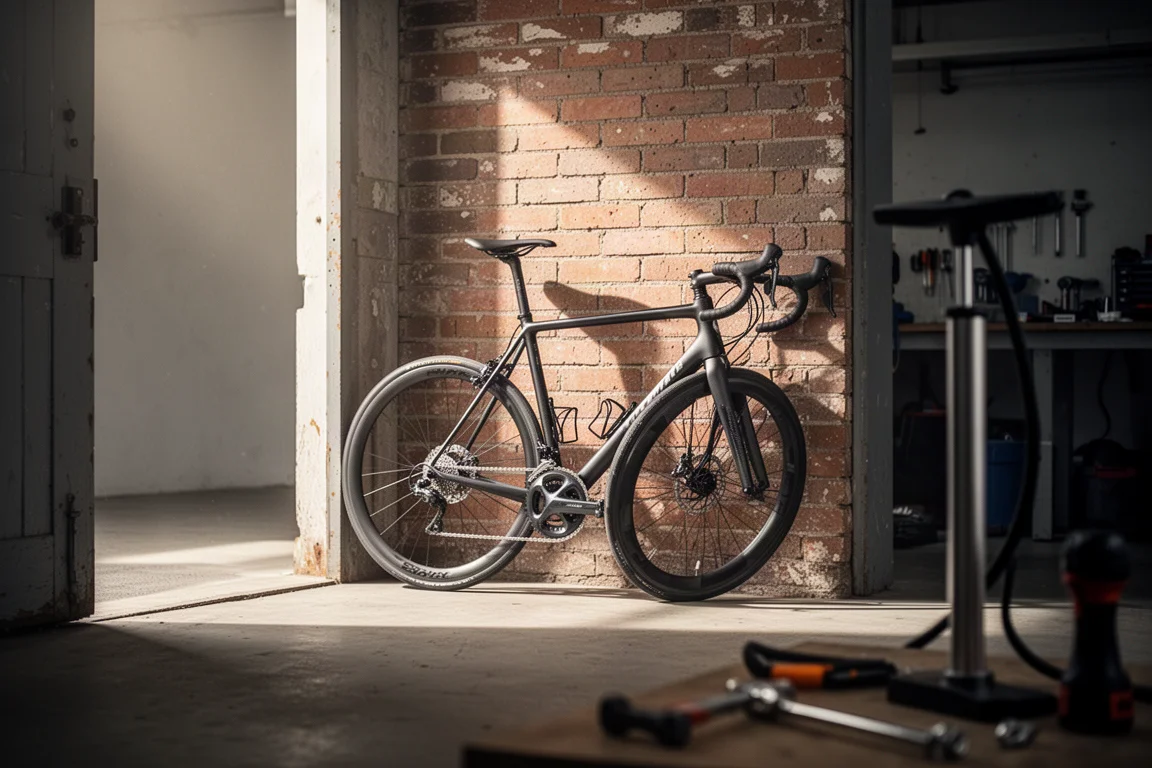
For everyone else, the Endurace is a capable, honest entry-level platform. It is at its best as a single bike that covers commuting, light off-road riding, longer trips, and the occasional hard group ride without needing to be anything more than it is.
Conclusion
Entry-level bikes are more capable than their price suggests. Over 60 km at a high average speed, the Canyon Endurace stayed with machinery costing several times as much, and the parts that held it back are the ones every rider at this price expects: weight, wide gear spacing, and mechanical shifting that is not as quick as the electronic alternative. For a first road bike that also commutes, tours, and handles mixed surfaces, that is a fair trade.
Product link
View more details for Canyon Endurace
This product is mentioned in the review. Check the specifications, options, and compatibility before buying.
View more details for Canyon EnduraceFurther reading
Related Reviews

Road Bikes
10 New Road Bikes Worth Watching: Aero, Titanium, Steel and Endurance Standouts
A practical roundup of 10 new road bikes, from aero flagships chasing single-watt gains to titanium, steel and endurance platforms built for real roads.
Road Bikes
2026 Tour de France Road Bikes: Six Race Machines Worth a Closer Look
Six race bikes from the 2026 Tour de France grid, reviewed for paint, silhouette, wheels and the specification details that matter to buyers.
Road Bikes
3T Strada Italia Review: A Radical Aero Road Bike That Rides Smooth
A made in Italy carbon aero road bike with a deep head tube, wide tire clearance and a genuinely comfortable ride. Here is what to know before buying.