Road Bikes
Canyon Endurace CFR vs Canyon Aeroad: Endurance Comfort or All-Out Race Speed?
A practical comparison of Canyon's endurance flagship and its aero race platform, covering geometry, tyre clearance, storage, cockpit details and who each bike suits.
Introduction
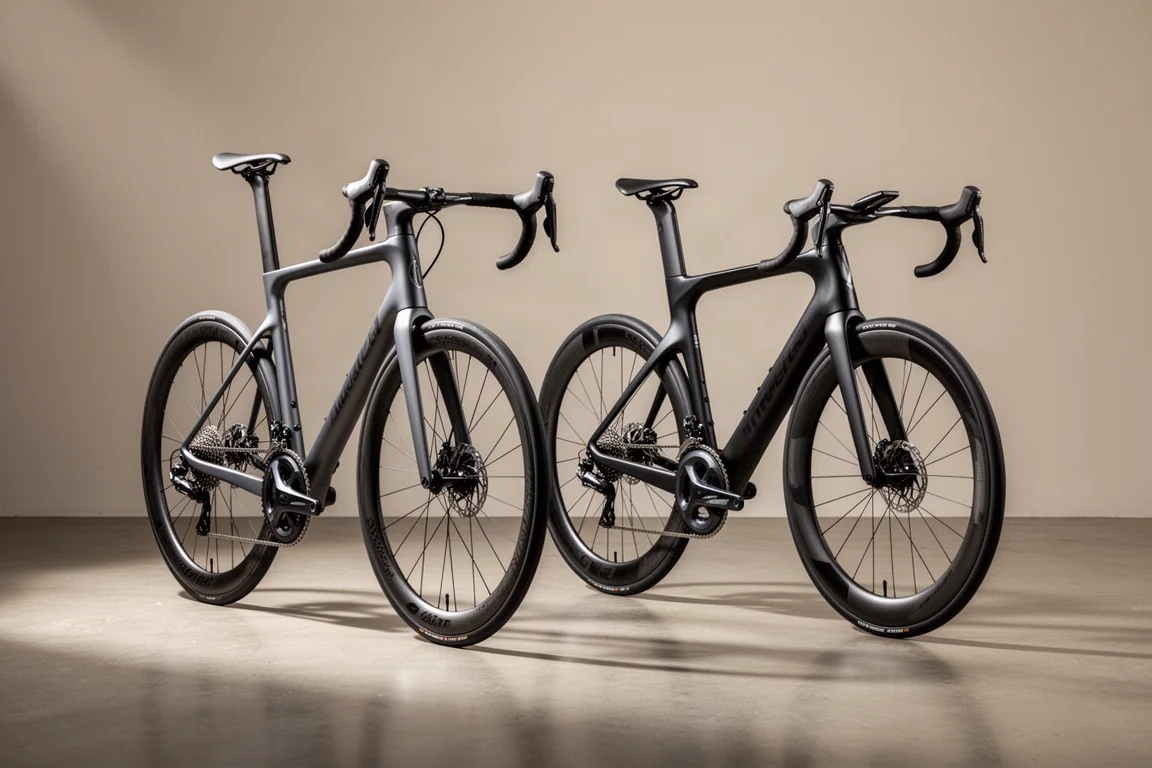
Canyon’s road range splits along a fairly clear line. One side is built around outright speed and the low, aggressive position that comes with it. The other is built around comfort over long distances, while still being a bike you can ride fast.
The Endurace CFR and the Aeroad sit on opposite sides of that line, and choosing between them is less about which bike is quicker and more about how you actually ride. This guide sets out what separates the two platforms, what the endurance flagship brings to riders who want to keep going hard for longer, and which kind of rider each bike genuinely suits.
How These Two Canyon Road Bikes Differ
The Endurace has been part of Canyon’s range since 2014, and the latest generation leans further into comfort-led design than ever. It is built around a more relaxed geometry than a race bike: a longer wheelbase, slacker head tube and seat tube angles, a higher stack and a shorter reach.
The Aeroad takes the opposite approach. It is a race platform with a deep competition pedigree, designed around a low frontal area and an aggressive rider position. On both bikes you get Canyon’s integrated cockpit technology, which routes cables out of the wind and contributes to aerodynamic efficiency.

The difference is how that technology is deployed. On the Endurace it supports a more upright position that can be held comfortably for hours, while on the Aeroad the same thinking is applied to keep the rider as low and as slippery as possible. Both are fast. They simply ask different things of the person on board.
Canyon Endurace CFR: The Endurance Platform
The CFR designation marks this bike out as the endurance model built with Canyon’s highest grade of carbon, the same tier used on top-spec Aeroad and Ultimate models. In a size medium with a SRAM Red AXS build, the Endurace CFR comes in at a claimed 7.3 kg, which keeps it a genuinely capable climber despite its comfort focus.
Comfort is engineered rather than simply tuned down. The frame runs Canyon’s signature VCLS seat post with a lower clamping point, which increases flex, and a slightly kinked seat tube that further improves vibration damping. Integrated storage in the top tube adds to the long-distance brief, with room for a multi-tool, a plug, tyre levers and a CO2 canister.
The range runs across eight sizes, from triple XS to double XL, with the two smallest sizes built around 650b wheels. For taller riders, that double XL is among the largest road bikes you can buy.
Endurace CFR Geometry and Compliance in Practice
Geometry is where the endurance character is most obvious. Compared with a race-orientated bike, the longer wheelbase stretches the whole machine out, which adds stability and introduces a natural flex and compliance. The slacker seat and head tube angles absorb road buzz rather than passing it straight up through the frame.
That is paired with a higher stack and shorter reach, which raises the front of the bike and shifts the rider’s weight slightly more upright. The practical effect is less pressure through the lower back, shoulders and core across a long ride. For anyone nursing an old injury, or simply finding an aggressive position harder to hold than it used to be, that change matters more than a spec sheet suggests.
Compliance also comes from the VCLS 2.0 seat post, a two-bladed carbon design that the brand also uses on its gravel models. Canyon says it provides flex without the need for a heavier mechanical solution.
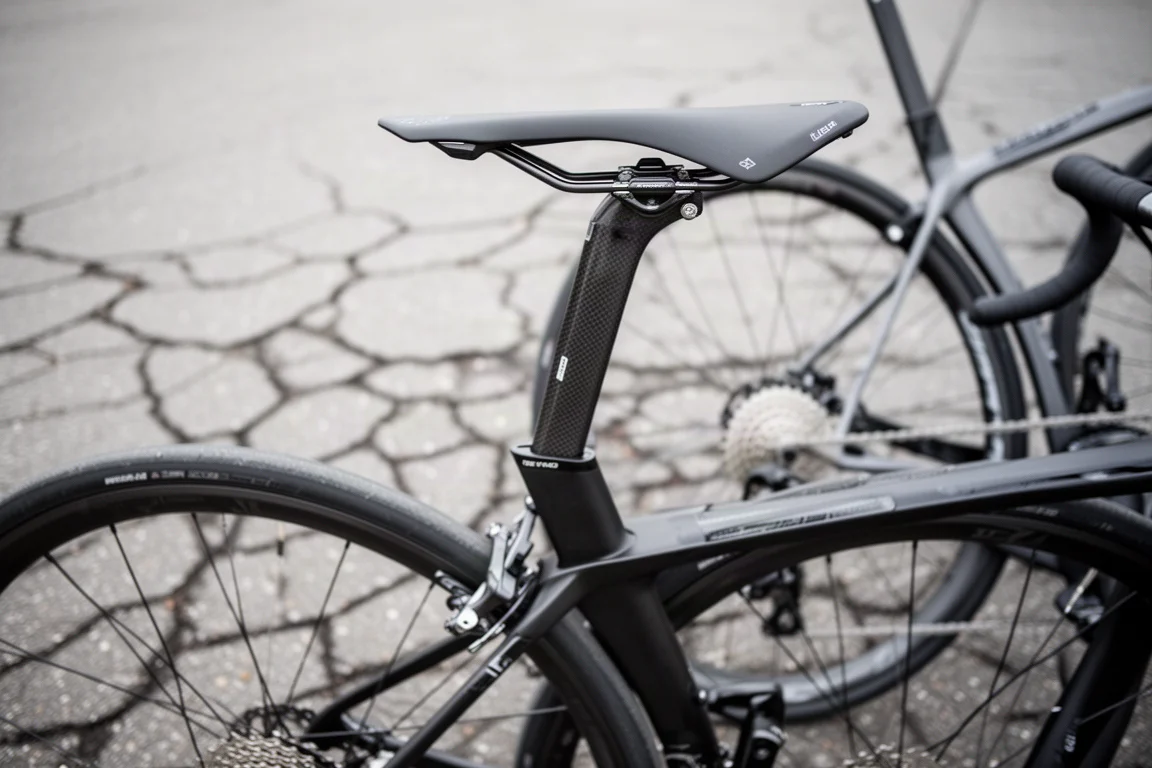
Speed has not been abandoned in the process. The latest Endurace is claimed to save 7 watts at 45 km/h over the previous model, helped by a slender down tube, a narrow head tube and the removal of external cabling.
Canyon Aeroad: The Race Platform
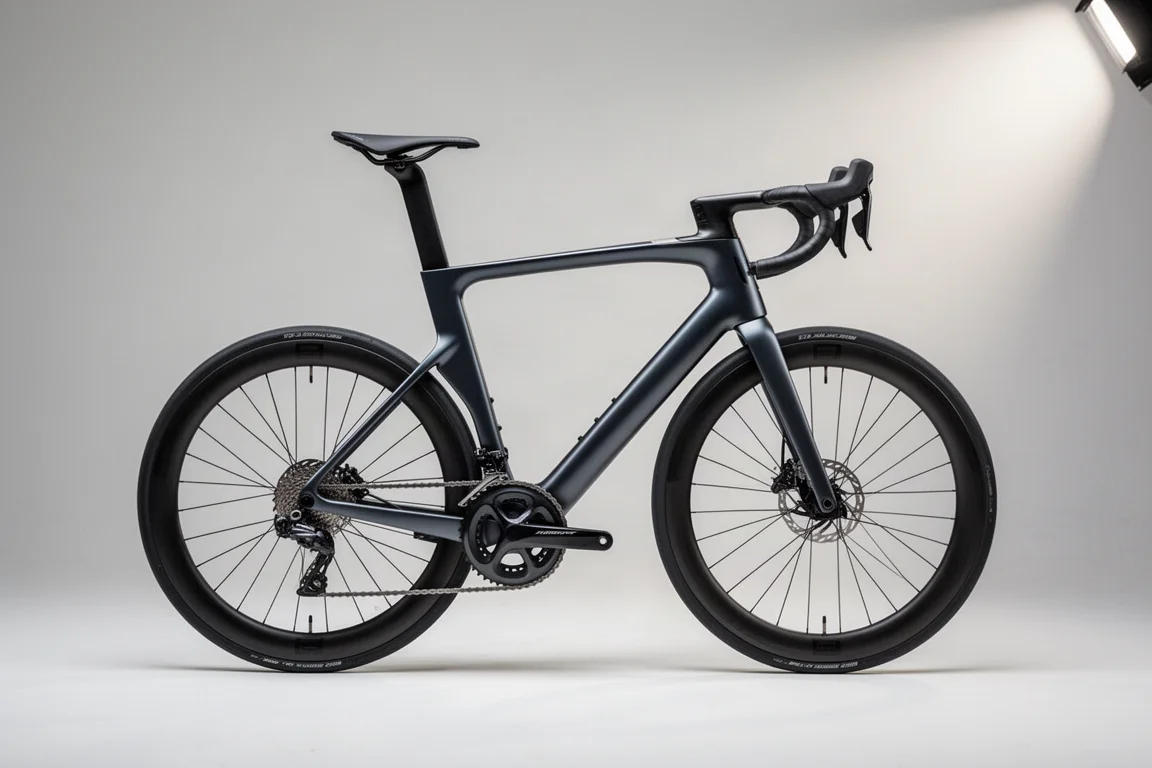
The Aeroad is the other half of the equation and it makes no apology for its priorities. This is a machine built for riders who want an all-out aero road bike, with a racing record at World Championship level and a shape drawn around speed rather than long-haul comfort.
Its development shares aerodynamic work with Canyon’s Speedmax time trial platform, and it is the model from which the brand’s integrated cockpit technology first came. The result is a bike that rewards a committed position and a rider willing to hold it.
That is a real and legitimate choice. For riders whose riding is built around hard, shorter efforts, racing, or chasing personal bests, a platform like the Aeroad delivers exactly what it promises. The caveat is not performance, it is sustainability of position over distance, which is where the endurance geometry on the other bike starts to earn its keep.
Real-World Riding: Where Each Bike Makes Sense
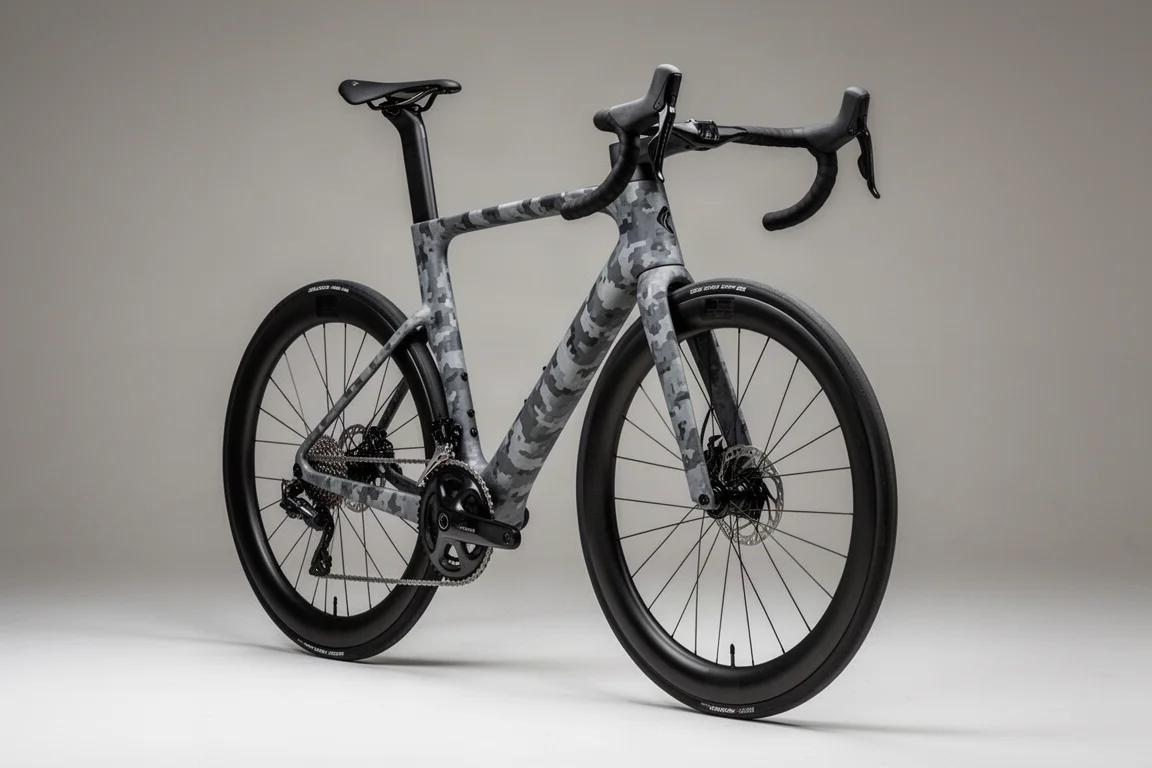
An aggressive position is excellent if the goal is to get low at the front and reduce aerodynamic drag. The problem is maintaining it. Over a long ride, an aggressive setup can lead to earlier fatigue, and tired riders naturally sit up on the tops of the bars, which gives back much of the aerodynamic advantage they were chasing in the first place.
A more relaxed geometry changes that calculation. The position is easier to hold, so the rider stays comfortable deeper into a ride. Counterintuitively, that often makes for a faster outing overall, because there is less need to sit up and recover. Tucking the head down out of the wind becomes something you can do when you choose to, rather than something you can only manage for short stretches.

There is also the question of where you ride. Rough, poorly surfaced roads are common in many regions, and a bike that damps vibration keeps you fresher on them. The Endurace’s approach is aimed squarely at that reality, which is why it works so well on quieter, less travelled routes as well as on big days out.
Tyre Clearance, Storage, and Cockpit Details
Tyre clearance is one of the clearest practical differences in day-to-day use. The Endurace accepts tyres up to 35 mm, and the bike as specced runs 30 mm at the front and 32 mm at the rear. Canyon’s reasoning is that rider weight is mostly distributed through the back wheel, so a slightly narrower front tyre balances aerodynamics against compliance. Wider rubber can be run at lower pressure, rolls well on imperfect surfaces and opens up route options that a pure race setup would rule out.
The top tube storage is the other detail that points to longer rides, holding a multi-tool, a plug, tyre levers and a CO2 canister within the frame rather than in a jersey pocket.
The cockpit carries over technology first developed on the aero models. Cables are integrated, and for travel the bars can be folded down rather than removed. Width can be adjusted by up to 40 mm and height by 15 mm without cutting the steerer, which makes fitting and packing considerably less painful than a fully fixed front end.
Buying Advice: Choosing Between Endurace CFR and Aeroad
The honest answer is that both bikes are excellent and the decision rests on the type of rider you are. If you race, if you chase short, hard efforts, or if a low front end is something you can hold without thinking about it, the Aeroad is the natural pick. It is a race bike in the fullest sense and it is built to be ridden that way.
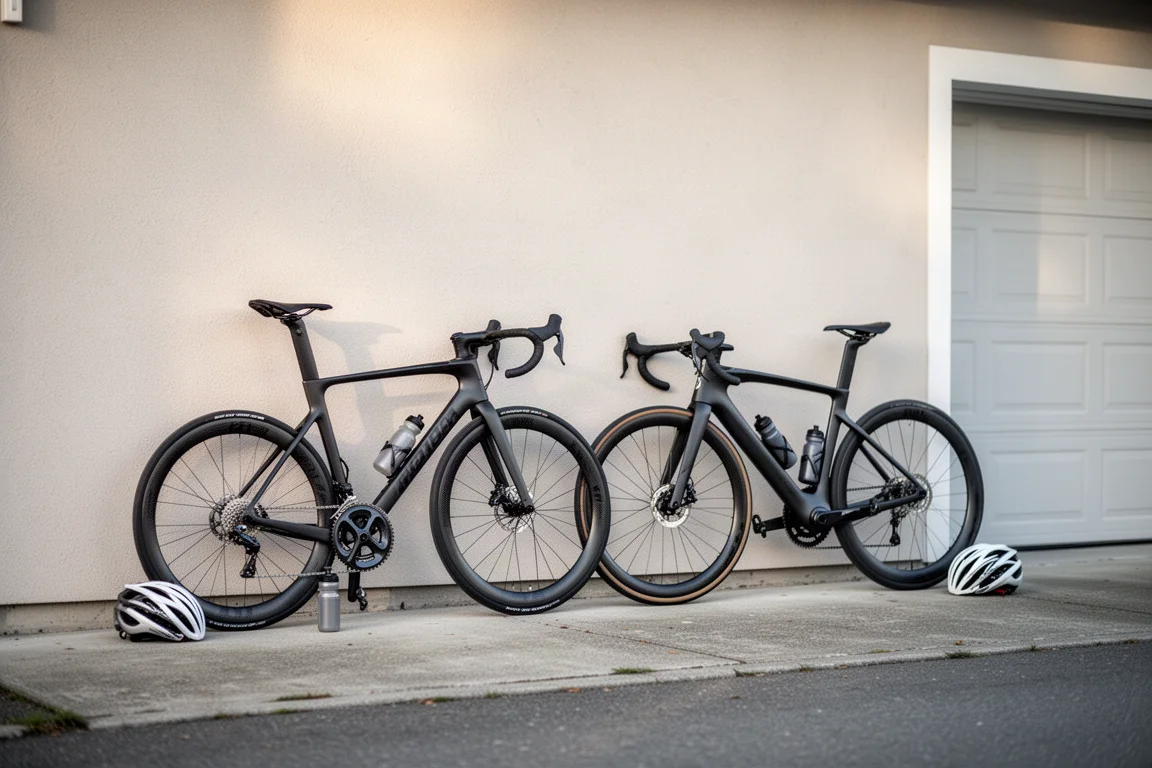
If your riding has shifted towards long days, rougher roads, the occasional deviation onto quieter lanes and a preference for finishing a big ride still feeling human, the Endurace CFR is the more useful bike. It is still quick, still light, and still rewards hard efforts, but it removes the constant negotiation with your own position.
Riders coming back from injury, riders whose training volume no longer matches a pro-style setup, and riders who simply enjoy a more relaxed style of riding will get more out of the endurance platform. Riders whose whole enjoyment comes from outright speed will find the race platform hard to beat. Buying the bike that matches your riding, rather than the one that looks fastest on paper, is the choice that leads to more time on the road and, in practice, more speed.
Conclusion
The Endurace CFR and the Aeroad are not competing for the same rider. One is an endurance bike that has been made properly fast, with geometry, seat post design and tyre clearance all working towards comfort over distance. The other is a pure aero race machine with a competition record to match.
Pick the endurance platform if comfort and versatility will keep you riding more. Pick the race platform if speed and a committed position are what you are chasing. Either way, you are buying into the same engineering thinking, applied to two very different ideas of a good ride.
Further reading
Related Reviews

Road Bikes
10 New Road Bikes Worth Watching: Aero, Titanium, Steel and Endurance Standouts
A practical roundup of 10 new road bikes, from aero flagships chasing single-watt gains to titanium, steel and endurance platforms built for real roads.
Road Bikes
2026 Tour de France Road Bikes: Six Race Machines Worth a Closer Look
Six race bikes from the 2026 Tour de France grid, reviewed for paint, silhouette, wheels and the specification details that matter to buyers.
Road Bikes
3T Strada Italia Review: A Radical Aero Road Bike That Rides Smooth
A made in Italy carbon aero road bike with a deep head tube, wide tire clearance and a genuinely comfortable ride. Here is what to know before buying.