Road Bikes
Canyon Aeroad Review: Pace Bar Cockpit, Aero Bars, and What Riders Should Know
A close look at the fourth generation Canyon Aeroad, from its new Pace Bar cockpit and integrated aero bars to frame updates, build options, and pricing.
Introduction
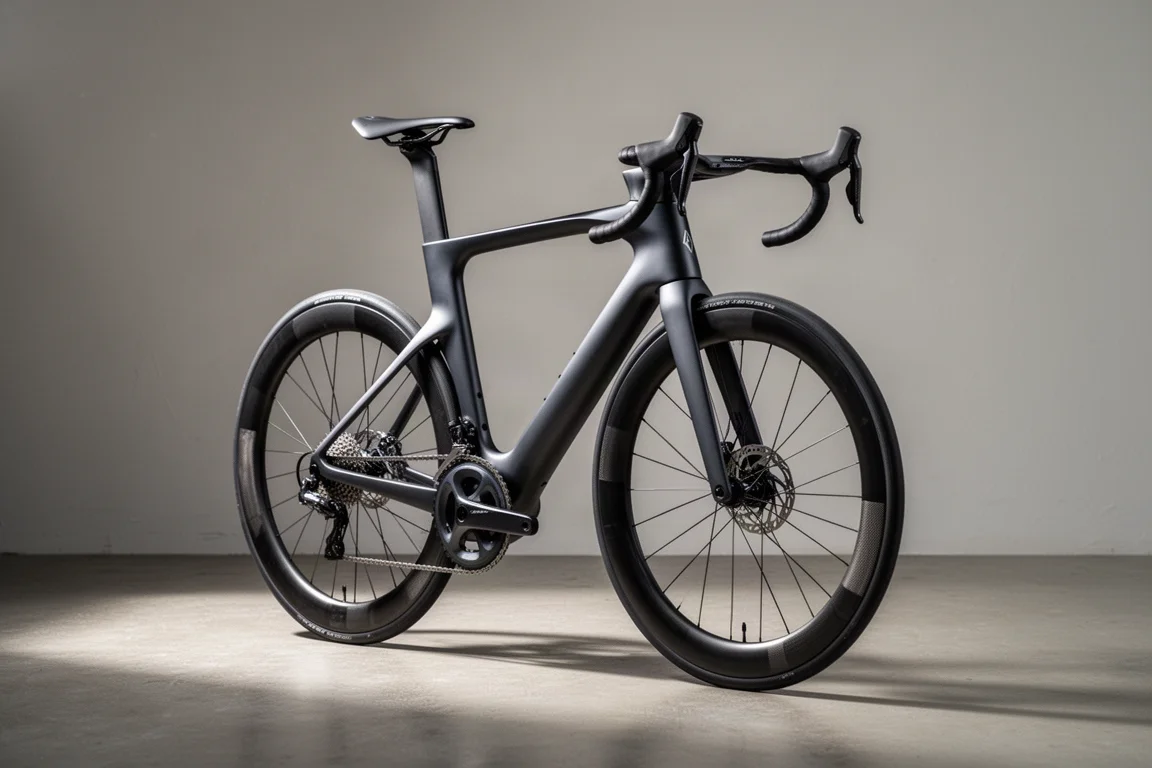
The fourth generation Canyon Aeroad looks remarkably similar to the bike it replaces, and that appears to be deliberate. Underneath the familiar silhouette is a reworked frame and a redesigned cockpit that together answer a question riders have been asking for a long time: how do you fit aero bars to an Aeroad?
The answer is the Pace Bar, short for Performance Adaptive Cockpit Ecosystem. It builds on the existing adjustable cockpit, widens its range, and adds a modular design that lets aero bars bolt directly into the handlebar assembly. For riders who want one fast road bike that can also hold a time trial position, that single change matters more than any tube profile.

The frame has been updated as well. The down tube, head tube and fork blade profiles are narrower and longer for aerodynamics, the top tube is slightly thicker for stiffness and more responsive handling, and tire clearance now reaches 32 mm. Canyon claims a 40 g weight saving and around 14 watts saved at 45 km/h from the new frame shape and handlebars.
Who This Product Is For
This is a bike for riders who want aerodynamic speed without giving up everyday usability. The aero bar integration is the clearest expression of that idea: the same machine can be a sleek road bike for group rides and a more efficient platform for solo efforts or triathlon-style training, depending on how the cockpit is set up.
The range is split across two platforms, CFR and CF SLX. Both share the same features and geometry but use different carbon fiber build processes. The lightest option is the CFR with Shimano Dura-Ace Di2, which weighs just 7 kg. The CF SLX is the more accessible entry point, weighing only just over 8 kg with SRAM Rival. The decision usually comes down to budget and how much the weight difference matters to you.
Main Strengths
Aerodynamics and stiffness sit at the centre of this update. Narrower, longer tube profiles reduce frontal area, while the thicker top tube adds rigidity for sharper handling when you are pushing hard out of a corner or winding up a sprint.
Weight is competitive too, and the frame is versatile. The lightest build lands at 7 kg, and even the more affordable platform sits only just over 8 kg. Combined with 32 mm tire clearance, the Aeroad can run wider, more comfortable tires without losing its aero character.
Professional rider input shaped several of the refinements. The seat post clamp was moved up the frame, a change reportedly requested specifically to improve the feedback the rider feels through the bike. Taken together with the aero and stiffness updates, the result is a fast road bike that stays composed and predictable across a wide range of riding.
Cockpit and Aero Bar Integration
The Pace Bar cockpit is the headline feature. It expands on the existing ecosystem with 50 mm of width adjustment and 20 mm of height adjustment, and it now uses a modular design so the drops can be swapped between classic and aero shapes.
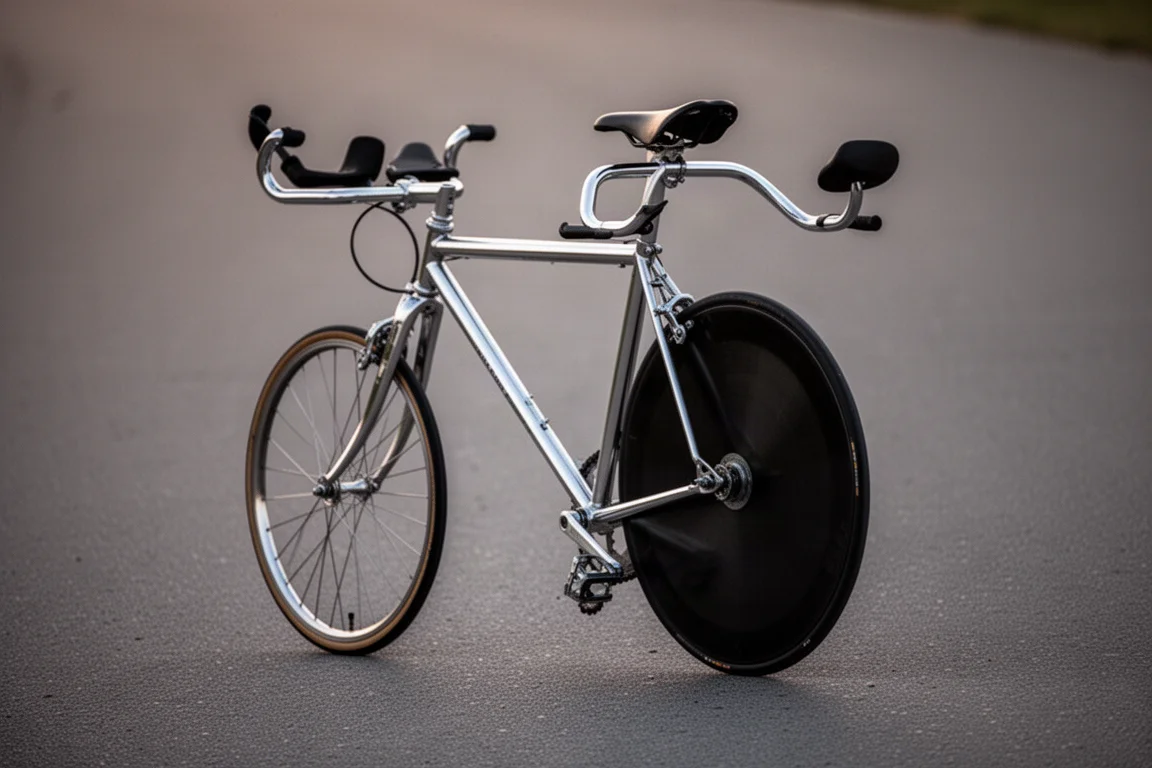
The aero bars themselves will look familiar to anyone who has spent time on a Canyon Speedmax, because they are essentially the same bars. They are highly adjustable: you can change the length by loosening the bolts in the middle, alter the angle of the grips, adjust the spacing between the grips to change width, add or remove spacers below the bars to change height, and even change the angle. The position of the elbow cups can be moved as well. Crucially, these are not standard clip-on aero bars. They integrate and bolt onto the handlebars.
The whole assembly can also be removed, leaving a clean and sleek road bike cockpit behind. That flexibility is what turns a single bike into two quite different setups.
Practical Details and Durability
Canyon has paid unusual attention to the small things. Every bolt on the bike is produced by a German family-run business known for the quality of its products, and all of them are extra deep T25 heads. To make that practical, the end of the thru-axle lever carries a T25 tool, so you are not hunting through a drawer of Allen keys when you want to make an adjustment.
There are also small bumper pads on the underside of the fork, so you can set the frame down with the wheel removed without worrying about damaging it. The headset and bearing system has been completely redesigned around hybrid stainless steel ceramic bearings, which are described as extremely durable and reportedly outlasted demanding testing.

One detail worth watching is the pair of extra bolt holes on the seat post, currently intended for attaching a light or a number holder. Canyon has hinted at future uses for those mounts, and the similar arrangement on the Speedmax is used to carry a rear hydration system.
Things to Consider Before Buying
Price is the first thing to weigh up. The CFR build with Shimano Dura-Ace Di2 is listed at €9,999, while the CF SLX with SRAM Rival is listed at €4,199. Both share the same features and geometry, so the premium is largely about the lighter carbon layup, the build kit and the overall weight.
It is also worth being clear about what the aero bars are. They are an integrated addition to a road bike, not a dedicated time trial platform. If your priority is a pure road race machine, the cockpit flexibility is a bonus rather than a requirement.
Finally, the claimed 40 g weight saving on its own is modest. The more meaningful claim is aerodynamic: around 14 watts saved at 45 km/h with the new frame shape and handlebars, which is a speed-dependent benefit rather than something you will feel at every pace.
Buying Advice
Choose the CFR if low weight and a Shimano Dura-Ace Di2 build are what you are after, and the CF SLX if you want the same geometry, features and cockpit system at a much lower entry point with SRAM Rival. The CF SLX is only just over 8 kg, which keeps it competitive for most riders.
If aero bar capability is the reason you are looking at this bike, the cockpit is the deciding feature. The ability to bolt the bars in, tune them across length, grip angle, grip width, height and elbow cup position, and then strip everything back to a clean road setup is what separates this generation from what came before.

Whichever platform you pick, match the build to the riding you actually do. Riders chasing every watt on fast solo efforts will get the most from the aero package, while riders who mostly ride in groups will appreciate that the bike remains a composed, comfortable road machine once the extensions come off.
Conclusion
The fourth generation Canyon Aeroad is a familiar shape with genuinely useful changes underneath. The frame is slimmer and stiffer, tire clearance has grown to 32 mm, and the details around bolts, bearings and fork protection show real attention to everyday ownership.
The real story, though, is the Pace Bar cockpit and the integrated aero bars. They give riders the option they have been asking for, without forcing them to give up a clean road bike setup. With builds spanning the CFR at €9,999 and the CF SLX at €4,199, there is a version for different budgets, and the same geometry and features run through both.
Product link
View more details for Canyon Aeroad
This product is mentioned in the review. Check the specifications, options, and compatibility before buying.
View more details for Canyon AeroadFurther reading
Related Reviews

Road Bikes
10 New Road Bikes Worth Watching: Aero, Titanium, Steel and Endurance Standouts
A practical roundup of 10 new road bikes, from aero flagships chasing single-watt gains to titanium, steel and endurance platforms built for real roads.
Road Bikes
2026 Tour de France Road Bikes: Six Race Machines Worth a Closer Look
Six race bikes from the 2026 Tour de France grid, reviewed for paint, silhouette, wheels and the specification details that matter to buyers.
Road Bikes
3T Strada Italia Review: A Radical Aero Road Bike That Rides Smooth
A made in Italy carbon aero road bike with a deep head tube, wide tire clearance and a genuinely comfortable ride. Here is what to know before buying.