Road Bikes
Canyon Aeroad Review: Inside the Fourth-Generation Aero Race Bike
Canyon's fourth-generation Aeroad is lighter, more aerodynamic and easier to service. Here is what changed, and how the CFR and CF SLX 7 builds compare.
Introduction
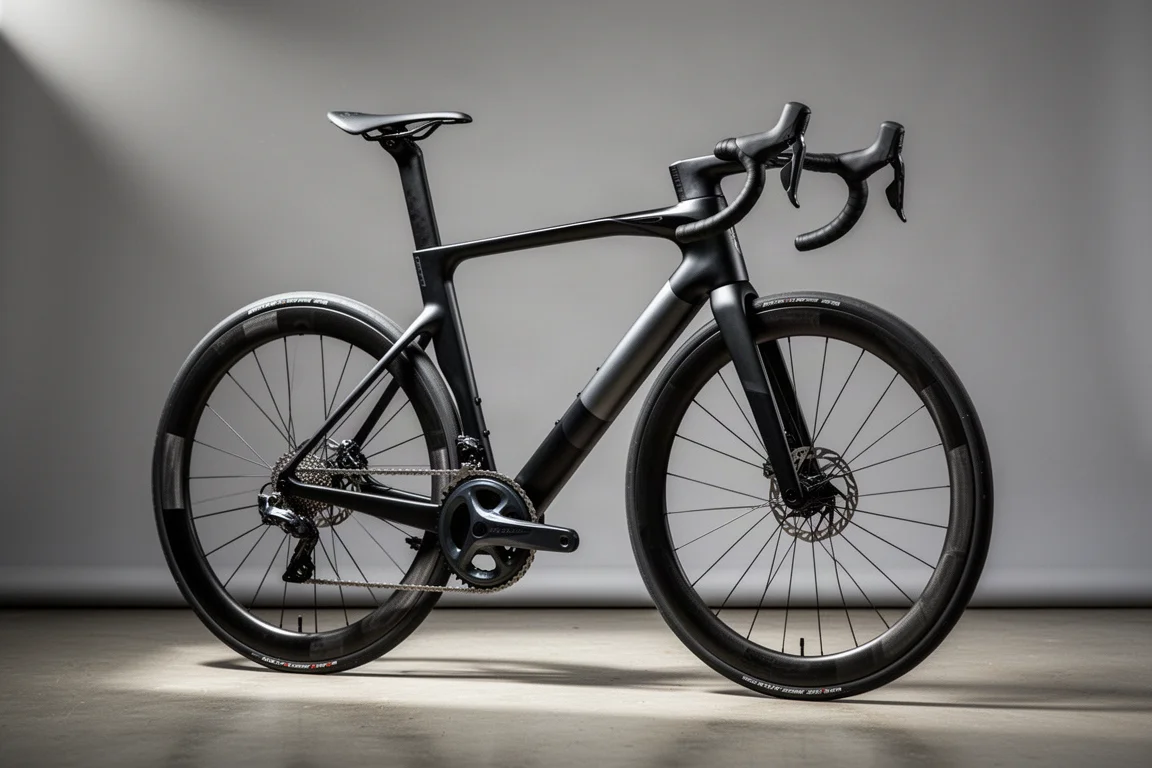
The fourth-generation Canyon Aeroad keeps the same overall silhouette as the bike it replaces, but very little underneath has been left untouched. The brief from Canyon’s professional teams was direct: protect the aerodynamic advantage, cut weight, and make the bike easier for mechanics to live with. Canyon says the result was developed with riders and technical staff rather than simply handed to them.
This generation continues a line that began in 2010, gained disc brakes in 2016, and has stayed at the sharp end of professional racing ever since. The new model is offered across two platforms, CFR and CF SLX, which share identical geometry but use different carbon fibre and different construction processes.
What Changed on the Fourth-Generation Canyon Aeroad
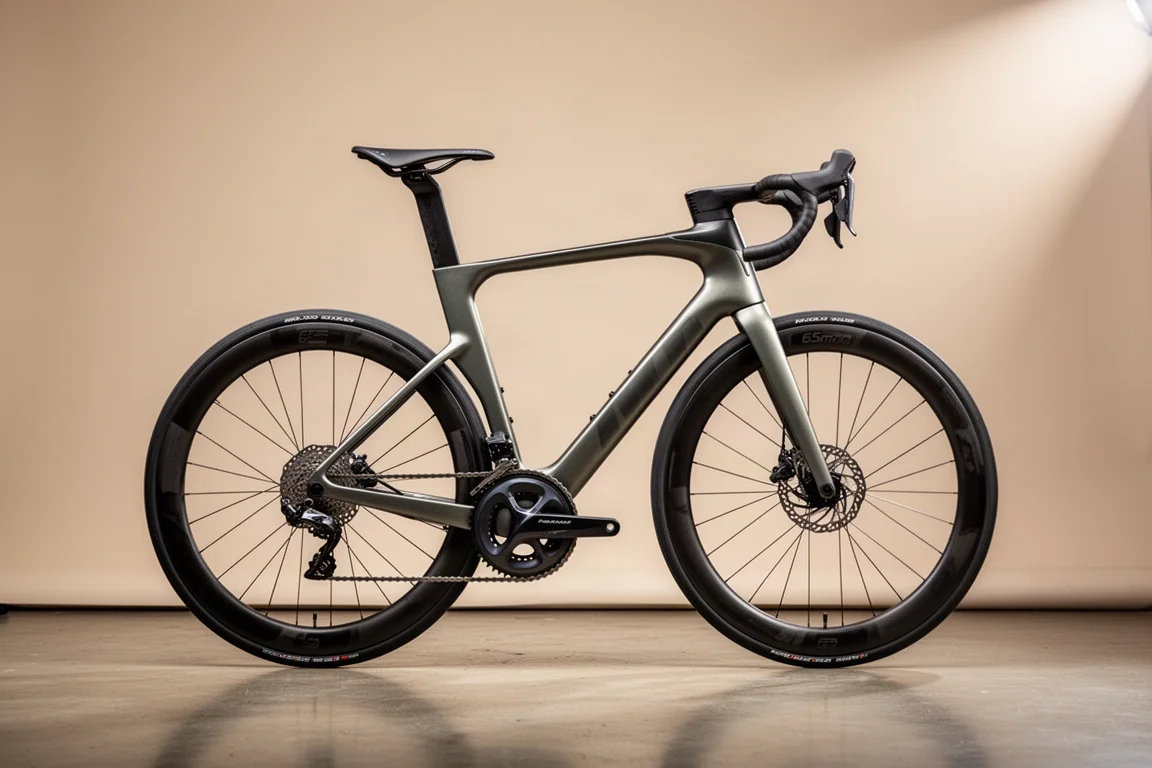
Canyon concentrated its aerodynamic work on the front of the bike. The down tube, head tube and fork blades are narrower and longer, while the rear-end tube profiles have been shortened to bring a measure of compliance back into the ride. The top tube is thicker than before, which Canyon says increases stiffness and makes the handling more responsive.
The seat post clamp has moved higher up the frame to increase the feedback reaching the rider, a change requested directly by the pro riders. Canyon reports that the new tube shapes combined with the new handlebar save an average of 15 watts at 45 km/h in its own testing.
Weight has come down as well, though modestly: the new frame is around 40 grams lighter than the outgoing version. Canyon is unusually open about its comparison bikes, having tested the new Aeroad in the wind tunnel against an SL8, an S5 and the previous generation Aeroad.

Canyon is equally clear that weight reduction has limits. When the pro riders asked for an even lighter aero frame, the answer was no. The company describes a threshold where responsibility meets ambition, and the final figure reflects what it is willing to put under its athletes.
Canyon Aeroad CFR: The Lightest Build
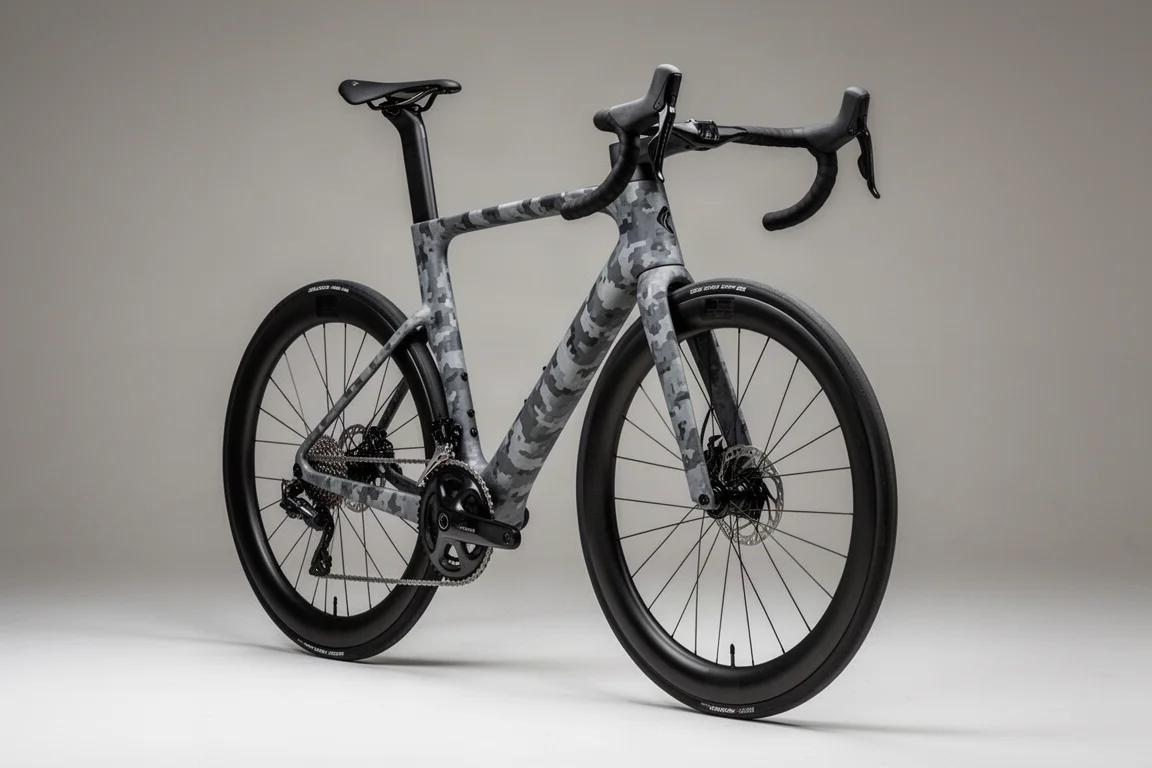
The CFR sits at the top of the range. Built with Shimano Dura-Ace, it has a claimed weight of 7.07 kg and a price of €9,999. It uses a different grade of carbon fibre and a different construction process from the CF SLX, yet the geometry is identical, so fit and handling carry across both platforms.
For riders who want the lightest build in the line-up and top-tier components throughout, the CFR is the version that expresses Canyon’s headline numbers most directly.
Canyon Aeroad CF SLX 7: The Most Accessible Build
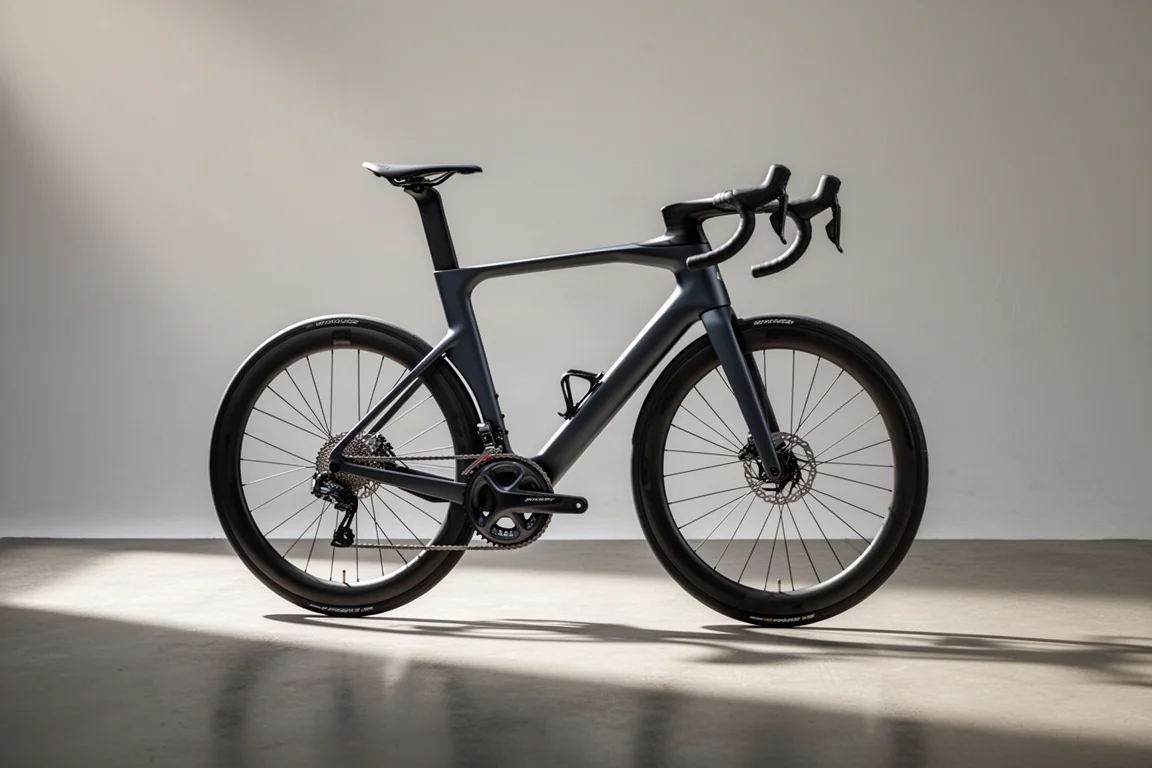
The CF SLX 7 is the entry point to the new Aeroad. With SRAM Rival and a claimed weight of 8.06 kg, it costs €4,199. That is roughly a kilogram more than the CFR, and it uses a different carbon layup, but the frame shape, tube profiles and cockpit design are shared across both platforms.
For most riders this is the build that makes the fourth-generation Aeroad realistic. The aerodynamic work, the sealed headset and the service-friendly details are all present, and the geometry is unchanged from the flagship.
Design Details That Matter Day to Day
Canyon paid unusual attention to maintenance and durability. The headset is described as hermetically sealed, with hybrid ceramic bearings made from stainless steel. In salt water testing, Canyon says typical bearings began to rust after around 12 hours, while the new headset bearings were still running after more than five days, at which point the test centre asked how much longer the test should continue.
At the bottom of the fork legs there is a small bumper that protects the paint and the carbon when the front wheel is removed. Around the bottom bracket, a moulded section holds a power meter magnet inside the frame to keep the setup tidy. Every bolt on the bike is manufactured by a family-run German company, uses an extra deep T25 head, and can be adjusted with a T25 key stored inside the through axle lever.
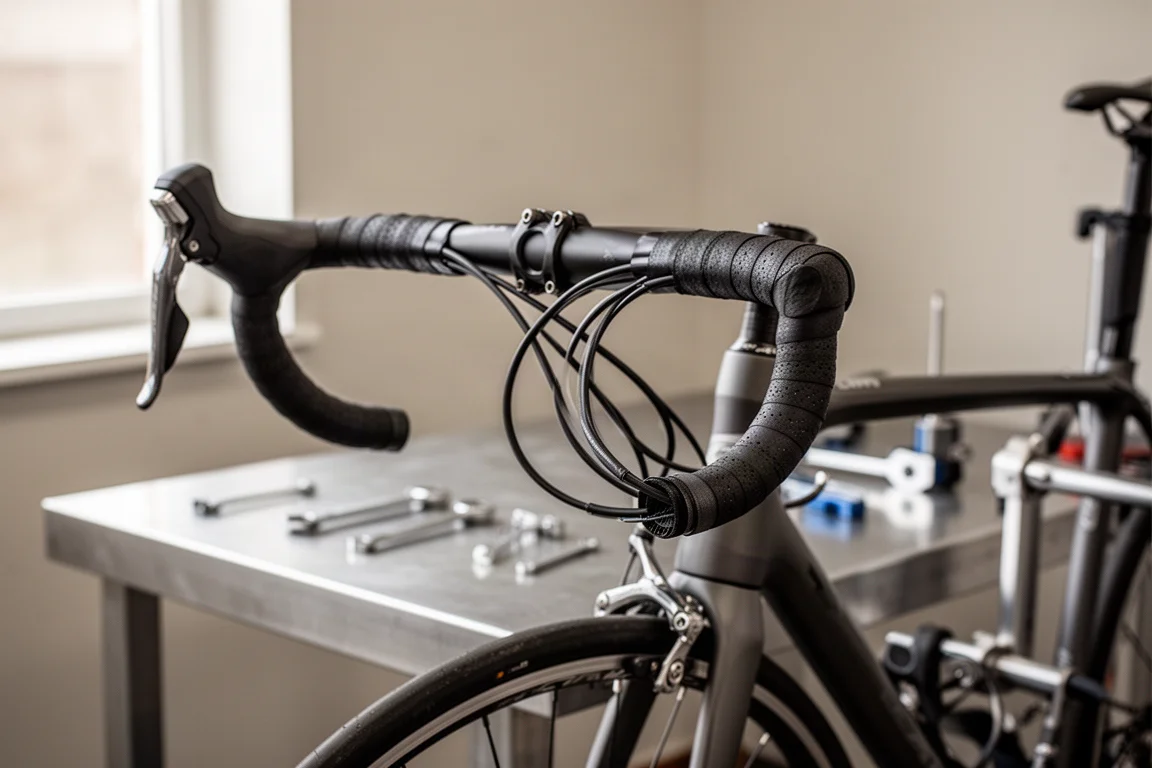
The new cockpit is built around what Canyon calls PACE, short for Performance Adaptive Cockpit Ecosystem. The bar ends are interchangeable, so a rider can switch between the classic drop and the new Aero drop, which is flared, adds reach, and narrows to 350 mm at the lever hoods with adjustment up to 400 mm. Canyon claims the Aero drop can save up to 14 watts for a rider who fits it well. Brake hoses run underneath the bar tape rather than through the centre of the drops, so the bar ends can be replaced quickly and easily. A mount carried over from the Grail gravel bike, called the Groove, takes a head unit and can also support structural accessories such as aero bars. The seat post is a new design with a different adjustment method and a fixing at the back for a light or a race number holder.
The testing behind the bike is just as thorough. In the lab, frames are loaded on a jig so that deflection can be measured precisely, while dynamic rigs apply repeated forces to the bottom bracket, the fork and other areas. A 3D surface scanner worth around €100,000 checks that finished parts match the CAD model and takes roughly 30 minutes for a complete frame. A CT scanner looks inside components for voids or carbon that has shifted during layup. Every handlebar and fork leaving the factory is CT scanned, and there are five more of these machines at the production facility.
Who This Bike Is For
This is a race bike first. It suits riders who want aerodynamic efficiency, a stiff front end and the kind of engineering detail that reduces time in the workshop. Because the CFR and CF SLX share identical geometry, the choice between them comes down to budget and build specification rather than fit.

It is less obviously aimed at riders who place all-day comfort above everything else, or who prefer simple, conventional components they can adjust with standard tools. The Aeroad is designed around integration, and that shapes how it is owned as much as how it rides.
Things to Consider Before Buying
- The frame is around 40 grams lighter than the previous generation, so the upgrade case rests more on aerodynamics, stiffness and serviceability than on the scales.
- Canyon’s wattage figures come from its own testing at 45 km/h. Real-world gains depend on rider position, speed and conditions.
- The CFR at €9,999 and the CF SLX 7 at €4,199 are both significant investments, and the gap between them is roughly a kilogram and a groupset tier.
- Integrated cockpit components reduce conventional adjustability, though Canyon has designed the bar ends to be swapped and kept the hose routing accessible.
Buying Advice
If the priority is the lightest possible build with top-tier components, the CFR at €9,999 with Dura-Ace and a claimed 7.07 kg is the flagship of the range. For most riders, the CF SLX 7 at €4,199 with SRAM Rival and a claimed 8.06 kg carries the same frame design and geometry for well under half the price.
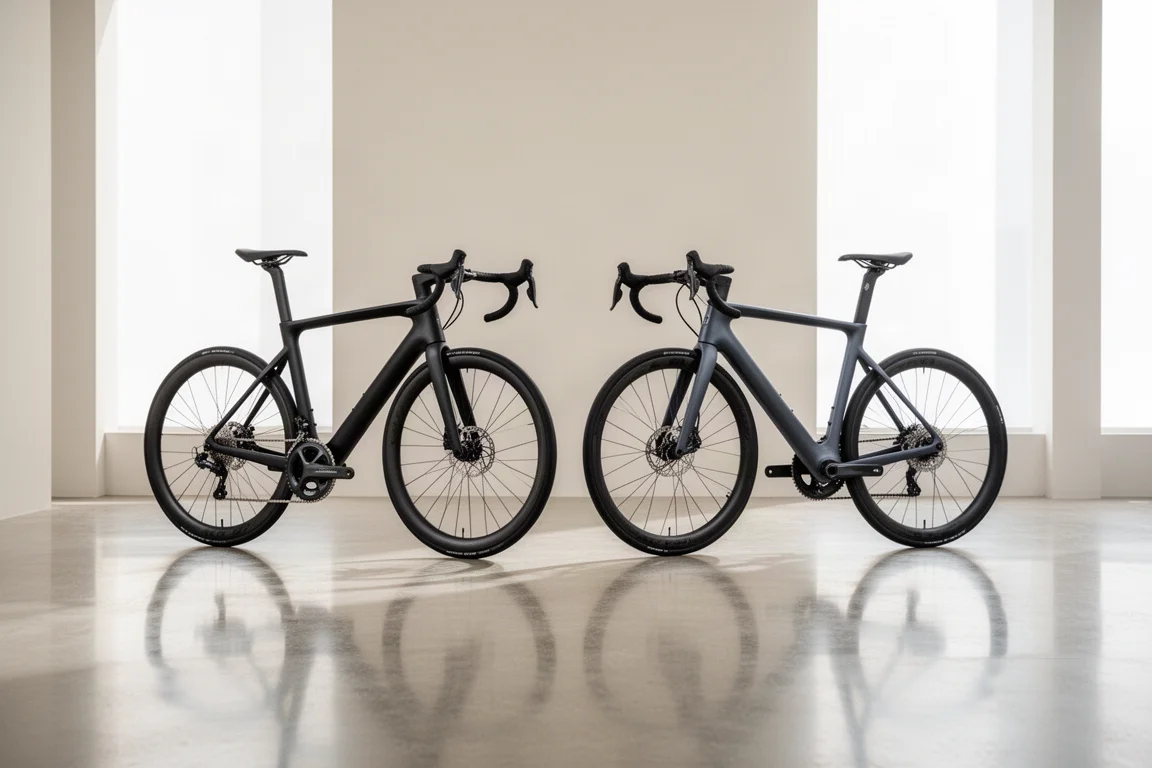
The useful question is not which build is fastest but which one matches how you actually ride. Both share the new aero tube shapes, the sealed headset and the same fit, so the decision is really about weight, groupset and budget rather than the frame underneath you.
Conclusion
The fourth-generation Aeroad is an evolution rather than a reinvention, and that is a sensible outcome for a bike with this racing record. It is a little lighter, more aerodynamic by Canyon’s own measurements, and noticeably easier to work on, which matters to anyone who services their own bike as well as to professional mechanics. With a flagship CFR build and a far more accessible CF SLX 7 sharing identical geometry, the range gives riders a genuine choice at two very different price points.
Further reading
Related Reviews

Road Bikes
10 New Road Bikes Worth Watching: Aero, Titanium, Steel and Endurance Standouts
A practical roundup of 10 new road bikes, from aero flagships chasing single-watt gains to titanium, steel and endurance platforms built for real roads.
Road Bikes
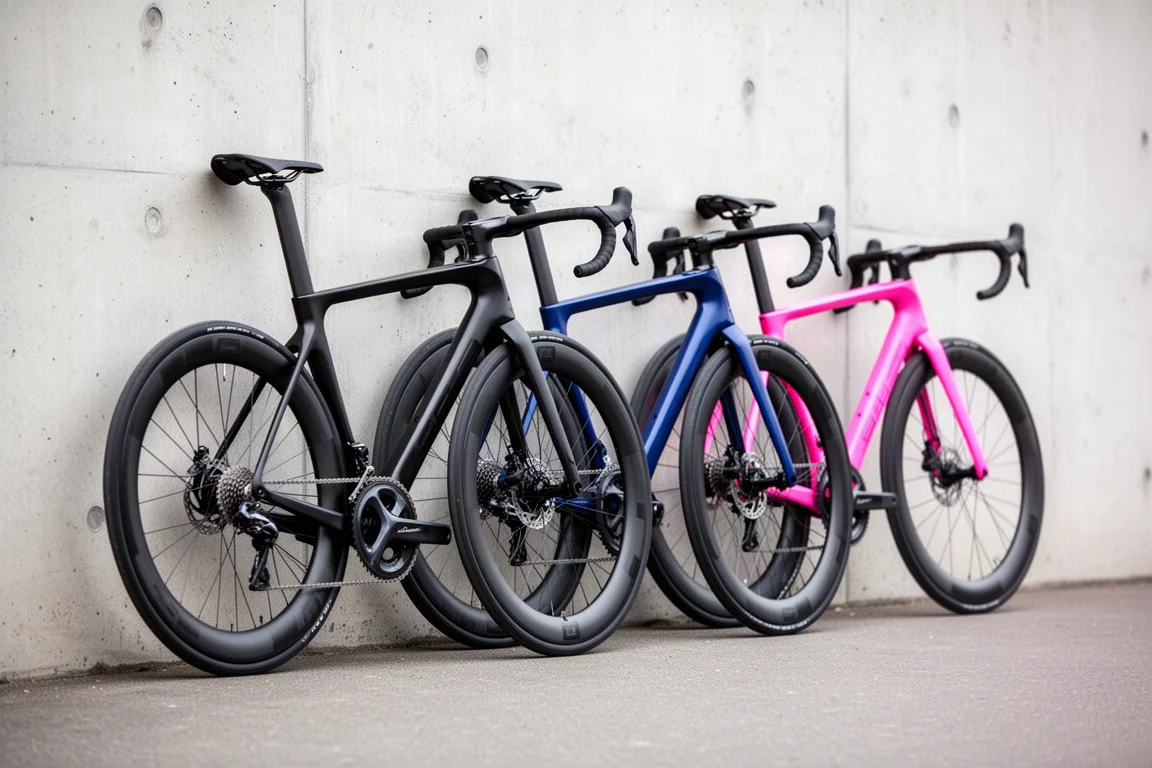
2026 Tour de France Road Bikes: Six Race Machines Worth a Closer Look
Six race bikes from the 2026 Tour de France grid, reviewed for paint, silhouette, wheels and the specification details that matter to buyers.
Road Bikes
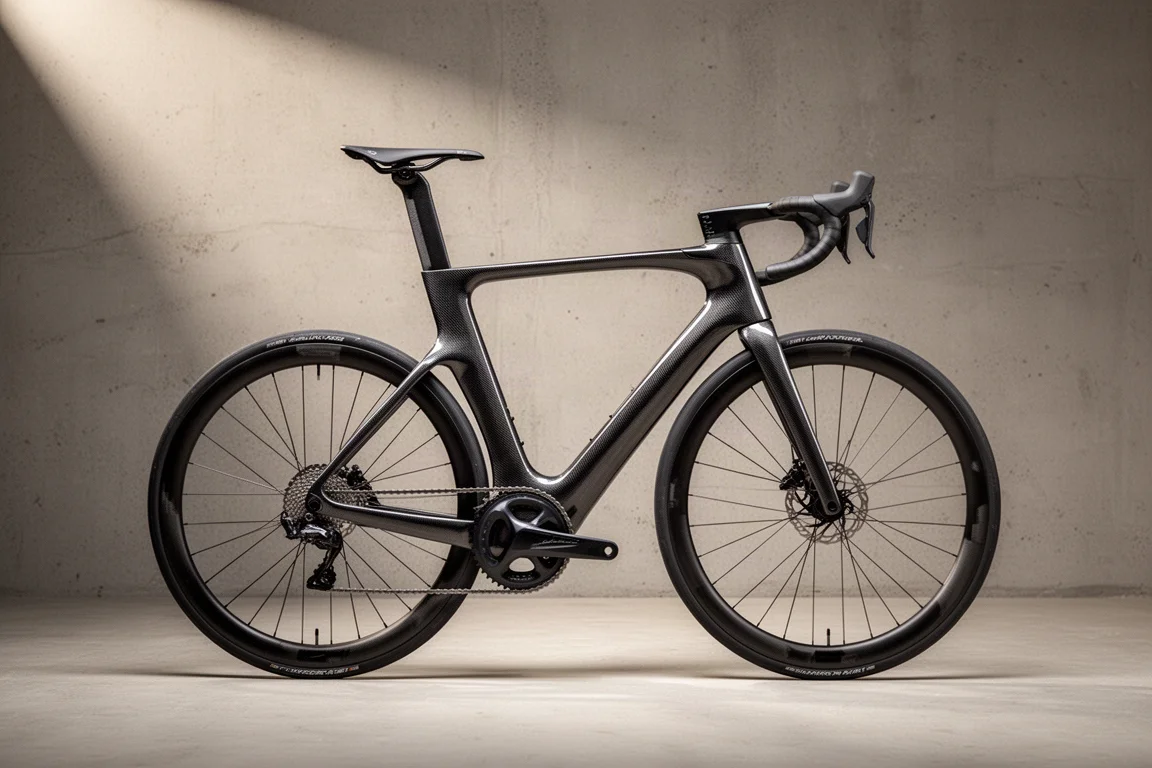
3T Strada Italia Review: A Radical Aero Road Bike That Rides Smooth
A made in Italy carbon aero road bike with a deep head tube, wide tire clearance and a genuinely comfortable ride. Here is what to know before buying.