Road Bikes
Canyon Aeroad CFR Review: A Dedicated Aero Race Bike, Refined
The fourth generation Canyon Aeroad CFR brings a stiffer frame, a more versatile cockpit, and 50mm rims for a faster, more stable aero race bike.
Introduction
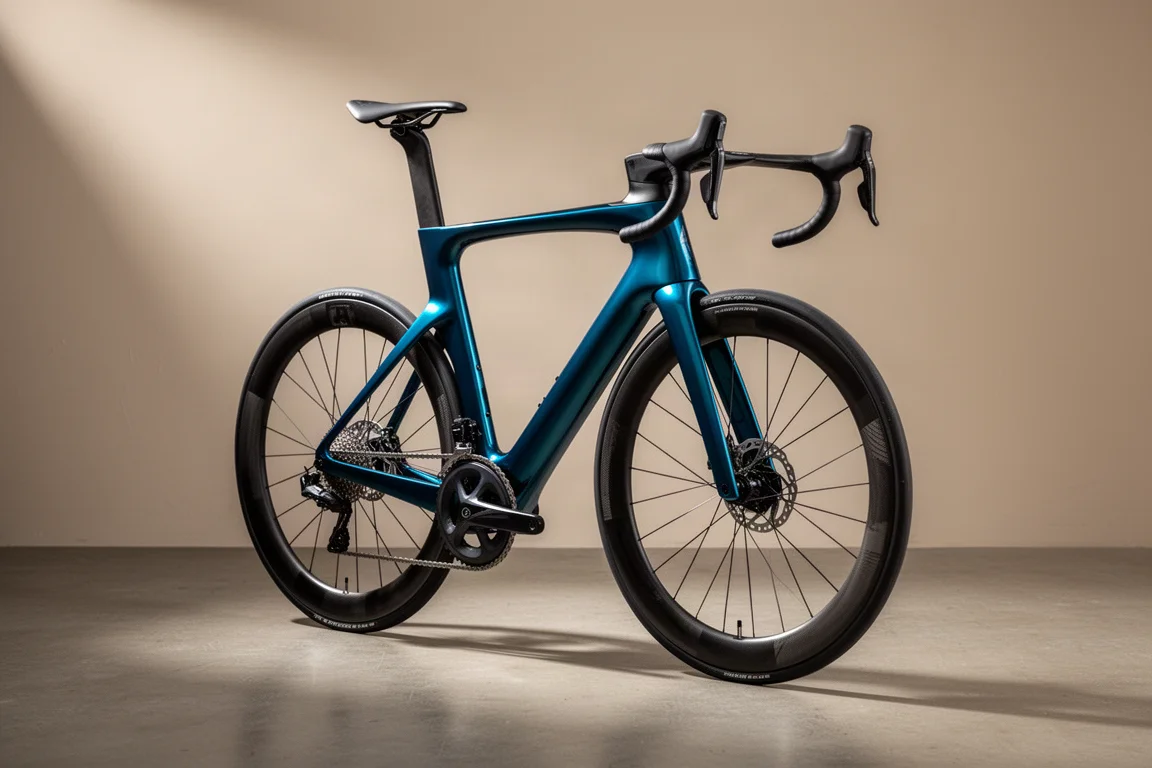
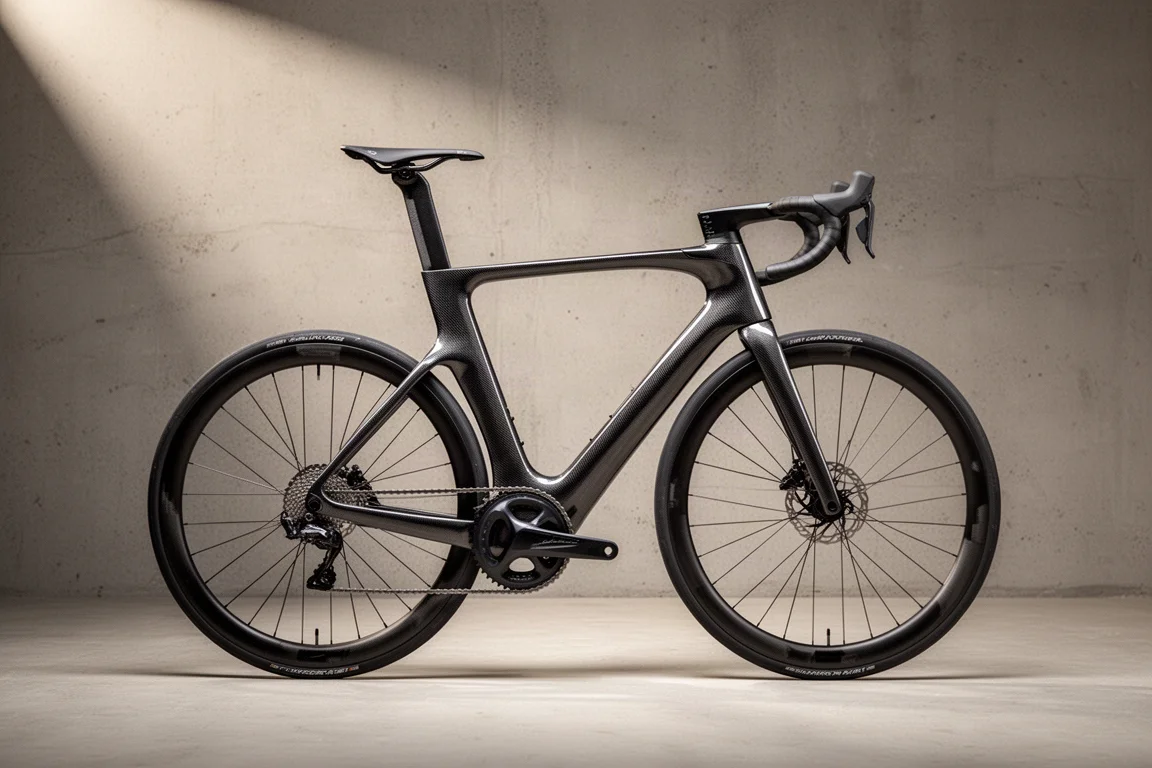
The Canyon Aeroad CFR arrives as the fourth generation of Canyon’s dedicated aero platform. Rather than merging aero and lightweight bikes into a single machine, Canyon has kept its lightweight climbing platform separate and focused this update entirely on the aero side of the range. The stated goals were familiar: more stiffness in the places that matter, a little more aerodynamic efficiency, and a lower overall weight.
Visually the bike looks close to the previous generation, and most of the changes sit beneath the surface or hide in the details. Canyon reports the new bike is marginally more aerodynamic than the one it replaces, and the headline claim is that it is as aero on 50mm deep rims as the old bike was on 62mm deep rims. Treat aero claims with some caution, but the practical consequence is a lighter wheelset and a bike that is easier to handle when the wind picks up.
The build tested here is the top of the range CFR, with a SRAM Red AXS groupset and Zipp 454 NSW wheels. It weighed 7.1 kg on the scales in a size medium.
Who the Canyon Aeroad CFR Is For
This is a bike for riders who want speed on the road and are willing to pay for it. It suits racers, fast group riders, and anyone who enjoys the feeling of a purpose-built aero machine on long, flat, or rolling roads.
It is not the obvious choice for someone chasing the lightest possible climbing bike, since Canyon keeps a separate lightweight model for that job. Nor is it aimed at riders who want one bike that covers everything, including gravel. It is a dedicated aero road bike and it behaves like one.

Comfort matters as much as speed for anyone riding rough tarmac, and the Aeroad CFR is noticeably better in that department than aero bikes of the past. That makes it a more realistic option for long days in the saddle rather than short, sharp efforts alone.
Frame, Aerodynamics, and Cockpit Changes
Canyon reworked the front end with a narrower head tube, a slimmer down tube, and a much deeper fork design, made possible by revised UCI rules. The rear of the bike changed too: a revised bottom bracket and chainstay design, slimmer rear stays, and a new seat tube and seat post.
The seat clamp has moved from its old position to the top tube, and the seat post is skinnier than before. A rubber seal around the post keeps water and dirt out, and the post carries measurement markings that make setting saddle height more precise. A small bolt cover is missing, leaving the bolt exposed, which is a cosmetic point rather than a functional one. The design also responds to rider feedback that asked for more stiffness and feedback from the rear of the bike when racing.
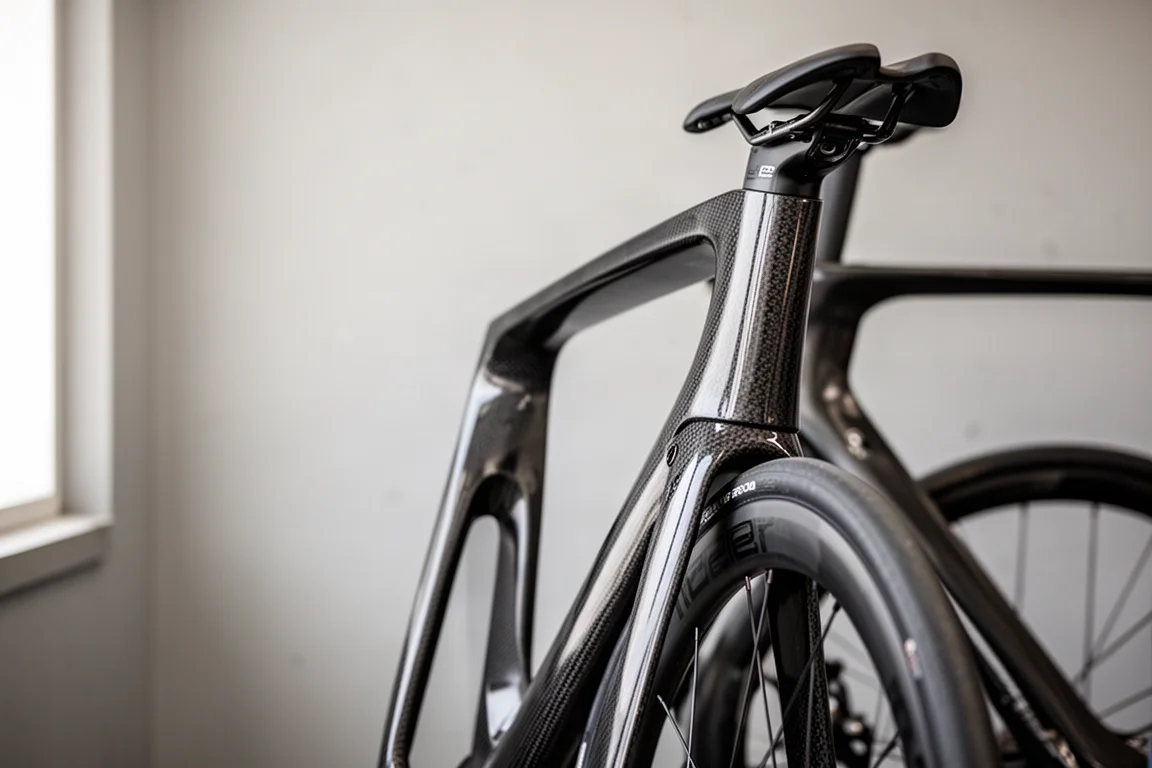
There is an optional rear light mount held by two bolts. It can be removed entirely for a clean look, or used to carry a race number if you race. The mount is optional and the bike works perfectly well without it.
The Pace Handlebar and Gear Groove
The new Pace handlebar is a one-piece carbon design that stays height adjustable without cutting the steerer tube. The drops are removable, which makes the bike easier to pack into a box or bag for travel, and width can be adjusted by up to 50mm.
Canyon also offers aero drops that are narrow at the tops and flare in the drops, with a claimed 14 watt drag reduction. Swapping between the two sets means removing the bar tape and the brake lever hoods, but because the brake hose does not run inside the handlebar, the job is easier than on many one-piece setups. It is a home mechanic task rather than a roadside fix.
The Gear Groove is a modular mounting system borrowed from Canyon’s gravel platform. It accepts a GPS computer, a phone, or time trial extensions, which gives the bike a second life as a time trial machine for riders who want that. Riders who never use those accessories may find the mount less clean visually than the previous handlebar. Professional riders use a similar bar without the Gear Groove and with a 20mm lower stack height, but that version is not available to buy.
Ride Quality and Real-World Performance
On the road the Aeroad CFR feels very close to the outgoing model, which was already a fast bike. Speed is clearly there. It is hard to say in real-world riding whether it is faster than the previous generation, but it sits alongside other top-end aero race bikes in terms of pace. It feels quicker than a lightweight all-rounder, and on the road it felt quicker than a Tarmac SL8.
Comfort is where the new bike improves on aero bikes of the past. It is not as smooth as a Tarmac SL8 or a Trek Madone SLR, and it is roughly comparable to a SuperSix Evo, but it is smoother than a Van Rysel RCR. It does not float over rough tarmac, yet it takes the edge off broken surfaces well enough to make a four-hour ride bearable.
The decision to run 50mm deep rims rather than 62mm brings a real-world benefit beyond weight. In gusty, swirling wind the bike feels planted and stable, and noticeably less of a handful than an aero bike with very deep wheels. That makes it easier to live with for amateur riders who ride in changeable conditions.
On a short, steep local climb with sections of 20 to 25 percent, the bike performed well. It does not have quite the sparkling feel of an S-Works Tarmac SL8 or a dedicated lightweight climbing bike, but it still feels light beneath you. At just over 7 kg it is not heavy for an aero race bike with this level of specification.
Living With the Bike: Details and Practicality
Canyon has put clear effort into making the bike easy to service. Every bolt on the frame is a T25, which simplifies adjustment, and the bolts are machined in Germany. Inside the headset there is a titanium bearing seat on the fork and double lip seals to protect the bearings from frequent washing. The fork and rear stays use enclosed through axle end caps, a detail that is becoming more common and is hard to criticise.
Tyre clearance is 32mm, and the bike ships with 28mm tyres. That leaves room to go wider and still keep clearance for dirt, grit, and rain, which matters on gritty roads and cobbled surfaces.

One of the most useful details sits underneath the fork: small rubber stoppers that let you set the fork down safely when the front wheel is removed, without scratching the carbon. It is a small thing, but it makes a roadside puncture fix far less stressful. Refitting the front wheel is slightly trickier, because the openings around the through axle are large and the fork needs to be guided carefully around the hub.
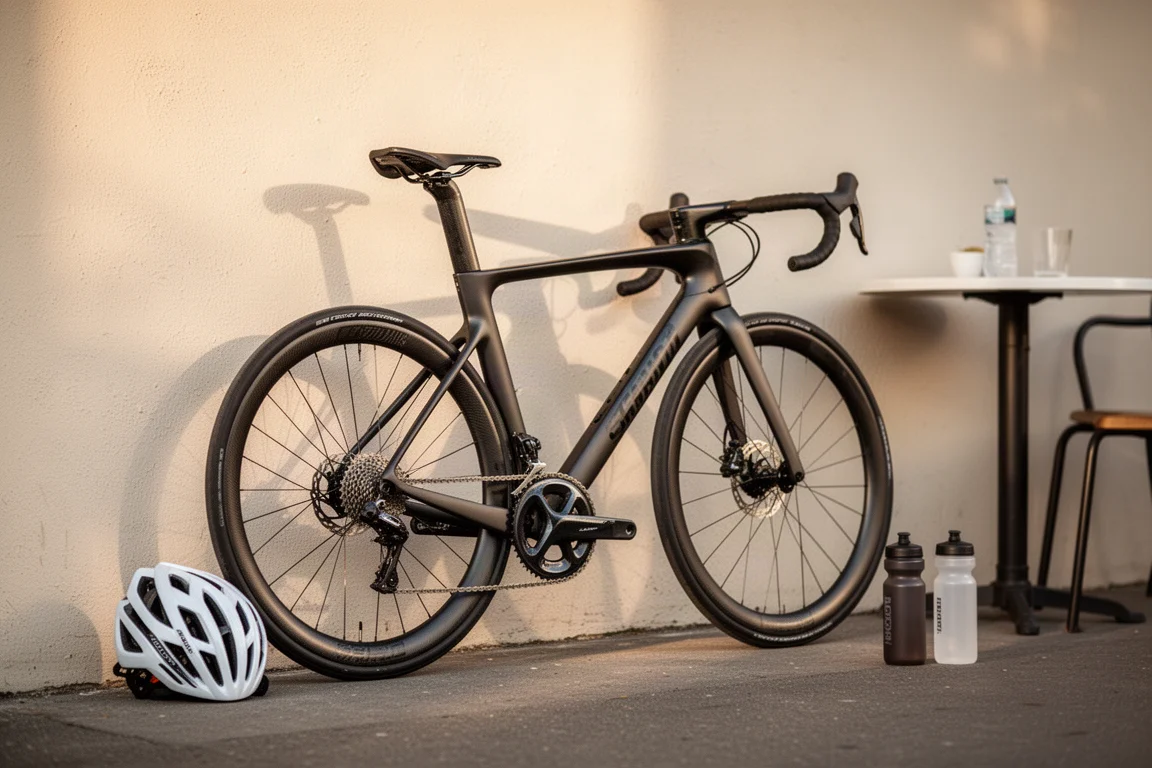
The bottle cages are a genuine point of friction. Canyon’s own bottles fit snugly with no rattling, but many regular bottles rattle and can fall out. If you plan to use your own bottles, that is worth knowing before you buy.
The paint finish deserves a mention. The design looks excellent in sunlight, and it is a long way from the plain stealth black bikes Canyon was once known for. A 3D printed saddle comes as part of the build and is very comfortable.
Things to Consider Before Buying
The main consideration is price. The range starts at just under £4,000 in the UK with a SRAM Rival AXS groupset and climbs to the CFR build tested here at just under £9,800. That is a lot of money, even though it undercuts several comparable top-end race bikes with similar equipment. The Zipp 454 NSW wheels alone retail for over £3,000.
It is also worth being honest about what the bike is. It is a dedicated aero race bike, not an all-rounder, and Canyon still offers a separate lightweight platform for riders who prioritise climbing above everything else. If you want one bike that covers a wider range of riding, a different platform may suit you better.
Finally, the aero drops are an option rather than standard fitment, and some riders may wonder why a dedicated aero bike does not ship with them. Swapping them is a workshop job, not something you do at the side of the road.
Buying Advice
The Aeroad CFR makes the most sense for riders who already know they want an aero race bike and who value the combination of speed, reasonable comfort, and easy servicing. The switch to 50mm rims and the resulting stability in wind is a genuine usability gain, and the weight is competitive for the category.
If the top CFR build is beyond your budget, the CF SLX versions share the same platform and the same frame details, which makes them worth a look as a way to get most of the experience for less. If you are cross-shopping against other premium aero race bikes, the Aeroad CFR’s price relative to its specification is one of its stronger arguments, and the ride quality is good enough for long days rather than race efforts alone.
Two weeks of riding is not long enough to uncover long-term durability issues, so it is sensible to treat this as an early impression rather than a final verdict on ownership.
Conclusion
The fourth generation Canyon Aeroad CFR is a refined rather than reinvented aero race bike. The frame is stiffer where it needs to be, the front end is cleaner aerodynamically, the cockpit is more versatile, and the move to 50mm rims makes the bike more stable and more usable in real conditions. It is fast, reasonably comfortable for an aero bike, and thoughtfully detailed for servicing.
The trade-offs are the price, the bottle cage compatibility, and the fact that it remains a specialised machine. For riders who want a dedicated aero road bike and can justify the cost, it is a compelling package.
Product link
View more details for Canyon Aeroad CFR
This product is mentioned in the review. Check the specifications, options, and compatibility before buying.
View more details for Canyon Aeroad CFRFurther reading
Related Reviews

Road Bikes
10 New Road Bikes Worth Watching: Aero, Titanium, Steel and Endurance Standouts
A practical roundup of 10 new road bikes, from aero flagships chasing single-watt gains to titanium, steel and endurance platforms built for real roads.
Road Bikes
2026 Tour de France Road Bikes: Six Race Machines Worth a Closer Look
Six race bikes from the 2026 Tour de France grid, reviewed for paint, silhouette, wheels and the specification details that matter to buyers.
Road Bikes
3T Strada Italia Review: A Radical Aero Road Bike That Rides Smooth
A made in Italy carbon aero road bike with a deep head tube, wide tire clearance and a genuinely comfortable ride. Here is what to know before buying.