Road Bikes
Canyon Aeroad CFR and CF SLX Review: The Fourth-Generation Aero Road Bike in Two Builds
Canyon's fourth-generation Aeroad arrives lighter, faster and easier to service. Here is how the CFR and CF SLX platforms differ, and who each one suits.
Introduction
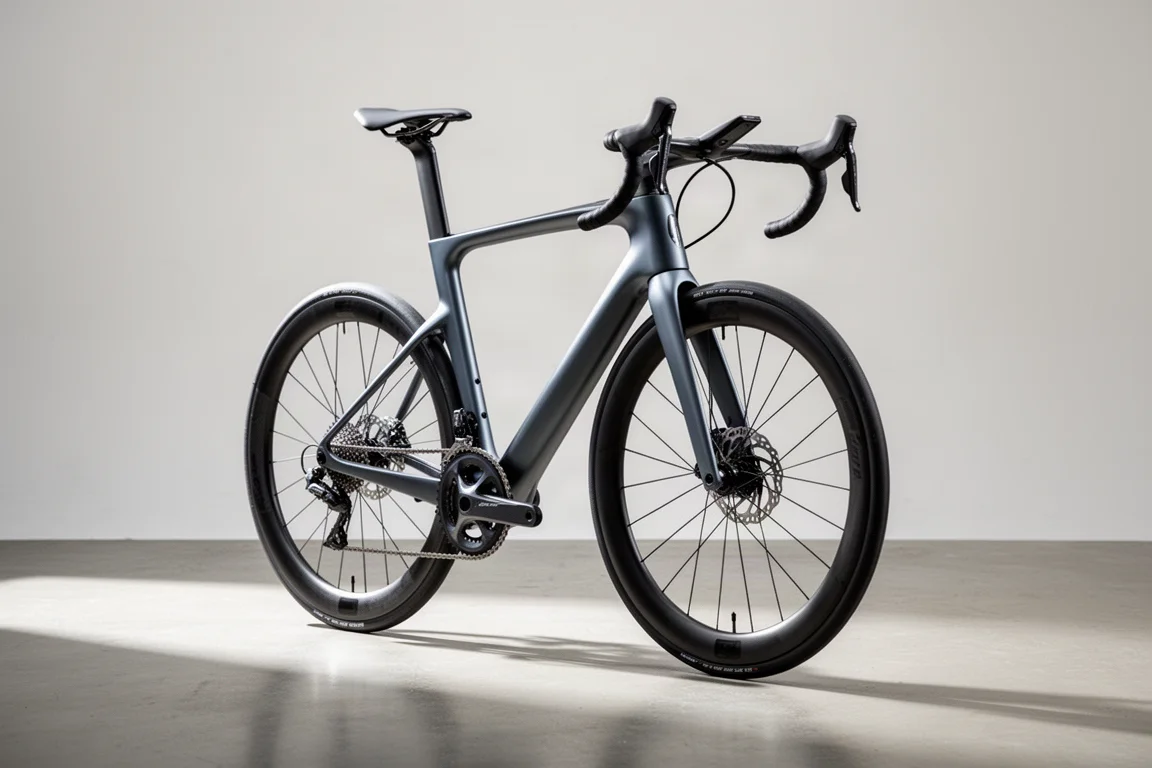
Canyon has released the fourth generation of the Aeroad, a bike that first appeared in 2010 and has spent well over a decade at the sharp end of professional racing. This latest version was developed alongside professional riders, technical staff and team mechanics, and that input shaped both its speed and its day to day usability.
Two platforms carry the new frame: the Aeroad CFR and the Aeroad CF SLX. They share identical geometry but use different carbon fibre and a different construction process, which separates them on weight, build specification and price. This article covers what changed on the frame, what each platform offers, and how to decide between them.
What Changed on the Fourth-Generation Aeroad
The headline changes come from a long list of requests gathered from professional teams. Canyon moved the seat post clamp higher up the frame to increase the feedback reaching the rider, and shortened the rear end tube profiles to bring some compliance back into the bike. The down tube, head tube and fork blades were made narrower and longer to reduce drag, while the top tube grew thicker to raise stiffness and sharpen handling.
On weight, the new frame is 40 grams lighter than the outgoing version. Canyon says its testing at 45 km/h shows the new tube shapes and the new handlebar save an average of 15 watts. In wind tunnel comparisons the company placed the new Aeroad against the SL8, the S5 and the previous generation Aeroad, and reports that the new bike came out on top. Canyon also published those comparisons openly, which is not standard practice in this category.
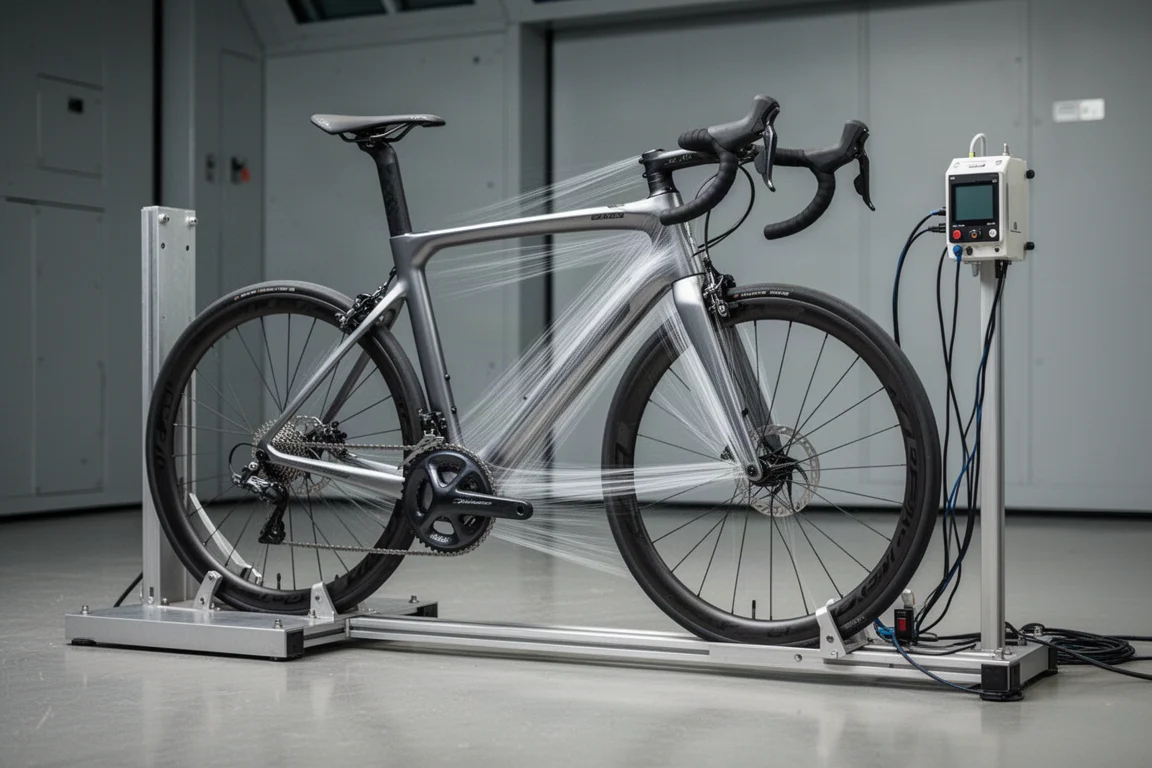
The silhouette has not changed dramatically, and that is deliberate. Much of the aerodynamic gain sits at the front of the bike, where the design team concentrated its simulation work, accepting a small loss at the rear in exchange for a larger gain up front. The overall result is a bike that looks familiar but measures differently.
Canyon Aeroad CFR
The CFR is the lightest route into the new platform, and it is the build that carries the highest specification in the range. With Dura-Ace fitted, it weighs a claimed 7.07 kg and is priced at €9,999. It uses its own carbon fibre and its own construction process, separate from the CF SLX, and it is aimed at riders who want the lowest possible weight and the sharpest component list Canyon offers.
The development goal behind this build was straightforward: remain the fastest bike in the professional peloton while becoming meaningfully lighter than the previous generation. The CFR is where that ambition is expressed most completely.
Canyon Aeroad CF SLX
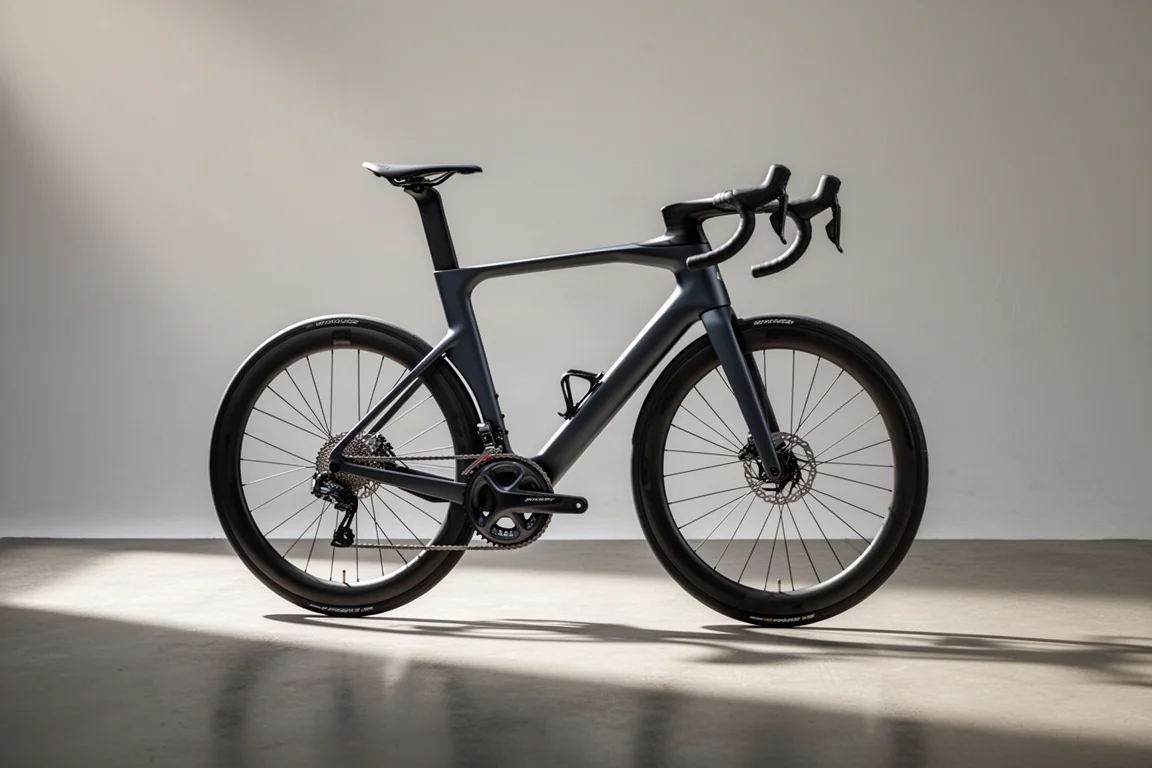
The CF SLX shares identical geometry with the CFR but uses different carbon fibre and a different construction process, which is where the weight and price difference comes from. It sits as the more accessible platform in the line, and the specification range starts considerably lower.
The entry point is the CF SLX 7 built with SRAM Rival. It weighs 8.06 kg and costs €4,199. For riders who want the fourth-generation frame shape, the updated front end and the new cockpit without stepping up to the flagship build, this is the version to look at first.
The PACE Cockpit and Aero Drops
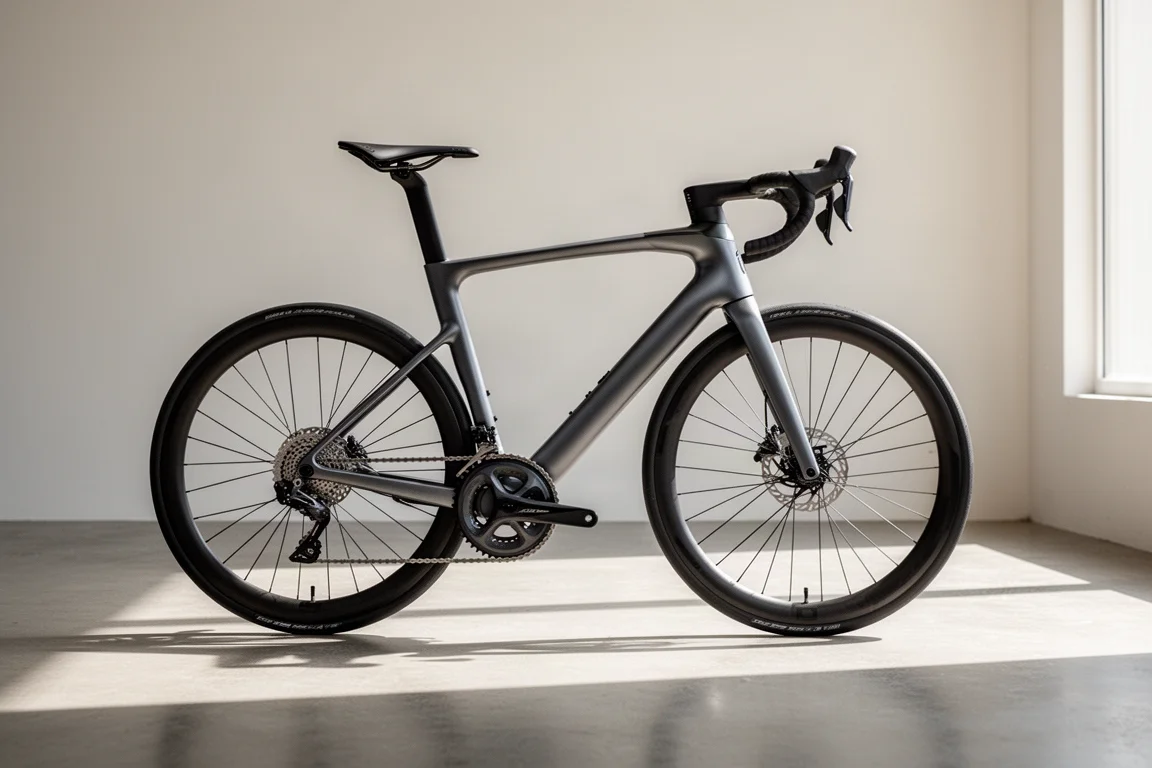
The handlebar is arguably the most interesting part of this update. Canyon calls it PACE, short for Performance Adaptive Cockpit Ecosystem, and the concept is that a rider can adjust the cockpit to personal preference rather than living with the shape that came in the box. The ends of the bar are interchangeable, so a rider can switch to the Aero drops, which use a flared design and added reach for a more stretched, lower position during lead outs and fast finishes.
At the lever hoods the bar can run as narrow as 350 mm in its narrowest setting, with adjustment up to 400 mm. Canyon says the Aero drops can save up to 14 watts for a rider who is already well fitted to the bike. Swapping the bar ends is not the chore it could have been, because the brake hoses run underneath the bar tape rather than through the centre of the drops, so the change stays quick and straightforward.
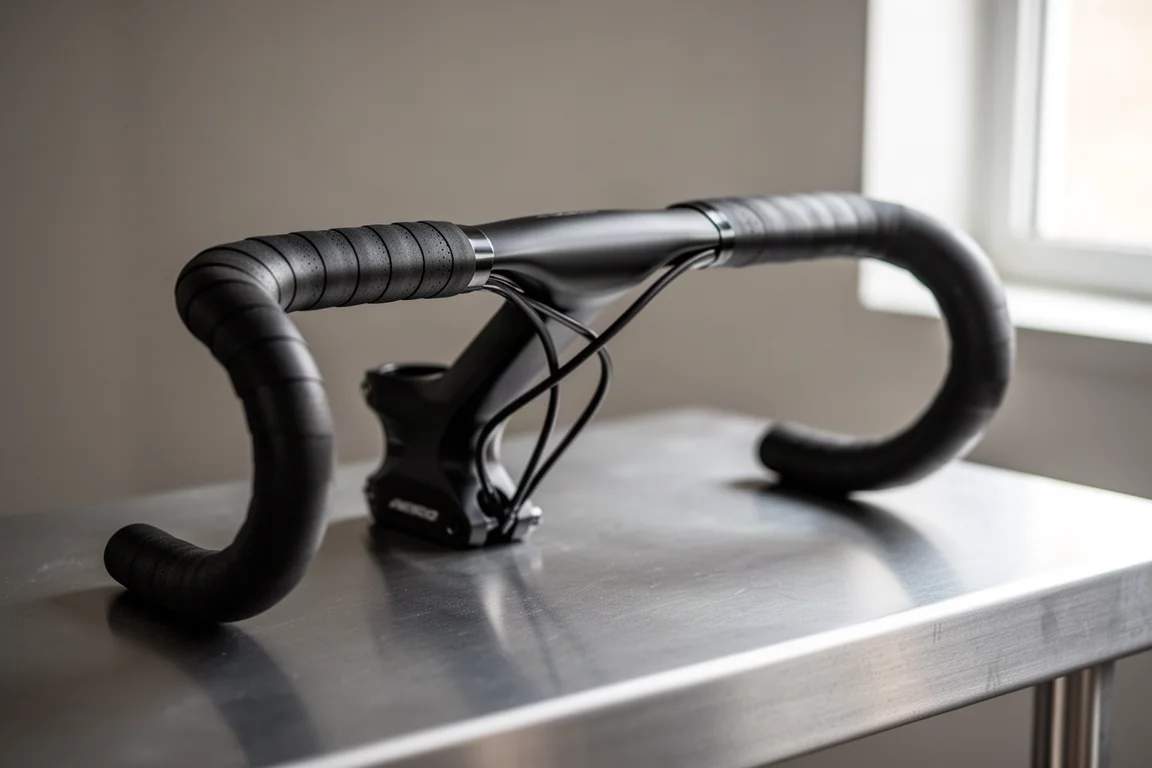
The cockpit also carries over the Groove mount from the Grail gravel bike. It holds a head unit, and it can also take structural components such as aero bars, which extends the cockpit’s usefulness well beyond mounting a computer.
Durability and Mechanic-Friendly Details
Canyon worked with team mechanics as closely as it worked with riders, and several small details show it. At the bottom of the fork legs there is a bumper that protects the paint and the carbon when the front wheel is removed. Around the bottom bracket there is a moulded section so a power meter magnet can sit inside the frame and stay out of the way. Every bolt on the bike is manufactured by a family run German company, each one using an extra deep T25 head, and a T25 tool is stored inside the through axle lever for adjustments on the road.
The headset has been reworked into what Canyon describes as a hermetically sealed design, with upgraded hybrid ceramic bearings made from stainless steel. In salt water testing, Canyon found that typical bearings began to rust after around 12 hours, while the new headset bearings were still running after more than five days, at which point the test centre asked how much longer the test should continue. The practical outcome is more riding time and less servicing.
The seat post has also been redesigned with a different adjustment method and a neat fixing at the back that can hold a light or a race number holder. Canyon has hinted that further accessories could use that mount in the future.
Frame Testing and Quality Control
The engineering process behind the Aeroad involves a substantial testing programme. Static testing applies single loads to a frame in many different directions while deflection is measured carefully, which is how tolerances are set. A 3D surface scanner, reportedly costing around €100,000, checks physical parts against the CAD model, and scanning a complete frame takes roughly 30 minutes.
Dynamic testing is where repeated forces are applied over and over. In one sequence a handlebar is loaded with 80 kg of force pushing down and pulling back up, running through a cycle of 65,000 repetitions that takes several hours. Some parts are tested for fatigue, and others are tested until they fail, which is how the balance between strength and performance is set.
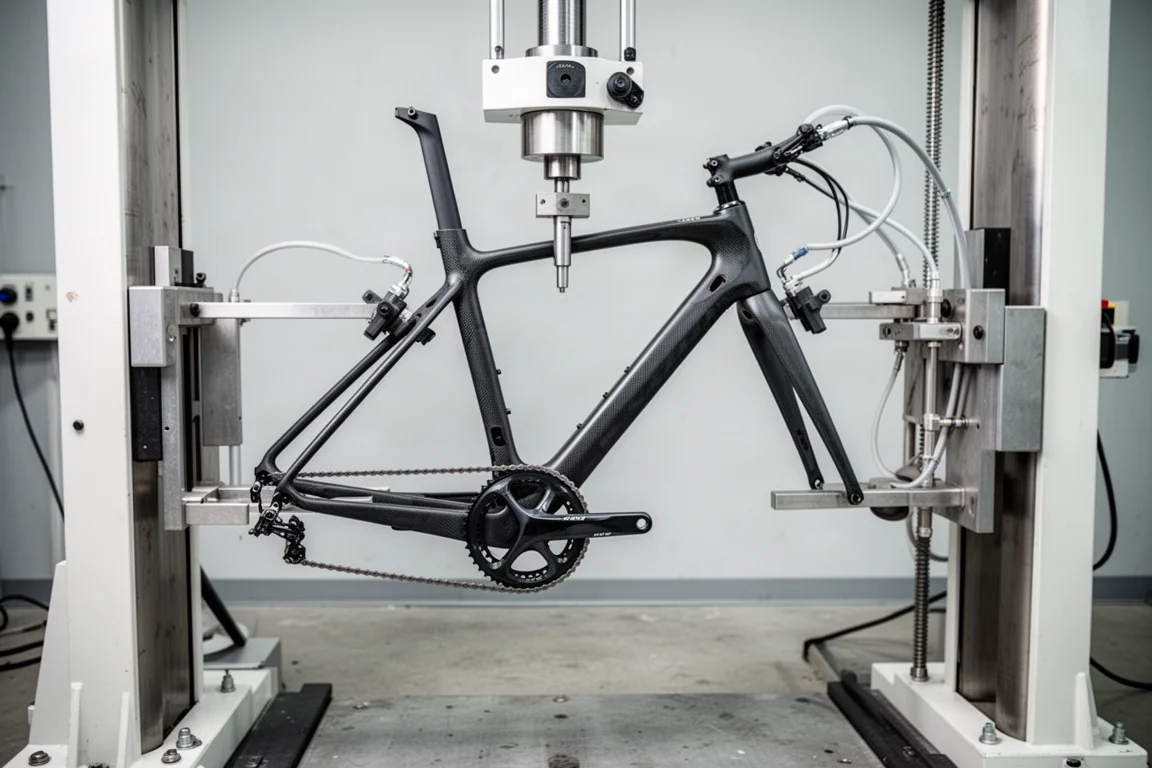
Every handlebar and fork leaving the factory is CT scanned, and there are five further machines at the production facility, while the prototype scanner shown here supports development work. The scans reveal internal voids or displaced carbon that look perfectly normal from the outside, and those findings feed straight back into the design.
Who Each Aeroad Platform Suits
The CFR is the natural choice for riders who want the lightest build Canyon makes and who are comfortable with the price that comes with it. At a claimed 7.07 kg with Dura-Ace, it is the version that best represents the full intent of the project.
The CF SLX makes more sense for riders who want the same frame shape and geometry, the same updated front end and the same cockpit, but who would rather put the difference in cost toward racing, travel or a second wheelset. At 8.06 kg in its SRAM Rival build, it is not a slow bike by any reasonable measure.
Since the geometry is identical, both platforms put the rider in the same position. The decision between them is really about weight, component specification and budget rather than fit or handling character.
Buying Advice
Start with what you actually need from the bike. If your priority is the lowest possible weight and you want the top specification, the CFR is the straightforward pick, and the €9,999 price reflects a flagship build with Dura-Ace and a claimed 7.07 kg total. If you want the fourth-generation frame with its revised tube shapes, narrower front end and PACE cockpit, the CF SLX 7 at €4,199 delivers the same geometry for considerably less.

It is worth remembering that neither platform is a requirement for fast riding. Canyon builds a broad range of bikes for a broad range of riders and riding styles, and the Aeroad is simply the fastest expression of that range. If you race, ride in fast groups or simply enjoy the technology, the new Aeroad is a coherent and carefully developed package. If your riding is steadier and more varied, the same money can go a long way elsewhere.
Conclusion
The fourth-generation Aeroad is a considered update rather than a dramatic one. Canyon made the bike lighter by 40 grams, concentrated its aerodynamic work at the front, added a cockpit that can be adapted to the rider, and paid real attention to the mechanics who service it. The hermetically sealed headset, the protective fork bumpers and the integrated power meter mounting are the kind of details that quietly improve ownership over years rather than weeks.
Two platforms, one geometry. The CFR is the lightest and most expensive route at €9,999 and a claimed 7.07 kg, while the CF SLX opens at €4,199 with the SRAM Rival build at 8.06 kg. Choose the CFR for the lowest weight and the top specification, choose the CF SLX for the same shape and position at a more approachable price, and either way you are getting a bike developed with, and for, the people who race it hardest.
Further reading
Related Reviews

Road Bikes
10 New Road Bikes Worth Watching: Aero, Titanium, Steel and Endurance Standouts
A practical roundup of 10 new road bikes, from aero flagships chasing single-watt gains to titanium, steel and endurance platforms built for real roads.
Road Bikes
2026 Tour de France Road Bikes: Six Race Machines Worth a Closer Look
Six race bikes from the 2026 Tour de France grid, reviewed for paint, silhouette, wheels and the specification details that matter to buyers.
Road Bikes
3T Strada Italia Review: A Radical Aero Road Bike That Rides Smooth
A made in Italy carbon aero road bike with a deep head tube, wide tire clearance and a genuinely comfortable ride. Here is what to know before buying.