Road Bikes
Canyon Aeroad CF SLX vs CFR: Which Aero Race Bike Is Worth Buying?
A practical look at Canyon's two-tier Aeroad range, covering specification, weight, ride quality, real-world wheel data, and which model suits which rider.
Introduction
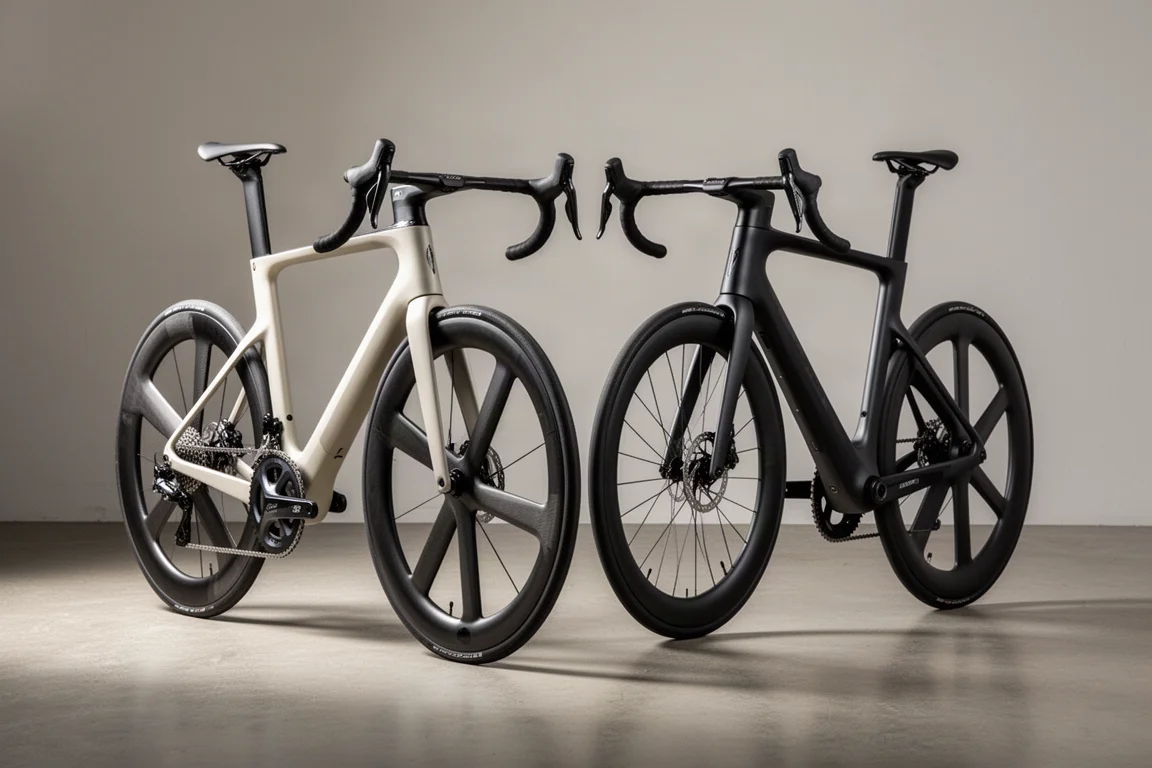
The Canyon Aeroad has been part of the aero road bike landscape for well over a decade, and the current range still splits into two clear tiers rather than collapsing into a single model. At the entry point sits the Aeroad CF SLX, the most affordable route into the platform. At the top sits the Aeroad CFR, built for riders who want the lightest frame and the most expensive components in the lineup.
Canyon has kept the Aeroad as a dedicated aero platform instead of merging it with its lightweight climbing bike, so riders still choose between outright drag reduction and lower weight. The CF SLX is the version most riders will realistically consider, and its price undercuts several key rivals by roughly £500. The interesting question is whether the CFR’s extra cost buys performance you would actually notice on the road.
What the Canyon Aeroad CF SLX and CFR Share
Both bikes are built around the same tube shapes. A narrow head tube, deep bladed fork legs, a very deep down tube, an aero seatpost and seat tube, and dropped rear stays are all carried across the range, and there is clearance for 32 mm tires. From the outside, the two frames look effectively identical.
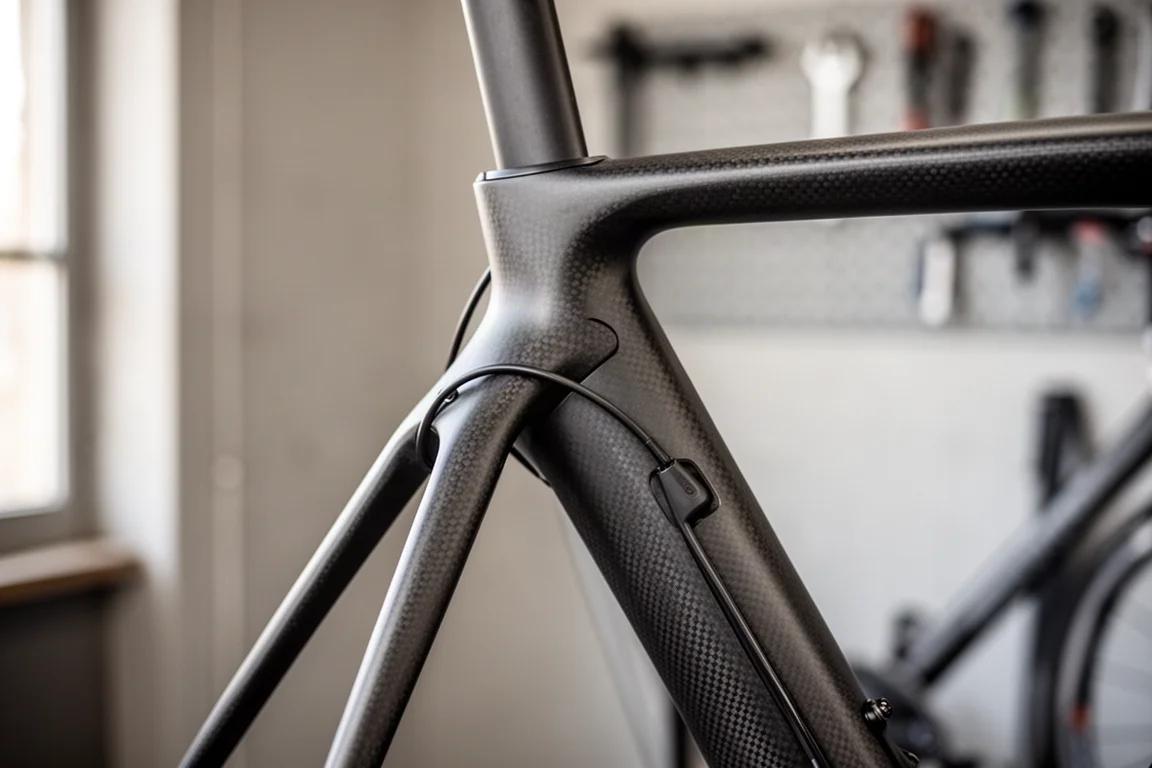
The difference is the grade of carbon fiber used in the frame and fork. The CFR uses the lighter material, which makes its frame and fork a few hundred grams lighter than the CF SLX. Because the external profiles match, isolating how much the frame alone changes ride quality, stiffness or handling responsiveness is genuinely difficult without swapping identical components between the two bikes. Weight is the clearest and most measurable difference between them.
Canyon Aeroad CF SLX: Aero Speed at the Entry Price
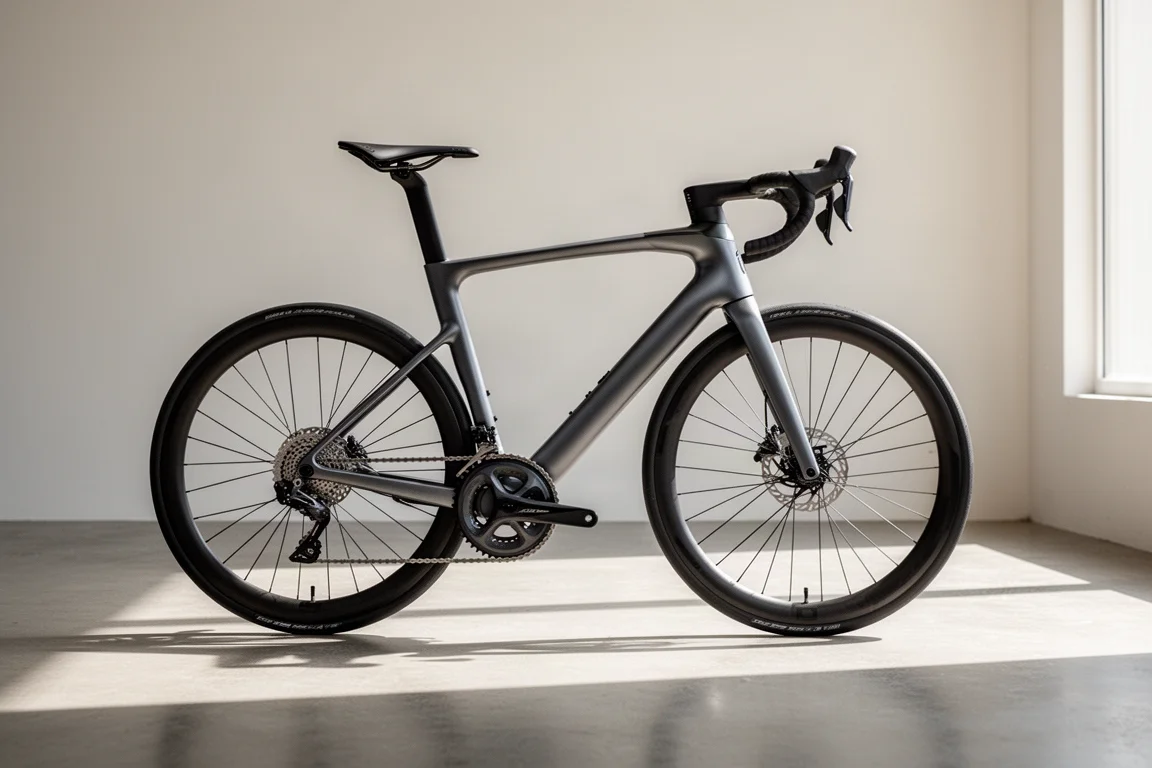
The CF SLX is the cheapest model in the Aeroad range and costs just under £4,000 in the UK. For that money the specification is strong: DT Swiss deep-section carbon wheels, quality tires, a SRAM Rival AXS 2x groupset with a wide-range cassette, a one-piece carbon handlebar and stem, and a carbon seatpost.
Weight is competitive for the category, coming in at just under 8 kg for a size medium without pedals, with a computer mount and two bottle cages fitted. In wind tunnel testing the current Aeroad is a few watts better than the previous generation, and it sits in the same broad range as other aero race bikes rather than standing apart from them.
Canyon Aeroad CFR: The Range-Topping Aeroad
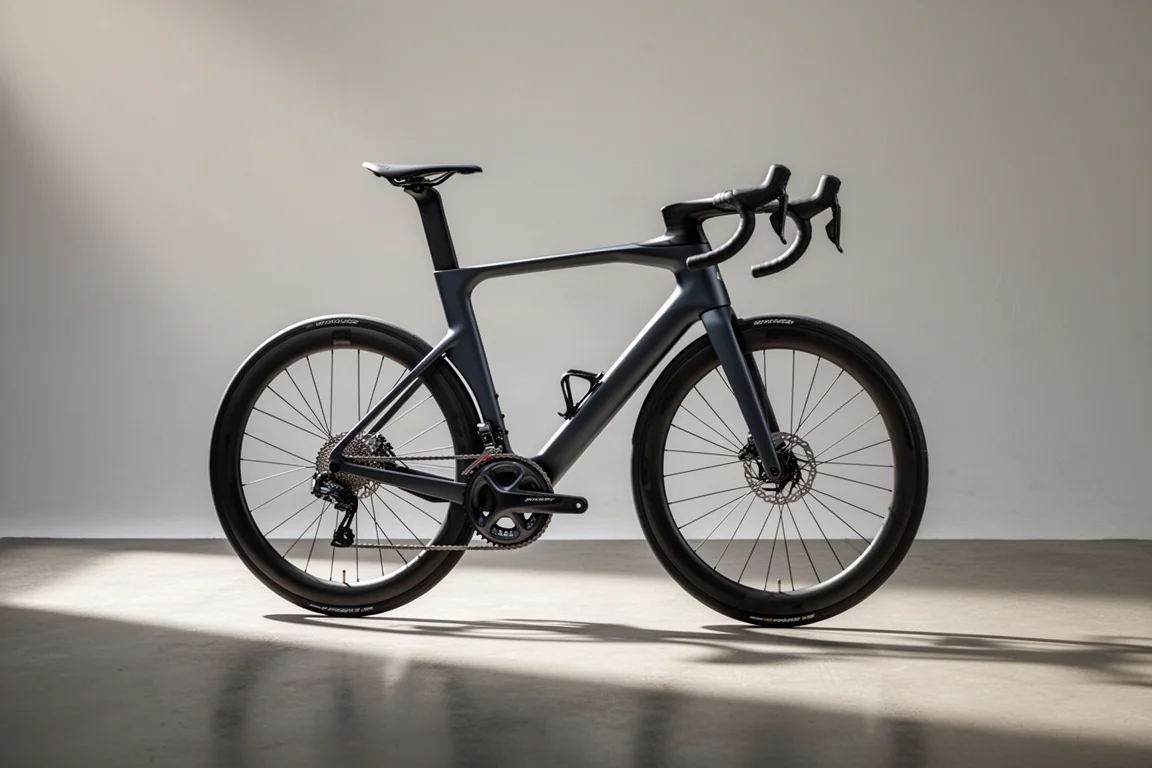
The CFR is the top of the Aeroad range. It uses the lighter carbon layup in the frame and fork, and it is built with a higher-tier groupset that has a narrower gear range than the Rival setup on the CF SLX, along with a considerably more expensive wheelset.

That combination matters more than the frame alone. On the same real-world test route ridden at a 30 km/h average, the CFR recorded an average power requirement of 186 W, well below the CF SLX figure on its stock wheels. For riders chasing the final few percent of speed, the CFR represents the fully optimised version of the platform. The trade-off is cost, and the fact that the practical gap between the two bikes owes at least as much to wheels and build as it does to the frame.
Ride Quality and Handling on the Road
The Aeroad is a firm bike. It is firmer than several all-rounder race bikes in the same category, and even with larger tires fitted it is not the smoothest ride on rough surfaces. Handling, though, is a genuine strength. The bike feels solid and planted, holds its line very well at high speed, and stays predictable when speeds drop. It is not the quickest-steering or most agile bike in its class, but stability and composure are excellent.
The geometry puts the rider in a low front-end position without an aggressive stretch, and the stem is relatively short. That suits riders who want an aero position they can hold for long efforts, although it does limit how far the fit can be adjusted in either direction.
Wheels, Tires and Real-World Speed
To understand how much the wheels contribute, the CF SLX was ridden over an 11 km route at a 30 km/h average with two setups: the stock DT Swiss deep-section wheels, and then a far more expensive carbon wheelset fitted with 28 mm tires.
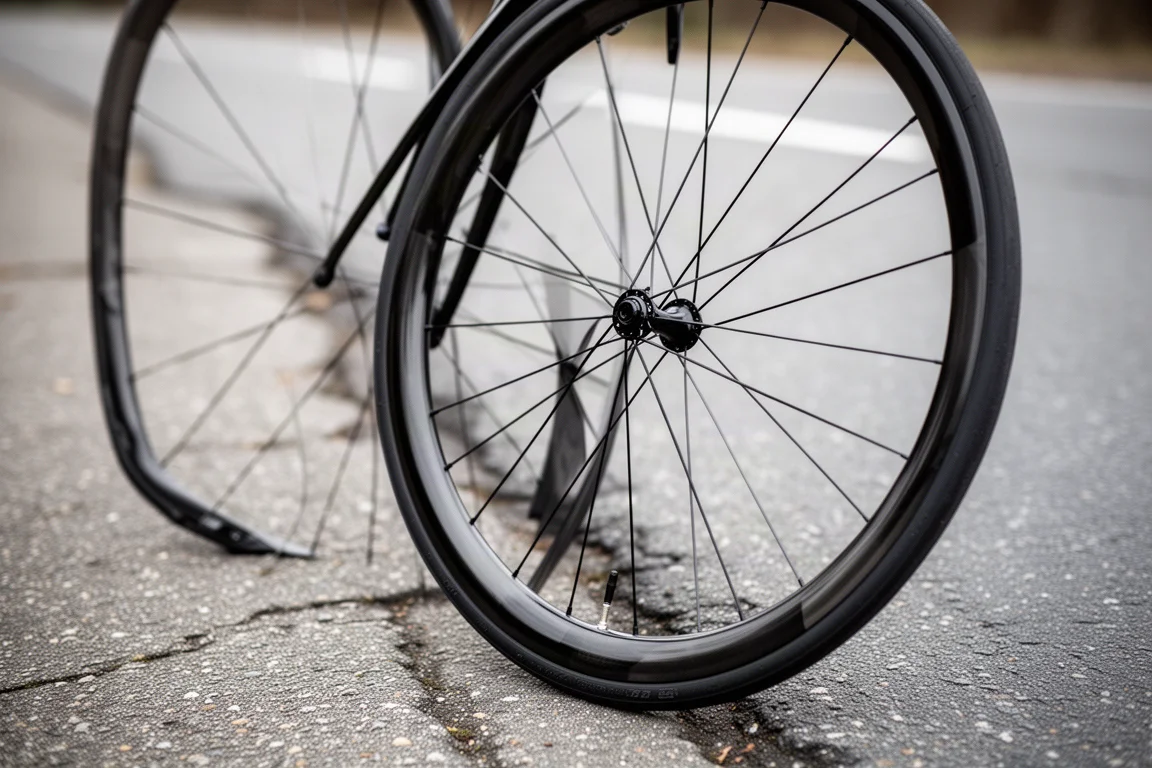
With the stock wheels, the ride required an average of 208 W. With the premium wheelset that dropped to 200 W, a saving of 8 W. The upgrade changed more than the numbers. The bike felt smoother over rough surfaces, more settled in crosswinds, and noticeably snappier thanks to the quicker freehub engagement. This is real-world testing rather than laboratory measurement, so the figures are best treated as a rough guide rather than a precise result. On the same route, the CFR with its own premium wheels recorded 186 W.
Handlebar and Setup Details to Consider
The one-piece carbon cockpit includes a groove across the top of the bar, designed to let you mount a computer, a phone, or aero extensions. The idea is sound, but the system is proprietary: Canyon’s own mounts are required, and third-party mounts do not fit. Canyon also does not include a computer mount with the bike, so that is an additional purchase.
The groove and its bolt leave a visible cutout on top of the handlebar, which is a cosmetic compromise next to the clean, smooth cockpits found on several rival aero bikes. Stem length cannot be changed, so the fit is fixed when you buy; handlebar width can be adjusted. Riders who expect to refine their position over time, particularly racers who may eventually want a longer and lower setup, should weigh that limitation carefully.
Elsewhere the details are thoughtful. T25 bolts are used across the whole bike, and the through-axle lever doubles as a tool for quick roadside adjustments. Bumper stops under the fork protect the carbon when the front wheel is removed, and the seatpost uses two separate bolts so fore and aft and tilt can be adjusted independently, which makes initial setup considerably easier.
Buying Advice: Which Aeroad Is Right for You
The CF SLX makes the strongest case for most riders. At just under £4,000 in the UK it delivers a genuinely fast aero platform, a one-piece carbon cockpit, a carbon seatpost, deep-section DT Swiss wheels, and a wide-range SRAM Rival AXS groupset that makes climbing easier than the gearing on the CFR. For criterium racing, road racing, or simply riding fast, it covers the essentials without the top-tier price.
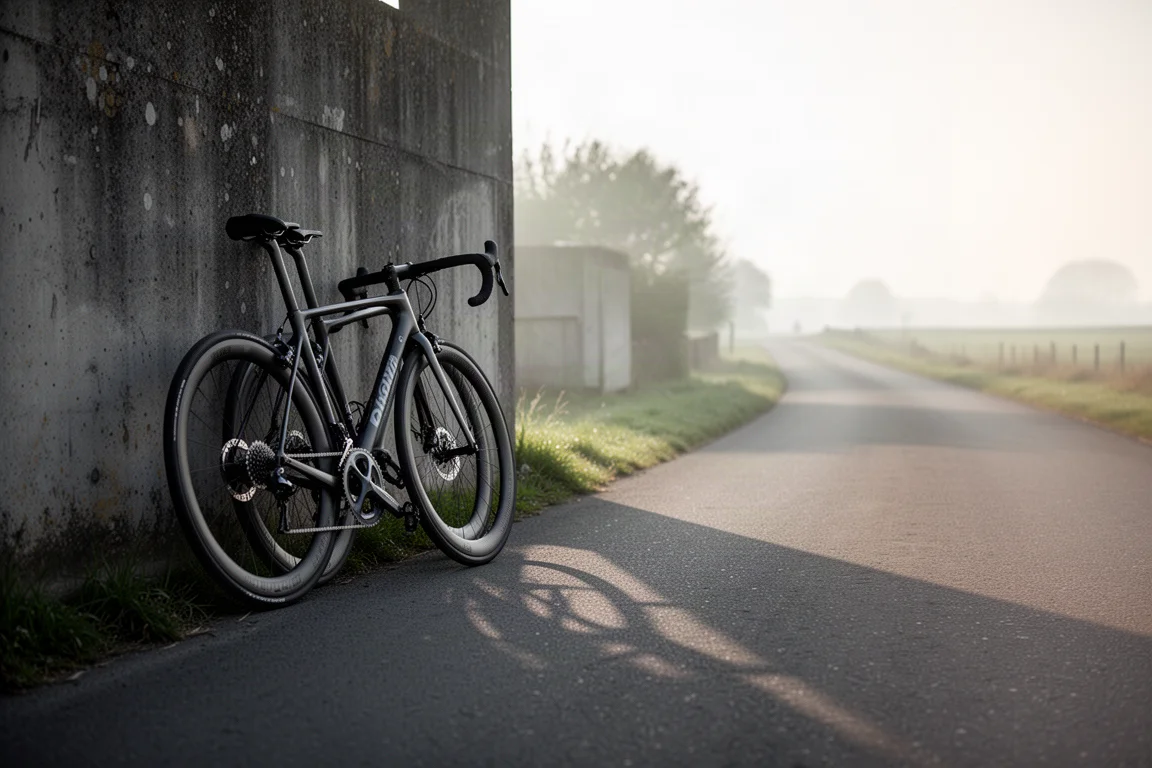
The CFR suits riders who want the lightest frame Canyon builds into the Aeroad along with the most expensive components in the range. The measured gap between the two bikes at 30 km/h was larger than the frame weight difference alone would suggest, and much of that comes from the wheels and build rather than the frame.
Riders who already own an older Aeroad should not feel any pressure to upgrade. The current CF SLX is a few watts faster in wind tunnel testing and a little lighter, but it is not a dramatic step forward. Upgrading the wheels on an existing bike is often the more efficient route to more speed and better ride quality.
Conclusion
Canyon’s decision to keep the Aeroad as a pure aero platform means the CF SLX and CFR serve slightly different riders. The CF SLX is the value pick: a well specified aero race bike at a price that undercuts several key rivals, with gearing that makes it usable beyond race day. Its firm ride and proprietary cockpit are the main compromises to accept.
The CFR is the no-compromise build, lighter at the frame and fork and considerably faster in measured effort thanks to its wheels and components. Buyers who want the best of the platform will find it here, while everyone else can spend a good deal less on the CF SLX and put the difference toward a wheel upgrade later.
Further reading
Related Reviews

Road Bikes
10 New Road Bikes Worth Watching: Aero, Titanium, Steel and Endurance Standouts
A practical roundup of 10 new road bikes, from aero flagships chasing single-watt gains to titanium, steel and endurance platforms built for real roads.
Road Bikes
2026 Tour de France Road Bikes: Six Race Machines Worth a Closer Look
Six race bikes from the 2026 Tour de France grid, reviewed for paint, silhouette, wheels and the specification details that matter to buyers.
Road Bikes
3T Strada Italia Review: A Radical Aero Road Bike That Rides Smooth
A made in Italy carbon aero road bike with a deep head tube, wide tire clearance and a genuinely comfortable ride. Here is what to know before buying.