Road Bikes
Canyon Aeroad CF SLX Review: Canyon's Most Accessible Aero Race Bike
Canyon's entry-level aero race bike delivers race-ready speed and a strong build for just under £4,000, but the ride is firm and the cockpit is a compromise.
Introduction
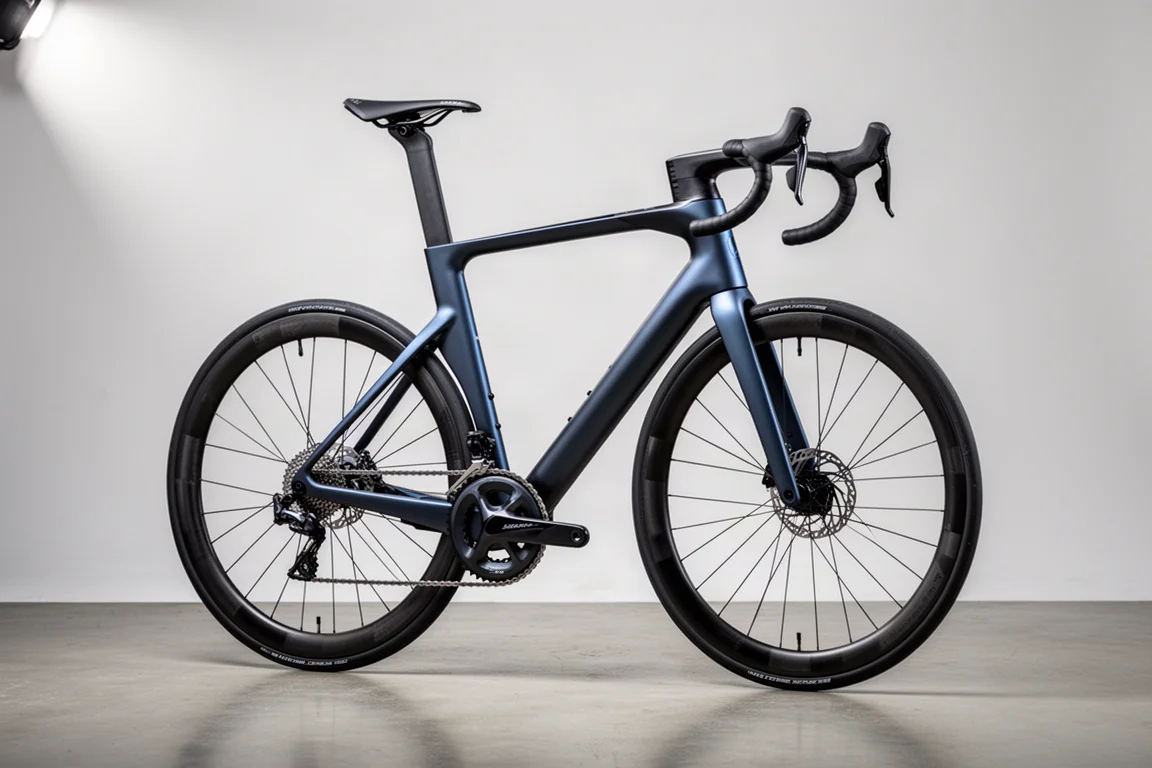
Canyon has kept its aero race bike and its lightweight climbing bike as two separate platforms rather than merging them, and the Aeroad CF SLX is the most accessible way into the aero side of that range. It sits at the bottom of the Aeroad line-up at just under £4,000 in the UK, roughly £500 less than several key aero rivals, and it arrives with a specification that looks unusually complete for the money: deep-section DT Swiss wheels, a SRAM Rival AXS 2x groupset with a wide-range cassette, a one-piece carbon handlebar and stem, and a carbon seatpost.
The Aeroad itself has been around for more than a decade, and the current generation was updated over the summer. Canyon’s aero flagship remains a bike built for speed first, focused on minimising drag, racing, and chasing outright pace.
Who This Bike Is For
This is a bike for riders who race, or who ride with racing in mind. Criterium racing, road racing, fast solo efforts and long stretches at high speed are where the Aeroad CF SLX makes the most sense. The wide-range cassette is a deliberate choice on this model: the gearing is noticeably broader than the Red groupset used higher up the range, which makes climbing far more manageable and widens the bike’s appeal beyond pure racers.
Riders who want one fast bike that can also handle a long day in the hills will find the gearing friendly, but the underlying character of the bike is still aerodynamic efficiency rather than all-day comfort.
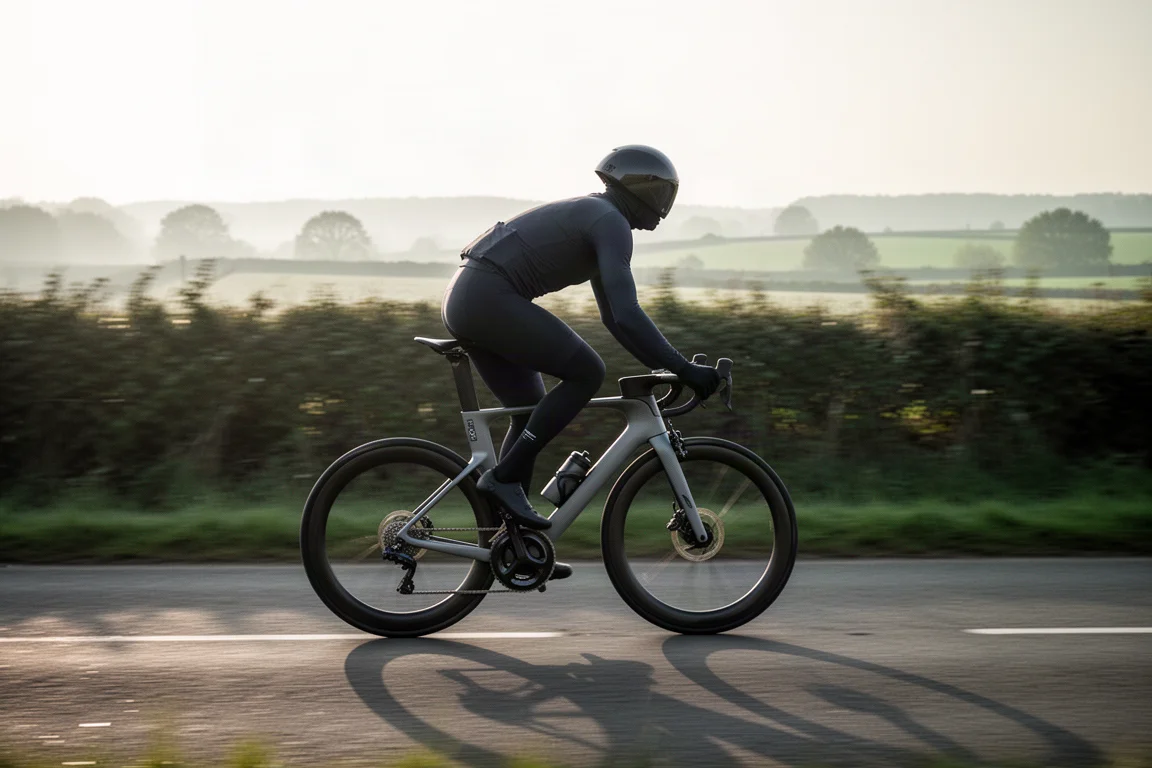
Anyone shopping in this category is effectively choosing between a pure aero platform and the newer generation of aero all-rounders that blend low weight with better ride quality. The Aeroad CF SLX sits firmly on the aero side of that divide.
Frame, Geometry and Build Details
The new Aeroad CF SLX carries over much of the silhouette of the bike it replaces. There is the same narrow head tube, a deep bladed fork, a very deep down tube, an aero seat tube and seatpost, and dropped rear stays. Tire clearance is 32mm, in line with the rest of the category.
The key difference between this CF SLX and the range-topping CFR is the grade of carbon fibre used in the frame and fork. The tube shapes and profiles are identical between the two, but the frame and fork here are a few hundred grams heavier. That weight is the main measurable difference. Isolating any ride quality, stiffness or responsiveness differences between the two frames is genuinely difficult without riding both with identical wheels, tires and components.
Weight on the scales is competitive: just under 8kg for a size medium, measured without pedals but with a computer mount and two bottle cages fitted.
Ride Quality and Handling
On the road the Aeroad CF SLX feels quick, and Canyon’s wind tunnel testing puts it a few watts ahead of the previous Aeroad while sitting in the same ballpark as other aero bikes at similar speeds. Drag differences between modern aero bikes have narrowed considerably, so outright speed is no longer where one bike separates itself from the rest.
Ride quality is the more noticeable characteristic. The Aeroad CF SLX is a firm bike, firmer than several rival all-round race bikes including the Trek Madone and the Cannondale SuperSix Evo. It is not the smoothest bike in this class, even with larger tires fitted.
Handling is a strength. The bike feels solid and planted, with very predictable steering. It is not the quickest or most agile turning bike, but at high speed it holds a line exceptionally well, and it remains easy to ride at lower speeds too. The front end is low without being excessively stretched, and the stem is short.
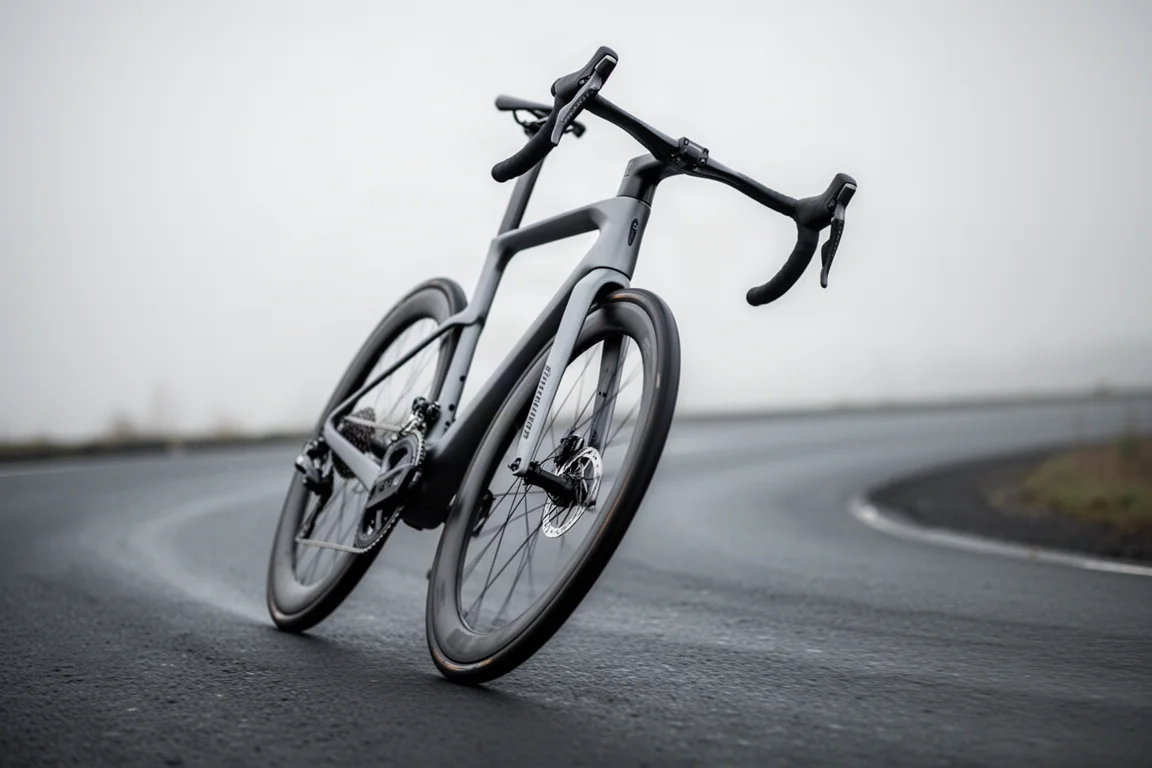
The geometry and fit are easy to live with for riders who like a low, race-oriented position, and the bike feels stable rather than nervous in fast company.
Specification and Value
For just under £4,000 the parts list is strong. DT Swiss deep-section wheels, high-quality tires, a SRAM Rival AXS 2x groupset with a wide-range cassette, a one-piece carbon handlebar and stem, a carbon seatpost and a decent saddle. The weight is reasonable for an aero platform, and the overall package reads as well thought out rather than assembled to hit a price.
There are also several thoughtful details. T25 bolts are used across the whole bike, and a tool is included in the through axle lever for quick roadside fixes. Bumper stops sit underneath the fork to protect the carbon when the front wheel is removed or the bike is loaded into a car. The seatpost uses two separate bolts for independent fore and aft and tilt adjustment, which makes initial setup considerably easier.
Wheel and Tire Upgrades
Upgrading wheels remains the most effective route to more speed and better ride quality on this bike, and the numbers support that. On an 11km test loop ridden at a steady 30km/h average, the CF SLX recorded an average power of 208 watts with its stock DT Swiss wheels. Swapping to a set of Zipp 454 NSW wheels with 28mm tires front and rear brought that down to 200 watts, a saving of 8 watts.
The same loop with the range-topping CFR, running its own deep wheels, produced 186 watts. That is a real-world comparison rather than laboratory testing, with the usual variables of weather and road surface, so it is best read as a rough guide rather than a precise measurement.
The wheel swap changed more than the numbers. The bike felt closer to the CFR, with a little more snappiness, a low-drag freehub and quick engagement. Ride quality improved noticeably: the stock setup could feel jarring and move around on rough, bumpy surfaces, while the upgraded wheels and tires handled crosswinds and surface cracks better and felt far more rock solid. It is worth remembering that a wheelset of this calibre costs a substantial amount on its own.
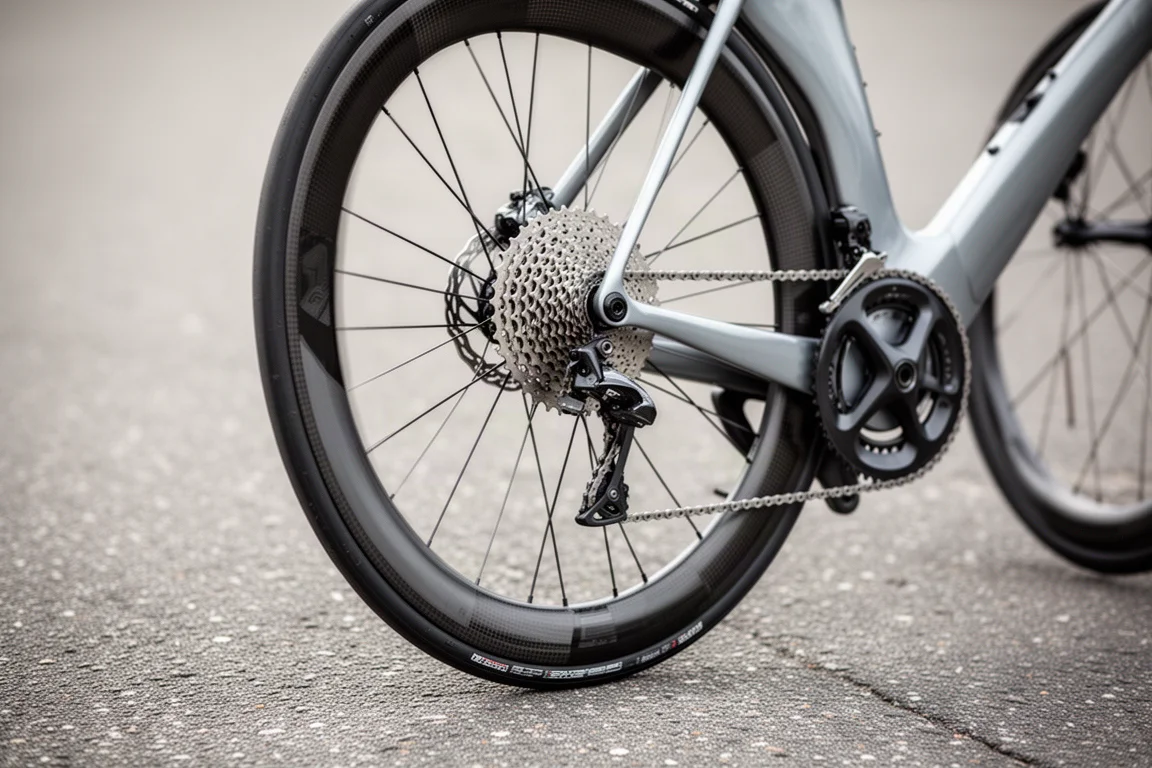
Given the cost of a premium upgrade, the stock DT Swiss wheels are a perfectly sensible starting point, and the gain from a top-tier set is smaller than the price difference might suggest.
Things to Consider Before Buying
The cockpit is the main compromise. The handlebar uses a gear groove system that accepts Canyon’s own accessory mounts for computers, phones and extensions, but it is not compatible with other mounting systems on the market. Canyon also does not include a computer mount with the bike, despite most competitors supplying an out-front mount as standard, so buying one separately adds around £35.
The groove also has a visual cost. A cutout and bolt sit on top of the handlebar, where most aero bikes use a clean, uninterrupted shape. Handlebar width is adjustable, but the narrow setting still may not be narrow enough for some riders.
Stem length cannot be changed. That matters for racers who progress and want to go longer and lower over time, and it makes getting the fit right at the point of purchase more important. Riders who are happy with the stock fit will not mind, but it removes a useful adjustment.
Finally, this generation does not move the game on dramatically from the previous Aeroad. It is a little lighter and a few watts faster, but not light enough to become a compelling all-rounder, and owners of a recent Aeroad have little reason to upgrade.
Buying Advice
If the goal is a value-focused aero race bike for racing, the Aeroad CF SLX is a strong option and deserves a place on any shortlist. It delivers race-ready speed, a complete specification and a sensible weight for just under £4,000, undercutting several key rivals by around £500.
The decision really comes down to what kind of rider you are. Pure aero bikes like this remain the fastest choice for criterium and road racing, and Canyon has deliberately kept the Aeroad separate from its lightweight climbing platform rather than merging the two into one bike. If racing is the priority, the Aeroad CF SLX makes a lot of sense.

If you are not racing and simply enjoy riding fast, the newer generation of aero all-rounders may suit you better. They tend to be lighter and smoother to ride, and for most non-racing riders that combination is more valuable than the last few watts of drag saving. Riders who do choose the Aeroad CF SLX should plan on getting the fit dialled in at purchase, since the stem length is fixed, and should treat a wheel upgrade as the most worthwhile future improvement.
Conclusion
The Canyon Aeroad CF SLX is the most accessible entry into Canyon’s aero race range, and at just under £4,000 it is priced aggressively against its rivals while carrying a specification that leaves little to be desired. It is fast, planted and predictable, and the wide-range gearing makes it more usable on climbs than its race-first positioning suggests.
The trade-offs are a firm ride, a proprietary cockpit that limits mount choices and stem length, and a generation-on-generation improvement that is modest rather than transformative. For racers, those are acceptable compromises. For riders who want speed without racing, the smoother aero all-rounders now on the market are worth a serious look before committing.
Product link
View more details for Canyon Aeroad CF SLX
This product is mentioned in the review. Check the specifications, options, and compatibility before buying.
View more details for Canyon Aeroad CF SLXFurther reading
Related Reviews

Road Bikes
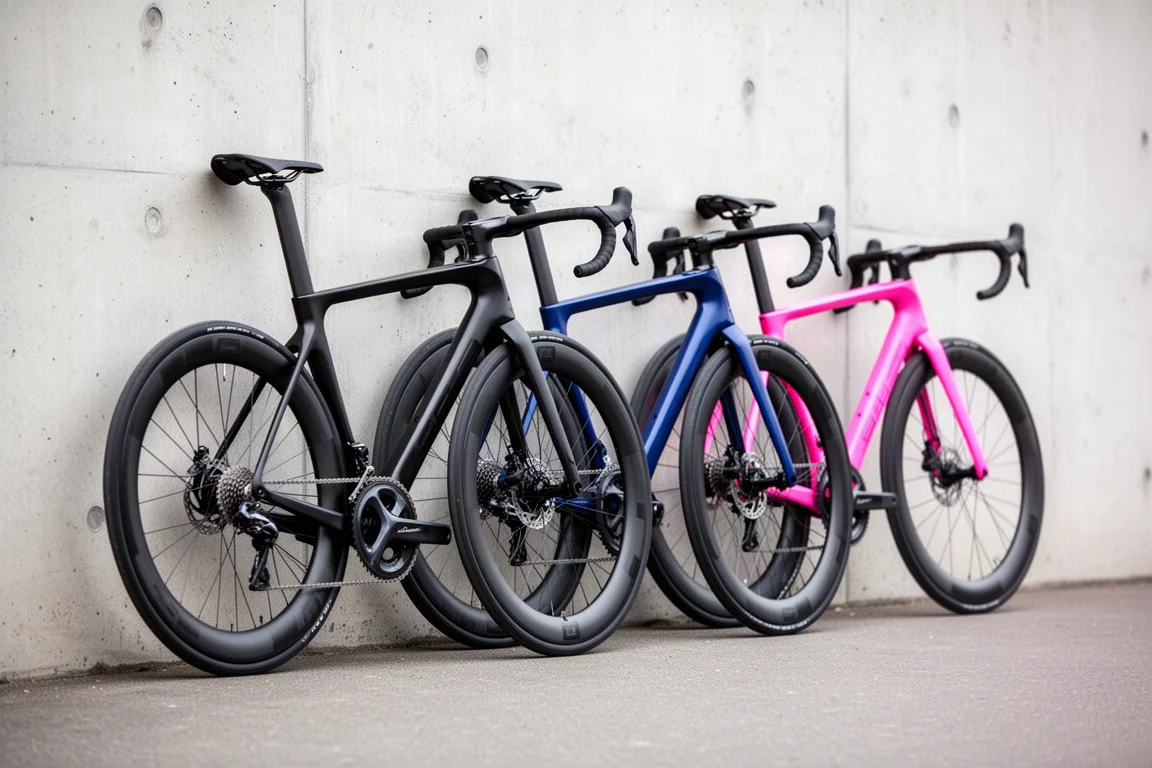
10 New Road Bikes Worth Watching: Aero, Titanium, Steel and Endurance Standouts
A practical roundup of 10 new road bikes, from aero flagships chasing single-watt gains to titanium, steel and endurance platforms built for real roads.
Road Bikes
2026 Tour de France Road Bikes: Six Race Machines Worth a Closer Look
Six race bikes from the 2026 Tour de France grid, reviewed for paint, silhouette, wheels and the specification details that matter to buyers.
Road Bikes
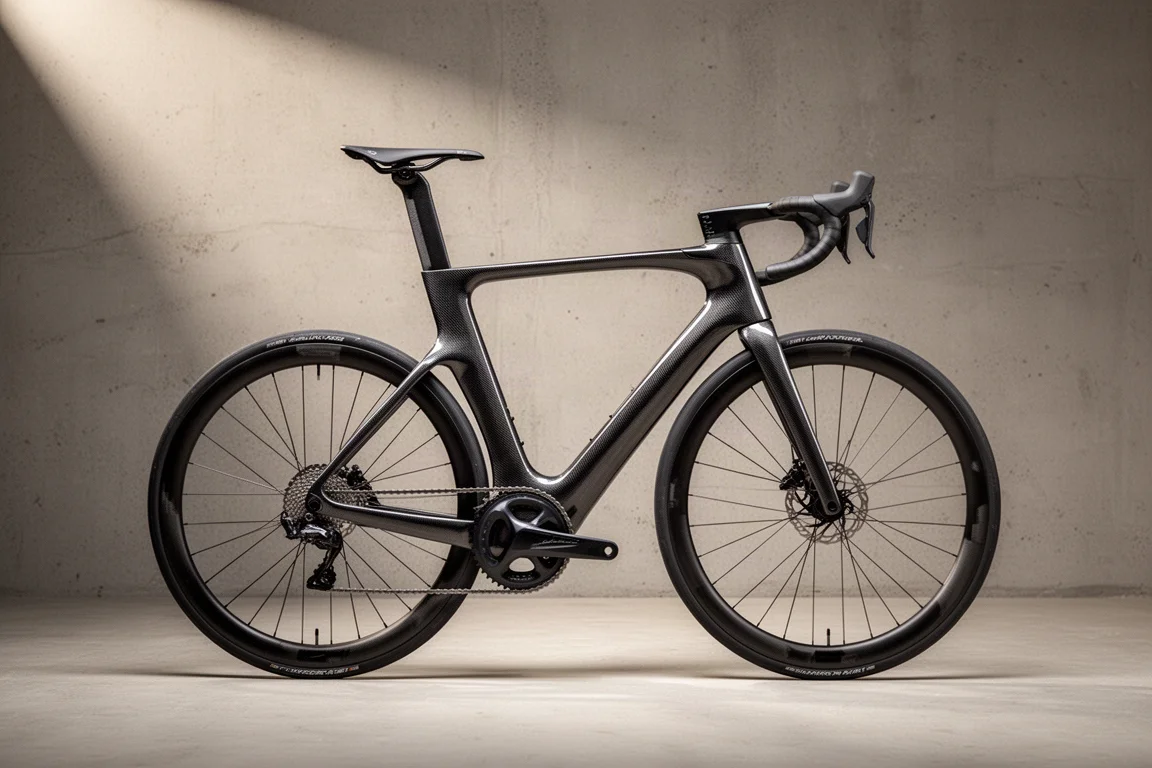
3T Strada Italia Review: A Radical Aero Road Bike That Rides Smooth
A made in Italy carbon aero road bike with a deep head tube, wide tire clearance and a genuinely comfortable ride. Here is what to know before buying.