Road Bikes
Canyon Aeroad CF SLX 8 Di2 Review: A Race Bike With Unusual Fit Adjustability
A close look at the Canyon Aeroad CF SLX 8 Di2, covering its refined frame, adjustable Pace handlebar, ride character, and the practical side of buying direct.
Introduction
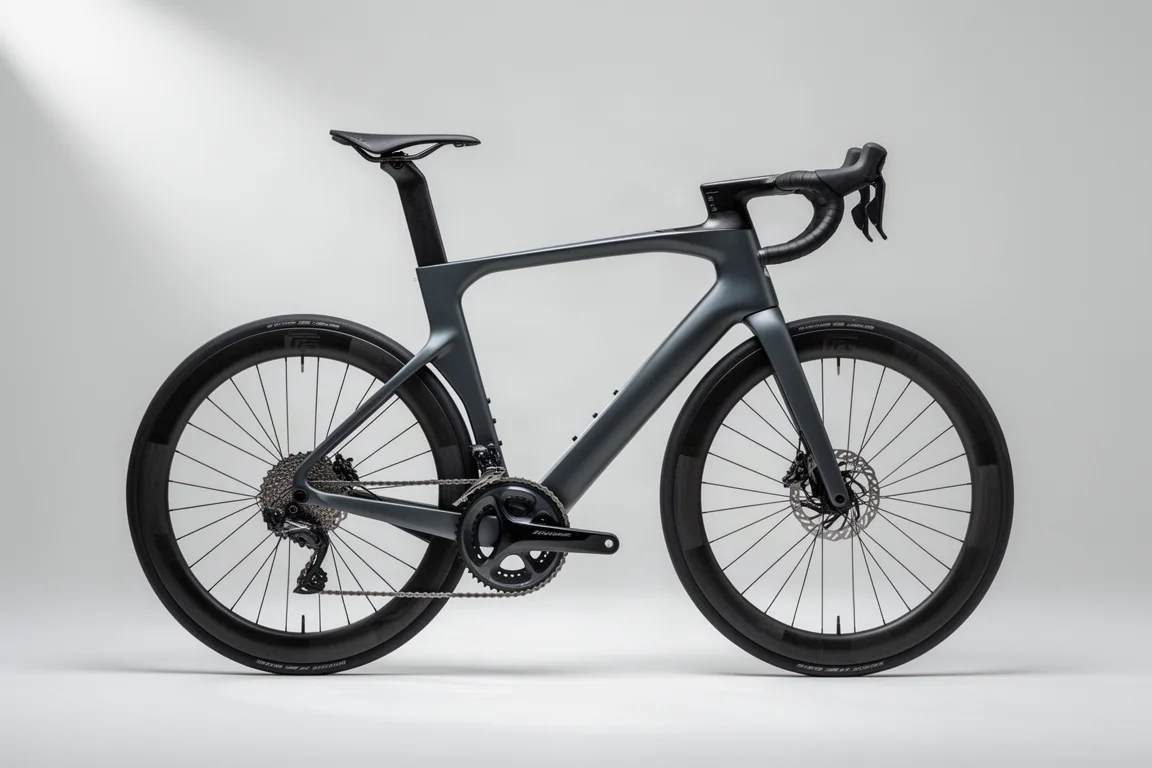
The Canyon Aeroad CF SLX 8 Di2 looks almost identical to the Aeroad it replaces. That is not an accident, and it is also not the whole story. Underneath the familiar silhouette sit a series of refinements that are easy to miss on a spec sheet but noticeable once you start paying attention: smoothed frame ends where the through axle openings used to sit exposed, reshaped tubes, and a handlebar system that changes how the bike can be fitted to a rider over time.
The build is a serious one. Shimano Ultegra 12-speed with a power meter, DT Swiss ARC 1400 carbon wheels with 50 mm deep rims, Continental GP5000 tyres set up tubeless, and a Selle Italia SLR Boost Superflow carbon saddle. As configured, the bike is priced at 6,499 euros.

Canyon positions the Aeroad as its fastest road platform, and the company says the new bike is the quickest in the professional peloton based on its own testing. That is a manufacturer claim rather than an independent result, but the changes that underpin it are concrete enough to examine.
Who this product is for
This is a race bike in the traditional sense: long, low, and aggressive. It suits strong, flexible riders who can hold a stretched position for hours, and it rewards people whose rides are built around speed rather than comfort.
Crit racers and riders who live somewhere flat will get the most out of it. On sustained climbs the bike can feel less eager than its numbers suggest, so riders who spend most of their time in the mountains should weigh that against the aerodynamic gains.
It is also worth being clear about what ownership involves. Canyon sells direct to consumers, so the bike arrives in a box and needs to be finished at home. If you would rather not build and maintain your own bike, you will need a mechanic willing to work on it, and any service or warranty issue goes through Canyon rather than a local shop.
Main strengths
The Aeroad’s appeal is not one headline feature. It is the combination of a stiff, fast-feeling frame and a level of fit adjustability that is genuinely unusual on a race bike.
Frame and aerodynamic refinements
Canyon has closed off the ends of the through axle openings so the frame and fork surfaces are now smooth, and reshaped the head tube, top tube, seat post, fork, seat stays, and chain stays. There is also a small paint protector at the end of the fork, which reduces the chance of chipping the finish when a wheel goes in quickly.
The Pace handlebar and fit adjustability
The CP48-01 handlebar, part of Canyon’s Pace system, allows the width to be adjusted more than the previous adjustable bar. The standard bar spans 37 cm to 42 cm, while the Arrow drop version, which is slightly flared, covers 35 cm to 40 cm. The bike arrives taped at 39 cm centre to centre, and moving to a different width means adjusting the bar tape.
Canyon’s stated reason for the design is rider fit: the width can be set to preference, which matters most on smaller frame sizes, where the bar can go as narrow as 370 mm. The removable wings also make the bike easier to pack for travel and allow it to ship with the headset already assembled.
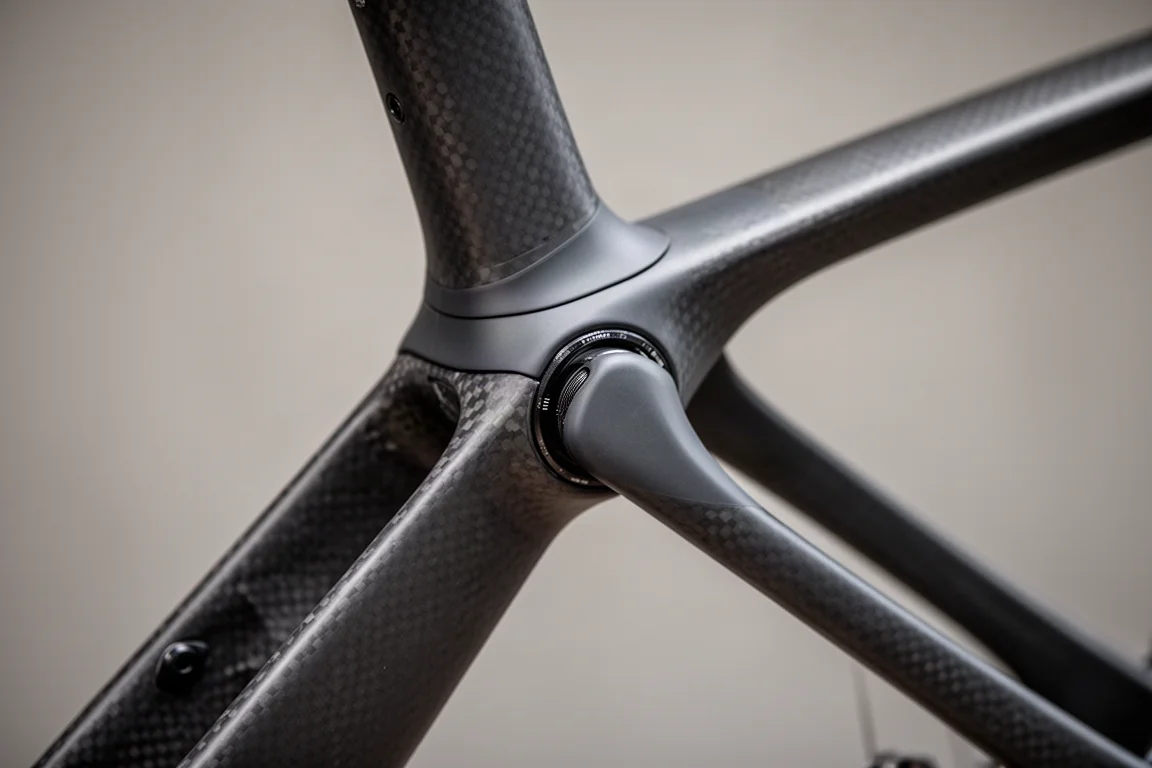
The Arrow drops are claimed to save up to 14 watts, a figure that comes from Canyon’s own testing. That is worth treating as a claim rather than a certainty, but the narrower, flared shape is a real change rather than a cosmetic one. Handlebar height can also be adjusted without cutting the steerer, so a slammed position can be reversed later if your fit changes or the bike is passed on.
Build quality, assembly, and included tools
Almost every bolt on the bike is Torx, and a small lever tool with a Torx end lives inside the through axle, held in place magnetically. It covers the stem, bars, seat post, and the handlebar bolts, so most of the build can be done with a single tool. Canyon also includes a torque wrench in the box, a sensible inclusion for a bike designed to be assembled at home.
The packaging is noticeably compact for a complete road bike, which fits Canyon’s direct-to-consumer model. The bike arrives nearly complete, with the headset set up and the bars ready to attach. Taking the bars off again for travel is a two-bolt job on either side, torqued to 5 Newton metres, which means a torque wrench needs to travel with the bike.
Ride character
The Aeroad is stiff and direct. It does not encourage a relaxed pace; it wants to be ridden hard, and it is at its best in short, aggressive efforts. That sharpness comes with a trade-off in comfort, and the rear end can feel light and twitchy under hard acceleration, which reads as a deliberate part of the aggressive geometry rather than an oversight.

Weight as measured, with a computer mount and two bottle cages fitted, came in at 7.59 kg. Canyon claims 7.45 kg for a medium.
Things to consider before buying
Comfort is the first thing to weigh. The Aeroad is not a plush bike, and the position is committed. If your riding is mostly long, steady distance, a less aggressive platform may suit you better.
Climbing is the second. Despite the low weight, the bike can feel slower to come alive on sustained gradients than you might expect, which is worth checking on your own local roads if they are hilly.
Sizing deserves attention too. The range runs from 2XS to 2XL, which is generous on paper, but the geometry is long. A 170 cm rider settled on an XS after the official size chart pointed toward a small, which suggests it is worth checking reach carefully or speaking to a fitter before ordering. Longer frames can force riders to compensate by sliding forward on the saddle or stretching the arms, and both tend to show up as neck and shoulder fatigue over a long ride.
Finally, there is the direct-sales model. You build the bike, you maintain it, and you deal with Canyon directly if something goes wrong. Some riders will see that as a fair trade for the price; others will miss having a shop down the road. The bottle cages are a small point of friction as well: Canyon’s own bottles fit neatly, while several other common bottle shapes do not.
Buying advice
The Aeroad range is broad. At the top end, the CFR frame with Sram Red and Zipp carbon wheels is priced at 10,499 euros, while the Sram Rival model starts at 4,199 dollars and uses the same frame as the model described here. The CF SLX 8 Di2 sits in the middle at 6,499 euros, and for many riders it will be the sensible point in the range: electronic shifting, a power meter, and deep-section carbon wheels without the premium of the flagship build.

If you already own a recent Aeroad, the case for upgrading is thin unless the extra handlebar adjustability is something you specifically want. The changes are refinements rather than a reinvention. If you are buying your first Aeroad, the newest version makes the most sense, since it carries all of the accumulated improvements.
The fit question matters more than the spec sheet. Because bar width and height can be changed without cutting anything, this is a bike that can be adjusted as your position evolves, which lowers the risk of an expensive mistake. Set against that, plan for the ownership side: allow time for home assembly, keep the included torque wrench to hand, and decide in advance who will look after the bike if you would rather not do it yourself.
Conclusion
The Aeroad CF SLX 8 Di2 is a focused race bike that does exactly what it sets out to do. It is stiff, fast, and aggressive, with a handlebar system that offers a level of adjustability rarely seen at this price. It is not comfortable, it is not a natural climber, and it asks you to build and support it yourself.
For riders who want race performance without flagship pricing, and who are willing to accept the trade-offs, it is a compelling package.
Product link
View more details for Canyon Aeroad CF SLX 8 Di2
This product is mentioned in the review. Check the specifications, options, and compatibility before buying.
View more details for Canyon Aeroad CF SLX 8 Di2Further reading
Related Reviews

Road Bikes
10 New Road Bikes Worth Watching: Aero, Titanium, Steel and Endurance Standouts
A practical roundup of 10 new road bikes, from aero flagships chasing single-watt gains to titanium, steel and endurance platforms built for real roads.
Road Bikes
2026 Tour de France Road Bikes: Six Race Machines Worth a Closer Look
Six race bikes from the 2026 Tour de France grid, reviewed for paint, silhouette, wheels and the specification details that matter to buyers.
Road Bikes
3T Strada Italia Review: A Radical Aero Road Bike That Rides Smooth
A made in Italy carbon aero road bike with a deep head tube, wide tire clearance and a genuinely comfortable ride. Here is what to know before buying.