Road Bikes
Cannondale Synapse vs Trek Domane: Which Endurance Road Bike Suits You?
A practical comparison of the Cannondale Synapse and Trek Domane, covering headline features, ride quality, looks, build options and value.
Introduction
The Cannondale Synapse and the Trek Domane have sat at the top of the endurance road bike category for years, and both were updated last year. That leaves a straightforward question for anyone shopping in this part of the market: which of the two actually suits the way you ride?
This comparison works through the features that define each bike, how they feel out on the road, how they look, and how their build ranges and pricing stack up against one another. The two bikes are close enough in intent that the decision usually comes down to priorities rather than outright superiority.
How These Two Endurance Bikes Compare
Four things matter most when choosing between these two frames. The first is the headline technology each brand has built its identity around, since the Synapse and the Domane solve the endurance brief in very different ways. The second is ride quality, which covers both comfort and how willing each bike is to be pushed hard.
The third is aesthetics, which is subjective but still shapes long-term ownership satisfaction. The fourth is the spread of build options and the value each range represents, because the entry point and the top of the range tell very different stories.
One caveat worth stating up front: the Domane specification used for the ride comparison is not a production build, so a like-for-like weight comparison between those two exact bikes is not available. Where weights and prices are quoted, they refer to specific configurations that can be bought or to the ranges as a whole.
Cannondale Synapse: SmartSense and Endurance Geometry
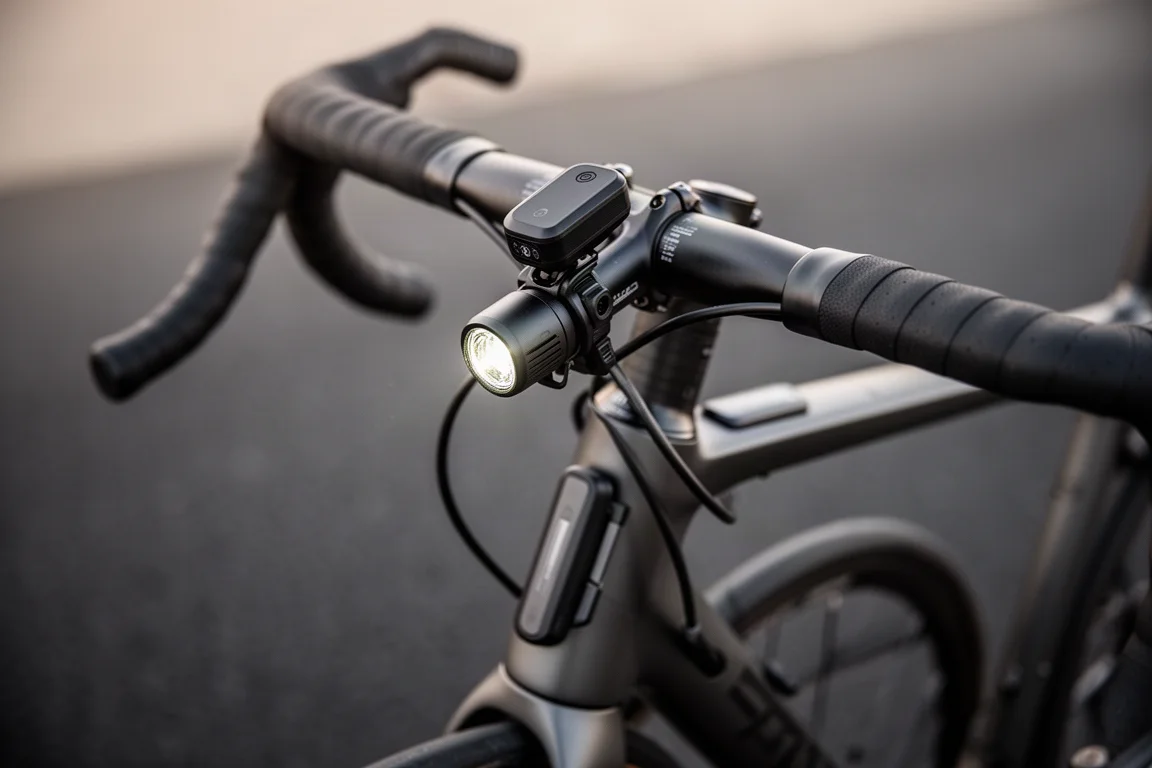
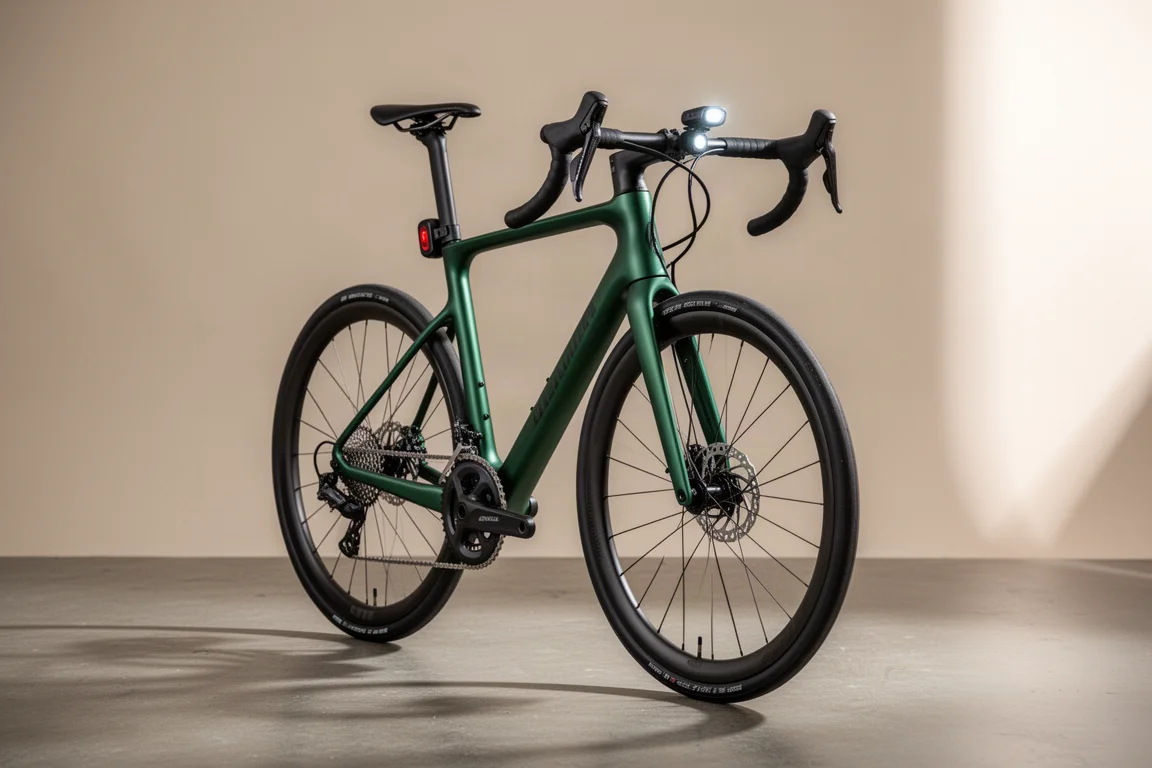
The headline feature on the Synapse is SmartSense, a system of integrated lights and radar designed to improve awareness on the road and make the rider more visible. The theory behind it is solid, but there is a practical limitation in how it is executed: the lights are fixed, so owners cannot swap them for a different model of their choosing. The battery sits on the down tube, and while it can be removed, the cradle stays behind.
Opting out of SmartSense means choosing the bottom of the range model, which ships without the system but remains SmartSense compatible, so it can be retrofitted later. Every other build carries the system as standard.
The rest of the frame follows endurance priorities. The front end is tall, and the size 56 frame offers a stack height close to 60 cm, which keeps the rider in an upright position and makes it easier to see over traffic. The size 56 wheelbase measures just under 100 cm, so the bike keeps a short, responsive feel rather than a stretched one. Cannondale also builds Flex Zones into the rear triangle to add compliance, though the effect is subtle in practice. A single carbon frame is shared across all Synapse carbon models rather than reserving a lighter, higher-modulus version for the top of the range.
Trek Domane: IsoSpeed and Internal Storage
The Domane’s signature feature is the IsoSpeed decoupler, and the current generation represents a significant change from the one before it. Older versions used two IsoSpeed points, one in the head tube and one at the seat cluster, with the seat cluster version adjustable. The current bike keeps a single IsoSpeed decoupler at the seat cluster, and it is no longer adjustable. The reasoning is straightforward: riders rarely adjusted it in the first place.
The payoff is twofold. The frame looks cleaner and smoother, and removing the front IsoSpeed unit and simplifying the system dropped roughly 800 grams from the frame alone.

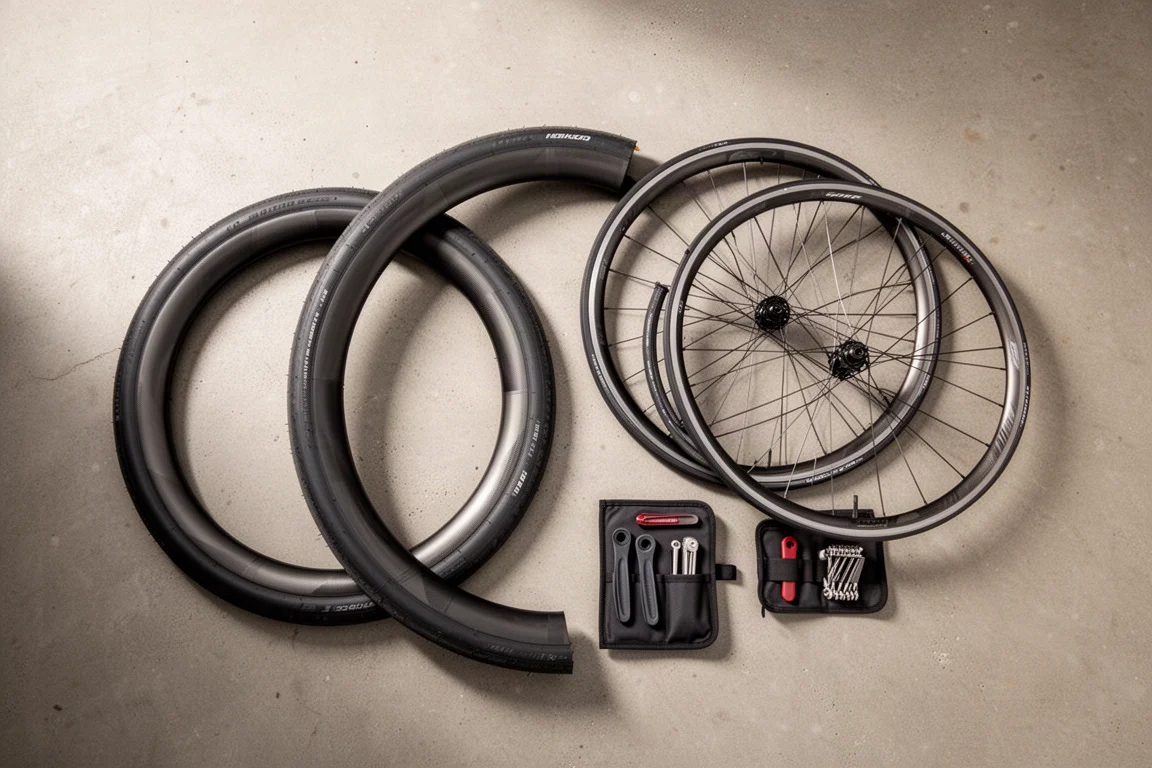
The second feature is internal frame storage, carried over from the previous generation. A small door on the down tube opens to reveal a Bontrager tool roll that can be filled with spares and pushed back inside the frame, which means a saddle bag or a loaded jersey pocket becomes optional rather than mandatory.
Geometry leans towards stability rather than sharpness. The wheelbase runs over 100 cm from size 50 upwards, and the head angle sits around 71 degrees across the size range. The SLR version of the frame, built with 800 series carbon, comes in at 7.25 kg.
Ride Quality: How the Two Bikes Feel
Comfort on the Synapse comes mostly from rider position and tyre pressures rather than from the frame itself. With wide tyres now standard on race bikes as well, the gap between an endurance bike and a race bike has narrowed considerably, and the Synapse feels closer to a race bike than its category suggests. It uses classic race-like angles, feels responsive, and is happy to be ridden quickly when you want to push on. The trade-off is weight: the size 56 build tested sits at 9.5 kg, while the Dura-Ace configuration comes in at around 8.3 kg, with SmartSense accounting for roughly 500 grams of the difference.
Out of the box, the Synapse ships with Vittoria Rubino Pro tyres in a 30 mm size, which are heavy and firm, along with Fulcrum Rapid Red 900 wheels that are basic OEM items. Both are obvious upgrade points. Moving to a suppler 30 or 32 mm tyre and a lighter wheelset would cut rolling weight and improve ride quality noticeably.
The Domane is comfortable in a different way. It encourages you to stay seated and turn the pedals rather than jump out of the saddle, and when you do stand up to drive over a climb, the slack head angle and long wheelbase make it feel as though the bike would rather you settled back down. That can read as a slightly lazy character, but it is also exactly what makes it an excellent tool for long, relaxed miles.
Aesthetics: Two Different Design Languages
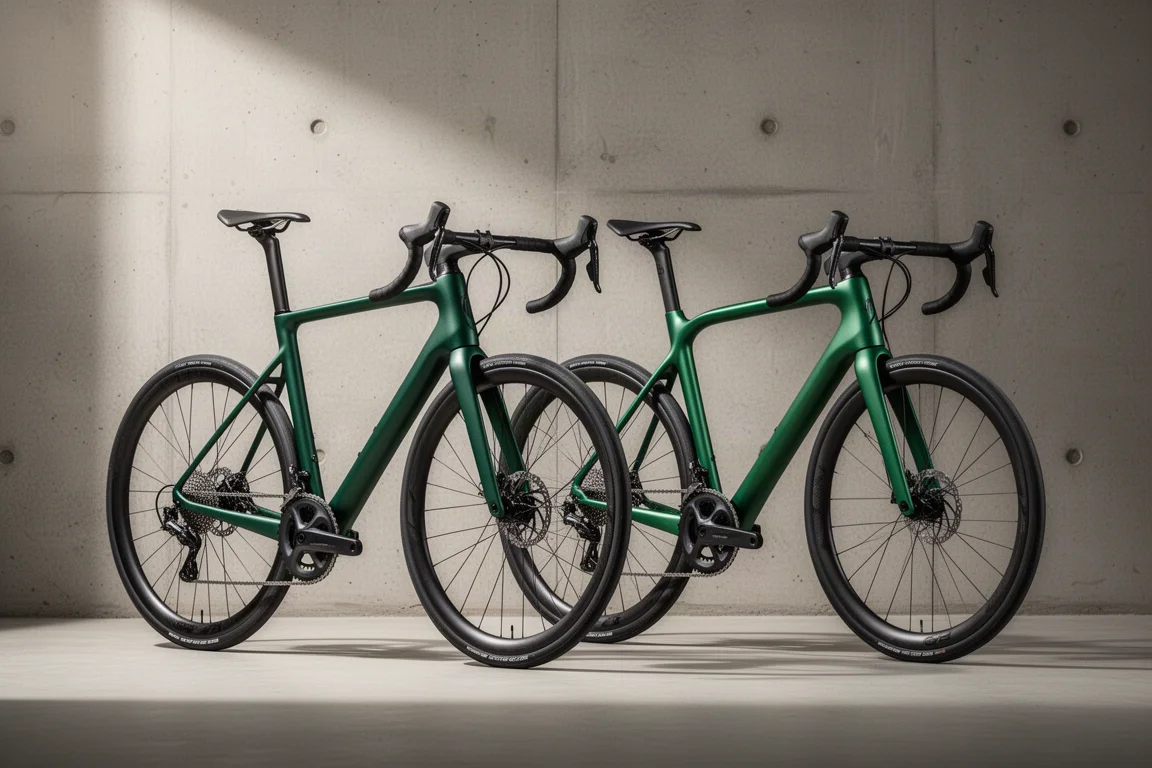
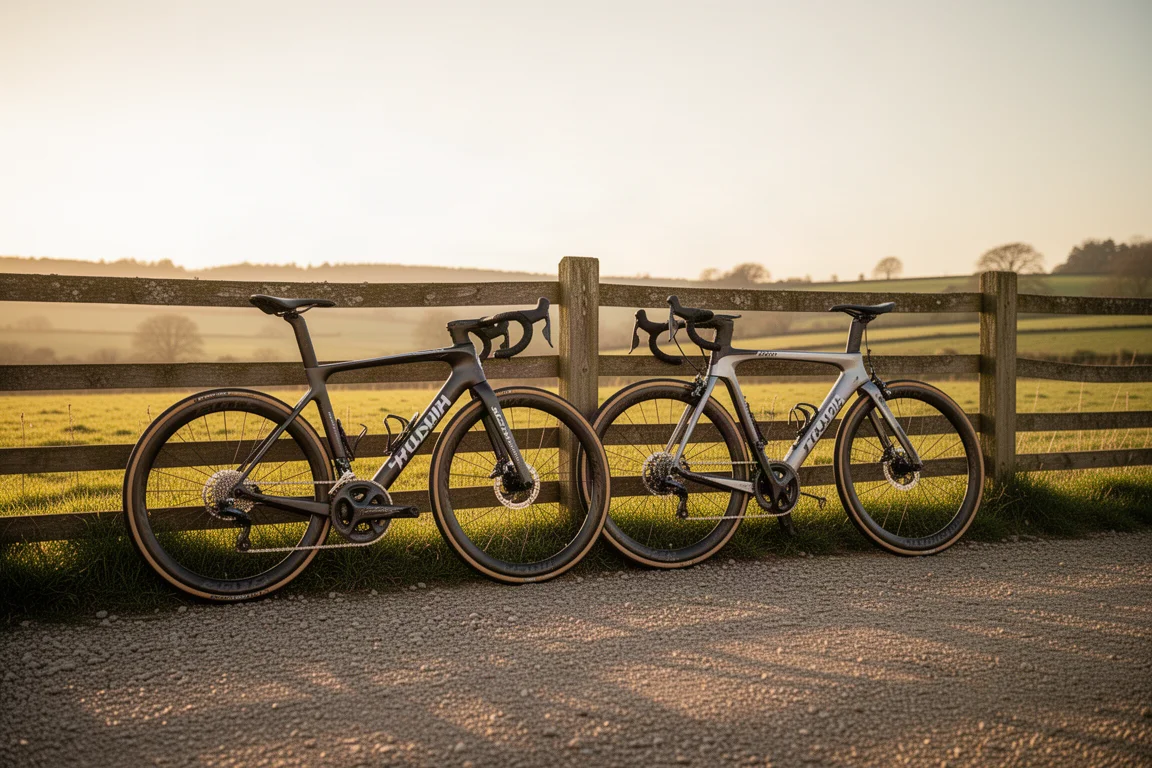
The Synapse is angular. Straight tubes, a compact main triangle, a heavily sloping top tube, dropped seat stays and a long exposed seat post give it a purposeful, efficiency-first look. The silhouette is not especially striking on its own, but the beetle green colorway changes that: it reads as green in shade and shifts towards a coppery bronze in direct sunlight. Cannondale has also kept the logos small, so the frame is not covered in branding.
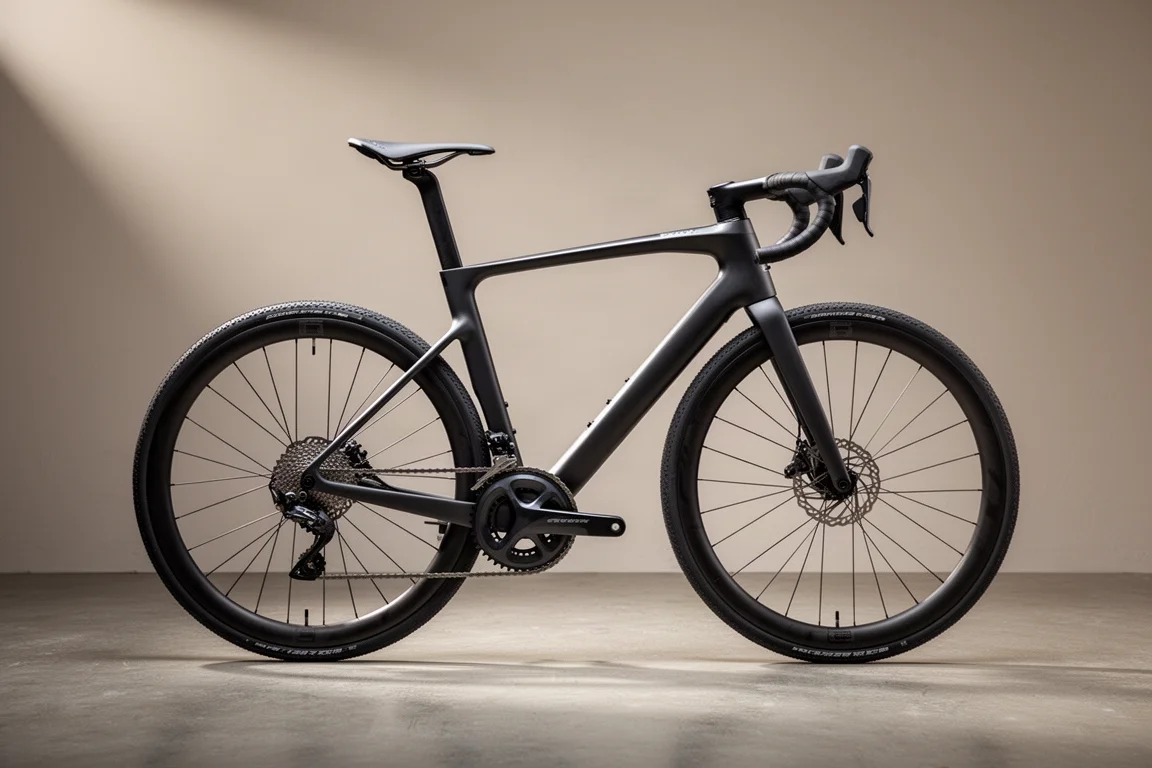
The Domane takes the opposite approach. It is curvier, with a more classic frame shape that avoids dropped seat stays, and the sculpted head tube echoes the design language used across other Trek models. The down tube decal is smaller than the one found on the brand’s race frames, which keeps the overall look clean. Combined with bold colour schemes and restrained graphics, it reads as an elegant bike rather than an aggressive one. On looks alone, the Domane is the more appealing of the two.
Build Options and Value
The Domane is available in far more builds, largely because it can be bought with SRAM groupsets, something the Synapse does not currently offer. That wider spread means smaller jumps between price points, so a rider working to a fixed budget has a good chance of finding a Domane that fits.
The Synapse takes a different route. The Ultegra-equipped 2RL build costs around 900 pounds more than the outgoing Synapse, which is a substantial increase and likely reflects the cost of the new frame and the SmartSense system. Lower down the range, however, the three aluminium builds with Sora, Tiagra and mechanical 105 look like strong value. They ship without SmartSense but remain SmartSense compatible, and one carbon Synapse is also offered without the system.
Price gaps between the two ranges widen as you move up. At the bottom, the Sora aluminium Synapse and the Claris aluminium Domane sit only about 50 pounds apart in the UK, so a small stretch gets you a full groupset level higher. At the top, the difference is far larger: the Dura-Ace carbon Synapse and the flagship Domane are around 3,500 pounds apart. A range-topping Synapse stays in four figures, which is unusual for a Dura-Ace equipped bike, while the top Domane exceeds it comfortably.
Buying Advice: Which Endurance Road Bike Suits You
Choose the Synapse if ride feel matters more to you than anything else. It is the more responsive of the two, with a shorter wheelbase and race-like angles, and it rewards a rider who wants to push on. The tall front end delivers comfort through position, which suits anyone dealing with a bad back or wanting a clearer view in traffic. Two practical notes: sizing down and fitting a longer stem creates a more aggressive position, and budgeting for lighter wheels and suppler tyres addresses the weight and ride quality of the stock build.
Choose the Domane if comfort over long distances is the priority and you want the widest possible choice of specifications. It is a brilliant bike for relaxed miles and for a first century sportive, and the range makes it easy to match a budget without compromising on the frame. Internal storage, the cleaner aesthetic and the lighter flagship frame are genuine advantages. The main caveat is cost at the top of the range, where the Domane pulls well clear of the Synapse.
For riders who value a racier feel, the Synapse takes it. For riders who want range, looks and all-day comfort, the Domane wins those categories.
Conclusion
These are two well-established endurance road bikes that now approach the same brief from opposite directions. The Synapse leans towards responsiveness, a tall riding position and a lower ceiling on price, with SmartSense as its defining feature. The Domane leans towards stability, comfort, an enormous spread of builds and a cleaner, more elegant frame, with IsoSpeed and internal storage at its core.
Neither is the wrong answer. The right one depends on whether you would rather have a bike that responds when you push it or a bike that makes long, steady distances feel effortless, and how much you are willing to spend at the top of the range.
Further reading
Related Reviews

Road Bikes
10 New Road Bikes Worth Watching: Aero, Titanium, Steel and Endurance Standouts
A practical roundup of 10 new road bikes, from aero flagships chasing single-watt gains to titanium, steel and endurance platforms built for real roads.
Road Bikes
2026 Tour de France Road Bikes: Six Race Machines Worth a Closer Look
Six race bikes from the 2026 Tour de France grid, reviewed for paint, silhouette, wheels and the specification details that matter to buyers.
Road Bikes
3T Strada Italia Review: A Radical Aero Road Bike That Rides Smooth
A made in Italy carbon aero road bike with a deep head tube, wide tire clearance and a genuinely comfortable ride. Here is what to know before buying.