Endurance Road Bikes
Cannondale Synapse Review: A Faster Endurance Bike With SmartSense Built In
The new Cannondale Synapse is quicker and sharper than before, but its fixed SmartSense lights and radar raise real questions about choice, runtime and brightness.
Introduction
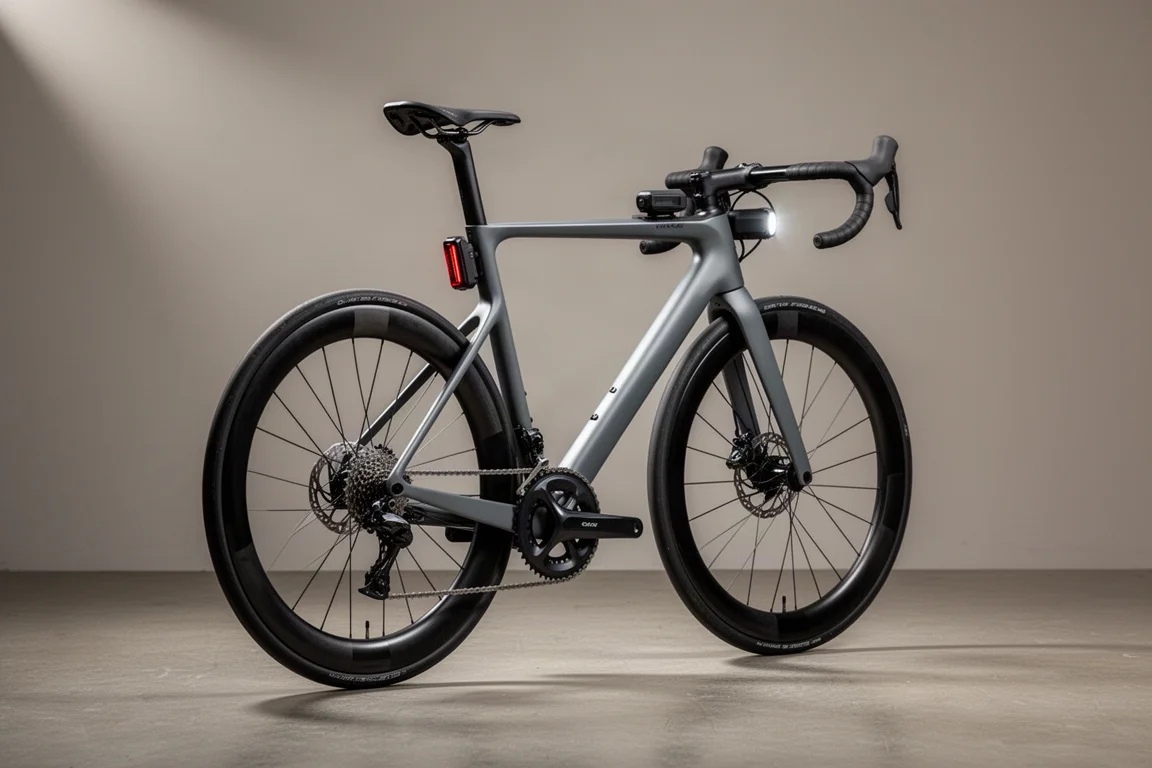
The Cannondale Synapse has long been one of the more likeable endurance road bikes on the market: quick enough to race, comfortable enough for a long day, with relaxed geometry, wide tires and disc brakes. The new version keeps that brief and adds something the category has not seen before. Lights and radar are built permanently into the frame.
That integration has split opinion. Some riders like the idea of a bike that carries its own safety hardware. Others object to paying for technology they cannot remove. Set that debate aside for a moment and the frame itself is excellent. It is faster, sharper and more engaging than the bike it replaces, while staying comfortable on rough roads.
This review covers what the new Synapse does well, where SmartSense helps, and the practical compromises worth weighing before you buy.
Who This Bike Is For
The Synapse is aimed at riders who want endurance geometry rather than a full race position. The stack is higher than a race bike and the reach shorter, so you are less cramped over the bars, but the drops are still aggressive enough to ride hard. The result is a stable, planted bike that stays calm at speed, in crosswinds and on poor surfaces.
It also suits riders who want lighting and radar handled for them, and who value a single battery and a single charging routine over choosing their own accessories. If you already own a lighting setup you like, or you have no interest in riding with lights and radar at all, the bike’s headline feature becomes a cost rather than a benefit.

In short, this is a bike for someone who wants one machine that covers fast club rides and long days out, and who is happy for the safety hardware to be part of the package rather than an add-on.
Ride Quality and Handling
First impressions land quickly: this feels closer to a race bike than the old Synapse. It is more focused and more dynamic, with a sharper response when you push on the pedals, yet it keeps the steady, sure-footed manners that made the previous model easy to live with. You can press on at 35 to 40 km/h without the bike feeling like it is working against you.
Cannondale claims the frame is around 8 percent smoother, and that is a small enough margin to be hard to confirm by feel, especially with different components between generations. What is clear is that the ride is well cushioned without turning soft. The old bike had a slightly softer edge; this one feels more composed and more planted.
Thirty millimeter tires run at low pressures do much of the comfort work, ironing out high-frequency chatter while the frame absorbs bigger impacts. Generous tire clearance also means you can fit a faster tire and drop pressures further if you want to fine-tune the ride.
SmartSense Lights and Radar
SmartSense bundles a front light, a rear light and radar into the bike permanently. The radar is well established technology and it works simply: pair it with a Garmin or Wahoo computer and a column appears on screen showing approaching vehicles, how many there are and how quickly they are closing. Wahoo units can also flash an LED as an extra cue, and audible alerts are available, though many riders will switch the beeping off.
The real value shows on quiet lanes, when you are alone with your thoughts or deep in conversation with a riding partner. An early warning gives you time to move into single file or tighten your line before a car arrives, rather than being surprised by a vehicle creeping up behind you.
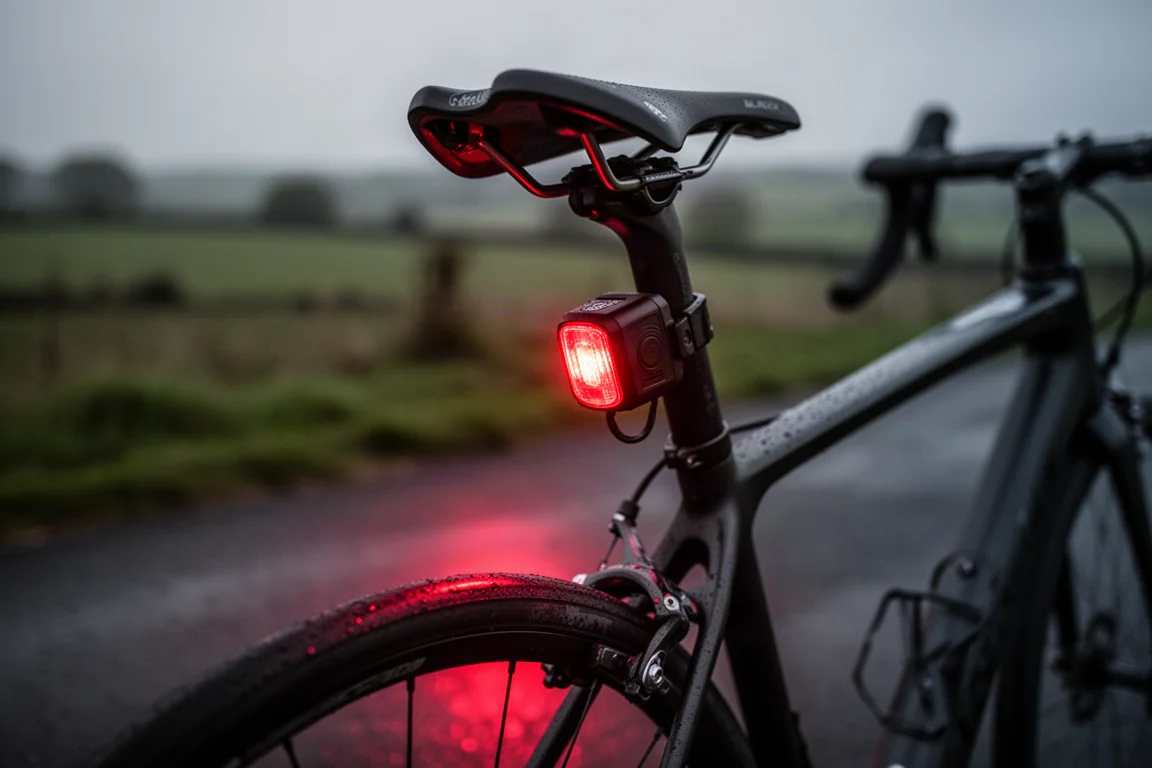
Front and rear lighting is powered by one battery in the down tube, charged over USB C, with a battery indicator light and a smartphone app for settings and runtime checks. The front light delivers a maximum of 350 lumens. As a daytime running light it performs without fault, but there are clear limits once the sun goes down.
Comfort Compared With Rival Endurance Bikes
Two rivals set the benchmark for comfort in this category. The front end of the Specialized Roubaix, with its Future Shock spring, still smooths rough surfaces better, and the seated comfort of the Trek Domane SLR with its IsoSpeed decoupler is a touch ahead as well. The Synapse is close behind both, and not far off at all.
What it offers instead is balance. It copes with broken tarmac well enough for long rides, and the 30mm tires give you room to tune ride quality through pressure. Riders who want the plushest possible front end may prefer the alternatives. Riders who want a livelier, more engaging bike with most of the comfort will find the Synapse the more rewarding choice.
Build Kit and Specification
The range-topping model is specified with Shimano Dura-Ace Di2 12-speed semi-wireless, and the shifting is fast and crisp. The hood shape is a genuine improvement over the previous generation, with better ergonomics for long rides.
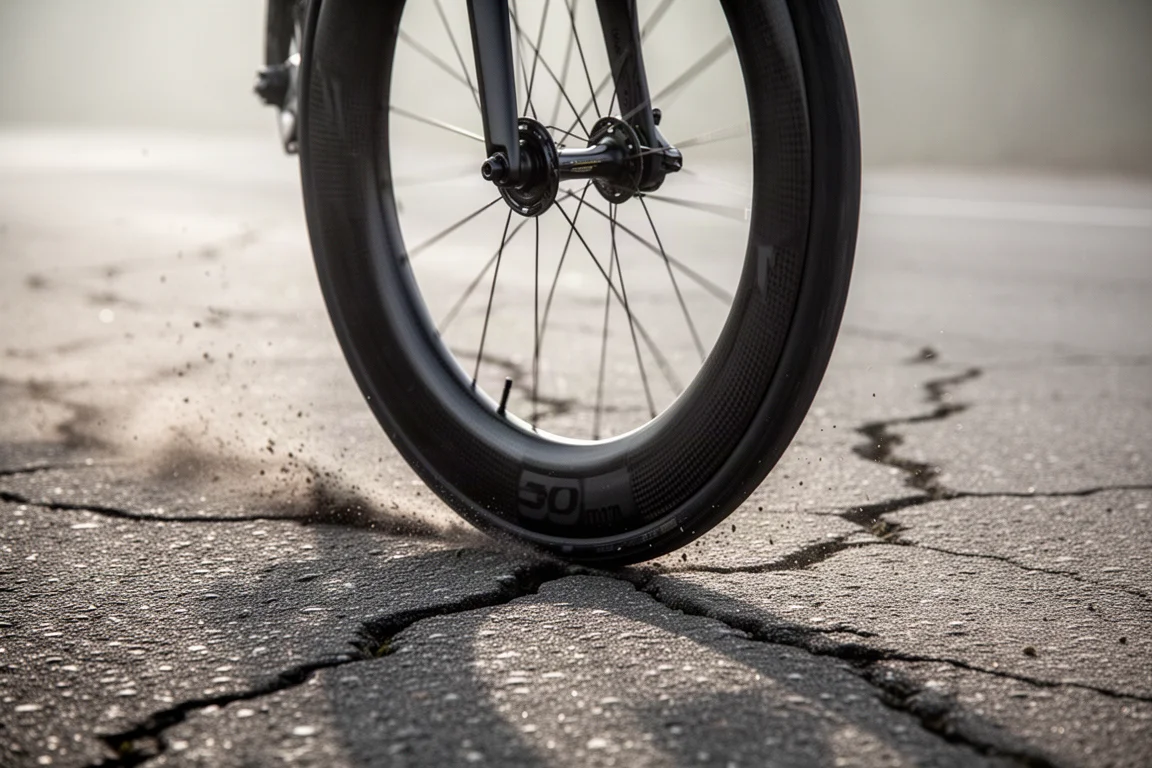
Wheels are Cannondale’s own 45mm-deep carbon rims, tubeless compatible, with internal spoke nipples and smooth-running hubs. They stay stable in crosswinds. They come fitted with 30mm Vittoria Corsa tires that roll quickly and grip well in all conditions. A Fizik Argo saddle provides a shape that stays comfortable across three and four hour rides, and the two-piece aero handlebar and stem are well shaped at the tops and drops, with bar tape that feels good even without gloves.
No computer is included, which is a sensible decision: most buyers at this level already have a Garmin or a Wahoo they prefer, and both are compatible with the radar.
Things to Consider Before Buying
The rear light and radar unit sits under the saddle, which makes fitting a conventional saddle bag effectively impossible. Practical workarounds are a tool keg in a bottle cage mount or a top tube bag on the two bolts provided, though a top tube bag feels more at home on a gravel bike. Otherwise you are relying on jersey pockets.
Runtime is the other trade-off. A single small battery powering three devices means compromising on how long everything lasts and how bright the front light can be. At a maximum of 350 lumens, the front light is fine as a daytime running light but lacks the punch and reach for riding at decent speed on unlit country lanes, where potholes and drains need to be picked out early. A standalone light can deliver far more brightness for the same ride, at the cost of a second battery and the loss of the seamless, single-charge approach.
The bigger point is choice. The technology is fixed to the bike and cannot reasonably be removed, so you are buying into it whether or not you want it. Cheaper models in the range use the same carbon frame with different levels of SmartSense, including a Shimano 105 build priced above £3,000.
Buying Advice
At £9,000 for the top model, the Synapse looks expensive until you compare it with similar builds elsewhere. A comparable Trek Domane SLR runs to roughly £10,000 to £11,000 and does not include integrated lights and radar, so at this end of the range the flagship Synapse represents reasonable value.
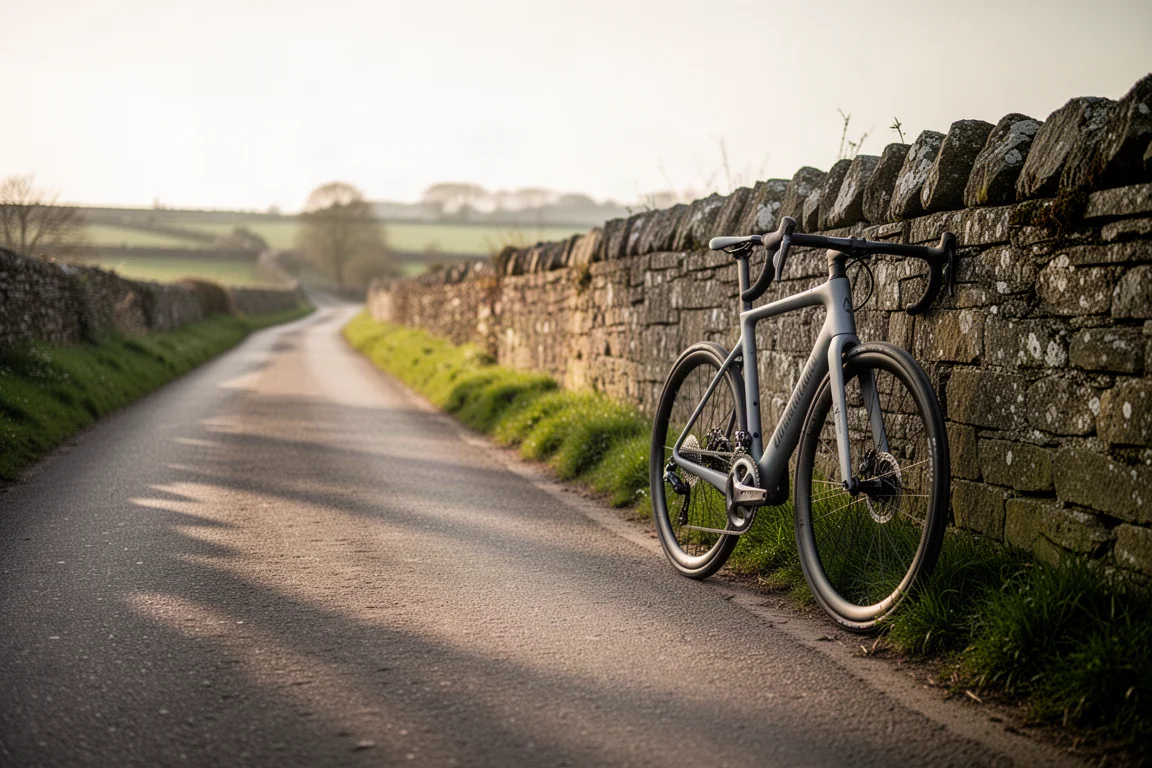
If you want lights and radar on the bike at all times, and you are happy with the performance they deliver, the Synapse is a compelling package and the frame underneath is superb. If you want to choose your own lighting, want more brightness and runtime, or simply do not want the hardware on the bike during summer, the fixed system is harder to justify. An aluminium version with the same technology would bring the idea to a much more accessible price, and that is the development worth hoping for.
Conclusion
The new Synapse is a tale of two halves. The frame is a clear success: faster than before, more dynamic to ride, still comfortable, and finished with sensible details including a threaded bottom bracket, a regular seat post, semi-internal cable routing and generous tire clearance. SmartSense, meanwhile, is a first-generation idea that works well in principle but needs more development in battery size, runtime and front light output to compete with the best standalone options. Buy it for the frame and for the convenience of integrated safety hardware, and only if the fixed approach suits the way you ride.
Product link
View more details for Cannondale Synapse
This product is mentioned in the review. Check the specifications, options, and compatibility before buying.
View more details for Cannondale SynapseFurther reading
Related Reviews
Endurance Road Bikes
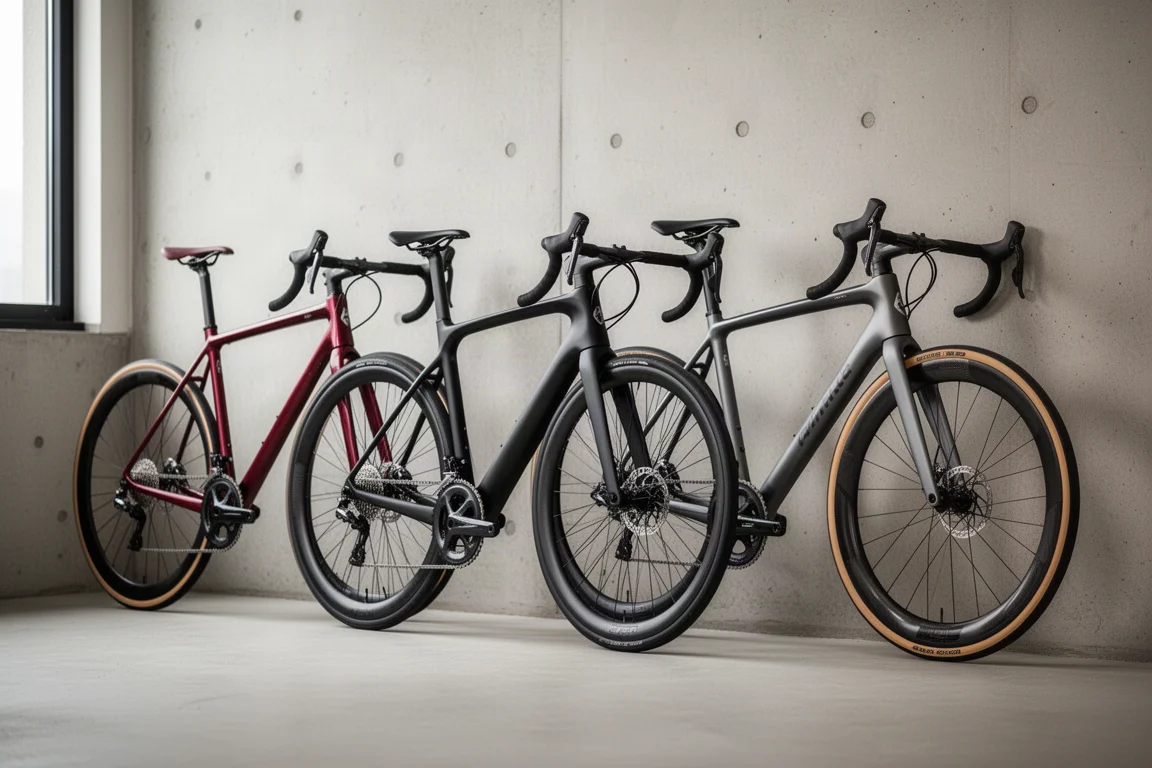
Best Endurance Bikes Compared: Merida Scultura Endurance, Cervélo Caledonia and Vitus Venon Evo RS Aero
Three endurance road bikes tested on long, wet road loops: relaxed classic comfort, sporty road pace, and an all-road machine with genuine gravel room.
Endurance Road Bikes
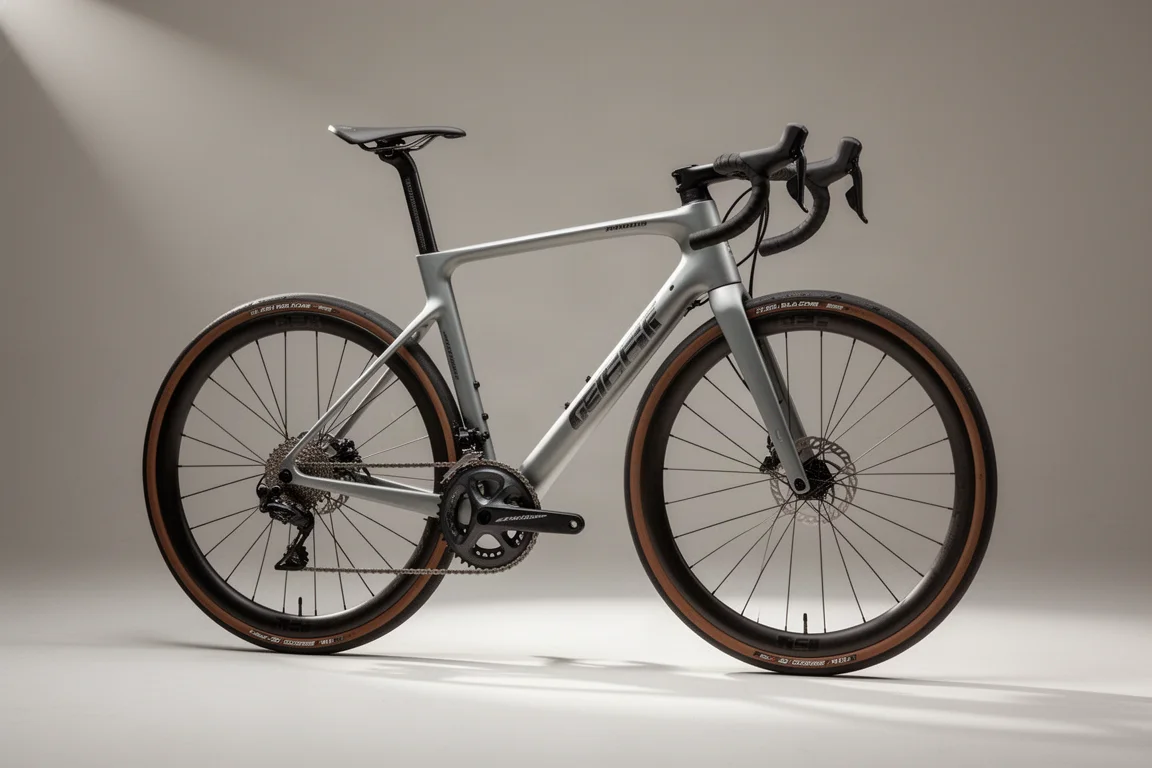
Best Endurance Road Bikes: Eight Comfort-Focused Picks for Speed and Stability
Eight endurance road bikes compared on fit, comfort features, tire clearance, storage and value, from the smoothest carbon options to steel and titanium alternatives.
Endurance Road Bikes
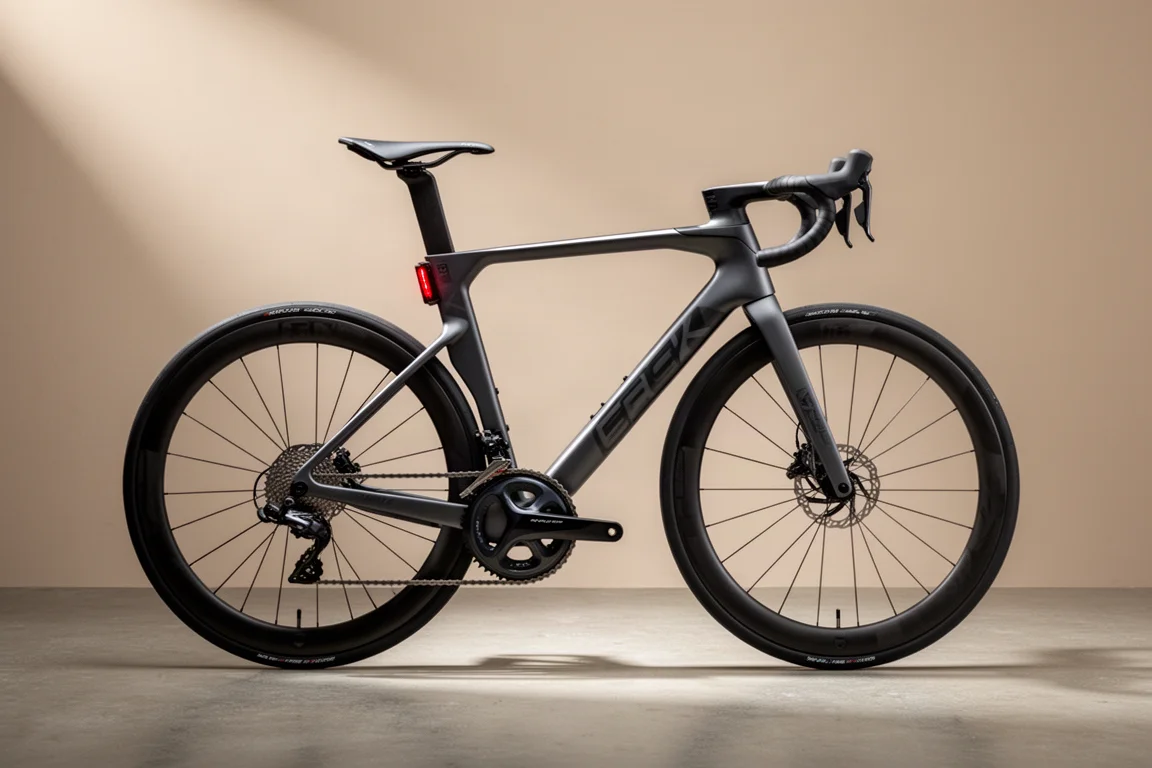
BMC Roadmachine Review: An Endurance Road Bike Built Around 40mm Tires
A closer look at the updated BMC Roadmachine, from its 40mm tire clearance and down tube storage to the trade-offs of its integrated rear light.