Road Bikes
Cannondale Synapse Review: Aero Endurance Road Bike With 42 mm Tire Clearance
A closer look at the redesigned Cannondale Synapse, from its aero endurance frame and 42 mm tire clearance to the now-optional SmartSense 2.0 system.
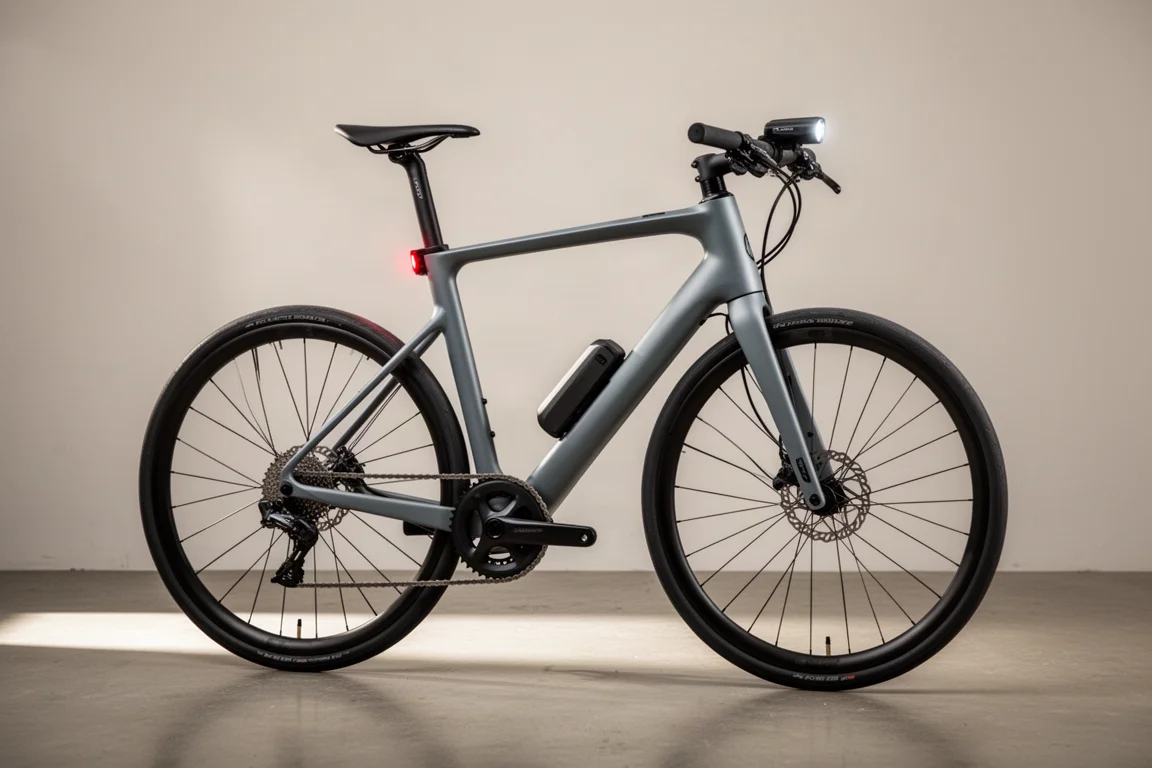
Introduction
The Cannondale Synapse has been one of the most recognisable names in endurance road bikes for roughly 15 years. The original design was developed for punishing races such as the Tour of Flanders and Paris-Roubaix, and it earned a loyal following as a fast, comfortable road bike that worked for a very wide range of riders.
The 2022 redesign took a different direction. The underlying frame rode well, but the bike shipped with a fixed SmartSense package that bundled a frame-mounted battery, a rear radar and a front and rear lighting system into every build. Riders who wanted none of it had no way to opt out, and the bike lost much of its standing in the category.
Cannondale has now launched an all-new Synapse. SmartSense survives as SmartSense 2.0, but it is no longer mandatory, which hands the decision back to the buyer. The notes below reflect Cannondale’s launch presentation and published specification rather than time on the road.

On paper, the new bike reads as an aero endurance road bike: a familiar family silhouette, more tire clearance than before, and the comfort-first ride character that has always defined the Synapse line.
Who This Bike Is For
The new Synapse is aimed at riders who want endurance comfort without giving up speed. It suits long days on rough tarmac, mixed surface routes and light gravel, and it sits in the all-road space rather than the dedicated gravel category.
Tire clearance is the clearest expression of that intent. The bike takes up to 42 mm tires, and measured clearance is 48 mm, so a rider could go wider still at the cost of some clearance. That opens the door to 34 mm road tires, 40 mm slicks or 38 to 40 mm gravel tires.
For context, most endurance bikes stop at 38 to 40 mm. Riders interested in dirt racing, dirt riding or events such as the Belgian Waffle Ride are the obvious audience, though the Synapse is not intended as a hardcore gravel bike. Cannondale keeps the Topstone and SuperX for that.
Main Strengths
Aerodynamics is the headline change. Cannondale says the new Synapse is not as aero-optimised as the current SuperSix Evo, but that it matches the previous third-generation SuperSix Evo, which is still a quick bike by any measure. That claim applies to the top-level model with the one-piece handlebar and stem shared with the SuperSix Evo and deep-section wheels.
Comfort has not been traded away for speed. Cannondale claims the new frame is 20 per cent more compliant than the outgoing bike, helped by the rear stays, a D-shaped seat post and the larger tire volume the frame now accepts.
Weight has also moved in the right direction. A high-modulus frame returns for the top-level Synapse 1 and Lab 71 builds, with a claimed sub-1,000 g weight for a painted 56 cm frame. The standard frame is around 100 to 150 g heavier.
Practical details are well covered. There is internal storage in the down tube that holds the SmartSense battery plus a stash bag for tools, spare tubes and CO2 canisters. Cables run fully internally, the steerer tube uses the same delta shape as the SuperSix Evo, the dropouts follow the UDH standard to stay compatible with future groupsets, and the bottom bracket is a 68 mm threaded unit, with press-fit retired across the Cannondale range.
Things to Consider Before Buying
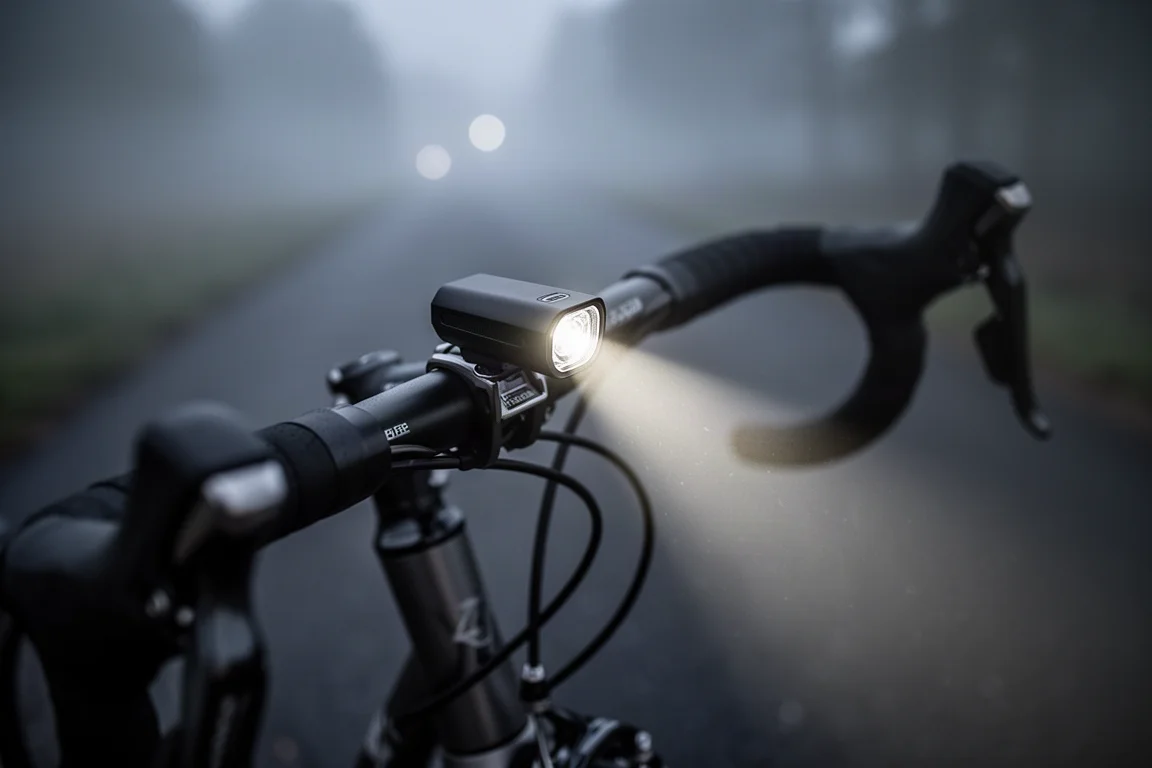
SmartSense 2.0 deserves close attention because it is the part of the bike most riders will either want or skip entirely. The single battery now sits inside the frame instead of on the outside, doubles the runtime of the previous unit, charges over USB-C and can be removed. It also includes a flashlight that lights up the down tube when the stash port is open, and it can be used off the bike at a campsite or to charge a smartphone.
The system can power the front light, the rear light and radar, and SRAM AXS batteries as well, replacing up to four or five separate batteries with one. Cannondale says the main battery has 20 times the capacity of an AXS battery, so five per cent of charge is equivalent to a fully charged AXS battery.
There are limits worth knowing. In low power mode the system shuts off the lights and radar automatically to protect shifting, which is sensible in daylight but less welcome on a night ride. The front light is more powerful than before and runs for up to 24 hours in flashing daytime mode, but that figure falls to roughly 2.5 hours on high beam.
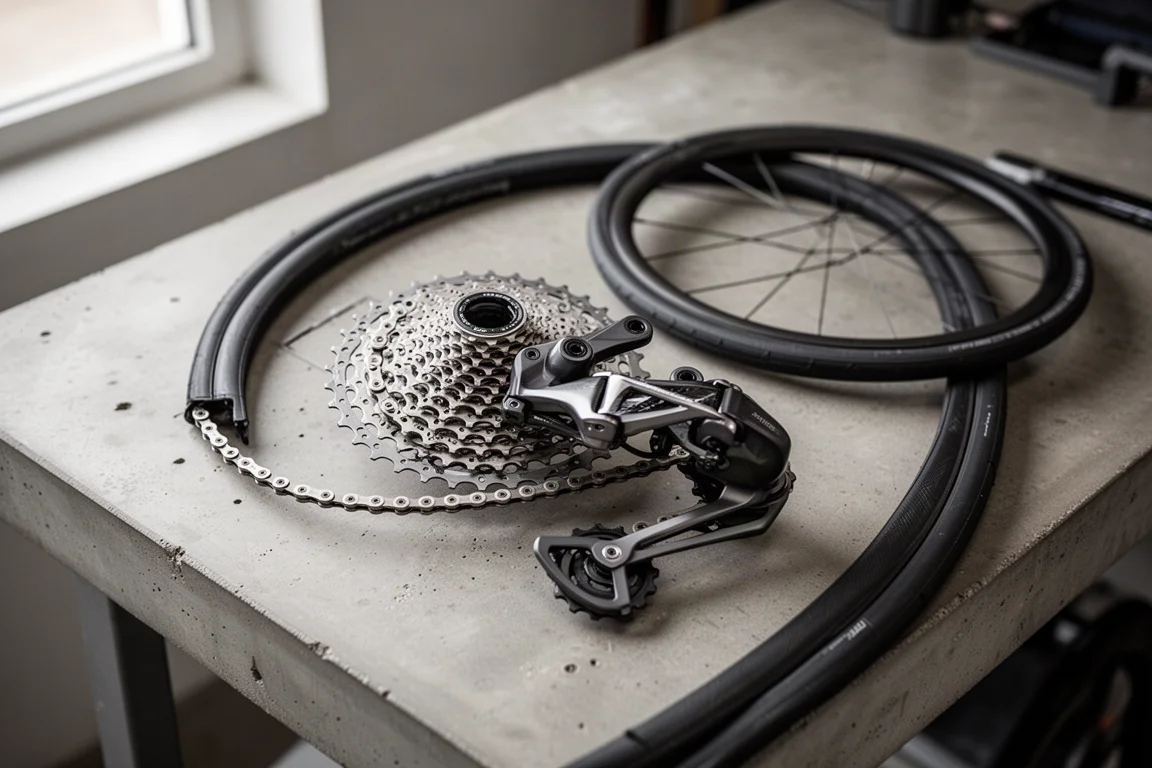
The rear unit is a Garmin Varia radar and light combination mounted beneath the saddle on the seat post, and front light output varies by market. Cannondale also continues to promote its companion app alongside an optional front hub sensor that logs speed, distance and location, though riders can simply pair a Garmin, Wahoo or smartphone instead.
Pricing spans a wide range. Entry models start at around €3,500, and top-level builds reach roughly $16,000, which is a significant outlay at the flagship specification.
Buying Advice
Because SmartSense is now optional, the first decision is whether you want the electronics at all. Riders who already carry a lot of chargeable gear, such as electronic shifting, a computer, lights, radar and power meter pedals, will find the single-battery approach genuinely appealing. Riders who prefer a simpler bike can choose a build without SmartSense and keep the ride itself unchanged.
Night riding habits should shape that choice more than anything else. Front light runtime in high beam mode is short, so anyone commuting or training after dark should plan around it or supplement it with a dedicated light.
Tire strategy is the other decision. The frame’s clearance means the same bike can run fast 34 mm road tires for tarmac, 40 mm slicks for mixed surfaces, or 38 to 40 mm gravel tires for rougher routes. That flexibility is unusual in the endurance category and is one of the strongest reasons to consider the bike.
It is also worth waiting for independent ride impressions if you are close to buying. SmartSense 2.0 is better integrated than the version it replaces, but how it behaves over long rides, in cold weather and in low light is not something a specification sheet can settle.
Conclusion
The new Synapse corrects the biggest mistake of its predecessor by making SmartSense optional, and it backs that up with a genuinely appealing package: aero endurance frame profiles, class-leading tire clearance, a lighter high-modulus option and a long list of practical frame details.
The open questions are the ones only time on the road will answer. If you want an endurance bike that can stretch into all-road and light gravel duty, and you are comfortable deciding how much technology you want on board, the new Synapse makes a strong case for itself.
Product link
View more details for Cannondale Synapse
This product is mentioned in the review. Check the specifications, options, and compatibility before buying.
View more details for Cannondale SynapseFurther reading
Related Reviews
Road Bikes
10 New Road Bikes Worth Watching: Aero, Titanium, Steel and Endurance Standouts
A practical roundup of 10 new road bikes, from aero flagships chasing single-watt gains to titanium, steel and endurance platforms built for real roads.
Road Bikes
2026 Tour de France Road Bikes: Six Race Machines Worth a Closer Look
Six race bikes from the 2026 Tour de France grid, reviewed for paint, silhouette, wheels and the specification details that matter to buyers.
Road Bikes
3T Strada Italia Review: A Radical Aero Road Bike That Rides Smooth
A made in Italy carbon aero road bike with a deep head tube, wide tire clearance and a genuinely comfortable ride. Here is what to know before buying.