Endurance Road Bikes
Cannondale Synapse Limited RLA vs Trek Domane SL6: Two Endurance Bikes Compared
A close look at two well-known endurance road bikes: one built around everyday practicality and integrated rider safety tech, the other around suspension-driven comfort and wide tyre clearance.
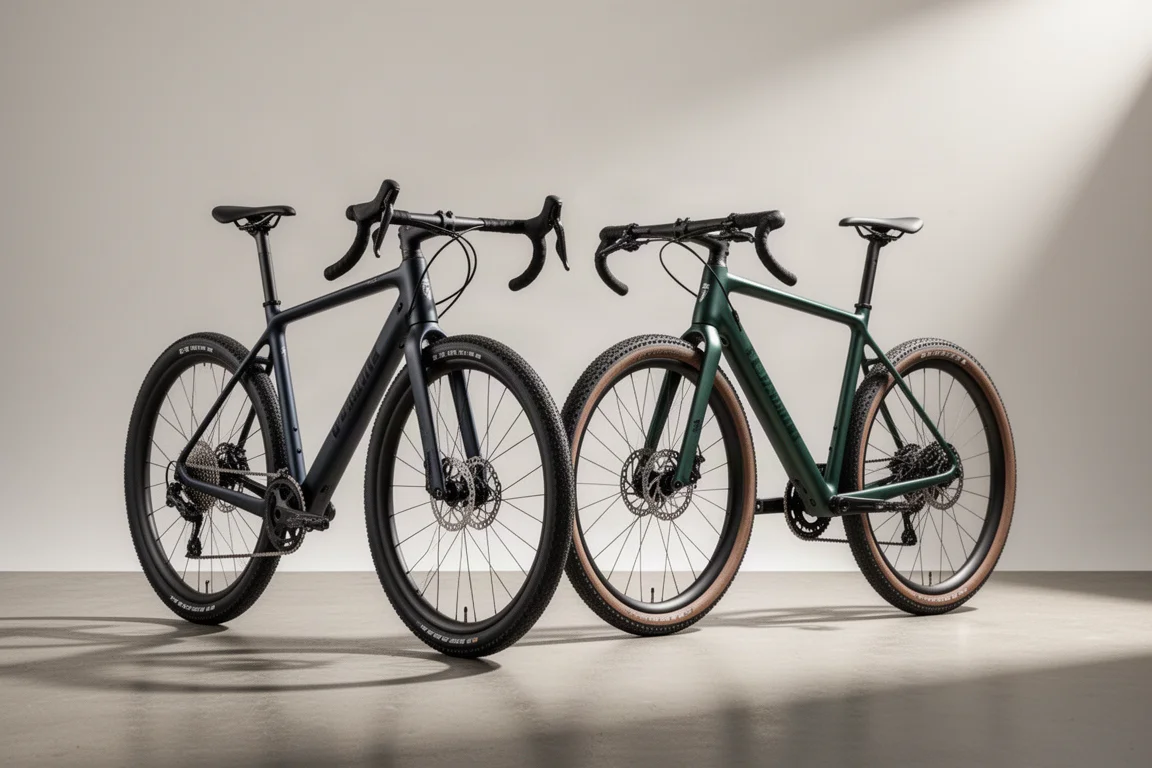
Introduction
Endurance road bikes exist to make long days comfortable without dulling the ride, and two names have shaped that category more than most: the Cannondale Synapse and the Trek Domane. The latest Synapse takes a deliberately practical turn, while the Domane keeps its suspension-led approach and its links to Trek’s racing stable. Both are competent all-day machines, but they were clearly designed with different riders in mind.
How These Two Endurance Bikes Compare
Both bikes sit firmly in the endurance category, and both come with the practical touches that modern riders expect: wide tyre clearance, mudguard mounts, and top tube mounts for a bento box or frame bag. From there the two diverge. The Cannondale Synapse Limited RLA is the more expensive of the pair and bundles in electronic shifting, carbon cockpit components, deep-section carbon wheels, and an integrated light and radar package. The Trek Domane SL6 counters with IsoSpeed suspension front and rear, a class-leading 38 mm tyre clearance figure, and a hidden internal storage compartment.

That difference in philosophy matters more than any single specification. One bike is engineered to be easy to live with every day, with safety tech built into the frame. The other is engineered to smooth out rough surfaces, with a chassis that has been refined over several generations and still draws on cobbled-race development.
Cannondale Synapse Limited RLA: Practical Tech and Racing DNA
The Synapse has always been an endurance bike with racing DNA, and the geometry carries over largely unchanged, with a slightly longer wheelbase to accommodate larger tyre clearances. What has changed is the construction strategy. The two-tier carbon fibre levels are gone, replaced by a single high-grade frame across the range. Even with all the added practicality, the frame weighs a claimed 1,035 grams, only a few grams more than the slimmer 1,015-gram UCI-ready 2018 predecessor.
Cannondale has also simplified ownership. Brake hoses route through the fork and down tube via a single entry point rather than the internal maze of its race models. There are top tube mounts for a bag, triple bottle mounts, proper mudguard mounts, and even removable extension inserts for the through axles so the frame works with a smart trainer. The BB30 bottom bracket standard has given way to a threaded BSA shell, and the frame adopts the drop stay design from the EVO System 6 and CAAD13. Proportional Response construction means each frame size is built individually, with its own tube diameters, so the smallest 48 cm and largest 61 cm frames are intended to deliver the same ride quality.
The Limited RLA build is generously specified. The Knot 45 wheels are tubeless ready with a 45 mm deep rim and a broad 21 mm internal width, and both hub internals and spokes come from DT. They are paired with 32c tyres. Shifting comes from the 2x version of Shimano’s adventure and gravel-focused GRX Di2 groupset. Up front, the HollowGram SAVE bar and stem use a cradle rather than a traditional round clamp, a shape that is claimed to save nine watts over a standard setup, with eight degrees of pitch adjustment and stem lengths from 80 to 120 mm. A round 27.2 mm seatpost is designed to integrate the SmartSense package and the Di2 battery, topped by a Fabric Scoop saddle.
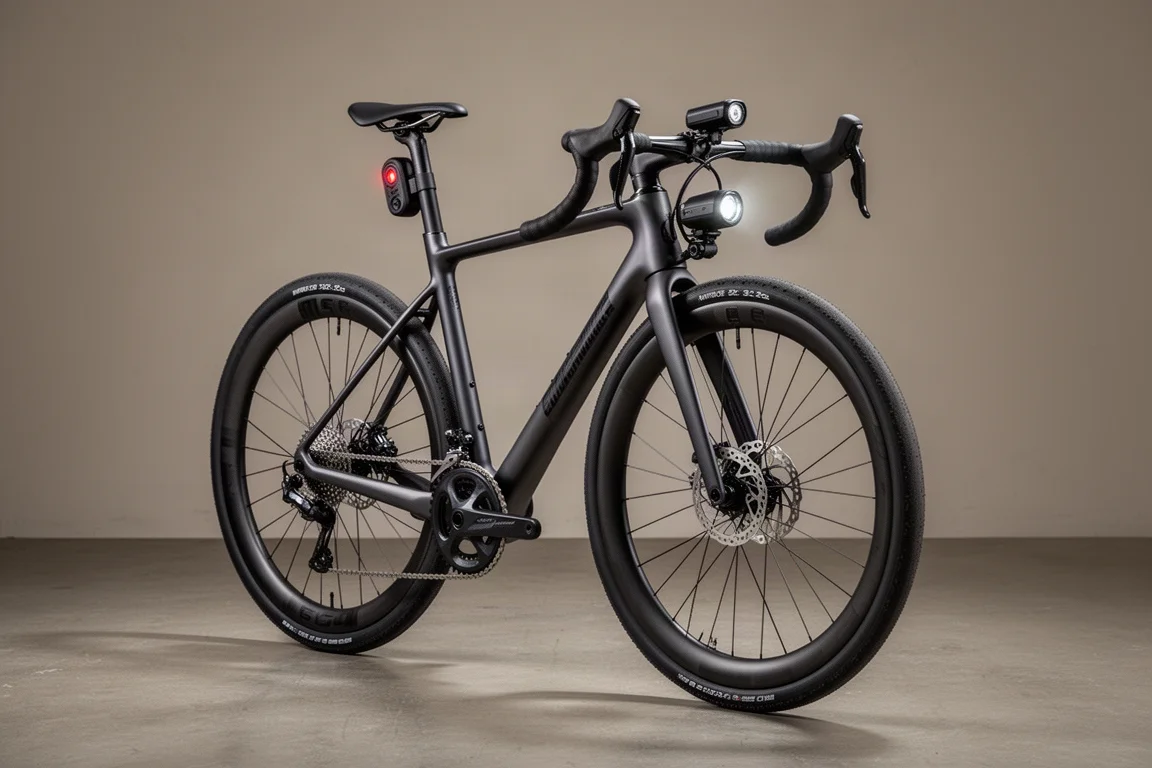
SmartSense Lighting and Radar
SmartSense is the part of the Synapse build that sets it apart from almost any off-the-peg endurance bike. A down tube-mounted power pack is claimed to run for five hours in standard mode, roughly four hours 25 minutes down to two hours 45 minutes at the highest setting, or up to 20 hours in battery save mode. A full charge takes three hours over USB-C, and the system holds standby for 150 days.
The front light produces 350 lumens and sits under an integrated bar mount that can also carry a GPS unit or the included radar display. It comes in a non-flashing, road-legal specification for mainland Europe and a flash-enabled version for international buyers. At the rear, the Varia radar detects vehicles from up to 140 metres behind the bike and pairs with a handlebar-mounted LED display whose 15 lights shift from green to red as traffic closes in, backed by an audible warning. The system works at its best when connected to a compatible Garmin head unit, where a colour screen shows approaching vehicles in real time. A smart wheel sensor, developed with Garmin, provides more accurate speed and distance data than GPS alone.
Trek Domane SL6: IsoSpeed Comfort and Wide Tyre Clearance
The Domane remains part of Trek’s racing stable while also being aimed squarely at real-world riders. Its frame is built around a simple idea: separating the seat stays and top tube from the seat tube so the seat tube can act like a long seat post, flexing forward and aft to take the sting out of rough road. This version adds front IsoSpeed, which works in a similar way. A traditional headset is replaced by a rocker cup at the top, locking the steerer tube in place laterally while still allowing it to flex fore and aft and smooth the road as you ride.
The SL6 uses Trek’s OCLV 500 series carbon, a premium frame set with some genuinely clever engineering built in. Tyre clearance is class leading at 38 mm, and the bike ships with wide 32 mm Bontrager R3 tyres on Bontrager Paradigm 25 wheels, whose shallow rims are impressively broad at 25 mm internally. Trek helped start the wide-rim, wide-tyre trend for endurance bikes and is clearly sticking with the format.
Drivetrain duties fall to SRAM’s Rival eTap AXS, an electronic groupset that shares the tunability and connectivity of SRAM’s more expensive wireless offerings through the AXS app. The 46/33 chainset and 10-36 cassette combination is pitched well for this style of bike, with enough top-end for fast descending and flat-road efforts, plus a light climbing gear that makes steep gradients inviting. The cockpit pairs a simple alloy R stem with the IsoZone VR-SF bar, which is designed to work with a gel pad and tape combination. Its oversized top sections sit comfortably in the hand, and the compact drop is shaped well enough that riders who normally avoid the drops may find themselves staying there.
Practical touches are strong. There are proper mudguard mounts, top tube mounts for bento-style storage, and a storage chamber hidden beneath the down tube bottle bosses that is large enough for a spare tube, a CO2 cartridge and a multi-tool. The seat post arrangement is unusual: because IsoSpeed relies on the seat tube moving unhampered, the Domane uses a shortened mast that locks in place through an internal expanding clamp accessed by a slot in the seat tube. It works well, but adjustment is minimal, so getting the right length at the point of purchase matters. A generously padded saddle sits on top.
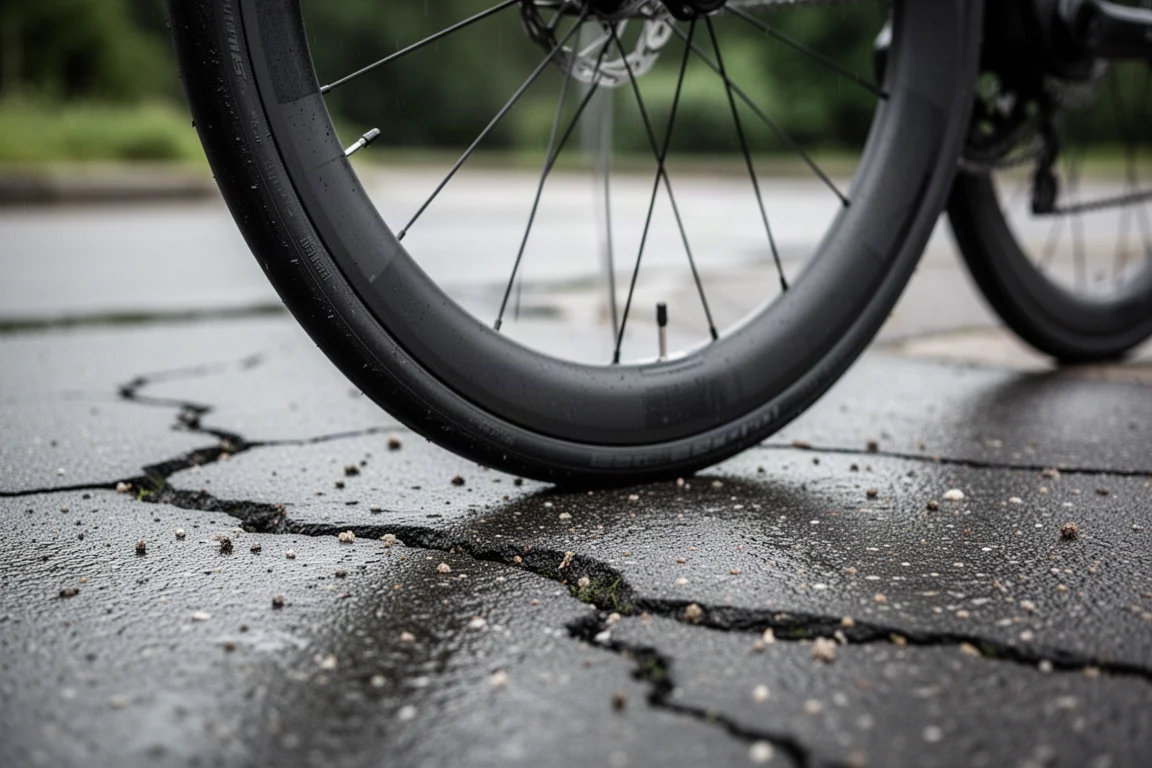
Together, the suspension design and the wide rubber make the Domane one of the most surface-smoothing road bikes in this class, and the storage and mounting options mean it can carry what a long day out requires.
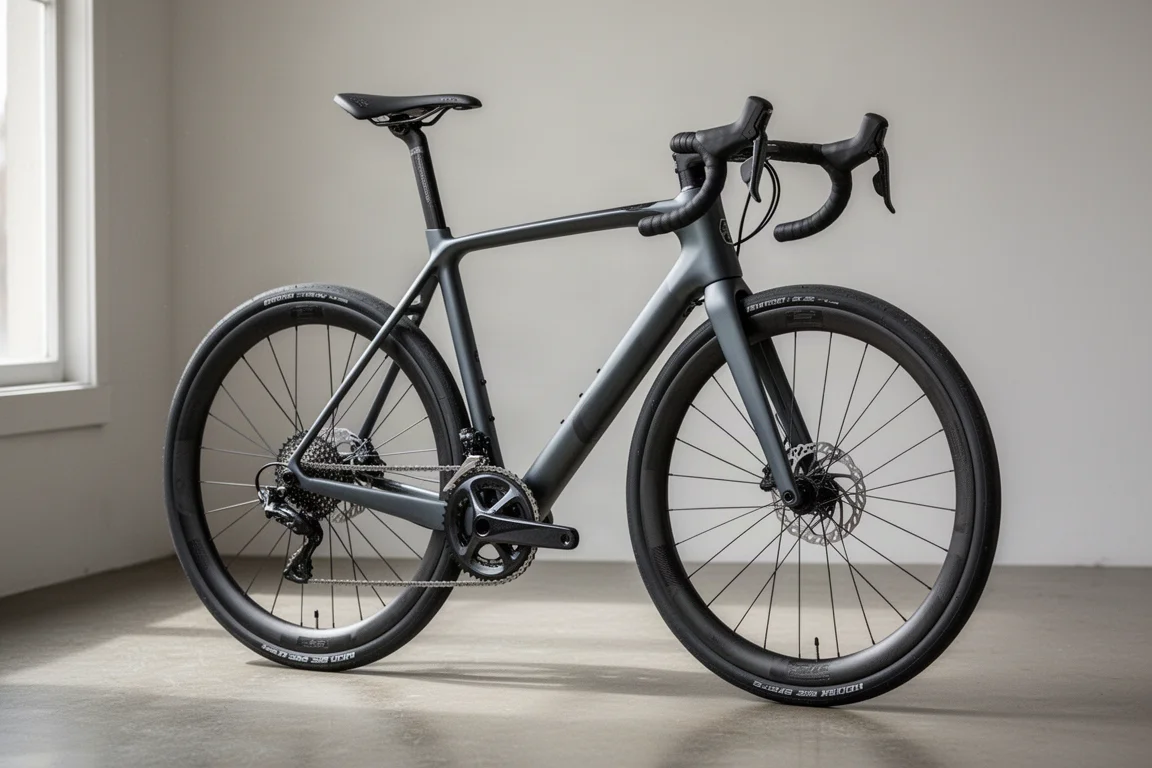
Ride Quality: Lively Versus Smooth
The Synapse is a wonderful place to spend multiple hours. Its endurance geometry hits a sweet spot, balancing all-day comfort with enough room in the drops to put in hard efforts. If anything, the handling is a little quicker than older versions, and the steering reacts snappily when you need to make a mid-corner correction or thread a line through a pothole-riddled road.
The Domane takes a different route. It is one of the smoothest road-going bikes around, gliding over poor surfaces in a way that feels genuinely unusual. Its origins as a cobble-conquering racer set the standard for compliance, and its evolution has turned it into a thoroughly modern endurance bike. The 32 mm tyres roll beautifully. They carry a little more weight than a 26 or 28 mm race tyre and are wrapped around midweight wheels, but on the road that extra weight is not noticeable.
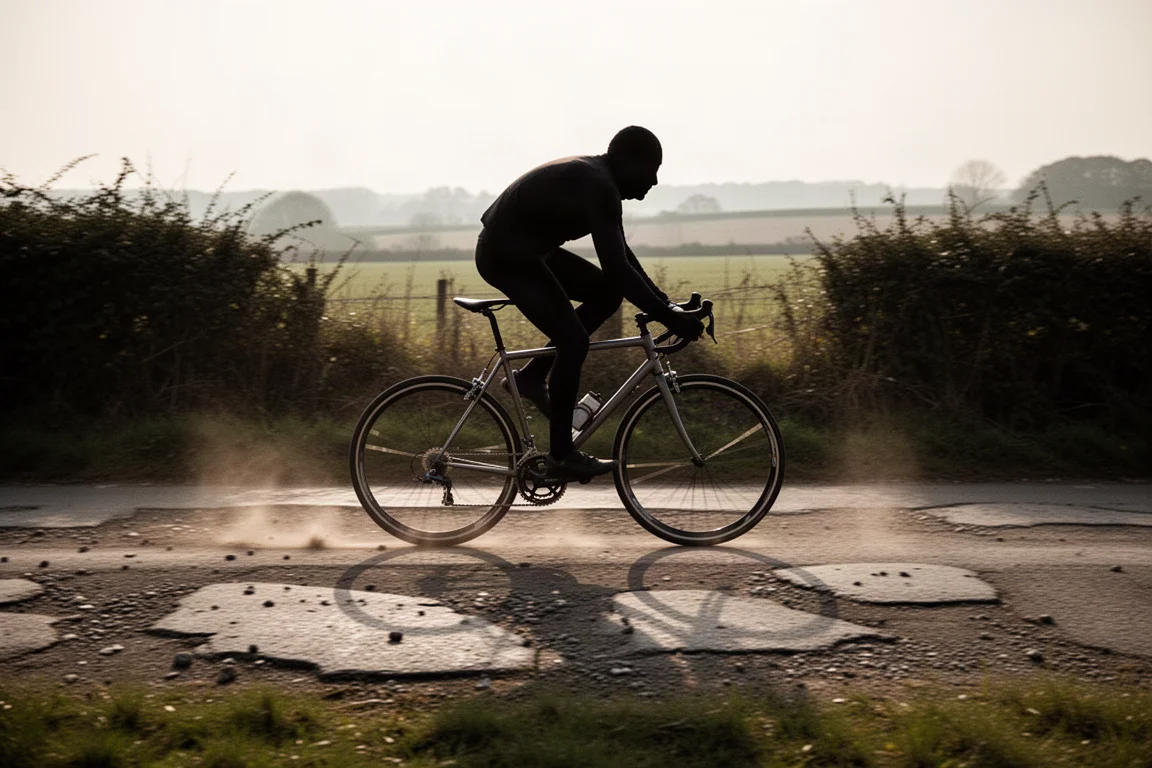
Both bikes also handle light off-tarmac duty. The Synapse Limited is gravel capable, feeling as fast as some lighter gravel bikes over long stretches of flat range path and wide byways, though it is not a machine for singletrack or technical terrain. The Domane offers similar go-anywhere ability, a reminder of how far ahead of its time the original design was.
Value and Equipment Compared
The Synapse is the more expensive option, and it does come with high-quality equipment throughout: a carbon bar, a carbon seat post, premium carbon wheels and an electronic groupset. There is also a higher-spec Synapse model further up the range for riders who want more again.
The Domane’s price sits at the very upper limit of where you would expect to find rival electronic shifting. Once you account for the alloy bar, alloy wheels, and mid-range tyres and saddle, the value proposition is not quite as strong as the Cannondale’s, even though the frame itself is a premium carbon unit with suspension at both ends.
Buying Advice
Choose the Cannondale Synapse Limited RLA if you want an endurance bike that is easy to own and comes with safety technology built in. The threaded bottom bracket, straightforward cable routing, smart trainer compatibility and integrated lighting and radar make it a compelling everyday machine, and the carbon wheels and electronic drivetrain justify much of the price gap. It is the livelier of the two and the better-equipped overall.
Choose the Trek Domane SL6 if outright comfort is the priority. The IsoSpeed system front and rear, the wide 32 mm tyres and the 38 mm clearance figure make it exceptionally smooth, and the internal storage plus top tube and mudguard mounts give it genuine day-out versatility.
Whichever way you lean, pay attention to fit. The Domane’s shortened seat mast allows only minimal adjustment, so confirm the length suits you before you buy. On the Synapse, the cradle-mounted bar and stem come in a range of lengths, so it is worth asking about sizing options to get the position right.
Conclusion
These two bikes are remarkably close in pure riding terms. The Domane is the more comfortable ride, while the Synapse is the livelier and better-equipped one, with handling that feels just right and a set of practical additions that make real-world riding easier. Add in the integrated safety technology and the Synapse edges ahead. It is not only the most complete Synapse to date, it is one of the strongest expressions of what a modern endurance bike can be.
Further reading
Related Reviews
Endurance Road Bikes
Best Endurance Bikes Compared: Merida Scultura Endurance, Cervélo Caledonia and Vitus Venon Evo RS Aero
Three endurance road bikes tested on long, wet road loops: relaxed classic comfort, sporty road pace, and an all-road machine with genuine gravel room.
Endurance Road Bikes
Best Endurance Road Bikes: Eight Comfort-Focused Picks for Speed and Stability
Eight endurance road bikes compared on fit, comfort features, tire clearance, storage and value, from the smoothest carbon options to steel and titanium alternatives.
Endurance Road Bikes
BMC Roadmachine Review: An Endurance Road Bike Built Around 40mm Tires
A closer look at the updated BMC Roadmachine, from its 40mm tire clearance and down tube storage to the trade-offs of its integrated rear light.