Endurance Road Bikes
Cannondale Synapse Lab 71 Review: Endurance Speed With Real Comfort
The Cannondale Synapse Lab 71 pairs a claimed 900 g frame with SuperSix Evo aerodynamics, 42 mm tire clearance and an integrated light and radar system.
Introduction
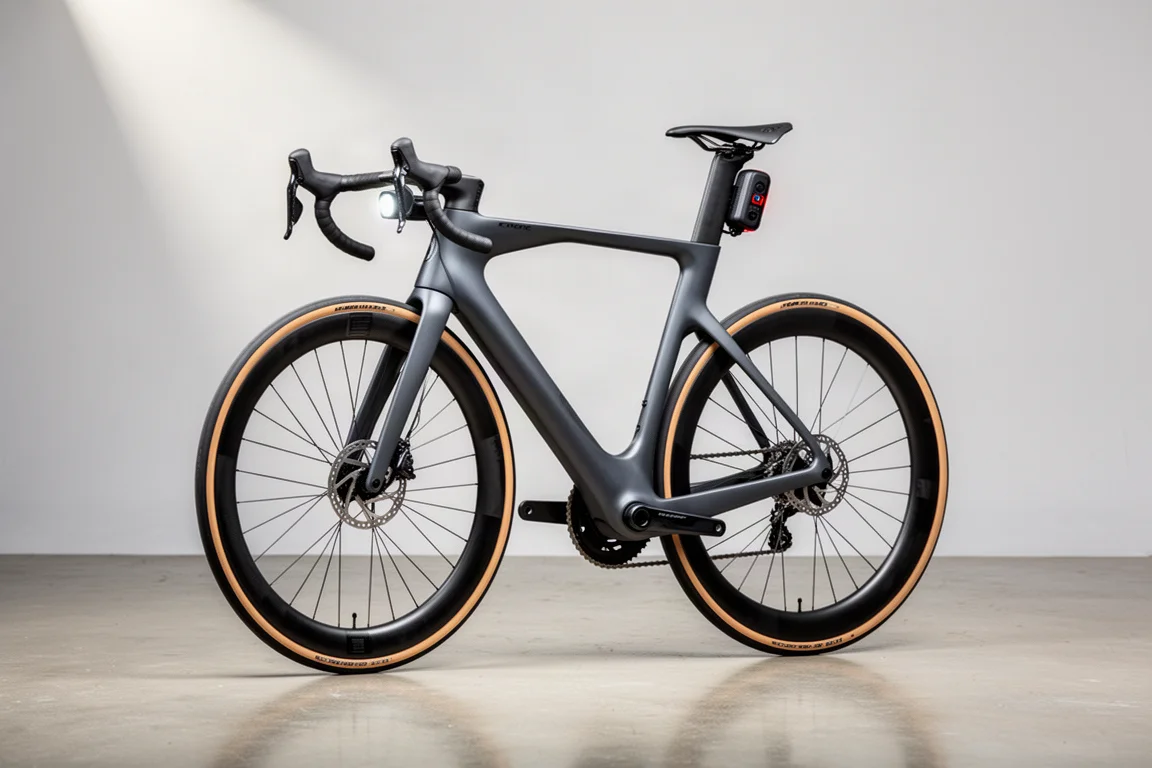
The Cannondale Synapse Lab 71 sits at the very top of the Synapse endurance range, and it is the clearest expression yet of where that platform is heading. The new Synapse blends endurance geometry with the aerodynamics of the SuperSix Evo, then layers on the bump-smoothing seat tube concept developed for the SuperX gravel race bike. Add generous tire clearance and a long list of practical details, and the result is a bike that feels fast and forgiving at the same time.
It is also the model ridden to a 14,200 km lap of Australia record, completed in 30 days, 9 hours and 59 minutes at an average of more than 450 km a day. That context says a lot about how the platform balances outright speed with the ability to simply keep going.

The Lab 71 build is uncompromising. It uses Cannondale’s most technical high-grade carbon and layup, with a claimed frame weight of 900 g. That is 100 g lighter than the premium high-modulus frame and 250 g lighter than the standard carbon Synapse. The specification is reflected in the price: around £13,000 in the UK and $16,499 in the US.
Who This Bike Is For
The Synapse has always appealed to riders who want a quick, comfortable road bike rather than an outright race machine, and the Lab 71 sharpens that brief rather than changing it. The geometry is largely unchanged from the previous generation, keeping the same blend of a slightly more upright riding position with quick but stable handling.
That makes it a natural choice for long-distance riders, sportive participants and anyone who spends hours in the saddle and wants comfort that does not come at the cost of pace. Riders looking for one bike to cover fast group rides, long days out and light off-road detours will find the package unusually complete. It is less obviously aimed at criterium racers or anyone chasing the sharpest possible front-end feel.
Main Strengths
The frame takes its cues from the SuperSix Evo, with a smoothly integrated front end, dropped seat stays and truncated aerofoil tube shapes throughout. Combined with the SuperX-derived seat tube, which tapers, flattens and curves to act like a leaf spring, Cannondale claims 20 percent more compliance than the previous Synapse.
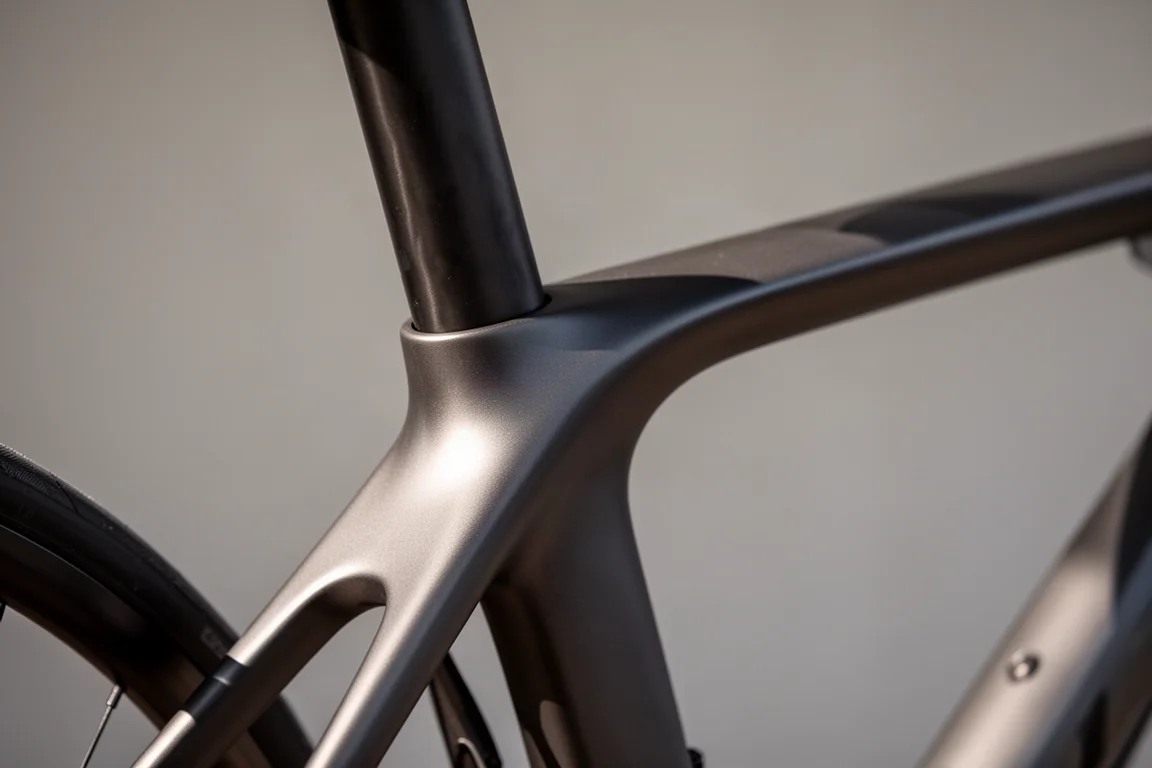
Practical details are just as carefully considered. The fork uses the same Delta steerer as the SuperSix Evo, allowing internal brake hose routing without an oversized headset. There is a threaded BSA bottom bracket made by Ceramic Speed, fender mounts, bento box mounts on the top tube, a down tube storage compartment and a UDH dropout. Even the thru axles are featherweight at 23 g and 29 g.
Ride Quality and Comfort
Over more than 800 miles of riding, the ride quality stands out. It is remarkably smooth, hugely responsive and quick, yet forgiving and fun in equal measure. On rolling terrain it feels as rapid as a SuperSix Evo in a straight line, while the large-volume tires add to a chatter-free feel. Rough road surfaces are handled with ease, and brief excursions onto unpaved roads are taken in stride. Stability at speed and over imperfect surfaces sits up there with the best endurance bikes in this class.
The geometry supports that character. The head tube angle has been relaxed by 1.5 degrees to 71.5 degrees, mitigated by a longer fork and a revised offset of 55 mm, which produces a 61 mm trail figure with the standard 32 mm tires. Compared with the 58 mm trail of the SuperSix Evo, the Synapse offers a little more stability and slightly slower handling. Tire clearance is a class-leading 42 mm, and the fork appears to have room for substantially more. Longer chainstays, up to 43 cm from 41.5 cm, add a little wheelbase.
Integrated Smart Sense Lighting and Radar
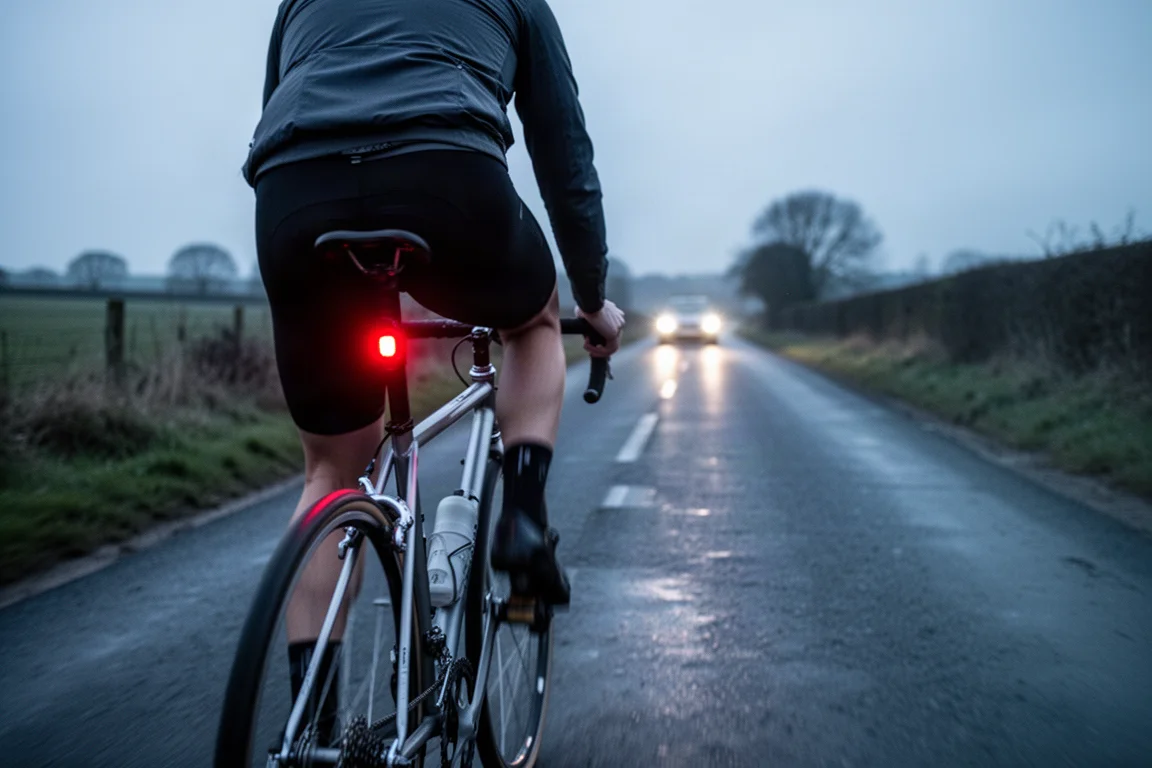
The Smart Sense kit was divisive on the previous Synapse, but this version is much better resolved. The front light, developed with Lightskin, is slimmer and more neatly integrated under the cockpit, and it is far more powerful at 800 lumens, or 400 lumens in markets that require STVZO compliance. At the rear, the light and radar unit is a Garmin Varia ERTL 615, a horizontally mounted, wired variant of the RTL 615, connected to the central battery.
That battery hides in the down tube storage chamber and has a 43.5 Wh capacity. It includes a built-in flashlight, so opening the storage hatch is a little like opening a fridge door, and it powers the AXS shifting as well as the lights. At just 5 percent charge it still holds more capacity than a standard SRAM AXS battery, and it can be recharged in place through the USB-C port above the hatch or removed and charged off the bike. Protection for the shifting is built in.
Smart Sense links to Cannondale’s smartphone app along with a wheel speed sensor and can be set to wake as soon as the bike is moving. Light intensity is adjustable, and the radar pairs with compatible bike computers, including Garmin and Hammerhead units, where it has proven reliable. It shows a real-time graphic of vehicles approaching from behind, with colour coding for the speed of their approach. For road riding on busier routes, it adds a genuine safety margin and a noticeable boost in confidence.
Drivetrain and Gearing
The drivetrain is the most debated element of the Lab 71. It comes from SRAM’s gravel-focused Explore range, pairing a 44-tooth chainring with a wide 13-speed 10-46 cassette. The nine smallest ratios are only one or two teeth apart, much like a conventional two-by system, with the jumps growing progressively as the sprockets get larger. Compared with classic endurance gearing such as 50/34 rings and an 11-34 cassette, this setup gains a lighter, more climb-friendly gear and gives up only a fraction of a gear inch at the top end.
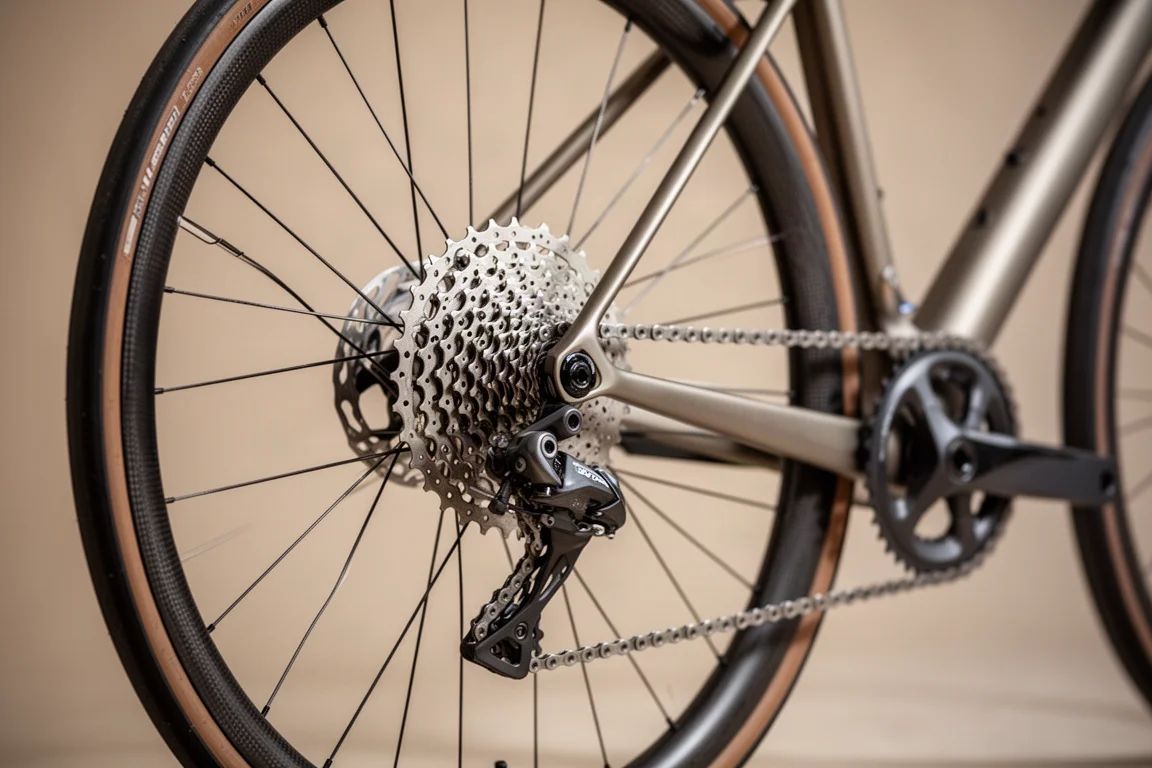
In practice there is plenty of scope to find a gear and spin a steady cadence all the way to the crest, and it never feels undergeared on the flats. Anyone worried about top-end speed can fit a larger chainring of up to 46 teeth. A crank-based power meter is fitted as standard, and the direct mount rear derailleur shifts quickly and accurately.
Wheels, Tires and Cockpit
The rolling stock matches the rest of the build. Reserve carbon rims measure 42 mm at the front and 49 mm at the rear, laced with Sapim CX Race spokes to DT Swiss 180 hubs, with a claimed weight of 1,341 g for the pair. Internal rim widths are designed for tires between 29 mm and 40 mm. The wheels are set up tubeless and come with Reserve’s fill valves and their fast-flow, valve-core-free design. Tires are 32 mm Vittoria Corsa Pro Control TLR. Up front, the one-piece SystemBar R1 cockpit was developed with the automotive design house Momo Design.
Things to Consider Before Buying
The obvious consideration is price. At around £13,000 or $16,499, the Lab 71 is out of reach for many riders, and the same is true of most of its rivals. Pinarello’s Dogma X in a similar specification is around £13,300, the Colnago C68 Allroad around £15,335, the Specialized Roubaix S-Works SL8 around £12,000, the Trek Domane SLR 9 AXS Gen 4 around £11,270 and the Giant Defy Advanced SL 0 around £11,499. Only direct-to-market brands such as Canyon and Ribble offer comparable specifications for less than five figures.
The one-by drivetrain will not suit everyone, particularly riders who want the tightest possible top-end gearing, though a larger chainring can be swapped in. The Smart Sense kit is also a matter of preference: it adds real safety value and clean integration, but it does add complexity to the bike. Less expensive Smart Sense models are due later in the year, which is worth knowing before committing to the flagship.
Buying Advice
If you want a single bike that covers fast road riding, long-distance comfort and the occasional unpaved detour, the Synapse Lab 71 is about as complete as it gets. The combination of a claimed 900 g frame, 42 mm tire clearance, integrated lighting and radar, and a drivetrain that climbs well makes it unusually versatile for a bike at this level.
The case for it rests on how much you value that integration. Riders who want the flagship package and the lightest frame will find the Lab 71 hard to beat, and its ride quality is the kind that keeps you out longer than planned. Riders who are more price-sensitive, or who would rather choose their own lights and gearing, should look at the lower Smart Sense models due later in the year, or at direct-to-market alternatives that offer similar specifications for less.
Conclusion
The Cannondale Synapse Lab 71 achieves something genuinely impressive. It is fast and fun, yet supremely comfortable in both its riding position and its ability to smooth out road chatter. It is also versatile and practical, provided you embrace the Smart Sense kit and the simplicity of the one-by drivetrain. Cost is the only real barrier, and it is a significant one, but the bike itself delivers on everything the endurance platform promises.
Product link
View more details for Cannondale Synapse Lab 71
This product is mentioned in the review. Check the specifications, options, and compatibility before buying.
View more details for Cannondale Synapse Lab 71Further reading
Related Reviews
Endurance Road Bikes
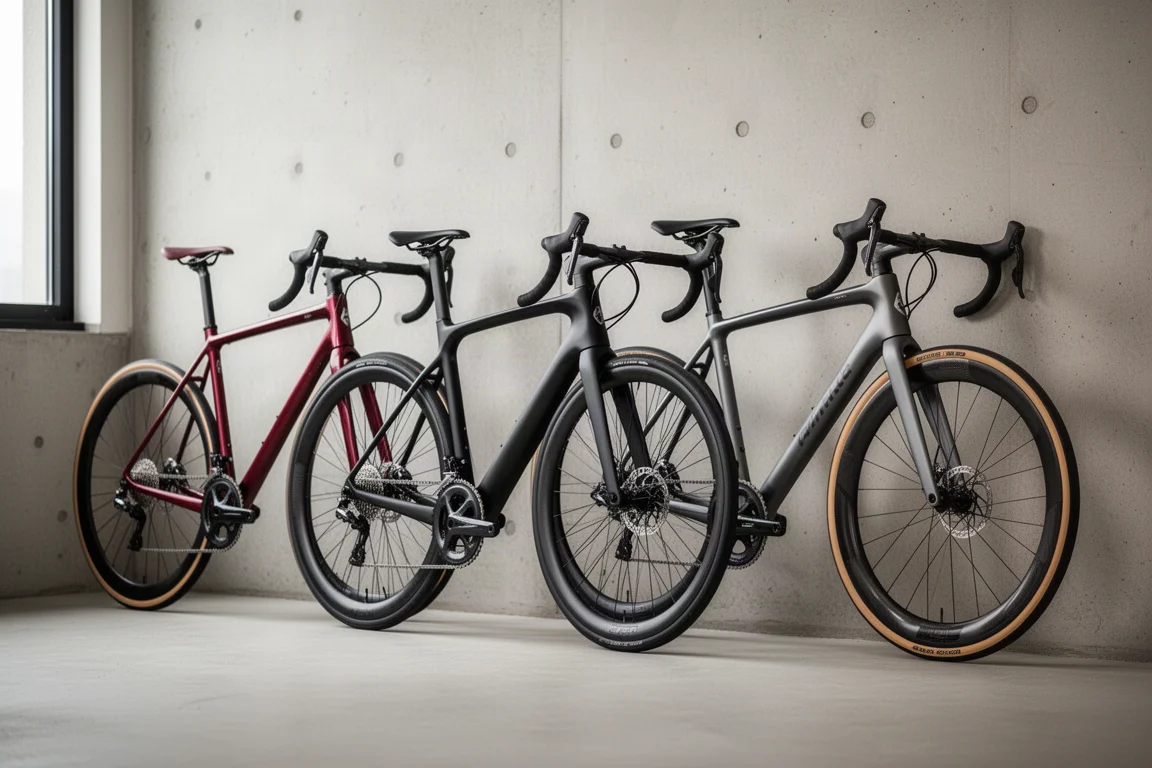
Best Endurance Bikes Compared: Merida Scultura Endurance, Cervélo Caledonia and Vitus Venon Evo RS Aero
Three endurance road bikes tested on long, wet road loops: relaxed classic comfort, sporty road pace, and an all-road machine with genuine gravel room.
Endurance Road Bikes
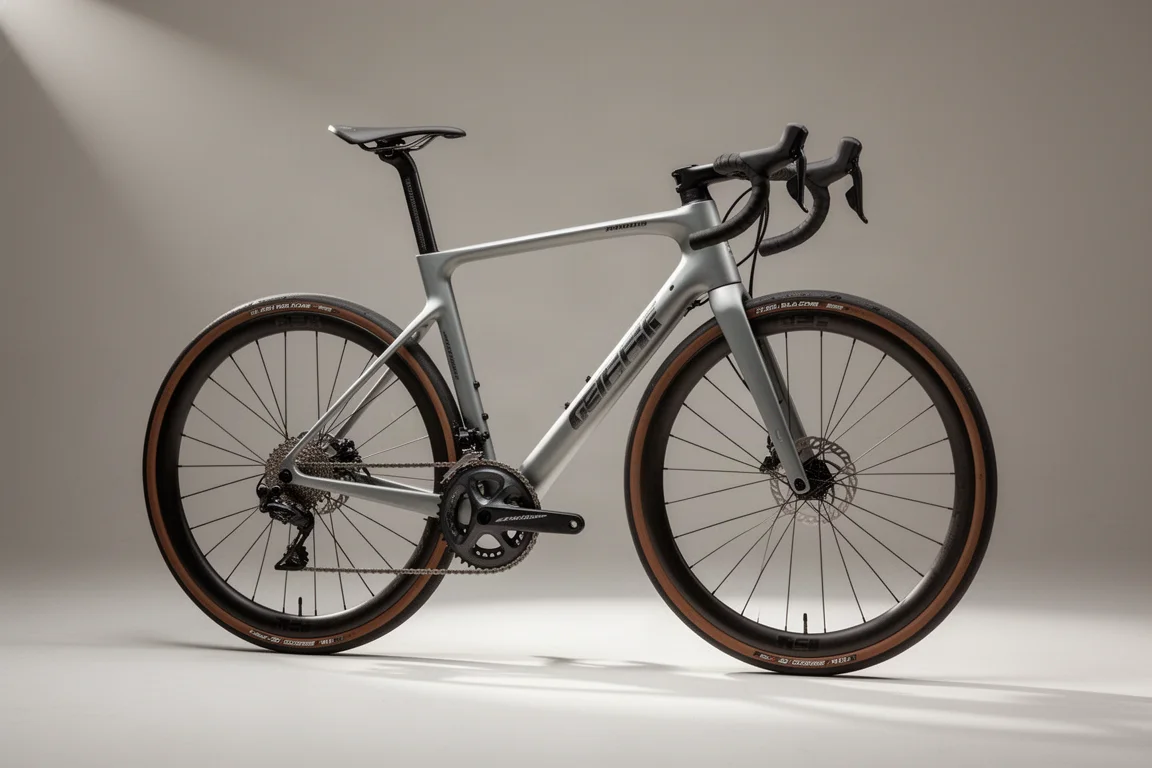
Best Endurance Road Bikes: Eight Comfort-Focused Picks for Speed and Stability
Eight endurance road bikes compared on fit, comfort features, tire clearance, storage and value, from the smoothest carbon options to steel and titanium alternatives.
Endurance Road Bikes
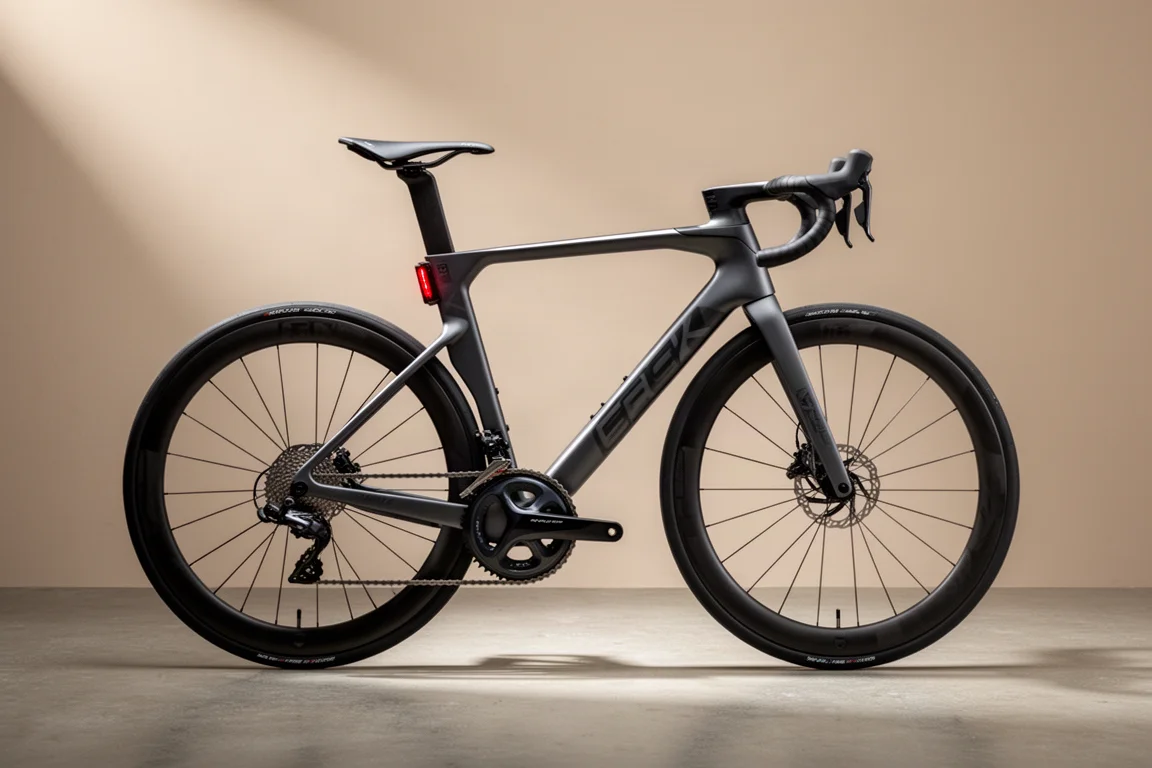
BMC Roadmachine Review: An Endurance Road Bike Built Around 40mm Tires
A closer look at the updated BMC Roadmachine, from its 40mm tire clearance and down tube storage to the trade-offs of its integrated rear light.