Endurance Road Bikes
Cannondale Synapse Carbon 2 RL Review: An Endurance Bike With Lights and Radar Built In
Cannondale's 2022 Synapse Carbon 2 RL adds an integrated SmartSense lighting and radar system, a threaded bottom bracket, and a familiar endurance ride. Here is what buyers should weigh up.
Introduction
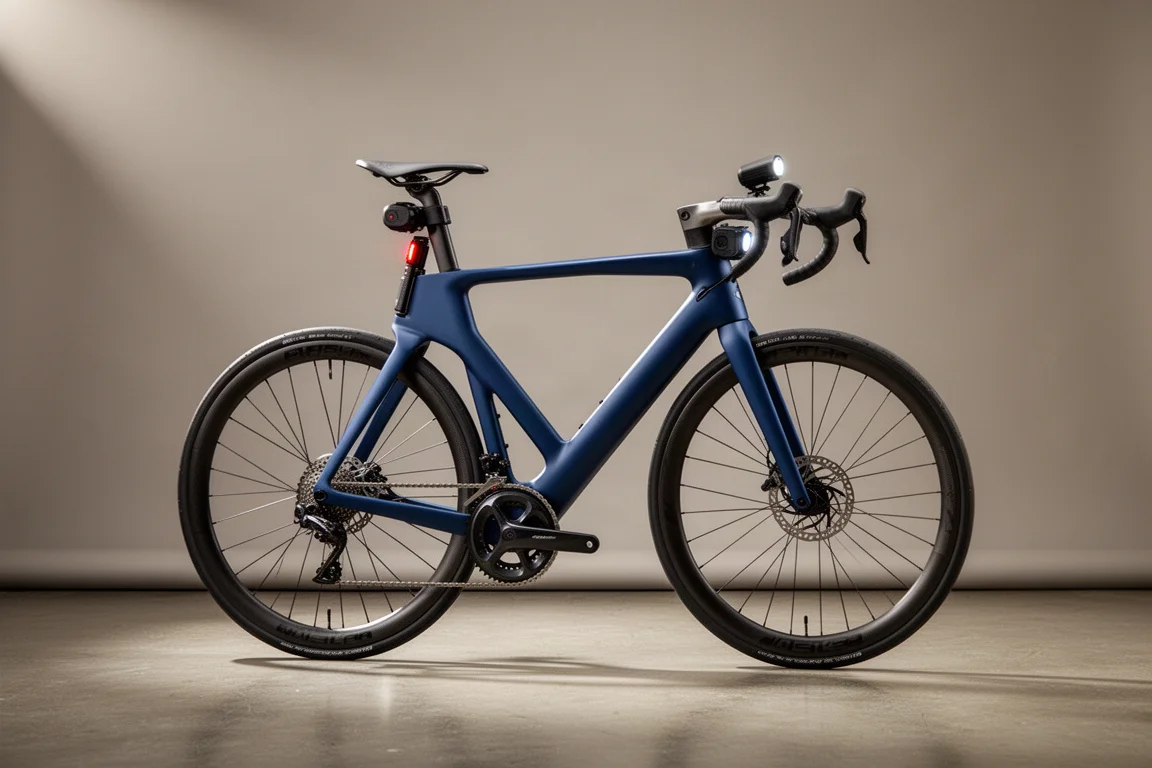
The Synapse has been Cannondale’s endurance road bike for years, and the 2022 Synapse Carbon 2 RL is the most distinctive version yet. Rather than borrowing the race-first thinking behind the SuperSix Evo and SystemSix, Cannondale took the Synapse in a different direction: integrated lights, a radar system, and a set of practical frame details aimed at riders who want to go far rather than race.
The result is a bike that looks unusual among off-the-peg endurance machines. Some of the changes are about technology, and some are quietly about making the bike easier to own and travel with. Both matter when you are spending a significant sum on a road bike you intend to keep.
Who the Cannondale Synapse Carbon 2 RL Is For
This is a bike for riders who ride long, ride often, and ride in real conditions. The integrated lighting and rear radar system are aimed squarely at people who spend time on open roads, commute through variable light, or simply prefer to keep their eyes on the road rather than constantly looking back.
It also suits riders who dislike unnecessary complexity. Cannondale has deliberately stepped back from some fashionable road bike conventions here, choosing simpler solutions that are easier to live with over time. If you already own excellent lights and a bike computer with radar support, part of the appeal of this specification disappears, because you would be paying for a system you may not need.
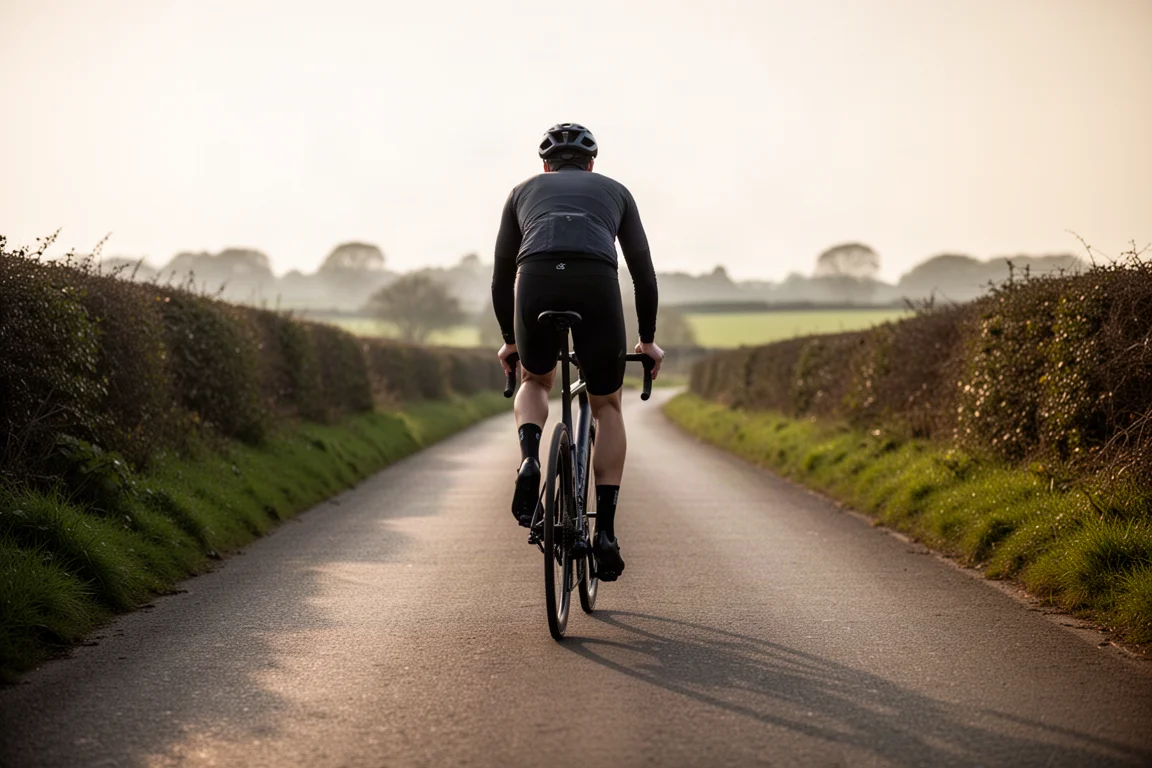
The Synapse is not aimed at criterium racers or riders chasing the lightest possible build. It is aimed at the rider who wants one bike that handles well, carries luggage sensibly, and adds a layer of awareness on the road.
Integrated SmartSense Lighting and Radar
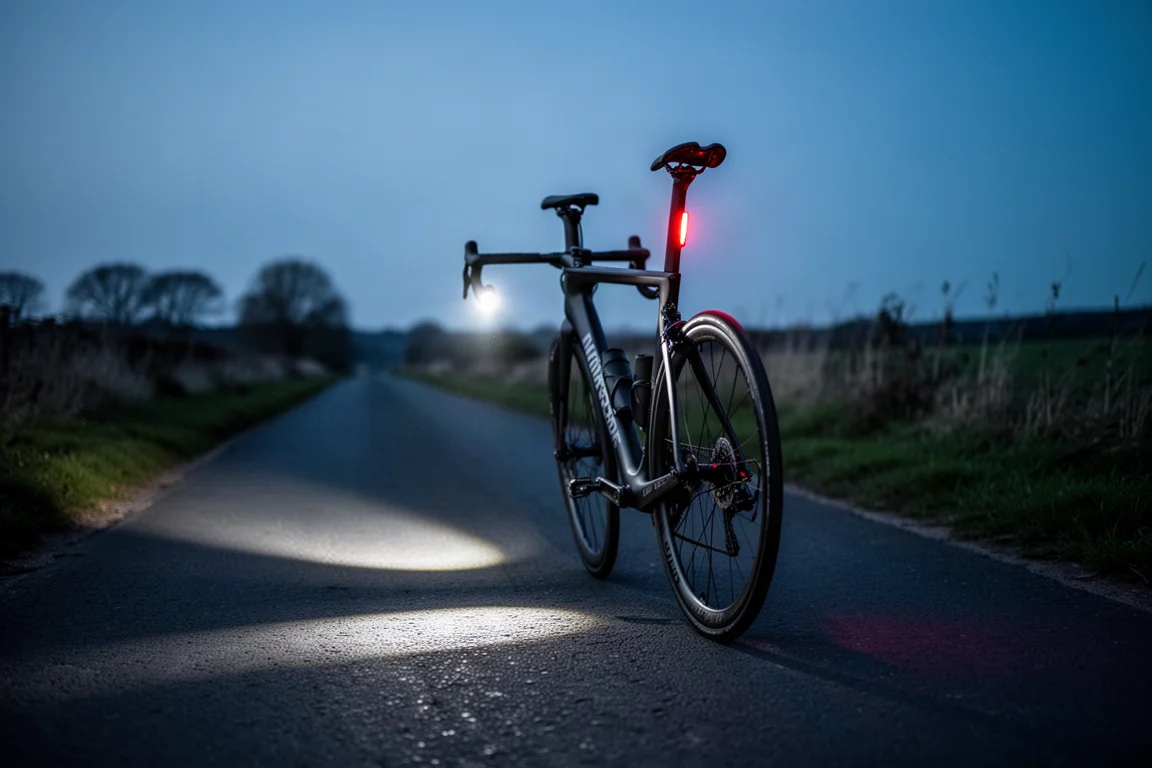
The centrepiece of this bike is the SmartSense system. A downtube-mounted power pack feeds both the front and rear lights as well as the radar unit from a single source. Cannondale claims five hours of run time in standard mode, dropping to two hours and 45 minutes at the highest setting and stretching to 20 hours in battery save mode. A full charge from empty takes just under three hours with any USB-C charger, and the pack holds its charge on standby for around 150 days. It can also be used as a USB-C power source once it is removed from the downtube mount.
The front light, called Foresight, sits under the handlebar on a dedicated mount in an aluminium body rated at 350 lumens. On this bike it ships with the StVZO standard beam, a set of German rules that require a horizontal beam pattern with a cutoff so other road users are not dazzled, and which disallow blinking and flashing modes. International versions of the bike come with a standard 350-lumen front light without the cutoff, and flashing modes can be set through the app. On darker, unlit single-track-width lanes, the beam cutoff does ask for a more cautious approach.
The rear light offers up to 85 lumens and wraps around the radar unit in a neat horseshoe shape. It mounts to the seat rails, which means a seat pack is out, though the frame includes bento box mounts on the top tube for storage. A motion sensor brightens the light under braking to alert riders behind.
The radar element detects approaching vehicles from up to 140 metres behind. A display mounted on the bars uses 15 LEDs that progress from green to red as a vehicle closes, and there is an audible warning as well. It becomes more useful the more familiar you get with it, and it is particularly valuable at night, when keeping your eyes forward matters most.
Ride Quality and Handling
The Synapse retains the character that made earlier versions so likeable. On a 58cm test bike, the geometry closely mirrors the 2014 Synapse, with a 620mm stack height and 393mm reach. The wheelbase is 11mm longer than a metre, a change made to accommodate larger tyres, and trail has been reduced to 56mm from 58mm, which brings the handling responses closer to those of the SuperSix Evo.
That shows up on the road. The bike has genuine zip when you want to change direction quickly or correct your line mid-corner, and it responds with vigour when you push hard. At the same time it keeps the sure-footed stability that defines a good endurance bike. The blend of stability and quick handling is exactly what makes great road bikes feel compelling, and the Synapse has it.
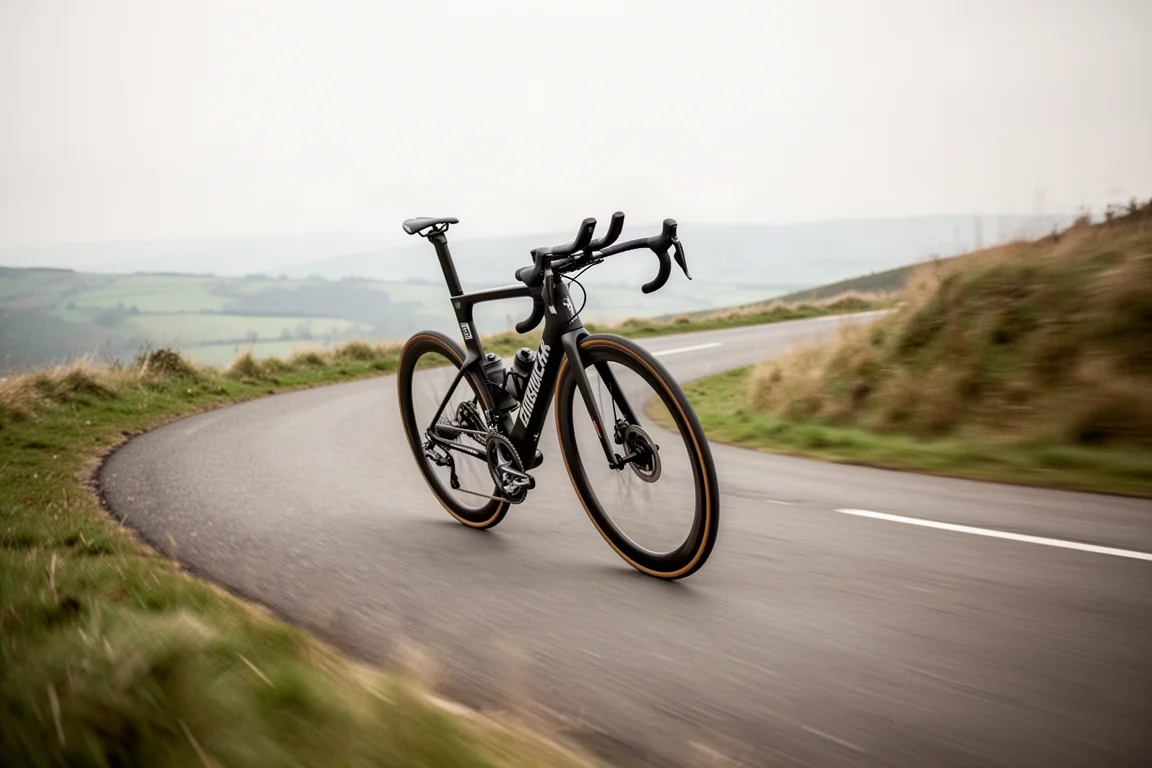
Comfort is equally well judged. The 30c tyres work with the frame’s vibration damping to produce a ride that is as smooth as you could reasonably want on long days.
Frame Details and Practicality
The geometry is largely unchanged, but the frame details show clear intent. Cannondale moved to a dropped seatstay design, in line with the rest of its drop-bar range. Cable routing is simpler than on most modern road bikes, passing through a large port in the downtube rather than a complex internal run. The integrated seat clamp has given way to a standard alloy ring binder and a slotted seat tube, which removes the risk of losing a wedge clamp inside the frame. The old BB30 press-fit bottom bracket shell is gone, replaced by a threaded BSA standard bottom bracket.
Whether these count as sensible updates or retrograde steps depends on your point of view. The simpler seat binder avoids a known hassle, the easier cable routing makes the Synapse a friendlier bike to travel with, and the threaded bottom bracket is a durable, serviceable standard. More fittings and larger clearances would normally add weight, yet the new chassis weighs exactly the same as the 2018 model.
Cannondale also brings Proportional Response construction to the Synapse range for the first time. Each individual frame size gets its own construction, including tube diameters, so the largest and smallest frames are intended to ride the same way. Tyre clearance is generous: the bike ships with 30c tyres and can take up to 35c with six millimetres of clearance either side, and it will run 30c tyres with mudguards without issue.
Componentry and Wheels
Shimano’s mechanical Ultegra R8000 has been around since 2017, and it remains the pinnacle of mechanical shifting. The full groupset is here, including the IceTech rotors, which run in quietly and stay rub-free. The 50/34 chainset paired with an 11-34 cassette gives plenty of range and a low gear for the steepest slopes.
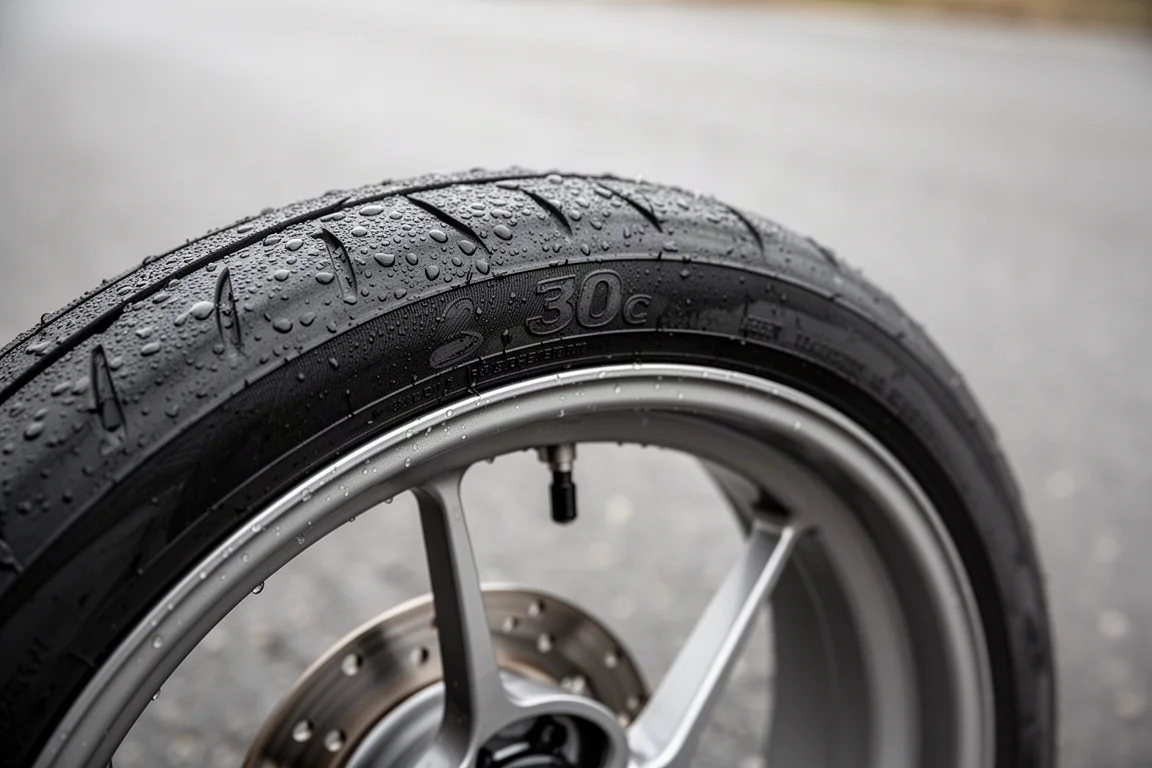
The clear weak point in this specification is the rolling stock. The Fulcrum Rapid Red 900 wheelset uses a shallow 24mm alloy rim with a generous 22mm internal width, and the two-way fit design means you can run clinchers with inner tubes or switch to tubeless. That internal width shapes the 30c tyres well, but the 950g per pair weight is noticeable, particularly once the road tilts upward. The wheels themselves are well made, with smooth, fuss-free hubs and a freehub that picks up promptly enough to keep the bike feeling responsive. Lighter wheels would add noticeable sparkle to climbing.
The finishing kit is sensible rather than exciting. The Fabric Scoop saddle is an established classic and a genuinely comfortable perch. The Cannondale 3 seatpost is a standard alloy post with an offset clamp, and Cannondale has reverted to a 27.2mm diameter rather than the skinnier 25.4mm of old, which opens up plenty of upgrade options, provided the light cable can be routed through the post and down into the seat tube. The alloy stem and compact drop alloy bar are perfectly serviceable, though the same components appear on the considerably cheaper Synapse Carbon 4 and on Cannondale’s alloy models. Step up to the RLE model and the front end gains the SAVE carbon bar and Knot stem.
Value and Buying Advice
Complete with the radar, lights, bottle cage, bottle and power pack, this bike weighs 9.8kg on paper, which looks hefty next to rivals until you add the weight of equivalent accessories to those bikes. At around 4,000 pounds for an Ultegra mechanical bike with alloy components and alloy wheels, the value question is harder to answer. The 2018 Synapse Ultegra, the first to use the R8000 groupset, retailed at 2,699 pounds with alloy wheels and alloy components, so the price has risen by some 1,300 pounds in four years. Even allowing for the extra technology, that is a significant increase, and rivals have moved in the same direction. A closely matched Specialized Roubaix Comp comes in at around 3,700 pounds with DT Swiss R470 alloy wheels and a carbon seatpost.
That makes the decision fairly personal. If the integrated lighting and radar replace equipment you would otherwise buy and charge separately, the Synapse’s packaging is genuinely convenient and keeps things simple. If you already own good lights, the system may feel unnecessary, and the alloy wheels and alloy seatpost are the first things you would want to upgrade. Buyers who mainly care about ride quality should note that the Synapse’s handling is its strongest argument, and that would still shine through without the safety extras.
The range is straightforward if you want to compare: the base carbon 4 starts around 2,400 pounds, the carbon 3L around 3,200 pounds where the L denotes lights, this carbon 2 RL adds radar, and the three top models carry lights, electronic shifting and radar. There is no high-modulus version yet, and every model in the range shares the same chassis.
Conclusion
The Synapse Carbon 2 RL keeps its place among the best endurance bikes around, sitting alongside the Specialized Roubaix, Giant Defy and Cervelo Caledonia. Its handling delivers the combination that matters most: sure-footed stability with fast, engaging responses. The technology is the icing on the cake, and the bike would still be deeply likeable without any of it.
Cannondale deserves credit for bundling genuinely useful rider aids into a standard production bike rather than treating them as an aftermarket add-on. The trade-offs are the price, the alloy finishing kit, and the weight of the wheels. If you ride long distances in mixed light and want one tidy, integrated system to handle visibility and rear awareness, this is a confident, well-rounded choice. If you already have that equipment covered, the same ride quality is available further down the range.
Product link
View more details for Cannondale Synapse Carbon 2 RL
This product is mentioned in the review. Check the specifications, options, and compatibility before buying.
View more details for Cannondale Synapse Carbon 2 RLFurther reading
Related Reviews
Endurance Road Bikes
Best Endurance Bikes Compared: Merida Scultura Endurance, Cervélo Caledonia and Vitus Venon Evo RS Aero
Three endurance road bikes tested on long, wet road loops: relaxed classic comfort, sporty road pace, and an all-road machine with genuine gravel room.
Endurance Road Bikes
Best Endurance Road Bikes: Eight Comfort-Focused Picks for Speed and Stability
Eight endurance road bikes compared on fit, comfort features, tire clearance, storage and value, from the smoothest carbon options to steel and titanium alternatives.
Endurance Road Bikes
BMC Roadmachine Review: An Endurance Road Bike Built Around 40mm Tires
A closer look at the updated BMC Roadmachine, from its 40mm tire clearance and down tube storage to the trade-offs of its integrated rear light.