Road Bikes
Cannondale SuperSix EVO vs Factor O2 VAM: Old and New Lightweight Road Bikes Compared
A 2012 Cannondale SuperSix EVO meets a 2023 Factor O2 VAM. Two of the lightest road bikes of their eras, compared across weight, comfort, braking, and ride quality.
Introduction
Some riders argue that road bikes have only become heavier, more expensive, and more complicated over the past decade. Others say modern design has made them faster and far nicer to live with. Putting two of the lightest road bikes of their respective eras side by side is the quickest way to test both claims.
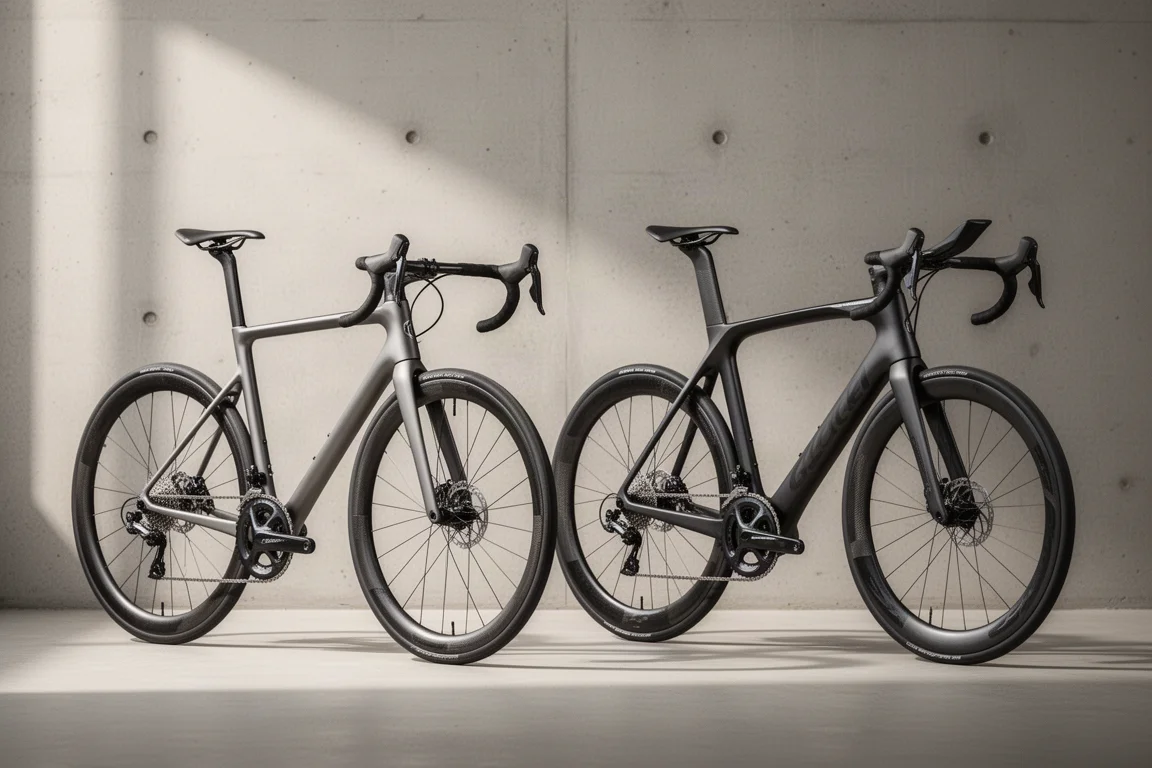
The older machine is a 2012 Cannondale SuperSix EVO. The newer one is a 2023 Factor O2 VAM. They make an unusually fair comparison, because they share so much: both are built around carbon frames designed purely to be as light as possible, both run top tier SRAM Red groupsets, and both roll on shallow carbon wheels. Both are size 56 frames, weighed without pedals.
Eight categories decide the outcome, covering looks, weight, price, groupset, comfort, brakes, aerodynamics, and the overall ride. Each bike takes a point every time it wins a category.
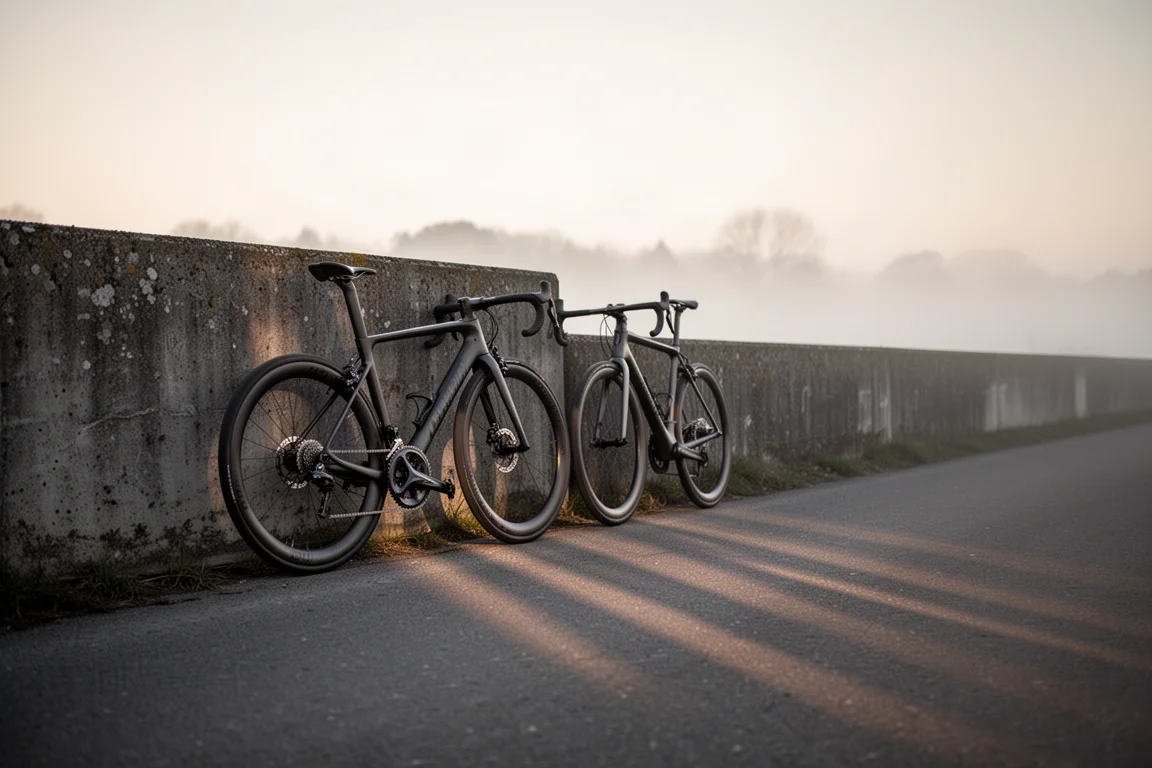
The results are not a straightforward vote for the newest bike. The SuperSix EVO claims several categories outright, and more than one result is genuinely surprising given the ten years between them.
How These Two Bikes Compare
Choosing two bikes that share a groupset family, an obsessive low weight target, and a shallow carbon wheelset removes most of the noise from a comparison like this. Both are lightest-of-their-generation machines, with carbon frames engineered around minimum weight rather than aerodynamic or endurance priorities.
That means the differences that surface come from design philosophy rather than from mismatched specifications. Tube shapes, brake type, shifting system, tire clearance, and frame construction do the talking here.
Cannondale SuperSix EVO, the 2012 Benchmark
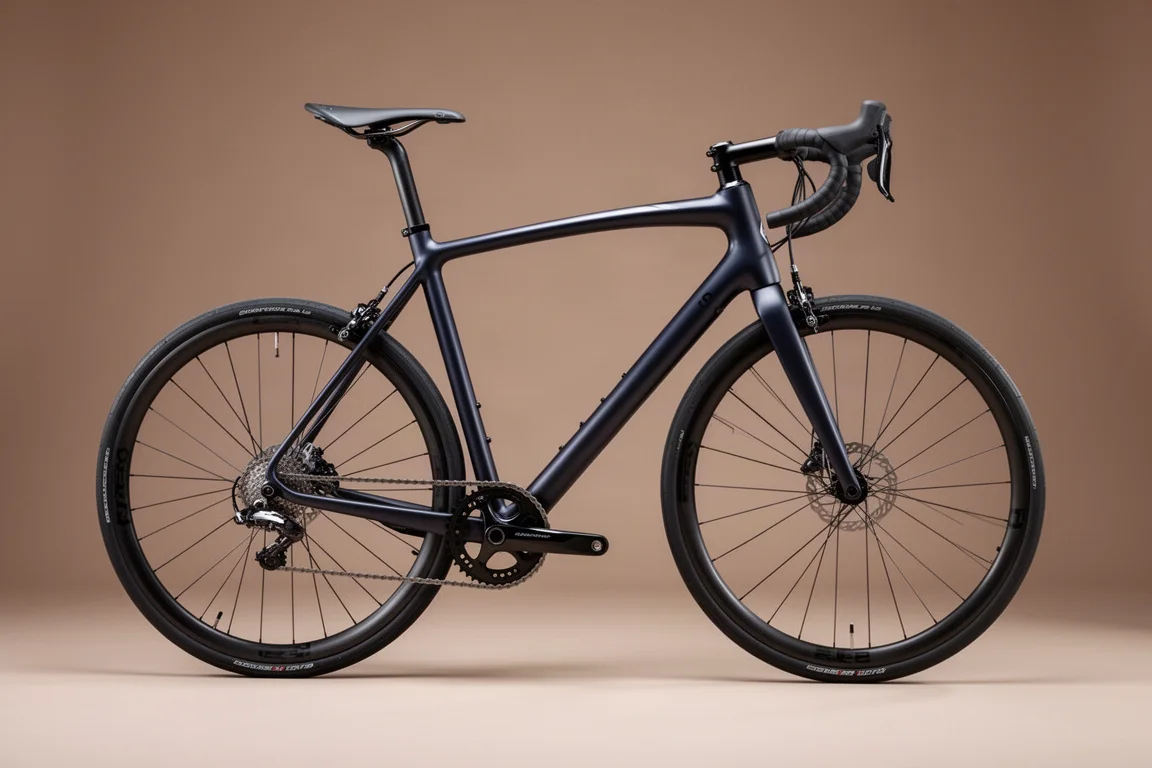
The SuperSix EVO frame weighs 730 g, and it was built with simple round tubes, a horizontal top tube that does not slope, and rear stays that do not drop. Ten years on, that silhouette still looks right to a lot of riders, and it wins the looks category here. The paint and graphics are a different matter. The finish is loud and shouty in a way that has aged badly.
The frame has also held up remarkably well underneath. It still feels snappy, responsive, and fast, and it has not gone soft with age. For a race bike of its time it rides surprisingly smoothly, though not as smoothly as a modern endurance bike, and not as smoothly as the Factor.
Tire clearance tells part of that story. The SuperSix EVO accepts tires up to 25 mm wide, and it was most often ridden with 23 mm tires at around 120 PSI. On fast roads and rough descents it can feel edgy or crashy in a way the newer bike never does.
Weight is where it still makes its case. On the scales, the complete bike came in at 6.35 kg.
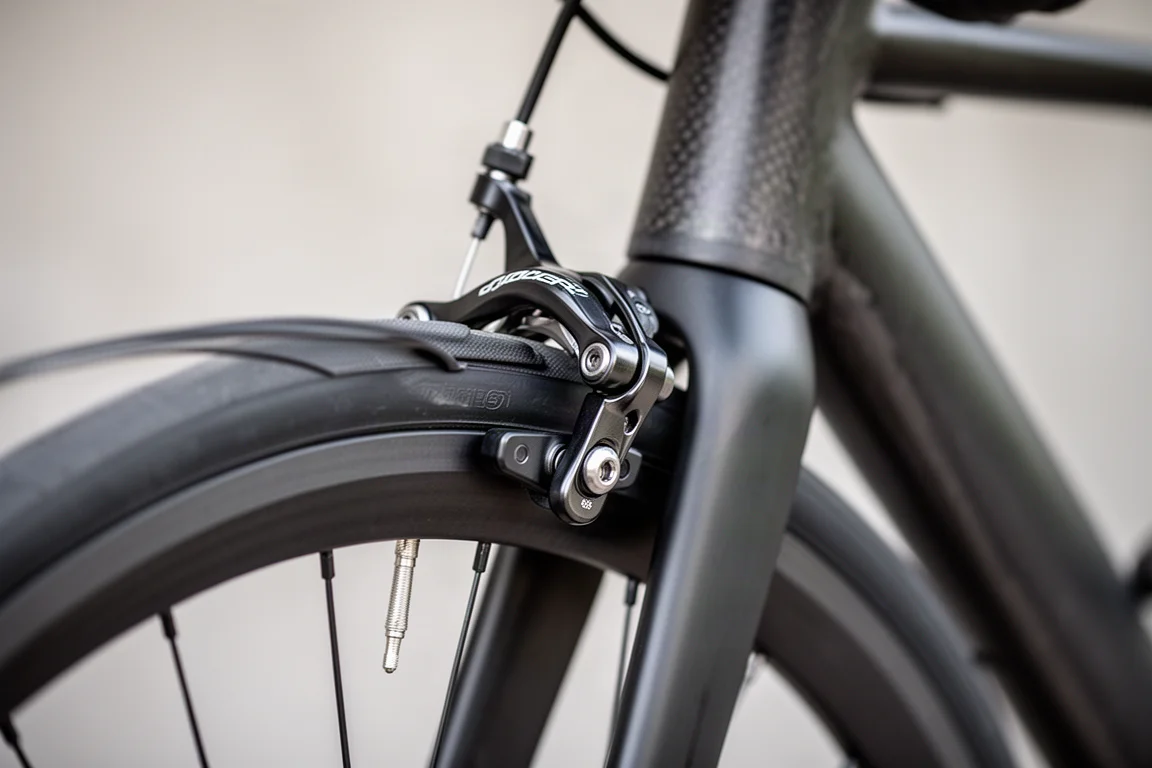
Mechanical SRAM Red with 11 speeds and rim brakes remains one of the lightest groupsets ever made, and it still works very well. Its simplicity is a genuine part of the appeal.
Frame Weight and Modern Complexity
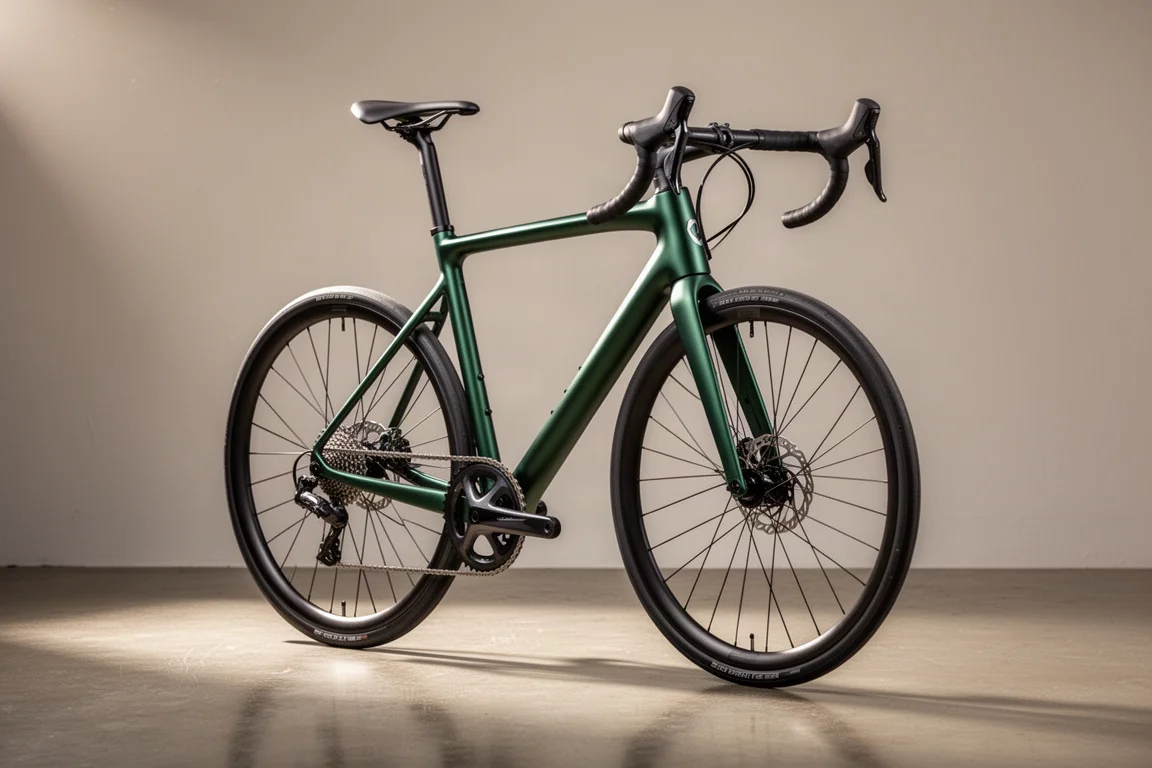
The Factor O2 VAM frame weighs 695 g, and the complete bike came in at 6.38 kg. Taken on its own that is an impressive number, but it becomes far more interesting next to a ten-year-old bike at 6.35 kg.
The modern bike carries hydraulic disc brakes, electronic gears with a battery on each derailleur, and aerodynamic tube profiles. Ten years of evolution have delivered the same weight rather than a lighter one. Depending on your point of view that is either disappointing or a real achievement, since the newer bike absorbs all of that added hardware without gaining mass.
This category goes to the Factor O2 VAM.
Factor O2 VAM, the Modern Lightweight Race Bike
Aerodynamics barely featured on road bikes in 2012, so the SuperSix EVO made no concessions to it at all. It was designed to be as light, stiff, strong, and smooth as possible, with external cables and no integration to speak of.
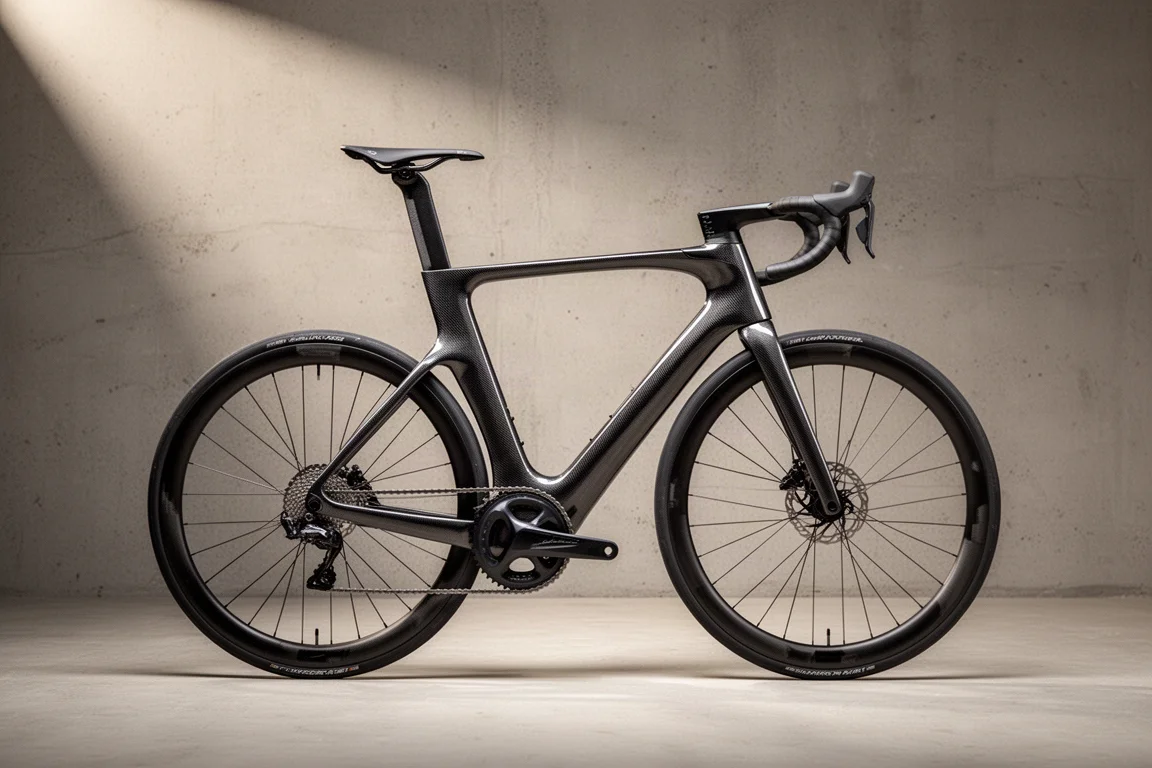
The Factor O2 VAM goes the other way. It has an aero optimised frame with a shaped down tube, dropped rear stays, profiled fork blades, and a shaped head tube. Cable routing runs fully internally, and the handlebar and stem are a single carbon piece. On paper, and in a wind tunnel, that makes it the faster, less draggy bike. On the road the difference is harder to feel. It occasionally seems quicker at high speed, but real world variables make it difficult to pin down how much faster it actually is.
Comfort is more obvious in practice. The Factor rides far more smoothly over rough local roads, helped by wider tires and by improvements in carbon fiber manufacturing, tube shapes, the seat mast, and the handlebar. Wider clearance matters here: this bike accepts tires up to 32 mm, and 28 mm is now the standard choice. Even so, the Factor is not the smoothest bike in its class. It remains firm, and occasionally harsh.
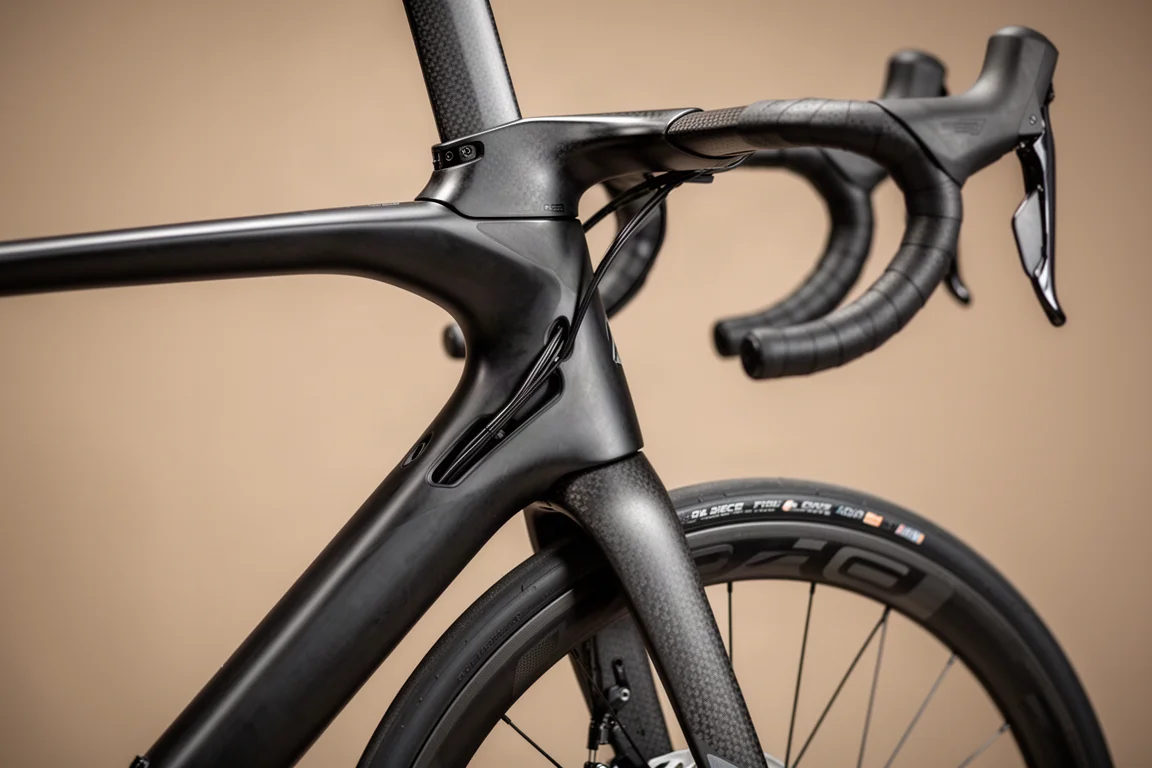
Price lands much closer than expected. This build is £11,800, or £12,200 with a power meter, against a 2012 launch price of £8,800 that works out at roughly £12,000 in today’s money. Top end road bikes were expensive then, and they are expensive now.
Groupsets, Brakes, and Ride Quality
The groupset comparison ends in a draw. Mechanical SRAM Red is simple, light, and still shifts well, and there is a lot to like about that. Electronic shifting is harder to give up once you are used to it, though. It feels more intuitive than the mechanical double tap setup, and the gear ratios suit modern riding better than the old race gearing. The trade offs are batteries that need charging and a weight penalty, especially alongside hydraulic disc brakes.
Braking is not close. Hydraulic disc brakes are better than rim brakes in all conditions, in the dry, in the wet, on mountain descents, and on country lanes. It is not only about stopping distance. One finger braking and the extra control and modulation they offer make slowing down easier and safer, where rim brakes often need two or three fingers.
Ride quality tips the same way. The SuperSix EVO is still electrifying and a genuine thrill to ride, but the Factor is smoother, more compliant, and more controlled, with better tires, better gearing, and better brakes. It is simply the nicer experience, and it is faster against the clock, though the size of that gap depends on where and how you ride.
Overall Buying Advice
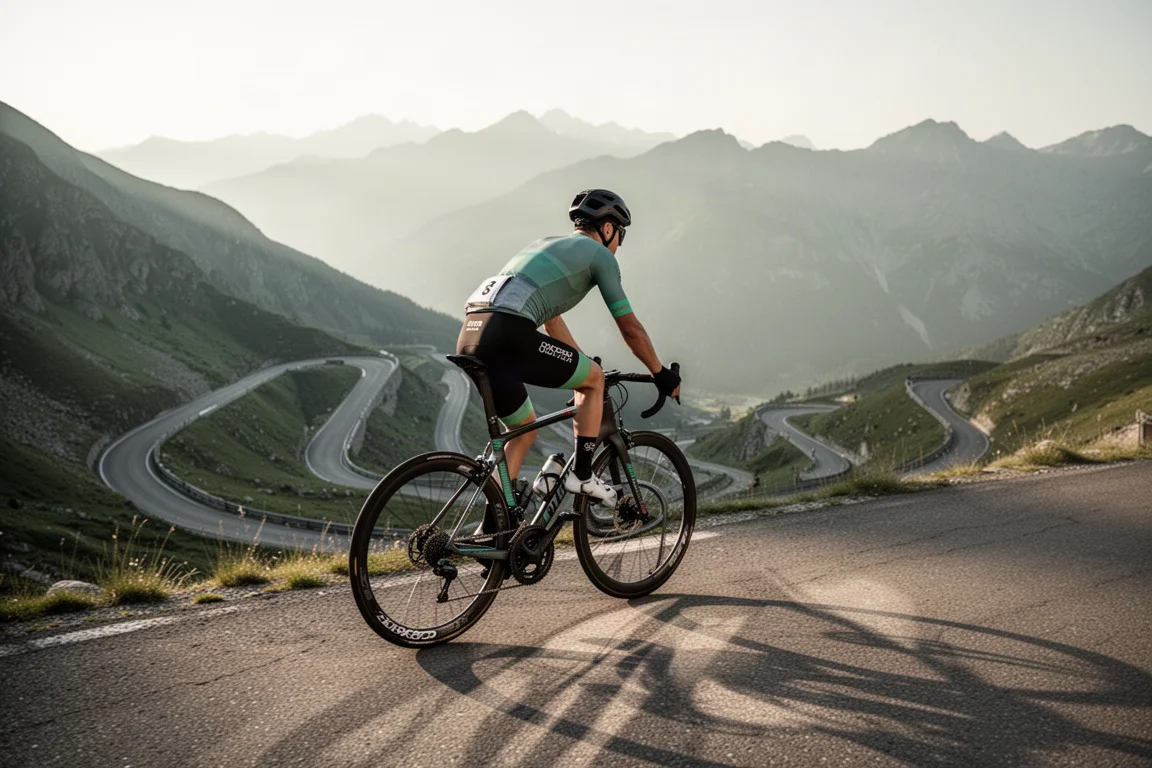
If you want the lightest possible bike and you enjoy mechanical simplicity, the older SuperSix EVO still delivers a fast, responsive ride and a classic silhouette. It is a joy to ride, and it holds its weight against a much newer machine.
If you ride rough roads, descend hard, or simply want the calmer and more controlled experience, the Factor O2 VAM is the easier bike to live with. Wider tires, disc brakes, electronic shifting, and internal routing all point the same way. It scored more points overall, and the gap comes from the ride rather than from the spec sheet.
Either way, budget matters less than expected. Both are premium machines, and the modern one is not automatically the more expensive of the two.
Conclusion
Ten years have changed road bikes in real but uneven ways. Frames are more aerodynamic and more comfortable, brakes are far better, and shifting is more intuitive. Weight, price, and raw simplicity have barely moved at all.
That leaves the decision resting on priorities rather than on age. If the older bike had been the last word in road bike design, it would still be a very good one to be riding today. The modern bike simply makes the same journey more pleasant.
Further reading
Related Reviews

Road Bikes
10 New Road Bikes Worth Watching: Aero, Titanium, Steel and Endurance Standouts
A practical roundup of 10 new road bikes, from aero flagships chasing single-watt gains to titanium, steel and endurance platforms built for real roads.
Road Bikes
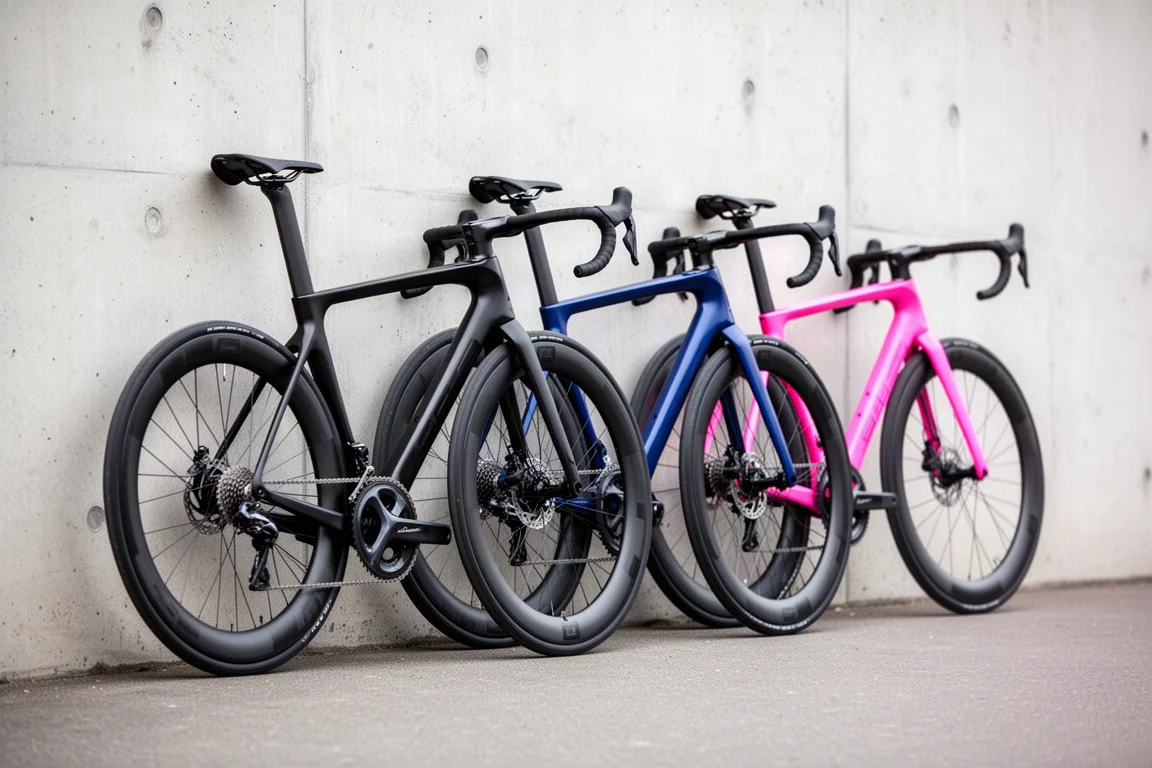
2026 Tour de France Road Bikes: Six Race Machines Worth a Closer Look
Six race bikes from the 2026 Tour de France grid, reviewed for paint, silhouette, wheels and the specification details that matter to buyers.
Road Bikes
3T Strada Italia Review: A Radical Aero Road Bike That Rides Smooth
A made in Italy carbon aero road bike with a deep head tube, wide tire clearance and a genuinely comfortable ride. Here is what to know before buying.