Road Bikes
Cannondale SuperSix Evo Review: A Refined All-Round Race Bike
The new Cannondale SuperSix Evo trims weight, narrows the cockpit and lowers the geometry while keeping the balanced race feel that made the platform so easy to recommend.
Introduction
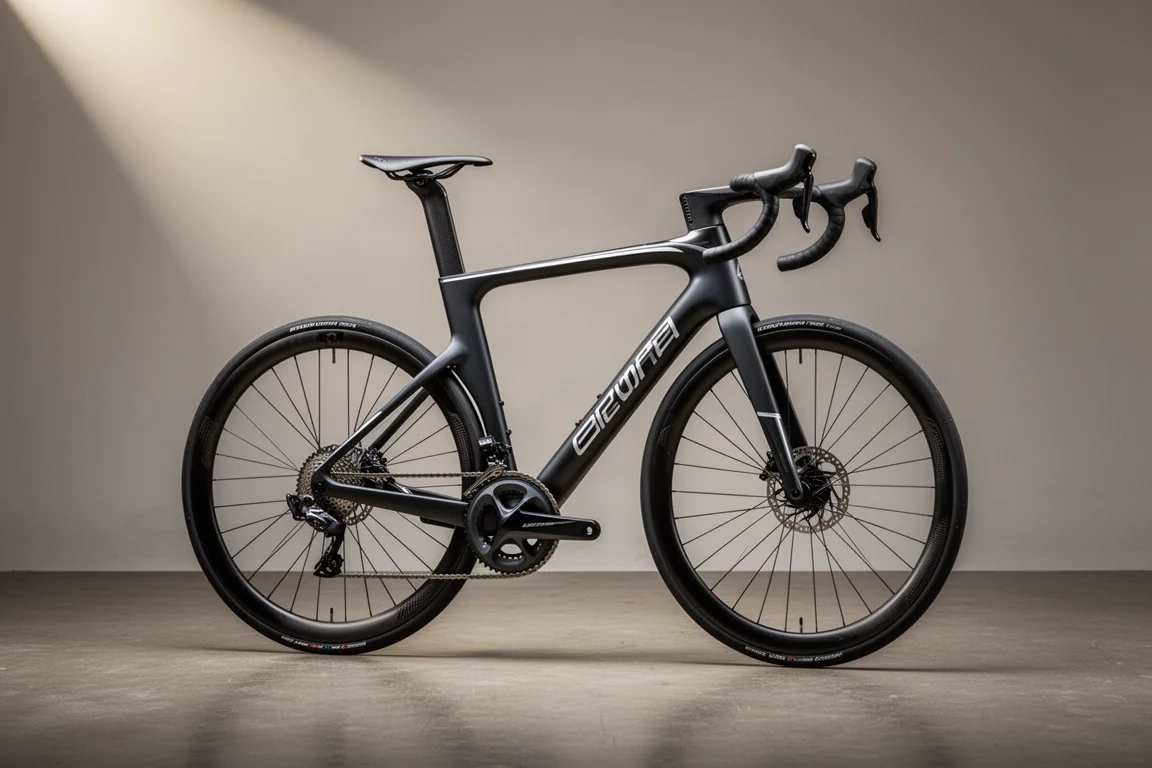
The new Cannondale SuperSix Evo looks remarkably close to the bike it replaces. Placed side by side with the previous generation, the family resemblance is hard to miss, and that is deliberate. This is an evolution rather than a revolution, and the outgoing platform was already a very good all-round race bike that needed refinement rather than reinvention.
Look closer and the changes become clear. There is a new fork, revised frame shaping, a lighter frame, a narrower cockpit and geometry that has been brought back in line with the rest of the race bike market.
Who This Bike Is For
The SuperSix Evo has always been a race bike that is easy to live with, and the latest version keeps that character. It suits riders who want a single bike that climbs well, sprints well and descends with confidence, rather than a machine tuned narrowly for one discipline. Riders who value intuitive handling and predictable cornering tend to feel at home quickly, because the geometry is designed to feel natural from the first ride.
It is also a more accommodating platform for smaller riders than before. The range now includes 50 cm and 52 cm sizes that replace the old 51 cm option, so riders who previously sat between sizes have a better chance of finding a proper fit. For anyone moving from a dedicated aero bike or a pure climbing bike, this is the middle path: balanced rather than extreme in either direction.
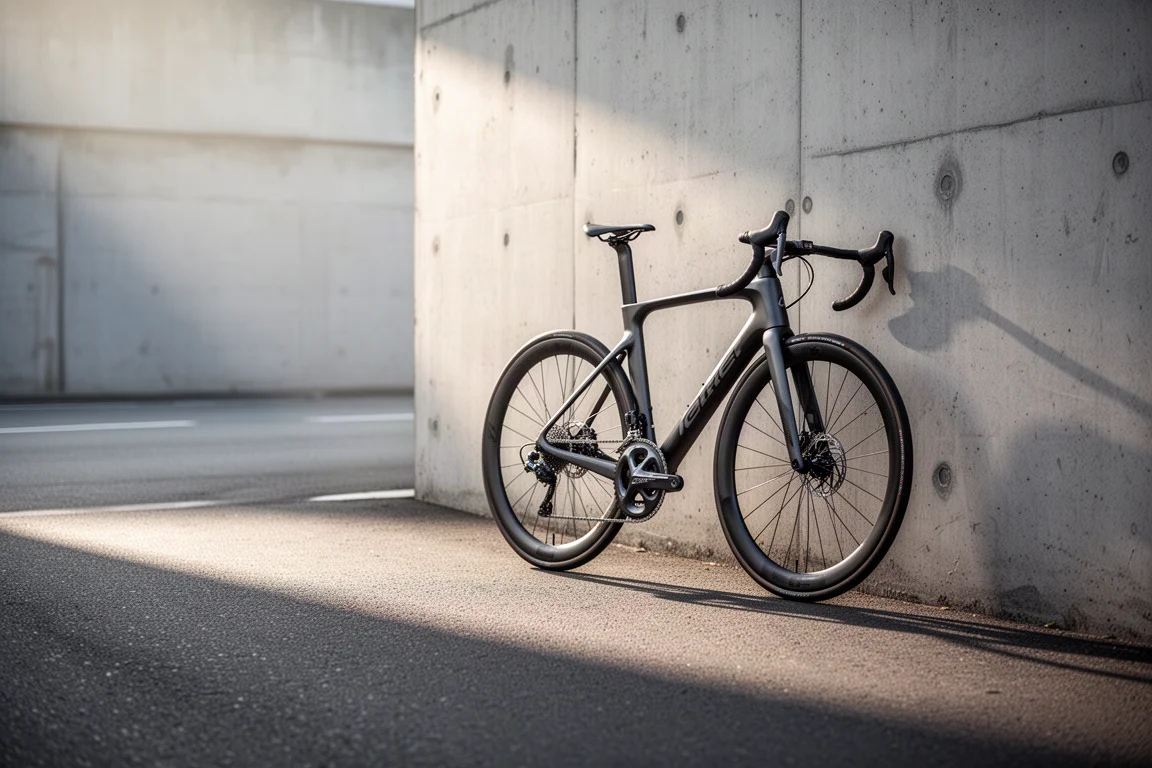
Riders who spend most of their time on long, varied routes are the natural audience here. The bike is intended to perform on steep climbs, fast descents, rolling roads and technical corners without feeling compromised in any one of them, which is exactly the brief of an all-round race platform.
Frame, Weight, and Aero Balance
The new frame is lighter, and the top-end Lab 71 version comes in at a claimed 728 g. That is a 42 g saving over the previous frame, while the complete frameset is nearly 150 g lighter. Three levels of carbon are available across the range, so the weight figure varies by build.
For context, that figure sits closer to the 685 g frame of the Specialized Tarmac and ahead of the 796 g Trek Madone SLR. Complete bike claims follow the same direction: 6.35 kg for the lightest SL climbing-focused build with lightweight wheels and a narrow handlebar, and 6.95 kg for a top-of-range Lab 71 with deep-section wheels and the aero handlebar.
Aerodynamics have improved, but only modestly. The new bike is roughly 1% more aero than the previous generation, worth about two to four watts at 40 km/h, with most of the gain coming from the new fork blades, the head tube and the narrower aero handlebar. The shaping follows a familiar pattern: deeper and more aero at the front, where frontal area matters most, and skinnier at the rear, where saving weight is more valuable.
Ride Quality and Handling
On the road, the SuperSix Evo is quick. It feels as fast as the race bikes it competes with and carries the same all-round appeal as before: light enough, fast enough and comfortable enough. The ride character is very close to the outgoing bike, which is unsurprising given how similar the two platforms are.
Handling is intuitive and confidence-inspiring through corners, with plenty of stiffness for sprinting and climbing as hard as you like. Comfort is reasonable rather than plush. On rough roads, some rivals feel smoother through the saddle, but the balance here is well judged, and the new handlebar does a good job of dealing with vibration.
The test build used a High Mod frame with a SRAM Force AXS groupset and weighed 7.5 kg on the scales in a size 56 without pedals or bottles. Wheels come from Reserve, a hooked rather than hookless design with a shallow front, a deeper rear and a wide profile, fitted with 29 mm Vittoria Corsa Pro tires. Those tires are quick, though they proved somewhat fragile during testing, with a rear tire cut that needed a tubeless plug to sort out.
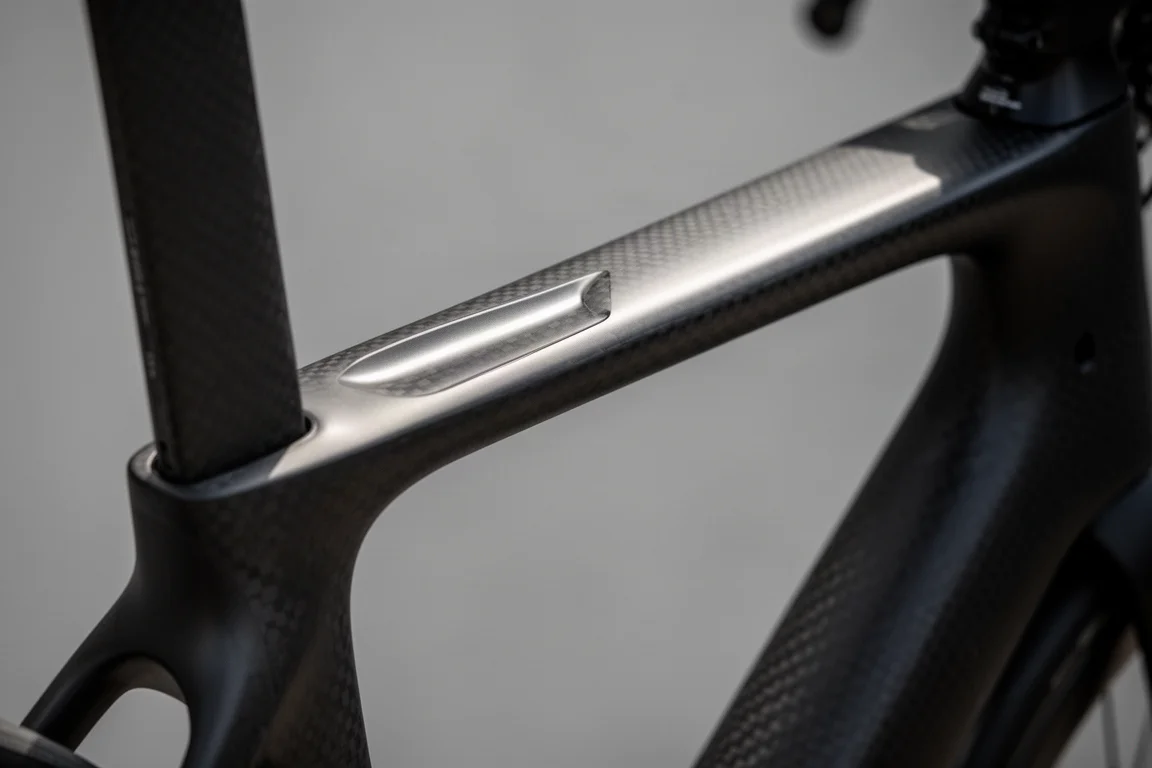
Across roughly 800 km of riding in southern Spain, including long five to seven hour days on undulating roads, the platform held up without issue. That kind of varied terrain is a good demonstration of what the bike is for, because it rewards a machine that climbs, descends and rolls well rather than one that excels in a single scenario.
Frame Details, Geometry, and Fit
Geometry is one of the changes you cannot see. Stack is now 10 mm lower, returning the platform to the position it held a couple of generations ago and bringing it in line with rival race bikes. That also creates clearer separation between the SuperSix Evo race platform and the Synapse endurance bike. Riders coming from the most recent generation may find they need a spacer or two to match their current handlebar height.
The frame gets a UDH hanger, a close-fitting flush through axle at the fork, and the same 68 mm threaded bottom bracket as before. Tire clearance remains 32 mm, and the delta-shaped steerer tube still allows fully internal routing. SmartSense compatibility has been dropped. The new aero cages and bottles are 26% lighter and come on High Mod and Lab 71 builds, and they accept standard round bottles without trouble. Cranks are short by current standards, with 170 mm arms on a size 56, and the stem on that size measures 100 mm.
The New Handlebar and Cockpit
The cockpit is where the update is most visible. The SystemBar Road uses a truncated aero profile with 20 mm of flare in the drops and is as narrow as the rules allow, down to 34 cm on the smaller sizes and 36 cm on the size tested. A second option, the Road SL, trades the aero tops for rounded ones and reduces the weight to just 265 g, which will appeal to riders chasing climbing performance.
Both bars include a neatly integrated computer mount. The narrower shape is a clear improvement over the previous cockpit, and it looks cleaner as well, without the plastic headset cover arrangement of the older design. Bar width is matched to frame size, and stem length options are available.

Riders accustomed to a wider bar will notice the change immediately, and the narrower position rewards a slightly longer reach. On the size 56 build, a 100 mm stem feels adequate, though some riders may prefer another 10 mm of stretch for a flatter, more extended position.
Things to Consider Before Buying
This is a considered update rather than a dramatic one, and that shapes what buyers should expect. The aero gain over the previous generation is small at roughly 1%, so riders hoping for a step change in speed should judge the bike on how it performs overall rather than on drag figures alone. Frame weight is competitive but not class-leading against the lightest benchmark in the category.
Comfort is good without being the smoothest in the class, particularly on coarse surfaces. The stock tires are fast but showed themselves to be somewhat fragile. Riders who dislike aero bottle systems may want to swap the included cages for standard round ones, even though the supplied cages work perfectly well with ordinary bottles. SmartSense is no longer supported. Pricing is also premium: the range starts at £4,500 in the UK for the Evo 5, with High Mod and Lab 71 framesets at £4,000 and £5,000 respectively.
Buying Advice
Three carbon levels and several builds make it worth deciding what matters most. Riders who prioritize climbing and low weight will find the SL build most relevant, with its claimed 6.35 kg, lightweight wheels and narrow handlebar. Those who want deeper wheels and the aero cockpit will look at the Lab 71 builds, which are claimed at 6.95 kg with the aero bar and deep-section wheels.
The sensible approach is to match the build to the terrain you actually ride. If most of your riding involves long climbs, the lighter option makes more sense. If you spend more time on flat and rolling roads, the aero-leaning builds give away little and add depth where it counts. Across the range, the platform remains a genuinely versatile race bike rather than a specialist.
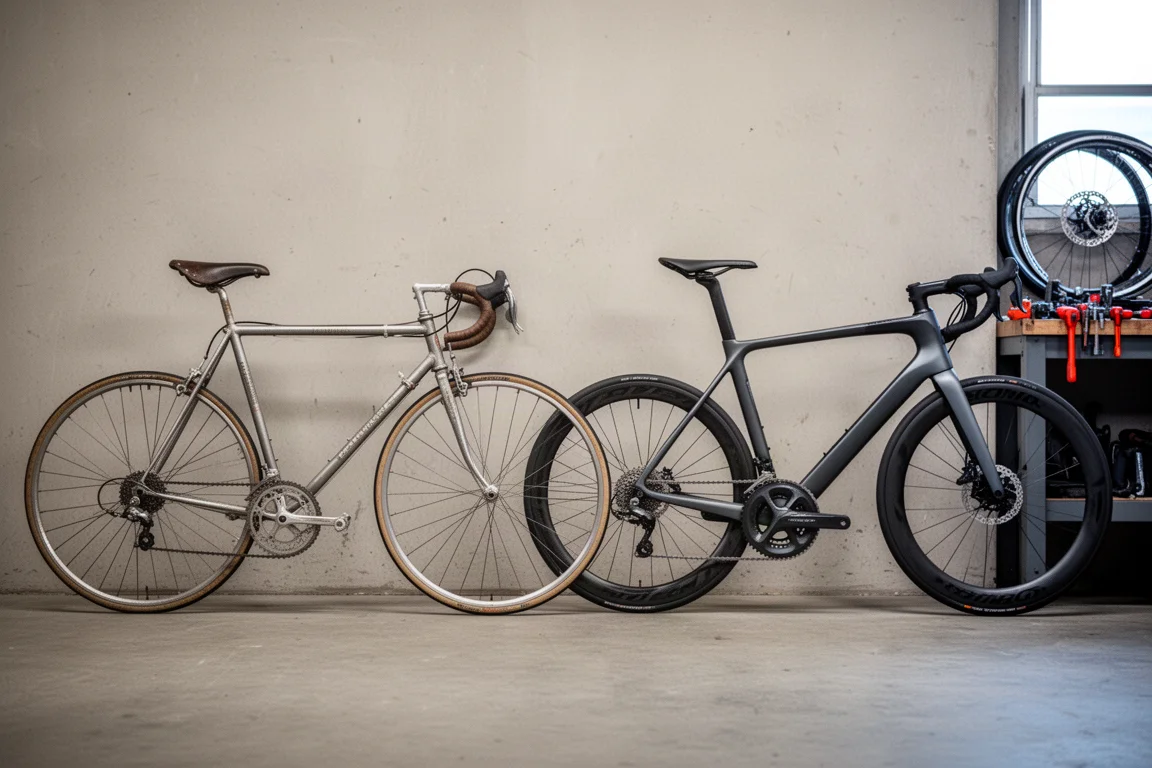
It is also worth weighing how the bike fits against other all-round race bikes in the category. The case rests on balance: this is neither the lightest nor the most aero option available, but it combines both qualities well and pairs them with handling that is easy to trust from the first ride.
Conclusion
The SuperSix Evo update is mild, sensible and mature. The frame is lighter, the front end is a touch more aero, the cockpit is narrower and cleaner, and the geometry has moved back to where a race bike should be. None of that transforms the ride, and the bike still feels very close to its predecessor, which is a compliment rather than a criticism.
As an all-round race bike it remains a compelling choice: quick, well balanced, easy to handle and pleasant to spend long days on. It is neither super light nor super aero, but it does both well enough to suit riders who want one bike that performs everywhere. For anyone shopping in this category, it deserves a place on the shortlist.
Product link
View more details for Cannondale SuperSix EVO
This product is mentioned in the review. Check the specifications, options, and compatibility before buying.
View more details for Cannondale SuperSix EVOFurther reading
Related Reviews

Road Bikes
10 New Road Bikes Worth Watching: Aero, Titanium, Steel and Endurance Standouts
A practical roundup of 10 new road bikes, from aero flagships chasing single-watt gains to titanium, steel and endurance platforms built for real roads.
Road Bikes
2026 Tour de France Road Bikes: Six Race Machines Worth a Closer Look
Six race bikes from the 2026 Tour de France grid, reviewed for paint, silhouette, wheels and the specification details that matter to buyers.
Road Bikes
3T Strada Italia Review: A Radical Aero Road Bike That Rides Smooth
A made in Italy carbon aero road bike with a deep head tube, wide tire clearance and a genuinely comfortable ride. Here is what to know before buying.