Road Bikes
Cannondale SuperSix EVO and LAB71: Which Build Is Right for You?
A practical look at Cannondale's fourth-generation SuperSix EVO, the changes across the platform, and how the base carbon build compares with the flagship LAB71.
Introduction
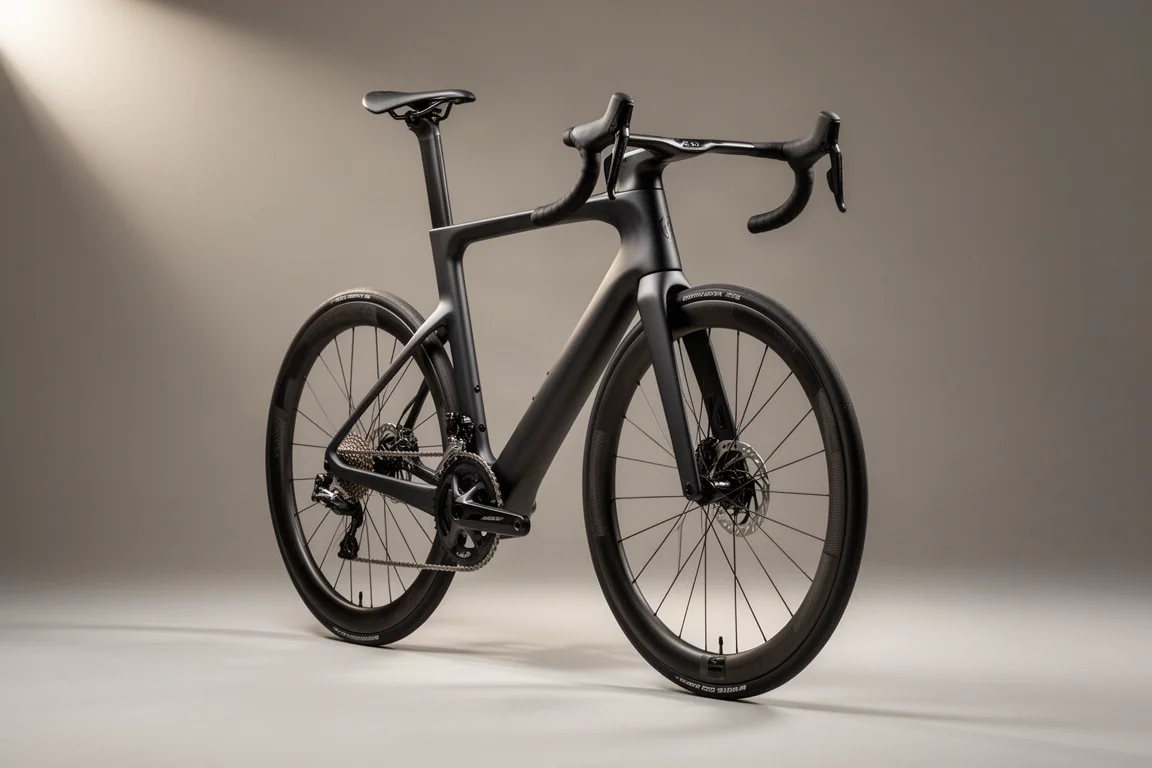
The SuperSix EVO has sat at the centre of Cannondale’s road range since 2011, and this fourth-generation model is the most substantial revision yet. It is lighter, faster, and sharper in appearance than the bike it replaces, with a redesigned front end and a new flagship tier sitting at the top of the line.
Two versions matter most for buyers: the standard carbon SuperSix EVO and the range-topping LAB71. They share the same frame shape, the same geometry, and the same fundamental ride character, but they sit far apart on price and specification. This guide covers what changed across the platform, how the two tiers differ, and which one is more likely to suit the way you ride.
What Changed on the Fourth-Generation SuperSix EVO
The most talked-about change is at the bottom bracket. Cannondale has moved from a press-fit design to a BSA threaded bottom bracket, which is a straightforward win for anyone who prefers threaded cups for serviceability and long-term quiet.
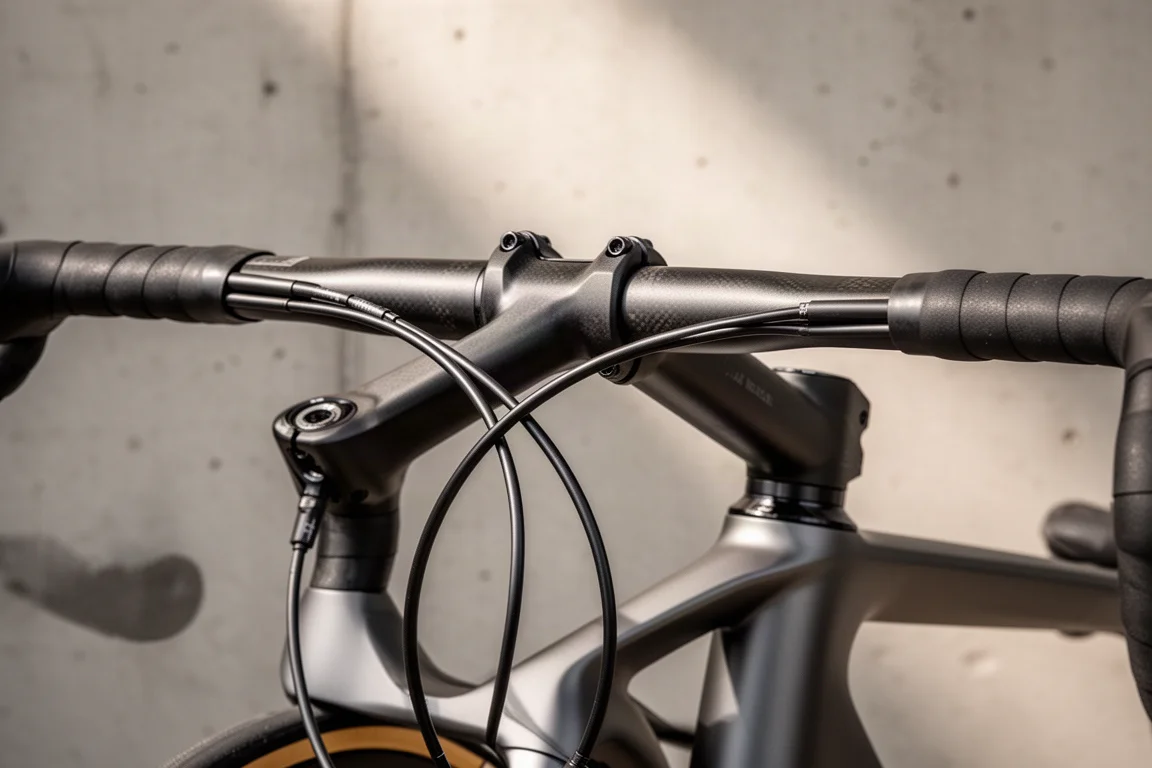
Internal routing has also been reworked. The previous system was functional but not the cleanest, and the new one routes cables and hoses either side of a redesigned delta-shaped steerer tube, reinforced with a Kevlar-type material to keep strength where it matters. Riders can run a two-piece handlebar and stem, or the new one-piece carbon bar and stem developed with Momo Designs.
The engineering brief was to match the drag of a dedicated aero platform while staying as light as possible. Cannondale’s own testing claims the new EVO is more aero than the outgoing model, and that the gap to its own SystemSix aero bike has narrowed. The same testing claims it is more aero than the Specialized Tarmac SL7 and the Trek Madone SLR.
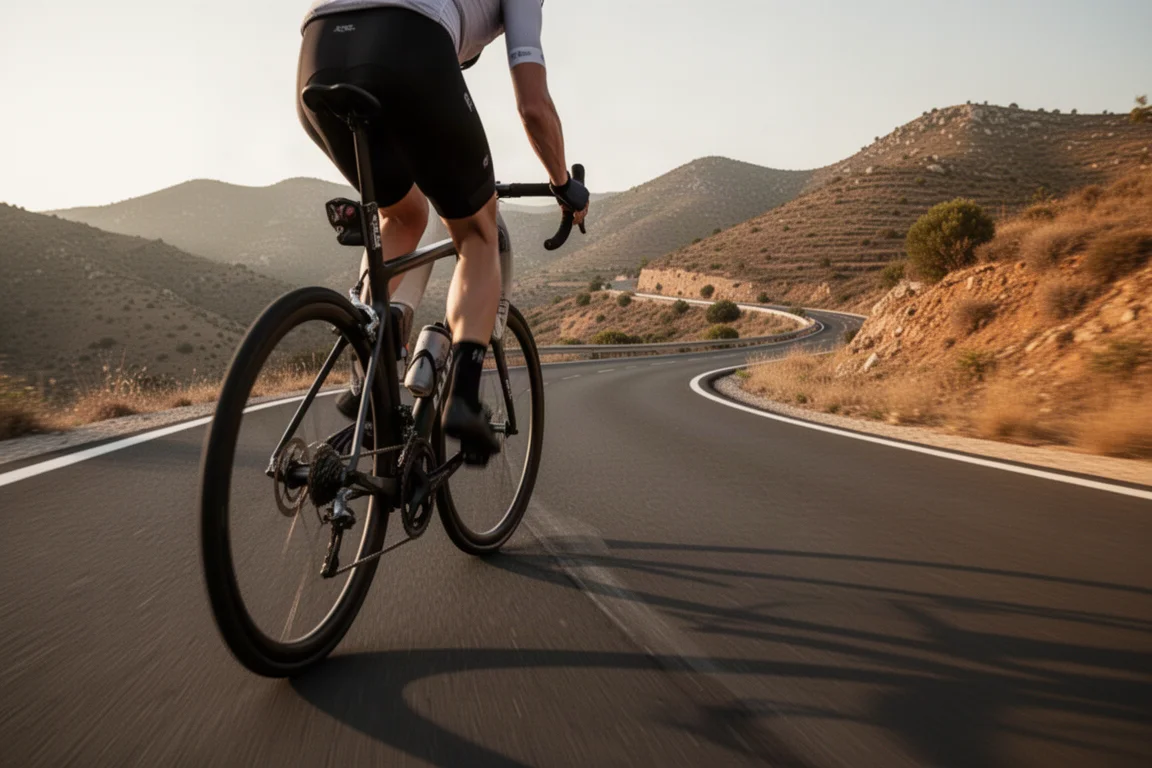
Cannondale also states that the frame keeps the same stiffness in the bottom bracket and head tube area, and the same vertical compliance in the seat tube and seat post. The changes are aimed at speed rather than at altering the underlying temperament of the ride.
Cannondale SuperSix EVO: The Base Carbon Build
The range opens with a standard carbon frame, and UK pricing starts at £6,250 for the entry build. That is the most accessible way into the platform, and it carries the same geometry, the same front-end design, and the same 34 mm tire clearance as the more expensive versions.
What you give up is weight and exclusivity rather than shape or handling. The base carbon bike uses the same threaded bottom bracket and the same revised cable routing, so the character that makes the EVO appealing is intact. For riders who want the platform and plan to upgrade wheels or components over time, this is the version that leaves the most room to make the bike your own.
Cannondale SuperSix EVO LAB71: The Top Tier
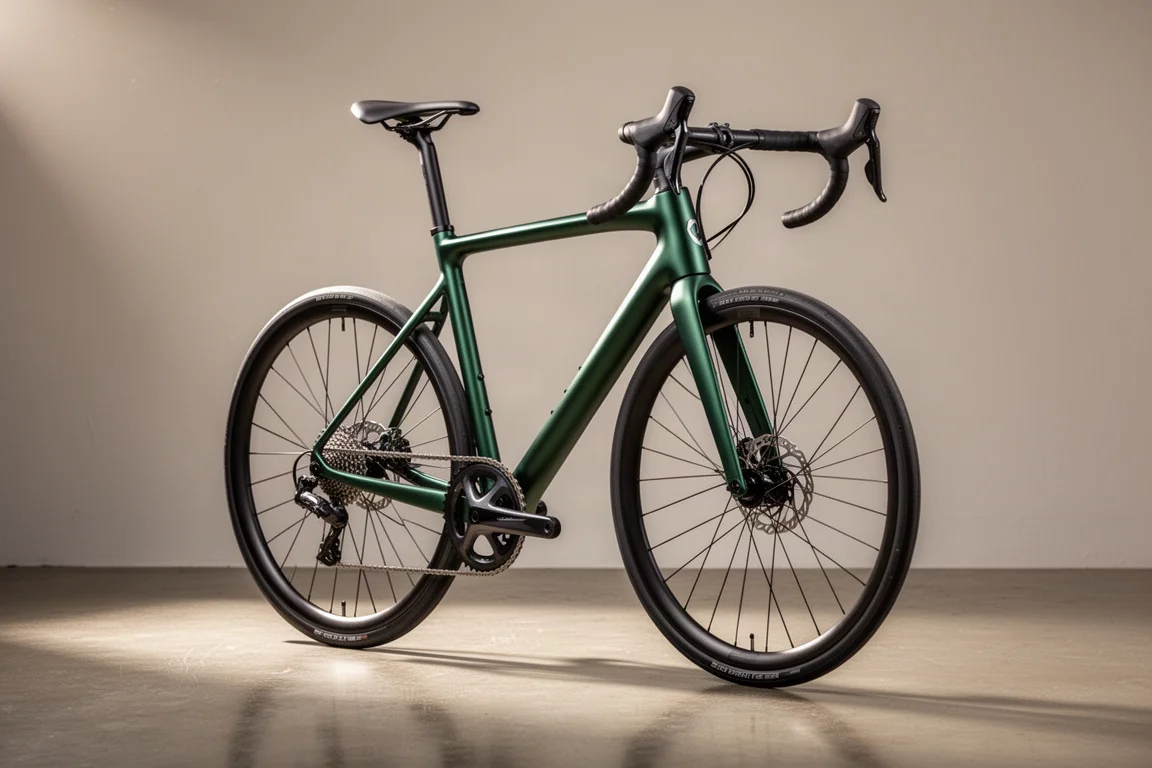
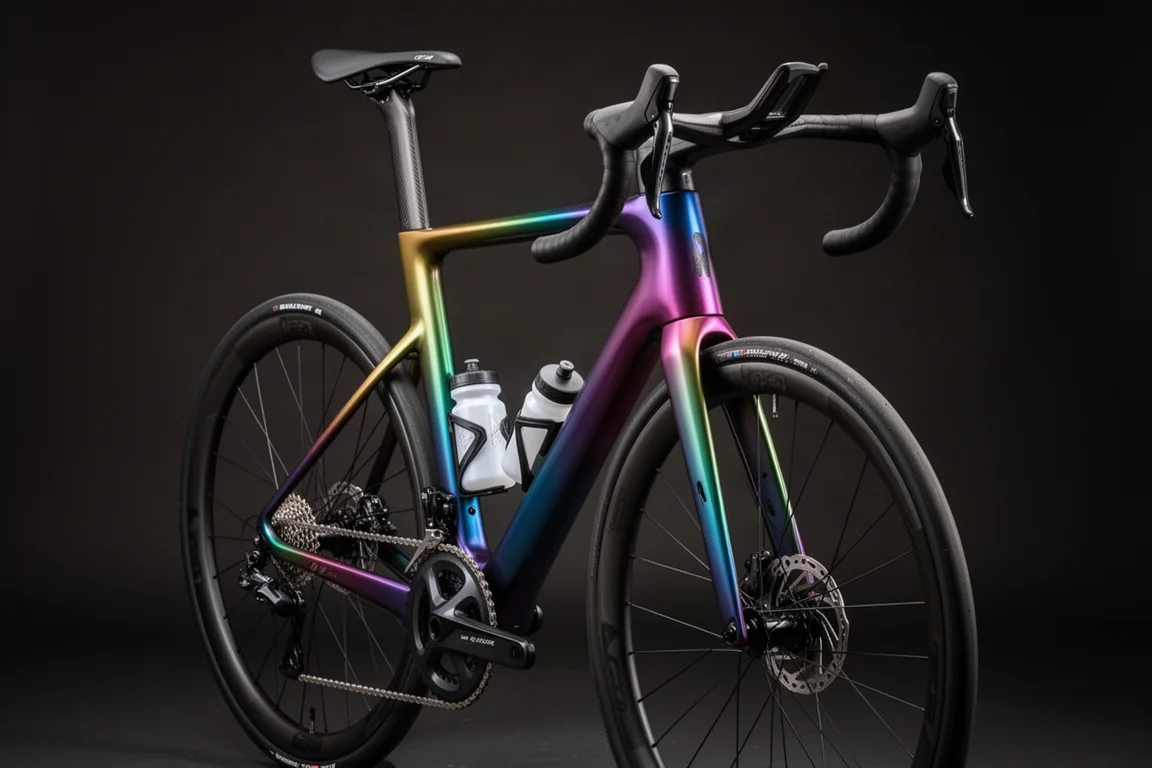
LAB71 is the new flagship, effectively taking over from the brand’s long-running premium tier: the lightest carbon layup in the range, the best components, and paint finishes that are meant to be noticed. It is also the most expensive route into the platform, at £12,500 in the UK.
The headline number is a claimed 770 g frame weight from the new carbon layup, which is what allows a top-end build to come in at a claimed 6.8 kg complete. There are now three tiers of carbon frame in the line, and LAB71 sits at the top of that structure.
LAB71 and high-modulus builds also ship with the new flat-sided water bottles and matching cages, which hold securely, pull out easily, and still accept a standard round bottle if you prefer to use your own. Small details like this are part of what the flagship premium buys you.
Frame Weight and Aero: Reading the Numbers
A claimed 6.8 kg complete weight for a top-end build is a meaningful step forward. The previous generation EVO sat around 7.4 kg, and the SystemSix aero bike around 7.7 kg, so the new bike closes much of the gap to dedicated climbing platforms while keeping the aero ambitions of the redesign.
Perspective still helps here. Competition at the very top is close, with rival flagship builds landing in a similar window, including claims of roughly 6.7 kg for an S-Works Tarmac and 6.9 kg for the latest Giant Propel, which is a fully aero design. Cannondale’s SystemSix also remains the more aero of its two race bikes on paper, though it is considerably heavier.
The practical takeaway is that the new EVO is a genuine all-rounder. It is light enough to feel lively on long climbs and slippery enough to hold speed on flat, fast roads, without forcing a choice between the two.
Ride Character: Geometry, Stiffness, and Tire Clearance
Cannondale kept the geometry unchanged, which makes sense given how well the previous EVO handled. Buyers get the same quick, confident steering and the same balance that made the outgoing bike a favourite for technical descents and tight racing.
Stiffness in the bottom bracket and head tube area is unchanged, as is vertical compliance in the seat tube and seat post. In practice, that means the frame should feel immediately familiar to existing EVO riders while benefiting from lower weight and a cleaner front end.
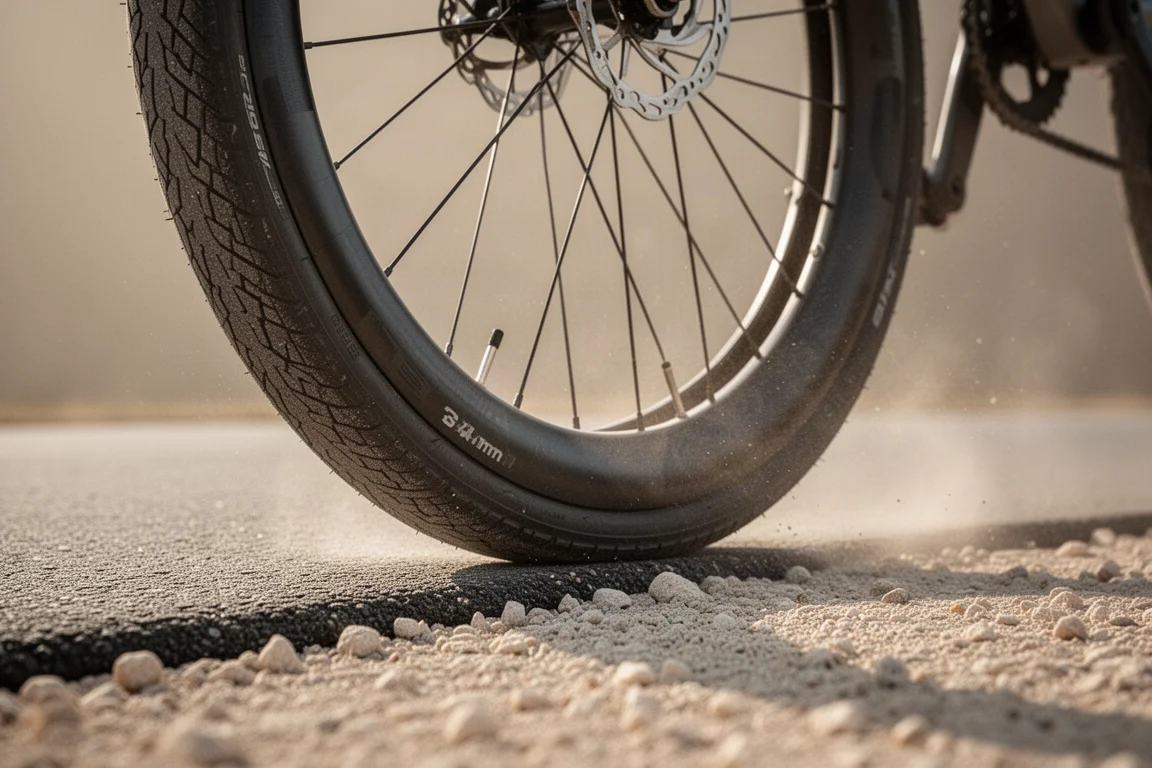
Tire clearance stays at 34 mm. That is generous for a race bike and opens up useful options: wider rubber for comfort on rough tarmac, or a light gravel and dirt setup for mixed-surface rides.
Living With the Details: Bottles, Storage, and SmartSense
Away from the headline numbers, several details make the bike easier to live with. There is a compartment in the down tube for the Shimano Di2 battery, which slides in and stays put. That makes packing for travel simpler, since removing the seat post no longer means the battery can fall out, and it allows the down tube to be noticeably slimmer.
The frame also accepts a mechanical groupset and older electronic groupsets, with a blanking plate in the down tube for a junction box. That is increasingly rare on flagship race bikes, and it is a genuine advantage if you like to build up a frameset yourself or prefer components you already own.
Elsewhere, the through-axle opening at the fork tip has been smoothed off and closed, which looks cleaner and keeps the front end tidy. SmartSense, the radar, light, and battery system introduced on the Synapse, is not supplied with the EVO, but the frame is compatible: the battery can be fitted to the bottle cage and the radar and lights wired in, so it can be added later if you want it.
Buying Advice: Which SuperSix EVO Suits You
On the road, the new EVO feels genuinely fast, and the speed seems to arrive easily. It climbs with the urgency you would expect from a light race bike and holds pace on the flats like an aero machine, while the ride quality stays smooth, composed, and refined for a bike this quick. It is the kind of all-rounder that works in the mountains, on fast open roads, and on rougher surfaces.

So which build makes sense? If you want the platform’s geometry, handling, and tire clearance without the flagship price, the base carbon SuperSix EVO is the sensible entry point, particularly if you intend to upgrade wheels or components over time. If low weight, finish, and a complete specification out of the box matter most, the LAB71 is the version that delivers Cannondale’s lightest frame and its most exclusive detailing.
It is worth being realistic about the weight advantage. The LAB71 is claimed at 6.8 kg complete, and several rivals sit within a few hundred grams, so choose it for the package, the paint, and the lightest layup rather than an assumption of a clear class lead. Riders who want to run a mechanical or older electronic groupset, or who like the idea of adding SmartSense later, will find both tiers accommodating.
Conclusion
The fourth-generation SuperSix EVO is a clear step forward: a threaded bottom bracket, cleaner internal routing, lower weight, and the same well-regarded handling. The base carbon model is the practical way into the range, while LAB71 is the flagship for riders who want the lightest frame and the fullest specification. Either way, the platform earns its place on a shortlist for anyone who wants one fast road bike that performs everywhere.
Further reading
Related Reviews

Road Bikes
10 New Road Bikes Worth Watching: Aero, Titanium, Steel and Endurance Standouts
A practical roundup of 10 new road bikes, from aero flagships chasing single-watt gains to titanium, steel and endurance platforms built for real roads.
Road Bikes
2026 Tour de France Road Bikes: Six Race Machines Worth a Closer Look
Six race bikes from the 2026 Tour de France grid, reviewed for paint, silhouette, wheels and the specification details that matter to buyers.
Road Bikes
3T Strada Italia Review: A Radical Aero Road Bike That Rides Smooth
A made in Italy carbon aero road bike with a deep head tube, wide tire clearance and a genuinely comfortable ride. Here is what to know before buying.