Road Bikes
Cannondale SuperSix Evo Lab 71 vs Giant Propel Advanced SL 0: Which Flagship Race Bike Wins on Paper?
Two 6.8 kg flagship race bikes compared on wheels, bottom brackets, sizing, tire clearance and price, with the details that actually separate them.
Introduction
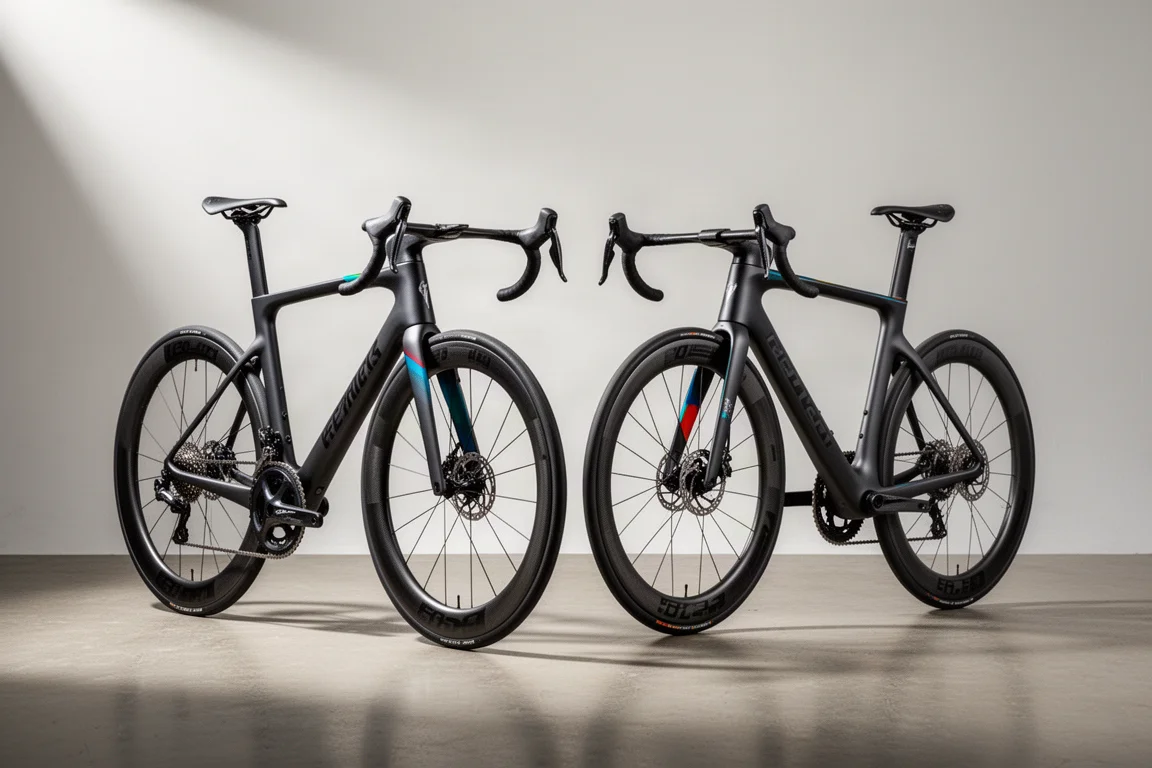
The fourth generation of the Cannondale SuperSix Evo platform has arrived, and the Lab 71 sits at the very top of the range. It is built around a new carbon fibre layup that Cannondale claims is lighter than anything the brand has used before, and in the UK it is priced at 12,500 pounds. That positioning puts it directly against one of the established benchmarks in the aero race bike category, the Giant Propel Advanced SL 0, which comes in at 11,999 pounds.
Both are flagship machines with Shimano Dura-Ace Di2 groupsets, both are quoted at 6.8 kg, and both are pitched as do-it-all race bikes rather than narrow specialists. What separates them is the detail: wheels, bottom brackets, saddles, sizing, tire clearance, and the options open to riders who would rather build from a frameset.
What These Two Bikes Have in Common
Start with the headline figure. Both bikes are quoted at 6.8 kg in matching sizes. Cannondale reaches that number through a revised carbon layup, while Giant gets there by slimming the tube profiles and fitting a lighter wheelset. Both brands arrived at the same brief: a race bike that feels at home on hilly days as well as flat ones. The SuperSix has a long history as a climbing platform and the Propel as an aero machine, but neither is a single-purpose tool any more.
Both builds also ship with Shimano Dura-Ace Di2 groupsets, and both include aero water bottles shaped specifically for the frame they sit on. Beyond those shared points, the two bikes diverge quickly.
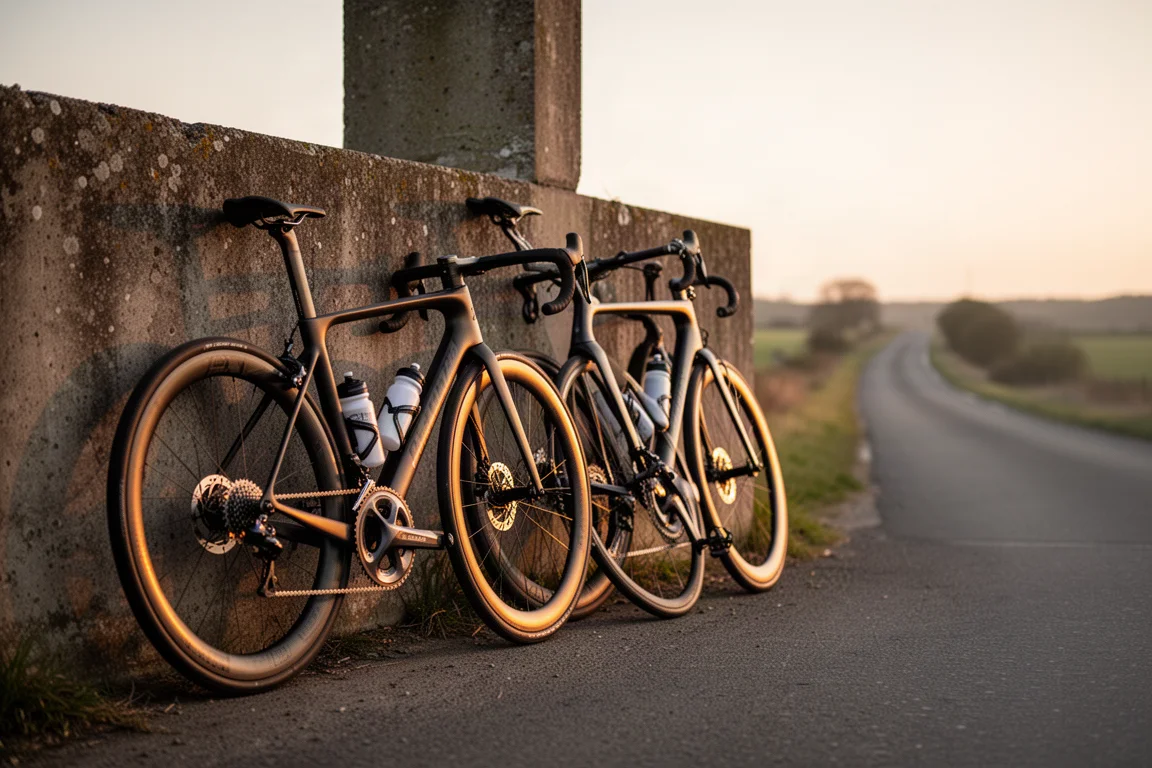
Those similarities matter because they remove the easy talking points. With weight and groupset effectively matched, the decision comes down to the components that touch the road and the frame geometry around them, and on paper several of those details favour one bike quite clearly.
Cannondale SuperSix Evo Lab 71: New Layup, Race Focus
The Lab 71 is the model that carries Cannondale’s newest carbon layup, and it is the lightest construction the brand says it has produced. As a range-topping build it comes with everything you would expect at this level, and in the UK it is listed at 12,500 pounds.
Two details stand out against its rival. The first is the bottom bracket: Cannondale fits a CeramicSpeed unit, which is a genuine upgrade and exactly the kind of component that should appear on a bike at this price. The second is the saddle, a Vento Argo 00 with comfortable padding, a low weight, a generous cutout and a surface that holds the rider in place rather than letting them slide around.
The new RSL 50 wheelset uses a hooked, 50 mm deep rim with a 21 mm internal width, laced to a HollowGram hub with DT Swiss 240 internals and DT Swiss Aerolite straight-pull spokes. Cannondale has not published a weight for the wheels, so there is no claimed figure to compare against the competition. The build is completed with Continental GP5000 tires, a long-standing favourite for rolling resistance, comfort and grip.
Giant Propel Advanced SL 0: Aero Focus, Slimmed Tubes
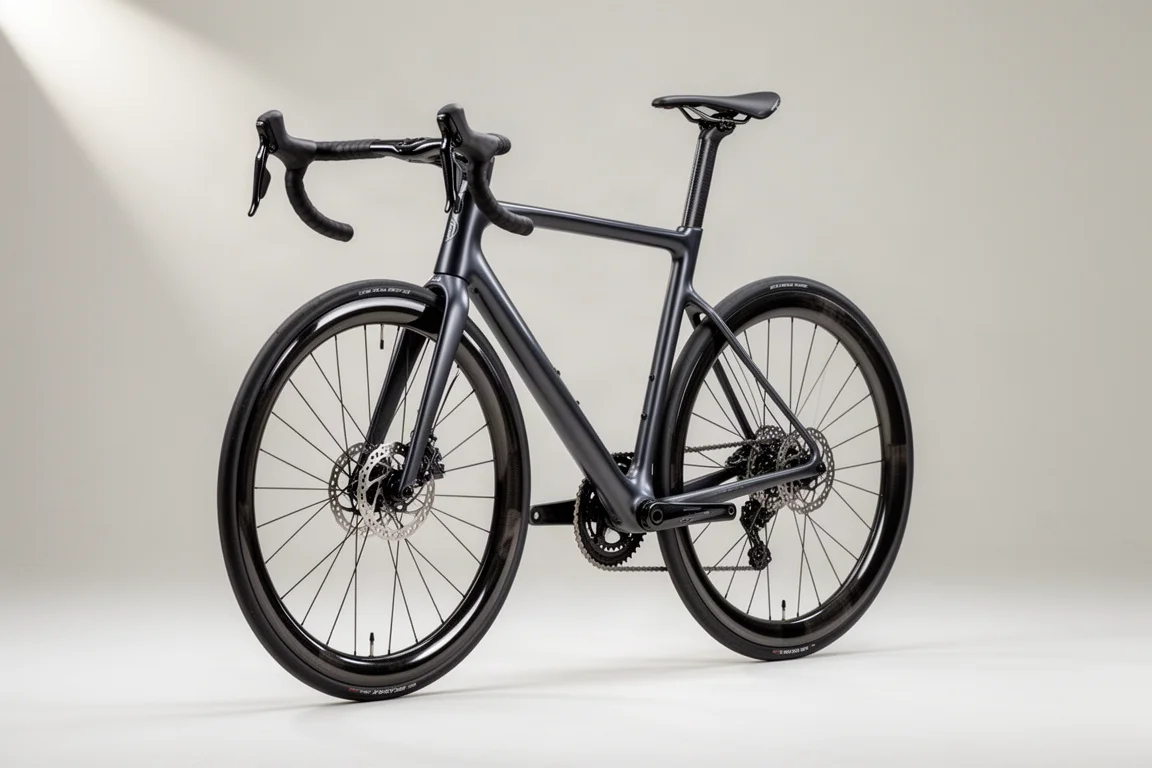
The Propel Advanced SL 0 is Giant’s flagship aero race bike, and it reaches the same 6.8 kg quoted weight through slimmer tube profiles and a lighter set of wheels. In the UK it is priced at 11,999 pounds, which makes it the cheaper of the two by 501 pounds.
Its most distinctive component is the CADEX Ultra 50 wheelset. The rims are 50 mm deep with a hookless, 22.4 mm internal width, built with aero carbon bladed straight-pull spokes and hubs running ceramic bearings. Giant quotes 1,349 g for the pair, which is a remarkable figure for wheels this deep. Finishing kit is handled in-house, as you would expect from the largest bicycle manufacturer in the world, including a Fleet SLR saddle with carbon rails and a generous pressure relief channel.
The Propel uses a press-fit bottom bracket rather than a threaded one, and its seatpost is integrated into the frame, cut to size with up to 40 mm of spacers available for fine tuning saddle height later on or for a future owner.
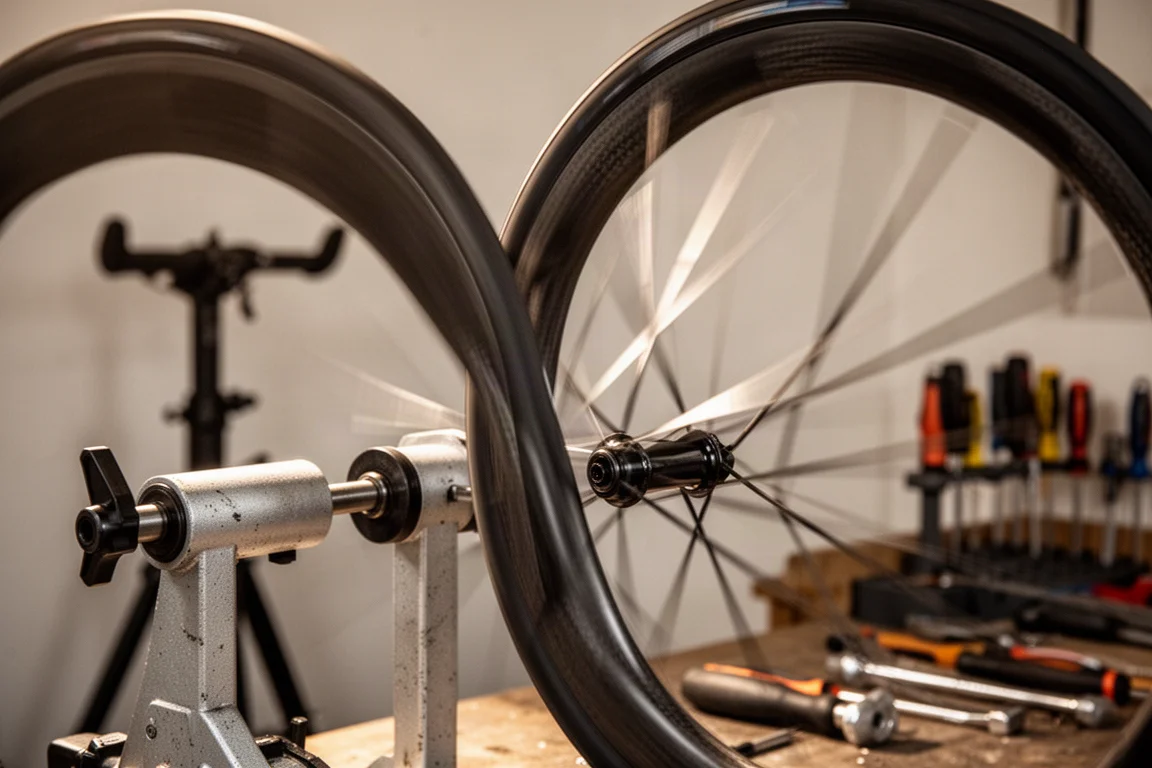
The wheels and the frame were designed together, so the CADEX set should perform at its best within this chassis. That is a meaningful advantage for riders who want a complete package that was tuned as one system.
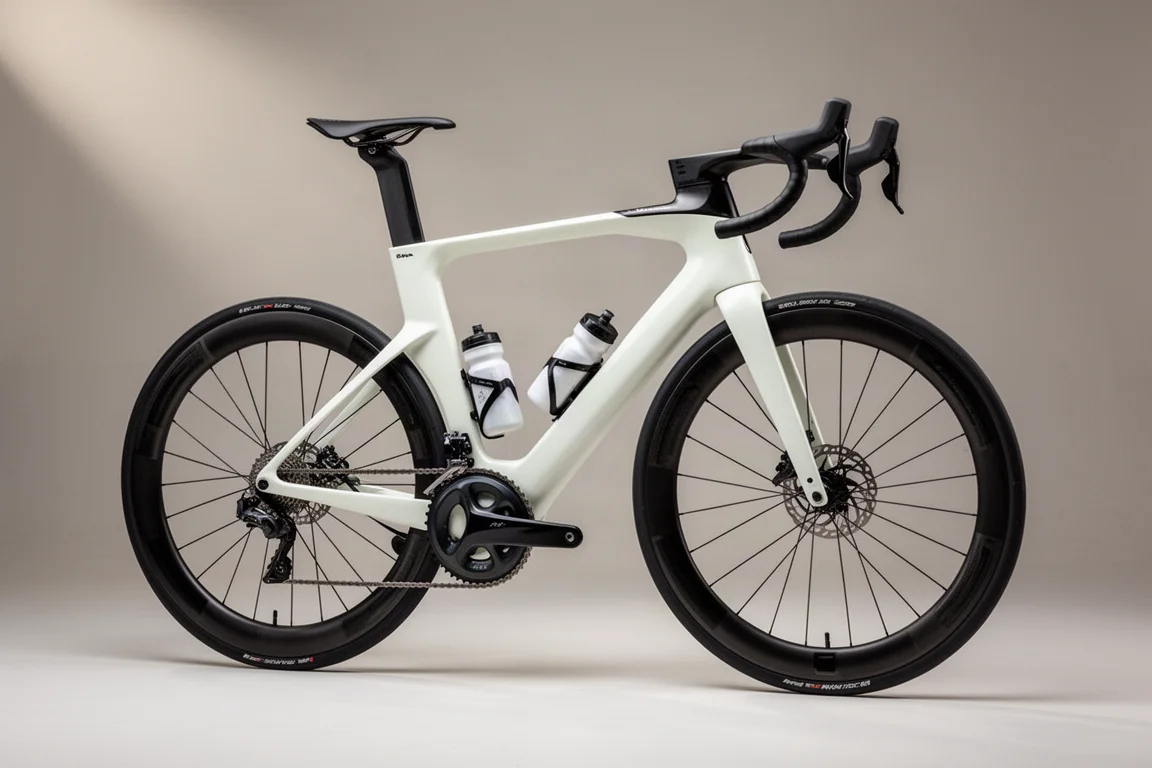
Wheels and Bottom Brackets: Where the Builds Diverge
The wheels are the single biggest differentiator between these two bikes. Giant’s CADEX Ultra 50 pair is lighter on the published figure, wider internally at 22.4 mm, hookless, and fitted with ceramic bearings. A wider hookless rim set up at the right pressure should offer lower rolling resistance along with more comfort and more grip, and this wheelset embodies what a range-topping bike should deliver.
Cannondale’s RSL 50 wheels are hooked and 21 mm internally, with DT Swiss internals in the hub and Aerolite spokes. The specification is sound, but with no claimed weight it is hard to argue that the wheels are lighter than the CADEX pair. On the rim details alone, the wider hookless option is the more appealing of the two.
The bottom bracket comparison goes the other way. The Propel retains a standard Shimano press-fit unit, while the SuperSix runs a CeramicSpeed bottom bracket. That is a clear upgrade and an easy win for the Cannondale, and it is the kind of component choice buyers should expect from a bike at this price.
Saddles, Tires, Cockpits, and Seatposts
The saddles are closer than the wheels. Giant’s Fleet SLR offers a similar feature list to the Vento Argo 00: a short-nose shape, a pressure relief channel and a low weight. The attribute that settles it in favour of the Cannondale is surface grip. Being able to find a comfortable position and stay there, rather than sliding around on smooth material, is a genuine practical benefit on long rides.
Tires are a matter of familiarity. The Propel ships with CADEX Aero tires designed specifically to work with the CADEX Aero wheels it is built with. The SuperSix uses Continental GP5000s, which have a long record for rolling resistance, comfort and grip. The CADEX tires are less established, so the GP5000s are the safer known quantity.
Both bikes have carbon, integrated cockpits with hoses routed inside. The difference is construction: the Propel uses a two-piece bar and stem, while the SuperSix uses a one-piece setup. Both are functionally similar, and the choice comes down to visual preference.
Seatposts take a different philosophy. Cannondale uses a conventional post that slides within the frame, which is simple to adjust and easy to travel with. Giant integrates the post into the frame and asks the owner to cut it to size, which saves weight and improves aerodynamics, with up to 40 mm of spacers to fine-tune height afterwards. The integrated design is more committed, and the conventional design is more forgiving.
Sizing, Tire Clearance, and Frame-Only Options
Frame sizing is one of the clearest gaps between the two. Cannondale has simplified its range by merging the old 60 cm and 62 cm sizes into a single 61 cm frame, which leaves the SuperSix offered in seven sizes from 44 cm to 61 cm. The Propel is offered in four sizes: small, medium, medium-large and large. In effect, Giant omits the two smallest and the largest options that Cannondale provides, which leaves shorter and taller riders with fewer choices in this model.
Tire clearance is close. Both bikes claim to accept 30 mm tires, but the frames leave different amounts of room around them. Cannondale states there is 6 mm of space on either side of the tire, which in theory opens the door to 34 mm rubber and light gravel or all-road use. The Propel leaves 4 mm on each side, so a 32 mm tire is the realistic stretch. Given how these bikes are intended to be ridden, that difference is unlikely to decide a purchase.
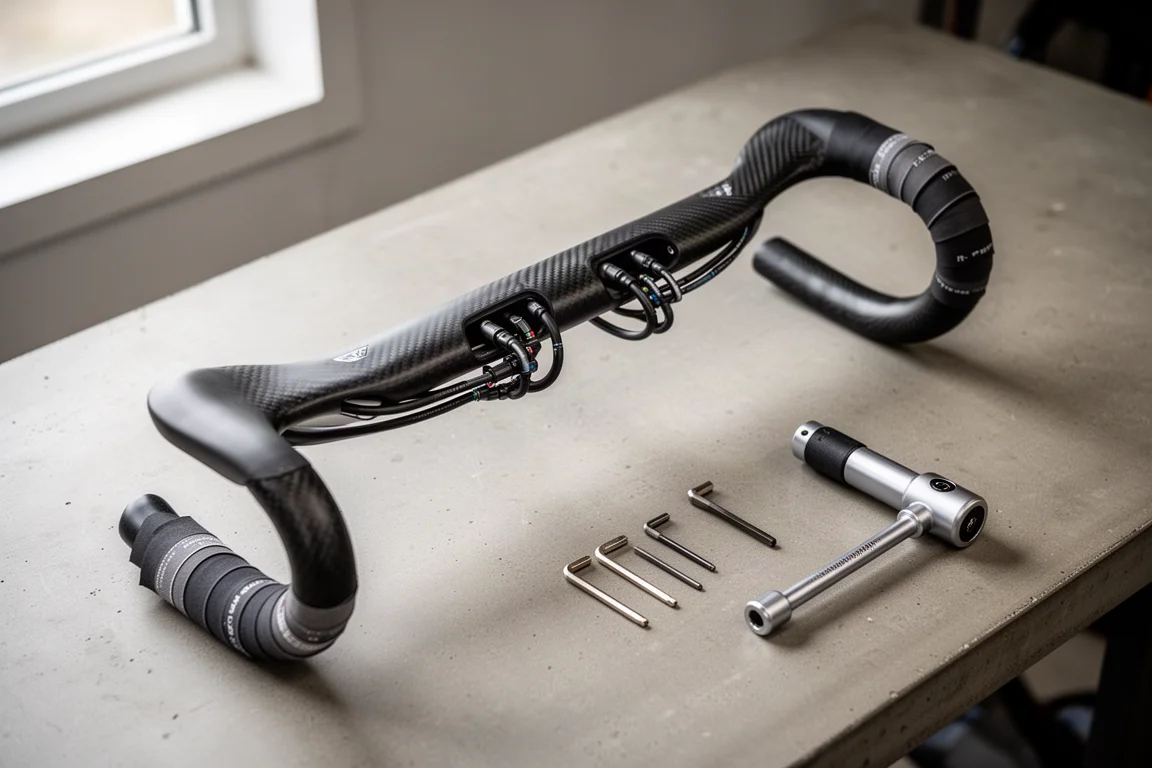
For riders who want to specify every component themselves, the SuperSix Lab 71 is available now as a frameset. The Propel frameset is expected later this year or early next, so the option is coming, but it is not available today.
Price and Value
The price gap is 501 pounds: 12,500 for the SuperSix Evo Lab 71 and 11,999 for the Propel Advanced SL 0. That is real money, and it would cover a decent Garmin head unit. It is also unlikely to be the deciding factor for a buyer already shopping at this level, where specification matters more than a small percentage difference.
Looking at the individual comparisons, the Cannondale takes more of the categories: the CeramicSpeed bottom bracket, the wider range of frame sizes, the frameset availability, the saddle grip, and the one-piece cockpit. The Giant answers with the lighter and wider wheelset, the lower price, and a wheels-and-frame package designed as a single system.
Buying Advice
If you are choosing between these two builds, start with fit. Seven sizes against four is not a trivial difference, and the right frame size will matter more to your experience than any component on the list. Riders at the small or large ends of the range should check the SuperSix geometry chart carefully before ruling anything out.
Wheels are the next consideration. The CADEX Ultra 50 set is the stronger package on paper, and while it was developed alongside the Propel, those benefits should carry over to the SuperSix as well. One route worth considering is a Lab 71 build with the CADEX wheels, which would combine the lightest Cannondale layup, the CeramicSpeed bottom bracket and the wider hookless rims. It would be a remarkable bike.

The frameset route is the other sensible path. Buying a bare frameset and building it up lets you choose the wheels, cockpit, saddle and gearing you actually want, which is exactly why a top-end frameset option matters at this price. The Lab 71 gives you that choice today.
One honest caveat: this comparison is based on specifications, geometry charts and component details. Ride quality is subjective and depends on the frame, the wheels, the tires and the fit, so a test ride remains the best way to settle the final question.
Conclusion
On paper, the Cannondale SuperSix Evo Lab 71 edges ahead. It wins on the bottom bracket, the range of frame sizes, the frameset availability and several finishing details, and its new carbon layup gives it a clear story as a light, modern race bike. The Giant Propel Advanced SL 0 answers with a lower price, a lighter and wider wheelset with ceramic bearings, and a frame-and-wheel system designed together. Both are exceptional bikes, and having two options this strong is a good problem for any rider to have.
Further reading
Related Reviews

Road Bikes
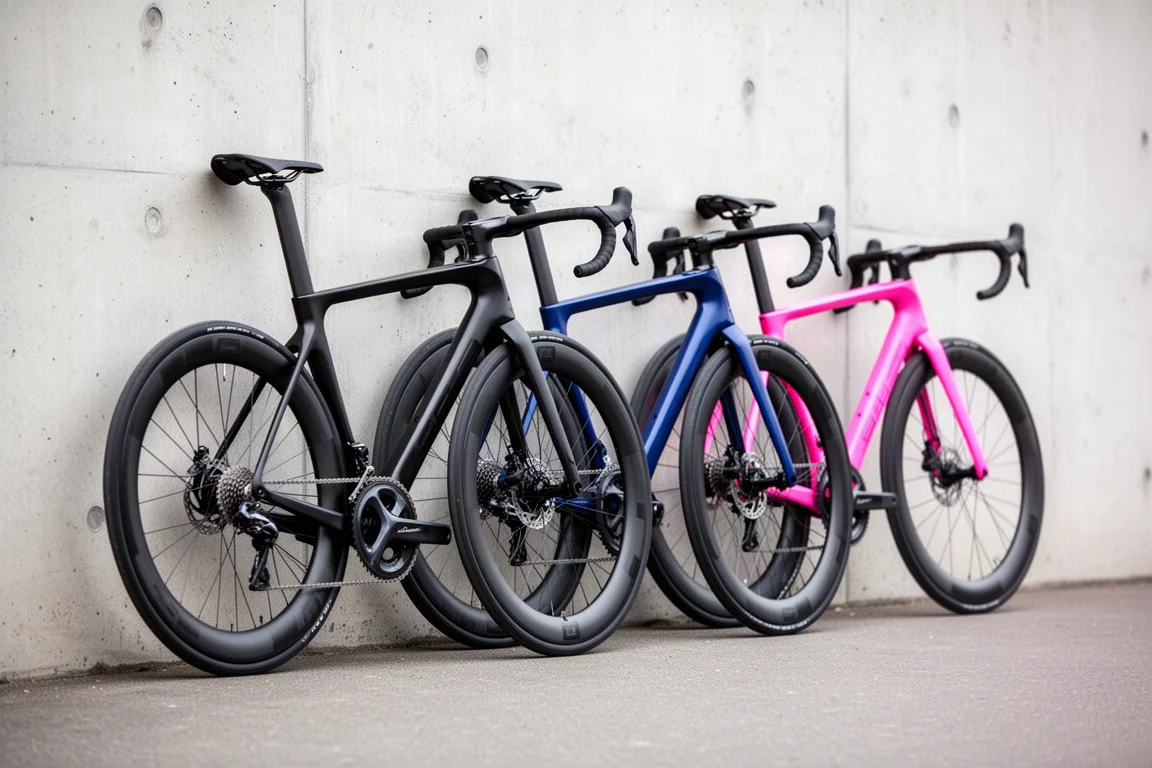
10 New Road Bikes Worth Watching: Aero, Titanium, Steel and Endurance Standouts
A practical roundup of 10 new road bikes, from aero flagships chasing single-watt gains to titanium, steel and endurance platforms built for real roads.
Road Bikes
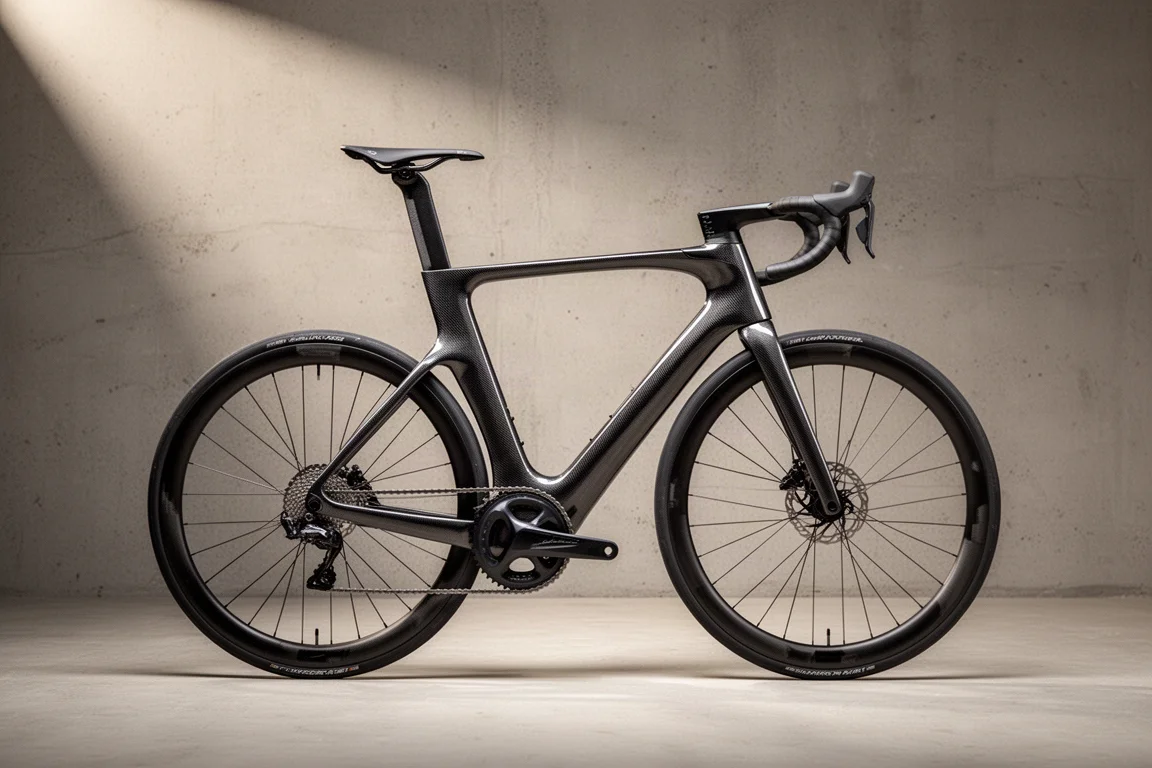
2026 Tour de France Road Bikes: Six Race Machines Worth a Closer Look
Six race bikes from the 2026 Tour de France grid, reviewed for paint, silhouette, wheels and the specification details that matter to buyers.
Road Bikes
3T Strada Italia Review: A Radical Aero Road Bike That Rides Smooth
A made in Italy carbon aero road bike with a deep head tube, wide tire clearance and a genuinely comfortable ride. Here is what to know before buying.