Road Bikes
Cannondale SuperSix EVO Hill Climb Build Review: A Sub-5 kg Rim-Brake Race Bike
A stripped-back Cannondale SuperSix EVO rim-brake build that drops below 5 kg, with the frame work, component choices, and trade-offs worth knowing.
Introduction
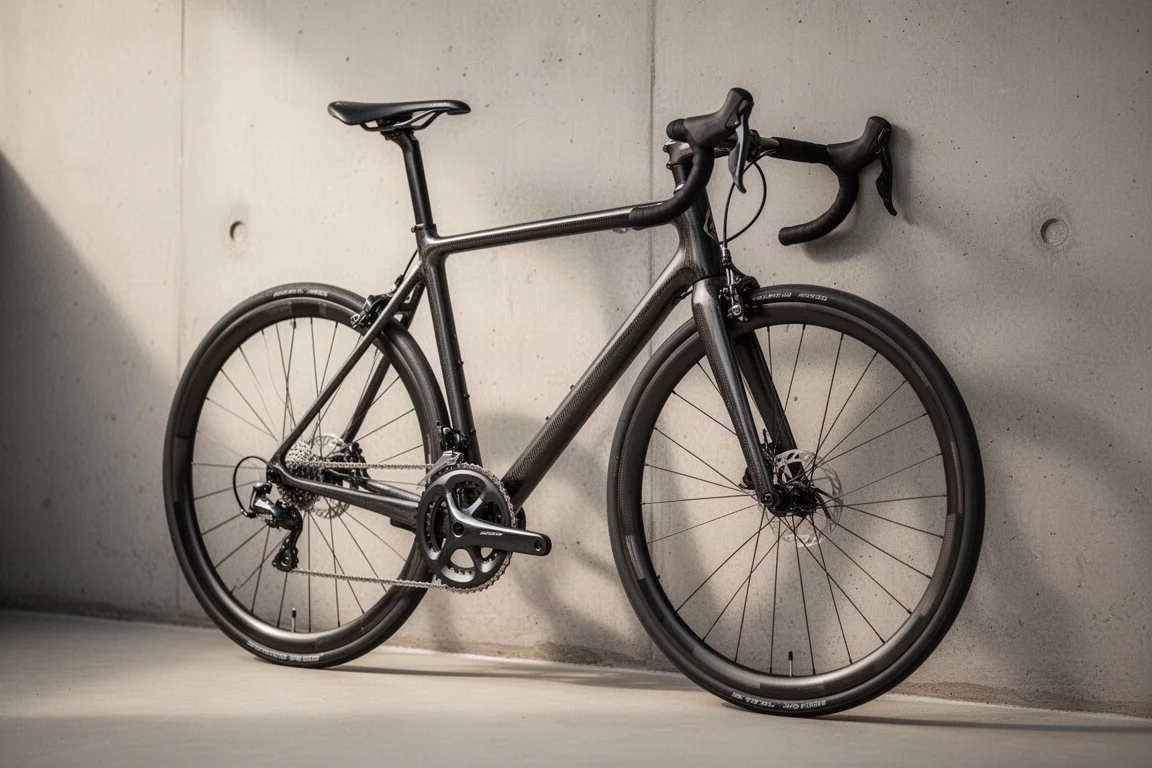
Some race bikes are fast because of aerodynamics. This one is fast because there is almost nothing left to remove. The machine at the centre of this build is a Cannondale SuperSix EVO, a rim-brake road platform that has been taken back to bare carbon and rebuilt with a deliberately weight-first component list. It belongs to a multiple-time national hill climb champion, and it was assembled with a single goal in mind: getting up a steep gradient as quickly as possible.
The headline figure is the frame weight. It arrived at a carbon repair specialist weighing 850 g and left at just under 650 g, a reduction of close to 25 percent on a frame that was already considered light. Everything bolted to it follows the same philosophy, from the single-chainring drivetrain to the wheelset that sits below a kilogram.
On the scales, with pedals fitted, the complete bike measured 5.80 kg. Take the pedals off and the owner estimates it would land somewhere around 4.8 to 4.9 kg.
Who This Bike Is For
This is a narrow-purpose machine, and it is worth being honest about that. It suits hill climb racers and uphill time trial specialists who treat grams as the primary performance variable, and it suits riders who already own an older rim-brake SuperSix EVO frame and want to build something extreme around it. The older platform accepts a standard stem, handlebar and seatpost, so the cockpit can be chosen and swapped freely, which is not always possible on more modern disc-brake designs with integrated front ends.
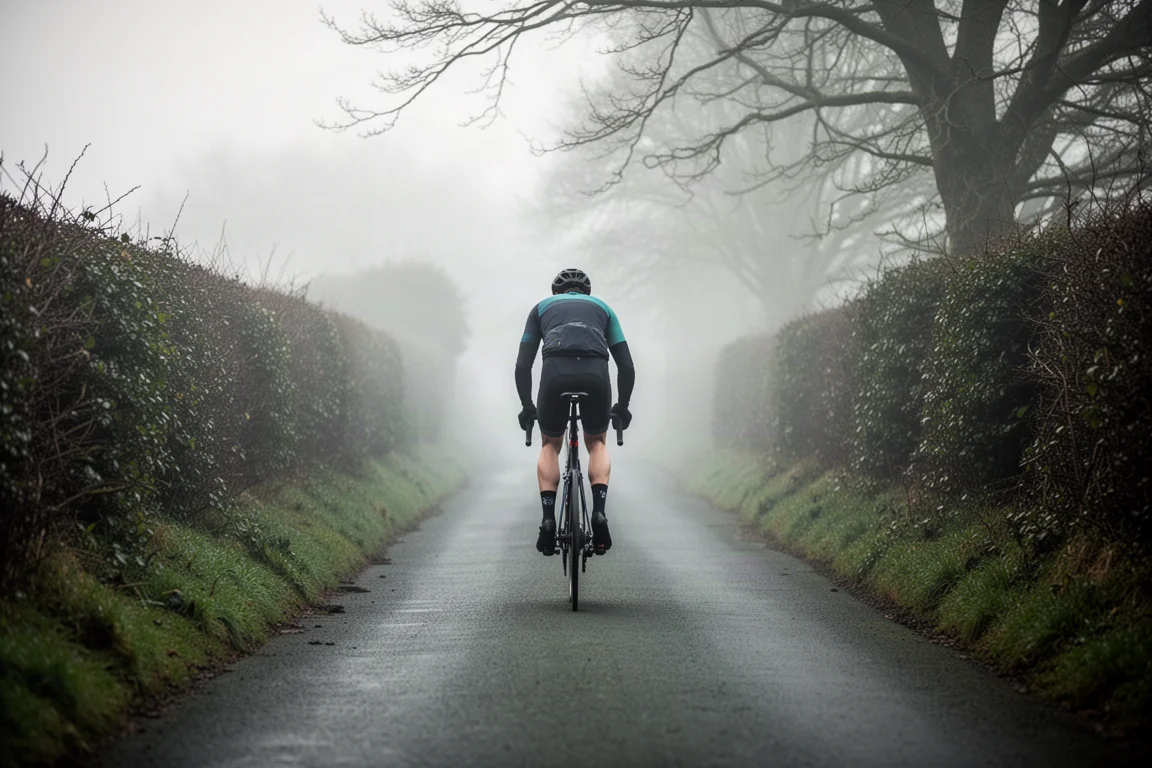
It is not aimed at riders who want a comfortable all-day bike, all-weather braking confidence, or aerodynamic efficiency as a priority. This build trades those qualities away quite deliberately, and the ride feel reflects it.
Main Strengths
The most interesting work happened before a single component was fitted. A carbon repair specialist in Leatherhead stripped the original factory paint from the frame and then machined away surplus carbon, using computer modelling of the frame thickness to identify where material could safely be removed. The equipment works to an accuracy of 0.03 mm, which matters when tube walls are already measured in a few millimetres and are thinner still in places. Where there was little material to spare, little could be done, but the overall result is a frame that behaves like a purpose-tuned hill climb platform rather than a production frame.
Frame and Weight
The numbers tell the story plainly. The frame went in at 850 g and came out at just under 650 g, which is a substantial saving on an already lightweight structure. That reduction feeds directly into the complete build weight of 5.80 kg with pedals fitted, and the owner’s estimate of roughly 4.8 to 4.9 kg without them.
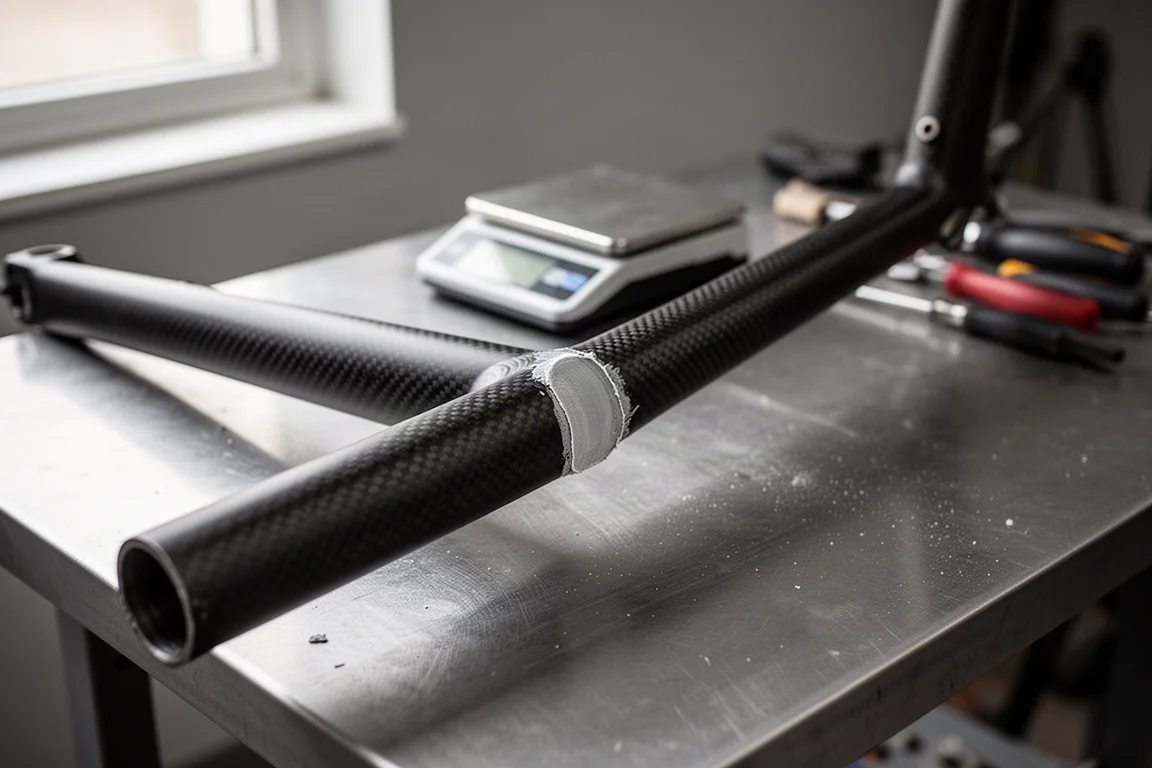
For a hill climb bike, that is the whole point. Less mass to lift, less mass to accelerate, and a frame that feels immediate under power on a steep gradient.
Drivetrain and Brakes
The drivetrain is an 11-speed Shimano Dura-Ace Di2 groupset running a single 39-tooth chainring at the front with a close-ratio rear cassette. A Rotor power meter is built into carbon cranks, and the same power meter system is used across the owner’s other bikes so that power data stays consistent between them. Crank length is 172.5 mm, longer than the 165 mm direction some riders have moved toward, and chosen simply because it is the length he has always ridden.
Stopping duties fall to Cane Creek eeBrakes, which are roughly half the weight of a standard Dura-Ace caliper and come in bright anodised colourways that stand out clearly in dull conditions. A second-generation Di2 junction box is mounted neatly underneath the stem, keeping the front end tidy without hiding the electronics inside the frame.
Cockpit, Saddle, and Wheels
The cockpit pairs a lightweight carbon stem and seatpost with carbon handlebars, finished off with a custom computer mount that sits flush against the bar and stem. A short carbon saddle is used to encourage a forward position and put power directly over the cranks, and the wheels are a set of Hunt hoops at around 950 g. Notably, that weight is on par with the brand’s newer disc-specific hill climb wheelset, so rim-brake riders are not giving anything away here.
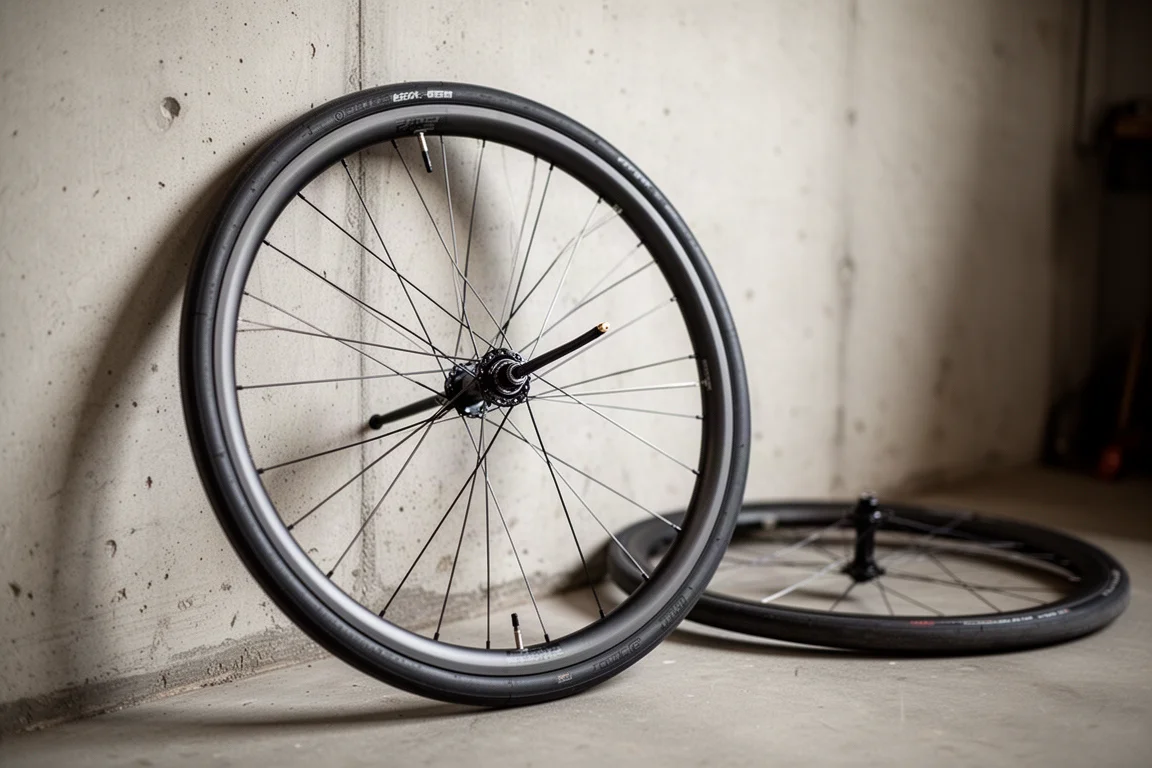
Tyres are Vittoria Chrono CS tubulars, a near track-specification option that is no longer sold and is difficult to find even secondhand. The pair on this bike has a puncture and a failed valve, so replacements will be needed before the next season of racing.
Things to Consider Before Buying
The trade-off for all that lightness is comfort, and it is significant. Every bump in the road comes through the frame, and the bike feels nimble to the point of being twitchy. It is not a comfortable ride, and it is not as aerodynamically efficient as the disc-brake LAB71 version of the same platform, which is also slightly stiffer. That bike was previously measured at 5.66 kg in disc form, so the rim-brake build remains the lighter of the two, but the difference in ride character between them is considerable. Where this one feels featherweight and reactive, the disc-brake bike feels more solid.
Sourcing is the other practical consideration. Stripping paint and machining carbon is a specialist service rather than a home project, and several parts on this build are discontinued or hard to track down. The tyres are the clearest example, since they are no longer available new or used.
Weight figures also depend on how they are measured. The 5.80 kg result includes pedals. Without them, the estimate sits around 4.8 to 4.9 kg, which is the number that matters most for the kind of riding this bike was built for.
Buying Advice
If the goal is a dedicated hill climb bike, this build demonstrates what a rim-brake SuperSix EVO platform can become when weight is treated as the only priority. The frame work, the single-ring drivetrain and the sub-kilogram wheels all point in the same direction, and the result is a machine that weighs less than most riders would think possible.
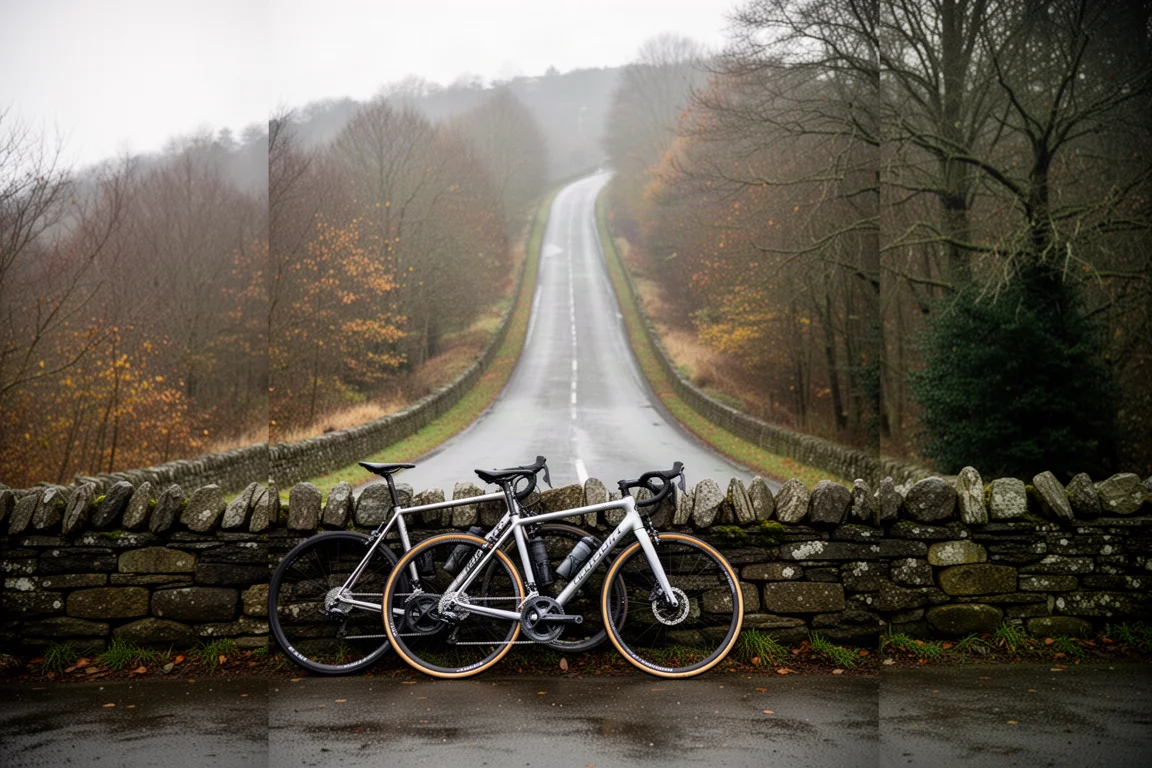
For most riders, though, the sensible route is more gradual. Start with a sound secondhand SuperSix EVO frame, confirm the geometry suits the gradients you ride, and build it up over time with components you can actually replace. That approach keeps the bike usable as parts wear out, which matters given how many discontinued items appear on a build like this one.
If you want a single bike that covers more ground, the disc-brake LAB71 is the more versatile and stiffer option. It is slightly heavier, but it is easier to live with and easier to keep running.
Conclusion
This Cannondale SuperSix EVO is a clear example of a build where every decision was made in service of one number. The frame lost close to a quarter of its mass through paint removal and carbon machining, the drivetrain runs a single ring, and the complete bike lands at 5.80 kg with pedals and comfortably under 5 kg without them.
The compromises are equally clear. Ride comfort is minimal, aerodynamic efficiency takes a back seat to the disc-brake alternative, and some components are no longer available to buy. Riders who understand those trade-offs and race uphill for a living will find a great deal to like here. Riders who want one bike for everything should look at the stiffer disc-brake option instead.
Product link
View more details for Cannondale SuperSix EVO
This product is mentioned in the review. Check the specifications, options, and compatibility before buying.
View more details for Cannondale SuperSix EVOFurther reading
Related Reviews

Road Bikes
10 New Road Bikes Worth Watching: Aero, Titanium, Steel and Endurance Standouts
A practical roundup of 10 new road bikes, from aero flagships chasing single-watt gains to titanium, steel and endurance platforms built for real roads.
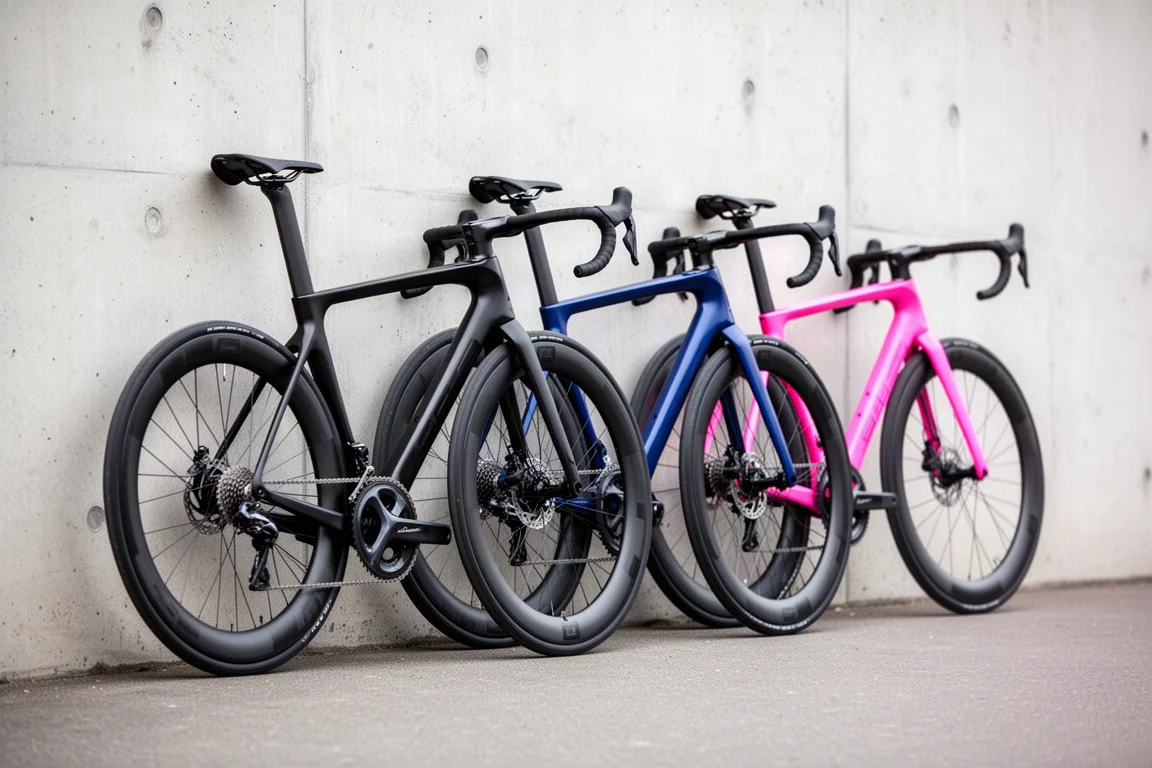
Road Bikes
2026 Tour de France Road Bikes: Six Race Machines Worth a Closer Look
Six race bikes from the 2026 Tour de France grid, reviewed for paint, silhouette, wheels and the specification details that matter to buyers.
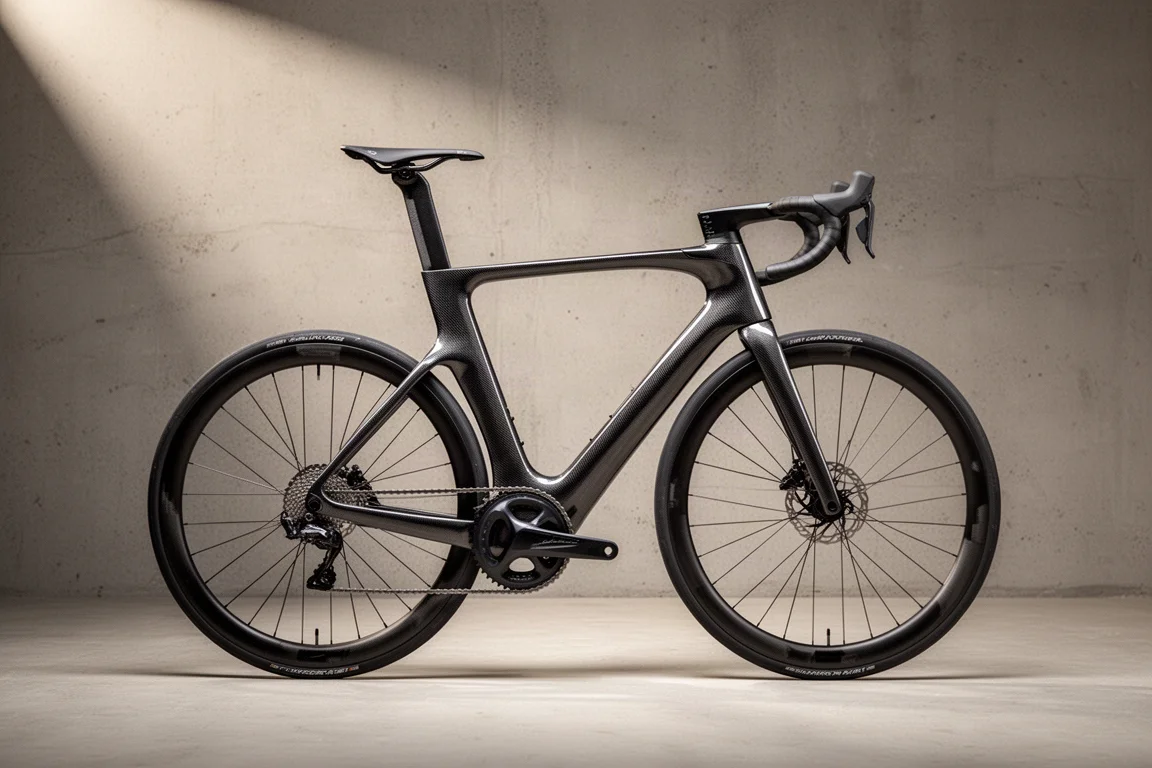
Road Bikes
3T Strada Italia Review: A Radical Aero Road Bike That Rides Smooth
A made in Italy carbon aero road bike with a deep head tube, wide tire clearance and a genuinely comfortable ride. Here is what to know before buying.