Road Bikes
Cannondale SuperSix Evo Hi-Mod Review: A Decade of Road Bike Progress
A close look at the 2024 Cannondale SuperSix Evo Hi-Mod, what it gained over the 2014 version, and who should consider buying it.
Introduction
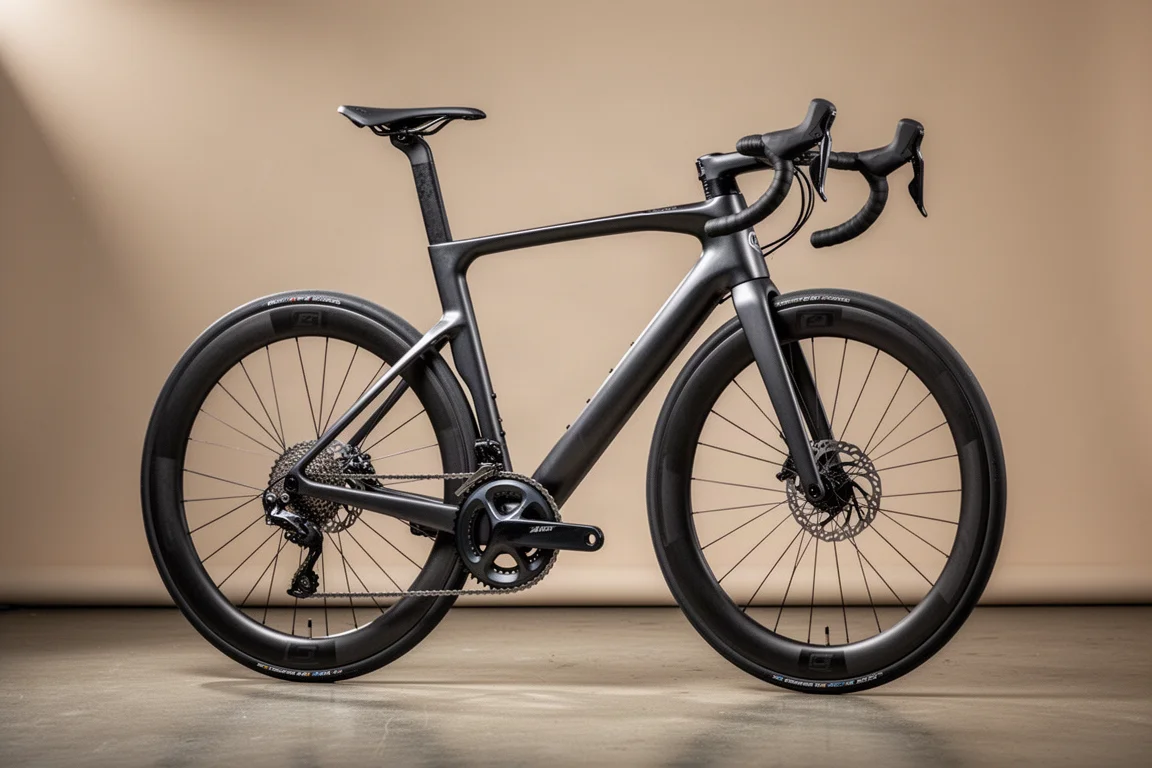
The Cannondale SuperSix Evo Hi-Mod has been one of the reference points in road riding for years, and the 2024 Hi-Mod shows just how far the category travelled in a single decade. Place it beside the 2014 SuperSix Evo Hi-Mod and the differences go well beyond specification. Hydraulic disc brakes, aerodynamic tube shaping, electronic shifting, wider tubeless-ready wheels and a much broader gear range all arrived in the years between.
That makes the 2024 bike a genuinely useful way to judge where road bikes are heading. It is faster, more comfortable and easier to ride than its ten-year-old ancestor, but it is also heavier, more involved to work on and considerably more expensive. Working through those trade-offs is what this review is for.
One point worth stating early: the Hi-Mod is no longer the flagship SuperSix Evo, because the Lab 71 model has taken over at the top of the range.
What Ten Years of Development Changed
The clearest dividing line is braking. The 2024 SuperSix Evo Hi-Mod runs hydraulic disc brakes, a setup that was almost unheard of on road bikes in 2014 and genuinely controversial at the time. After years of debate, the general consensus is that disc brakes deliver far better braking performance for a modest weight penalty, depending on who you ask. Plenty of riders still love the look and feel of a rim brake road bike, and easier maintenance remains a fair argument in their favour, but on pure stopping performance the newer arrangement wins in most circumstances.
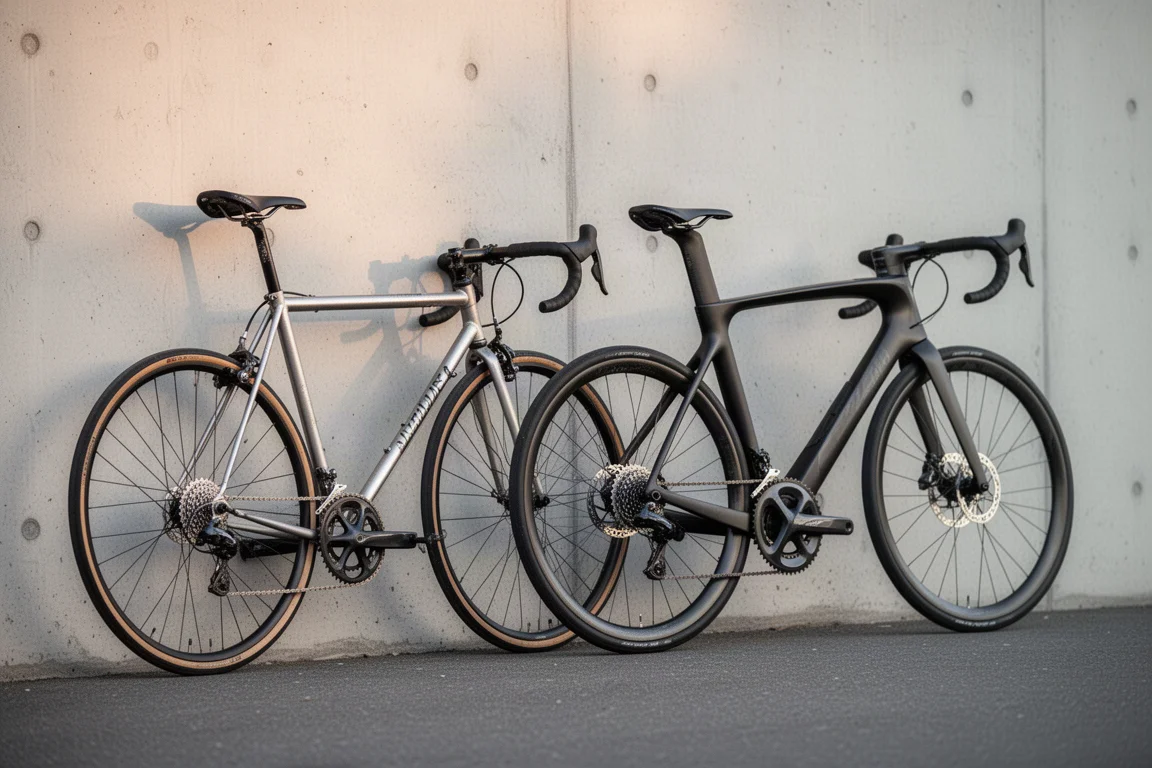
Aerodynamics is the second big shift. The 2024 frame is optimised for airflow, with a claimed saving of 17 watts at 45 km/h compared with the previous generation. The 2014 bike was not designed around aero at all, with rounded tubes, externally routed cables and a traditional double diamond silhouette. There is nothing wrong with how that looks, but the aero work of the past decade is now baked into almost every new road bike, and its only real cost is weight.
Weight, shifting, wheels and gearing follow the same pattern, and each of those areas is covered in more detail below.
Who the SuperSix Evo Hi-Mod Is For
This bike suits riders who want one fast, comfortable machine for a wide range of road riding. The combination of aero tube shapes, wide tubeless-ready wheels and hydraulic disc brakes makes it a strong choice for long days out, fast group rides and hilly routes where confident braking matters as much as low weight.
It is also a natural fit for riders who value precise, consistent shifting. The 2024 build uses an electronic Shimano groupset, which brings an accuracy and precision that a cable-actuated setup from 2014 cannot match.
It is a less obvious match for riders who prioritise the lowest possible build weight, who like to handle all of their own maintenance at home, or who simply prefer the appearance and simplicity of rim brakes. Those riders may find an older rim brake bike, or a lighter current model, more satisfying.
Main Strengths
Taken together, the 2024 SuperSix Evo Hi-Mod is a faster, more comfortable and safer bike than the 2014 version. The gains are spread across braking, airflow, wheels and gearing rather than concentrated in one headline number.
Braking and Control
Hydraulic disc brakes give the 2024 bike a clear advantage in stopping performance. The 2014 SuperSix Evo Hi-Mod used rim brakes, which were the norm at the time and still have a devoted following for their looks, feel and simpler servicing.
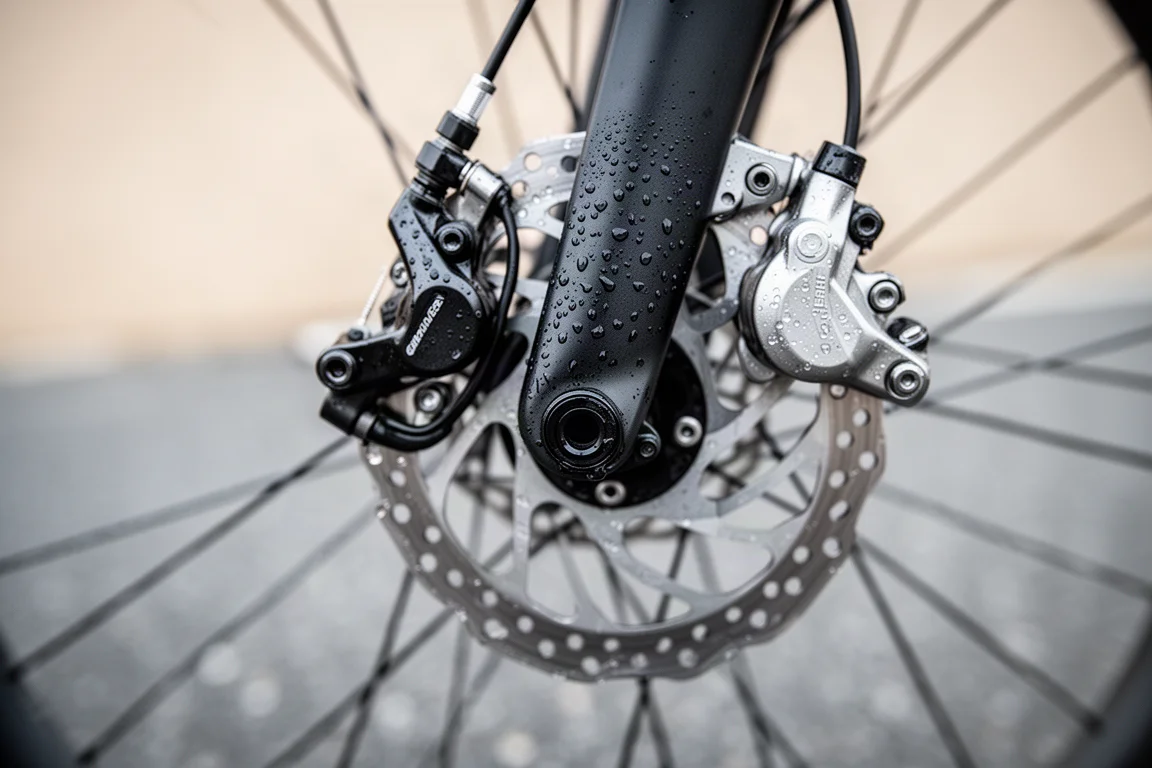
Discounting nostalgia, aesthetics and some arguments around ease of maintenance, disc brakes are better in most circumstances. That is a fair summary of where the road market settled, and it is one of the most meaningful changes a rider will notice when moving from a decade-old bike to a current one.
Aerodynamics and Speed
Cannondale claims 17 watts saved at 45 km/h for the 2024 SuperSix Evo Hi-Mod compared with the previous generation. The 2014 frame had no aero optimisation at all: rounded tubes, external cables and a classic double diamond layout.
The aero revolution of the last ten years is generally considered a good thing, with one caveat, and that caveat is weight. Aero shaping, disc brakes and electronic groupsets all add mass, so the newer bike is not automatically faster everywhere. On the flat and at speed, though, the airflow work is clearly doing its job.
Wheels and Tires
The 2024 bike ships with Cannondale’s own HollowGram SL 50 wheels: 50 mm deep and tubeless ready out of the box. The rims measure 21 mm internally and a wide 32 mm externally, which creates an almost totally flush edge when paired with 25 mm Continental GP 5000 tyres. The whole setup is aimed at making the bike as comfortable and as aerodynamic as possible.
The 2014 bike came with 23c Mavic clincher tyres on Mavic wheels. Those rims were narrower and less aerodynamic, likely somewhere between 17 mm and 19 mm internally, and the combination of a narrow rim and a 23c tyre produces a firmer, less comfortable ride that rolls slower once up to speed, with more rider fatigue over long distances. Tyres and wheels have improved substantially over the last ten years, and this is one of the clearest examples.
Gearing and Shifting
In 2014 it was common for road bikes to be specified with an 11-25 cassette at the back and a 53/39 chainset at the front: big gears for very strong riders. A rider might have been able to find an 11-26 cassette with the option of a compact 50/34 up front, but that meant choosing between the extremes of big racing gears and small compact gears, with little in between.
Today the SuperSix Evo Hi-Mod comes with an 11-30 cassette and 52/36 chainrings. The 53-tooth ring is gone, but the spread of gears is far wider, so a rider can still spin up the steepest climbs while having the option to push along in a 52/11. The improvements do not stop at the extremes either. As drivetrains moved from 10 to 11 to 12 speeds, the jumps between gears became smaller, which makes for better shifting and smoother changes in cadence.
Shifting itself has changed just as much. The 2024 bike uses an electronic Shimano groupset, while the 2014 bike came with the cable-actuated SRAM Red 22 groupset, which was the lightest available at the time and made for a featherweight build. It still cannot compete with the accuracy and precision of a modern electronic setup, although electronic gears need batteries, and those batteries add weight back to the overall build.
Things to Consider Before Buying
Not every change of the past decade is a straightforward win. The 2024 SuperSix Evo Hi-Mod is a better bike overall, but it asks more of its owner in a few specific ways.
Weight
Cannondale claimed a sub-700 g frameset for the 2014 SuperSix Evo Hi-Mod and claims 810 g for the 2024 Hi-Mod frameset, an increase of roughly 110 g. Complete builds tell a similar story. The 2024 model is claimed at 7.69 kg in a size 54, while the 2014 bike would conservatively be estimated at somewhere between 6.7 kg and 7.1 kg, around a kilo lighter.
That increase comes mainly from disc brakes, aero optimisation and the spread of electronic groupsets with their batteries, and it is a trend seen across the bike industry rather than something specific to this model. In practice, the extra weight is likely to cost only a handful of seconds on a climb, while the improvements in shifting, braking and aerodynamics should net a greater speed increase, along with better safety and comfort.
Integration and Maintenance
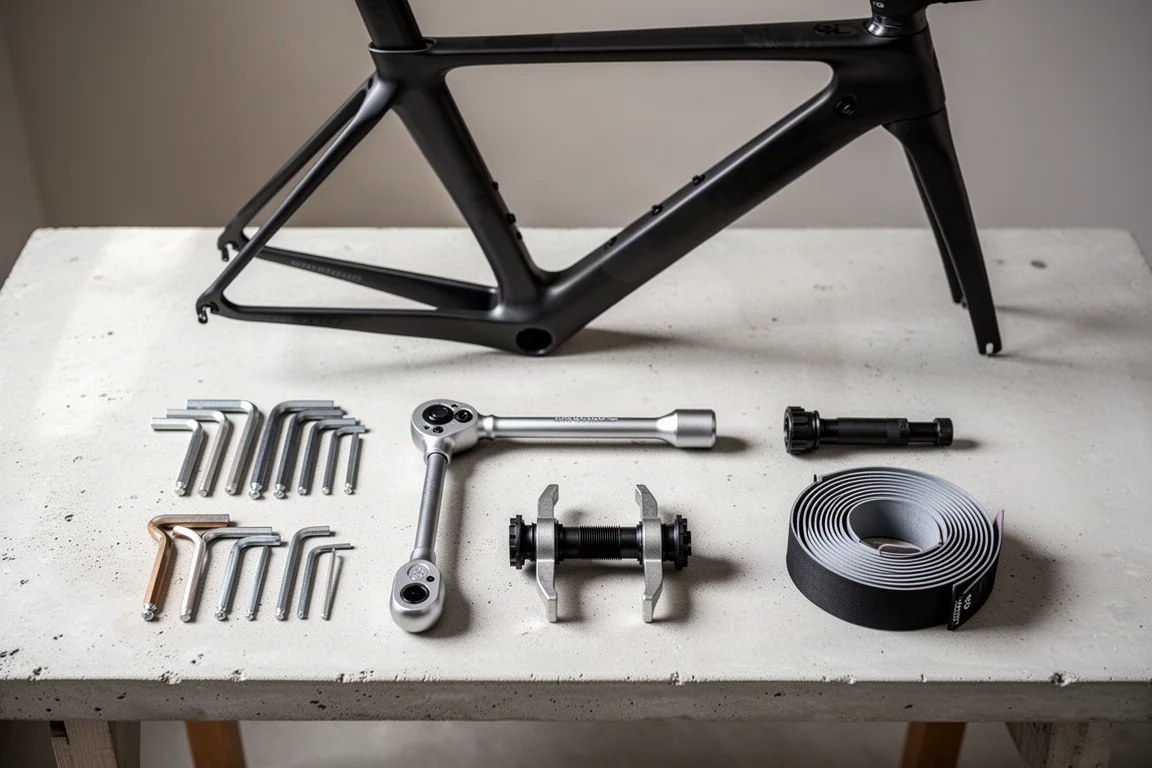
Hiding the gear and brake cables inside the cockpit, frame and fork creates very clean lines and a very fast bike. If the last fraction of a percent of aero optimisation matters to you, that is a good thing. For most riders, the friendlier setup of the older model, where many cables ran externally, is easier to live with and far simpler to maintain at home.
Cannondale has worked hard to make internally routed cables easier to work with, and the 2024 model uses a threaded bottom bracket instead of the press-fit design found on the 2014 bike. Even so, a modern road bike can be noticeably trickier to service than a comparable bike from ten years ago. It is arguably the one area where the everyday rider took a step back.
It is also worth noting that brands increasingly specify their own components rather than going to a third-party supplier. The 2024 SuperSix Evo Hi-Mod uses Cannondale’s own HollowGram wheels, where the 2014 bike used Mavic. In-house components were once seen as second best, but the current generation of own-brand wheelsets has been proven at the highest level of road racing, so that perception is well out of date.
Price
A true like-for-like price comparison is difficult, because the two bikes do not share the same specification or carbon layup, and the Hi-Mod is no longer the best SuperSix Evo that Cannondale produces now that the Lab 71 model has superseded it. Even so, the direction of travel is unmistakable: the 2014 SuperSix Evo cost £3,799, and the 2024 Hi-Mod costs £8,250, more than double.
Adjusted for inflation, the older bike would work out at a little over £5,000 in today’s money, so the gap is narrower than the raw numbers suggest but still real. Prices are unlikely to fall while demand holds, and whether the increase has outpaced the improvements is a matter of judgement. Something is ultimately worth only what a buyer is willing to pay for it.
Buying Advice
If you want one modern road bike that covers fast group rides, long endurance days and hilly terrain without compromise, the 2024 SuperSix Evo Hi-Mod is a well-rounded choice. Hydraulic disc brakes, aero tube shaping, wide tubeless-ready wheels and electronic shifting all work together to make the bike quicker and more comfortable than its ten-year-old counterpart, and the threaded bottom bracket makes routine servicing less of a chore than it once was.
If lowest possible weight or easy at-home maintenance is your priority, be honest about that before buying. A rim brake bike from the previous generation remains a legitimate option, and it will be lighter and simpler to work on, at the cost of braking performance, aero efficiency and shifting precision.

It also helps to think about where your riding actually happens. The aero gains and wider gearing of the current bike pay off most on faster roads and rolling terrain, while the weight penalty matters least on flat routes. Buyers who mostly climb may want to look at lighter options in the range, and buyers who ride in mixed conditions will get the most from the disc brake setup.
Finally, budget for the whole picture rather than the sticker price alone. Electronic drivetrains need charging, tubeless tyres need occasional attention, and integrated cockpits can make some workshop jobs a dealer task. None of that is a reason to avoid the bike, but it is worth knowing before you commit.
Conclusion
Ten years of development delivered a road bike that is faster, more comfortable and easier to ride, at the cost of extra weight, more batteries and more involved maintenance. The Cannondale SuperSix Evo Hi-Mod sits at the centre of that trade-off, and for most riders the gains in braking, aerodynamics, wheels and gearing outweigh the drawbacks.
Where the category goes next is an open question. A lightweight revival that returns to rounded tubes and external cables seems unlikely, and a gradual refinement of the one-bike-for-everything philosophy, with everything a little more optimised and integrated each year, looks like the more probable path.
Product link
View more details for Cannondale SuperSix Evo Hi-Mod
This product is mentioned in the review. Check the specifications, options, and compatibility before buying.
View more details for Cannondale SuperSix Evo Hi-ModFurther reading
Related Reviews
Road Bikes
10 New Road Bikes Worth Watching: Aero, Titanium, Steel and Endurance Standouts
A practical roundup of 10 new road bikes, from aero flagships chasing single-watt gains to titanium, steel and endurance platforms built for real roads.
Road Bikes
2026 Tour de France Road Bikes: Six Race Machines Worth a Closer Look
Six race bikes from the 2026 Tour de France grid, reviewed for paint, silhouette, wheels and the specification details that matter to buyers.
Road Bikes
3T Strada Italia Review: A Radical Aero Road Bike That Rides Smooth
A made in Italy carbon aero road bike with a deep head tube, wide tire clearance and a genuinely comfortable ride. Here is what to know before buying.