Road Bikes
Cannondale SuperSix EVO Hi-MOD 2014 vs 2024: What Ten Years Changed
Two generations of the Cannondale SuperSix EVO Hi-MOD compared across braking, aero, weight, gearing, cable integration and price, with guidance on which build suits which rider.
Introduction
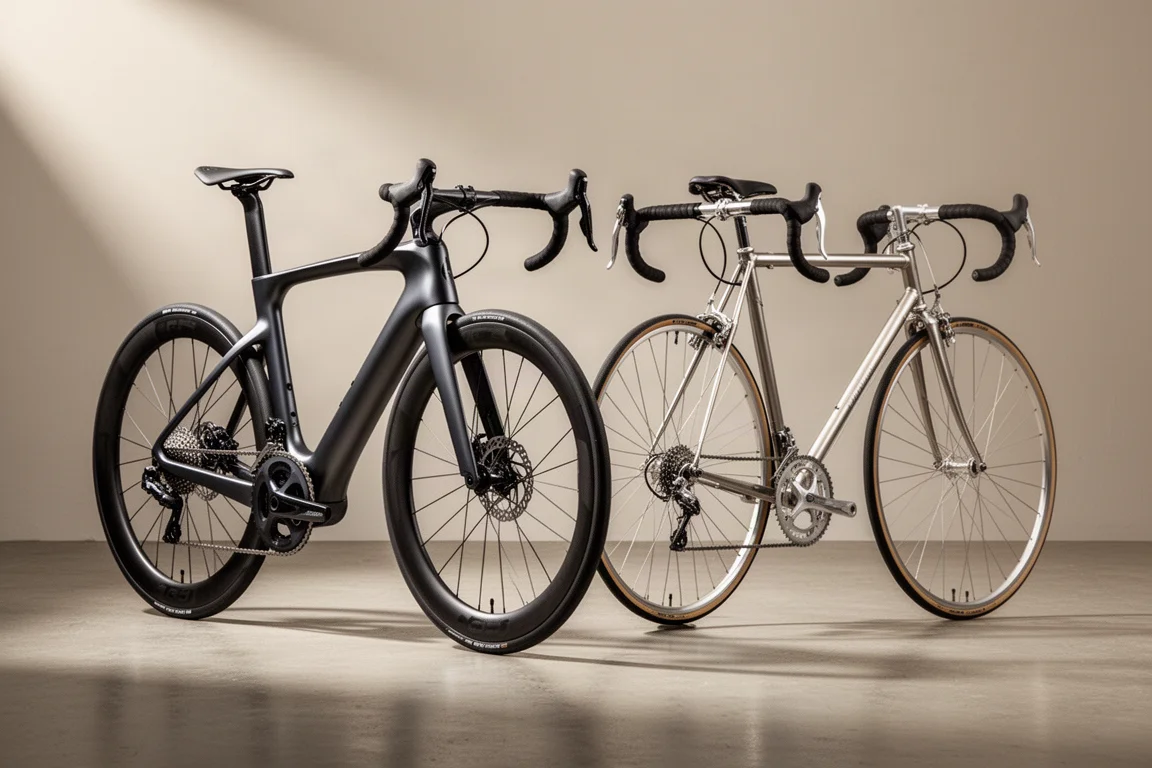
Two bikes, one name, ten years apart. The Cannondale SuperSix EVO Hi-MOD has been through a decade of change, and putting the 2014 and 2024 versions of the same model side by side is one of the clearest ways to see where road bikes have gone. One is a rim-brake machine with a claimed sub-700 g frameset and cables running along the outside of the frame. The other is an aero-optimised disc-brake bike with electronic shifting, hidden cables and a claimed 810 g frameset.
Both are serious, well-regarded road bikes. The interesting question is not which one wins in the abstract, but which of the changes made over those ten years actually matter to the person buying and riding the bike.
How These Two Bikes Compare
These two SuperSix EVO Hi-MOD models are not a like-for-like specification match. Carbon layup, components and price points all differ, and the 2024 Hi-MOD is no longer the flagship of the range, with the Lab 71 model now sitting above it.
That said, the comparison is still useful. It comes down to a handful of areas where the two generations diverge most: braking, aerodynamic efficiency, frameset and complete-bike weight, groupset, wheels and tyres, gearing, cable integration and price. Each one tells a slightly different story about the direction the industry has taken.
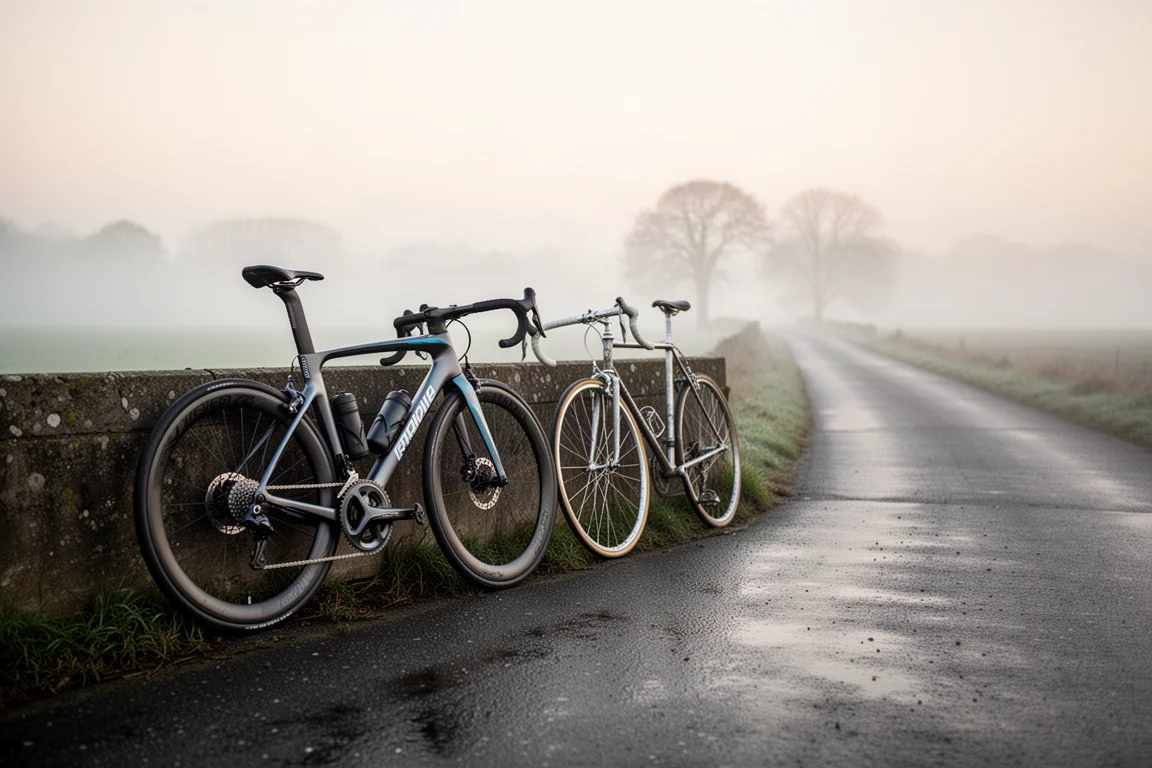
Read as a pair, the two bikes settle into a consistent pattern. Modern road bikes are faster, more comfortable and easier to ride hard, but they carry more batteries, a little more weight and a lot more complexity when something needs adjusting at home.
Cannondale SuperSix EVO Hi-MOD (2024)
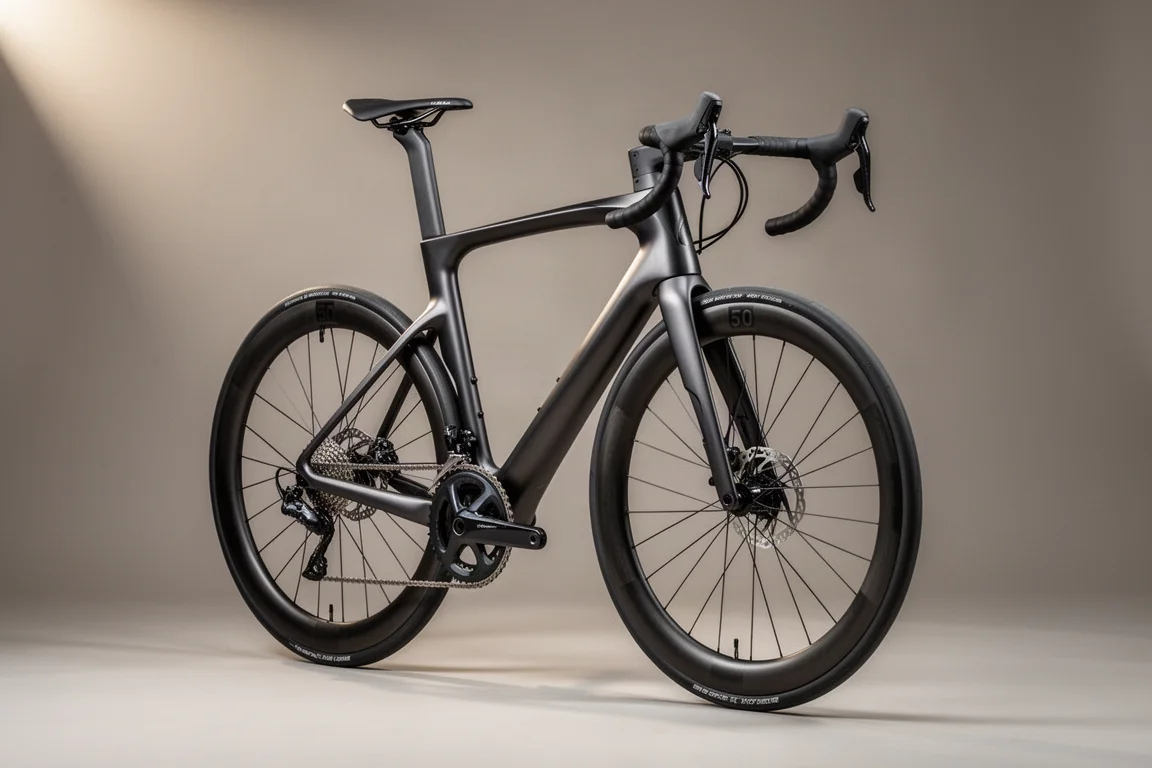
The 2024 bike is a fully modern road machine. Hydraulic disc brakes have replaced rim brakes, a shift that once divided opinion and is now the default across road bikes. Disc brakes are widely considered to offer better braking performance for a relatively small weight penalty, depending on who is measuring.
Aerodynamics is the headline claim. Cannondale states 17 watts saved at 45 km/h compared with the previous generation, and the frame, fork and cockpit are all shaped around that goal.
Weight went up rather than down. The 2024 Hi-MOD frameset is claimed at 810 g, roughly 110 g more than the 2014 Hi-MOD claim, and a complete size 54 build is claimed at 7.69 kg. Disc brakes, aero tube profiles and an electronic groupset with its batteries all contribute to that figure.
The build centres on a Shimano electronic groupset and Cannondale’s own HollowGram SL 50 wheels: 50 mm deep, tubeless ready, 21 mm internal width and a wide 32 mm external width. Fitted with 25 mm Continental GP 5000 tyres, the rim and tyre sit almost flush, which helps both aero performance and comfort. Gearing runs an 11-30 cassette with 52/36 chainrings, and the bottom bracket is threaded rather than press-fit, which is a real benefit for anyone who services their own bike.
Cannondale SuperSix EVO Hi-MOD (2014)
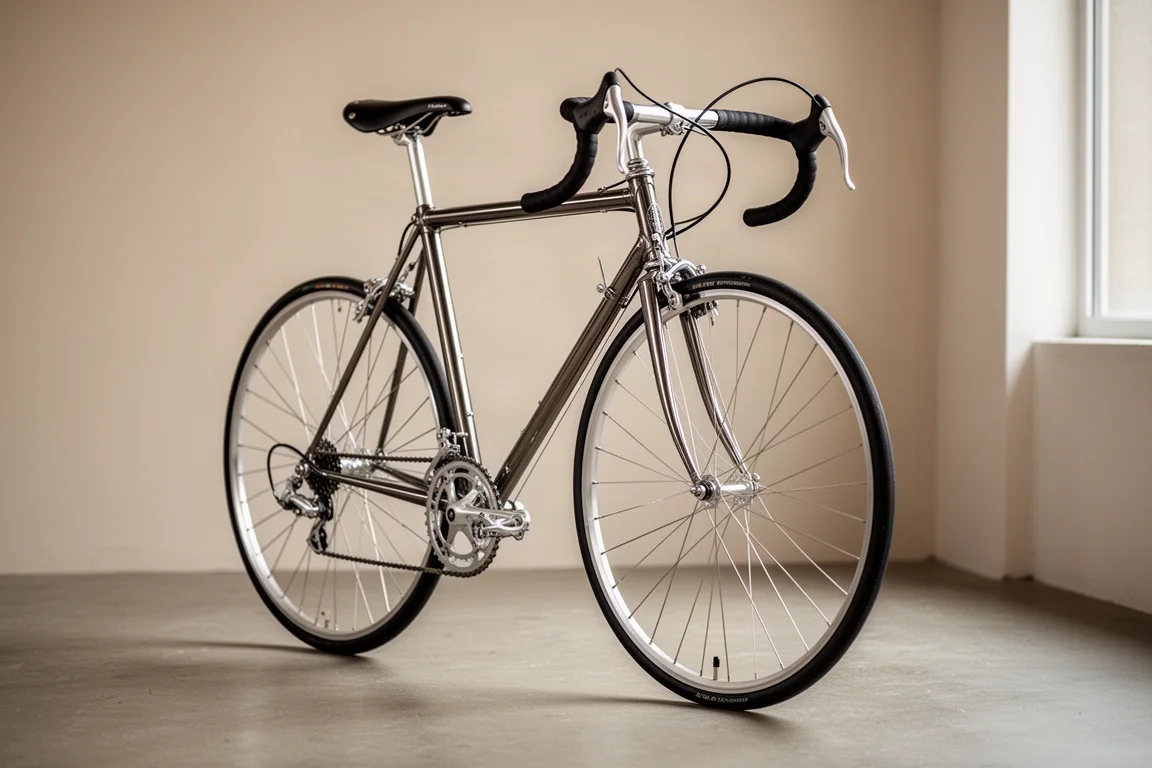
The 2014 bike belongs to a different era. It has rim brakes, a traditional double diamond silhouette, rounded tubes and cable running openly along the frame, fork and handlebars. Aerodynamic optimisation does not appear to have been part of the brief.
Its Hi-MOD frameset was claimed at under 700 g. Complete-bike figures for this generation are harder to pin down, but a build of this type is commonly estimated at roughly 6.7 to 7.1 kg, close to a kilo lighter than the 2024 model.
Shifting came from a cable-actuated SRAM Red 22 groupset, which was the lightest groupset available at the time. It cannot match the accuracy and precision of a modern electronic system, but it is a major part of why this generation was so light.
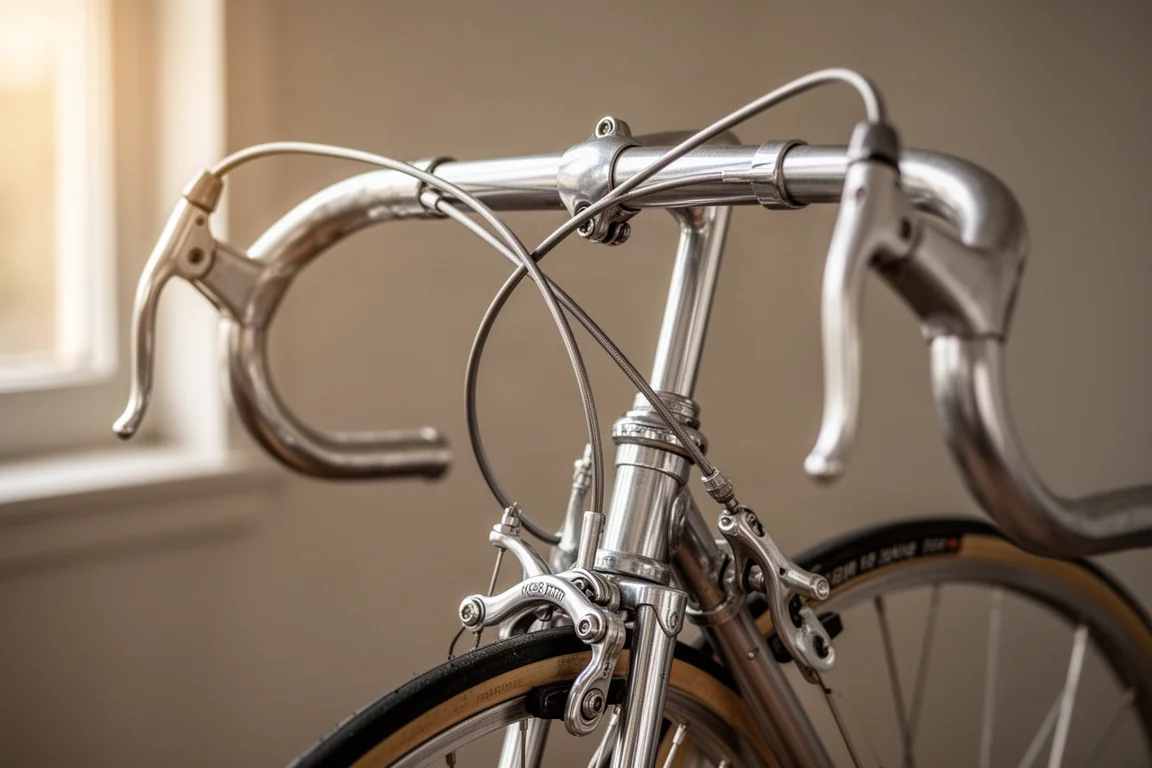
Wheels and tyres follow the same pattern. The 2014 bike came with 23c Mavic clincher tyres on Mavic wheels. Exact rim dimensions are difficult to confirm, but internal widths in that period were typically somewhere between 17 and 19 mm. Narrow rims with narrow tyres feel less comfortable, roll slower once up to speed and add to rider fatigue over long distances.
Gearing was built for strong riders: an 11-25 cassette was the norm, sometimes 11-26, paired with a 53/39 chainset and an optional 50/34 compact. That left little middle ground between full racing gears and a compact setup.
Braking, Aero and Weight
Braking is the most visible difference between the two. Rim brakes still have plenty of admirers, and the look and feel of a rim-brake road bike remains part of the appeal for many riders. Setting aside nostalgia, aesthetics and the maintenance question, disc brakes are the better option in most circumstances, which is why the industry moved the way it did.
Aero matters almost as much. The 2014 frame was designed with little or no aero consideration, while the 2024 bike claims 17 watts saved at 45 km/h. Over a decade, aero went from a niche concern to a central design goal.
Weight went the other way. The frameset claim rose by around 110 g, and the complete build by roughly a kilo. The realistic effect of that extra weight uphill is a handful of seconds at most, while the gains in shifting, braking and aerodynamics are worth considerably more in speed terms, along with a safer and more comfortable ride.
Gearing, Wheels and Tyres Over a Decade
Drivetrain ranges improved in two directions at once. The 2024 bike runs an 11-30 cassette with 52/36 chainrings, a much wider spread than the old 11-25 with 53/39. That means easier spinning on steep climbs without giving up the ability to push a big gear on the flat.
Cassette progression matters just as much. The industry moved from 10 to 11 to 12 speeds, and the jumps between gears became smaller. The result is better shifting and smoother cadence changes when you shift under load.
Wheels and tyres changed with it. The move from 23c tyres on narrow rims to 25 mm tyres on a 21 mm internal, 32 mm external rim is one of the clearest quality-of-life improvements in the whole comparison. Tubeless-ready rims add another practical benefit, and the near-flush rim and tyre profile helps aerodynamics as well.
Integration and Everyday Maintenance
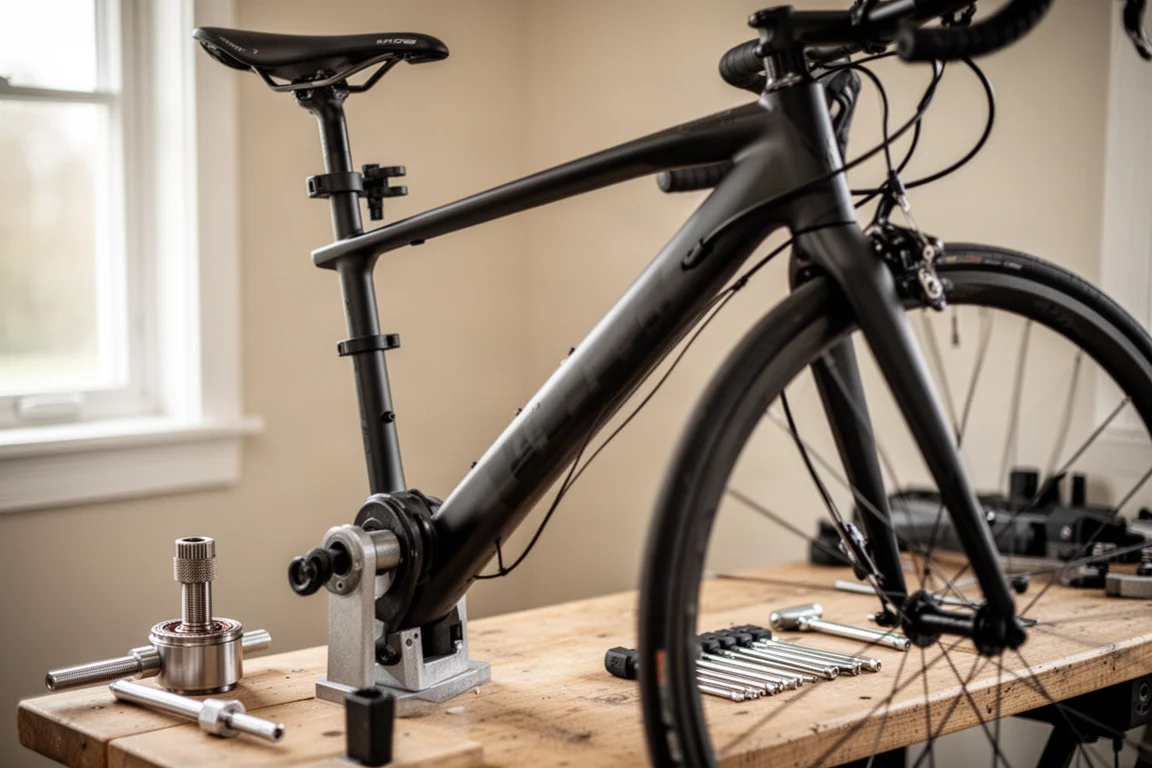
Hiding gear and brake cables inside the cockpit, frame and fork produces clean lines and a fast bike, which is exactly what buyers of modern superbikes are looking for. For everyone else, the older externally routed setup is considerably easier to live with, because most routine jobs can be done at home with basic tools.
Brands have worked hard to make internal routing less painful, and the 2024 bike does include a threaded bottom bracket in place of the 2014 press-fit design, which is a genuine improvement. Even so, a modern road bike can be noticeably trickier to work on than a comparable bike from ten years ago.
There is also the question of who supplies the parts. The 2024 bike uses Cannondale’s own HollowGram wheels where the 2014 bike used Mavic. In-house components once carried a reputation for being a step below third-party options, but the major brands now produce equipment proven at the highest level of road racing, and that reputation no longer holds.
Prices, Value and What to Expect
The 2014 SuperSix EVO Hi-MOD cost £3,799 at launch. The 2024 model costs £8,250. That is more than double, although the specifications are not identical, so it is not a perfect comparison.
Inflation softens the gap. Adjusted for inflation, the 2014 bike would cost a little over £5,000 in today’s money, which leaves a real increase rather than a doubling. Sales region, differing price points and brand positioning all affect the final figure.
The straightforward answer is that you pay more now than you did ten years ago. The counterargument is that bikes are better now: faster, more comfortable and easier to ride. Whether prices have risen faster than bikes have improved is a fair question, and value ultimately comes down to what a buyer is willing to pay. Prices are unlikely to fall in the near future.
Buying Advice
The decision comes down to priorities. If you want stronger braking, aero gains, electronic shifting, wide tubeless-ready wheels and the comfort of 25 mm tyres, the 2024 SuperSix EVO Hi-MOD is the more capable machine and the one that reflects everything the industry has learned in a decade.

If you value light weight, simple maintenance and the direct feel of a rim-brake road bike, the 2014 model still holds up well, and it is the more affordable route into a Hi-MOD frameset. Budget, terrain and how much of your own servicing you plan to do should decide it.
Conclusion
Ten years of development produced bikes that are faster, more comfortable and easier to ride, at the cost of extra weight, more batteries and more complexity in the workshop. The 2024 SuperSix EVO Hi-MOD shows where the industry landed, and the 2014 model shows how much ground was covered to get there. Both remain very good road bikes, and the right choice depends on which of those trade-offs you are happy to live with.
Further reading
Related Reviews

Road Bikes
10 New Road Bikes Worth Watching: Aero, Titanium, Steel and Endurance Standouts
A practical roundup of 10 new road bikes, from aero flagships chasing single-watt gains to titanium, steel and endurance platforms built for real roads.
Road Bikes
2026 Tour de France Road Bikes: Six Race Machines Worth a Closer Look
Six race bikes from the 2026 Tour de France grid, reviewed for paint, silhouette, wheels and the specification details that matter to buyers.
Road Bikes
3T Strada Italia Review: A Radical Aero Road Bike That Rides Smooth
A made in Italy carbon aero road bike with a deep head tube, wide tire clearance and a genuinely comfortable ride. Here is what to know before buying.