Road Bikes
Cannondale SuperSix Evo Gen 4 Review: Lighter, Faster, and a New Lab 71 Flagship
The fourth-generation SuperSix Evo adds revised aero tube profiles, a threaded bottom bracket, and a new Lab 71 tier above Hi-Mod. Here is what changed, how it rides, and which version suits you.
Introduction
Cannondale has introduced the fourth generation of the SuperSix Evo, and the headline news is not limited to the frame. Alongside the updated platform, the brand has opened a new tier above its previous range-topping Hi-Mod level, called Lab 71, built around a carbon layup Cannondale refers to as Series Zero. The result is a range-topping Dura-Ace Lab 71 build that reaches the 6.8 kg UCI weight limit in a 56 cm frame size, and a platform that is claimed to be 12 watts faster than the third generation at 45 km/h.
That combination speaks to two different buyers: riders who want the sharpest SuperSix Evo available, and riders weighing the standard platform against the new flagship. This review covers what changed, how the bike behaves on the road, and which version makes the most sense.
What Changed on the Fourth-Generation SuperSix Evo
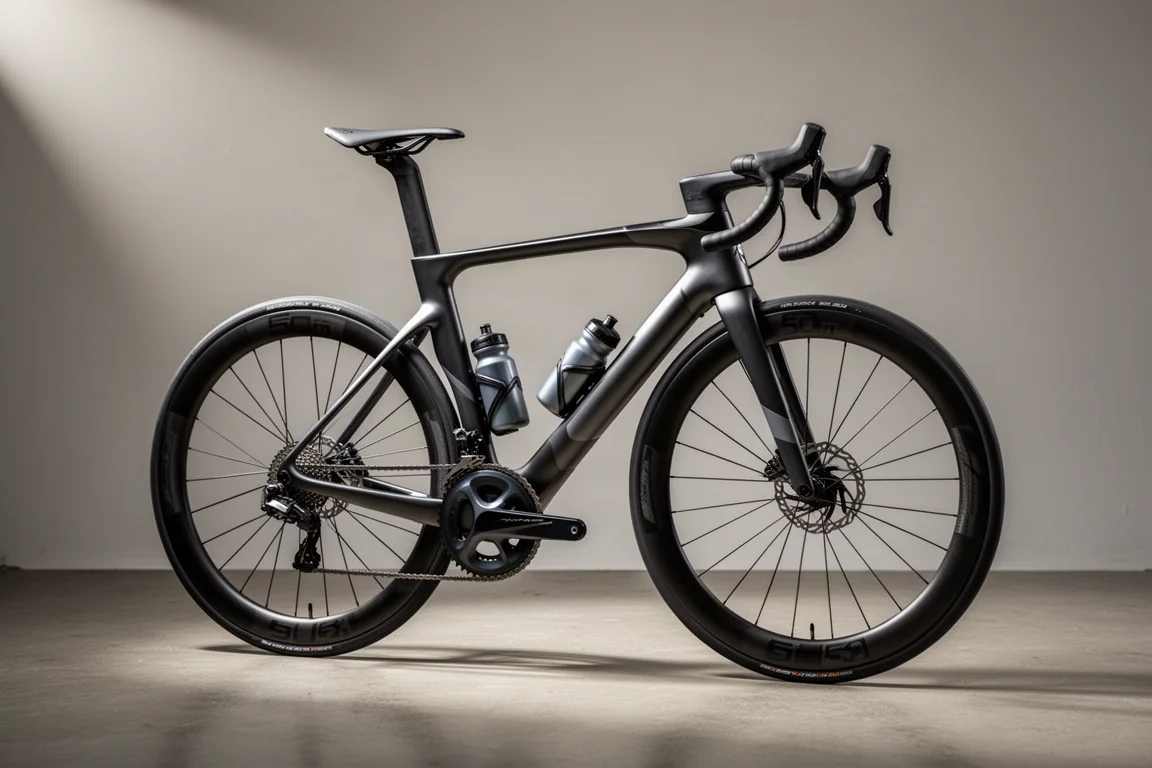
The fourth-generation frame is an evolution rather than a clean-sheet redesign. Cannondale claims the new bike is 12 watts faster at 45 km/h (28 mph) than the third generation, with revised tube profiles that look flatter and more stretched out in places. Cannondale was also keen to stress that the bike was developed as a whole, with the seatpost, wheels, bottles, bottle cages, and integrated bar and stem all designed together around the frame.
The new aero bottles are currently UCI legal, and the R50 wheels are 50 mm deep, with builds using either the SL or S version, the difference coming down mainly to weight. The cockpit pairs a new D-shaped steerer with an integrated bar and stem, which helps slim the head tube and is a clear improvement over the third generation. The patterned finish on the top of the bars is eye-catching and likely to divide opinion.
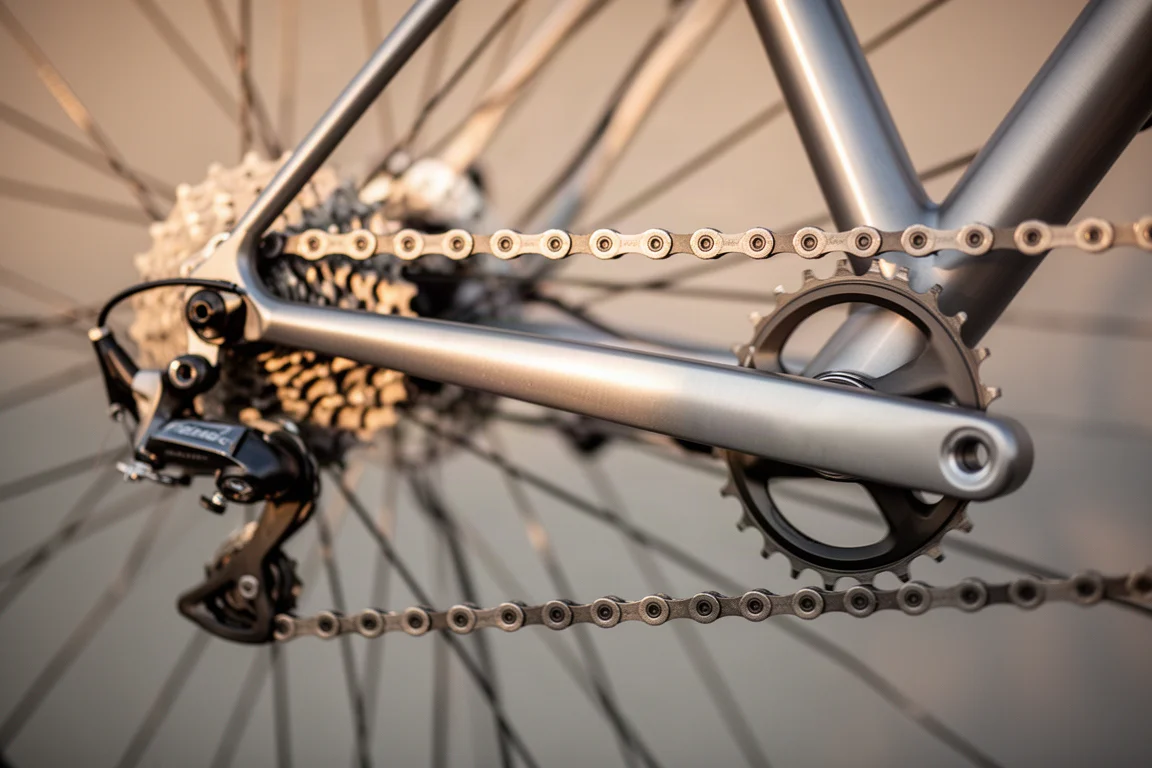
Other changes are practical rather than dramatic. The frame now takes a 68 mm threaded BSA bottom bracket, the steering slots have been removed, and the Di2 battery sits low in the down tube just above the bottom bracket. Stiffness is unchanged from the third generation, geometry is unchanged, and tire clearance remains 34 mm. Cannondale has also simplified sizing, dropping the 60 cm and 62 cm frames in favor of a single 61 cm option.
Cannondale SuperSix Evo: The Core Platform
The standard SuperSix Evo is the version most riders will actually consider. It carries the same fourth-generation frame design and the same ride character, with UK builds starting at £6,250 for a 12-speed Ultegra Di2 option. Stepping up to SRAM Force adds £500. The previous top-end Hi-Mod retailed at £11,500, while the new top-end Hi-Mod now comes in at £10,500, which makes the upper end of the range more attainable than before.
Weight differences between tiers are smaller than the naming suggests. At the painted frame level, the gap between Hi-Mod and the Lab 71 Series Zero layup is just 40 grams, while the third-tier carbon line frame comes in at 930 grams painted. In other words, the standard platform already delivers the bulk of the aero and integration work that defines this generation.

Ride Feel and Real-World Behavior
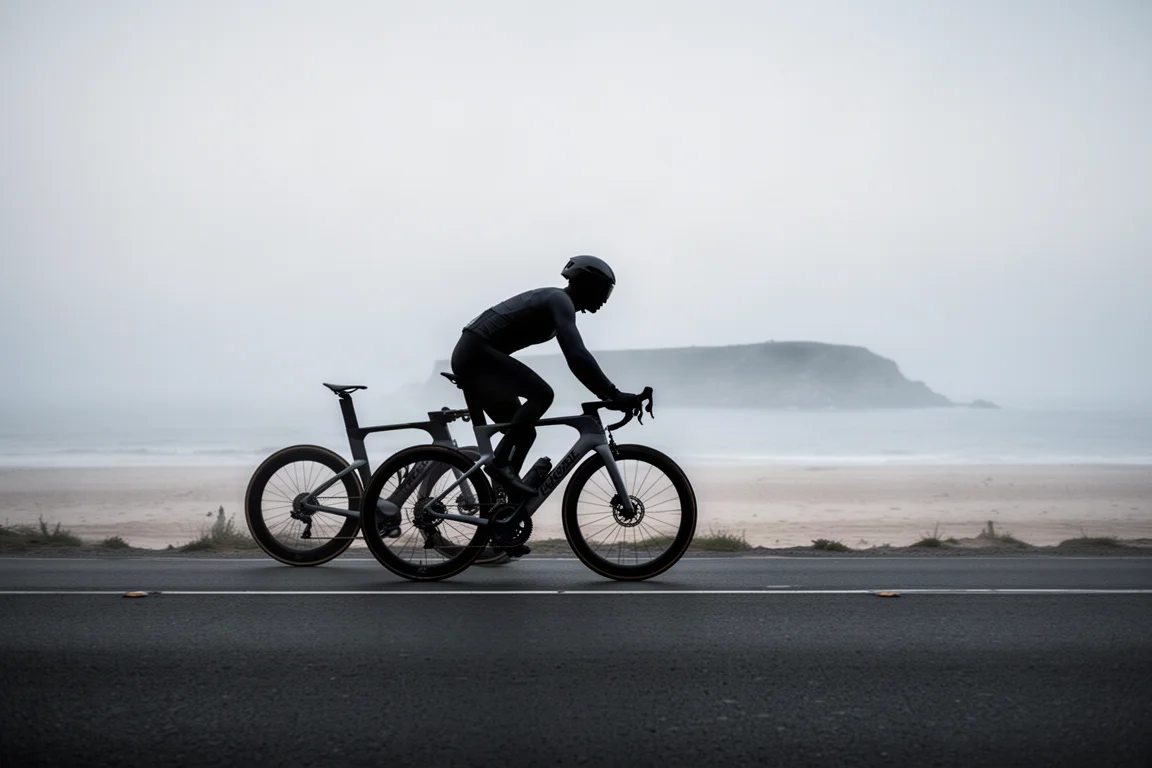
On the road, the new bike still feels like a SuperSix Evo. It climbs well, the wheels spin up easily, and it behaves confidently at low speeds, while opening the taps on a fast road only invites more of the same. It is unrealistic to expect to feel a 12-watt aero gain in the legs, and the frame’s stiffness is deliberately unchanged from the third generation, which was never a limitation in practice.
For a bike whose predecessor was already highly regarded, criticism is hard to find. The honest framing is that this is closer to a 3.5 generation than an all-new machine: Cannondale addressed the weak points of the third generation, corrected them, and left the parts that already worked alone. Whether that justifies an upgrade depends entirely on what you are riding now.
Cannondale SuperSix Evo Lab 71: The New Flagship Tier
Lab 71 sits above Hi-Mod and introduces the Series Zero carbon layup, Cannondale’s lightest construction to date. As a complete Dura-Ace build in a 56 cm frame, the range-topping Lab 71 SuperSix Evo reaches the 6.8 kg UCI weight limit. The Lab 71 badge is expected to spread across other models in the range, so this tier is likely to become a familiar sight rather than a one-off.
The trade-offs are price and availability. The Lab 71 build comes in at £12,500, well above the rest of the range, and it is being produced in limited quantities, so buyers who want one should move quickly. If the goal is the lightest possible SuperSix Evo and the newest tier in the lineup, this is the version to look at.
Prices, Builds, and Availability
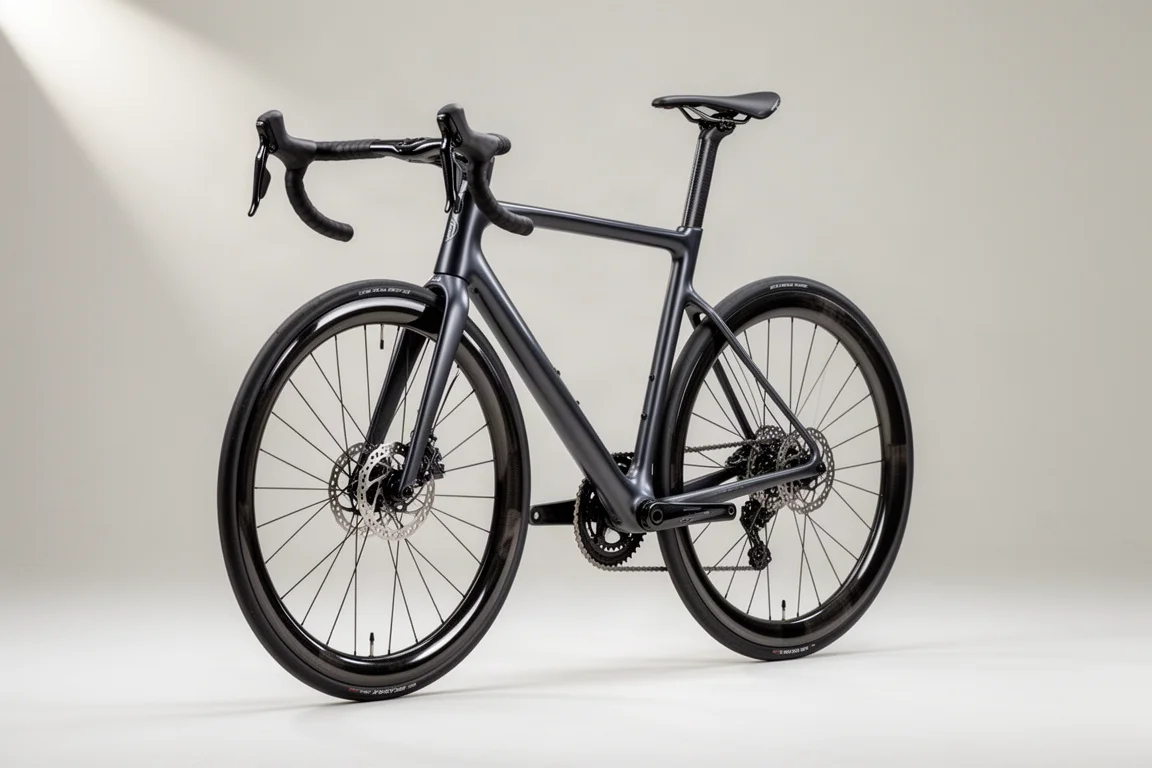
UK pricing starts at £6,250 for a 12-speed Ultegra Di2 build, with SRAM Force adding £500. The top-end Hi-Mod is £10,500, down from £11,500 for the previous generation’s equivalent, and the Lab 71 flagship is £12,500. Availability differs by region, and the Lab 71 bikes are the most constrained of the group.
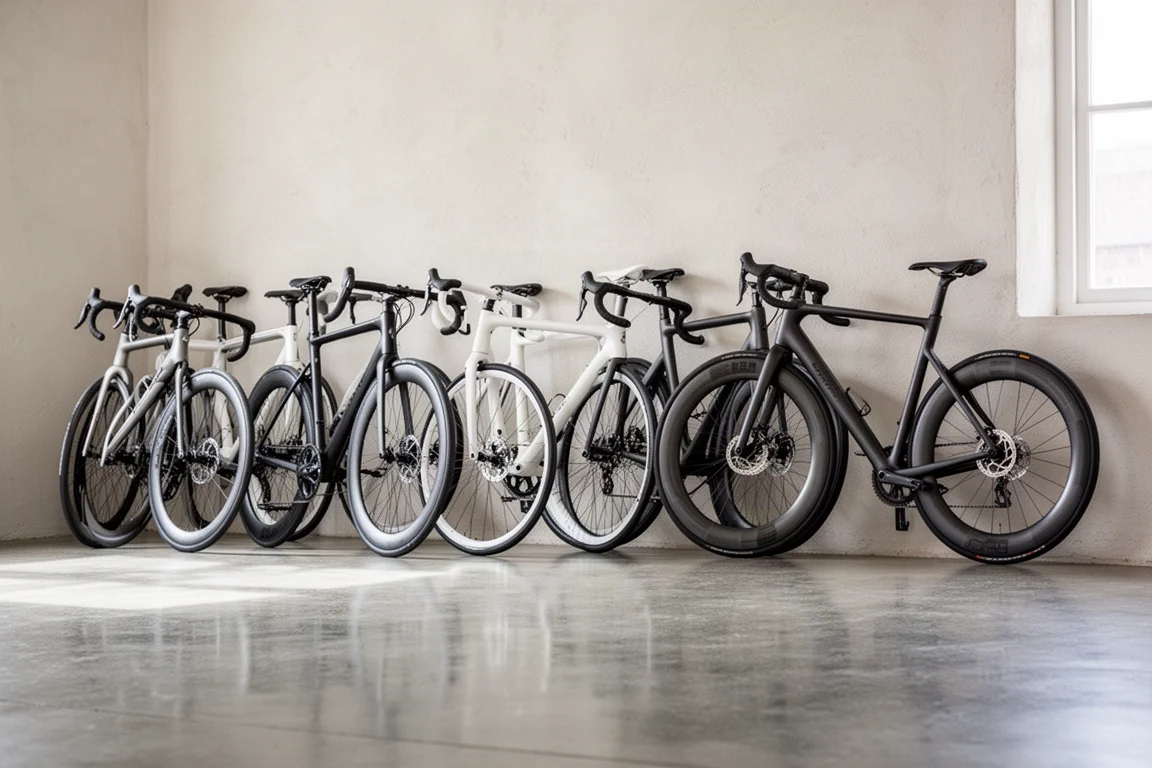
There is a reasonable spread of paint options, and the majority look smart. When comparing builds, the practical question is whether the small frame-weight difference between Hi-Mod and Lab 71 matters more to you than the price step between them.
Who Each Version Suits
The standard SuperSix Evo makes sense for riders who want the aero and integration improvements of the fourth generation without paying flagship money. It carries the same geometry, the same 34 mm tire clearance, and the same ride quality, and the entry builds undercut the top tiers by a wide margin.
The Lab 71 is aimed at riders who want the lightest SuperSix Evo Cannondale makes and are willing to pay for the Series Zero layup and the new top tier. With limited production and a £12,500 price, it is a deliberate choice rather than a default one.

If you already own the third generation, the case for upgrading rests on the aero gain, the threaded bottom bracket, the improved cockpit integration, and the tidier details rather than a transformation in how the bike feels. If you are buying your first aero road bike at this level, the fourth-generation platform is a more complete package than the bike it replaces.
Conclusion
The fourth-generation SuperSix Evo is a careful refinement: lighter, measurably faster by Cannondale’s own claim, and easier to live with thanks to details like the threaded bottom bracket and the integrated cockpit. Lab 71 adds a genuine new top tier for riders who want the lightest build available. Neither represents a revolution, but both are more compelling than the bikes they replace.
Further reading
Related Reviews

Road Bikes
10 New Road Bikes Worth Watching: Aero, Titanium, Steel and Endurance Standouts
A practical roundup of 10 new road bikes, from aero flagships chasing single-watt gains to titanium, steel and endurance platforms built for real roads.
Road Bikes
2026 Tour de France Road Bikes: Six Race Machines Worth a Closer Look
Six race bikes from the 2026 Tour de France grid, reviewed for paint, silhouette, wheels and the specification details that matter to buyers.
Road Bikes
3T Strada Italia Review: A Radical Aero Road Bike That Rides Smooth
A made in Italy carbon aero road bike with a deep head tube, wide tire clearance and a genuinely comfortable ride. Here is what to know before buying.