Road Bikes
Cannondale SuperSix Evo Gen 3 Review: Is the Older Model Still Worth Buying?
A full carbon aero road bike with Shimano 105 Di2 and carbon wheels. Here is what the SuperSix Evo Gen 3 does well, where it falls short, and who should buy it.
Introduction
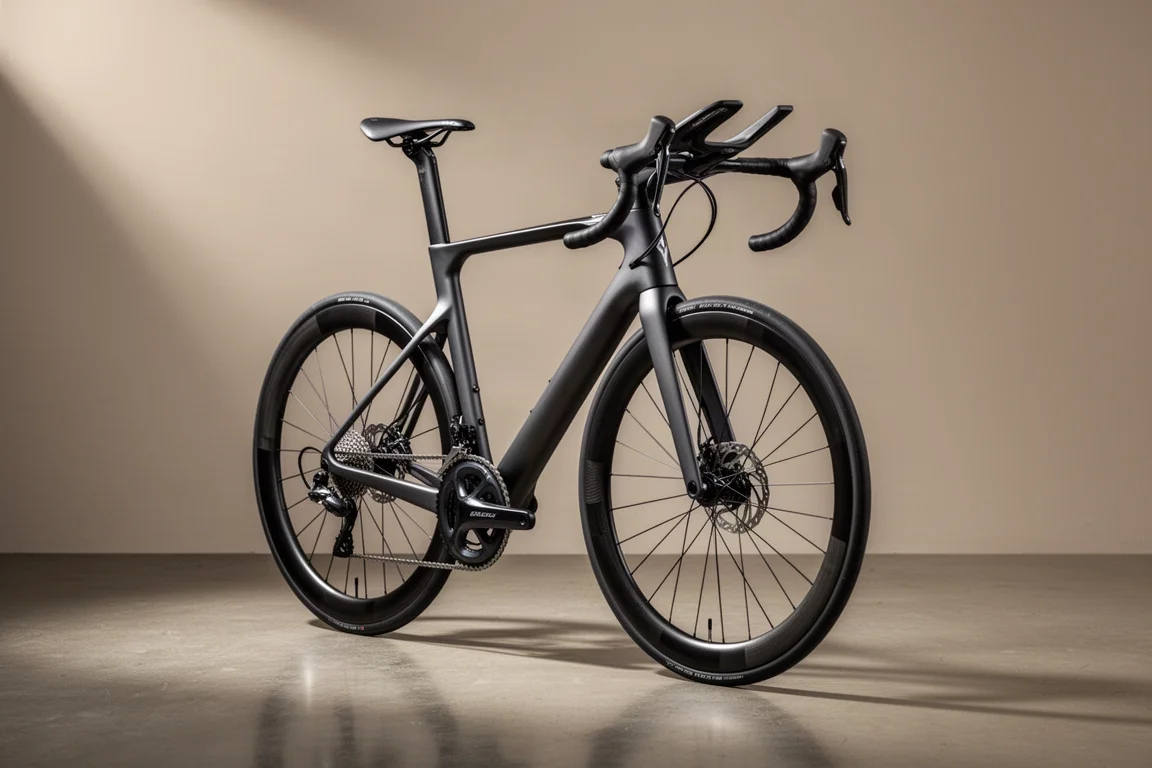
The Cannondale SuperSix Evo Gen 3 has been part of the range since its original launch in 2016, and a newer Gen 4 version has now arrived to replace it. Supply and availability of the new model are limited, and it sits at a higher price point, so the Gen 3 is expected to stay on sale for the foreseeable future.
This build pairs a full carbon frame and fork with a two-piece aero handlebar, carbon wheels, and Shimano 105 Di2 electronic shifting. In the UK it is priced at around £4,250.
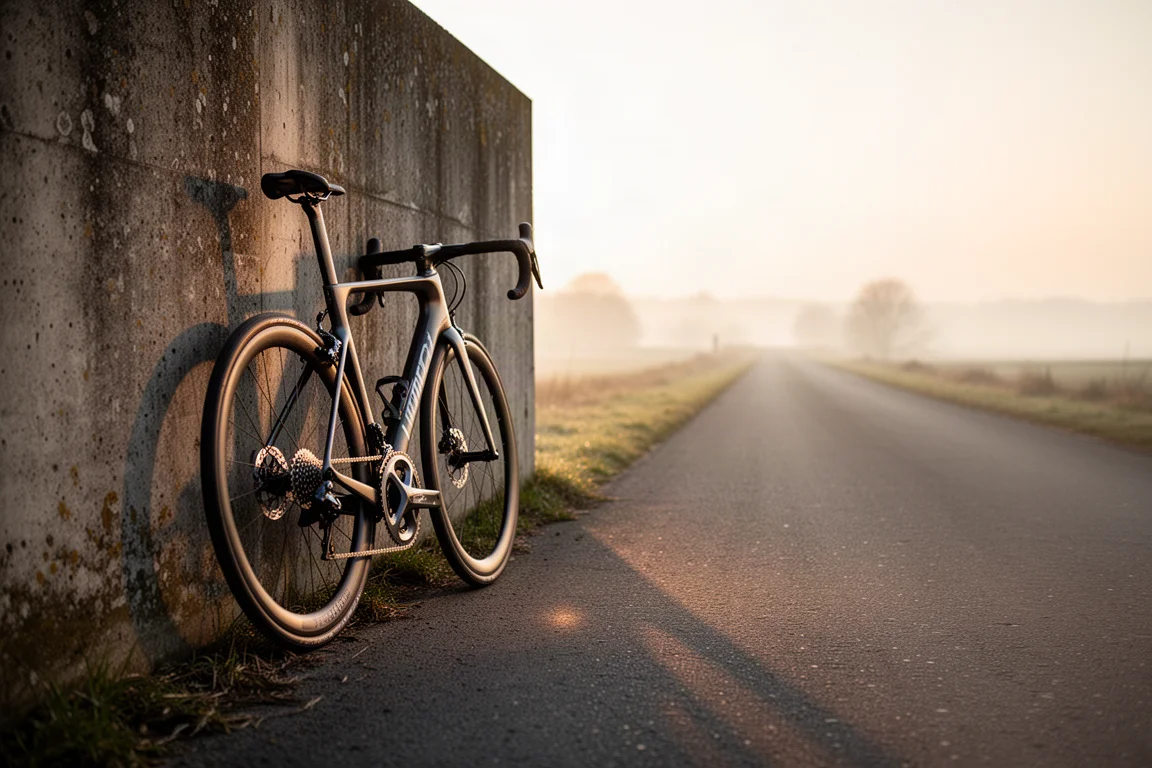
The obvious question is whether a bike that has effectively been superseded is still worth buying, or whether it makes more sense to wait and save for the newer version.
Who this product is for
This is a bike for riders who want a lightweight aero race platform that is fast, comfortable, and ready to go without a long wait or a much larger budget. It suits people who race, ride fast in groups, or chase personal bests on familiar roads, and who value a carbon frame, carbon wheels, and electronic shifting in one package.
It also makes sense for anyone who does not need to own the newest model the moment it appears. If you would rather be riding this season than waiting on stock, the Gen 3 remains a coherent, high-performance choice.
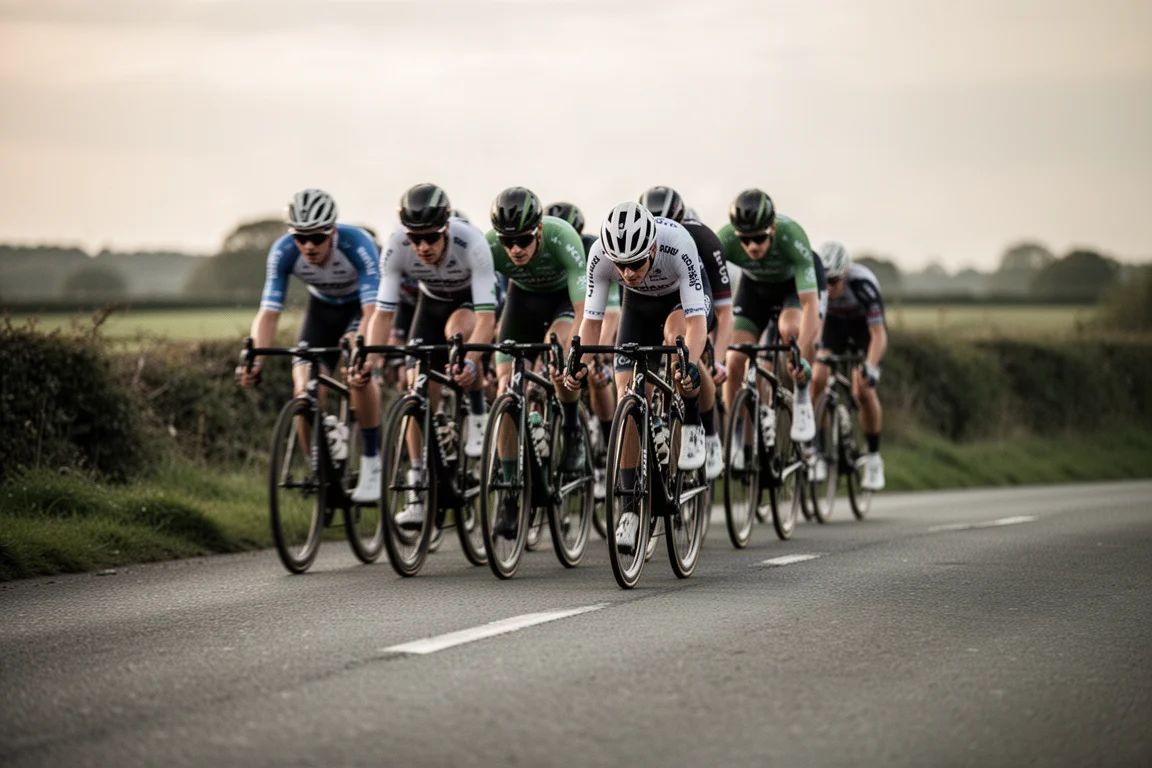
It is less suited to riders who specifically want the latest frame design, threaded bottom bracket, and the cleanest possible cable routing, or to those who prefer the more relaxed geometry and comfort of an endurance bike for long-distance cruising.
Main strengths
The ride quality is the standout. Power transfer feels immediate and direct when you push out of the saddle, and the bike surges forward on steep climbs. Steering response is quick and intuitive, and it holds a line confidently through high-speed corners. Saddle comfort is good for a lightweight aero race bike, which is a balance the SuperSix Evo has always handled well. With clearance for tires up to 34mm, there is room to soften the ride further by fitting wider rubber.
Cannondale states that head tube and bottom bracket stiffness, plus overall comfort, are comparable between this generation and the newer one, so the core ride character has not been left behind.
On the groupset side, Shimano 105 Di2 delivers excellent performance once price, weight, and naming are set aside. Its hood shape and ergonomics match Ultegra and Dura-Ace, and the lever bodies feel small and smooth in the hand. Shifting is not quite as fast as those higher tiers, and the brakes do without the servo wave mechanism, but the differences are small and easy to live with day to day. Electronic shifting is not strictly necessary on a road bike, yet it is genuinely nice to use and widely wanted.
Things to consider before buying
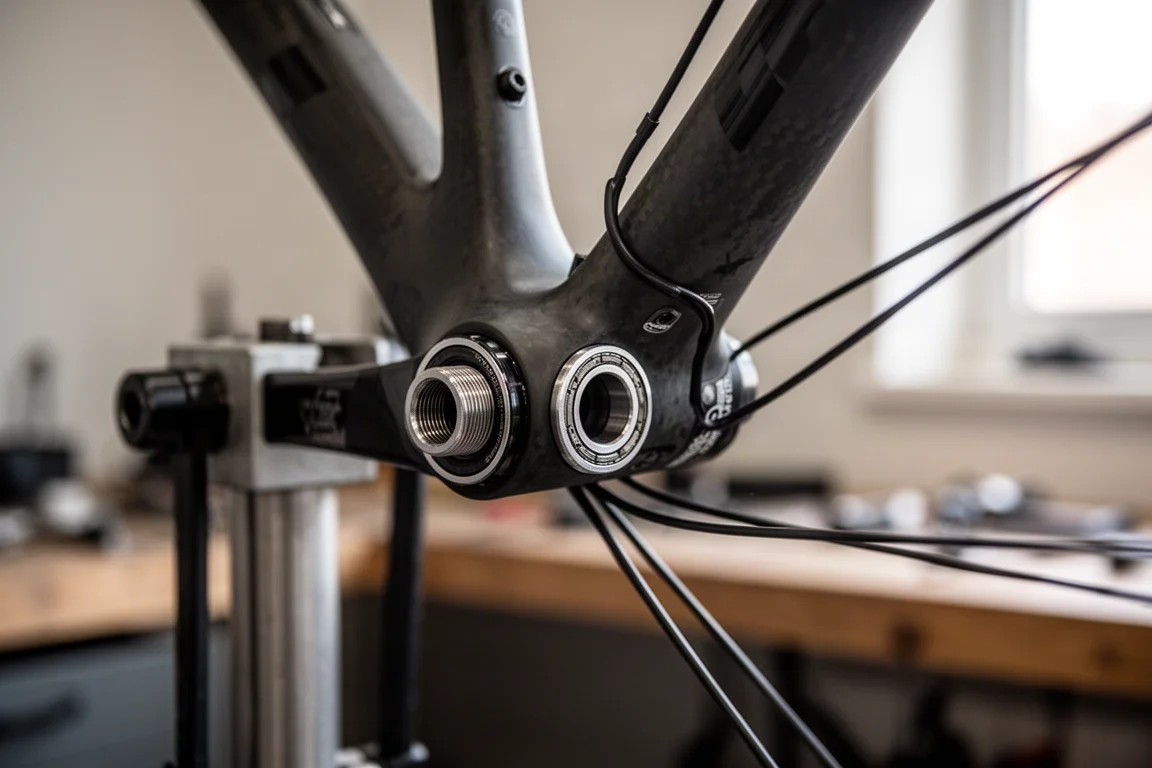
There are a few details worth weighing up before you commit. The bottom bracket is a BB30 design, while the newer generation moves to a threaded BSA 68mm unit, which is generally the friendlier arrangement for long-term maintenance. Internal cable routing is also less clean and less elegant than on the newer frame, and the steering range is deliberately limited, so the handlebar cannot be turned as far as you might expect. That is not a problem while riding, but it can be noticeable when transporting the bike or wheeling it out of the house.
Tires are the other weak point. The frame accepts wide rubber, yet this build ships with 25mm tires from a lower-tier model in the range. They are serviceable rather than poor, but the ride quality does not match what a premium tire would give, and on a bike at this price it is a surprising place to save money.
Aerodynamics and weight are where the newer generation clearly moves ahead. Cannondale claims the Gen 4 is around 11 watts faster at 45 km/h, and its frame is lighter, with a top-end build able to reach roughly 6.8kg with race-day wheels. For most riders those gains matter far less than the numbers suggest, especially at everyday speeds, but they are real differences if you race at a high level.
Buying advice
The newer Gen 4 SuperSix Evo starts at around £4,000 in the UK, which is actually less than this build, but it comes without carbon wheels. Bringing it to the same specification as this bike would add roughly £1,000, putting you closer to a £5,000 purchase overall.
That is the core of the decision. If you want the latest and lightest and are prepared to wait and pay for it, the newer model is the clear path. If you want a carbon frame, carbon wheels, and electronic shifting now, this build represents a considerable amount of performance for the money.
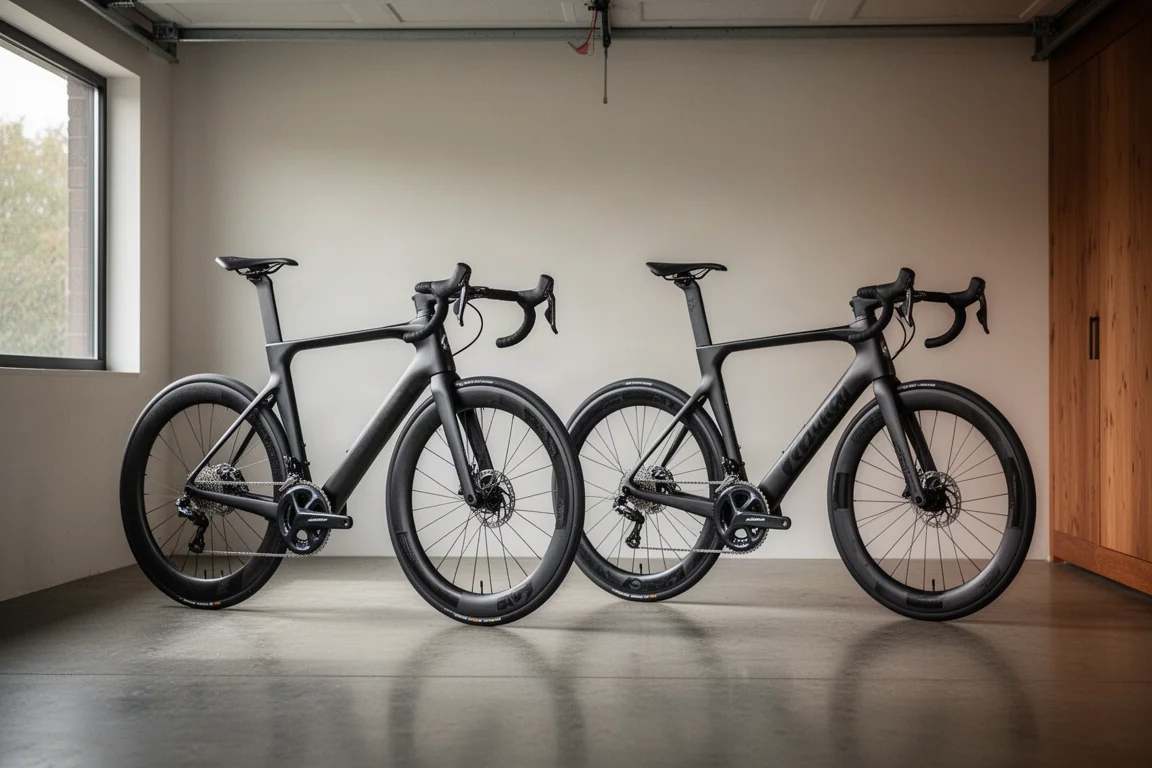
It helps to think of it the way you would think about cars. A brand new model is expensive and loses value the moment it leaves the showroom. A nearly new example with low mileage costs noticeably less while offering almost the same experience. Applied here, the Gen 3 is still a fast, lively, comfortable bike that handles beautifully and needs nothing added to be ridden hard straight away.
Conclusion
The SuperSix Evo Gen 3 has been superseded, but that does not make it a bad bike. Its blend of low weight, stiffness, comfort, and sharp handling still stands up well against current lightweight aero rivals, and the Shimano 105 Di2 groupset performs beautifully in real-world riding. If the BB30 bottom bracket, the cable routing, and the modest stock tires are acceptable to you, this remains a genuinely recommendable road bike and a sensible shortlist pick for anyone buying right now rather than waiting.
Product link
View more details for Cannondale SuperSix Evo Gen 3
This product is mentioned in the review. Check the specifications, options, and compatibility before buying.
View more details for Cannondale SuperSix Evo Gen 3Further reading
Related Reviews

Road Bikes
10 New Road Bikes Worth Watching: Aero, Titanium, Steel and Endurance Standouts
A practical roundup of 10 new road bikes, from aero flagships chasing single-watt gains to titanium, steel and endurance platforms built for real roads.
Road Bikes
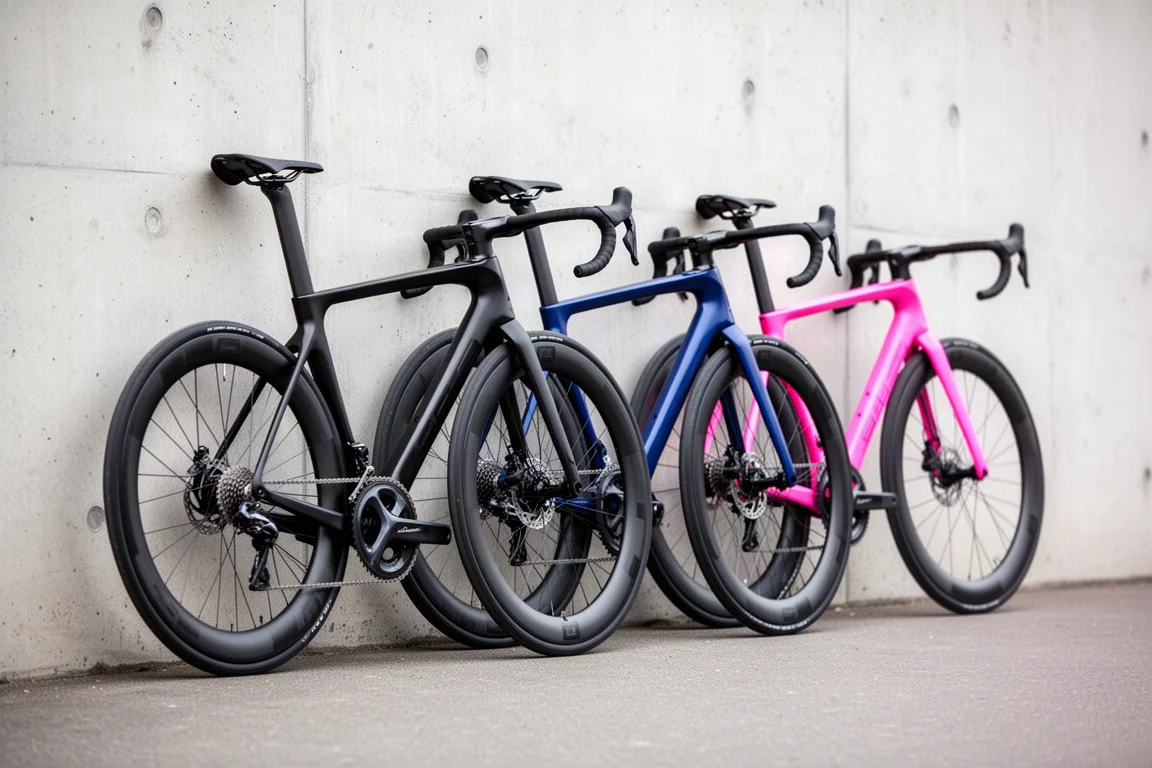
2026 Tour de France Road Bikes: Six Race Machines Worth a Closer Look
Six race bikes from the 2026 Tour de France grid, reviewed for paint, silhouette, wheels and the specification details that matter to buyers.
Road Bikes
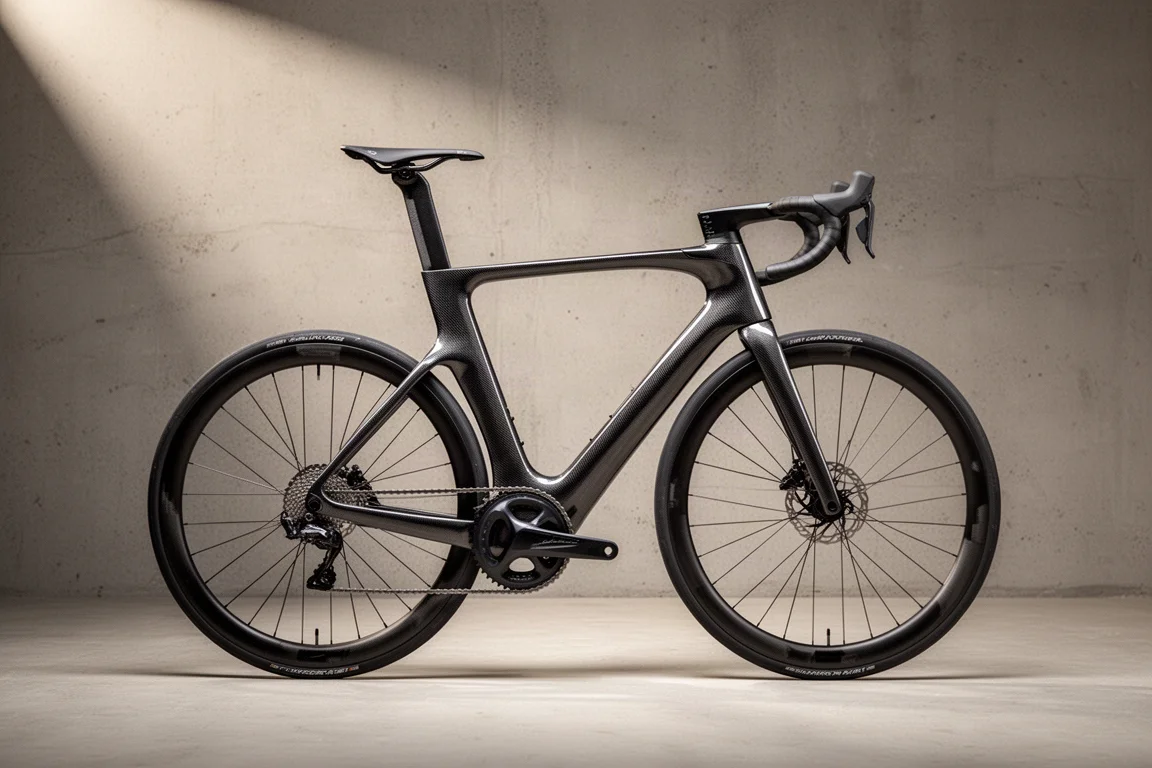
3T Strada Italia Review: A Radical Aero Road Bike That Rides Smooth
A made in Italy carbon aero road bike with a deep head tube, wide tire clearance and a genuinely comfortable ride. Here is what to know before buying.