Road Bikes
Cannondale SuperSix EVO 3 vs SuperSix EVO Lab 71: Is the Value Build a Disappointment?
A head-to-head look at two Cannondale SuperSix EVO builds at very different price points, and what the gap really means for everyday road riders.

Introduction
The Cannondale SuperSix EVO 3 and the Cannondale SuperSix EVO Lab 71 share a name, a frame platform and a geometry, yet they sit at opposite ends of the price ladder. The EVO 3 comes in at £4,000 or $4,200, while the range-topping Lab 71 lists at £12,500 or $16,600.
That gap raises an obvious question. If you choose the more realistically priced bike, will you be disappointed, or does the value build deliver most of the experience for a fraction of the money?
What the SuperSix EVO 3 and Lab 71 Have in Common
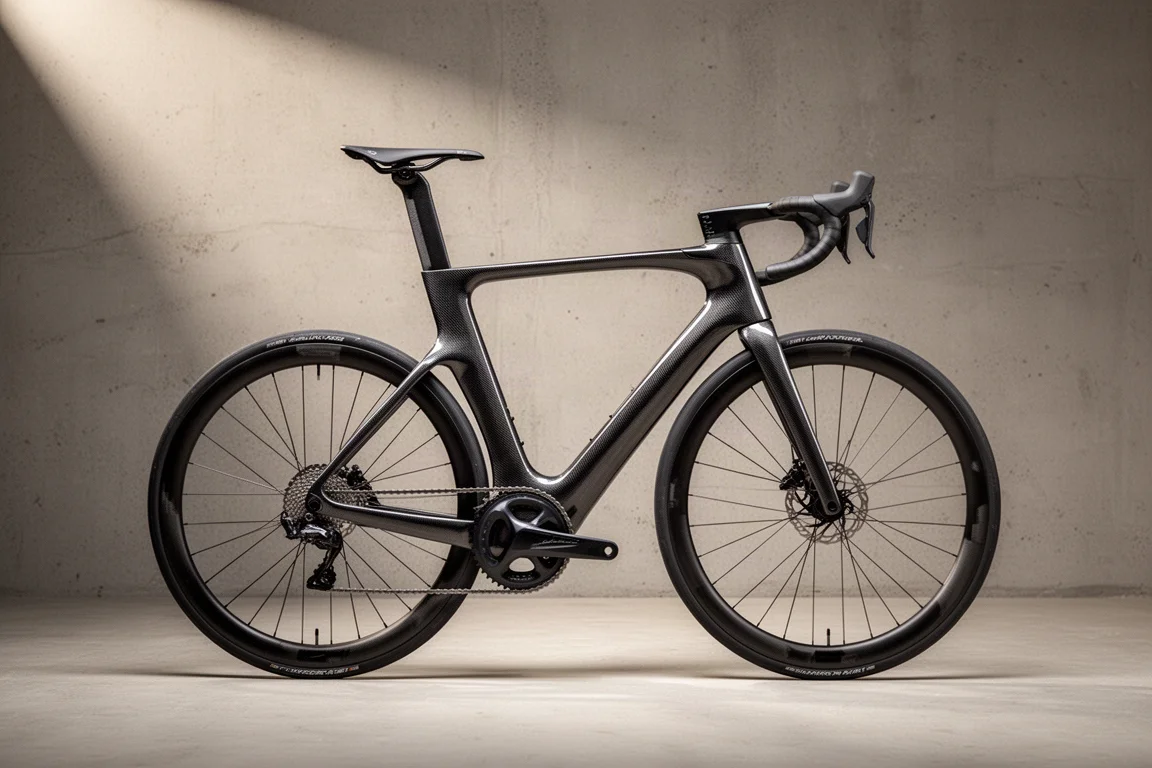
The two bikes share the same frame model, with the difference coming down to the carbon fibre and the layup used. Geometry is identical, and so is a distinctive engineering detail in the form of a triangular-shaped steering tube.
Parts of the specification overlap too. Both bikes run hydraulic disc brakes and both use wireless 12-speed groupsets. Those are the elements a rider touches and feels most often, which makes the similarity more meaningful than it first appears.
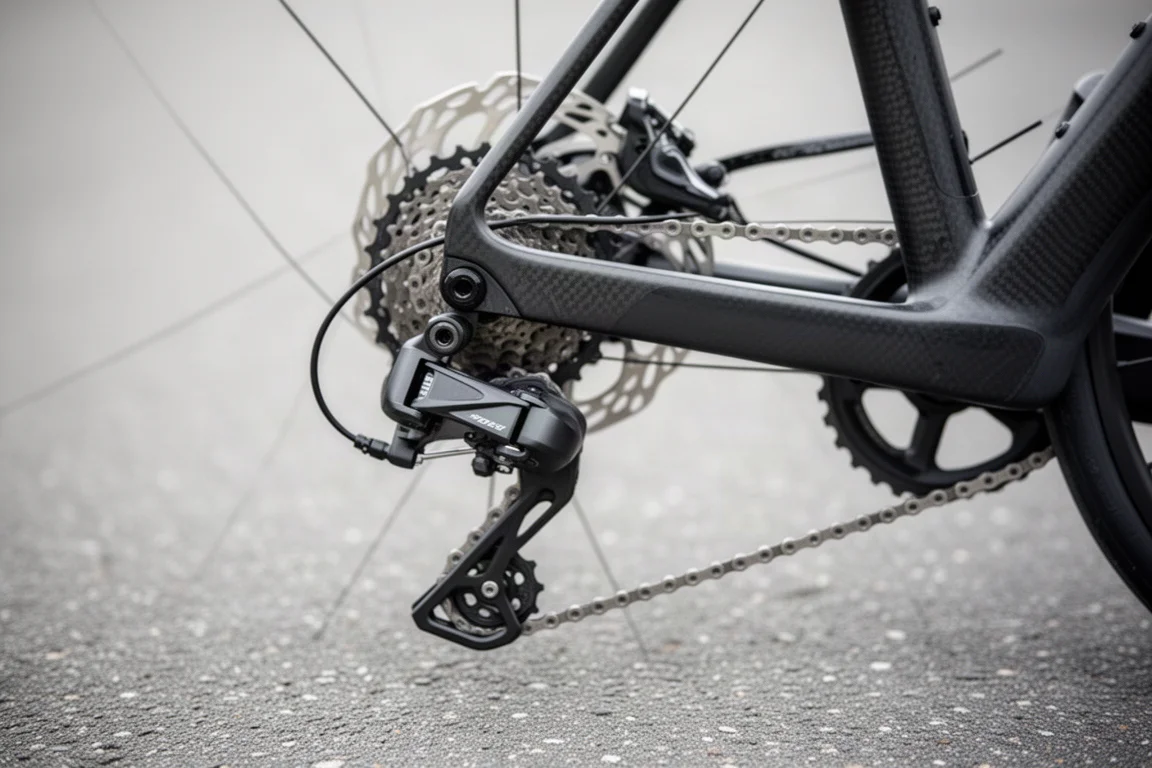
That shared foundation frames everything that follows. The differences between these two builds are concentrated in a handful of components rather than in the underlying ride position or handling philosophy.
Cannondale SuperSix EVO 3 Reviewed
On the scales, the EVO 3 weighs 8.49 kg. Its wheels are DT Swiss alloy items with box-section rims: strong, reliable and backed by a brand with a solid reputation, but not especially inspiring to ride. The handlebar is 40 cm wide and, because it is not part of a one-piece cockpit, it can be swapped relatively easily and affordably.
The groupset is Shimano, braking is hydraulic disc, and the bearings are steel. Everything a rider needs to go quickly is present. What is missing is the last layer of refinement.

Cannondale SuperSix EVO Lab 71 Reviewed
The Lab 71 tips the scales at 6.95 kg. It uses Cannondale’s most sophisticated carbon fibre layup, a carbon finish kit, and the best components SRAM offers. Its Reserve wheelset, which sells for around £2,500 on its own, pairs lightweight carbon rims and spokes with ceramic bearings. The rims are semi-hooked for good tyre compatibility and use a wide internal width, making them a natural match for the 28c and 30c road tyres that have become common. They combine low weight with impressive stability, particularly in crosswinds.
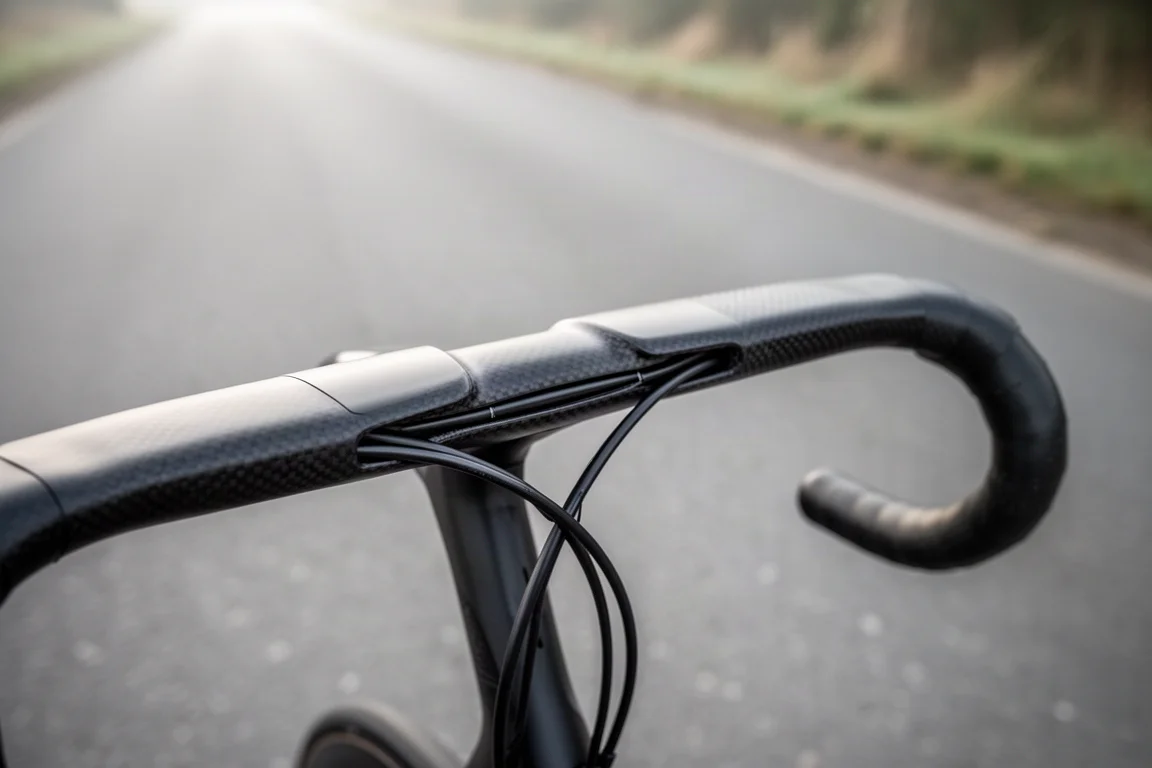
The cockpit is a one-piece integrated carbon bar, finished beautifully but specified at a full 42 cm. Replacing it with a narrower size is expensive, with Cannondale currently listing the bar at £450 or $650. The Lab 71 also carries a full complement of ceramic bearings in both the bottom bracket and the wheels.

Weight Difference in the Real World
The gap between 8.49 kg and 6.95 kg is roughly 1.5 kg. Placed in the context of total rider and bike weight, that works out at something in the region of 1 to 2 percent.
That is a genuine difference, but it is worth being honest about what it means. If your main concern is weight, a heavier bike that saves a substantial amount of money and asks you to work slightly harder along the way is a trade many riders will happily accept. Saving the equivalent of two 500 ml bottles of water is a real benefit, yet each rider has to decide how much that benefit is worth to them.
There is a practical middle path here too. Moving the Lab 71 wheels onto the EVO 3 removed almost a full kilo from the cheaper build, which shows how much of the weight story lives in the wheels rather than the frame.
Wheels and Cockpit Upgrades
Wheels are the first thing worth changing on almost any road bike, and these two builds illustrate why. The Reserve wheels on the Lab 71 are excellent, but they are not your choice. Buying the better value bike leaves room to select a wheelset matched to the riding you actually do, whether that means a deeper or a shallower rim, and it leaves you with a spare set of alloy wheels for winter miles or as a backup while the good set is being serviced.
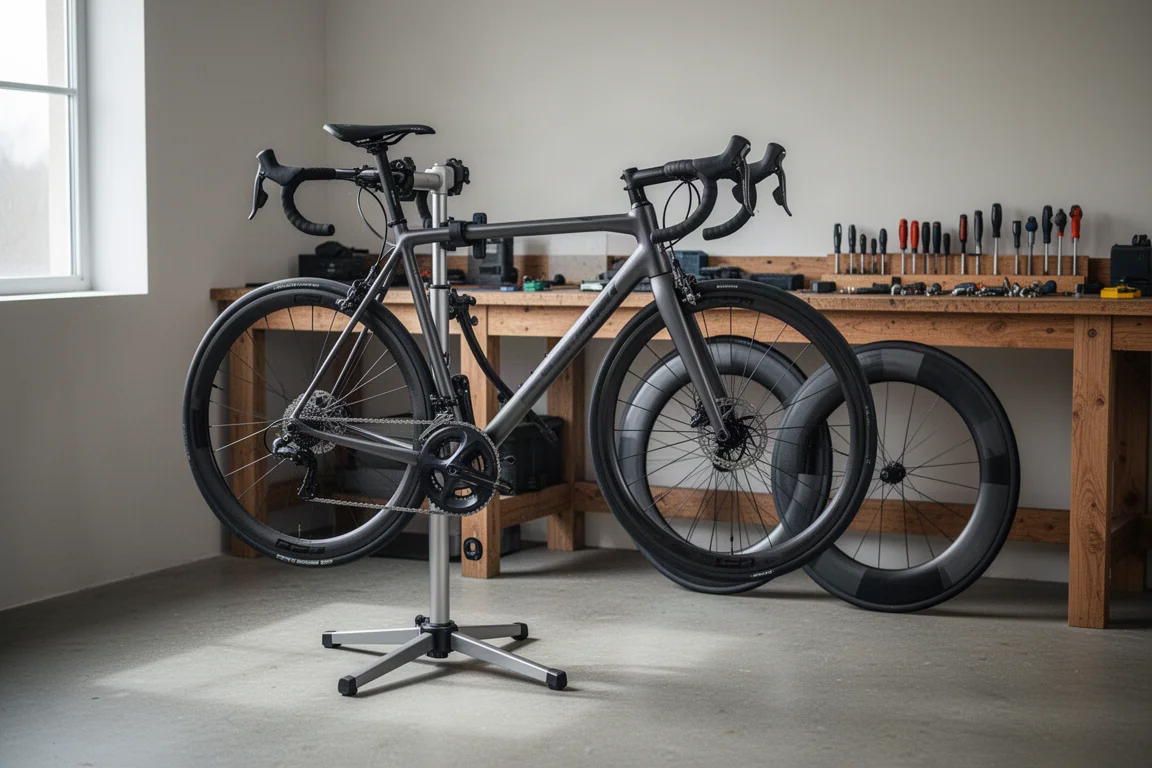
The arithmetic is compelling. Buy the EVO 3, add a set of wheels, and there is still a substantial amount of money left over compared with the range topper. A set of wheels from Hunt is a sensible match for a bike like the EVO 3. Upgrading wheels and tyres together produces a large improvement in ride quality and a useful weight saving, moving the cheaper bike a long way toward the feel of the Lab 71.
Handlebar width deserves the same scrutiny. Brands routinely fit bars that are wider than many riders need, and Cannondale is not innocent in this regard. Sizing down from a 42 cm bar to a 38 cm bar has been shown in wind tunnel testing to save somewhere in the region of 17 to 35 watts, which is a considerable amount of free speed. On the EVO 3 that change is straightforward. On the Lab 71 it means replacing an expensive integrated cockpit.
Ceramic Bearings and Other Details
The Lab 71 uses ceramic bearings throughout, and they are genuinely lovely to spin by hand. In a blind test, though, most everyday riders would struggle to tell them apart from good steel bearings. Well-made steel bearings from a reputable brand, kept properly maintained, perform extremely close to ceramic ones and cost considerably less over time. Knowing they are there is nice; missing them is unlikely.
The bigger question is your point of reference. If you have never owned a carbon road bike with electronic gearing and disc brakes, the EVO 3 will not disappoint you. If you already ride a well-specced bike with all of those features, the EVO 3 may feel like a step backwards, and the case for buying it comes down to wanting a dedicated race bike or a machine to take on holiday.
Buying Advice for Both Builds
The sensible route is clear. Buy the better value bike, upgrade the wheels and tyres, and make sure the handlebar width suits you. That combination gets you most of the way to the range-topping experience for a fraction of the cost.

The other route is equally valid. If the budget is there and you simply want the Lab 71, buy it. It will not disappoint, and you will have a great deal of fun on it. Bikes at this level are an emotional purchase, and loving the bike you own plays a large part in how often you ride it. Nobody buying the Lab 71 can claim they need it for marginal gains, because riders who genuinely need marginal gains are paid to be on their bikes rather than buying them.
It is also worth remembering that road riding is available at a far lower price than either of these machines. For most riders, speed comes down to the engine rather than the frame.
Conclusion
Both bikes are excellent, and the right choice depends on what you already know and what you want to feel. The SuperSix EVO 3 is the pragmatic pick, particularly once you factor in a wheel and tyre upgrade and a correctly sized handlebar. The SuperSix EVO Lab 71 is the emotional pick, and for riders with the means, it delivers a lighter and more refined build without compromise.
Further reading
Related Reviews

Road Bikes
10 New Road Bikes Worth Watching: Aero, Titanium, Steel and Endurance Standouts
A practical roundup of 10 new road bikes, from aero flagships chasing single-watt gains to titanium, steel and endurance platforms built for real roads.
Road Bikes
2026 Tour de France Road Bikes: Six Race Machines Worth a Closer Look
Six race bikes from the 2026 Tour de France grid, reviewed for paint, silhouette, wheels and the specification details that matter to buyers.
Road Bikes
3T Strada Italia Review: A Radical Aero Road Bike That Rides Smooth
A made in Italy carbon aero road bike with a deep head tube, wide tire clearance and a genuinely comfortable ride. Here is what to know before buying.