Road Bikes
Cannondale SuperSix EVO 3 vs LAB71: Is the Value Build Enough?
A head-to-head look at the Cannondale SuperSix EVO 3 and the range-topping SuperSix EVO LAB71, and what the price gap really buys on the road.
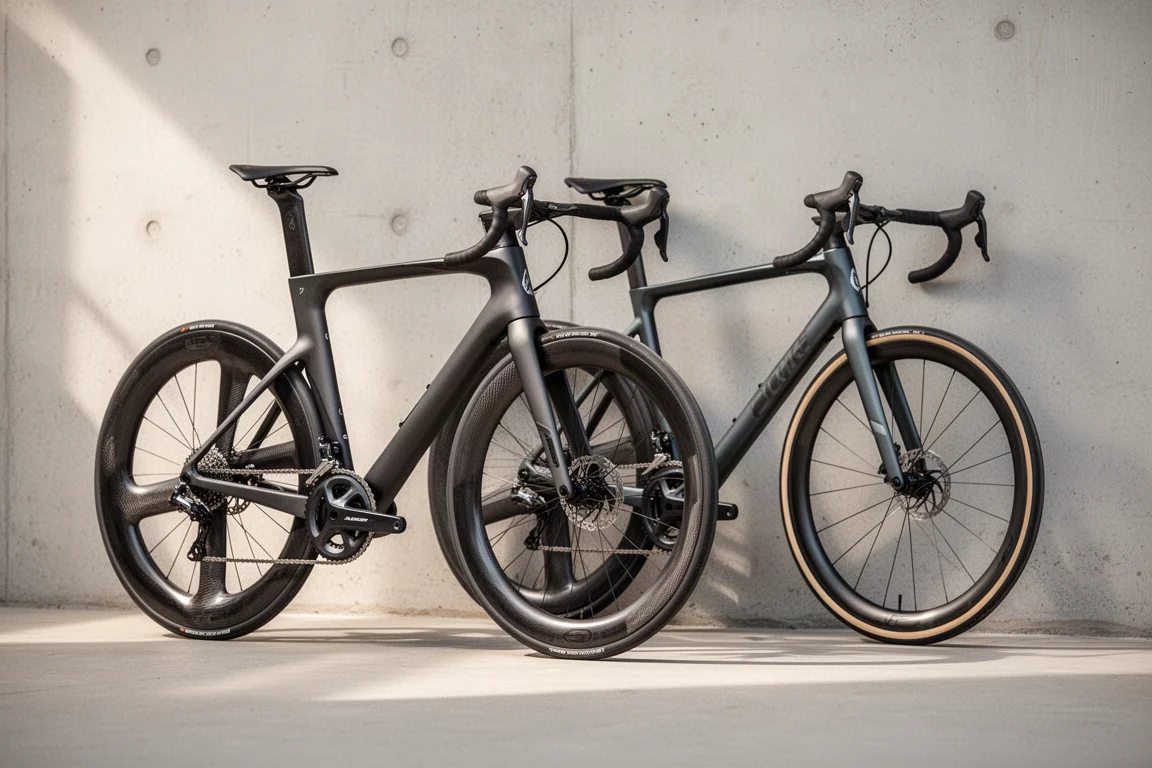
Introduction
Cannondale’s SuperSix EVO range asks a familiar question in a very direct way. How much of the dream bike do you actually need, and how much of it are you simply paying for? The two builds that frame that question best are the SuperSix EVO 3, at around £4,000 or $4,200, and the range-topping SuperSix EVO LAB71, which sits at roughly £12,500.
Both carry the same model name, the same geometry and the same overall design language. What separates them is the carbon layup, the component specification and the finishing kit. That makes them a genuinely useful comparison, because it isolates where the extra money goes and whether an everyday rider would notice the difference out on the road.
Weight: The Most Obvious Difference
Weight is the first place most riders look, and the gap here is real but smaller than the price gap suggests. The LAB71 build measures 6.95 kg on the scales, while the SuperSix EVO 3 comes in at 8.49 kg. That is roughly a kilogram and a half between them.
Put that difference into the context of a rider plus bike, and it works out at something in the region of one to two percent of the total system weight. Whether that matters depends entirely on your priorities. A heavier bike that saves a substantial amount of cash will still get you up the same climbs, and it may simply ask a little more effort in return. For many riders that is a far better return on the money.
The weight saving is not imaginary, though. It is there, and it is measurable. The question is how much value you personally attach to shedding the equivalent of two 500 ml water bottles.
Cannondale SuperSix EVO 3: The Value Build
The EVO 3 is built around reliable rather than exotic parts. Its wheels come from DT Swiss, using box-section alloy rims. They are strong, dependable and backed by a brand with a strong reputation, but they are not the most inspiring wheels to ride.
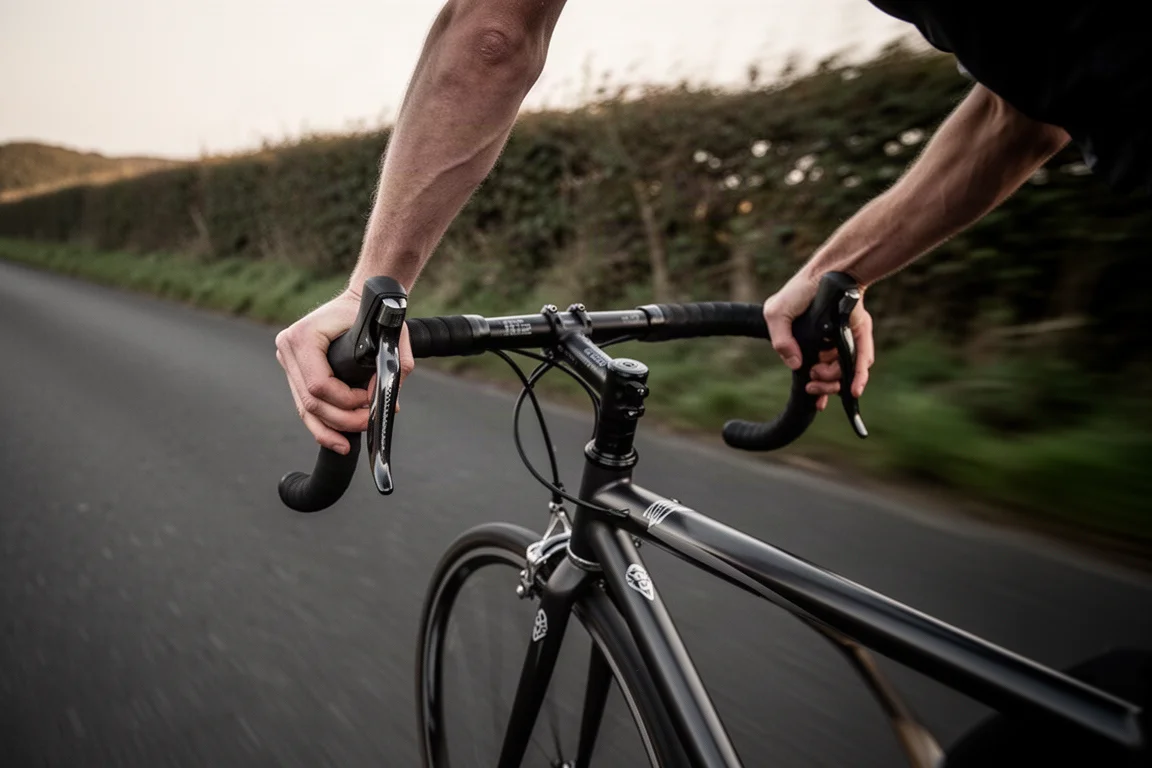
The handlebars are 40 cm wide and, importantly, they are not part of a one-piece cockpit. That means they can be swapped fairly easily for a different width or a different specification, at a fraction of the cost of changing an integrated bar.
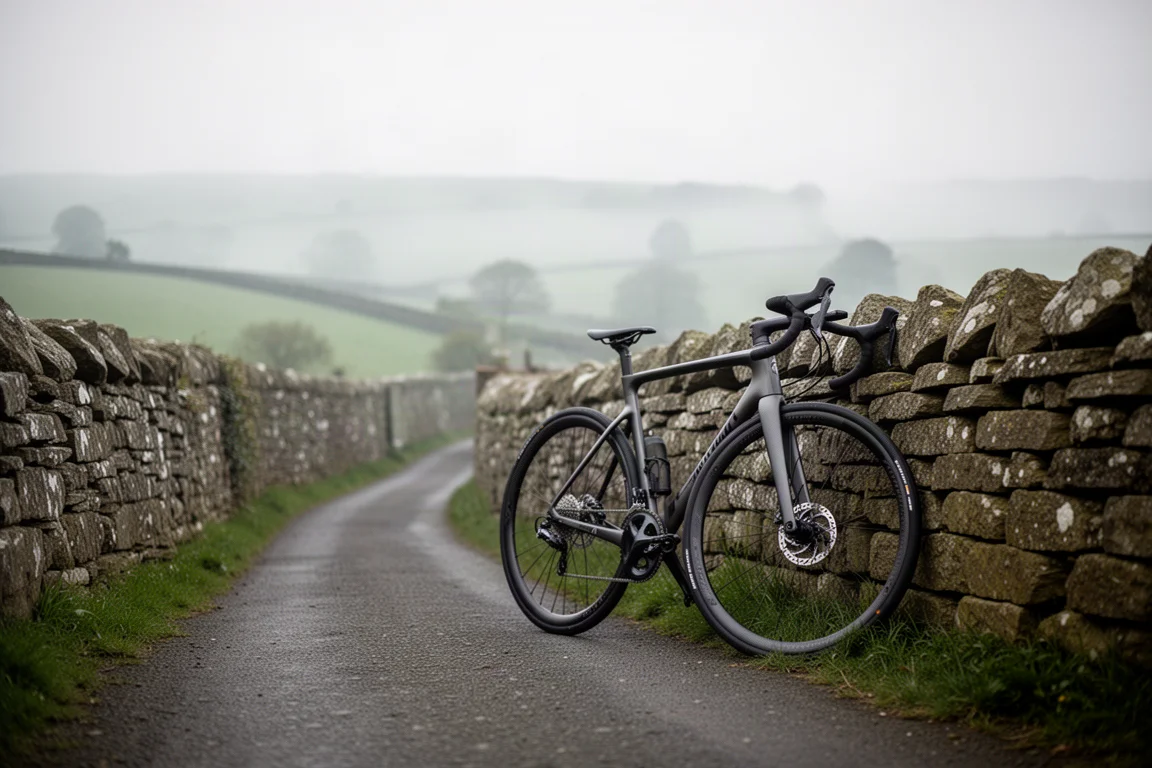
Elsewhere the EVO 3 keeps the features riders interact with most. It runs hydraulic disc brakes and a wireless 12-speed groupset, and it shares the same frame platform and geometry as the more expensive build. For anyone stepping up to a carbon road bike with electronic shifting and disc brakes for the first time, there is very little here to feel short-changed by.
Cannondale SuperSix EVO LAB71: The Range Topper
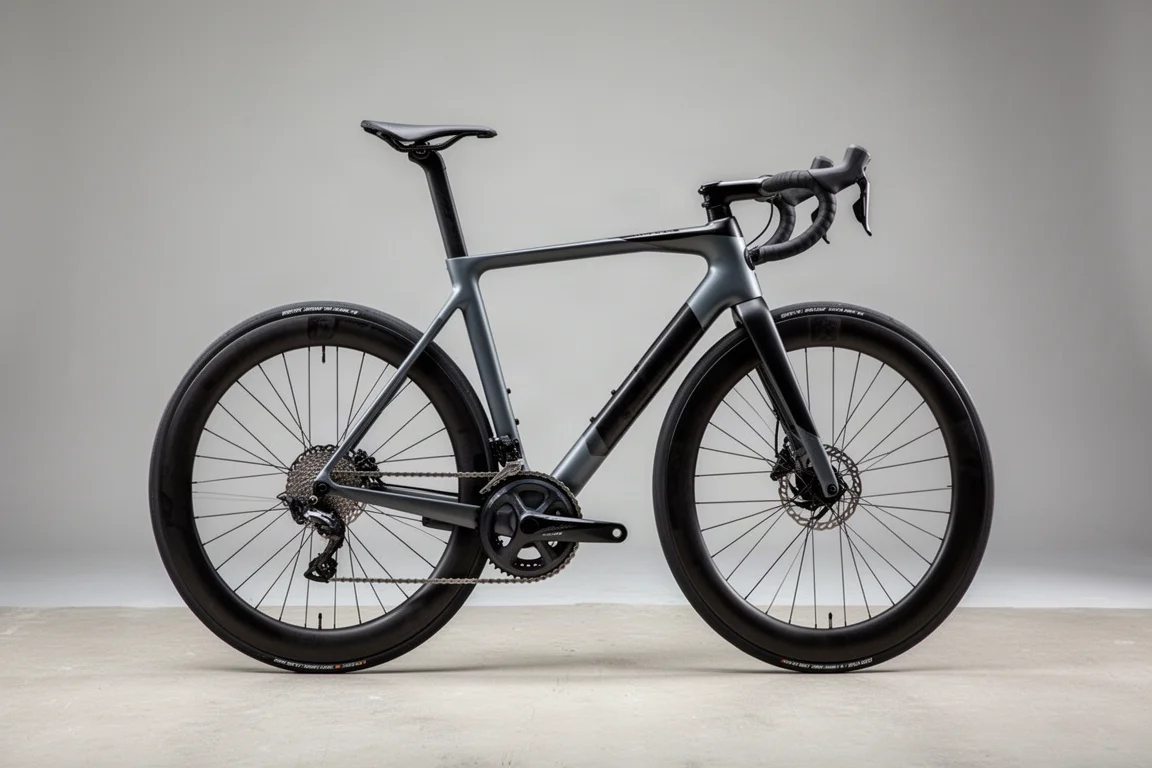
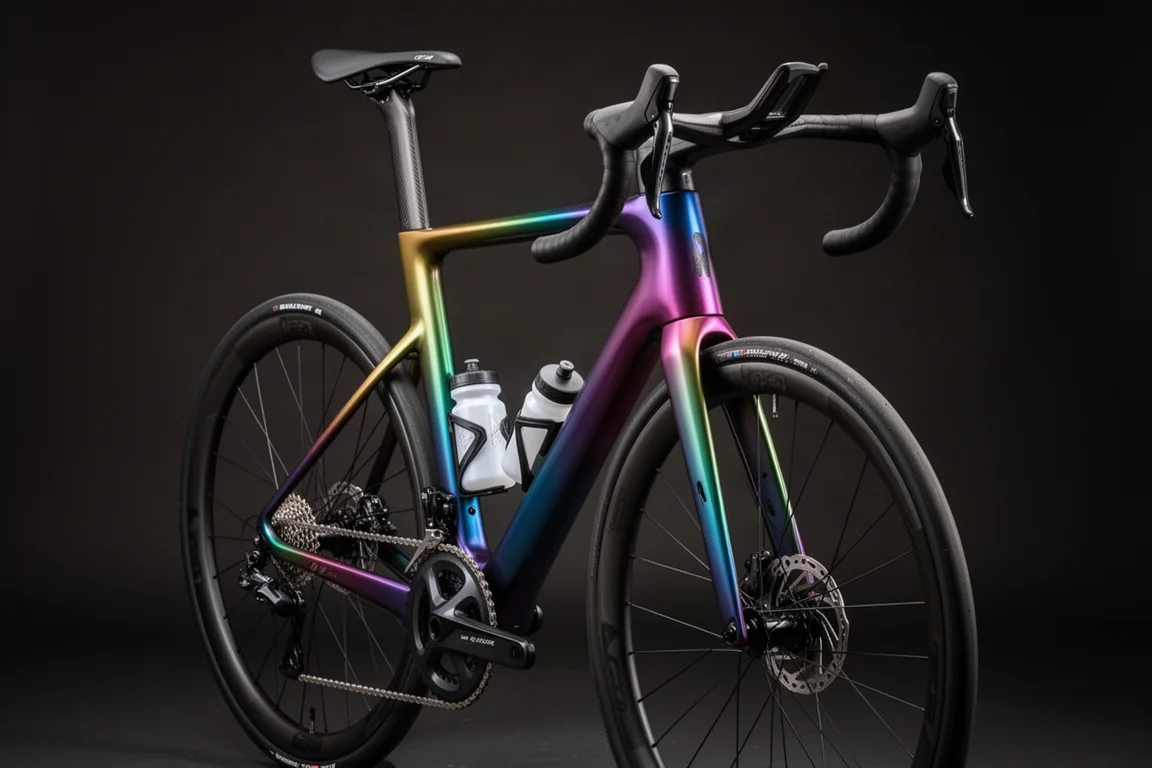
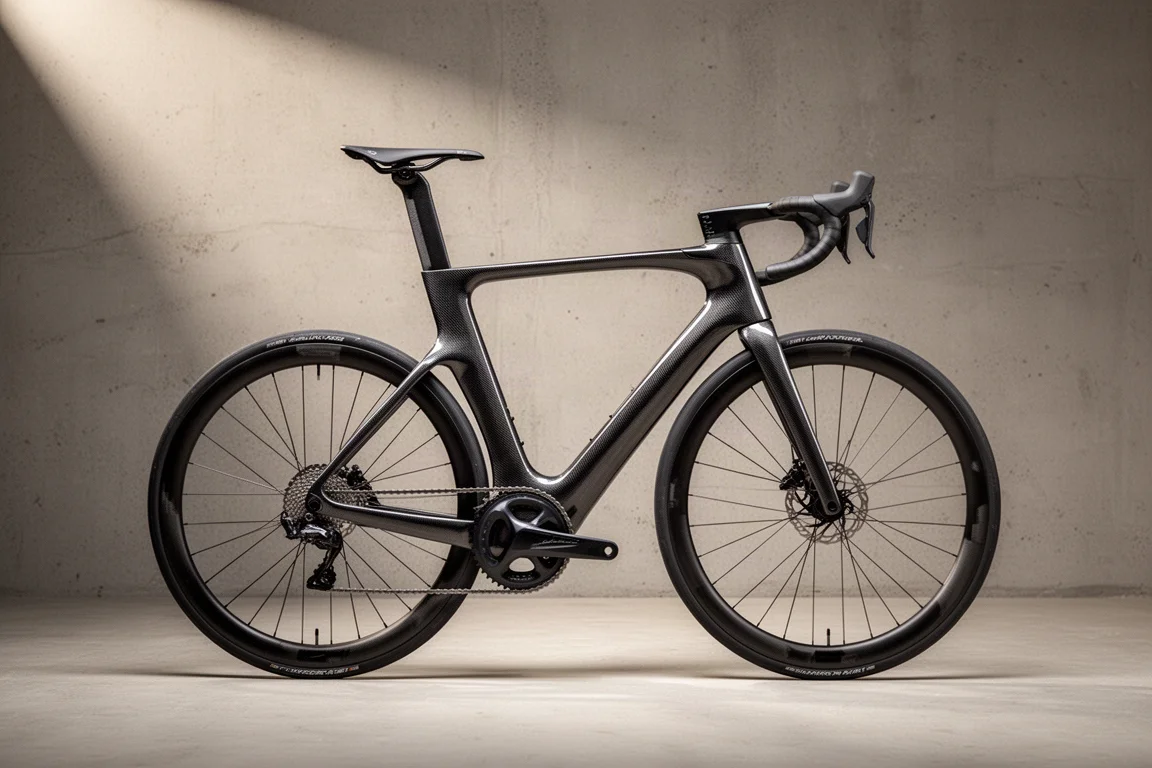
The LAB71 is the version with everything thrown at it. It uses Cannondale’s most sophisticated carbon fibre layup, the best components SRAM offers, and a set of Reserve carbon wheels worth around £2,500 on their own. Those wheels use lightweight carbon rims and spokes, aerodynamic shaping and ceramic bearings, and they pair a semi-hooked rim profile with a wide internal rim width that suits the 28 mm and 30 mm road tyres that are common today.
The build also includes a full set of ceramic bearings in both the bottom bracket and the wheels, plus a one-piece integrated carbon cockpit. That cockpit is undeniably beautiful, but it comes in at a full 42 cm wide. Narrower bars are measurably faster, and replacing an integrated bar of the wrong width is an expensive job. Cannondale lists the replacement at £450 or $650, before fitting.
What the Two Bikes Share
It is worth pausing on the similarities, because they are more extensive than the price gap implies. The two bikes share the same frame model, the same geometry and the same engineering details, including the triangular shaped steering tube. Only the carbon fibre and layup differ.
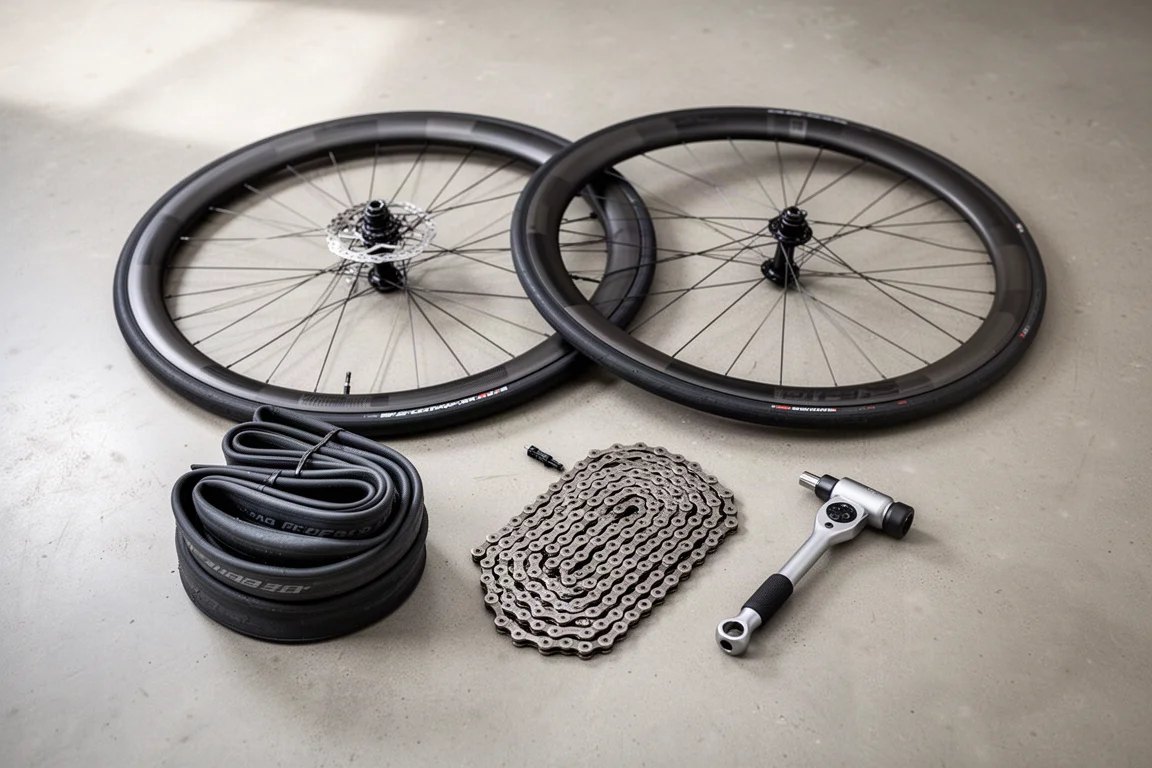
They also share hydraulic disc brakes and wireless 12-speed groupsets. Those are the parts of a bike a rider engages with constantly, on every ride, and they are effectively equivalent here. That overlap is what makes the value question so pointed. If the frame feel and the shifting experience are this close, what exactly are you buying with the extra money?
The honest answer is refinement: less weight, better wheels, and a more premium finish throughout.
Wheels, Handlebars and Bearings: Where the Money Actually Goes
Wheels are the single biggest differentiator, and the first upgrade most riders should consider on any bike. The Reserve wheels on the LAB71 are excellent. They combine low weight with impressive stability, particularly in crosswinds, which makes them well suited to a rider who wants speed on the flats, speed on the climbs and composure on descents.
There is a practical argument for buying the value build instead. Fitting the LAB71’s wheels to the EVO 3 removed close to a kilogram, which is a substantial step toward that bike’s performance for a much smaller outlay. You could buy the EVO 3 and a set of Reserve wheels and still have thousands left over. For the EVO 3 specifically, a set of wheels from Hunt would be a better-matched pairing, and it also leaves you with a spare set of alloy wheels for winter riding or as a backup while the good ones are serviced. Upgrading wheels and tyres together delivers a large jump in ride quality and a useful weight saving.
Handlebars matter more than many riders assume. Sizing down from a 42 cm bar to a 38 cm bar produces measurable watt savings in wind tunnel testing, which is a meaningful amount of free speed. The EVO 3’s two-piece setup makes that change cheap and simple. The LAB71’s integrated cockpit makes it costly.
Ceramic bearings are the least convincing part of the upgrade. They spin beautifully, and a full set of them is a nice thing to have, but in a blind test most everyday riders would not be able to tell them apart from steel bearings. Well maintained steel bearings from a good brand perform extremely close to ceramic, and they cost considerably less over time. This is not something you are missing out on by choosing the value build.
Buying Advice
The practical route is clear. Buy the better value bike, upgrade the wheels and tyres, and make sure the handlebars are the right width for you. That combination closes most of the gap to the range-topping build for a fraction of the price, and it leaves you with a bike that fits your riding rather than the specification someone else chose.

If you already own a well-specced bike with electronic shifting, disc brakes and carbon wheels, the EVO 3 may feel like a step down rather than a step up. In that case, only buy it if you specifically want something to race on or to take away on holiday.
If the budget is comfortable and you simply want the LAB71, then buy it. It is a superb bike and you will enjoy riding it. Nobody buying a build at this level can claim they need it for marginal gains, because the riders who genuinely need marginal gains are not buying their own bikes.
Conclusion
Bikes like these are an emotional purchase. Riding on the road is possible for far less than either of these builds cost, and the more expensive option is simply a more emotional one. We buy bikes because we want them, because we like how they look, how they make us feel, and the enjoyment they create when we push down the tarmac.
So while most of us would love something like the LAB71 in the garage, we would be just as quick on something costing much less. For the majority of riders, speed is not the deciding factor. It is something far less tangible. And if speed is what you are after, remember that the engine matters more than the frame.
Further reading
Related Reviews
Road Bikes
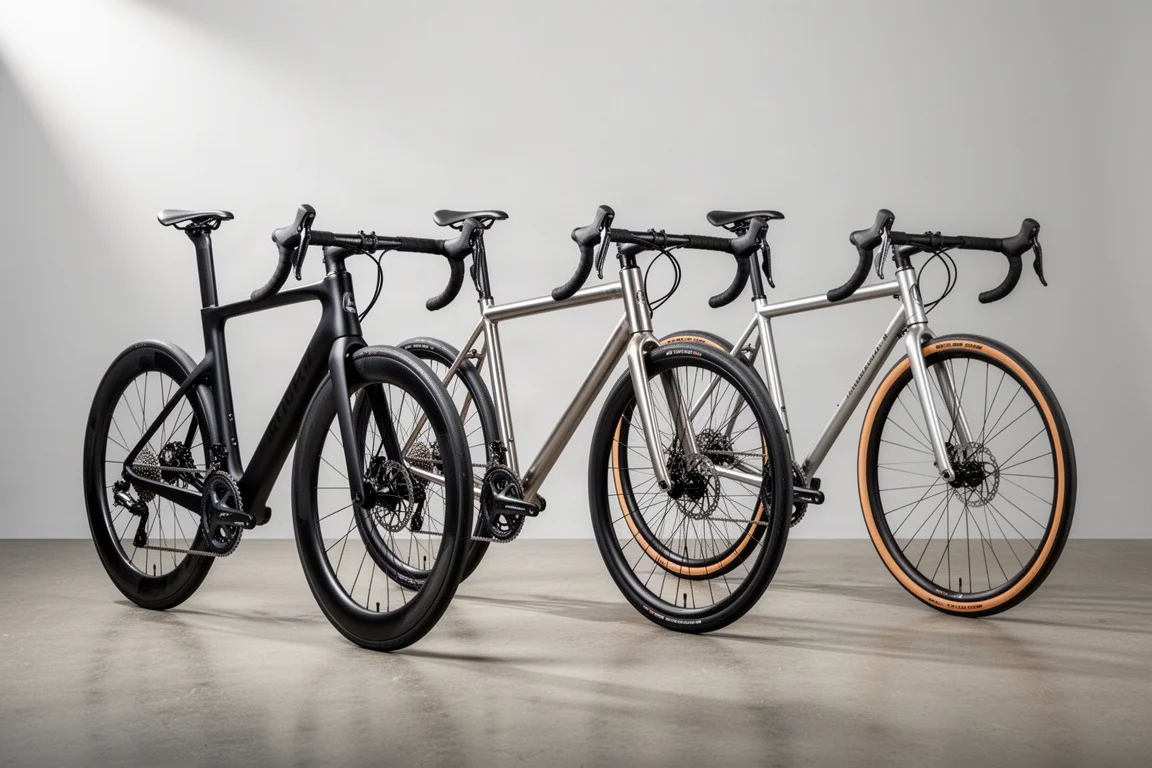
10 New Road Bikes Worth Watching: Aero, Titanium, Steel and Endurance Standouts
A practical roundup of 10 new road bikes, from aero flagships chasing single-watt gains to titanium, steel and endurance platforms built for real roads.
Road Bikes
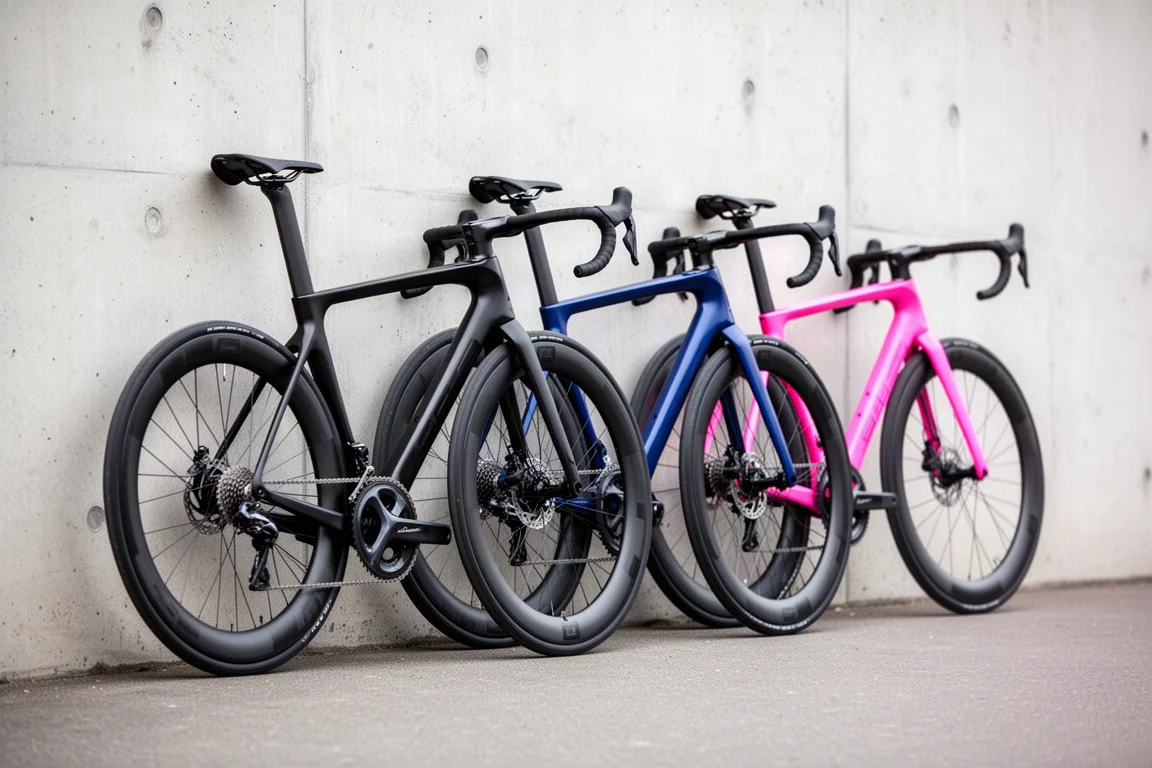
2026 Tour de France Road Bikes: Six Race Machines Worth a Closer Look
Six race bikes from the 2026 Tour de France grid, reviewed for paint, silhouette, wheels and the specification details that matter to buyers.
Road Bikes
3T Strada Italia Review: A Radical Aero Road Bike That Rides Smooth
A made in Italy carbon aero road bike with a deep head tube, wide tire clearance and a genuinely comfortable ride. Here is what to know before buying.