Road Bikes
Cannondale SuperSix Evo 3 Review: Inside the Gen 5 All-Rounder Race Bike
A measured look at the fifth generation Cannondale SuperSix Evo, reviewed here in SuperSix Evo 3 form: sharper geometry, familiar handling, and a spec that needs very little changing.
Introduction
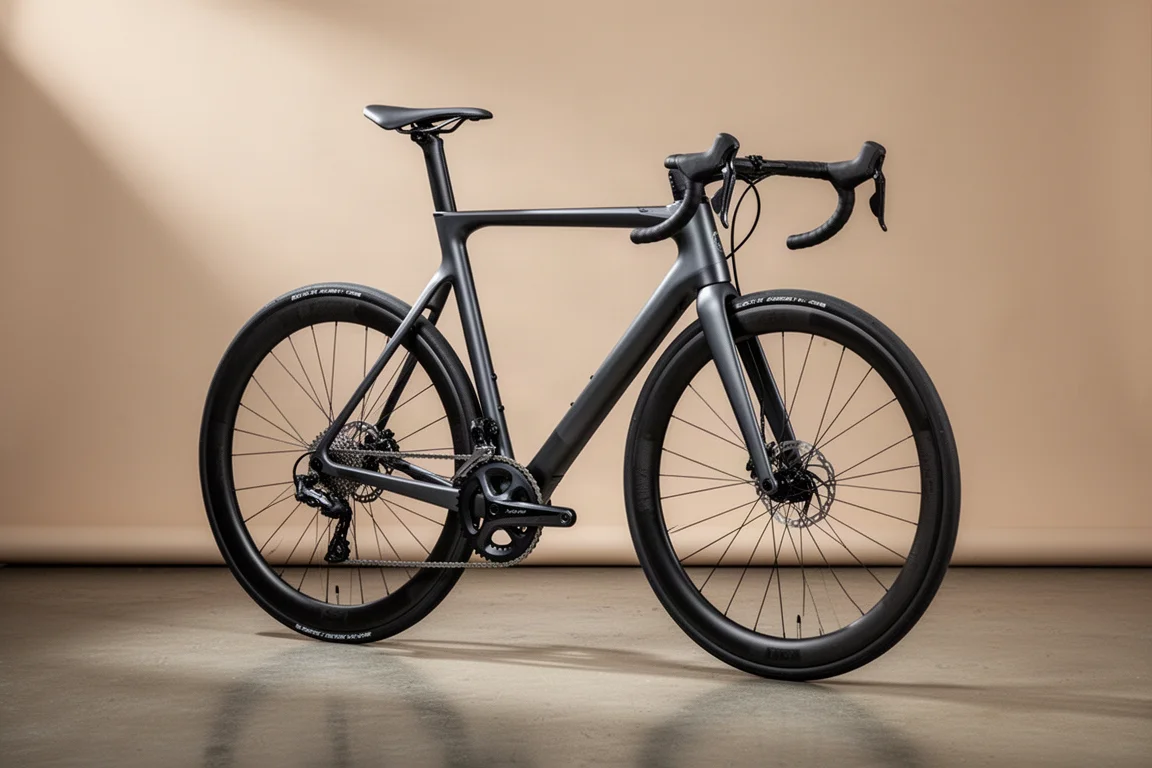
The fifth generation Cannondale SuperSix Evo has arrived, and the honest headline is that this is a small update. The silhouette is almost identical to the bike it replaces, and the changes are the sort you notice on a spec sheet more than in a photo. That is not a criticism so much as context: Cannondale has refined a well-regarded all-rounder race bike rather than reinvented it.
This review focuses on the Cannondale SuperSix Evo 3, the build tested here. It costs just under £7,000 and pairs Cannondale’s third tier carbon frameset with a SRAM Force AXS groupset and DT Swiss wheels. It is a race bike with an all-rounder brief, and the question is whether the package justifies the money in a crowded market.
Who the Cannondale SuperSix Evo 3 Is For
This bike is aimed at riders who want one machine that does most things well. It is not a dedicated aero weapon and not a dedicated climbing special. It is the middle path: stiff enough to feel responsive out of the saddle, stable enough to be predictable at speed downhill, and light enough in feel that the scales are almost beside the point.
The rider profile that fits best is someone doing long, varied road rides and the occasional faster group outing, who wants a race geometry bike that still behaves itself on a rolling route. If you already own a fourth generation SuperSix Evo, there is very little here to tempt you into an upgrade, because the changes are subtle enough that most riders would not feel them out on the road.

It is also worth being clear about who should look elsewhere. Riders who specifically want the sensation of a rapid, flat-road aero machine, in the mould of a SystemSix or an S5, will find this bike makes deliberate compromises for weight that soften that impression. Understanding which of those two characters you actually want is the most useful decision you can make before spending this kind of money.
Frame and Geometry Changes in Generation 5
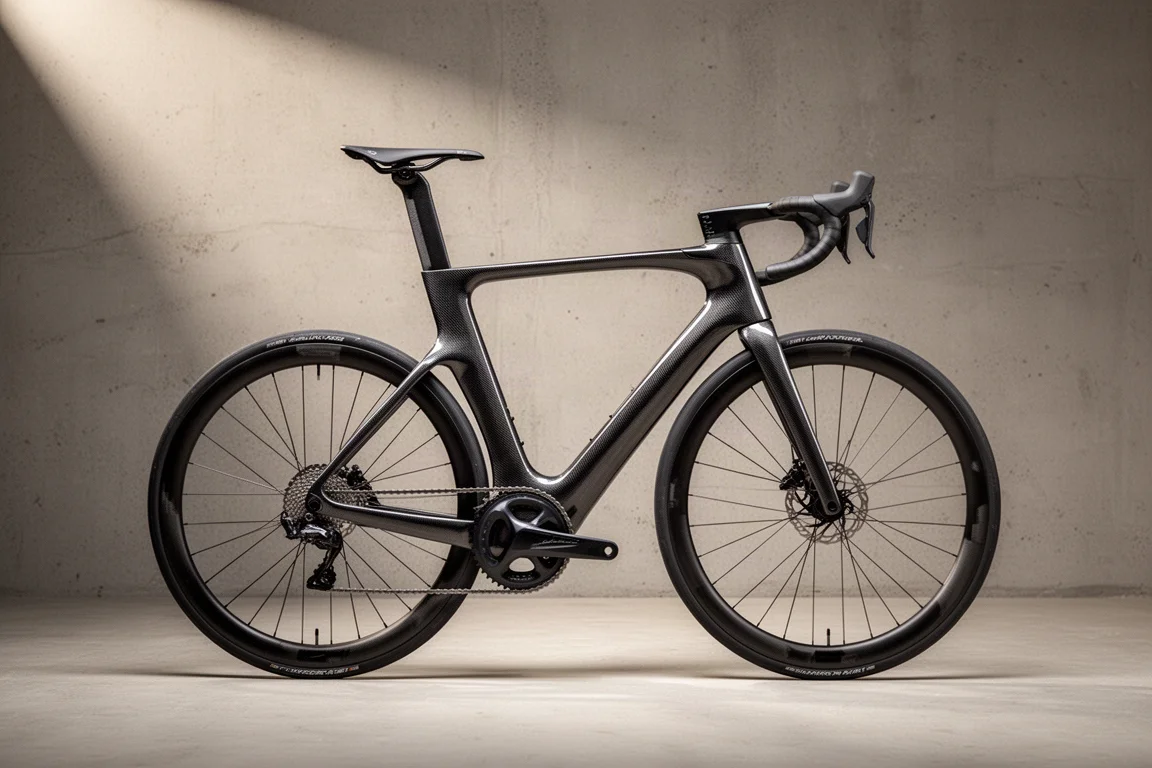
Cannondale has made a series of modest aerodynamic adjustments. The fork is narrower and tracks the head tube more closely, and the head tube itself takes on a slightly more hourglass shape, both for small aero gains. At the bottom of the seat tube there is a new cutout, a detail that echoes the Synapse endurance bike and is there to add a little comfort. Tire clearance, notably, is unchanged front and rear.
The more consequential change is in the geometry. The head tube is 10 mm shorter, which increases reach and decreases stack slightly compared with the previous generation. On the road, that makes the bike feel a touch longer than the old one. The frame is also a little more aerodynamic and a little lighter overall.
Elsewhere, the familiar details carry over. The delta steerer arrangement remains, which keeps compatibility with standard stems as well as integrated bar options from Cannondale, Vision, and a range of third party manufacturers. The bottom bracket is still threaded. At the rear there is now a UDH compatible derailleur hanger, which makes the frame compatible with the latest direct mount groupsets. Cannondale has also widened the build range, splitting the line into aero-focused builds with a one-piece cockpit and deeper wheels, and lightweight builds with a lighter cockpit and lighter wheels. The top Lab 71 build is claimed to reach weights as low as 6.4 kg.
How It Rides: Handling, Stiffness, and Weight
Handling has long been the SuperSix Evo’s strongest card, and this generation does not give that up. It is very stiff through the pedals and through the head tube, which makes it feel direct when you are pulling on the bars out of the saddle or pushing hard on a climb. The overall impression is light and reactive, and descending is a particular strength: predictable, stable, and reassuring when the speed climbs.
The numbers tell a different story from the feel. On the scales, this build came in at 7.7 kg without pedals, including bottle cages and a mount. That is not a light figure for a bike at this price, yet it does not ride like a heavy bike. The reactive handling and stiff frame mean it never feels like it is holding you back on the climbs.

What it does not deliver is that sharp, fast aero-road sensation on flat ground. As an all-rounder, that is an inevitable trade-off, and it is worth being honest about it rather than expecting a superbike surge from the first pedal stroke.
Build, Wheels, and Groupset
The SRAM Force AXS groupset is a genuine highlight. The ergonomics of the new shifters are excellent, though they are a little longer, and that does contribute slightly to the reach of the bike. Braking is very good. Shifting is still a touch slower than Shimano’s, but it is crisp, accurate, and reliable, and that is not the kind of difference that would change a purchasing decision. SRAM power meters also have a good reputation for reliability.
The wheels use DT Swiss ERC rims, which are the endurance-oriented option rather than a narrower road racing rim. That brings a wider internal width, which in turn makes the tyres sit wider: the 28 mm tyres fitted here measure around 30 mm across. That is a good outcome and not something to complain about. The hubs are more basic than you would normally find on a DT Swiss wheelset, essentially unbranded aluminium units, and the spokes are round rather than narrow. In practice, neither is something you are likely to notice on the road.
The tyres themselves are the one part of the build that feels underwhelming. They are tubeless ready and perfectly serviceable, but they make the bike feel a little wooden compared with a pro-level race tyre such as a GP 5000 or a Pro One. They are the obvious first upgrade.
Things to Consider Before Buying
The first thing to think about is fit. This is a long, stretched-out race bike. The 10 mm lower head tube reduces stack and increases reach, the 56 cm test bike came with a 15 mm setback seatpost, the saddle is a longer, more old-school shape, and the longer hoods add further reach. None of that is a fault in a race bike, but if you are not used to a low, long position, you may notice a sore neck after a few hours. A bike fit before buying is a sensible precaution.
The second consideration is value. Judged against the market, this is not obviously a bargain. It is priced similarly to a Specialized Tarmac SL8 Pro, which uses Specialized’s second tier frameset. The Cannondale here uses its third tier frameset, below the Lab 71 and Hi-Mod options. The Specialized also brings an integrated bar, its own Roval wheels, a Force AXS groupset with a power meter, and costs roughly £250 more. Put simply, similar money buys a higher tier frame elsewhere.
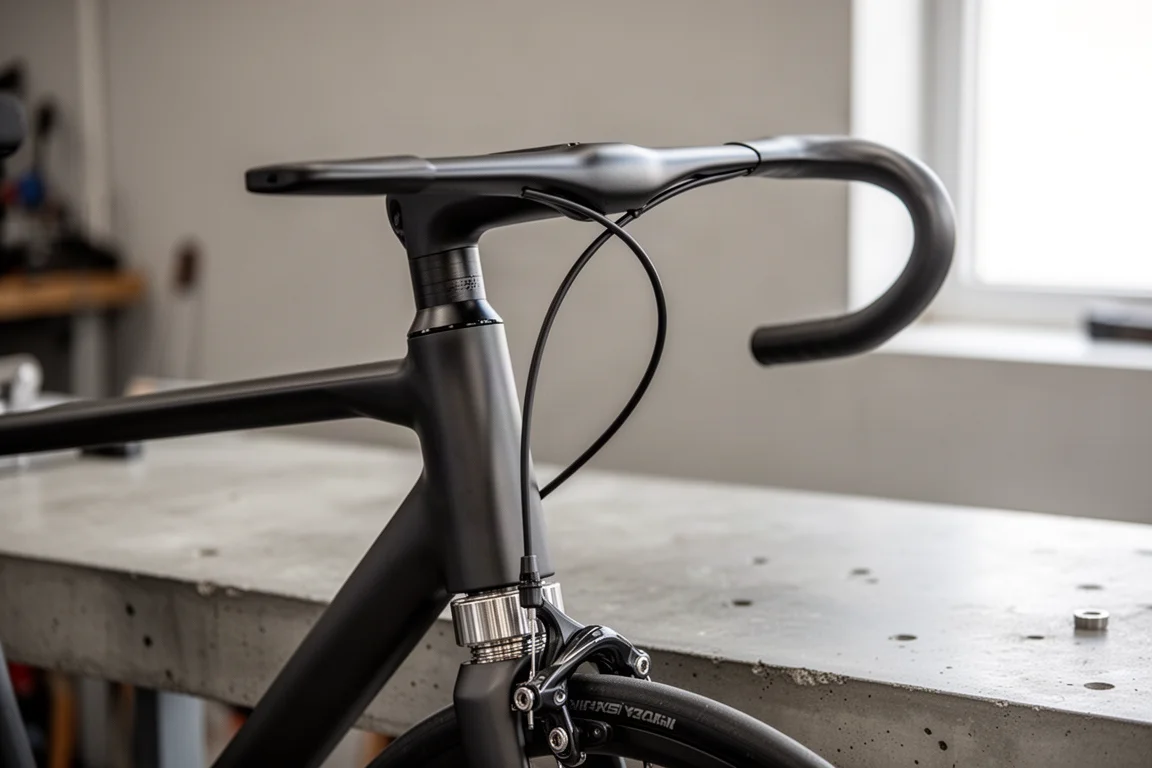
There is also the question of finish. At this tier the paint options are a grey and black scheme or a glossy cherry alternative, which are more restrained than the finishes reserved for the Lab 71 and team issue bikes. If a distinctive paint job matters to you, that is worth knowing before you commit.
Value, Alternatives, and Paint Options
Value in cycling is subjective, and there is nothing wrong with buying the bike you like the look of or feel an affinity with. Plenty of riders pay a premium for Specialized or Cannondale and are happy with that decision. Still, if you are comparing carefully, Giant’s Propel Advanced Pro stands out as a strong value proposition at roughly this groupset level, and it includes a power meter spider along with the sort of well considered own-brand kit Giant fits across its range.
None of this makes the SuperSix Evo 3 a poor bike. It makes it a bike you buy with your eyes open, ideally because its handling and its all-rounder character matter more to you than the absolute best frame tier per pound.
Buying Advice
If you are in the market for a brand new race bike and you want an all-rounder, this is a very good option. The handling is excellent, the specification is strong, and beyond the tyres there is little that needs changing from the box. Riders who already own a fourth generation SuperSix Evo should stay put. The changes are so small that they would be hard to feel on the road.
If, on the other hand, you are chasing that addictive rapid feel of a dedicated aero bike, this is not the machine for that job. The SuperSix Evo 3 makes deliberate compromises in favour of weight and balance, and it is a better purchase when you understand and want exactly that.
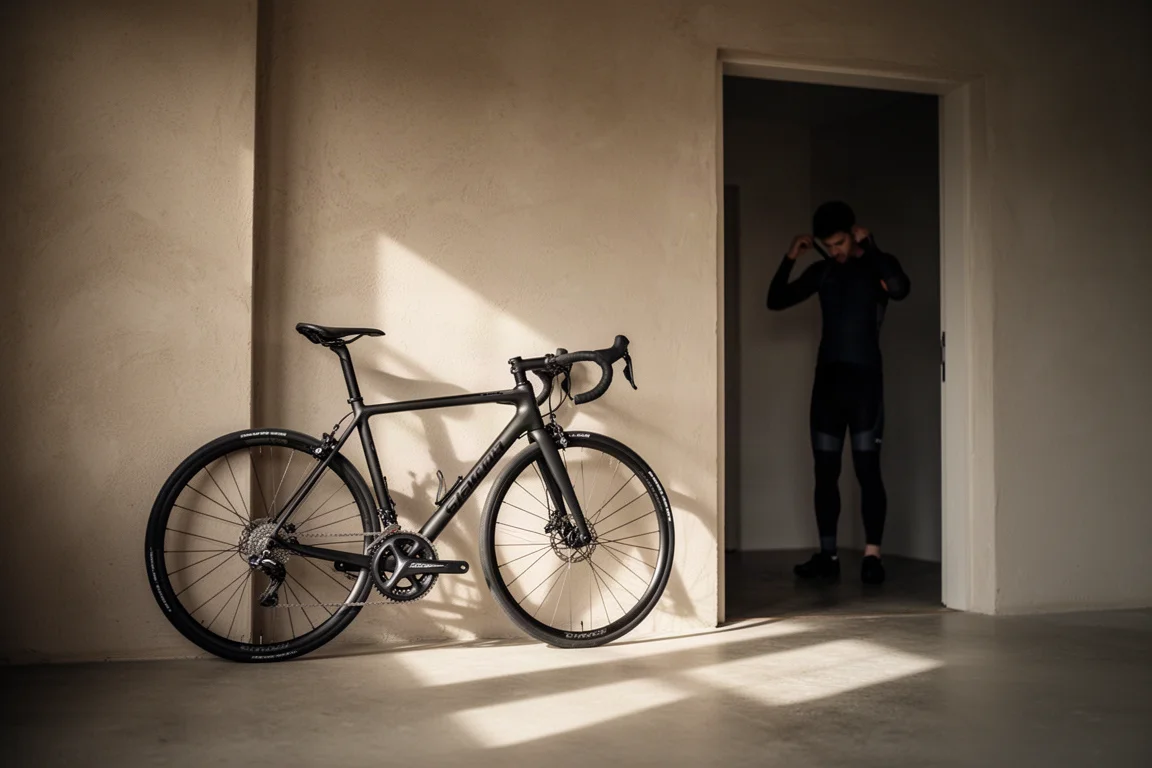
Before committing, it is worth narrowing the decision down to two questions: does the geometry suit your body and your riding, and does an all-rounder race bike genuinely match the riding you do most often? Answer both honestly, and this becomes a straightforward choice.
Conclusion
The fifth generation Cannondale SuperSix Evo is a careful, incremental update rather than a reinvention, and the SuperSix Evo 3 is a genuinely nice bike within that brief. It is stiff, reactive, and beautifully composed downhill, with a strong groupset and wheels that do their job well. The compromises are real but predictable: a long race position, an unremarkable tyre choice, and a frame tier that sits a step below what the price suggests elsewhere. For riders who value handling and versatility above outright aero speed, it earns its place on the shortlist.
Product link
View more details for Cannondale SuperSix EVO 3
This product is mentioned in the review. Check the specifications, options, and compatibility before buying.
View more details for Cannondale SuperSix EVO 3Further reading
Related Reviews

Road Bikes
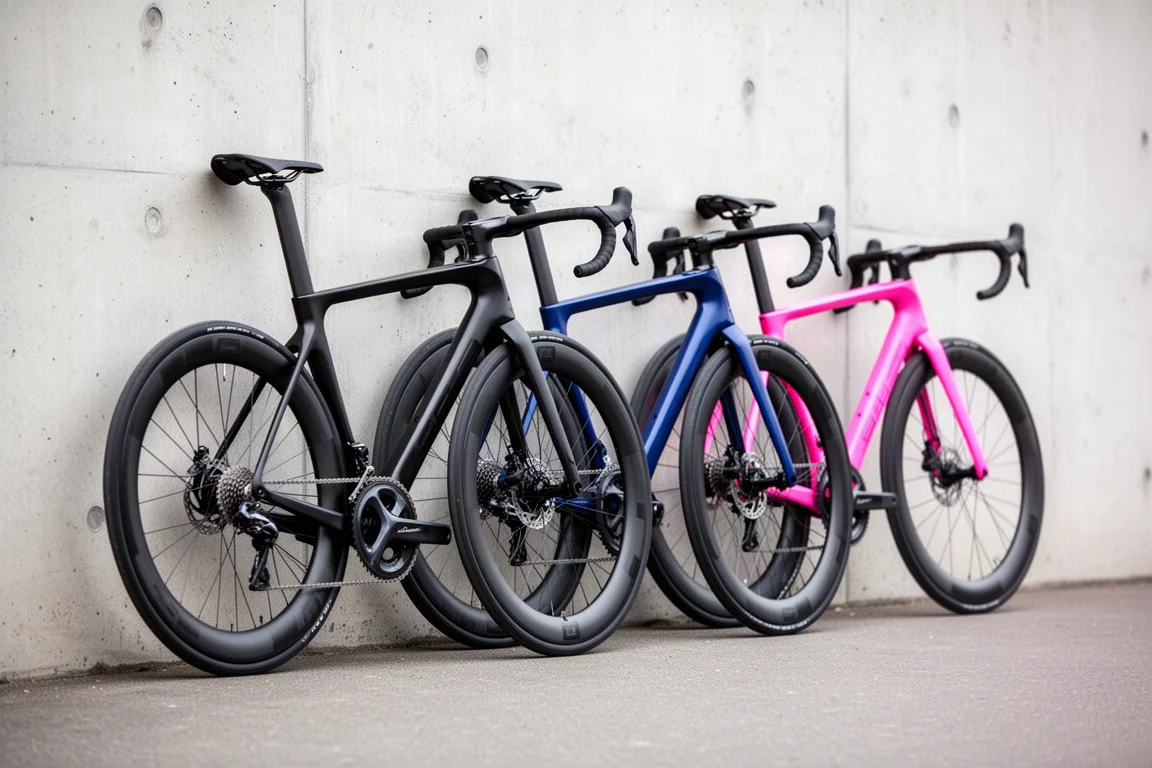
10 New Road Bikes Worth Watching: Aero, Titanium, Steel and Endurance Standouts
A practical roundup of 10 new road bikes, from aero flagships chasing single-watt gains to titanium, steel and endurance platforms built for real roads.
Road Bikes
2026 Tour de France Road Bikes: Six Race Machines Worth a Closer Look
Six race bikes from the 2026 Tour de France grid, reviewed for paint, silhouette, wheels and the specification details that matter to buyers.
Road Bikes
3T Strada Italia Review: A Radical Aero Road Bike That Rides Smooth
A made in Italy carbon aero road bike with a deep head tube, wide tire clearance and a genuinely comfortable ride. Here is what to know before buying.