Road Bikes
Cannondale SuperSix Evo (2012) Review: Does a 13-Year-Old Carbon Race Bike Still Deliver?
A full carbon race frame from the era when weight was everything. Here is how the 2012 Cannondale SuperSix Evo holds up today, and who should still consider one.
Introduction
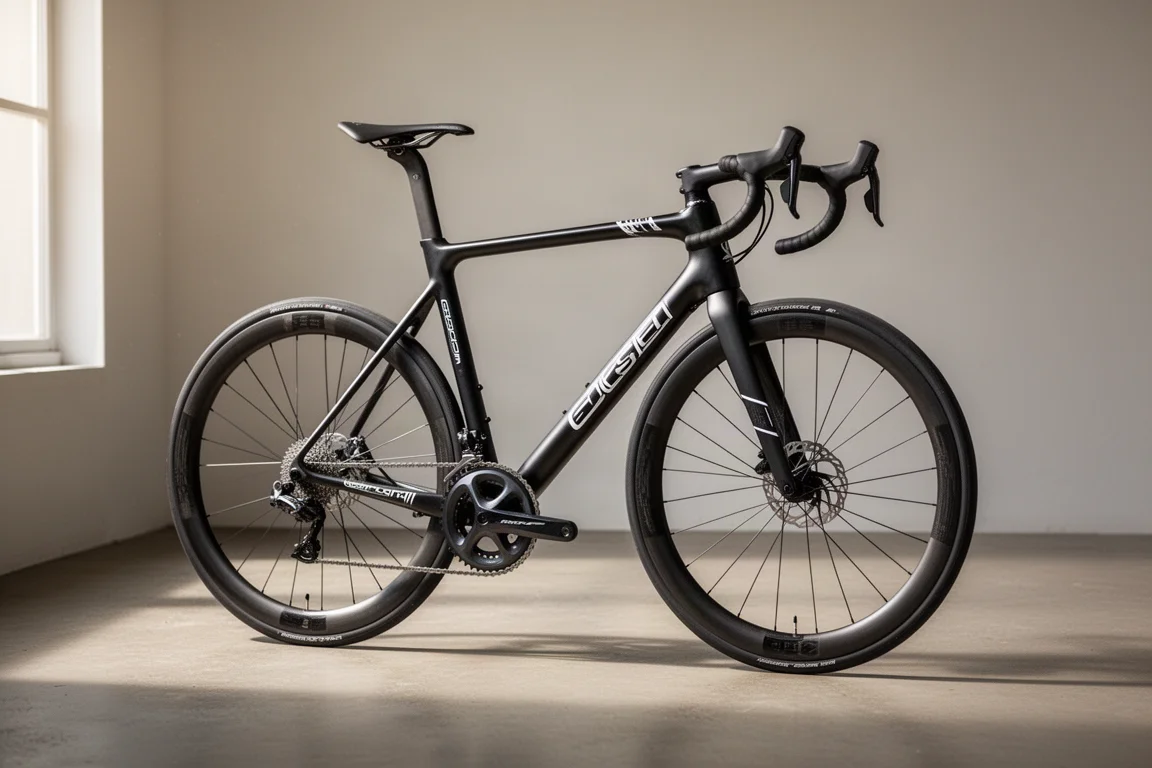
The Cannondale SuperSix Evo landed in 2012 with a single, unapologetic brief: build a full carbon race frame as light as possible, then make it stiff. Aerodynamics had barely entered the road race conversation, electronic groupsets were not yet the default, and hydraulic disc brakes were still a few years away from being sorted. Round tubes, external cables, and rim brakes were simply how a race bike looked.
More than a decade on, the numbers are still striking. The high mod frame was claimed at just 695 g in a size 56, which remains competitive with plenty of current race frames. That makes this an unusually interesting bike to assess on its own terms, rather than as a nostalgia exercise.
Who This Bike Is For
This is a bike for riders who put weight and stiffness at the top of the list. If your riding revolves around long climbs and you enjoy the direct, connected feel of a light round-tube frame, the SuperSix Evo still makes a strong case for itself. It is also a natural fit for anyone who prefers mechanical simplicity: no batteries to charge, no hydraulic fluid to bleed, and a drivetrain that can be serviced with basic tools.
It is a less obvious choice for riders who want wide tires, disc brake confidence in the wet, or wide-range gearing that softens steep gradients. It is also worth a look for collectors and long-time fans of classic carbon race frames, where the appeal is as much about the engineering story as the ride.

For the right rider, the appeal is straightforward: a very light frame with a traditional layout, paired with components that are easy to understand and easy to maintain.
Main Strengths
The frame is the headline. Cannondale offered it in two versions, a high mod carbon layup and a standard carbon option that carried a little more weight at a more accessible price. The high mod version was the one hill climbers wanted, and it is easy to see why.
The tube profiles are deliberately old school: fully round, with an almost horizontal top tube and no dropped rear stays. The rear stays are pencil thin, the down tube is enormous as it feeds into a BB30 press-fit bottom bracket, and the chainstays were flattened specifically to introduce a measure of compliance at the back of the frame. Even the dropouts were carbon, a 34 g saving that mattered a great deal in 2012.
The result was a genuinely featherweight build. A launch build shown in Italy used exotic carbon parts to land under 5 kg, and even more modest specifications comfortably came in below 7 kg. A team-style build with a SRAM Red groupset and 50 mm carbon wheels measured 6.7 kg in a size 56 without pedals. On the scales alone, this bike is not dated in the slightest, and it is lighter than many modern road bikes.
Stiffness and Frame Quality Hold Up
The most common worry about an older carbon frame is that it goes soft with age. This one does not. The frame still feels rigid, stiff, and responsive, with no noticeable flex under power. That myth about ageing carbon is worth retiring.
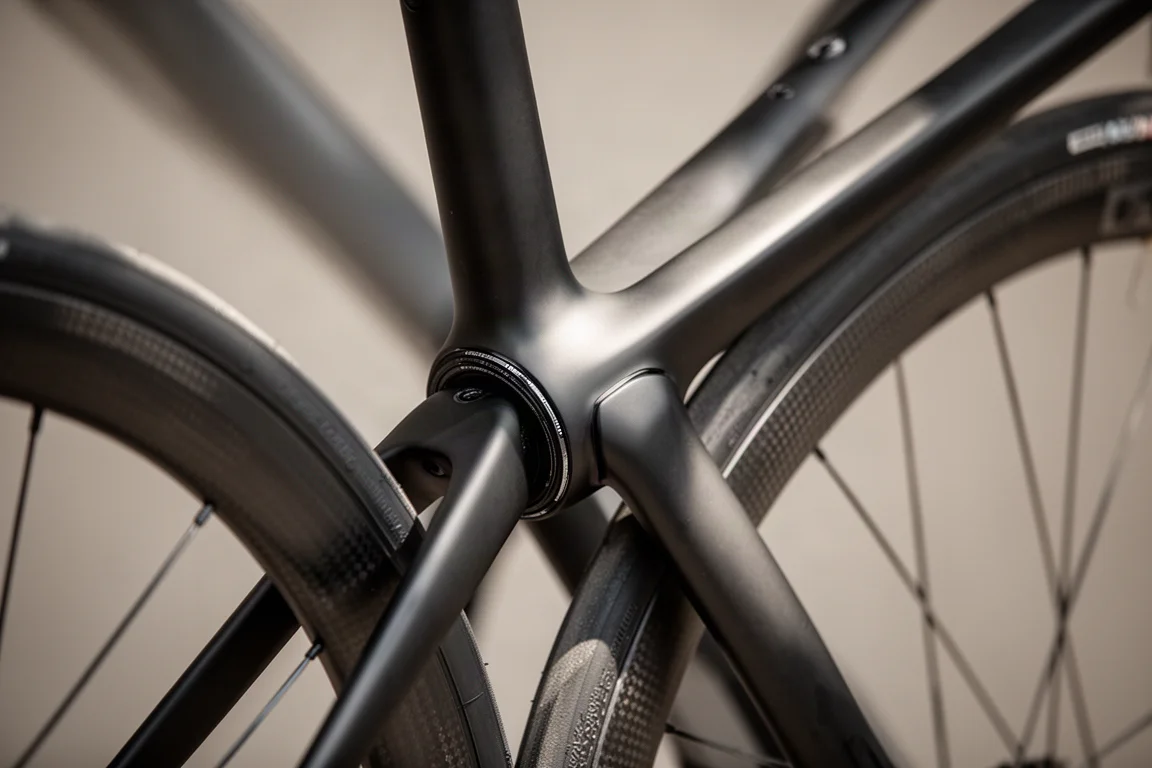
The frame still feels rigid and quick, with none of the softness people sometimes expect from a carbon bike of this age.
Things to Consider Before Buying
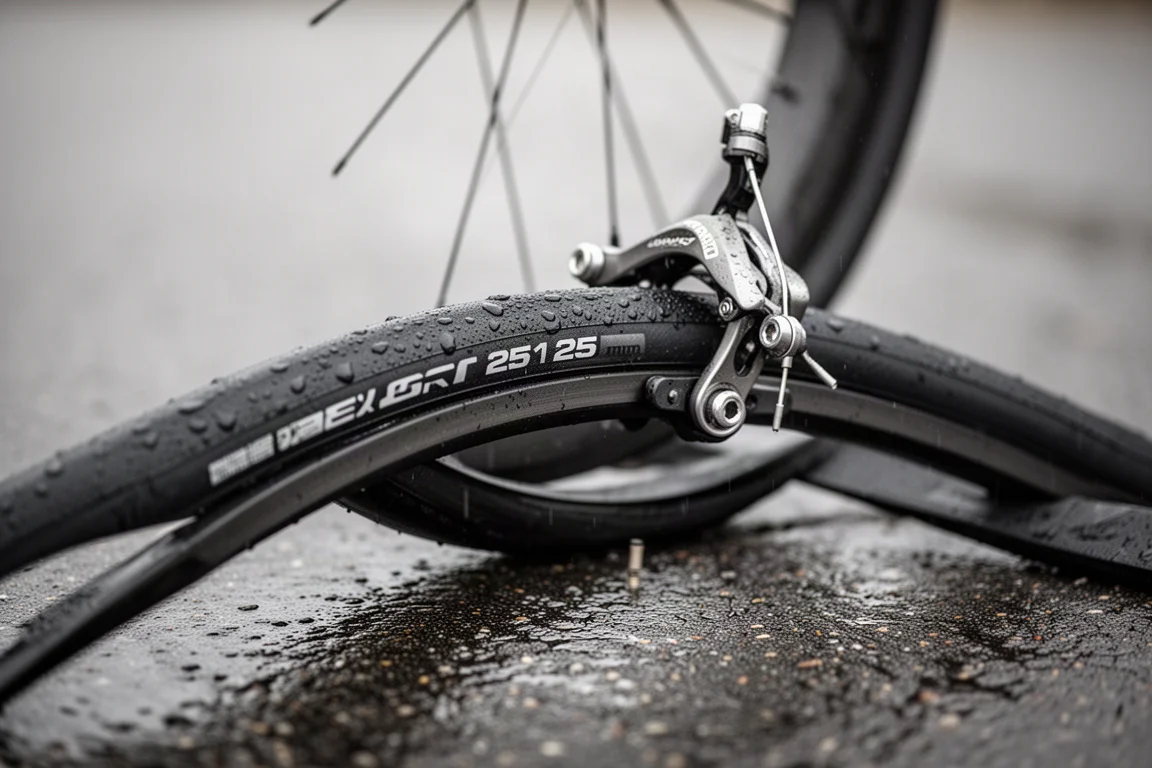
The clearest limitation is tire clearance. This generation runs 25 mm tires, which was considered wide in 2012 when 23 mm rubber at 120 PSI was the norm. At the rear, 25 mm is the ceiling. A 28 mm tire can be squeezed into the fork, but there is no room for anything wider out back. Later generations addressed this with a revised fork and better rear clearance, and the disc brake version improved it further still.
Ride quality is the area where the gap to a modern bike is most obvious. Narrow tires on shallow rims at higher pressures transmit far more of the road surface through the frame. The bike is not uncomfortable, but it feels edgy and pointy, and it demands more attention than a modern road bike that filters out vibration. Wider tires, wider rims, lower pressures, and tubeless setups have changed comfort far more than most other developments.
Braking is the other weak point. Rim brakes on alloy rims in dry summer conditions are perfectly serviceable. On carbon rims in wet winter weather they are a different story: limited power, limited control, and plenty of noise. On narrow country lanes, they are simply not comparable to disc brakes.
Gearing adds another consideration. This build runs 53/39 chainrings with a close-ratio cassette, either 11-23 or 11-25. That is a tall setup for steep terrain and makes climbing harder work than a modern wide-range drivetrain. The ergonomics are dated too, with a wide-feeling handlebar and notably small hoods compared with modern disc brake levers. The double tap shifting still works very well and remains enjoyable to use, though it is not as intuitive as wireless electronic systems.
External cabling is part of the same story. Cables run along the down tube and cluster around the head tube, with only the brake cable routed inside the top tube. It looks old-fashioned, but it also means a classic round stem and round handlebar, which are easy to swap and simple to disassemble for travel.
How It Compares to a Modern Race Bike
On an 11.35 km test loop ridden at a controlled 200 W average, in the same position on the hoods and on the same lines through the corners, the 2012 bike is slower than a modern aero road bike. That result is expected. What is more surprising is the size of the margin, which is smaller than you might assume given how much road bike design has moved on.
Speed is not where the biggest difference lies. The larger, more tangible gap is ride quality and the sense of control that comes from bigger tires and disc brakes. The older bike gives back more road feedback than most riders now want, and that shapes the experience more than aerodynamics or a few hundred grams ever will.
Buying Advice
Approach this bike as a light, simple, mechanical race frame rather than a modern all-rounder. If your priority is climbing performance, low weight, and a traditional round-tube feel, it still delivers in a way that is hard to argue with. Budget for a careful inspection of the frame, the wheels, and the brake tracks, since rim brake surfaces wear over time.
It is also worth thinking about how you ride. If you spend most of your time on smooth roads in dry conditions and you like the idea of a very light bike with no batteries or hydraulics, the SuperSix Evo makes a lot of sense. If your riding involves wet descents, rough surfaces, or steep gradients, a more modern platform will be the easier bike to live with.
On price, context matters. Expensive road bikes were already expensive in 2012, with high-end builds ranging from around £4,000 up to more than £8,000. A custom build of this specification with a SRAM Red groupset and carbon wheels cost just over £7,000 at the time, which is over £10,000 in today’s money. That is a useful reminder that premium pricing is nothing new.
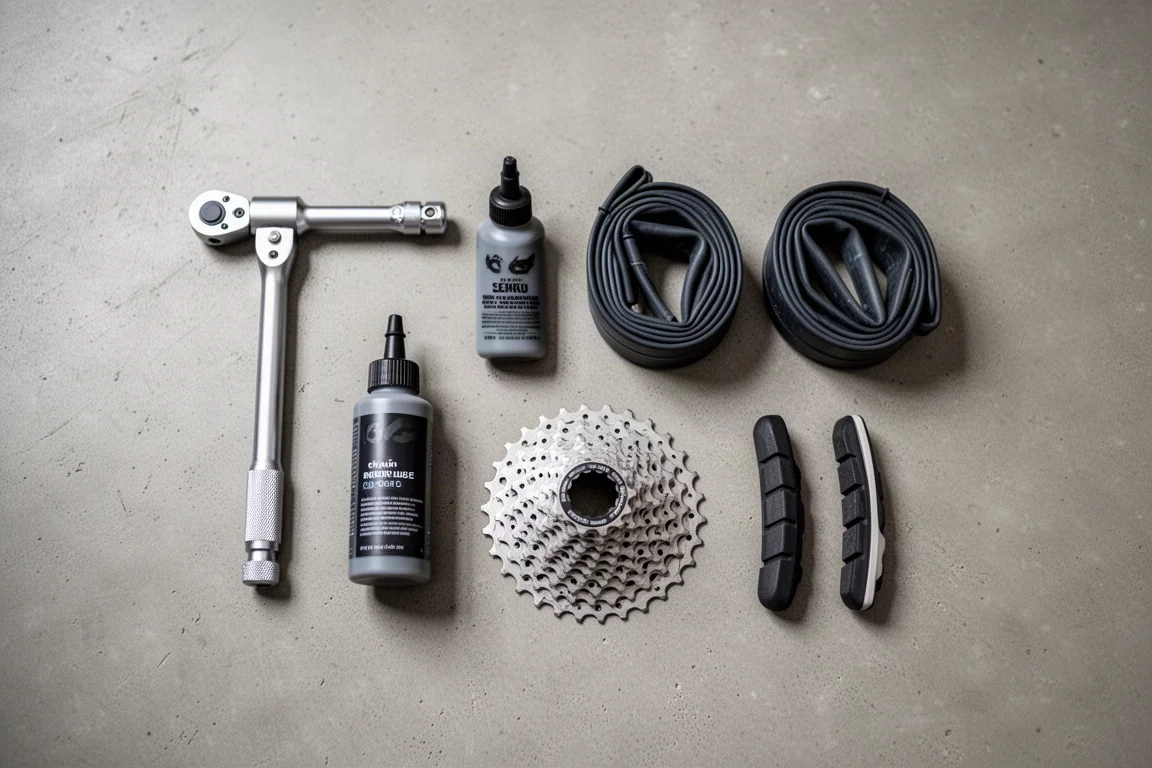
Parts availability is generally straightforward for a mechanical rim brake road bike, which keeps long-term ownership simpler than many riders expect from a bike of this age.
Conclusion
The 2012 Cannondale SuperSix Evo has aged remarkably well where it counts. The frame is still light by current standards, still stiff, and still a genuinely enjoyable race bike to ride. What has moved on is everything around the frame: tire width, ride smoothness, braking power, and gear range.
If you want a light, simple, traditional carbon race bike and you understand its limits, it remains a compelling machine. If you want the comfort and confidence of a modern road bike, the differences in tires and brakes will matter more to you than the weight on the scales.
Product link
View more details for Cannondale SuperSix EVO
This product is mentioned in the review. Check the specifications, options, and compatibility before buying.
View more details for Cannondale SuperSix EVOFurther reading
Related Reviews
Road Bikes
10 New Road Bikes Worth Watching: Aero, Titanium, Steel and Endurance Standouts
A practical roundup of 10 new road bikes, from aero flagships chasing single-watt gains to titanium, steel and endurance platforms built for real roads.
Road Bikes
2026 Tour de France Road Bikes: Six Race Machines Worth a Closer Look
Six race bikes from the 2026 Tour de France grid, reviewed for paint, silhouette, wheels and the specification details that matter to buyers.
Road Bikes
3T Strada Italia Review: A Radical Aero Road Bike That Rides Smooth
A made in Italy carbon aero road bike with a deep head tube, wide tire clearance and a genuinely comfortable ride. Here is what to know before buying.