Road Bikes
Cannondale SuperSix Evo with Shimano 105 Review: Race DNA at an Entry Price
The most affordable Cannondale SuperSix Evo pairs Shimano 105 with race-proven geometry. Here is where it shines, and which parts owners will likely want to upgrade.
Introduction
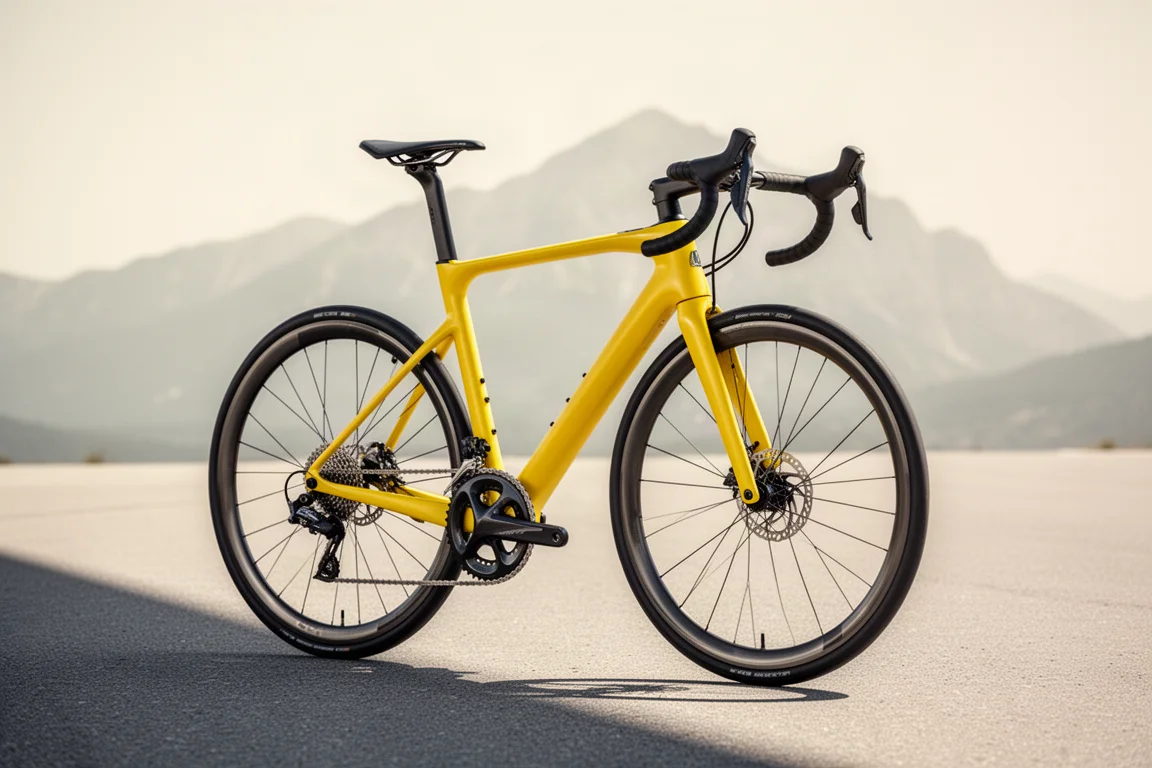
The Cannondale SuperSix Evo has a long-standing reputation as a race platform, and this build is the cheapest way into that range at around £2,800 with a Shimano 105 groupset. That is a meaningful amount of money, but it is also the entry point to a frame family with genuine racing heritage.
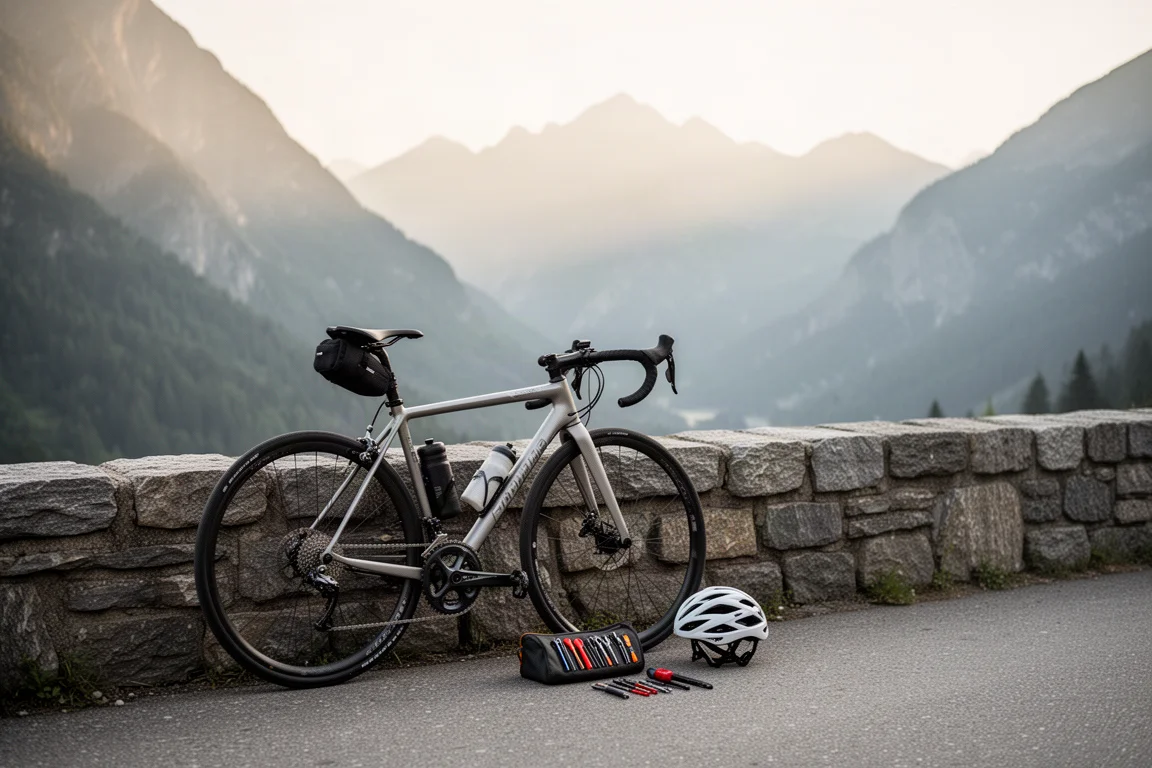
Riding it on steep climbs, long descents and switchback mountain roads leaves a clear impression: the underlying bike is quick, confident and engaging, while a handful of contact-point parts hold it back from feeling finished. This review looks at what the money buys, who the bike suits, and what to budget for afterwards.
Who This Bike Is For
This is a focused race bike, not a relaxed endurance machine. The geometry is sharper than Cannondale’s more comfort-oriented road models, with a short wheelbase and steeper angles that reward a rider who likes quick, precise steering.
It suits someone who wants race-bike handling and proven frame design without paying for carbon wheels and a higher-tier groupset out of the box. It also suits riders who are happy to treat the bike as a platform: buy it, then upgrade the parts that matter to them over time.
If your priority is all-day cushioned comfort on broken back roads, the firm ride and aggressive position will feel like a compromise rather than a feature.
Main Strengths: Race Geometry and Handling
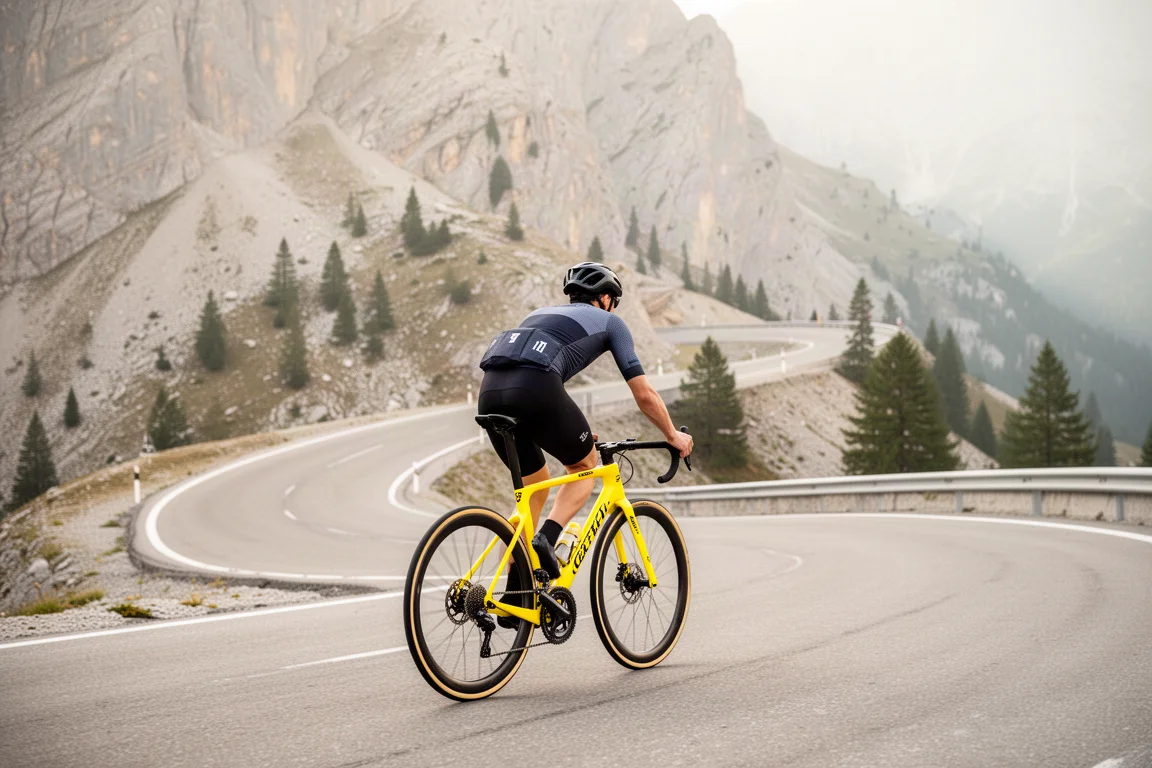
Handling is where this bike earns its price. The steering is fast and clean, the bike turns sharply and can be placed exactly where you want it, and it holds a line through tight corners with real confidence. It feels nimble and agile rather than lazy or laid back.
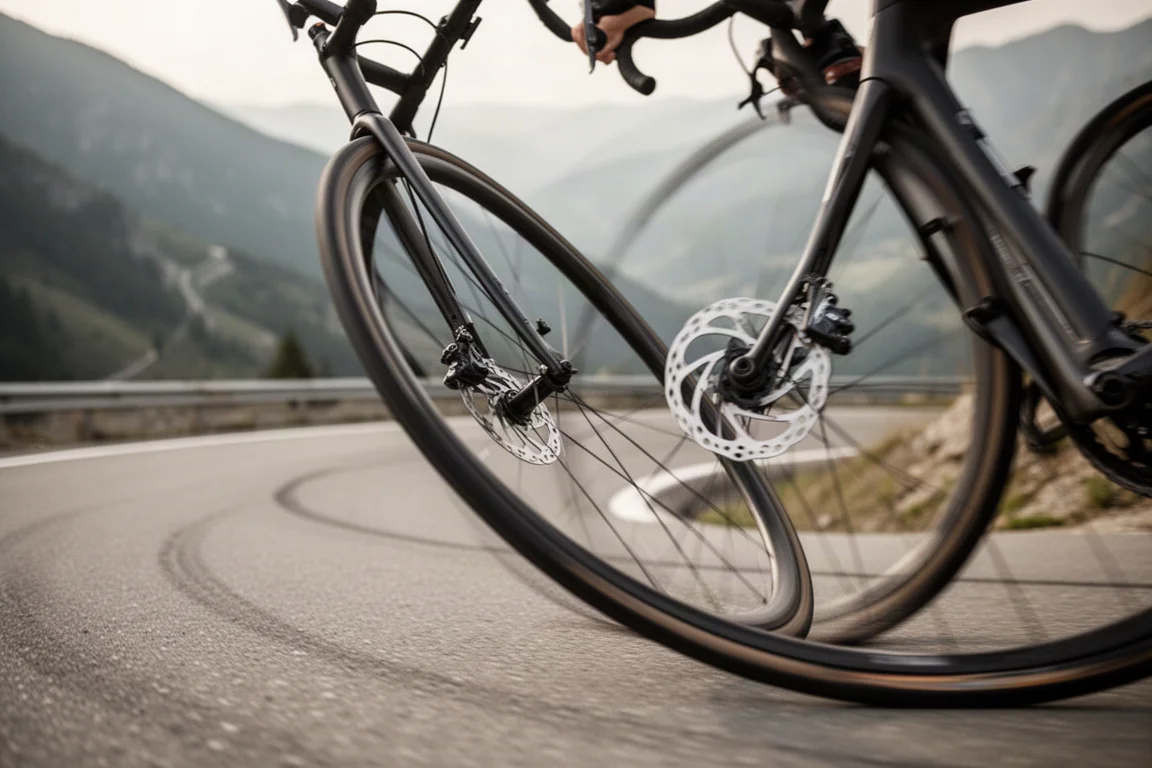
On descents the combination of short wheelbase, steep angles and powerful hydraulic disc brakes is genuinely reassuring. Braking with one finger is enough in every situation, which makes it easier to carry speed into corners and through them, and easier to scrub speed quickly when traffic or other riders appear.
Climbing is solid too. The bike is not super light, but the frame is stiff enough to feel responsive when you are out of the saddle on steep gradients. Overall the performance is easy to access: the bike feels fast from the first pedal stroke even without deep-section wheels.
Drivetrain and Brakes: How Shimano 105 Performs
The Shimano 105 mechanical groupset with hydraulic disc brakes does exactly what it should. Shifting is clean and precise, and the gear range covers steep climbs and fast descents comfortably. Hydraulic disc braking is a clear plus on long, technical mountain roads.
One detail to know: this build does not use a complete Shimano crankset. Because the frame uses an oversized BB30 bottom bracket and Shimano does not produce a BB30 axle, Cannondale supplies its own crankset instead. It looks fine and works fine, but it means the groupset is not fully matched.
For riders who care about a completely uniform groupset, that is worth being aware of before buying. It does not affect day-to-day performance.
Wheels, Tyres and Comfort Trade-Offs
The most obvious cost saving is the wheelset. The wheels are sturdy and well made, with shallow aluminium rims and nicely sealed hubs, and they work perfectly well. They simply do not match the character of the frame: a bike with this geometry benefits noticeably from deep-section carbon wheels, both in aerodynamic performance and in appearance.
The tyres are the other weak point. Supplied in a 25mm width, they do not flatter the ride quality, and a wider, higher-quality set would smooth out the road noticeably and make the bike easier to live with on rougher surfaces.
Ride comfort overall is firm and communicative, which is expected from a race bike but worth understanding. The bike transmits a fair amount of feedback through the contact points, and on coarser tarmac that firmness is noticeable. The saddle is very hard and may not suit everyone, though saddle preference is highly personal. There is also a tall stack of spacers under the stem, which can be removed to lower the front end and sharpen the bike’s look.
Things to Consider Before Buying
Two financial considerations are worth weighing up before committing.
First, the next model up in the range costs around £4,000, which is a significant jump but adds carbon wheels. An entry-level replacement wheelset typically costs somewhere between £700 and £1,000, so upgrading later can bring the total close to, or even past, the price of the model above. Buying the higher-spec bike outright may work out better value if wheels are a priority for you.
Second, the parts that most riders will want to change are cheap relative to the frame: a better saddle, wider and faster tyres, and possibly a slammed stem. Those changes cost far less than the bike itself and transform how the bike feels.
Availability is another point to check. The bike comes in a bright yellow finish as well as a black option and at least one other colour, so it is worth confirming which build and colourway your local dealer can supply.
Buying Advice
The frame, geometry and braking performance are the reasons to buy this bike, and they are genuinely strong. If you want race-bike handling and a platform you can refine over time, this is a sensible starting point rather than a compromised one.
Budget for the upgrades that matter. Swapping the saddle for something that suits you and fitting wider, better tyres is the fastest route to a bike that feels properly sorted, and both are inexpensive relative to the purchase price. Carbon wheels are the bigger financial decision, and that is where comparing this build against the model above it becomes worthwhile.
If you simply want the lightest, most aerodynamic SuperSix Evo available, this is not it. If you want the handling DNA of that range at the lowest entry price, it delivers.
Conclusion
This is not a perfect bike, but it is a convincing introduction to the SuperSix Evo range. Clean Shimano 105 shifting, strong hydraulic disc brakes, and confident, agile handling make it feel quick and rewarding on climbs, descents and tight switchbacks.
The compromises are concentrated in the wheels, tyres, saddle and the spacer stack under the stem, all of which are straightforward to address. Riders who plan for those changes, or who compare carefully against the model above, will get a fast and engaging road bike for the money.
Product link
View more details for Cannondale SuperSix EVO 105
This product is mentioned in the review. Check the specifications, options, and compatibility before buying.
View more details for Cannondale SuperSix EVO 105Further reading
Related Reviews

Road Bikes
10 New Road Bikes Worth Watching: Aero, Titanium, Steel and Endurance Standouts
A practical roundup of 10 new road bikes, from aero flagships chasing single-watt gains to titanium, steel and endurance platforms built for real roads.
Road Bikes
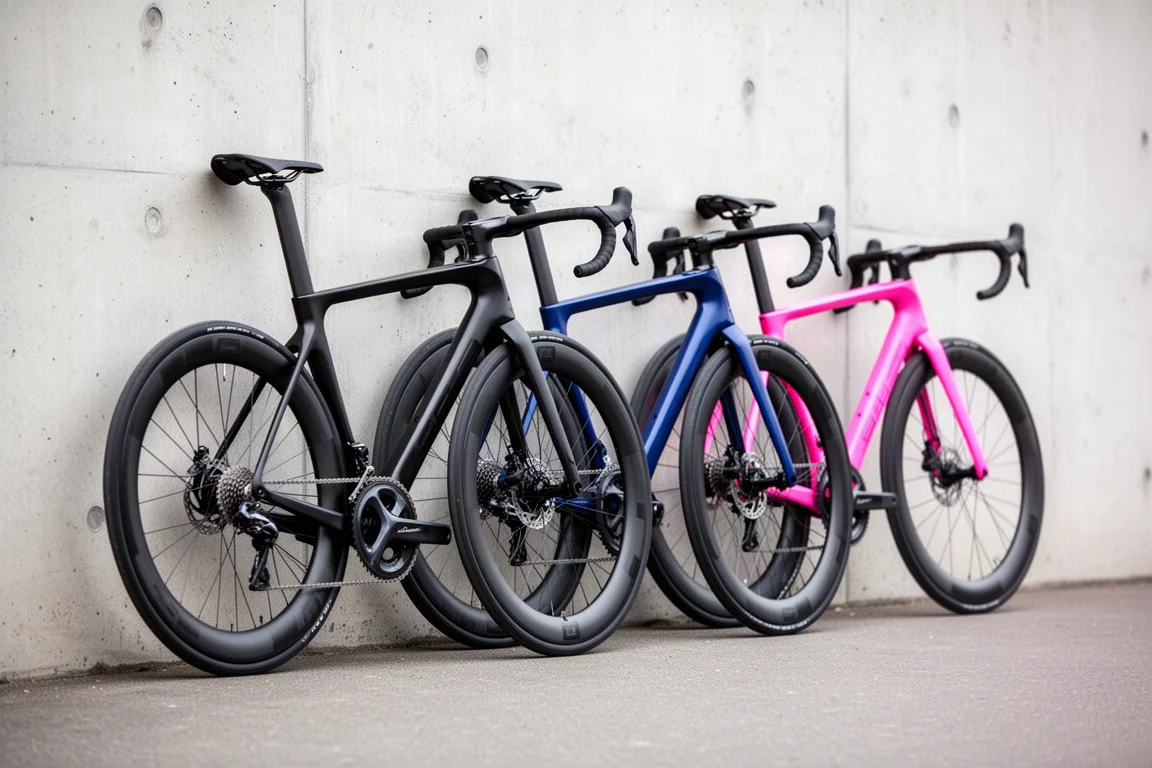
2026 Tour de France Road Bikes: Six Race Machines Worth a Closer Look
Six race bikes from the 2026 Tour de France grid, reviewed for paint, silhouette, wheels and the specification details that matter to buyers.
Road Bikes
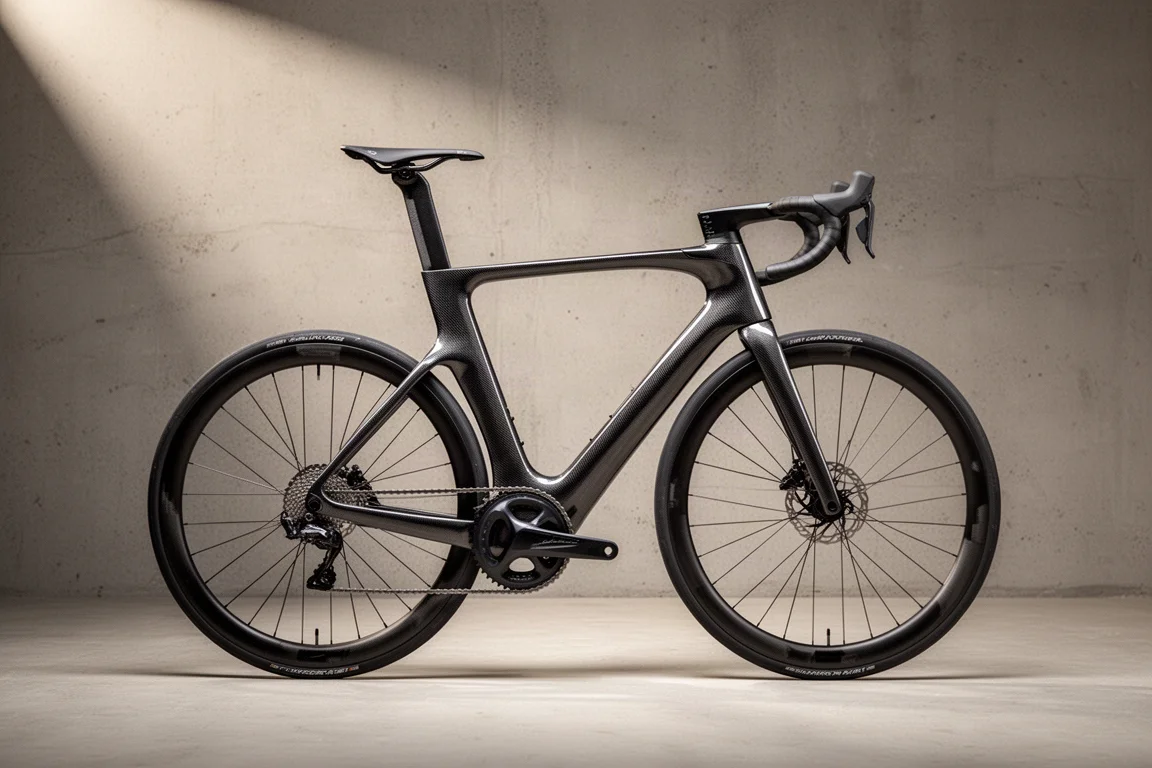
3T Strada Italia Review: A Radical Aero Road Bike That Rides Smooth
A made in Italy carbon aero road bike with a deep head tube, wide tire clearance and a genuinely comfortable ride. Here is what to know before buying.