Road Bikes
Cannondale CAD 14 1 Review: A Modern Alloy Crit Racer With Real Character
The Cannondale CAD 14 1 pairs a stiff aluminum race frame with deep carbon wheels, electronic 1x gearing and serious stopping power. Here is what to know before you buy.
Introduction
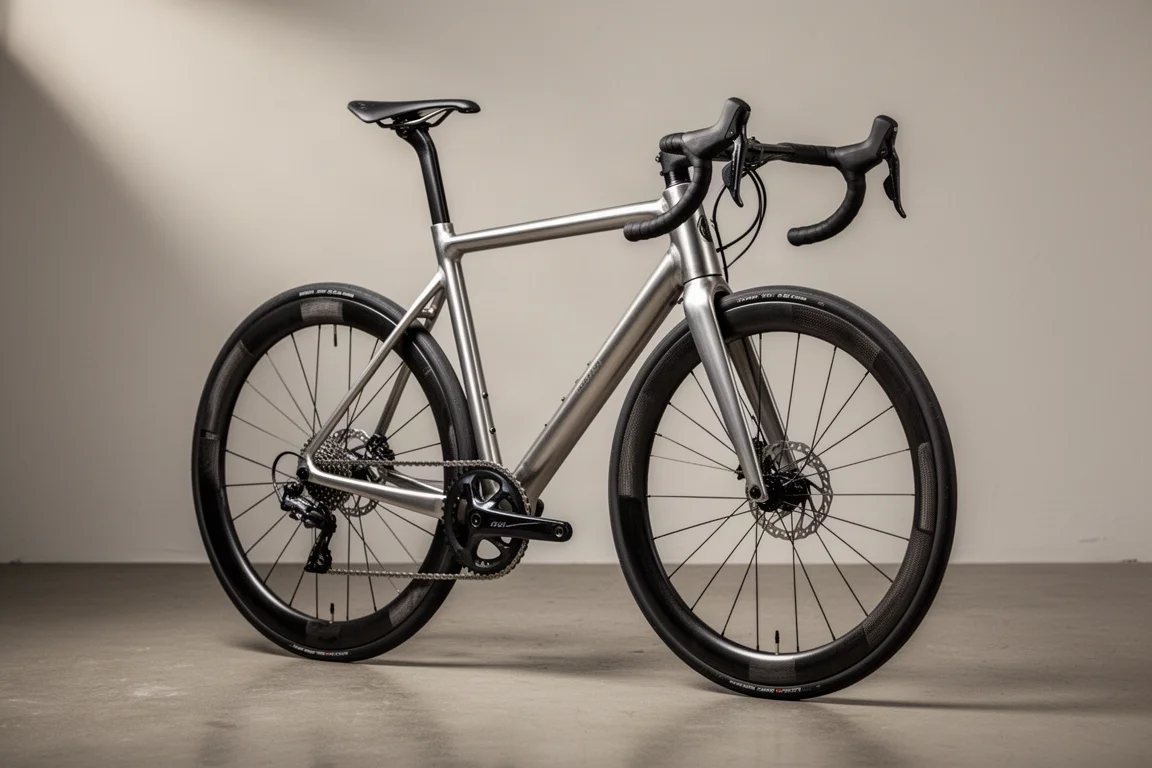
The Cannondale CAD 14 marks the return of a name that has meant something to alloy enthusiasts for decades. The CAD 14 1 sits at the top of the range, and it is the only build offered in the raw, unpainted finish. It is a long, low racing machine, but instead of the carbon fibre that dominates this category, the frame is aluminum.
It is also far from a budget proposition. The CAD 14 1 is priced at £7,500 in the UK, or $7,499 plus sales tax in the US. Two cheaper builds are available at around £4,250 and roughly £3,000, and framesets sell for £1,750 or $1,799.
What makes the CAD 14 interesting is not the value argument. It is the combination of an old-school frame material with thoroughly modern equipment, and the fact that Cannondale appears to have listened closely to the riders who kept asking for a CAD that looked and felt like the classics.
Who This Bike Is For
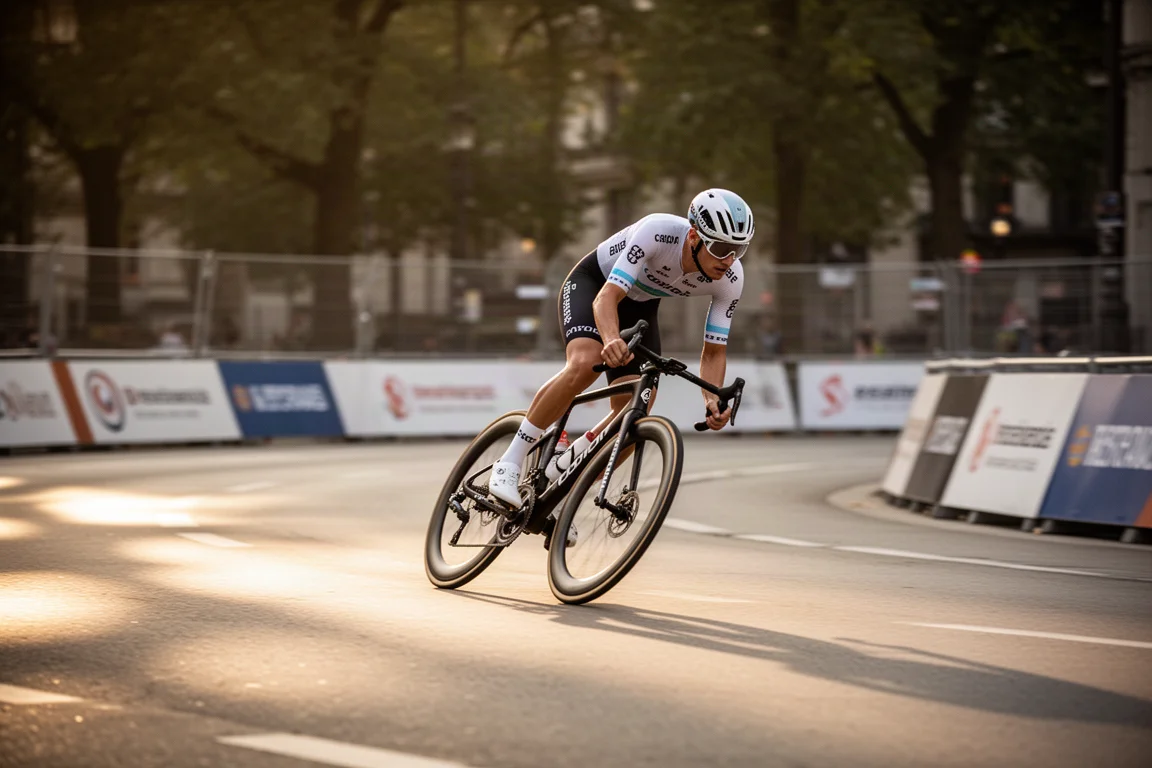
The CAD 14 is a bike racer’s bike. It is long and low, built around an aggressive position, and it is happiest when it is being pushed hard. Because the frame is aluminum rather than carbon, a crash is less likely to end the frame’s life, which makes it a sensible choice for criterium racing and tight circuit work where contact is part of the deal.
It is also light for an aluminum bike, and this particular build arrives with electronic gears, hydraulic disc brakes and deep carbon wheels designed to cut through the wind. That is a serious racing package.
Beyond racing, the CAD 14 appeals to a specific kind of rider. Someone who values a frame that can be recycled more easily, someone who prefers the look of a traditional double-triangle silhouette, or someone who simply does not want carbon. And, of course, it appeals to the long-standing CAD faithful. The CAD series has a cult following, and the CAD 14 ticks far more of those boxes than the CAD 13 did.
If you are much shorter than average, it is worth checking the sizing carefully before committing, because the smallest option here may not be small enough for every rider.
Main Strengths
The headline strength is the ride quality. Aluminum frames have a reputation for feeling harsh, and the CAD 14 genuinely does not. It is smoother than expected and remarkably quiet on the road. Some of that comes down to the 1x drivetrain, which has fewer moving parts to rattle, and some of it comes from the build itself: relatively wide, supple tires and carbon wheels with a very generous internal rim width.
You can still tell it is not carbon, but on rough surfaces it stays pleasant rather than punishing. That is a meaningful achievement for a frame in this material.
The braking is another standout. The CAD 14 1 and CAD 14 2 use the latest SRAM groupset, which brings the current SRAM braking system with it. Hydraulic brakes are all powerful in theory, but grip strength varies a lot between riders, and this system delivers a level of power and modulation that should give a wide range of riders real confidence. That is a genuine safety benefit, not just a spec-sheet line.
Finally, there is the way it looks. The raw finish, the clean lines and the absence of dropped seat stays give the bike a purposeful, traditional appearance that photographs and reads as a racing bicycle should.
Ride Feel and Frame Design
On the road, the CAD 14 behaves like a proper crit machine. It is stiff where it needs to be, it holds a line well, and the deep Reserve carbon wheels add a noticeable sense of speed once you are up to pace. The wheelset runs 57 mm deep at the front and 64 mm at the rear, which is an aggressive pairing for an alloy frame and reinforces the racing intent.
The cockpit is a one-piece carbon bar developed in collaboration with Momo Design, and the frame uses a distinctive triangular steerer design. Despite the unusual look, a regular stem can be fitted provided you order the relevant headset parts from Cannondale. That flexibility matters for riders who want to tune their position rather than accept the stock setup.
The drivetrain is SRAM Force XPLR in a 1x configuration with an aero chainring, paired with Vittoria Corsa Pro tires in 29 mm set up tubeless. It is a fast, modern specification that suits the bike’s character.
Living With It: Frame Details and Serviceability
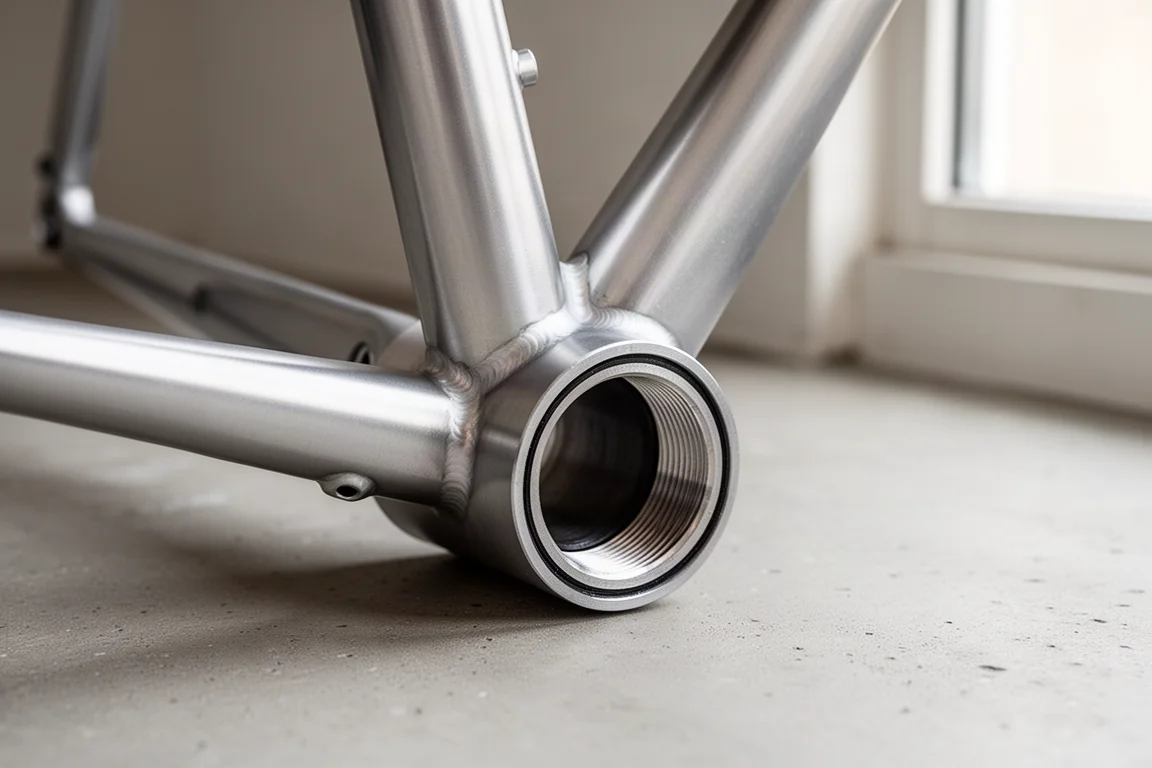
For home mechanics, the CAD 14 is a friendlier bike than its integrated looks suggest. The seat post is a standard round 27.2 mm unit, which means you can swap in almost any seat post you like. The bottom bracket is a threaded BSA design, which is a welcome return to something that is easy to replace without specialist tools or drama.
The frame uses through axles and a UDH derailleur hanger, so it is compatible with current components and standard hangers rather than a proprietary part.
The one-piece internally routed handlebar is the main serviceability compromise. It is fiddly to work on, as all integrated cockpits are, and there are two wedges that slide inside the stem opening once the bar is installed. They are designed to free up space for routing the brake hoses into the headset, but they could go missing if you disassemble the bike for travel.
The seat post clamp is external and simple to use, though the clamp on the test bike shed two small pieces when the bolt was loosened. The bike remained fully functional and it looks like a finishing issue rather than a structural one, and Cannondale states it holds service kits in stock that it will supply free of charge to a shop or a customer.
Things to Consider Before Buying
The 1x drivetrain is the biggest question mark. It suits criterium racing and delivers a clean chain line, but it is a deliberately narrow gear range. Riders who live near long, steep climbs may find themselves wanting more options, and changing to a smaller chainring is the usual answer. SRAM’s official chainrings go down to 38 teeth, and third-party options may go smaller, though that is best treated as an experiment.
The integrated cockpit also limits adjustment. Cannondale offers different stem lengths and cockpit options for retailers to order, and the CAD 14 is compatible with all Conceal and System Bar variants. But swapping parts is at the discretion of the retailer, and it could prove expensive.
Buyers should also be realistic about the finish. On the raw frame, the welds are prominent rather than smoothed out. Some riders will love that honesty; others will not.
Sizing and Fit
There are six frame sizes, running from 48 cm to 61 cm. Components scale with the frame, so the 51 cm bike comes with a 165 mm crank, 38 cm handlebars and a 90 mm stem. Racers who like to pedal through corners will appreciate the shorter cranks.
The bars, however, do not vary enough across the range. Many riders suited to a 48 cm frame would want something narrower than 38 cm, and Cannondale does not make a narrower version of this particular one-piece bar. A compatible alternative bar model does go narrower, so the fix exists, but it is not a stock configuration.
Market Context and Alternatives
If this style of bike appeals, the aluminium race category has a few other names worth considering. The standard Krieger RS we looked at previously was a fantastic aluminium racing bike, though it is similarly expensive, and there is a more affordable non-RS Krieger in the range.
The Specialized Allez Sprint is another very popular aluminium racing bike, also from a large American-founded brand, and it comes with some striking paint options.
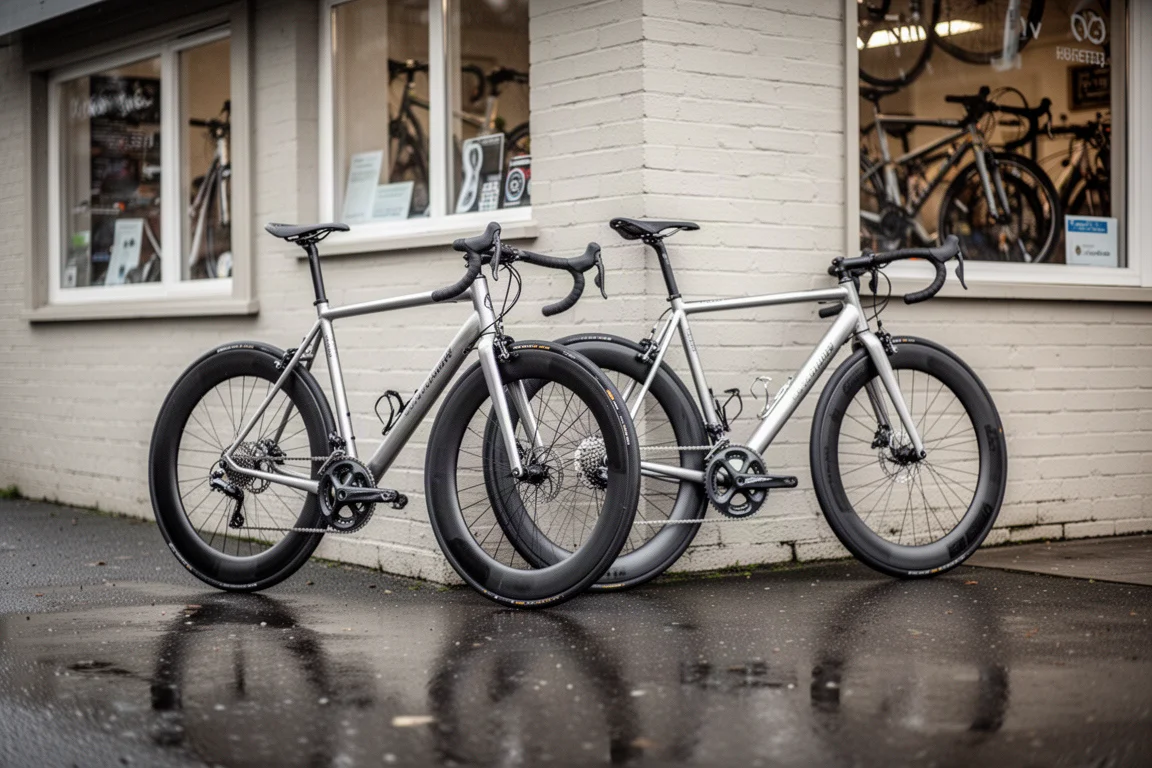
The CAD 14 has history on its side in a way that most of these do not. CAD stands for Cannondale Advanced Aluminum Design, and the badge has appeared on mountain bikes and road bikes since the early days. Models like the CAD 9 became regarded as some of the best aluminium racing bikes available, and the CAD 9 was the last of them made in the USA. The CAD 10 and CAD 12 kept the affection going, while the CAD 13 proved divisive because of its dropped seat stays and its paint.
The CAD 14 reverses most of those decisions, and it is the closest thing yet to a modern CAD that still feels like a CAD. For the fans, that is the whole point.
Buying Advice
This is a bike you buy for character rather than for value. On pure performance per pound, it is expensive, and the frameset alone costs more than many complete aluminium race bikes. If the CAD 14 frameset were significantly cheaper, it would be close to an obvious recommendation, because the frame and the ride are genuinely excellent.
As it stands, it is a considered purchase. The build quality and spec are strong, the braking is superb, and the ride is far more comfortable than the material suggests. If you want an aluminium race bike that stands out, has a real racing edge and can be repaired rather than written off after a crash, it delivers.

If a lower-priced version of this platform eventually arrives, with simpler finishing and a more accessible build, it would be very easy to recommend without hesitation. Until then, buy the CAD 14 with your eyes open about the price and about how you will use the gearing.
Conclusion
The Cannondale CAD 14 1 is a niche bike executed with real care. It brings back the design language that CAD fans have been asking for, adds thoroughly modern components and modern standards, and rides far better than its aluminum frame might lead you to expect.
It is not cheap, the sizing range will not suit every rider, and the 1x drivetrain will not fit every terrain. But if you want an alloy racing bike with genuine personality, a supple ride, excellent brakes and a frame that can be recycled, this one deserves a place on your shortlist.
Product link
View more details for Cannondale CAD 14 1
This product is mentioned in the review. Check the specifications, options, and compatibility before buying.
View more details for Cannondale CAD 14 1Further reading
Related Reviews
Road Bikes
10 New Road Bikes Worth Watching: Aero, Titanium, Steel and Endurance Standouts
A practical roundup of 10 new road bikes, from aero flagships chasing single-watt gains to titanium, steel and endurance platforms built for real roads.
Road Bikes
2026 Tour de France Road Bikes: Six Race Machines Worth a Closer Look
Six race bikes from the 2026 Tour de France grid, reviewed for paint, silhouette, wheels and the specification details that matter to buyers.
Road Bikes
3T Strada Italia Review: A Radical Aero Road Bike That Rides Smooth
A made in Italy carbon aero road bike with a deep head tube, wide tire clearance and a genuinely comfortable ride. Here is what to know before buying.