Road Bikes
Cannondale CAAD14 Review: Aluminium Race Form, Revisited
A close look at the Cannondale CAAD14, the aluminium race bike that returns to the CAAD10 and CAAD12 design language, and a practical guide to who should buy it.
Introduction
The CAAD badge has been part of Cannondale’s road range since 1983, and it has always stood for one idea: a race bike built from aluminium rather than carbon fibre. The CAAD14 is the latest chapter, and it arrives after a CAAD13 generation that never quite captured the affection held for the CAAD10 and CAAD12 that came before it.
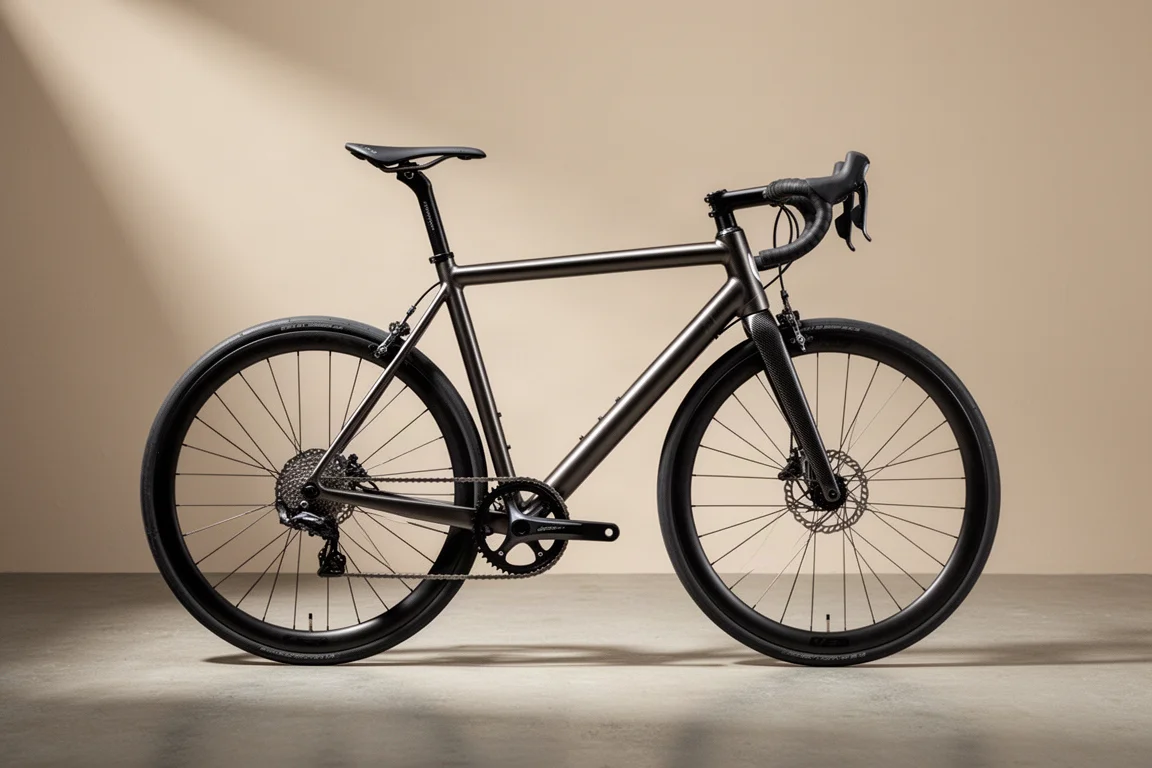
That context matters, because the CAAD14 reads as a deliberate return to the design language of those earlier bikes. A horizontal top tube, round tubes, non-dropped rear stays, smooth welds and a stance that looks fast standing still. Cannondale describes it as a celebration of aluminium and a return to its performance roots.
After several weeks of riding in both wet and dry conditions, the question is no longer whether it looks right, because it clearly does. The question is whether an aluminium race bike still makes sense when carbon frames at similar money are so easy to find.
Who the Cannondale CAAD14 Is For
The CAAD14 is aimed at riders who want genuine race bike geometry but prefer not to own carbon fibre. That includes young privateer racers who need a frame that survives crashes and constant travel, riders who move their bike around a lot, and cyclists who would rather avoid carbon for environmental reasons. Aluminium is tough, dependable and straightforward to recycle, which are real advantages for a bike that gets used hard.

It is also a natural choice for anyone who already loves the CAAD line and wants the newest version of it. The geometry echoes the SuperSix Evo, so it suits riders who want low stack and long reach rather than a relaxed endurance position. If a comfort-first fit is the priority, this is not the frame to choose.
Main Strengths
Frame Craft and Design
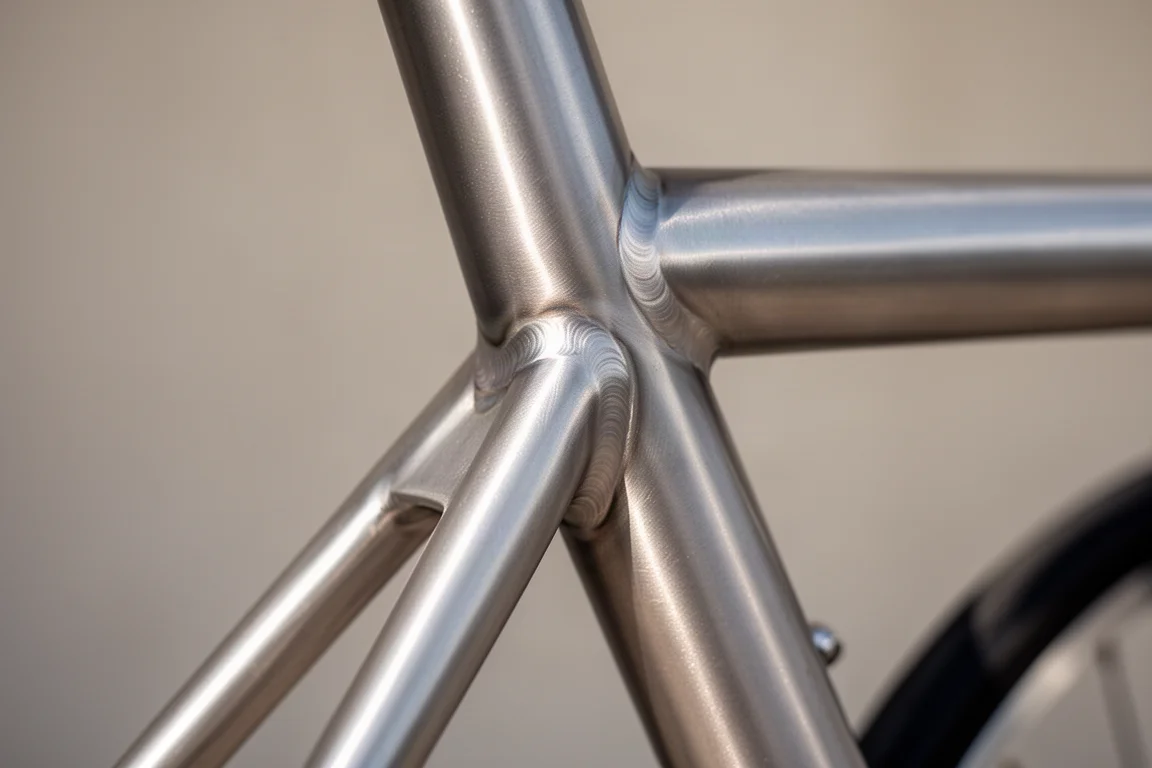
The most striking thing about the CAAD14 in person is the finish. The welds are remarkably smooth, with none of the fish-scale joins or industrial roughness that used to come with aluminium. It reads as a premium metal frame, and the effort shows in the details: a UDH derailleur hanger, fully internal routing, a 68 mm threaded bottom bracket with external bearings, a 27.2 mm round seat post with an external seat clamp, and clearance for tyres up to 32 mm.
Up front the fork is carbon fibre, not the same unit as the SuperSix Evo but similar in concept, with a closed through axle and the same delta triangle steerer tube. That means the same cockpit and handlebar options carry over, and a one-piece bar and stem can be added later. Weight is claimed at 1,280 g for a size 56 with all hardware fitted and no paint, rising to 1,410 g once paint is applied.
Ride Quality and Smoothness
Aluminium has a long-standing reputation for a harsh ride, and the CAAD14 does not play to that script. It is noticeably smoother than the earlier CAAD12 running the same tyre width, and it stays composed over rough, broken road surfaces. That result holds even with a metal handlebar, relatively narrow 28 mm tyres and a robust rather than supple tyre choice. For a metal frame, the ride quality is the standout surprise.
Handling and Geometry
Handling is pure race bike. The steering and geometry closely echo the SuperSix Evo, with low stack and long reach, and a size 56 fits in much the same way as the carbon model. With the same handlebar fitted, the fit and feel would be very close indeed. The build tested came with a reasonably narrow round alloy bar, comfortable bar tape and a well-judged saddle, so nothing demanded an immediate swap.
Things to Consider Before Buying
Value is the difficult part. The frameset starts at £1,750, and the complete builds available in the UK run from £3,000 to £7,500. The bike tested here is the £3,000 model, with a Shimano 105 12-speed mechanical groupset, Cannondale alloy wheels, Vittoria Rubino 28 mm tyres and Cannondale finishing kit. In isolation it is well equipped and needs nothing to be rideable, but the tyres are the one upgrade worth planning for. Faster, more supple rubber would flatter the frame considerably.
The broader issue is that the material no longer makes this a cheap bike. It does not undercut carbon in any meaningful way, and buyers comparing like for like will find carbon options at the same money or less. Tyre clearance is another point to weigh. At 32 mm it matches the SuperSix Evo, which is logical for a race bike, but riders hoping for a more relaxed all-road version of the CAAD14 will not find one here.
How It Compares on Value
Look at the wider market and the arithmetic becomes uncomfortable. A full carbon race bike such as the Giant TCR Advanced with the same groupset can be found for roughly £800 less, and a TCR with an electronic 105 Di2 groupset sits around £2,800, still below the CAAD14 tested here. Those are strong value propositions, and they are the main reason this frame is a genuinely tricky recommendation on price alone.
That said, aluminium has its own case. It is more resistant to crash damage and travel wear than carbon, it is easier to recycle, and for riders who want a tough frame they can depend on for seasons of hard use, those qualities carry real weight. Most major brands limit aluminium to entry-level builds, so a high-end aluminium race frame is unusual, and the CAAD14 is one of the few places to find one.
Buying Advice: Frameset or Complete Build
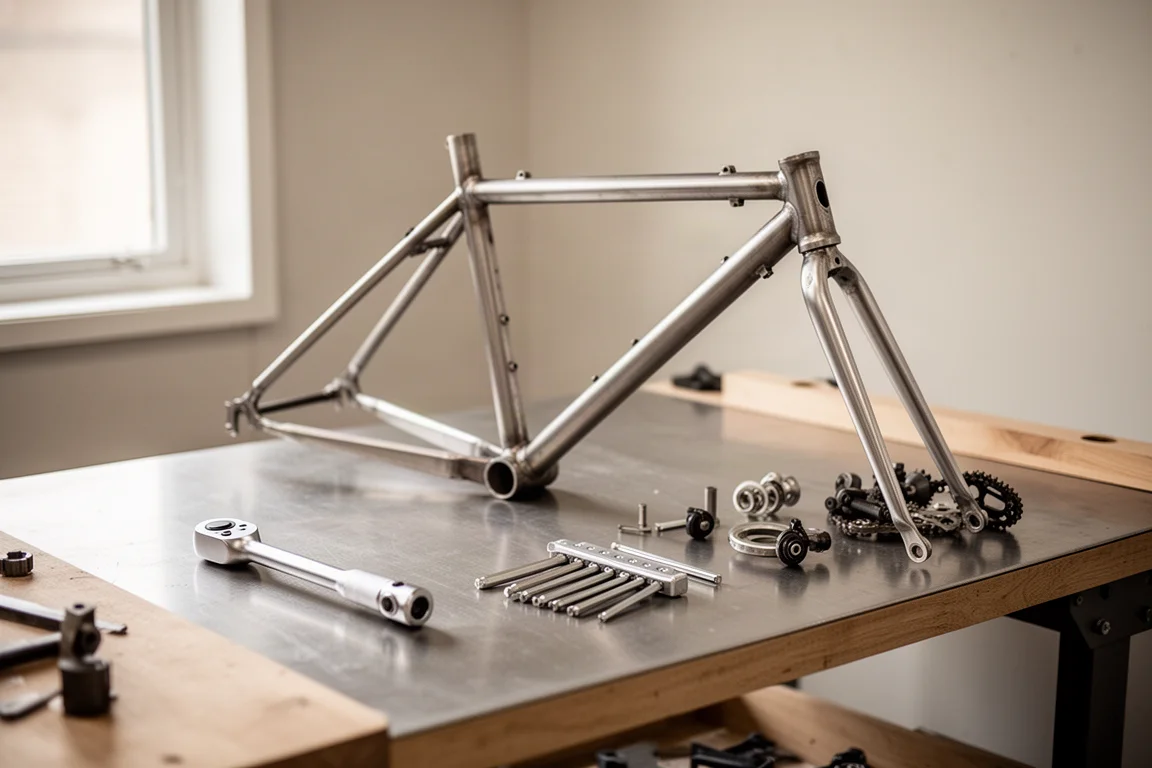
For many riders, the frameset is the more compelling route. At £1,750 it offers a way to build a fast road bike around a frame that suits a personal parts choice, and it allows a high-end treatment for considerably less than a carbon superbike frame would cost. The range of colour options on the frameset makes that route more attractive still.
If a complete bike is the preference, the range is small but reaches genuinely high specifications, including a top build with deep section Reserve wheels, a SRAM 1x13 Explore groupset and a one-piece handlebar and stem. That model looks and reads like a fast bike. The £3,000 build is the one to weigh carefully, because it competes directly with carbon bikes that offer more for the money. Riders who want the frameset route and a custom build should treat it as the stronger long-term option.
Conclusion
The CAAD14 is a beautifully executed aluminium race bike. The frame craft is excellent, the geometry is properly race-focused, and the ride quality is far smoother than the material has any right to deliver. As a return to the CAAD10 and CAAD12 design language, it succeeds.
The complication is price. Aluminium no longer delivers a value advantage, and at £3,000 for the tested build, carbon rivals are hard to ignore. Riders who want a durable, recyclable, crash-tolerant race frame will find a lot to like here, and the frameset in particular opens the door to a fast custom build for less than a carbon superbike. Those who simply want the fastest bike for the money should compare carefully before deciding.
Product link
View more details for Cannondale CAAD14
This product is mentioned in the review. Check the specifications, options, and compatibility before buying.
View more details for Cannondale CAAD14Further reading
Related Reviews

Road Bikes
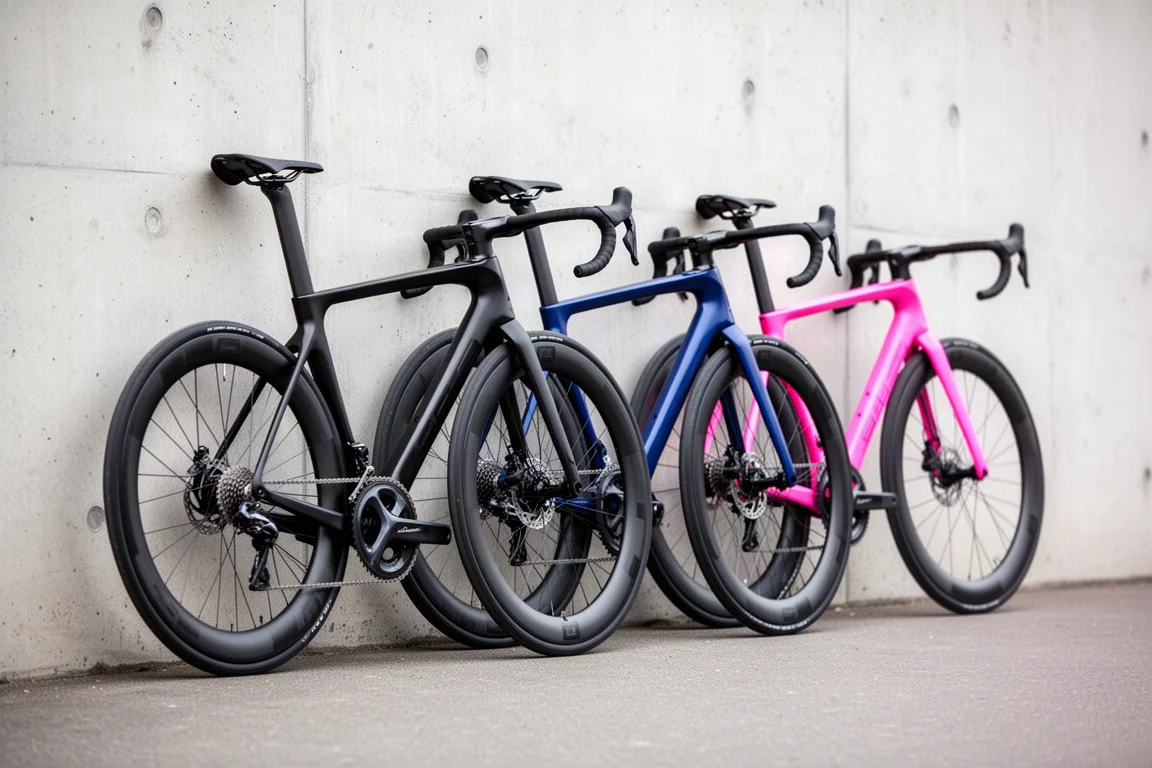
10 New Road Bikes Worth Watching: Aero, Titanium, Steel and Endurance Standouts
A practical roundup of 10 new road bikes, from aero flagships chasing single-watt gains to titanium, steel and endurance platforms built for real roads.
Road Bikes
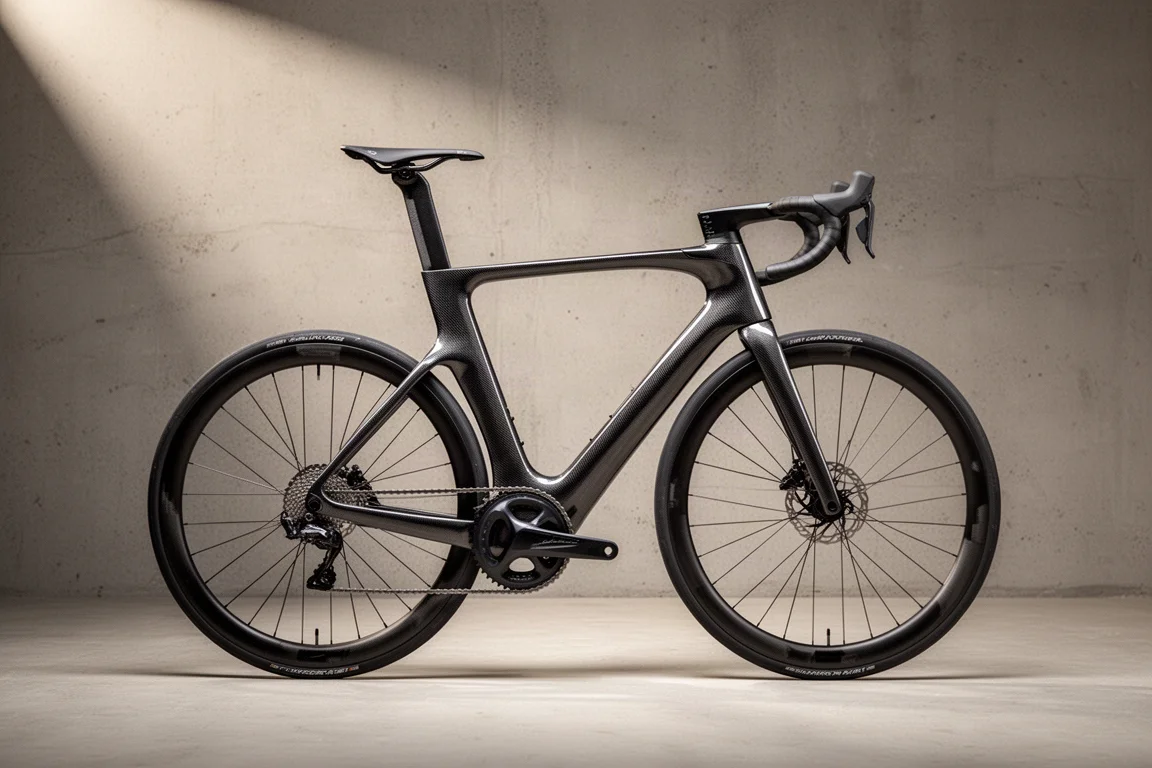
2026 Tour de France Road Bikes: Six Race Machines Worth a Closer Look
Six race bikes from the 2026 Tour de France grid, reviewed for paint, silhouette, wheels and the specification details that matter to buyers.
Road Bikes
3T Strada Italia Review: A Radical Aero Road Bike That Rides Smooth
A made in Italy carbon aero road bike with a deep head tube, wide tire clearance and a genuinely comfortable ride. Here is what to know before buying.