Road Bikes
Cannondale CAAD12 Second-Hand Buyer's Guide: Reviving a GBP 400 Alloy Racer
A used 2016 Cannondale CAAD12 with Ultegra rim brakes came in at GBP 400. Here is what held up, what needed replacing, and what a roadworthy rebuild actually costs.
Introduction
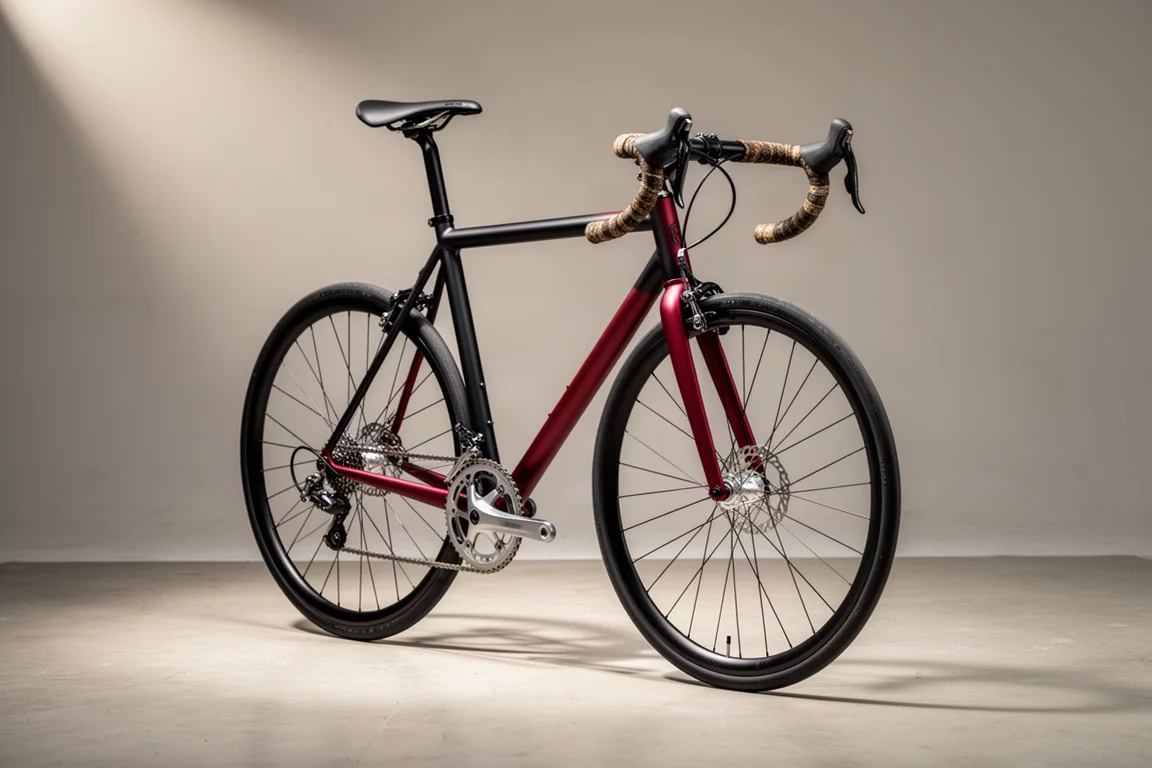
The CAAD name has been part of Cannondale’s range since the 1980s and 1990s, and the line built its reputation on aluminium race frames that punch well above their material. A 2016 CAAD12 with rim brakes is a particularly appealing target on the second-hand market, because it is fast, simple to maintain, and often priced far below anything comparable new.
This particular example changed hands for GBP 400 after roughly two months of searching second-hand listings. New road bikes have become genuinely expensive, and a used aluminium frame is one of the more sensible ways to get into the sport without committing to a large outlay. The catch is that a low price usually reflects condition, and this bike arrived with plenty of it to unpack.
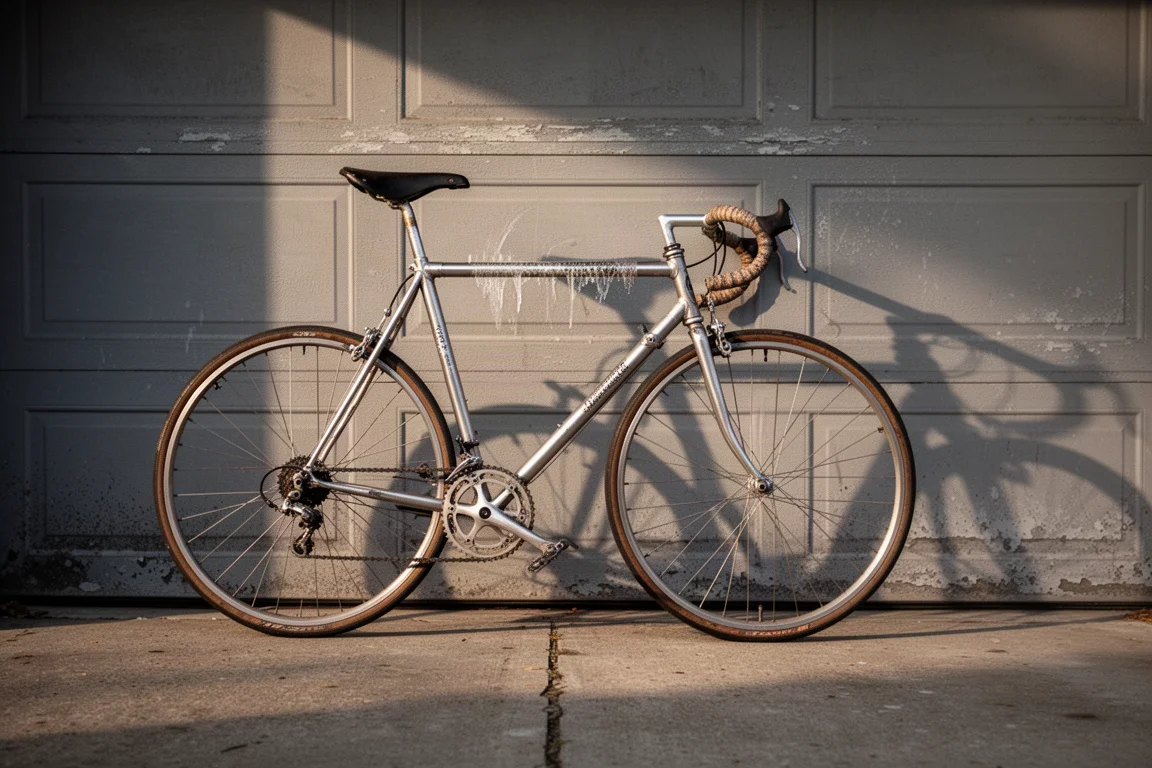
The frame and the groupset turned out to be far healthier than the cosmetics suggested. The consumables, on the other hand, told a different story. What follows is what held up, what needed replacing, and how to judge a similar bike before you hand over money.
Who This Bike Is For
A used CAAD12 suits a rider who is comfortable with basic maintenance and wants a quick, lightweight aluminium race frame without paying new-bike prices. The geometry and ride character are aimed at going fast, so it rewards someone who enjoys hard efforts rather than a relaxed upright position.
It is also a strong option for a first serious road bike. The platform leaves room to upgrade components over time, and the frameset has enough quality that spending on better wheels or finishing kit later is worthwhile rather than wasted.
It is not the right purchase for someone who wants a turnkey bike. A cheap used example will almost always need tyres, and possibly a chain, before it is safe to ride. If you would rather not touch a spanner, budget for a shop to handle the work.
Main Strengths: The CAAD12 Frame and Ultegra Components
The frameset is the reason to buy this bike. Cannondale’s aluminium race frames are widely regarded as some of the best of their kind, and the CAAD12 takes that reputation seriously. It is stiff, light for the material, and behaves like a proper race machine.
The components here are the real surprise. This bike carries Shimano Ultegra rim brakes and an 11-speed Ultegra drivetrain, and both were in genuinely good condition despite years of apparent storage. The brake calipers were grimy but mechanically sound. The headset bearings returned cleanly off centre with no roughness or grating, which is one of the more expensive potential failures on a used bike.
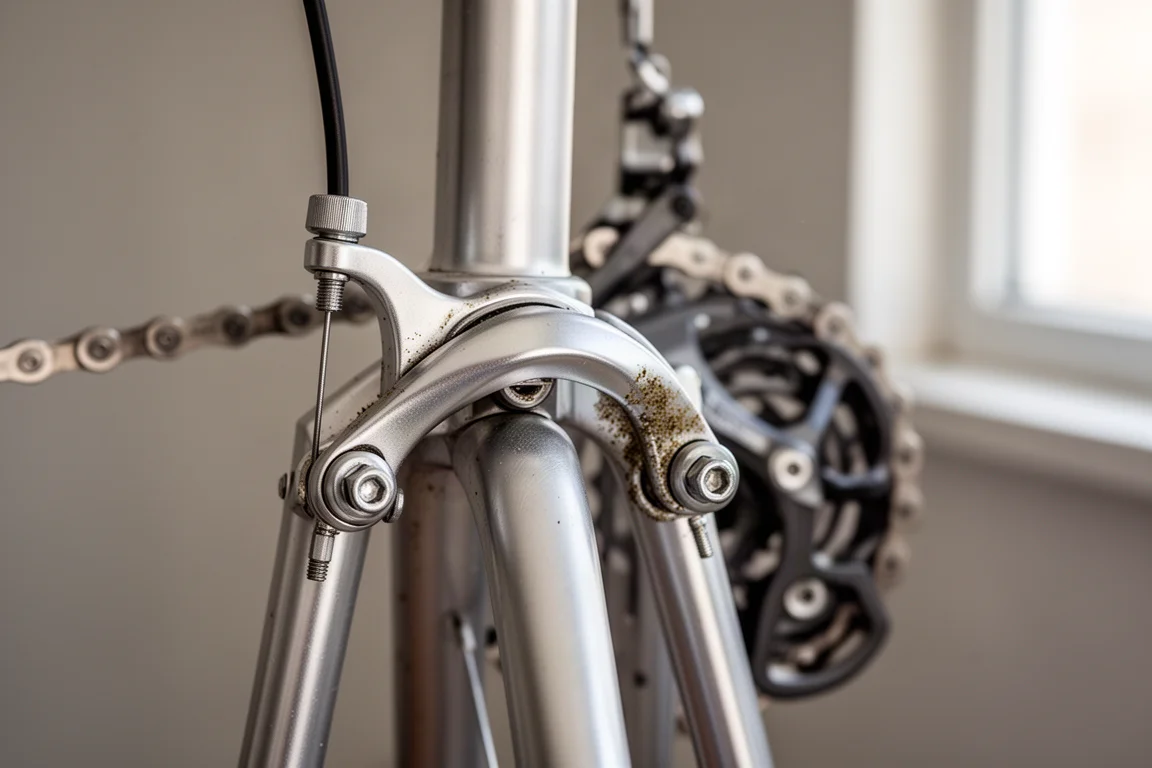
The rear derailleur was also in better shape than expected. The main pivot where it attaches to the hanger showed no play at all, and jockey wheels spun freely with only factory-level movement. The cassette showed no hooked or barbed teeth, which is the usual sign of a worn unit, and the chain rings matched. After a small amount of cable tension was added, the bike shifted cleanly through all 11 gears, which is remarkable for a drivetrain that had clearly sat unused.
The finishing details are less glamorous but worth noting. The frame has a patterned, slightly crazed finish on its decals and black sections, which is a known cosmetic issue rather than a structural one.
What Needs Attention Before the First Ride
Tyres are the non-negotiable item. The front tyre was separating and clearly unsafe, so it is a straight replacement rather than something to monitor. No amount of careful riding makes a delaminating tyre acceptable.
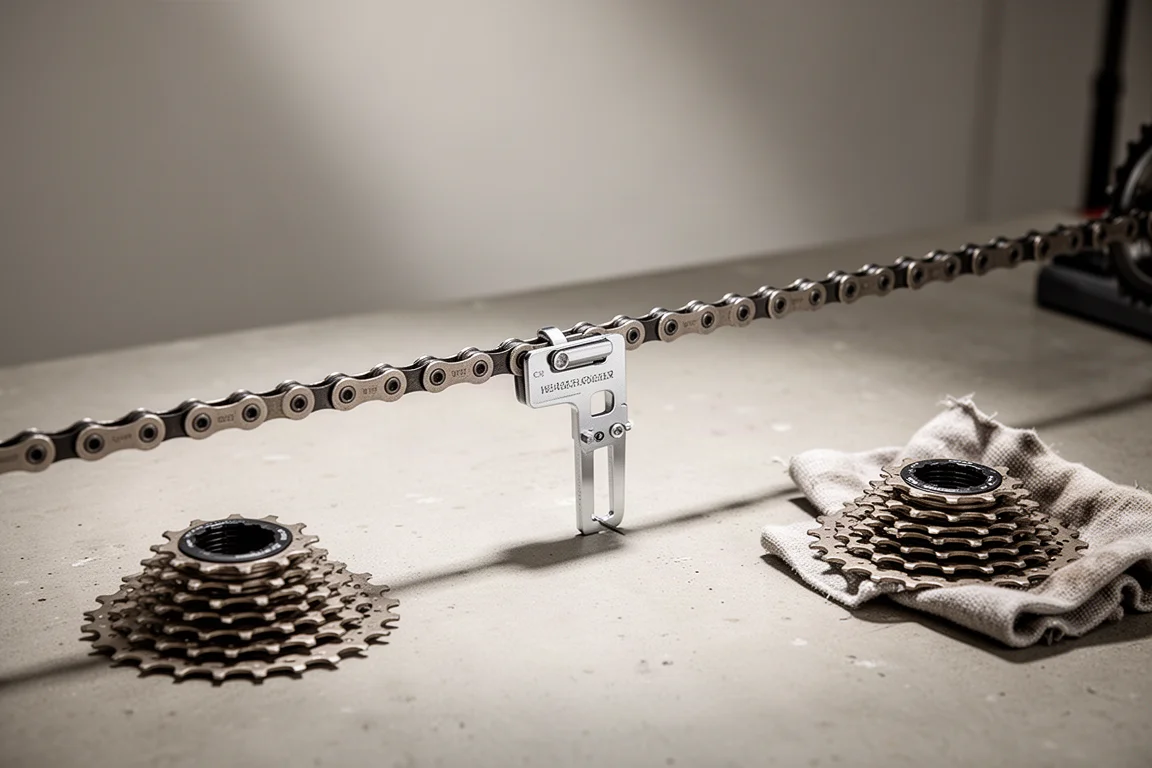
The chain and cassette showed visible surface corrosion. The chain measured roughly 30 to 40 percent worn, so it was still serviceable but approaching the point where replacement makes sense. The cassette itself was not worn out, only cosmetically marked by water exposure.
The cockpit needs work. The handlebar tape was heavily degraded and should be replaced immediately, and the shifter internals had accumulated dust and hardened grease that made the front shifting feel stiff and unhealthy at the lever, even though the derailleur itself moved correctly.
There is also a small amount of crank play at the BB30 bottom bracket. The bearings spun smoothly by hand, so the play pointed to insufficient preload on the 30mm wave washers rather than failing bearings. Re-torquing the crank to specification is the sensible first step, and removing the crankset gives a direct read on the bearings themselves.
Finally, the wheel details are worth a look. The front wheel ran true and the hub bearings were quiet, but the spokes, spoke nipples and the aluminium braking surface showed water damage and light oxidation. That is not a problem today, but it can complicate future spoke replacement.
What a Careful Inspection Confirms
A methodical check on a used bike does not take long and it saves money. Start at the front wheel. Confirm the quick release is tight, the wheel sits properly in the dropouts, the hub spins quietly, and the rim holds a constant gap against the brake pads as it rotates.
Squeeze the spokes in pairs to gauge tension and look for corrosion on the nipples. Then move to the brakes, the headset and the crank. Rock the cranks side to side to feel for play, and turn them by hand rather than through the pedals, since a rough pedal bearing can masquerade as a bottom bracket problem.
Peel back the shifter hoods and look for salt or sweat damage underneath, which is a common cause of corrosion on aluminium bars and bolts. Check the rear derailleur for scrapes on the knuckle, since that usually points to a bent hanger. Bring a chain wear checker with you. Chain wear is one of the best single indicators of how much a bike has actually been ridden, and it tells you a lot about the drivetrain as a whole.
This is exactly the process that revealed how much of this CAAD12 was still good. A bike that looks neglected can be mechanically sound, and a bike that looks clean can hide expensive problems.
Pricing and Upgrades to Plan For
At GBP 400, the asking price was clearly low, and the condition explained why. Once you separate the tired consumables from the healthy frame and groupset, the value looks considerably better than the first impression suggests.
The mechanical quality of the Ultegra parts is the strongest argument for spending on this platform. Brake calipers, derailleurs, crankset and shifters are all worth keeping, cleaning and returning to proper adjustment rather than replacing. A cassette with some water marks is not a reason to buy a new one.
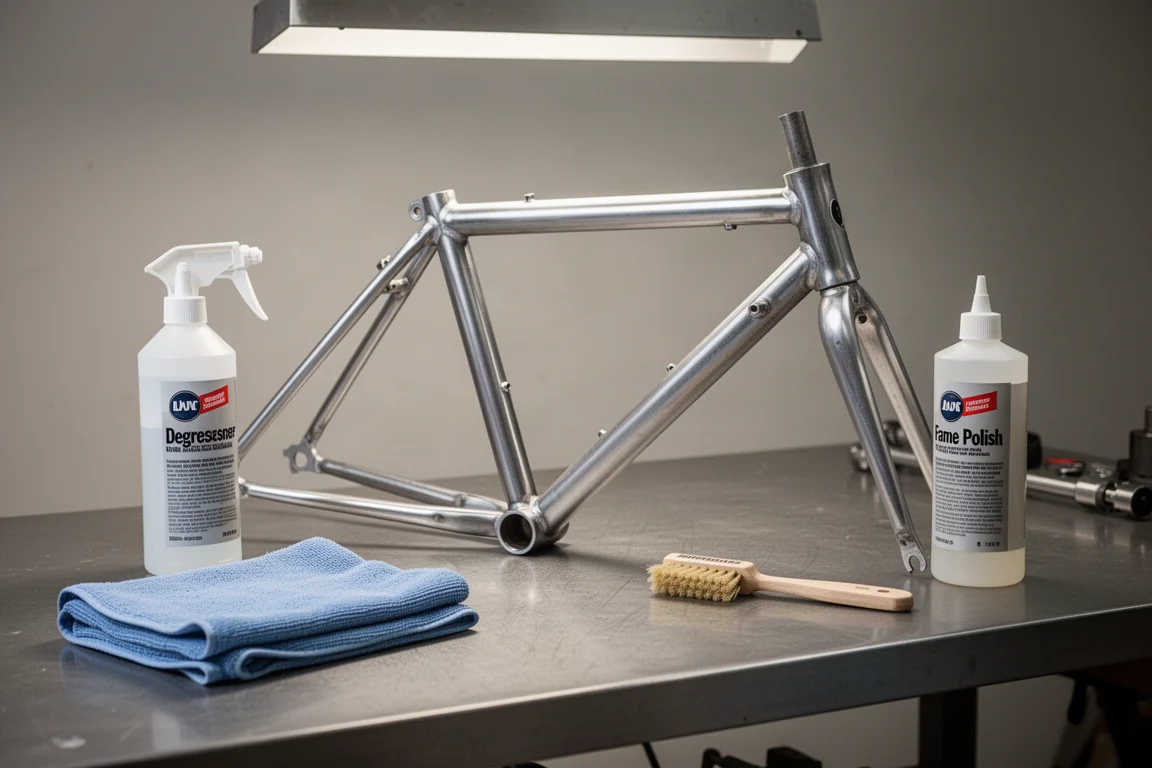
Cosmetically, there is little to do about the crazed decals beyond accepting them or planning a respray somewhere down the line. Cleaning the frame thoroughly and applying a quality frame polish is a reasonable middle path, and it can visibly soften the crazing effect. It is a cheap step that makes a tired-looking bike feel like a project worth finishing.
Buying Advice: Getting It Roadworthy
There are two realistic paths, and the gap between them is mostly time rather than risk.
The minimum route is simple. Fit a set of tyres, allow roughly half an hour of a mechanic’s time to make everything right with the existing components, and ride. The brakes and gears already work, and nothing on the bike is a structural concern. That is the baseline cost of making this bike safe.
The thorough route is what most owners would eventually want. Strip the frame down, remove the brake calipers, derailleurs, chain, cassette, crankset and pedals, and clean each part properly. Be careful with aggressive degreasers and parts washers on aluminium and on the internals of the shifters, because harsh chemicals do more harm than good. It is worth the effort, since the accumulated grime inside the shifters is exactly what makes the levers feel vague.
For most buyers, a sensible plan is to do the minimum now and work through the deeper clean over a few weekends. Prioritise tyres and bar tape, then the chain, then the crank preload, then cosmetics. Nothing here is unusual for a bike of this age, and none of it undermines the case for buying one.
Conclusion
A used Cannondale CAAD12 at GBP 400 is a genuinely good deal once you understand what you are buying. The frame is a proper aluminium race platform, the Ultegra rim brake groupset is in far better condition than the bike’s appearance implies, and the shifting works across all 11 gears after a minor adjustment.
The compromises are all consumable or cosmetic. Tyres are mandatory, the chain and cassette carry surface corrosion, the bar tape needs replacing, and the shifters want a clean. Add the tyre cost and a short mechanic visit, and the bike becomes a roadworthy, fast, upgrade-friendly road bike for a fraction of new prices.
If you are patient, willing to inspect carefully, and happy to spend an afternoon with cleaning rags and a torque wrench, a neglected CAAD12 is one of the better value plays in the second-hand market.
Product link
View more details for Cannondale CAAD12
This product is mentioned in the review. Check the specifications, options, and compatibility before buying.
View more details for Cannondale CAAD12Further reading
Related Reviews

Road Bikes
10 New Road Bikes Worth Watching: Aero, Titanium, Steel and Endurance Standouts
A practical roundup of 10 new road bikes, from aero flagships chasing single-watt gains to titanium, steel and endurance platforms built for real roads.
Road Bikes
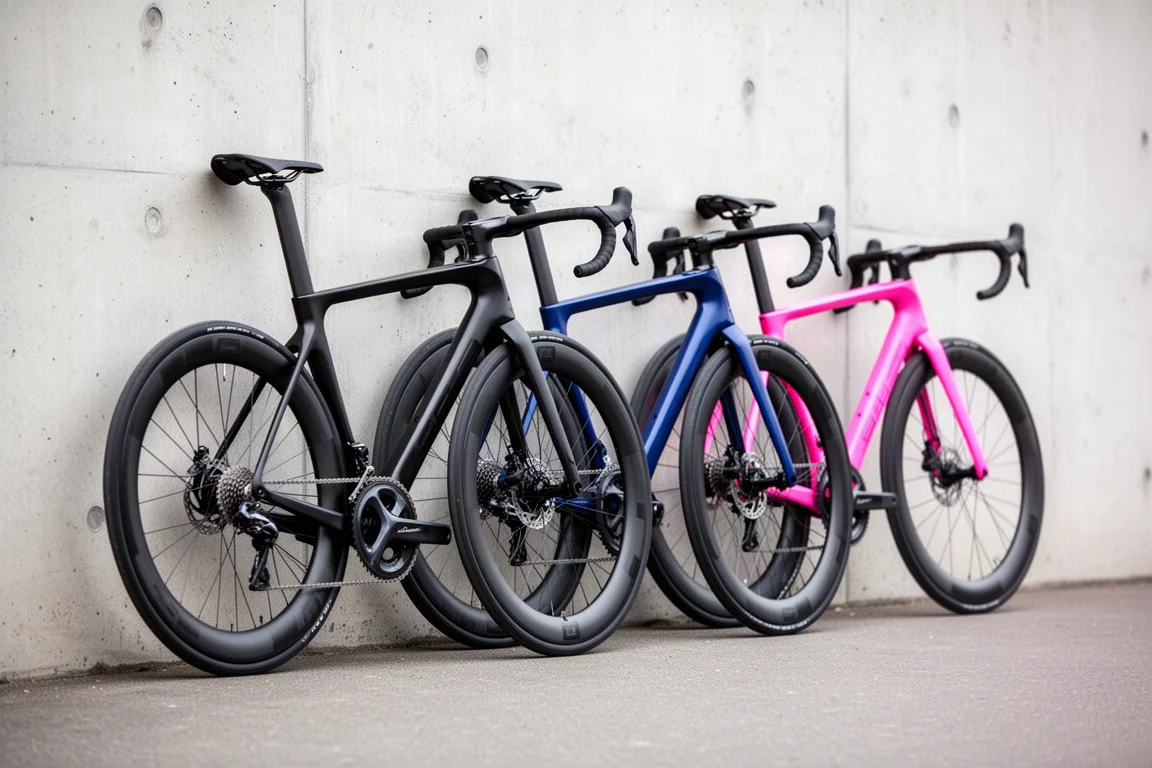
2026 Tour de France Road Bikes: Six Race Machines Worth a Closer Look
Six race bikes from the 2026 Tour de France grid, reviewed for paint, silhouette, wheels and the specification details that matter to buyers.
Road Bikes
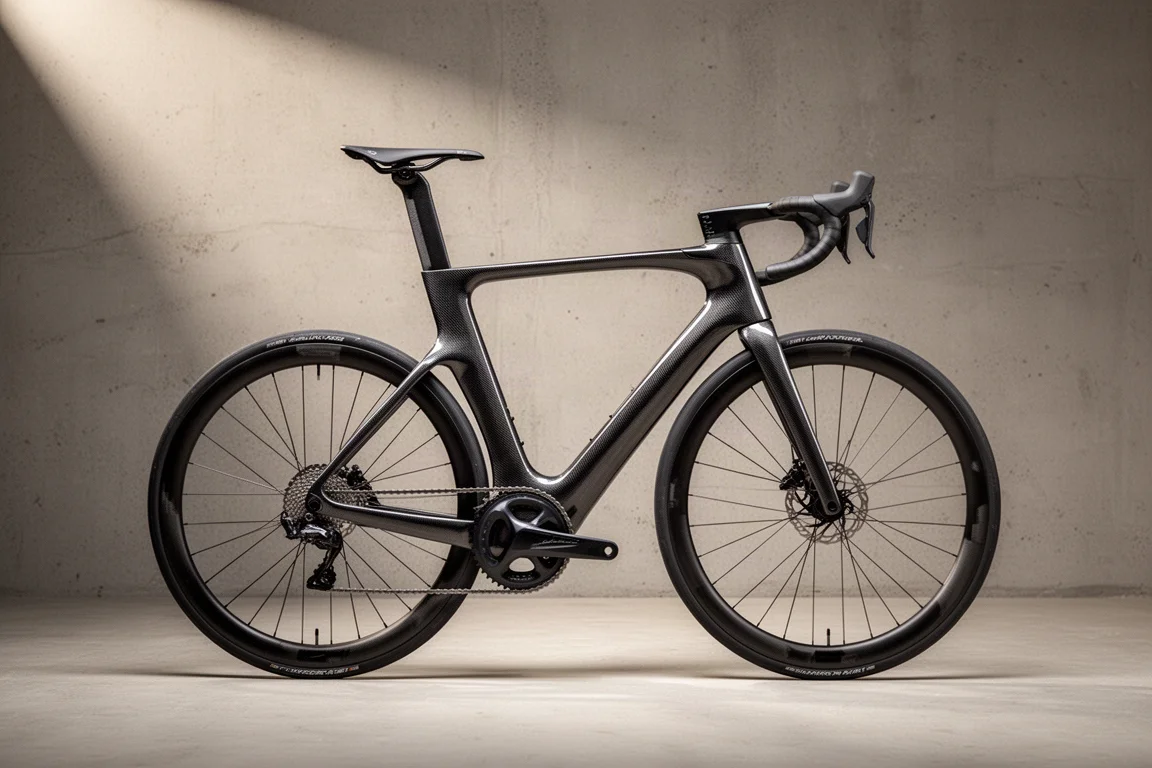
3T Strada Italia Review: A Radical Aero Road Bike That Rides Smooth
A made in Italy carbon aero road bike with a deep head tube, wide tire clearance and a genuinely comfortable ride. Here is what to know before buying.